
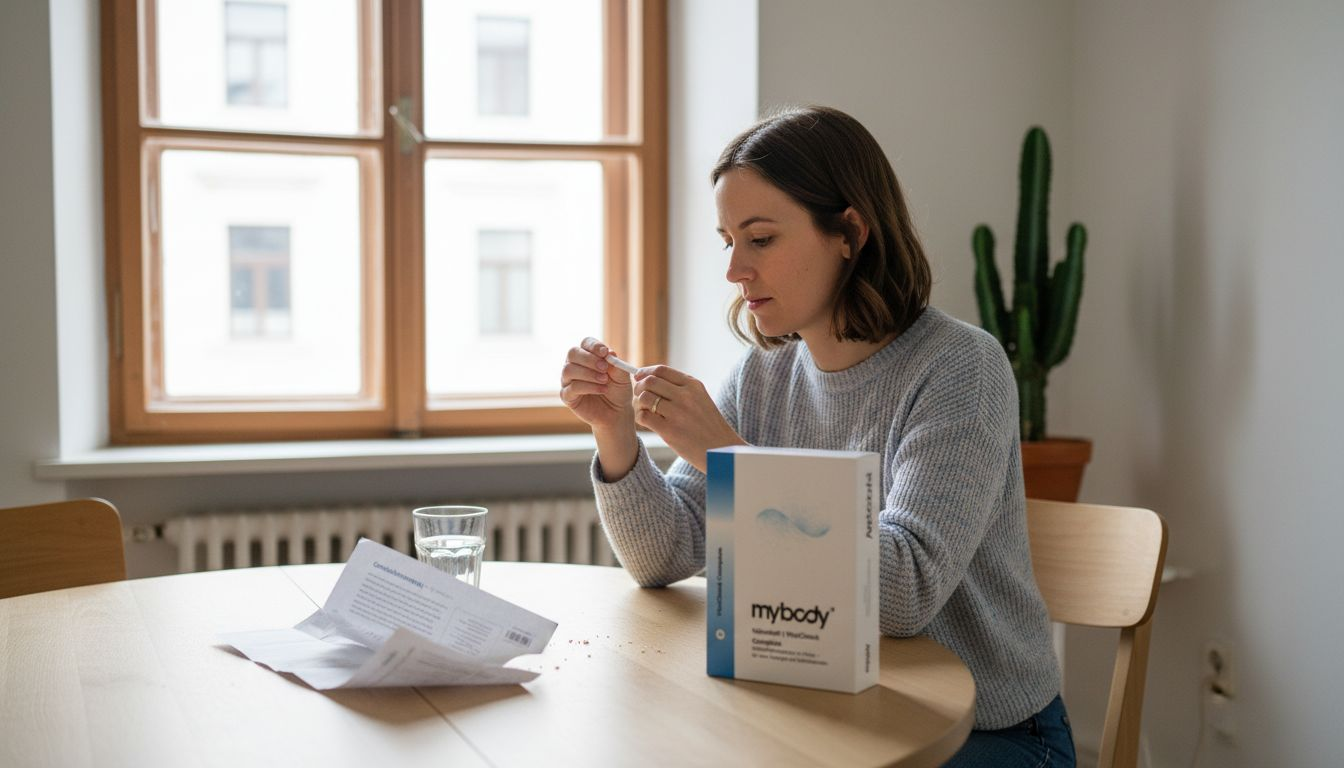
What is a self-test? Scientifically reliable at home
Anyone in Central Europe who wants to take a targeted approach to their well-being often faces the question of how personal health factors can truly be measured. The ability to easily perform modern self-tests for nutrition, metabolism, and the microbiome at home makes independent health checks more convenient than ever. With tests designed for independent use that, according to the EU IVDR, must be possible to perform correctly and understand easily, relevant bodily data can be analyzed discreetly and flexibly. This article explains what self-tests can really do, what you should look out for, and how to obtain meaningful results.
Table of contents
- Definition and how self-tests work
- Important types of modern medical home tests
- Procedure and correct use at home
- Reliability, limitations, and typical sources of error
- Safety aspects, data protection, and legal requirements
Key findings
| Point | Details |
|---|---|
| Self-tests offer flexibility | They enable you to perform tests conveniently at home and without medical professionals. |
| Correct use is crucial | Careful performance and following the instructions are necessary for reliable results. |
| Different types of tests exist | Self-tests range from simple rapid tests to complex diagnostic tests. |
| Data protection and security are important | Make sure that providers are trustworthy and comply with the GDPR to protect your health data. |
Definition and how self-tests work
Self-tests are tests that you can perform yourself at home without needing medical professionals. They enable you to collect samples of bodily fluids such as blood, saliva, or urine and analyze them directly on-site. Unlike examinations at the doctor’s office, you decide when and where to take the test. This gives you flexibility, privacy, and often faster results. Self-tests are tests intended for independent use by non-medical professionals and are regulated under the EU In Vitro Diagnostic Medical Devices Regulation (IVDR). This means that every self-test must be designed so that you can perform it correctly, even without prior knowledge, and understand the results accurately.
It is important to understand the difference between self-tests and point-of-care tests (POCT). With a point-of-care test, the analysis is performed by trained medical staff, for example at the dentist's office or in a pharmacy. With a self-test, you perform both steps yourself: You collect the sample and evaluate it. Well-known examples include pregnancy tests and COVID-19 antigen tests from pharmacies. Specialized at-home tests for checking your diet, metabolism, or your gut health through a stool test also belong to this category. These tests are becoming increasingly popular because they allow you to proactively monitor your health.
The process is remarkably simple: The test is delivered to your home with clear instructions. You follow the instructions step by step, collect your sample according to the exact specifications, and then either send it in or evaluate it immediately. For diagnostic self-tests such as food intolerance tests, your sample is sent to a certified laboratory, which performs the analysis under standardized conditions. This combines the simplicity of performing the test yourself with the scientific accuracy of professional laboratory work. You then receive the result, usually within a few days to a few weeks, in an easy-to-understand report with practical recommendations tailored specifically to your situation.
Pro tip: Make sure your self-test is analyzed by certified laboratories and comes with detailed instructions. This is essential for obtaining reliable results and avoiding errors when collecting the sample.
Important types of modern medical home tests
The world of self-tests has become more diverse. Today, there is an impressive range of tests you can perform at home. The classic examples are pregnancy tests and blood glucose tests, which have been working reliably for years. But specialized self-tests for various areas of health have also long been a reality. These include HIV tests performed using blood or saliva, COVID-19 antigen tests using a nasal swab, ovulation tests for women who want to check their fertility, and tests for urinary tract infections. Modern home tests can also check for vitamin deficiencies, menopause, or sexually transmitted infections. What all these tests have in common is that they do not require you to visit a doctor and provide quick insight into your current state of health.
For health-conscious people, however, it often goes deeper. You want to understand how your body works, not just check superficial symptoms. This is where specialized analyses come in. Tests based on saliva samples, for example, provide insights into your genetic predispositions, metabolism, and nutritional optimization. Stool analyses provide detailed information about your gut health and microbiome. At-home blood tests can detect nutrient deficiencies, hormone levels, or inflammation markers. These tests are fundamentally different from simple yes-or-no tests: They provide comprehensive reports with personalized recommendations for nutrition, lifestyle, and preventive care.
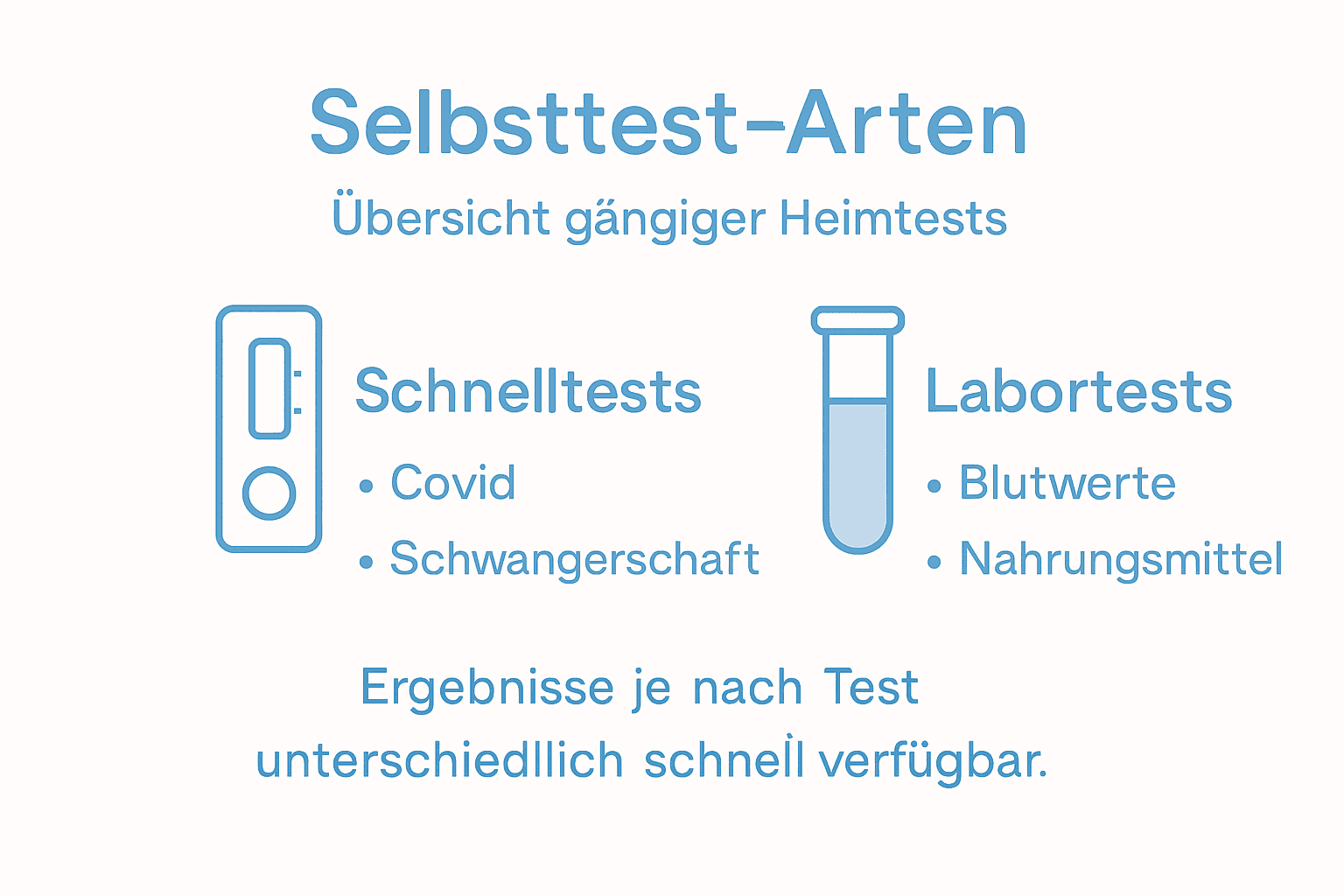
The difference lies in the complexity and added value. Simple rapid tests answer a specific question immediately or within a few minutes. Diagnostic at-home tests, on the other hand, usually require sending the sample to a certified laboratory, where specialized analyses are performed under controlled conditions. This takes longer, but provides scientifically validated results with genuine insights. You receive not just raw data, but interpreted results with practical recommendations for action. This is especially valuable if you want to proactively optimize your health or if you have specific questions about your gut and well-being.
Pro tip: First, consider what you really want to know: Do you need a quick answer to a specific question, or would you like deeper insights into your body? This will help you choose the right test and set realistic expectations.
Here you will find a structured comparison of the most important types of at-home self-tests:
| Test type | Sample material | Typical application | Result turnaround time |
|---|---|---|---|
| Pregnancy test | Urine | Fertility testing | 2–5 minutes |
| HIV self-test | Blood/saliva | Infection status | 20–30 minutes |
| Blood glucose test | Blood | Diabetes monitoring | 1–3 minutes |
| Gut health test | Stool | Microbiome analysis | 7–14 days |
| Vitamin deficiency test | Blood | Nutrient status | 2–5 days |
| COVID-19 antigen test | Nasal swab | Infection detection | 15 minutes |
Procedure and correct use at home
Properly performing a self-test is crucial for reliable results. Although self-tests are designed for use by laypeople, they require care and attention. The first step is always to read the instructions for use thoroughly. It may sound obvious, but it is often skipped. The instructions explain exactly what you need, how the individual steps work, and what you need to pay attention to. Take your time to do this before you begin. Next, make sure that all test components are at room temperature. This is important because the reagents do not work optimally if the temperature is too low or too high. If they have been stored in a refrigerated environment, take the test components out of the packaging about 15 to 20 minutes beforehand.
You need to be absolutely precise when collecting the sample itself. Careful sample collection is the most critical step for reliable results. Whether it is a nasal swab, saliva, or other materials, follow the exact instructions. For a nasal swab, for example, insert the swab about 2 to 4 centimeters deep and gently rotate it several times in circular motions. If it is too shallow, you will not collect enough material. If you are too forceful, you may injure the mucous membrane. After collecting the sample, you must place it correctly in the extraction buffer or solution. The material on the swab must dissolve completely in the liquid. Rotate the swab several times to ensure that the sample is thoroughly mixed.
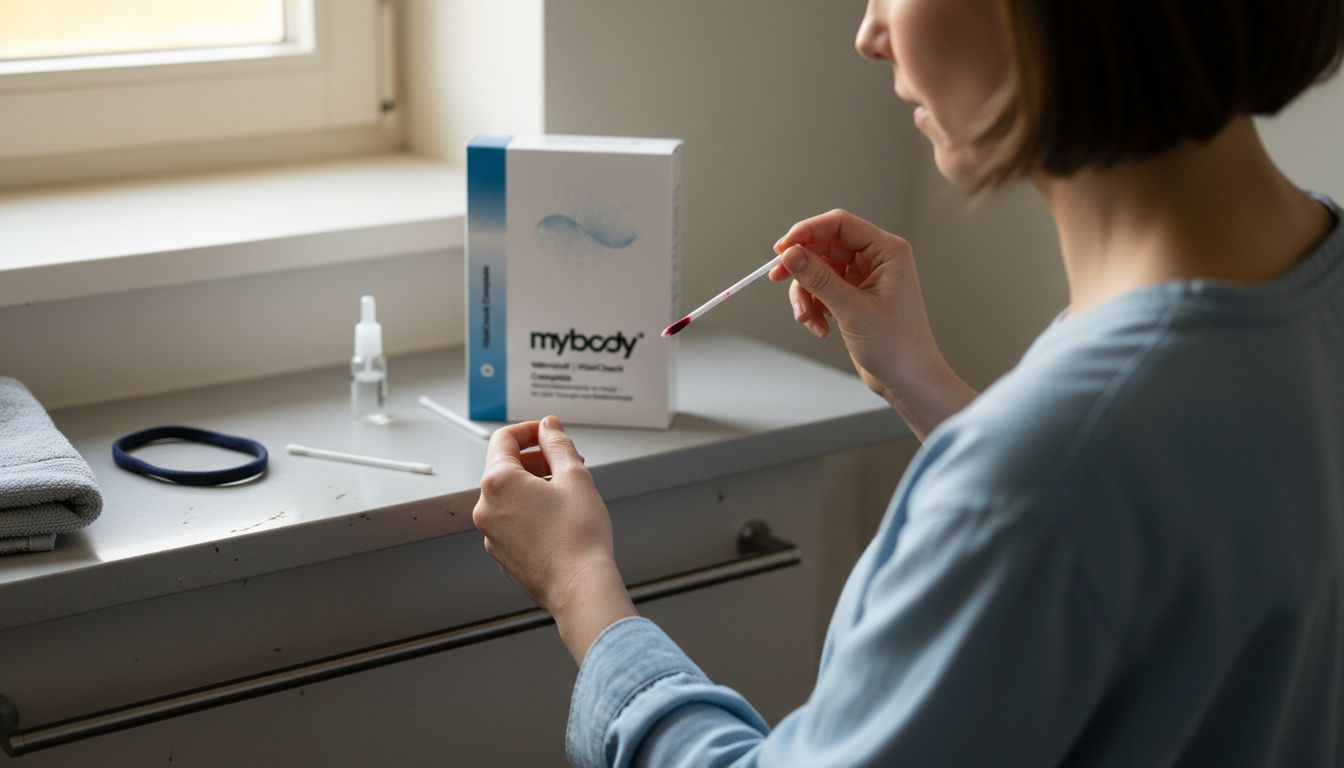
Then apply the sample to the test cassette exactly as specified in the instructions. The amount is important: too little and the test will not work; too much and the result will be distorted. Also follow the waiting times precisely. Strictly observing the specified waiting times is essential for reading the result correctly. Some tests require 10 minutes, others 15 or 20. Do not check the result too early or too late. Most self-tests display the result within a specific time window, outside of which it becomes invalid. After the test, dispose of the used materials properly. Wash your hands thoroughly, even if the test was negative. This is an important hygiene measure, especially if you have handled potentially infectious materials.
Pro tip: Perform self-tests in a calm, clean area and have all materials within reach before you begin. This reduces sources of error and helps you proceed in a focused and systematic manner.
Reliability, limitations, and typical sources of error
Self-tests are practical and accessible, but they are not infallible. Reliability depends heavily on how you perform the test and on the prevailing external conditions. Sensitivity and specificity are the two most important measures of a test's accuracy. Sensitivity describes how well the test detects an existing disease, while specificity indicates how reliably it rules out the presence of a disease. The reliability of self-tests is assessed based on sensitivity and specificity, and these values vary considerably depending on the type of test and sample. For example, saliva tests may have different accuracy rates than blood tests. The viral load, or the amount of pathogens in your body, also affects whether the test detects them. With a very low viral load, even a high-quality test can produce a false negative.
The biggest sources of error arise from incorrect handling. Typical errors with self-tests include incorrect temperatures, testing at the wrong time, and improper sample collection. There are many other pitfalls: If you have eaten or drunk shortly before the test, this can distort the result of saliva tests. Unclean hands can contaminate the sample. Reading the result too early or too late can lead to invalid or misinterpreted results. Storage also plays a role. Tests stored at excessively high or low temperatures do not work properly. Some people collect the sample too superficially, while others are too aggressive. It is like the difference between a cautious and a reckless dentist during teeth cleaning: A balanced approach is crucial.
It is also important to understand that self-tests always represent a snapshot in time. They show you what your status is right now, but say nothing about tomorrow. For some conditions, this is entirely sufficient. For others, where the early stages are important, a negative result can give false reassurance. So if you receive a positive or borderline result, you should ideally have it confirmed by a professional laboratory test. This is especially true when the result has important consequences for your health decisions. Self-tests are a valuable initial guide, but not a substitute for professional diagnostic testing when it really matters.
Pro tip: Document the testing conditions: time, room temperature, and how long the test components were stored before use. This will help you assess the results more accurately later and, if questions arise, account for how the test was performed.
This table provides an overview of typical sources of error and their impact on self-test results:
| Source of error | Specific impact | Consequence for the result |
|---|---|---|
| Unclean hands | Contaminated sample | False positive or invalid |
| Incorrect temperature | Reagents do not work | No indicator or faulty indicator |
| Reading too early | Result did not develop | False-negative result |
| Reading too late | Overdeveloped indicator | Invalid or false positive |
| Superficial sample collection | Insufficient material | Result not conclusive |
Safety aspects, data protection, and legal requirements
When you use a self-test, you entrust the manufacturer with your health data. This is an important trust that must be protected legally and ethically. In the European Union, the IVDR (In Vitro Diagnostic Medical Devices Regulation) precisely governs how self-tests may be developed, tested, and placed on the market. The EU regulation on in vitro diagnostic medical devices sets out regulatory requirements for self-tests. Manufacturers must demonstrate that their tests are safe, work reliably, and can be used correctly by people without medical training. This means the instructions must be understandable, the tests must have been tested under realistic conditions, and potential risks must be documented. These strict requirements protect you from unsafe or unreliable products on the market.
Even more important for your privacy is data protection. Many modern self-tests work with apps or online platforms where you can store, analyze, or share your results with healthcare professionals. These platforms collect and store sensitive health data. The General Data Protection Regulation (GDPR) protects this data strictly. Every provider of self-tests must implement technical and organizational measures to ensure that your data is encrypted, stored securely, and used only for the purpose to which you have consented. Specifically, this means that your data must not simply be shared with third parties, your password must be secure, and the provider must also protect against hacker attacks. If a provider fails to comply with these rules, it may face heavy fines of up to 20 million euros or four percent of its global annual turnover.
But as a user, you also have a responsibility. Before buying a test, check which provider is behind it. Reputable providers are transparent about how your data is protected, how long it is stored, and how you can delete it. Pay attention to the privacy policy and read it, even if it seems a little tedious. Also consider whether you actually want to share your sensitive health data with an app or whether an anonymous offline analysis would be sufficient. Many high-quality tests offer both options. It is also useful to know that data protection audits help companies ensure their compliance with the GDPR by identifying and addressing vulnerabilities. A provider that conducts regular security audits shows you that it takes data protection seriously.
Pro tip: Before buying a test, write a short email to the provider and ask about its data protection certification or security measures. Reputable companies are happy to answer such questions openly and transparently.
Discover safe, scientifically tested self-tests for your health at home
Self-tests offer flexibility and fast results for health monitoring without a doctor's visit. However, as you learned in the article, proper implementation and quality are crucial for reliable results. If you are looking for a professional solution that goes far beyond simple rapid tests and provides you with personalized, scientifically sound recommendations, mybody® is the answer. Our ISO-certified laboratory analyses take genetic predispositions, metabolism, gut health, and nutrient status into account, allowing you to optimize your health purposefully and take control of it yourself.
Rely on tested quality, comprehensive support, and the highest level of data protection for your at-home health journey. Discover our wide range now at At-Home Health Tests – Discover All Tests - mybody®x. At mybody®, you will also find specialized at-home intolerance tests for your individual situation. Start your personal health test today at https://mybody-x.com and turn insights into lasting well-being.
Frequently asked questions
What exactly is a self-test?
Self-tests are tests that you can perform at home to collect and analyze samples of bodily fluids without the need for medical professionals.
How is a self-test performed?
The process involves several steps: First, read the instructions, prepare the test components, collect the sample, and evaluate it according to the instructions.
What types of self-tests are available?
There are various self-tests, including pregnancy tests, HIV tests, blood glucose tests, and specialized tests for assessing gut health or vitamin deficiencies.
What are the most common sources of error in self-tests?
Common sources of error include unclean hands, incorrect temperatures of the test components, reading the result too early or too late, and imprecise sample collection.
Recommendation
- Irritable bowel syndrome test: Finally gain clarity about your gut – mybody®x
- At-home stool test: How to check your gut health | MYBODY-X – mybody®x
- Microbiome test: Your guide to better gut health – mybody®x
- Test for lactose intolerance and finally gain clarity – mybody®x
- Biostarks | Sport Performance



Share now:
Privacy in genetic testing – security for your DNA
DNA test for dieting: Can your genetics unlock your weight-loss secret?