

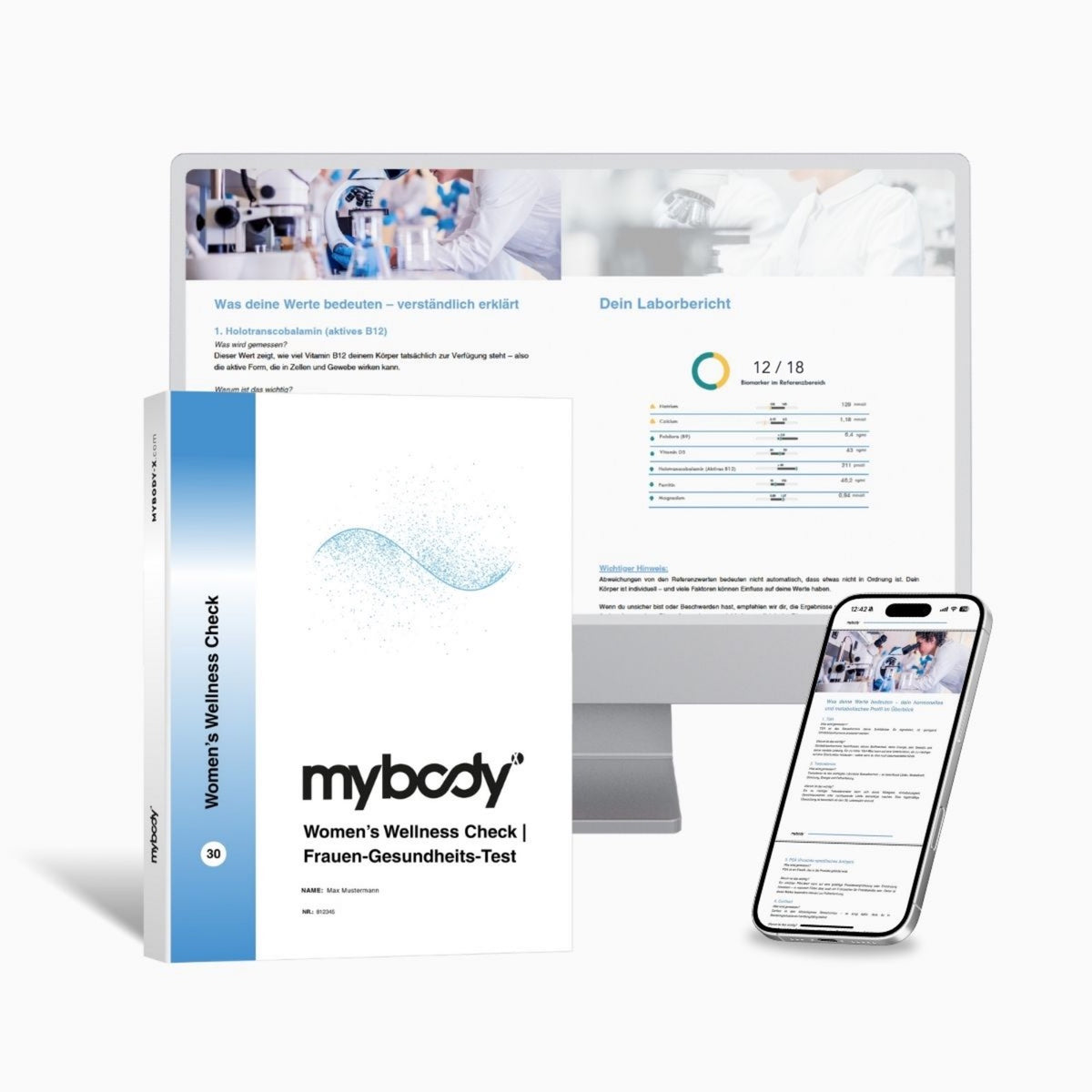


Women’s Wellness Check | Women’s Health Test
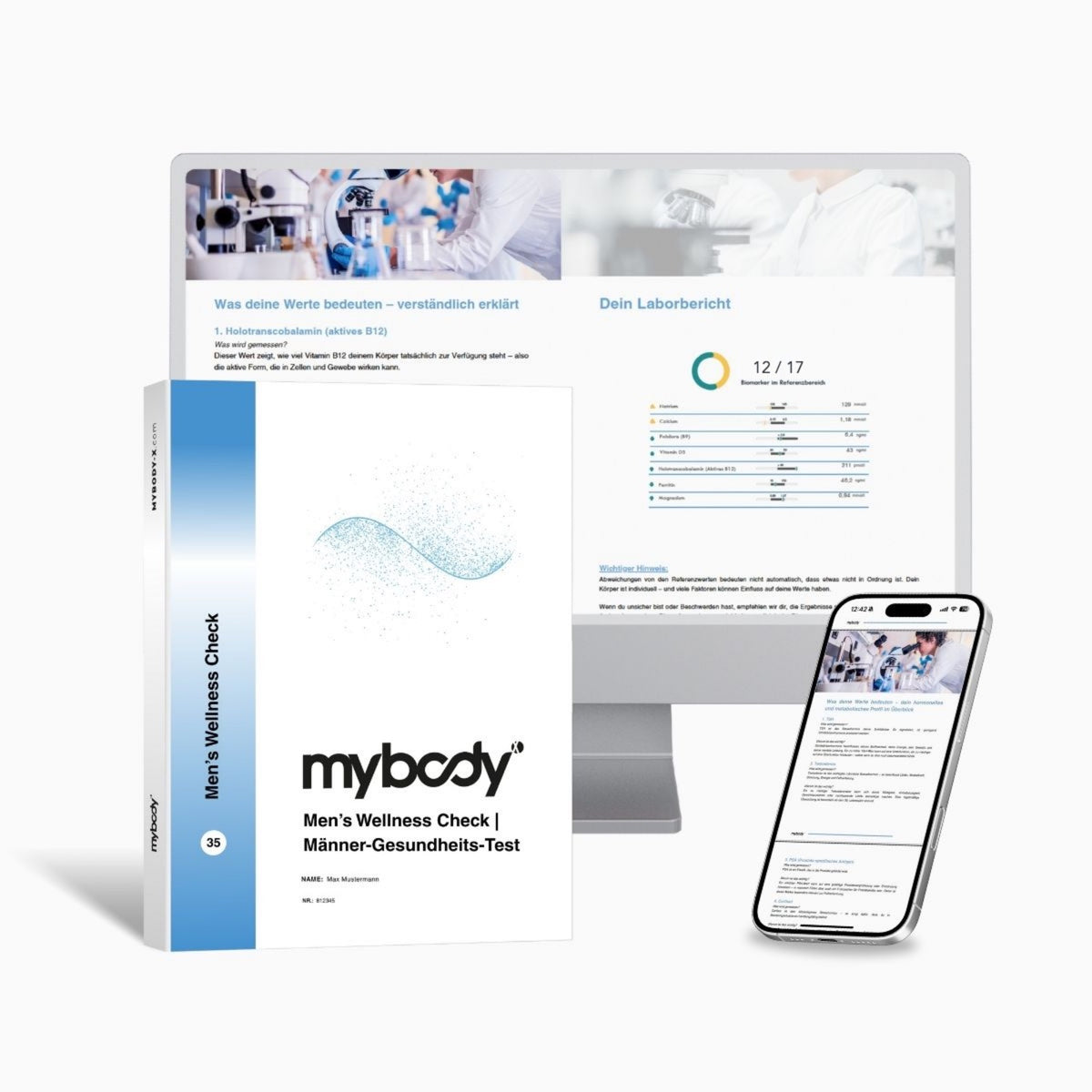


Men’s Wellness Check | Men’s Health Test
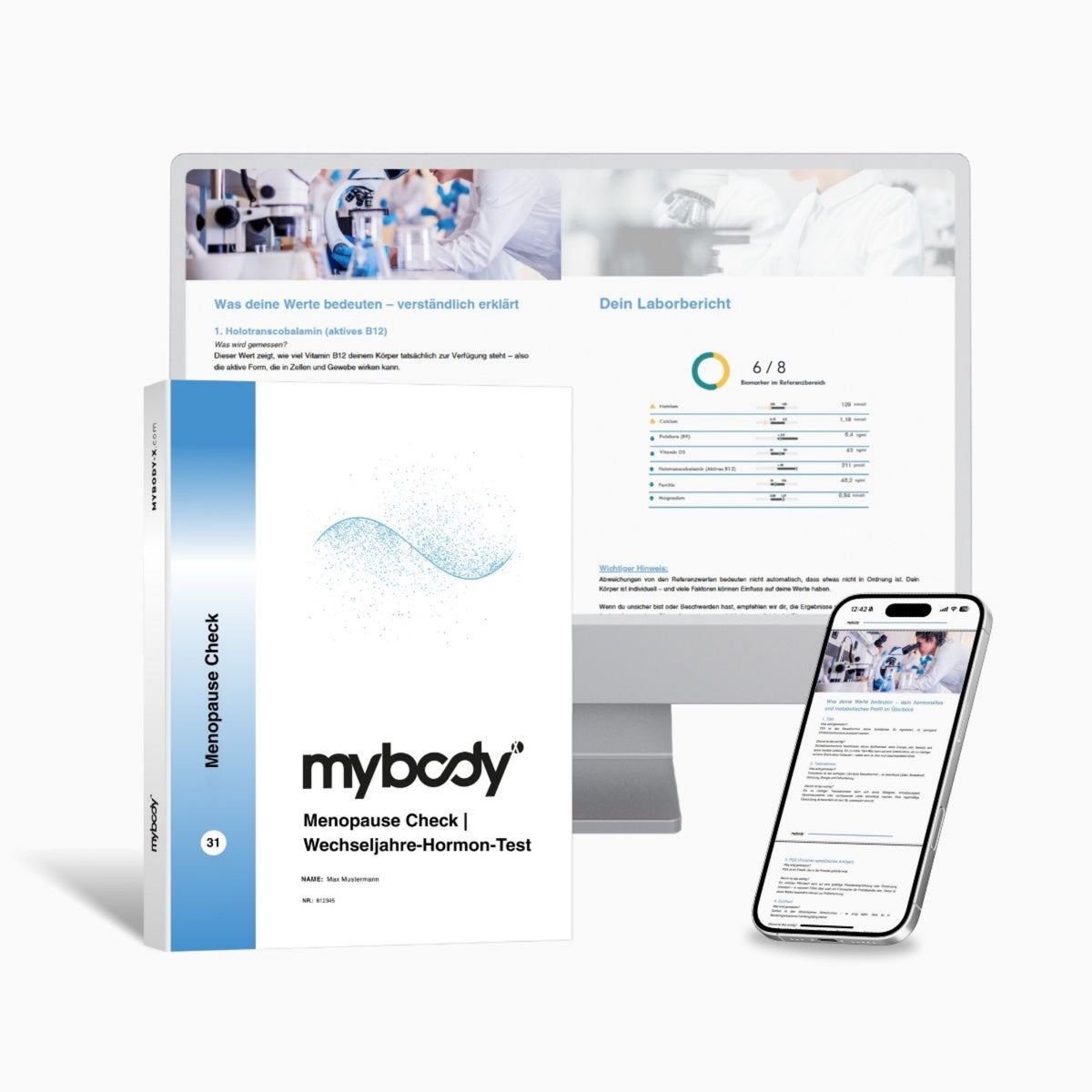


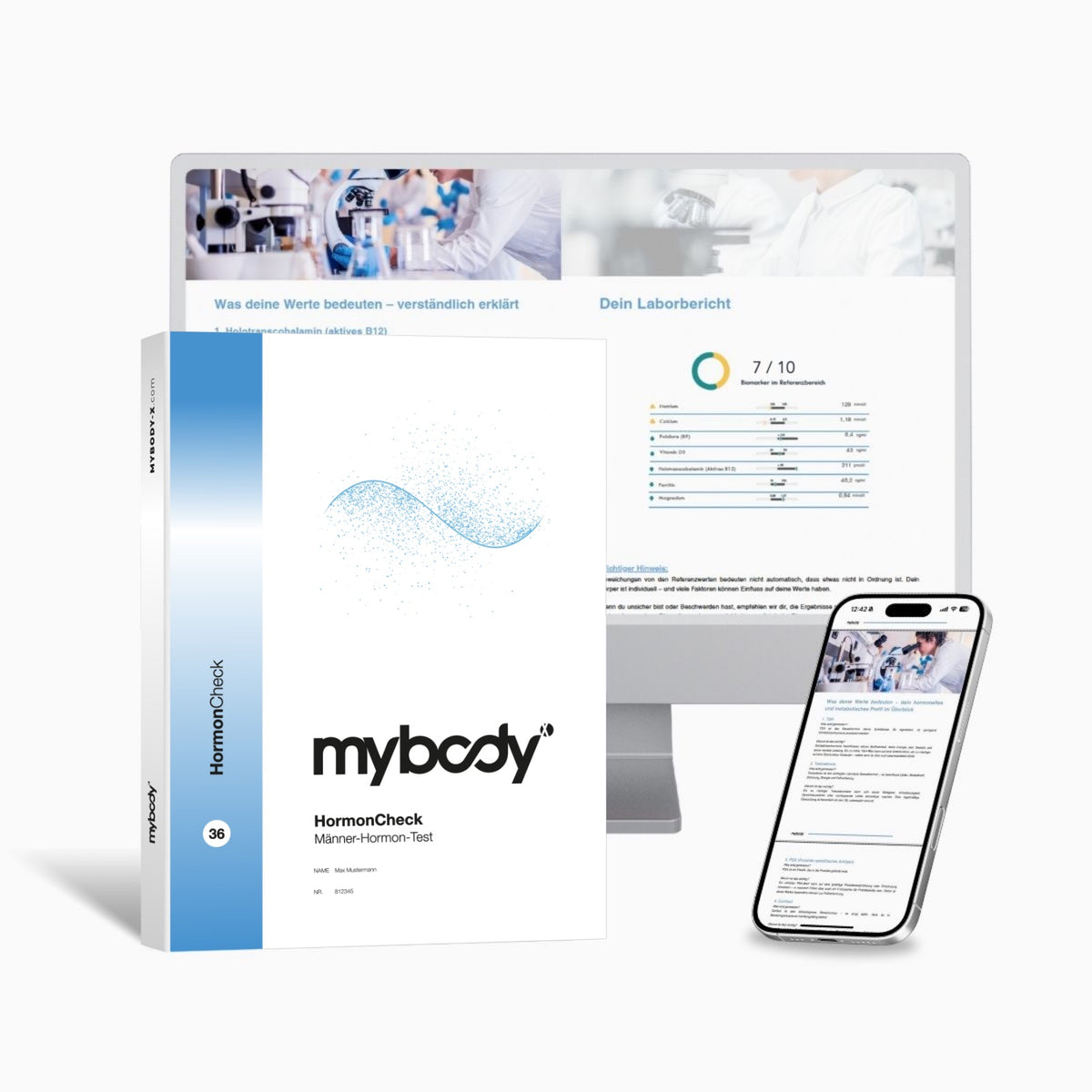
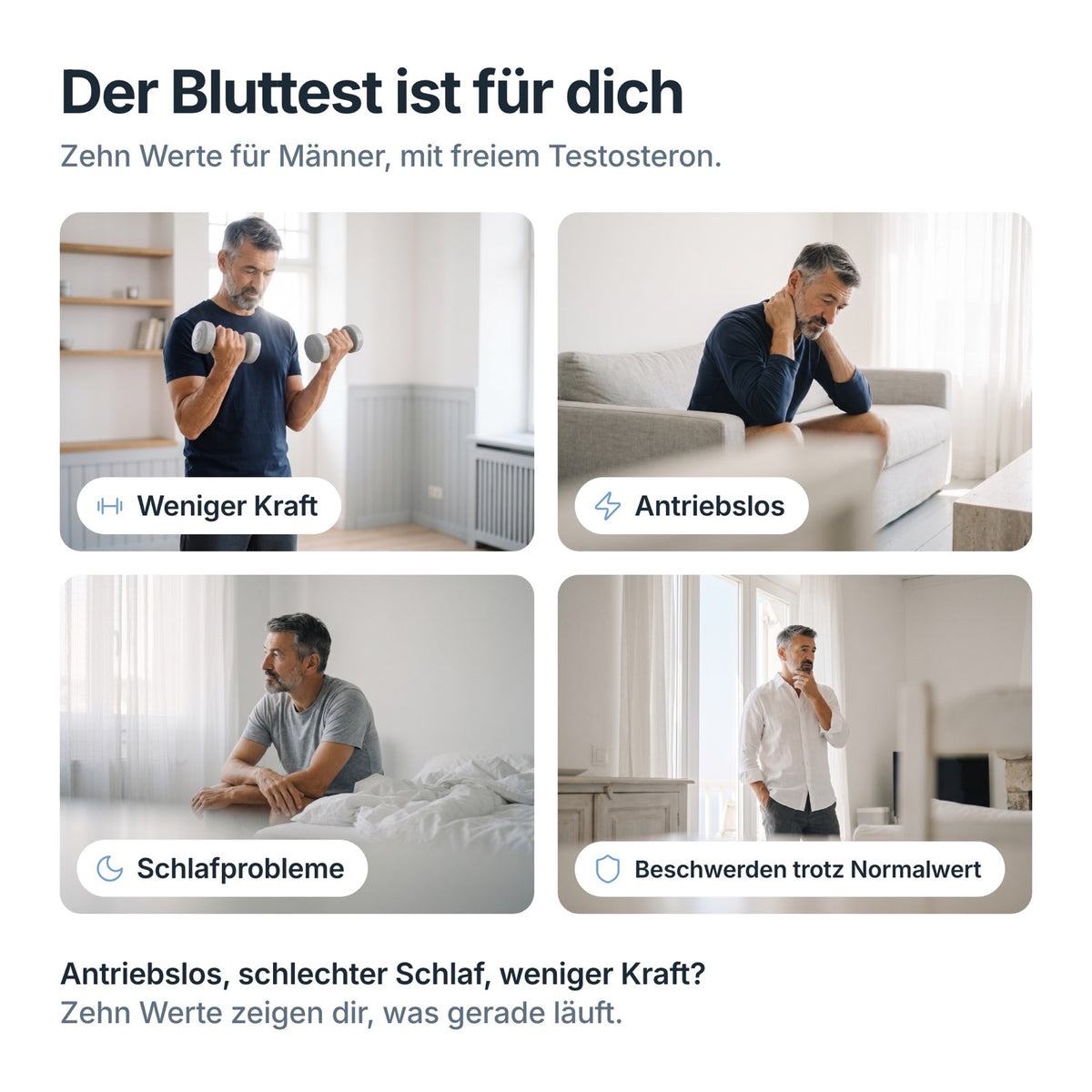
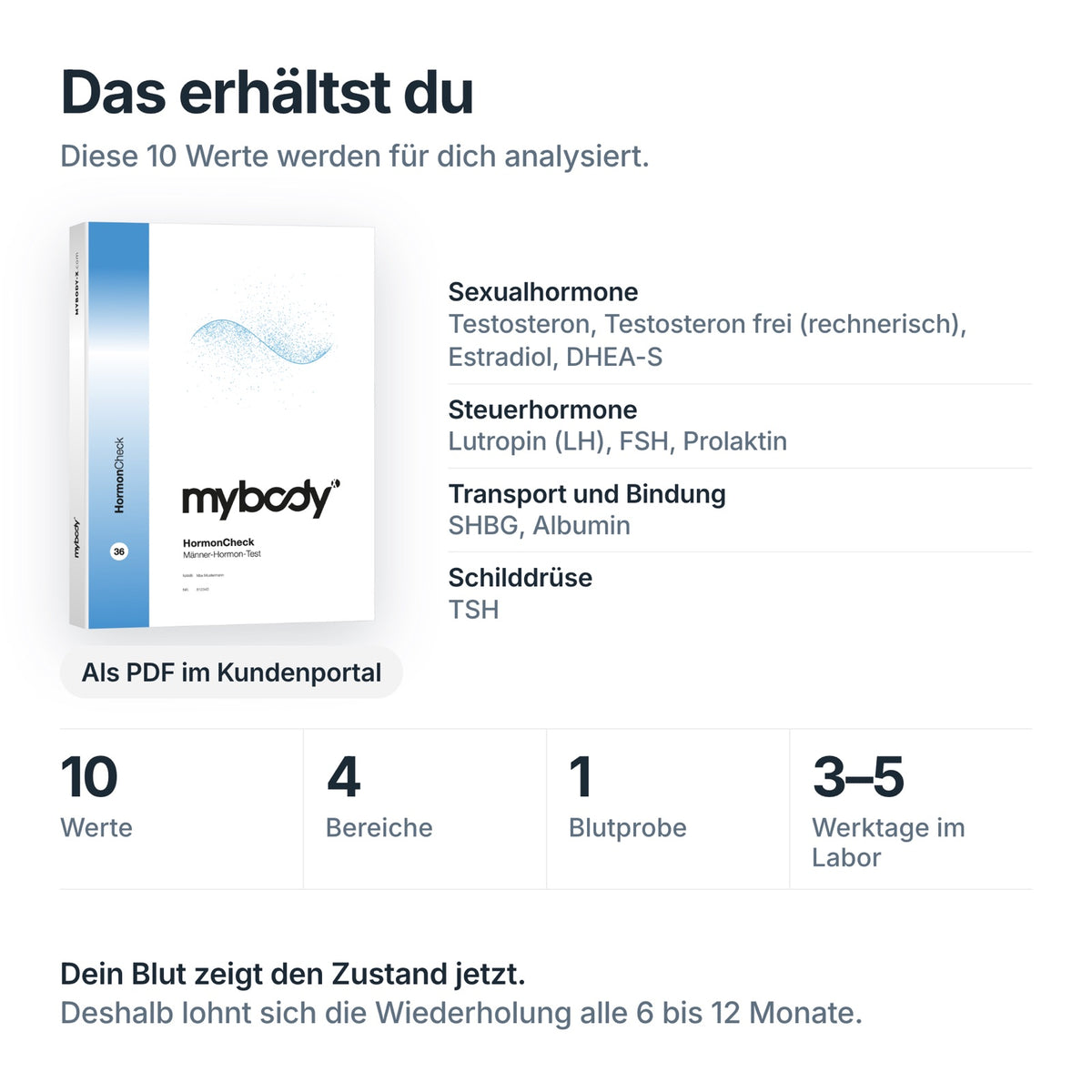

HormonCheck | Men’s Hormone Test
Hormone tests from mybody®
Hormone level analysis
You can perform our hormone tests easily and discreetly at home using a dried blood spot sample. The analysis provides valuable insights into your hormone status—including your stress hormone cortisol, triglycerides, and hemoglobin, as well as sex hormones such as free testosterone or SHBG.
These values play a central role in your energy levels, cardiovascular system, resilience, and overall vitality. Self-tests for measuring hormone levels help you better understand your body's signals—and take timely action if your hormonal balance has become disrupted.
mybody® gives you valuable clarity
Highest quality standard
Our analyses are not only ISO-certified, but are also recognized as medical self-tests.
Personal customer service
You will receive a free consultation and discussion of your results reports from us.
Scientific analyses
Our detailed reports are based on your information and analysis results.

Frequently Asked Questions
What are DNA metabolism, blood, gut, and self-tests?
- DNA metabolism tests (saliva): show genetic tendencies related to fat/carbohydrate utilization, appetite regulation, and exercise tolerance – the basis for personalized nutrition and sports. Learn more. mybody®x
- Blood tests (capillary blood): check vitamins, minerals, hormones, and inflammation markers – ideal for prevention and monitoring. Blood tests. mybody®x
- Gut/microbiome tests (stool): analyze bacterial diversity and dysbiosis and provide nutritional recommendations for a stable gut flora. Microbiome tests. mybody®x
- Self-tests: tested home kits with laboratory analysis – simple, discreet, and without a doctor’s appointment. All self-tests. mybody®x
Are the mybody tests ISO-certified laboratory analyses?
Yes. mybody® repeatedly states that the analyses are carried out in ISO-certified laboratories and are recognized as medical self-tests. This ensures reproducibility, accuracy, and quality-assured processes—the basis for reliable results and clear recommendations. mybody®x+1
Are mybody products also available through a subscription?
A classic subscription with savings is currently not promoted as a standard option on the website. However, there are promotions/bundles as well as payment options such as installment payments or “buy now, pay later” that are communicated in several places. For recurring benefits, we recommend subscribing to the newsletter and checking combination sets; this way, you can secure discounts and seasonal deals (e.g., Black Week).
When should I take the sample?
Ideally in the morning, shortly after you wake up, and then send it back the same day. Everything else about preparation is explained in the instructions included in the kit, including whether you need to fast. Write the collection time on the laboratory request form. It is part of the result because otherwise the laboratory cannot interpret the value.
Does the test replace the doctor?
No. A blood test shows values, not causes. It does not make a diagnosis, assess symptoms, or replace an examination. If values are significantly outside the reference range or symptoms are severe, bring the results to your next appointment. That is exactly what it is good for: You can discuss numbers instead of suppositions.
Do I need a reason to have my hormones tested?
No. Many people simply order one because they want a baseline, while others do so before an appointment so they do not start from scratch there. Both are good reasons. Today’s result is also the reference point for a later measurement. Hormone levels shift over the course of months, so the second result often says more than the first.
In this overview, you will find answers to common questions about the mybody tests.
Which hormone test provides which values?
Four blood tests, all from a capillary blood sample taken from the finger. Two show hormone levels as part of a comprehensive health profile, while two specifically focus on sex hormones and regulatory hormones.
Buy a hormone test: hormone levels together with thyroid function, vitamins, and blood lipids
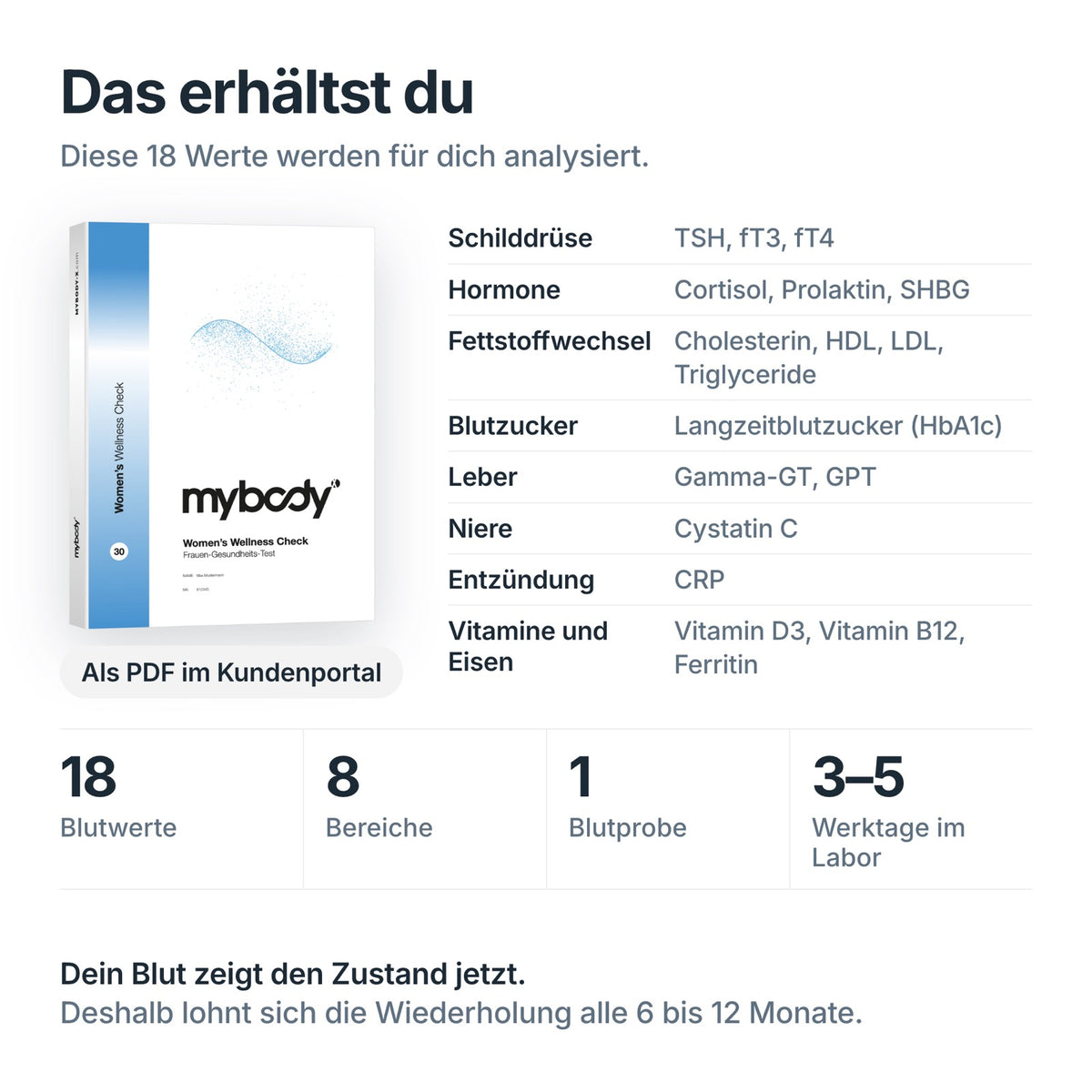
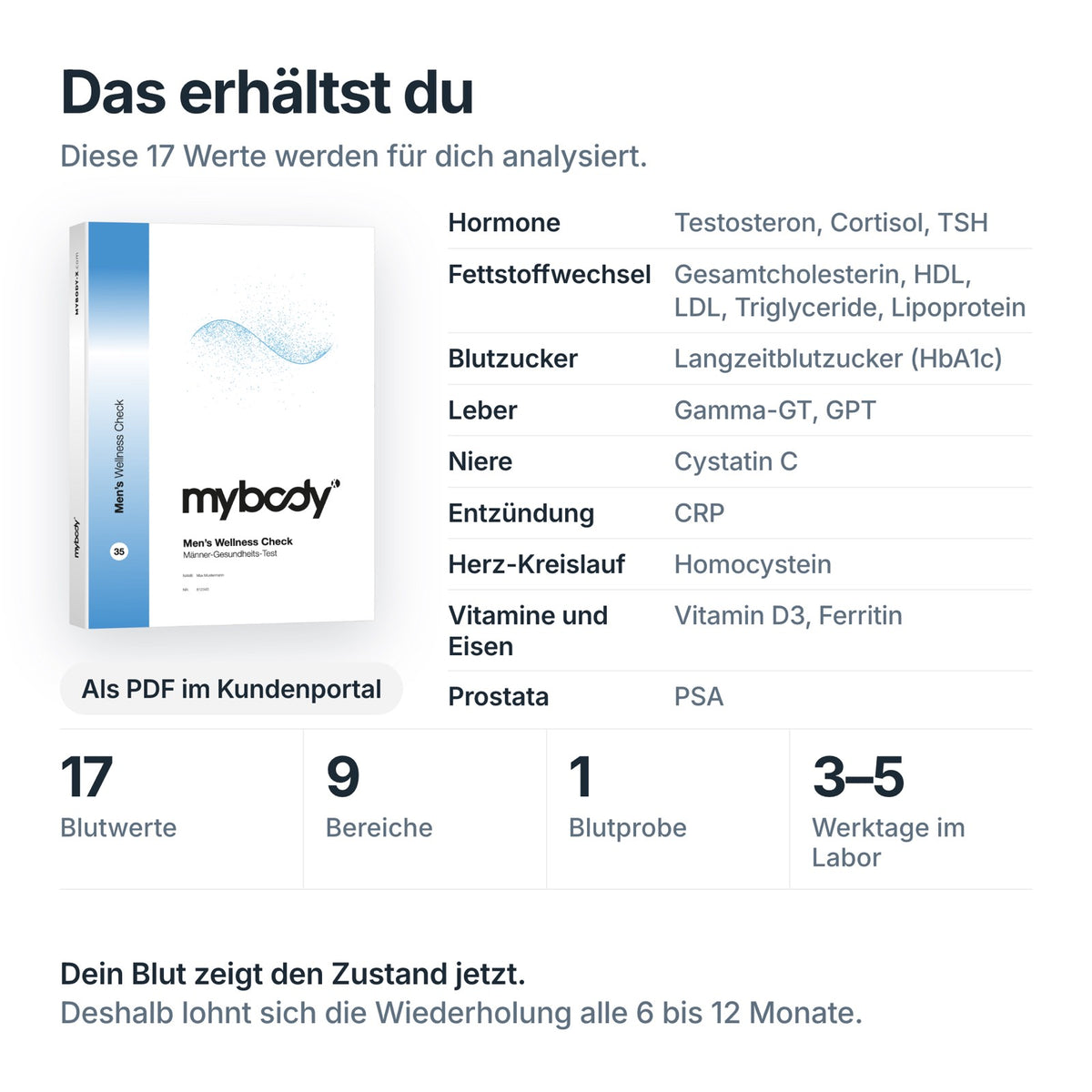
The Women's Wellness Check includes 18 values, while the Men's Wellness Check includes 17, each in a single report.
The Men's Wellness Check includes testosterone, cortisol, and TSH as hormone markers. It also measures blood lipids, including total cholesterol, HDL, LDL, triglycerides, and lipoprotein, the long-term blood sugar marker HbA1c, the liver values gamma-GT and GPT, cystatin C for kidney function, the inflammation marker CRP, homocysteine, vitamin D3, ferritin as an indicator of iron stores, and PSA as part of preventive screening. That makes 17 values. As with every value, an abnormal PSA result is a reason to have it medically assessed, not an indication of a disease. The Women's Wellness Check includes 18 values and is the only test in the range with a complete thyroid profile consisting of TSH, fT3, and fT4. It also measures cortisol, prolactin, and SHBG; the four blood lipids cholesterol, HDL, LDL, and triglycerides - the same ones as in the men's test, but without lipoprotein - as well as HbA1c, gamma-GT, GPT, cystatin C, CRP, vitamin D3, vitamin B12, and ferritin. Both use the same blood sample, which you collect at home from your fingertip: order the kit, prick your finger in the morning, send it back in the return bag, and access your report digitally. The benefit lies in the context. Here, a hormone level does not appear alone on a sheet of paper, but alongside iron, vitamin D, and blood sugar, which are interconnected in everyday life. The reference range specified by the laboratory for this method appears next to each value. If you measure again later, you will have a baseline for comparison.
Which values are part of a hormone profile?
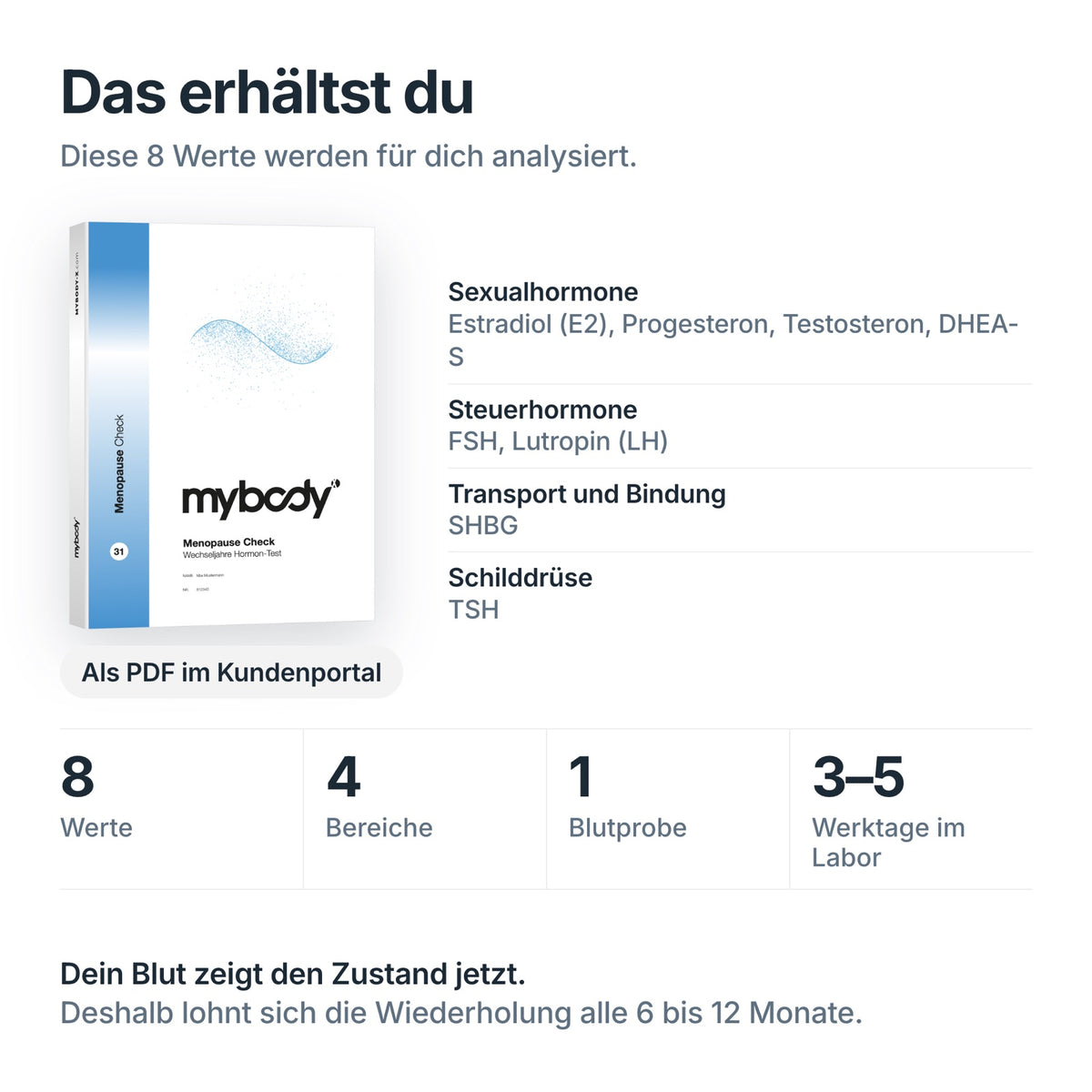
The hormones themselves, the regulatory hormones from the pituitary gland, and the transport values to which some of the hormones are bound.
Hormones work in regulatory feedback loops. The pituitary gland sends signals through FSH and LH, the gonads respond with estradiol, progesterone, or testosterone, and part of this response travels bound to SHBG and albumin, meaning it is not freely available. As a result, a total value can be in the middle of the reference range while the relationship between the values tells you more. That is why the two hormone profiles in this category include transport values alongside the hormones. The same principle applies to the thyroid: TSH is the control signal from the brain, while fT3 and fT4 are the hormones the thyroid releases in response. DHEA-S from the adrenal cortex is also included, a precursor that your body can use to produce other hormones. The reference range next to each value is not a health boundary. It indicates the range in which the values of most people measured in the laboratory using the same method fall, and it also depends on age and sex. This is why two reports from two laboratories cannot be compared number for number. And your report always shows one day: if you measure again later, you can see the direction in which something has changed. Nutrient status is not part of a hormone profile. Iron, vitamin D, and electrolytes follow different rules; the tests for these are listed in the Nutrient Deficiency Tests category.
If your triglycerides are too high, this may indicate a disorder of lipid metabolism—often caused by hormonal factors. Hormones such as cortisol and insulin directly affect triglyceride levels. A hormone and blood analysis test can help you find out whether a hormonal imbalance is behind the elevated levels. This gives you the basis for targeted measures—from nutrition and stress management to medical evaluation.
An elevated prolactin level can cause menstrual irregularities, difficulty conceiving, or breast pain. Such an increase in hormone levels often goes unnoticed for a long time. With a targeted hormone test, you can check your prolactin levels and determine whether stress or an underactive thyroid, for example, is the cause. This gives you clarity and enables you to take targeted therapeutic measures or make lifestyle changes.
Cortisol is the primary stress hormone—persistently high levels can negatively affect sleep, the immune system, and mood. By having your cortisol measured, you can find out whether stress is disrupting your hormonal balance. Targeted measures can then help you lower your cortisol—for example, through relaxation techniques, good sleep hygiene, or targeted exercise.
A low hemoglobin level can lead to anemia, fatigue, and lack of energy. Hormones also play a role here, as they influence, among other things, oxygen supply and blood formation. A hormone and blood test can help you find out whether your body is receiving an optimal supply of oxygen—and whether, for example, iron deficiency or hormonal causes are behind your exhaustion.