
 Blood test
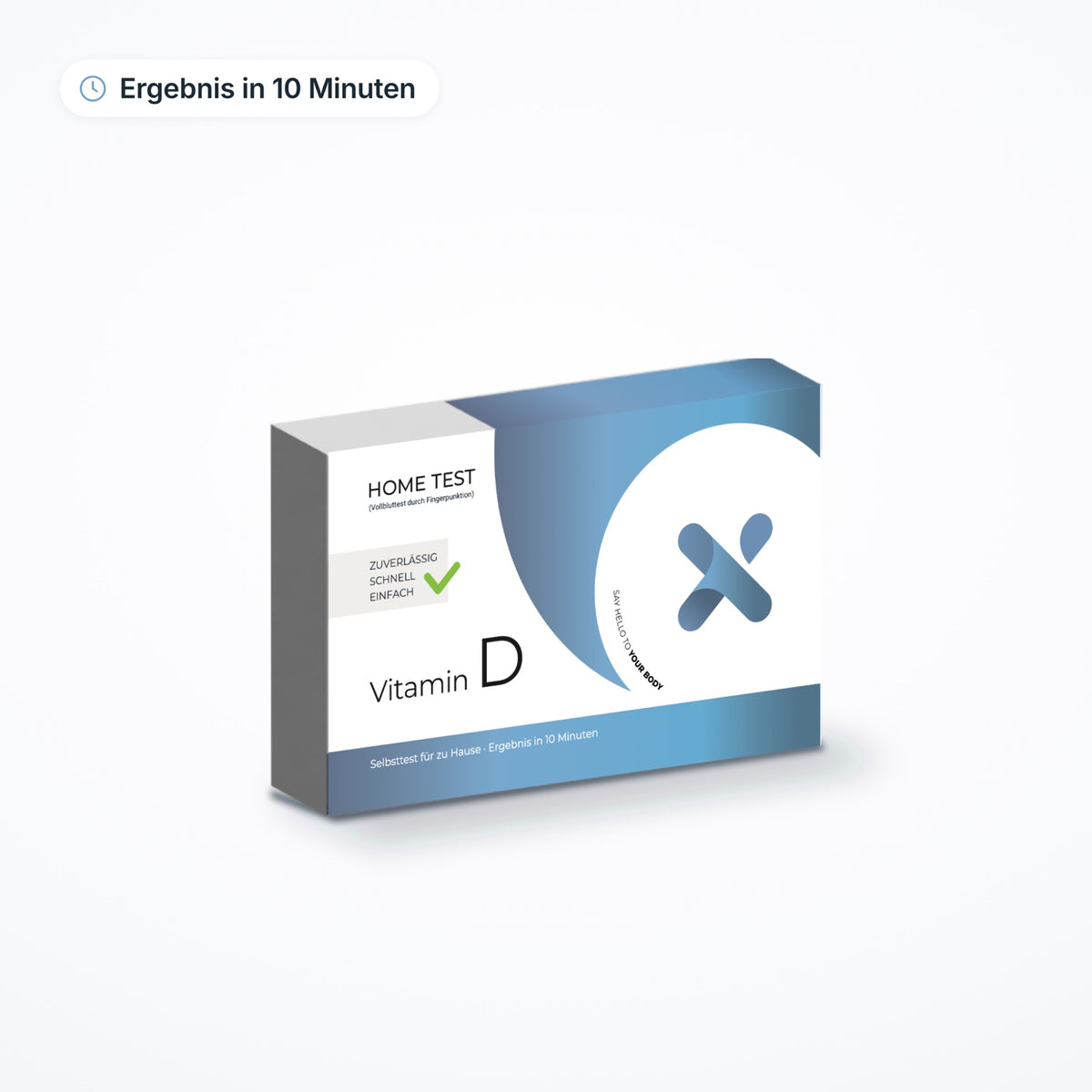


Vitamin D Self-Test
Quickly find out whether your vitamin D level is within the optimal range, and use the result as clear guidance for greater energy, well-being, and a mindful daily health routine.


 Medizinische Selbsttests
 Hoher Datenschutz & sicherer Kauf
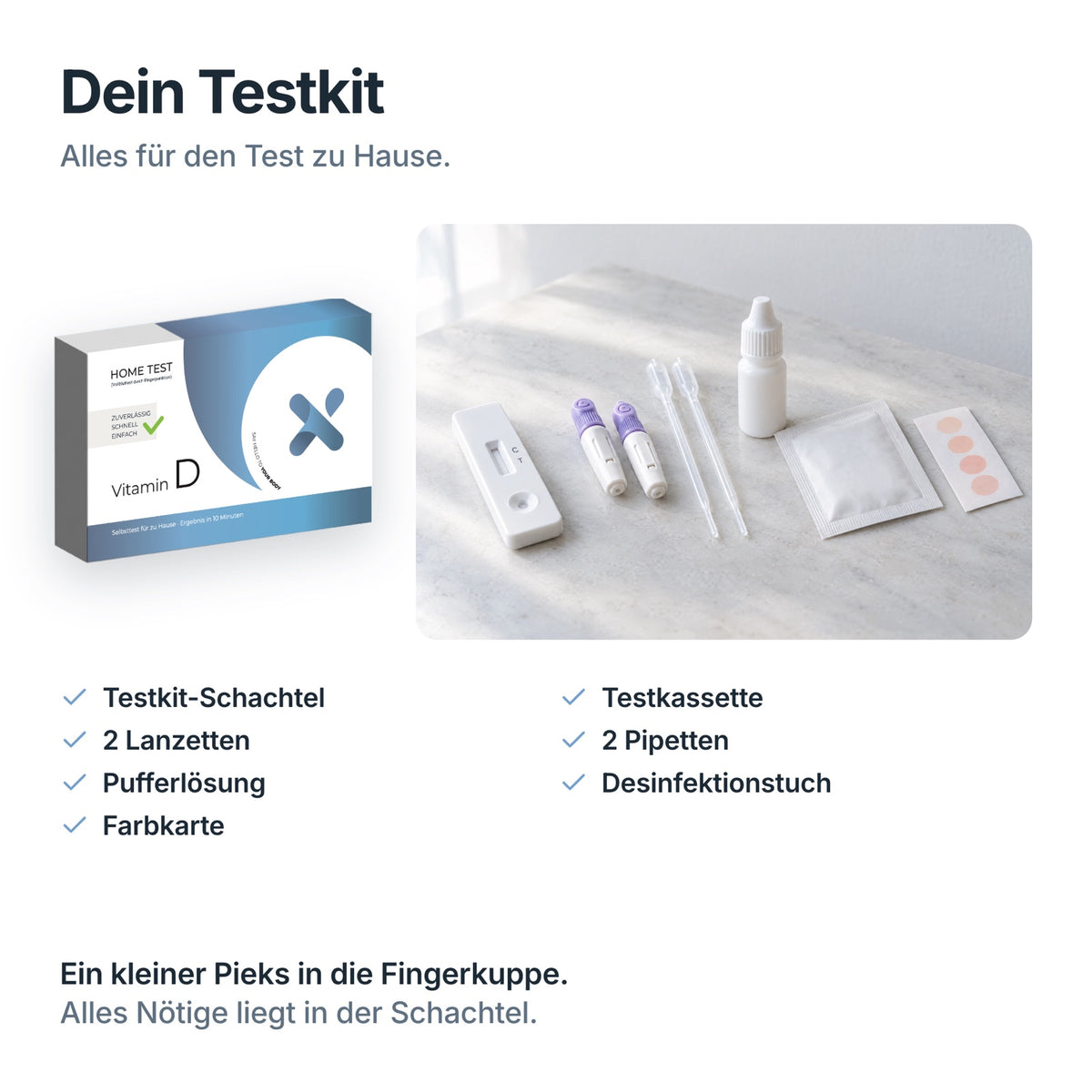
The vitamin D self-test includes
- At-home test kit (blood sample)
- Test cassette for direct evaluation
- Result within 5–10 minutes
The self-test is perfect for you if you…
experience the following in everyday life
- hair loss,
- fatigue and sleep disturbances,
- high susceptibility to infections,
- depressive moods,
- mood swings,
- difficulty concentrating, and
- muscle weakness or pain
.
Do you have any other concerns or requests? contact us and tell us which areas of your life you would like to improve.
Product description Vitamin D self-test
People who spend little time outdoors for work or in their private lives have an increased risk of vitamin D deficiency.
If you notice symptoms such as muscle and bone pain, tiredness, exhaustion, hair loss, or increased susceptibility to infections, they could be related to a low vitamin D level. Especially if they persist for a longer period or recur and do not improve with measures such as getting more sleep, relaxing, eating a healthy diet, etc.
With our at-home vitamin D self-test , you can easily measure your vitamin D level by determining the amount of 25-hydroxyvitamin D in your blood. You will quickly get clarity and be able to take action. If there is no deficiency, this will give you an indication of which direction you might explore further to find the cause of your discomfort.
Vitamin D Self-Test
Developed by doctors
Scientifically sound
Reliable results
100% customer-oriented
Our at-home test
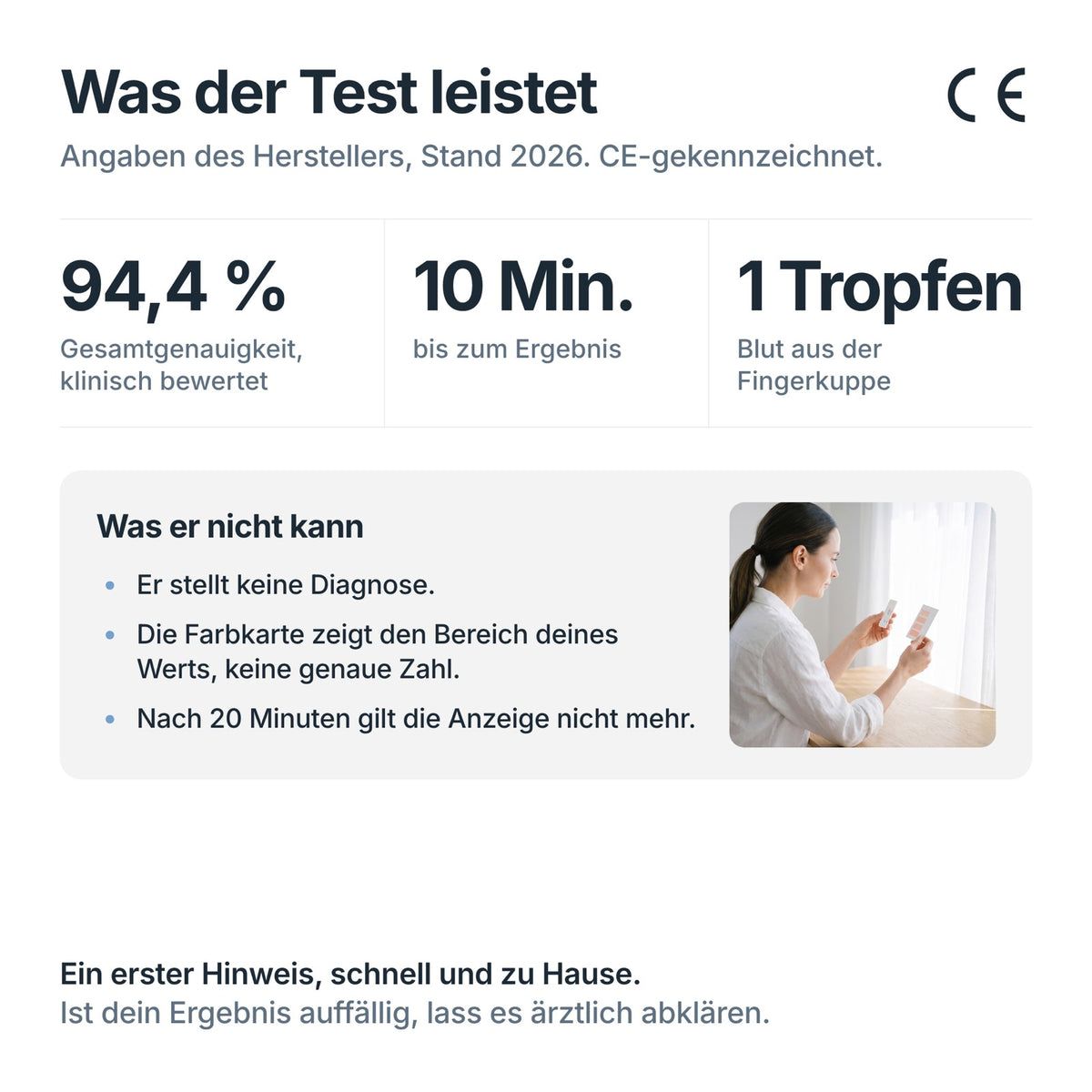
94.4% accuracy guaranteed
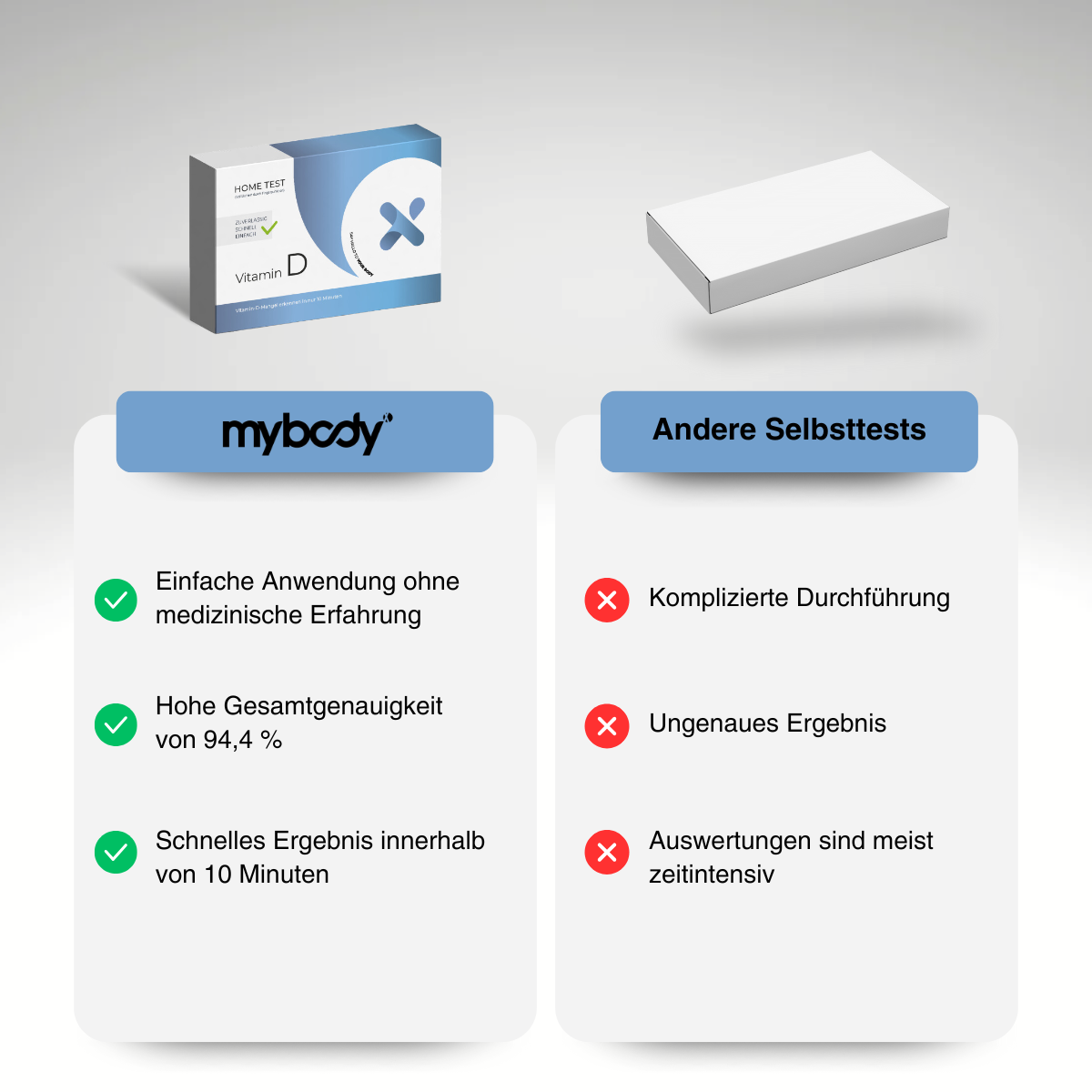
Our product has been thoroughly clinically tested. The results of our vitamin D self-test were compared with medical standards, and the result speaks for itself: With an accuracy of 94.4%, you can rely on our test’s high reliability.
Easy to use in the application
The vitamin D self-test was designed to be easy to perform even without prior medical knowledge. Thanks to the detailed step-by-step instructions included in every package, the test is extremely easy to use.
Quick result
Within just 10 minutes, you’ll receive a reliable test result and find out exactly what your body’s vitamin D level is.
What to expect:
Vitamin D Check: Clarity Through Self-Testing
The vitamin D self-test gives you a quick and straightforward look at your current vitamin D level—conveniently from home. The simple finger-prick blood collection and reliable test cassette provide a result in just a few minutes. This allows you to shape your daily routine more consciously—without making direct medical claims.
✔️ Quick Approximate Result – the vitamin D self-test shows your 25‑OH‑D3 level within approximately 5–10 minutes, based on a finger-prick blood sample.
✔️ Practical Lifestyle Insight – provides guidance-oriented insights so you can make more informed choices about your diet and daily routine—without any medical promises of healing.
✔️ Complete & Reliable – includes a test kit with cassette, lancets, buffer solution, and instructions; results are evaluated immediately at home, based on ISO-certified standards.
The vitamin D self-test thus provides a straightforward foundation for consciously shaping your personal well-being routine at your own pace—with autonomy and clarity.
Your benefits at a glance

Certified to the highest standards

No prior medical knowledge necessary
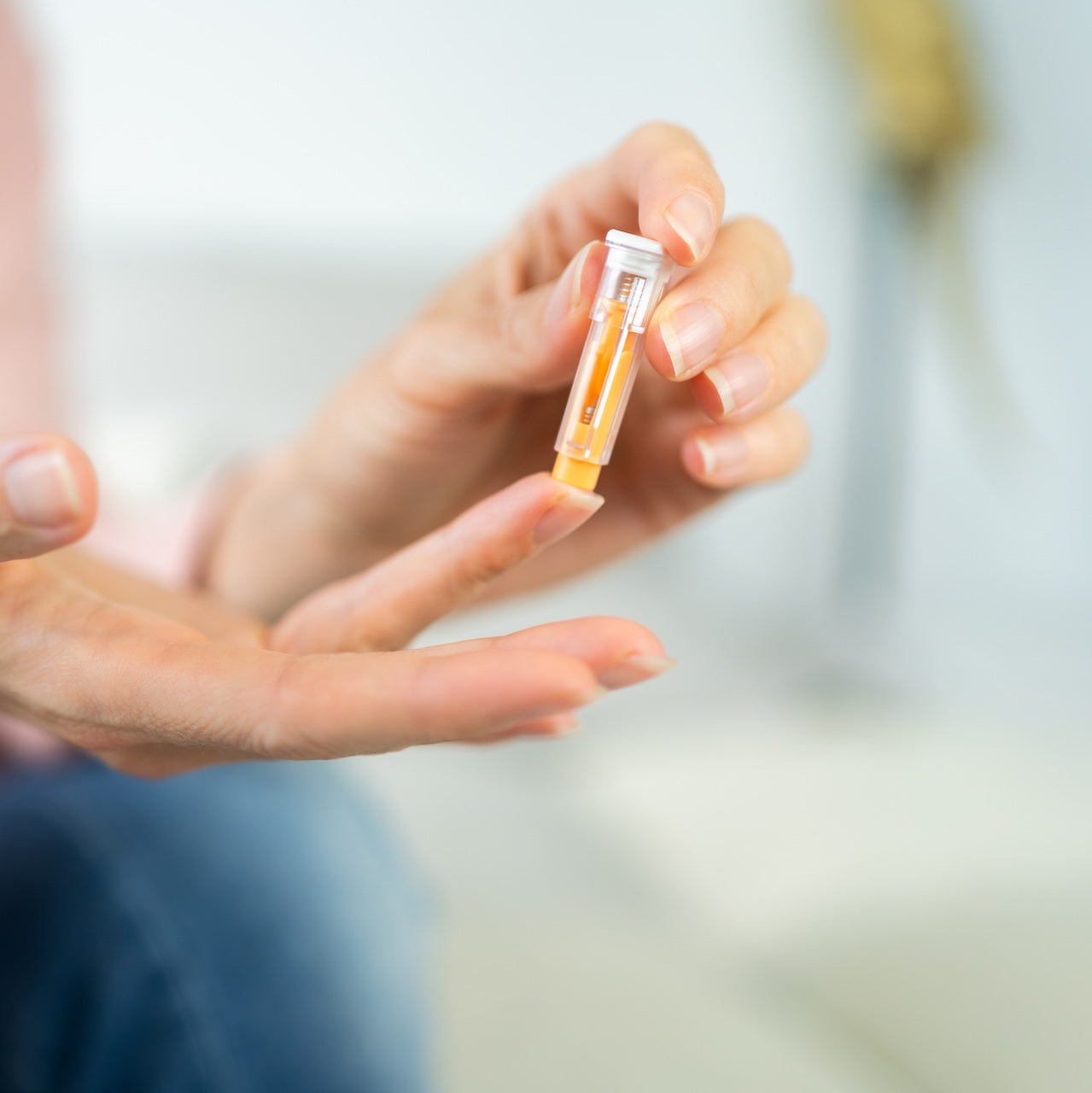
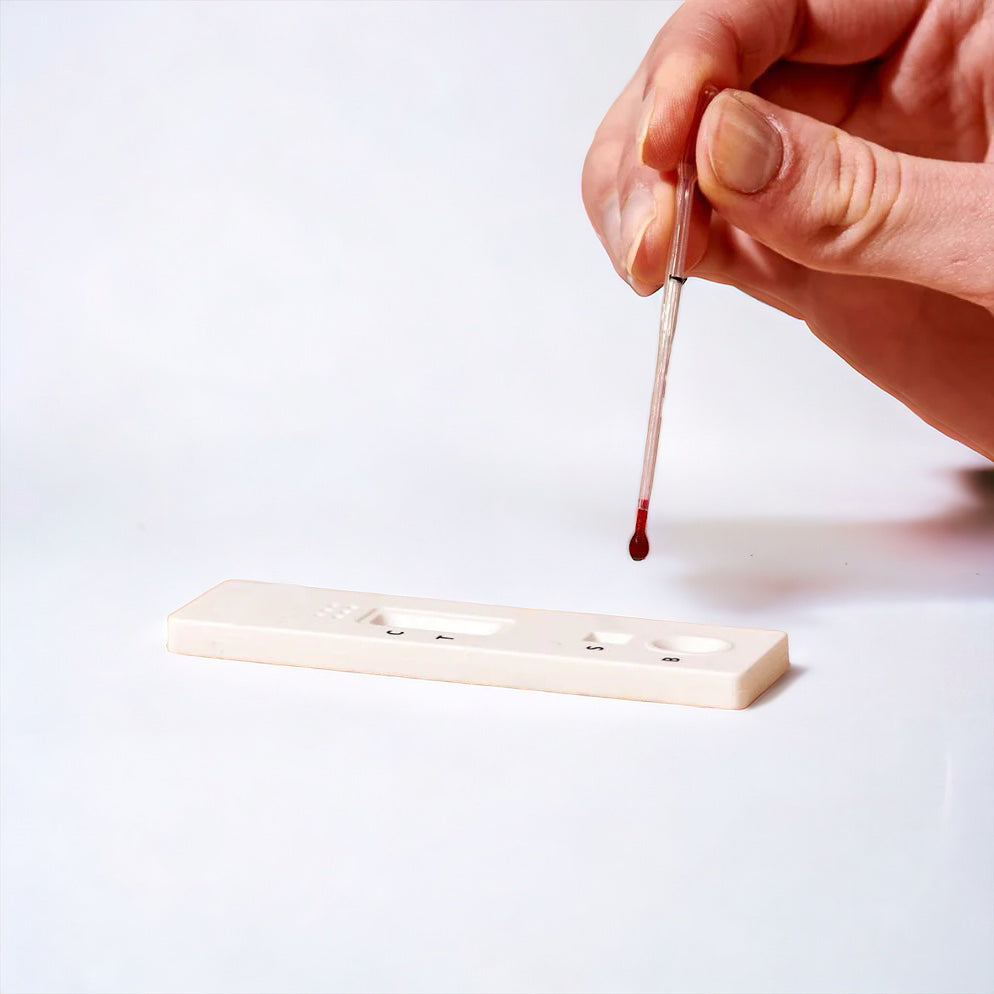
1. Remove the probe
After receiving your test kit, collect your blood sample according to the instructions.
2. Receive results
Within just 10 minutes, you’ll receive a reliable test result and find out exactly what your body’s vitamin D level is.

3. Achieve health goals
Now you can incorporate your personalized, easy-to-understand recommendations into your everyday life and achieve your individual goals.
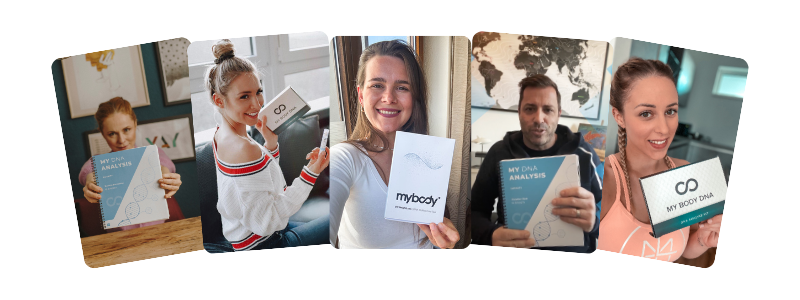


Do you know your vitamin D level?
Especially during the colder months, a vitamin D deficiency is not uncommon. Reduced sunlight means that our bodies cannot produce enough of this essential vitamin. This can quickly lead to a deficiency, which may have various effects on our health (see symptoms). People who generally do not spend much time outdoors or, as mentioned, work many late or night shifts may also be more frequently affected by an inadequate vitamin D supply.
Since most vitamin D is produced in the skin through sunlight, it is particularly important to ensure that the body is still adequately supplied during the darker months. When there is not enough sunshine, it may be helpful to check your levels with a vitamin D self-test and take targeted measures to ensure sufficient intake.
A persistently low vitamin D level can negatively affect general well-being; therefore, it is advisable to take preventive measures early. Even if no symptoms are present yet, it is recommended to monitor your levels preventively—especially if your lifestyle or work situation could put you at higher risk of a deficiency. Whether through targeted dietary supplementation or adjusting your diet, there are various ways to improve your levels and thus reduce the risk of a deficiency.
Medicine and science meet ISO-certified laboratory processes

Our tests are developed in close collaboration with experts from various fields, including nutrition and sports science as well as laboratory technology. With many years of experience in the industry and our ISO-certified processes, we ensure the highest quality and reliability.
Thanks to this comprehensive expertise, we offer you products that are not only based on the latest scientific findings, but also meet strict quality standards.

Highest quality standard
ISO-certified analyses & medical self-tests
Expert advice
Free consultation & discussion of the analysis reports
Years of experience
Present across Europe in 12 countries with 11,000+ happy customers
Designed to enhance your quality of life...

11,314+ people were exactly where you are now...
Don’t take our word for it—listen to our customers. Here’s what our customers say about their experiences with and after the metabolic analysis by mybody©.
⭐️⭐️⭐️⭐️⭐️
Stefanie B. - 42 years old
I’m maintaining my weight
I wanted to lower the dosage of my thyroid medication, eat more healthily, and lose weight. I also wanted to prepare for the future and prevent illnesses.
Overall, I feel healthier. I was able to reduce my thyroid medication, I’ve lost weight, my body is more defined and my arms are firmer, my skin is much better, and my hair is shinier. I’m maintaining my weight.
⭐️⭐️⭐️⭐️⭐️
Christian R. - 46 years old
My well-being has improved
I follow my food traffic-light plan and take a five-hour break between meals. I also regularly look for quick, simple recipes that suit my metabolic type.
Thanks to changing my diet, my food intolerances and therefore the symptoms have virtually disappeared—by 95%. A fantastic success for me! I have also lost a few extra pounds, which is a great side effect.
⭐️⭐️⭐️⭐️⭐️
Vanessa W. - 24 years old
I lost 17 kg
Enjoyment and a vibrant, slim body—these were things I thought I couldn’t reconcile as a hobby cook. Until I tried the mybody® DNA metabolism analysis. Along the way, my waist circumference melted away.
I feel fitter than ever, and the best part is: no calorie counting—just eating delicious, satisfying food and enjoying pure joie de vivre thanks to the foods that suit my metabolism.

⭐️⭐️⭐️⭐️⭐️
Marissa H. - 28 years old
My skin has never looked so beautiful
After years of skin problems and unsuccessful treatments, I took the metabolic analysis—it was the turning point. After just one week of metabolism-optimized nutrition, my skin became clearer; after the gut cleanse, it was radiant and smooth. I also lost 5 kg, feel full of energy, and no longer have cravings.
This transformation was incredible, and I want to encourage others to try it too. That’s why I support the brand’s mission on Instagram
⭐️⭐️⭐️⭐️⭐️
Marina B. - 24 years old
Questions? We have the answers!
Why does my body need vitamin D?
Vitamin D is essential for the body, as every cell depends on it and the most important forms, vitamin D2 and D3, require it. D2 is obtained through food and covers only 10% of the body’s needs, while D3 is produced directly in the skin through exposure to sunlight and meets 90% of those needs. After it is produced, vitamin D is transported to the liver, where it is converted into 25-hydroxyvitamin D. This is then detected by our at-home vitamin D self-test. It is particularly important for the improved absorption of calcium, iron, magnesium, phosphate, and zinc in the gut. As a result, it is involved in many processes, such as bone metabolism, protein production, and the regulation of many genes.
What will I receive, and how long does the test take?
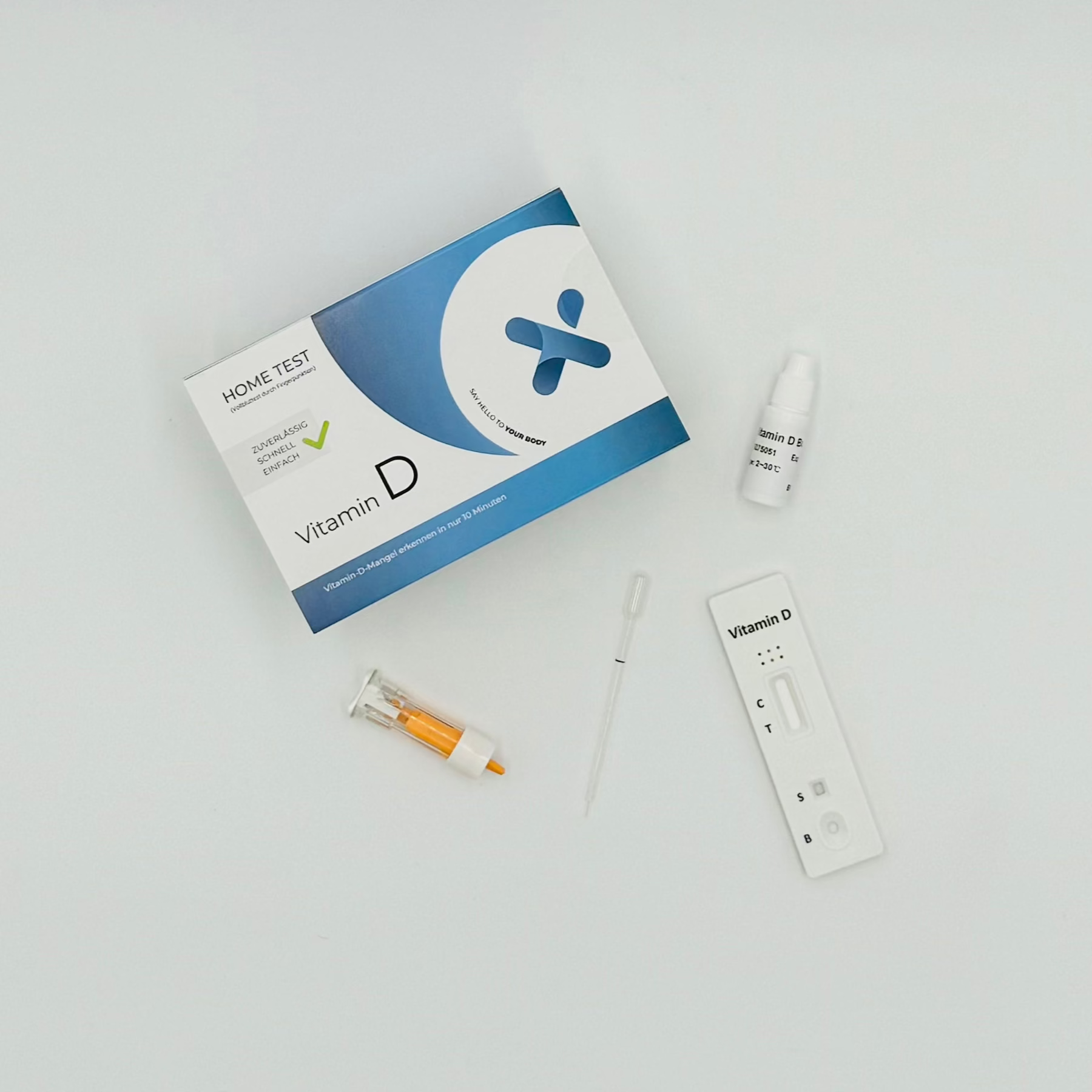
The vitamin D self-test includes the following:
- 1 test cassette
- Instructions
- 2 lancets
- 1 buffer solution
- 1 alcohol pad
After you perform the test, it takes approximately 5–10 minutes for the result to be available.
When should you take a test?
If you notice persistent symptoms such as tiredness, fatigue, increased susceptibility to infections, or muscle and bone pain, you can easily perform the test at home at any time. The vitamin D self-test is also suitable for diagnosing, treating, or monitoring conditions such as rickets or osteomalacia. This allows you to check your vitamin D levels and, if necessary, take further steps.
What effects can a vitamin D deficiency have?
If a low vitamin D level is not counteracted by increased activity in daylight or sunlight, or by taking dietary supplements, it can have negative effects on the body. This can lead to decalcification and softening of the bones, as well as reduced muscle strength. In the worst case, such a deficiency could also promote more serious physical and mental illnesses such as osteoporosis, osteomalacia, multiple sclerosis, Alzheimer’s disease, obesity, diabetes, or depression. In addition, a low vitamin D level could, under certain circumstances, contribute to complications during pregnancy and increase mortality. To reduce the likelihood of such effects, a deficiency can be detected and treated early with our vitamin D self-test. It also offers further benefits.
Why should I have my vitamin D levels tested?
A vitamin D deficiency often goes unnoticed but can lead to fatigue, low mood, muscle weakness, or a weakened immune system. With the vitamin D self-test, you can conveniently find out from home whether your levels are within the optimal range—without needing a doctor’s appointment.
How often should I take a vitamin D self-test?
A vitamin D self-test is recommended about two to four times a year—especially before and after the winter months, when sunlight exposure is lower. It is also worth measuring your vitamin D levels regularly when taking dietary supplements or experiencing chronic fatigue, in order to detect an excess or deficiency at an early stage.
Who is the vitamin D self-test suitable for?
The At-Home Vitamin D Test is suitable for anyone who is often tired, lacks energy, or is susceptible to infections—or simply wants to check their levels regularly. Regular testing is especially useful during the winter months or when there is little sunlight.
Can I also monitor my therapy with the vitamin D self-test?
Yes, the vitamin D self-test is ideal for checking the effectiveness of your vitamin D supplementation. This allows you to specifically measure whether your levels are rising and whether you are within the optimal range—an important step toward safely and effectively treating your vitamin D deficiency.
Vitamin D Self-Test
 Medizinische Selbsttests
 30 Tage Geld-Zurück-Garantie
The home self-test includes
- At-home test kit (blood sample)
- Determine your vitamin D level
- Results within 5–10 minutes
The vitamin D test is perfect for you if you…
experience the following in everyday life
- hair loss,
- fatigue and sleep disturbances,
- high susceptibility to infections,
- depressive moods,
- mood swings,
- difficulty concentrating, and
- muscle weakness or pain
.
Do you have any other concerns or requests? contact us and tell us which areas of your life you would like to improve.
Product description for the vitamin D self-test
People who spend little time outdoors for work or in their private lives have an increased risk of vitamin D deficiency.
If you notice symptoms such as muscle and bone pain, tiredness, exhaustion, hair loss, or increased susceptibility to infections, they could be related to a low vitamin D level. Especially if they persist for a longer period or recur and do not improve with measures such as getting more sleep, relaxing, eating a healthy diet, etc.
With our at-home vitamin D self-test , you can easily measure your vitamin D level by determining the amount of 25-hydroxyvitamin D in your blood. You will quickly get clarity and be able to take action. If there is no deficiency, this will give you an indication of which direction you might explore further to find the cause of your discomfort.
How long does it take to correct a vitamin D deficiency?
How quickly a vitamin D deficiency can be corrected depends on several factors: your initial level, your diet, your sun exposure, and the vitamin D dosage chosen. It generally takes several weeks to months for the body’s stores to be replenished.
Mild deficiencies can be corrected with targeted dietary supplementation within 4 to 8 weeks. However, if the deficiency is more severe, it may take several months for vitamin D levels to return to normal. It is important not only to supplement in the short term, but also to ensure adequate intake in the long term—whether through regular sun exposure, a vitamin-rich diet, or the controlled use of vitamin D supplements.
Your body weight, age, and any pre-existing conditions also play a role in how quickly your levels stabilize. Since an overdose can also be harmful to your health, you should have your levels tested regularly—ideally with a blood test. This will help you determine whether your vitamin D levels are back within the optimal range and ensure that your body is supplied with sufficient vitamin D in the long term.
A vitamin D deficiency can develop gradually and often goes unnoticed until late. Typical signs include fatigue, low energy, frequent infections, or bone pain. Since vitamin D plays an important role in your immune system, muscles, and bone strength, you should have your levels checked regularly. A deficiency is more common, especially during the winter months when little sunlight is available. A simple blood test can determine whether you are affected. If so, targeted dietary supplements and increased sun exposure can help restore your vitamin D levels to balance.
Certain vitamin D foods can help improve your vitamin D intake. Fatty fish such as salmon, herring, and mackerel are particularly rich in vitamin D. Eggs, liver, and some types of mushrooms also contain significant amounts. Nevertheless, it is difficult to obtain enough vitamin D through diet alone—especially during the winter months. Since around 80–90% of the requirement is met through sunlight on the skin, sunlight is the most important source. A combination of vitamin D-rich foods, sun exposure, and, if necessary, supplements ensures that your body remains optimally supplied.
Many people ask: When should you take vitamin D? It’s best to take vitamin D with a meal containing fat, as it is a fat-soluble vitamin. This significantly improves absorption in the body. The exact time—morning or evening—is less important as long as you take it regularly. It’s important to maintain a consistent intake and not exceed the recommended dosage. Your needs depend on your baseline level, weight, and lifestyle. A blood test gives you clarity about your vitamin D status and shows whether supplementation is advisable.
Vitamin D – The underestimated health booster: Why your body shouldn’t skip the vitamin D test
Vitamin D & Immune System – A powerful duo. Vitamin D plays a major role in the function of our immune system and can help us fight off infections more effectively. Especially during the darker months of the year, it is important to know your own vitamin D level. A home vitamin D test can quickly determine whether a deficiency is present.
Why a vitamin D test is worthwhile. Our body produces vitamin D through exposure to sunlight—but during the winter months or with little sunlight, a deficiency can develop. Fatigue, exhaustion, or weakened immune defenses may be signs. A vitamin D home test provides insight into your own levels and enables targeted measures to support your health.
Vitamin D – The Key to Health. Vitamin D plays an essential role in our body – from bone health and the immune system to overall well-being. However, many people unknowingly suffer from vitamin D deficiency. A simple self-test can help determine your vitamin D level and enable targeted prevention.
Vitamin D deficiency and its effects. Vitamin D deficiency often goes unnoticed for a long time but can have serious consequences. Bone and muscle pain, susceptibility to infections, or depressive moods are possible symptoms. A home self-test helps you determine your vitamin D level—simply, quickly, and reliably.
Vitamin D & Bone Health – Why It Is So Important. Vitamin D is essential for the absorption of calcium and therefore for strong bones and teeth. A deficiency can lead to osteoporosis or other health problems in the long term. A vitamin D test provides certainty about your vitamin D levels and helps correct deficiencies in good time.
Vitamin D self-test – Simple, fast, reliable. To ensure that the body is optimally supplied with vitamin D, a simple self-test can help. The vitamin D level can be determined conveniently from home. Based on the results, targeted measures can be taken to sustainably improve health.