
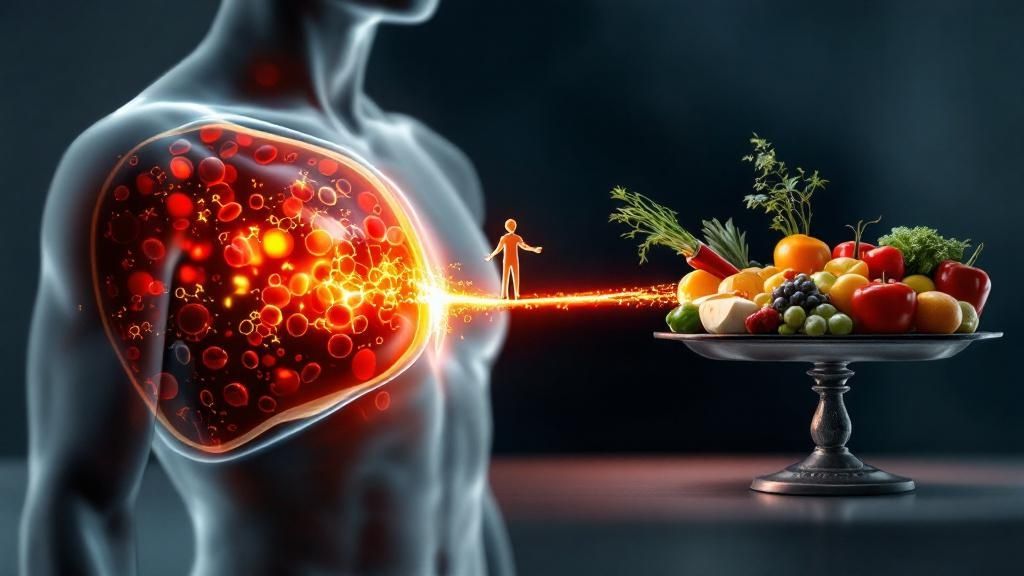
What is histamine, and what lies behind it?
Histamine is a name you have probably heard before—often in connection with allergies or the dreaded hay fever. But this natural messenger substance is far more than just an annoying trigger for watery eyes. It is an indispensable helper in your body, regulating countless processes from the sleep-wake cycle to digestion. A true multitasker.
It only becomes problematic when this delicate balance gets disrupted. An excess of histamine can cause the wide range of symptoms we know as histamine intolerance. If you feel that your body reacts strangely to certain foods, you have come to the right place. We explain what is behind it and how you can gain clarity with a simple mybody-x test.
What histamine really does in your body
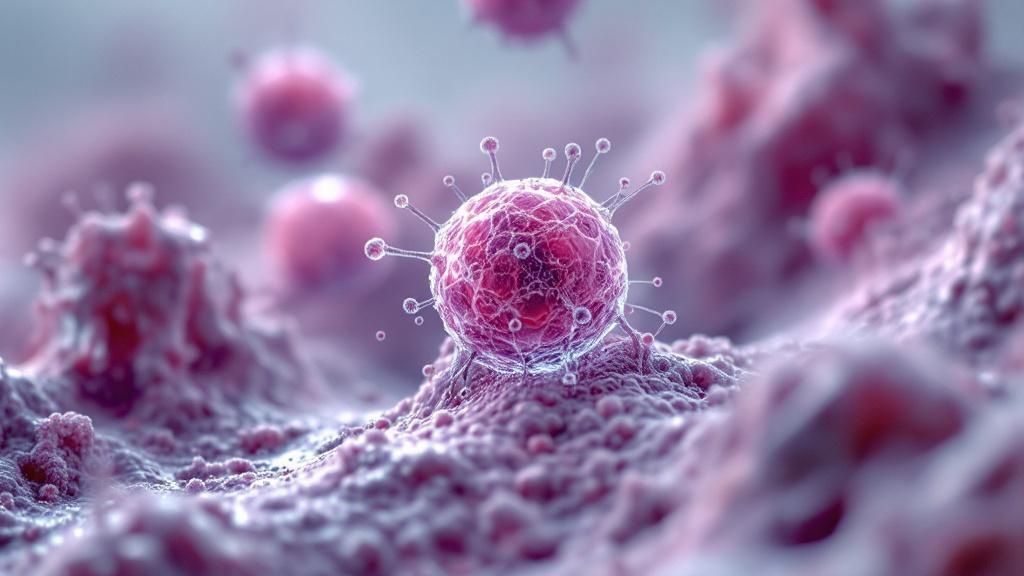
You could think of histamine as a very busy manager in your body. As a so-called biogenic amine—a natural chemical compound—it coordinates countless tasks as a messenger substance. Your body produces it itself, but you also take it in through many foods. As long as everything is balanced, the machinery runs smoothly.
Too much histamine due to impaired breakdown can trigger reactions that look remarkably similar to an allergy, but are not one.
Where does all the histamine come from?
Your body draws on two main sources, whose interaction is crucial to your well-being:
- Production by the body: Certain cells, especially mast cells, store histamine and release it when needed—for example, to defend against pathogens.
- Intake through food: Many foods naturally contain histamine. Products that have been aged, fermented, or stored for a long time are especially rich in it.
This balance is quite delicate. Estimates suggest that many people suffer from histamine intolerance. In these individuals, the breakdown process is impaired. Normally, the enzyme diamine oxidase (DAO) breaks down excess histamine. But when this enzyme does not work properly, histamine builds up in the body and causes symptoms.
Genetic factors also play a role in how efficiently your body processes nutrients and messenger substances. If you would like to delve deeper into this topic, our article explains what nutrigenetics is and how it shapes our lives.
Important to know: Histamine itself is not your enemy. It only becomes a problem when your personal “histamine barrel” overflows because more flows in than can be broken down.
This imbalance can manifest itself in countless ways because histamine is active on many fronts at the same time. It’s not merely the familiar trigger of hay fever but a true all-rounder for your health.
An overview of histamine’s most important functions
To give you a quick overview, this table summarizes the central functions of histamine in the body. You’ll see just how versatile this messenger really is.
| Area of function | Function of histamine |
|---|---|
| Immune system | Triggering immune responses during inflammation or allergic reactions |
| Nervous system | Regulation of the sleep-wake cycle, attention, and appetite |
| Digestive tract | Control of stomach acid production and intestinal movement |
| Cardiovascular system | Widening of the blood vessels to improve circulation |
As you can see, histamine is an essential part of your body. The key is finding and maintaining the right balance.
When your histamine barrel overflows: Typical symptoms

Do you often feel unwell after eating, suddenly develop headaches, or have a runny nose even though you don’t have a cold? These could be clear signs that your personal “histamine barrel” has overflowed.
You can really think of it like a barrel: Every day, your body’s own histamine and histamine-rich foods fill this barrel. As long as the DAO enzyme diligently breaks everything down, the level stays nice and low. But if breakdown is impaired or too much histamine is added at once, the barrel overflows—and that’s exactly when the symptoms begin.
The reactions can be this varied
Because histamine receptors are found throughout the body, symptoms can appear in many different places. That often makes it tricky to identify the real cause.
The most common signs include:
- Skin: Sudden flushing, itching, hives, or skin rashes.
- Digestive tract: Bloating, abdominal cramps, diarrhea, or nausea.
- Head: Dull headaches, migraine attacks, or dizziness.
- Respiratory tract: A runny or stuffy nose, a constant urge to sneeze, or even difficulty breathing.
The range extends from diarrhea and a runny nose to skin flushing and asthma attacks. In most cases, increased histamine intake and reduced breakdown by the DAO enzyme are behind this. It is also interesting to note that people with latent allergies, such as mild hay fever, often already have higher histamine levels, which can further intensify reactions to histamine-rich foods.
A typical feature of histamine intolerance is that symptoms often occur with a delay—usually 30 minutes to several hours after eating.
Cardiovascular symptoms such as a racing heart or low blood pressure can also occur. In women, excess histamine can sometimes worsen menstrual symptoms.
Because the symptoms can closely resemble those of a genuine allergy, it is important to take a close look. If you take antihistamines and are planning a test, our guide explains how to prepare for an allergy test if you take antihistamines. Ultimately, only a reliable intolerance test from mybody-x can really give you clarity and help you draw the right conclusions for your health.
Where histamine hides in foods
Why does red wine in particular cause problems for you in the evening, while white wine is no problem? Why does salami trigger symptoms, but fresh ham does not? The answer often lies in the different histamine content—and that usually has to do with maturation, fermentation, and storage.
Put simply: The longer a food matures, ferments, or is stored, the more histamine can accumulate in it. That is why products such as aged cheese, salami, sauerkraut, or red wine are considered true “histamine bombs.” Fresh, unprocessed foods, on the other hand, are generally harmless.
The following infographic shows you some typical suspects that are often behind the symptoms.
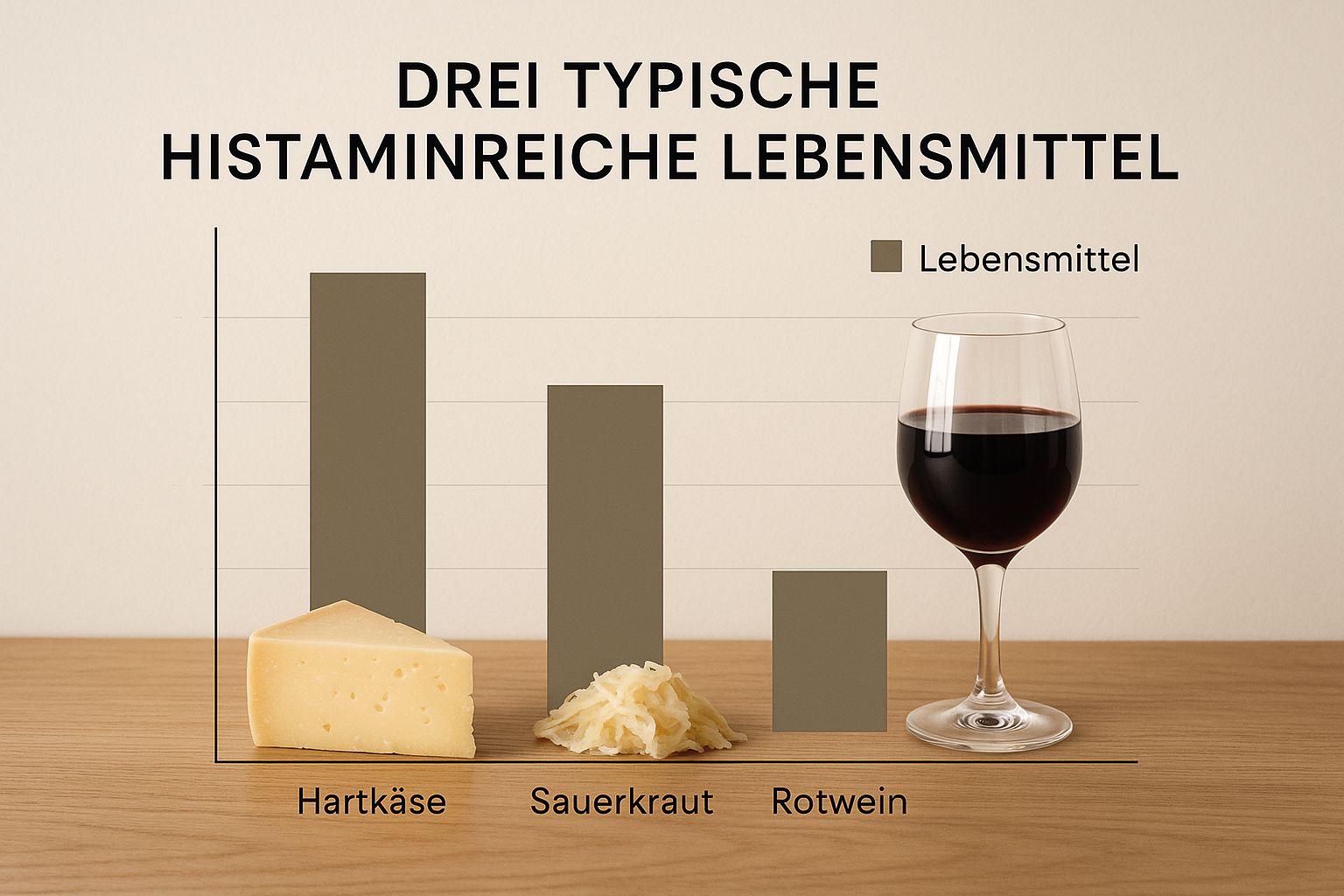
As you can see, it is mainly delicious treats such as hard cheese and red wine, as well as fermented products, that can quickly make your personal histamine barrel overflow.
The hidden culprits: histamine liberators
Now things get a little tricky. There are also foods that contain very little histamine themselves but stimulate your body to release its own stored histamine. These are called histamine liberators.
Strawberries and citrus fruits are perfect examples. Although they are fresh and healthy, they can still trigger reactions in sensitive people. They essentially provoke the body's mast cells to release histamine.
This can sometimes make searching for the real triggers a genuine detective job. It is not always just the obvious culprit; often, it is also the combination of different foods that makes the difference.
High-histamine vs. low-histamine foods
To make choosing easier in everyday life, we have prepared a small comparison for you here. This way, you can see at a glance where the traps lie and which alternatives are available.
| Food group | High-histamine (best avoided) | Low-histamine (good alternatives) |
|---|---|---|
| Cheese | Aged varieties such as Parmesan, aged Gouda, Emmental, blue cheese | Young Gouda, butter cheese, cream cheese, mozzarella, quark |
| Meat & sausage | Salami, raw ham, Mettwurst, smoked meat | Fresh meat (chicken, beef), cooked ham, sliced turkey breast |
| Fish | Tuna (especially canned), mackerel, sardines, herring | Fresh cod, pollock, trout, plaice |
| Vegetables | Sauerkraut, tomatoes, spinach, eggplants, avocados, olives | Cucumbers, carrots, broccoli, cauliflower, leafy greens, zucchini |
| Alcohol | Red wine, sparkling wine, champagne, wheat beer | Clear spirits (in moderation), dry white wine (some varieties) |
This table is a great starting point. But remember: Everyone reacts differently. What works for one person may already be too much for another.
Typical histamine traps in everyday life
If you suspect that histamine plays a role for you, you should pay particular attention to these food groups:
- Aged cheeses: Parmesan, aged Gouda, Emmental
- Smoked meat and sausage: Salami, raw ham, Mettwurst
- Certain types of fish: Tuna (especially canned), mackerel, sardines
- Alcoholic beverages: Especially red wine, but also sparkling wine and some types of beer
- Pickled or fermented vegetables: Sauerkraut, kimchi, olives
For an even deeper insight, we have put together a comprehensive list of foods high in histamine for you. It is the perfect companion for your next shopping trip. Being mindful of these products is the first and most important step toward finding out what works for you and what does not.
Your Histamine Breakdown: Why the DAO Enzyme Is the True Hero
Now that we know which foods contain histamine, the crucial question is: Why might you be unable to tolerate a piece of Parmesan with a glass of red wine, while others enjoy it without any problems? The answer usually lies in a tiny but incredibly powerful helper in your gut: the enzyme diamine oxidase, or DAO for short.
Imagine the DAO enzyme as a diligent bouncer standing guard right in your intestinal lining. Its job is to intercept and break down the histamine in your food before it even enters your bloodstream and causes trouble there. As long as this bouncer is fit and doing its job, your “histamine barrel” remains empty and everything is fine.
But what happens when this important guardian is overwhelmed, its function is impaired, or there are too few of its kind to begin with? That is exactly when the typical symptoms of histamine intolerance occur.
What can bring your personal bouncer to a standstill
Unfortunately, the power of your DAO enzyme is not fixed. There are many factors that can interfere with its work or even bring it to a complete standstill. These may be genetic factors, but they are often everyday things as well.
Alcohol is a well-known troublemaker. It directly inhibits DAO activity, effectively bringing histamine breakdown to a halt. That is also why histamine-containing drinks such as red wine can cause problems so quickly for many people. While one liter of red wine contains around 3 to 4 milligrams of histamine, aged cheese can contain as much as 250 milligrams per 100 grams. This combination can quickly push weakened DAO to its limits. You can read more about the interplay between different intolerances in this article.
So the key point is often not the amount of histamine alone. Rather, it is your body’s reduced ability to break down histamine in time that makes the difference.
Other typical “DAO blockers” include:
- Certain medications: Painkillers, some antibiotics, and asthma medications can negatively affect DAO activity.
- Chronic stress: Ongoing stress affects not only your mood but also your gut health—and therefore the production of important enzymes.
- Nutrient deficiencies: To function properly, the DAO enzyme needs helpers such as vitamin C, vitamin B6, zinc, and copper. If these are lacking, breakdown only happens at a reduced rate.
This knowledge is the key. It shows that the path to greater well-being is not only about eliminating foods, but above all about actively supporting the health of your gut and the function of your body's own helpers.
How to find out for sure whether you have a histamine intolerance
Do you feel that histamine could be behind your symptoms? Then the next and most important step is to get clarity. Simply guessing or eliminating foods at random usually only leads to frustration and unnecessarily limits your quality of life. A thorough analysis is essential, including to rule out other possible causes such as allergies.
You can only make targeted, safe changes when you have a reliable result in hand. And that is exactly where we want to support you.
Your path to greater peace of mind: A blood test at home
To finally get some clarity, you do not have to wait weeks for a doctor's appointment. With the mybody-x intolerance test, you can conveniently have the key value measured from the comfort of your own home. The test precisely measures the concentration of the DAO enzyme in your blood—that is, the little helper responsible for breaking down histamine.
The whole process is incredibly simple and fits perfectly into your daily routine:
- Order the test kit: We send everything you need directly to your home.
- Collect your sample: Using an illustrated guide, you take a few drops of blood yourself from your fingertip. It is virtually painless and only takes a moment.
- Free return shipping: Send your sample to our certified German laboratory in the enclosed envelope. We cover the postage.
- Clear results report: After a short time, you will receive an easy-to-understand report that clearly shows how well your body is breaking down histamine.
This test does not simply provide you with a number; it gives you a solid foundation. It puts you back in control of your health and helps you make the right decisions about your diet.
If you want to learn more about exactly how the test works and what is measured, you can find all the details in our guide on testing for histamine intolerance. Such a test is the first safe step toward a life with fewer symptoms.
And now? Your roadmap after receiving your test results
You’re holding your test result in your hands? Take a deep breath. This isn’t bad news—it’s the starting point for a new, more carefree life. At last, you have the certainty you need to regain control and make targeted changes.
It’s best to forget rigid lists of forbidden foods or radical diets right away. The only sensible and proven approach is a three-stage dietary change. It helps you get to know your personal limits and maintain your well-being in the long term.
The three phases to your new feeling of well-being
This roadmap is your guide to calming your system first and then finding out, step by step, what is truly good for you.
-
The elimination phase (approx. 10–14 days): Give your body a break. During this first, relatively short phase, consistently avoid foods rich in histamine. Imagine completely emptying your personal “histamine bucket” so that the symptoms can finally subside. Fresh, unprocessed foods are your best friends right now.
-
The testing phase (several weeks): As soon as you feel better and the symptoms have disappeared, you’ll cautiously start reintroducing foods. You’ll deliberately add individual histamine-containing foods to your diet and carefully observe what happens. A food diary is your most important tool here for finding your personal tolerance threshold.
-
The long-term diet: Using the knowledge you gained during the testing phase, you’ll now create your new, long-term diet. You know which foods you tolerate really well and which you may only want to enjoy in small quantities. The goal is a balanced diet that tastes good and suits you.
Your most important tool: A food diary is truly essential during this time. Don’t just note what you eat, but also how you feel, which symptoms occur, and what your stress level is. This is the only way to recognize patterns and connections.
Yes, this journey requires a little patience. But it’s worth it, we promise. You’ll learn to interpret your body’s signals correctly and regain a huge part of your quality of life.
Your questions about histamine—answered clearly and concisely
Great, you’ve already learned so much about histamine! The deeper you delve into a topic, the more questions arise—that’s completely normal and a good sign. To help you feel even more confident on your journey, we’ve collected the most frequently asked questions here and explained them clearly and concisely.
Histamine intolerance or allergy—which is the difference?
A truly important question, because the symptoms can be confusingly similar. The key difference, however, lies in the mechanism behind them.
With a classic allergy, your immune system sounds the alarm and reacts strongly to substances that are actually harmless. Your body produces specific antibodies (IgE); the reaction is usually felt immediately and can be genuinely dangerous in the worst-case scenario.
In contrast, histamine intolerance is not an immune reaction, but rather a “traffic jam in the system.” Your body simply cannot break down the histamine that builds up quickly enough because the enzyme responsible, DAO, is not working properly. The symptoms often appear with a delay and depend heavily on the amount you have consumed.
Can histamine intolerance go away?
Yes, absolutely—and that may be the best news of all! Histamine intolerance is often not a lifelong sentence. It is frequently just a symptom of another issue in the body, such as a stressed gut, or it is triggered by certain medications or ongoing stress.
If the underlying cause is addressed—for example, by specifically supporting your gut or stopping DAO-inhibiting medication after consulting your doctor—the activity of the DAO enzyme can often return to normal. The result: your symptoms improve significantly or even disappear completely.
Do I have to give up cheese, wine, and the like forever?
No, in most cases you won’t have to avoid them for the rest of your life. The process usually begins with a stricter elimination phase in which you avoid histamine-rich foods. This gives your body a much-needed break.
But then comes the most important part: the testing phase. This is where you gradually feel your way forward and find out where your very personal tolerance threshold lies. Many people affected quickly notice that they can once again tolerate small amounts of certain foods without any problems. So it’s not about following a rigid list of forbidden foods, but about finding an individual balance. A test that gives you clarity about your DAO status is the perfect and safest starting point for this.
Are you ready to finally gain clarity and take back control of your well-being? With a blood test from mybody-x, you can conveniently determine your DAO level from the comfort of your own home. This gives you a solid foundation for all the next steps.

Share now:
Test for histamine intolerance: Your path to greater clarity and well-being
Iron-rich foods for iron deficiency: what really matters