

8 common vitamin deficiency symptoms you should know
Do you often feel tired or unfocused for no apparent reason, or notice changes in your skin and hair? Your body is a clever system that uses subtle signs to tell you when something is missing. These signals are often the first signs of a nutrient deficiency, but many of us attribute such symptoms to stress or a hectic lifestyle. Yet the cause could be much simpler: a deficiency in essential vitamins.
This article serves as your guide to recognizing and correctly interpreting the most common vitamin deficiency symptoms. Together, we will decode your body's messages, show you which warning signs you should take seriously, and identify which vitamin might be behind them. The goal is to understand your body better and give it exactly what it needs for full energy, health, and well-being.
Before you begin changing your diet or supplementation, however, it is crucial to establish clarity. Guesswork alone is not enough to address a deficiency effectively. This is precisely where modern self-tests come in. With a nutrient deficiency test from mybody-x.com, you can accurately and conveniently determine from home which nutrients you are actually lacking. This gives you a sound basis for optimizing your intake individually and taking your health into your own hands.
1. Chronic fatigue & weakness: When the battery is constantly empty
Do you constantly feel as though you are going through the day with the handbrake on? Persistent exhaustion that does not go away even after a full night's sleep is more than just normal tiredness. It is a profound feeling of having no energy that can severely limit your concentration, productivity, and enjoyment of life. Such vitamin deficiency symptoms are often the first to become noticeable because they directly affect your body's energy supply.

Deficiencies in B vitamins (especially B12, B6, and folic acid), vitamin D, or even iron are particularly often behind this form of chronic weakness. These nutrients are essential for energy production in your cells and the formation of red blood cells, which transport oxygen. Without them, your metabolism literally runs on low power.
Who is particularly at risk?
Certain lifestyles or stages of life increase the risk of such a deficiency:
- Vegans and vegetarians: Vitamin B12 is found almost exclusively in animal products. Without targeted supplementation, a deficiency is almost inevitable.
- Office workers: An unbalanced cafeteria diet and little sunlight (needed for vitamin D production) can quickly lead to deficiencies.
- Older people: The body’s ability to absorb nutrients such as vitamin B12 from food often declines with age.
Specific steps toward improvement
If you recognize yourself in these symptoms, there are clear options for action. Rather than guessing, it makes sense to gain clarity. If you would like to delve deeper into the connection between fatigue and nutrients, you can read more about nutrient deficiencies associated with fatigue and lack of energy here.
The most effective way to find the cause of your fatigue is to have your levels specifically analyzed. Instead of taking supplements blindly, a test gives you precise information. With a at-home nutrient deficiency test, you can quickly and easily determine your status for important vitamins such as B12 or vitamin D and then take targeted action.
2. Hair loss and brittle nails: When beauty suffers from within
Are you finding more and more hair in your brush or down the drain? Do your nails split as soon as they grow even a little? Thinning hair, excessive hair loss, and weak, brittle nails are not just cosmetic annoyances. They are often outward signs that something is missing internally. Such vitamin deficiency symptoms are clearly visible in hair and nails because these rapidly growing structures need a constant supply of essential nutrients to remain strong and healthy.

A deficiency in biotin (vitamin B7), zinc, iron, and vitamin D in particular can cause these problems. These nutrients are essential for the production of keratin, the main building block of hair and nails, and for the health of hair follicles. When they are lacking, the structure weakens, growth slows, and visible quality suffers.
Who is particularly at risk?
Certain groups and life circumstances can increase the risk of deficiencies that affect hair and nails:
- Women with heavy menstrual periods: Regular blood loss can easily lead to iron deficiency, one of the most common causes of hair loss.
- People on restrictive diets: Avoiding entire food groups can lead to an inadequate intake of biotin and zinc.
- People with malabsorption disorders: Conditions such as celiac disease or Crohn’s disease can impair the absorption of essential nutrients from the intestines.
Specific steps toward improvement
If you suffer from hair loss and brittle nails, it is crucial to find the cause rather than just treating the symptoms. Measures such as a protein-rich diet to support keratin production and the use of gentle care products are good first steps. However, to take targeted action, it is important to know your specific levels.
Instead of taking dietary supplements on suspicion, a targeted blood analysis can provide clarity. A at-home nutrient deficiency test allows you to easily check your levels of important nutrients such as iron, zinc, and vitamin D. Based on the results, you can precisely adjust your diet and supplementation and specifically support your body in growing strong hair and nails again.
3. Muscle Cramps & Bone Pain: When the Body Sends a Painful Warning
Are you plagued by recurring, painful muscle cramps in your calves or toes, often even at night? Or do you feel a deep, dull pain in your bones that does not feel like ordinary muscle soreness? Such signals are more than just a temporary inconvenience. They can be important vitamin deficiency symptoms indicating an imbalance in your body's mineral levels.
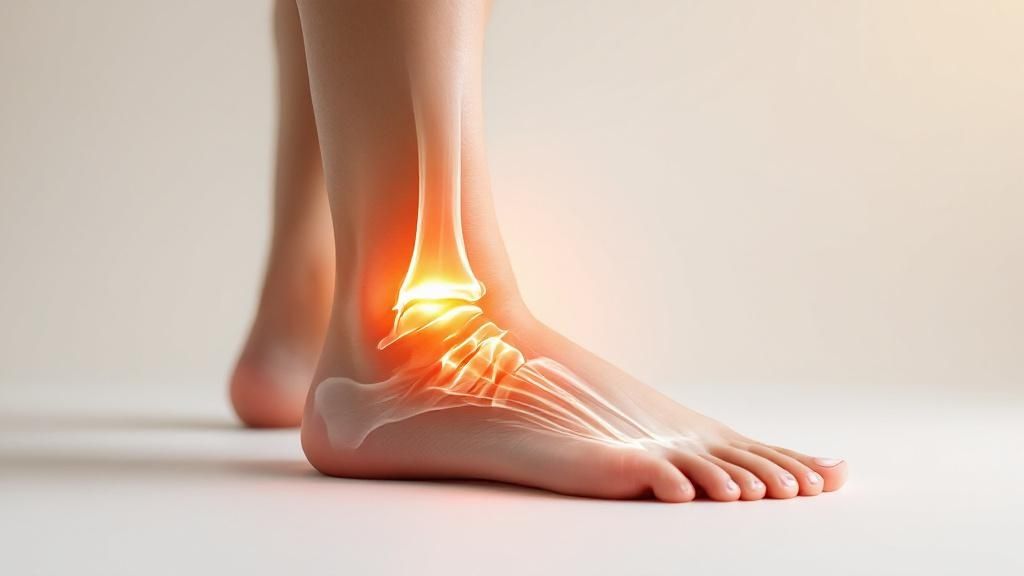
A deficiency in vitamin D, calcium, and magnesium in particular is suspected here. These three nutrients work as a well-coordinated team: Vitamin D is essential for your body to absorb calcium and store it in the bones at all. Magnesium, in turn, controls muscle contraction and relaxation. If one of these building blocks is missing, the delicate system falls out of balance, which can manifest as cramps and pain.
Who is particularly at risk?
Certain groups have a higher risk of developing deficiencies in this area:
- Women after menopause: Hormonal changes can reduce bone density, increasing the need for vitamin D and calcium.
- Athletes and highly active people: They lose more essential minerals such as magnesium through sweating, which can lead to cramps.
- People with little sun exposure: Especially during the dark winter months, the body can hardly produce enough vitamin D in our latitudes.
Specific steps toward improvement
If these symptoms sound familiar, you should take action. Gentle stretching exercises and massages can provide relief from acute cramps. In the long term, however, it is crucial to find the cause. Make sure you eat a diet rich in calcium and magnesium, including green vegetables, nuts, and whole grains.
To gain certainty and avoid supplementing based on guesswork, analyzing your blood values is the safest approach. A home nutrient deficiency test can precisely determine your vitamin D status or the levels of other important minerals. Based on the results, you can take targeted action and give your body exactly what it needs to regain balance.
4. Frequent infections & poor wound healing: When the immune system is weakened
Do you feel like you are sick more often than you are healthy? Are you plagued by one cold after another, or do small scratches and wounds heal at a snail's pace? These are clear warning signs from your immune system. Such vitamin deficiency symptoms indicate that your body's defense forces are not receiving enough of the nutrients they need to fight pathogens effectively and initiate repair processes.

A weak immune system and delayed regeneration are often linked to a deficiency in vitamin C, vitamin D, vitamin A, and zinc. These micronutrients are the generals of your immune defense: They control the production and activity of immune cells, protect the body from oxidative stress during an infection, and are essential for building new tissue, such as collagen for wound healing. Without them, your body is more vulnerable to any pathogen that comes along.
Who is particularly at risk?
Certain groups have an increased risk of deficiencies that directly impair the immune system:
- People with an unbalanced diet: Those who eat little fresh fruit and vegetables often consume too little vitamin C and A.
- Older people: As we age, nutrient absorption often decreases, while the need for a strong immune system remains the same or even increases.
- People with chronic stress: Constant stress consumes more micronutrients and can further weaken the immune system.
Specific steps toward improvement
To strengthen your defenses in a targeted way, it is crucial to know the exact causes of the weakness. A balanced diet rich in colorful vegetables (bell peppers, broccoli), citrus fruits, garlic, and leafy greens is the foundation. The gut also plays a central role: Find out how probiotics can help strengthen the immune system by supporting your body's first line of defense.
Before reaching indiscriminately for dietary supplements, however, clarify your individual nutrient status. Find out more here about how to get tested for a nutrient deficiency so you can take targeted measures. The most effective method is an analysis of your levels. With an at-home nutrient deficiency test, you can accurately determine your levels of immune-relevant vitamins and minerals such as vitamin D and zinc, and then get your immune system back on track in a targeted way.
5. Mood swings & depressive moods: When your mental health suffers
Do you often feel irritable, anxious, or down for no apparent reason? If your emotional balance is thrown off and your mood goes on a roller coaster, nutrient deficiencies could also play a role. Such psychological vitamin deficiency symptoms are often overlooked because the cause is mistakenly sought exclusively in external circumstances. Yet your brain is a high-performance organ that relies on a steady supply of certain nutrients to function.
Your emotional resilience is closely linked to the production of neurotransmitters such as serotonin and dopamine, known as the happiness hormones. If the building blocks needed for this are lacking, it can significantly disrupt your mood. Deficiencies in B vitamins (especially B6, B12, and folic acid), vitamin D, and omega-3 fatty acids are particularly common in this context.
Who is particularly at risk?
Certain groups and situations can increase susceptibility to mood-related deficiency symptoms:
- People with seasonal affective disorder (SAD): Lack of sunlight during the darker months makes the body's own vitamin D production more difficult, which can intensify depressive symptoms in winter.
- People after childbirth: Hormonal changes and increased nutritional needs can lead to deficiencies, such as B-vitamin deficiencies, and contribute to postpartum depression.
- Older people: Reduced nutrient absorption, particularly of vitamin B12, can cause depressive symptoms, confusion, and irritability in seniors.
Specific steps toward improvement
If you notice that your mental health is suffering and consider a nutrient deficiency as a possible cause, targeted action is needed. A mood diary can help you identify patterns and uncover connections between your diet, lifestyle, and well-being. However, serious symptoms should always be professionally evaluated by a doctor or psychotherapist.
To gain clarity about your nutrient status, an analysis is the crucial first step. Instead of taking supplements indiscriminately that you may not even need, a test provides reliable data. With an at-home nutrient deficiency test, you can easily check important values such as your vitamin D or B12 levels and create a solid foundation for targeted measures to restore your emotional balance.
6. Paleness and shortness of breath: When climbing stairs feels like running a marathon
Does your skin look unusually pale or almost translucent, even when you feel well? Do you quickly become short of breath during everyday activities such as climbing stairs or taking a brisk walk? This combination of paleness and shortness of breath is a classic warning sign that may indicate anemia. Such vitamin deficiency symptoms occur when your body lacks the building blocks needed for healthy red blood cells.
The reason is a reduced oxygen-carrying capacity of your blood. Red blood cells primarily need iron, vitamin B12, and folic acid (vitamin B9) to transport vital oxygen from the lungs to every cell in your body. If these nutrients are lacking, your body produces fewer or lower-quality red blood cells. Your heart has to beat faster to compensate for the deficiency, and your muscles and organs do not receive enough oxygen, leading to paleness and rapid exhaustion.
Who is particularly at risk?
Certain groups have an increased risk of nutrition-related anemia:
- Women with heavy menstrual periods: Regular blood loss can quickly lead to iron deficiency if it is not offset through the diet.
- Vegetarians and vegans: Since vitamin B12 is found mainly in animal-based foods and plant-based iron is less readily available, special attention is required here.
- People with gastrointestinal diseases: Conditions such as celiac disease or inflammatory bowel disease can severely impair nutrient absorption.
Specific steps toward improvement
If paleness and shortness of breath are affecting your quality of life, it’s time to take action. The good news is that these deficiencies can often be effectively corrected once the cause is known. To better understand the connections, you can read more here about what to do if you have iron deficiency.
The first step should always be a thorough analysis before you start taking supplements at random. A blood test provides precise information about whether iron, vitamin B12, or folic acid is causing your symptoms. With a at-home nutrient deficiency test, you can conveniently check your status and then take targeted, effective action to regain your energy and vitality.
7. Night blindness & dry eyes: When vision deteriorates in the dark
Are you finding it increasingly difficult to see clearly at dusk or in poorly lit rooms? Dry, irritated eyes that feel as though they contain sand can also be a warning sign. These specific vision problems, particularly night blindness, are among the classic vitamin deficiency symptoms that indicate a lack of vitamin A. This fat-soluble vitamin is essential for producing rhodopsin, a visual pigment in the retina responsible for seeing in low light.
Vitamin A plays a central role not only in vision but also in maintaining healthy mucous membranes, including those in the eyes. A deficiency can cause the eyes to no longer be adequately lubricated, leading to dryness, irritation, and increased susceptibility to infections. If left untreated, severe vitamin A deficiency can cause serious and permanent eye damage.
Who is particularly at risk?
Certain factors can affect the absorption or requirement of vitamin A and promote a deficiency:
- People with fat malabsorption disorders: Conditions such as Crohn’s disease, celiac disease, or liver problems can significantly impair the absorption of fat-soluble vitamins such as vitamin A.
- People on extremely low-fat diets: Since vitamin A requires fat for absorption, a highly restrictive diet can lead to a deficiency over the long term.
- Unbalanced diet: Anyone who eats very little orange-colored or dark green fruit and vegetables may not consume enough beta-carotene (a precursor to vitamin A).
Specific steps toward improvement
If you notice worsening night vision or persistently dry eyes, it is important to determine the cause. Specifically include vitamin A-rich foods such as carrots, sweet potatoes, spinach, and kale in your diet, and always combine them with a healthy source of fat such as olive oil or avocado to improve absorption.
To make sure that your symptoms are genuinely attributable to a deficiency and to rule out other causes, a precise analysis of your levels is the safest approach. A at-home nutrient deficiency test can show you precisely whether a deficiency is present, allowing you to take targeted action based on your needs instead of supplementing on suspicion.
8. Neurological symptoms: tingling, numbness, and memory lapses
Are you experiencing unexplained tingling or numbness in your hands and feet? Or are you increasingly noticing memory problems and difficulty concentrating that you cannot explain? Such neurological disorders are among the most alarming vitamin deficiency symptoms and should never be ignored, as they may indicate an impairment of your nervous system.
These symptoms occur when the protective sheath around your nerve pathways (myelin sheath) or the nerve cells themselves are damaged by a nutrient deficiency. Deficiencies in B vitamins are particularly critical, especially vitamin B12, but also B6 and B1 (thiamine). If such a deficiency remains untreated, the nerve damage can be permanent. A particularly common but often overlooked neurological symptom is brain fog, which can be directly linked to a vitamin deficiency. If you suffer from poor concentration and mental confusion, find out here how to remedy brain fog caused by a vitamin deficiency.
Who is particularly at risk?
Certain groups have an increased risk of deficiencies that can have neurological consequences:
- Older people: The absorption of vitamin B12 from food often decreases with age, increasing the risk of nerve damage and cognitive impairment.
- People with diabetes: Poorly controlled blood sugar can damage the nerves, and certain medications can impair the absorption of B vitamins.
- People with chronic alcohol consumption: Alcoholism often leads to a severe thiamine deficiency (vitamin B1), which can cause serious neurological and cognitive disorders.
Specific steps toward improvement
For neurological symptoms such as tingling, numbness, or sudden memory problems, quick action is crucial to prevent long-term damage. Seeing a doctor is essential in this case. Since a vitamin B12 deficiency is often the cause, you can learn more about vitamin B12 deficiency symptoms here.
To precisely determine the cause and avoid being left in the dark, a blood test is the best approach. It gives you clarity about whether a deficiency is present and how severe it is. With an at-home nutrient deficiency test, you can easily check your levels of important vitamins such as B12 and then work with your doctor or therapist to determine the right treatment strategy.
Overview of vitamin deficiency symptoms
| Symptoms | 🔄 Implementation complexity | 💡 Resource requirements | 📊 Expected results | ⭐ Ideal use cases | ⚡ Key benefits |
|---|---|---|---|---|---|
| Chronic fatigue | Medium - Requires blood tests and analysis | Moderate - Blood tests and dietary supplements | Medium to high - Better quality of life | People experiencing exhaustion, seniors, vegans | Early warning signs, reversible, prevention |
| Hair loss and brittle nails | Medium - Dietary correction, supplementation | Moderate - Biotin and zinc supplementation | Medium - Visible improvements usually after months | People with cosmetic concerns, dieters | Visible symptoms, reversible, monitoring |
| Muscle cramps and bone pain | Medium - Supplementation, lifestyle changes | Moderate - Magnesium, calcium, vitamin D | Rapid to medium - Pain relief | Athletes, postmenopausal women, seniors | Rapid improvement, fracture prevention |
| Frequent infections | Medium - Diet and possibly supplementation | Medium - Vitamin C, zinc, vitamin D | Medium - Improved immune function | Children, older adults, immunocompromised people | Early intervention, rapid improvement |
| Mood swings and depression | High - Nutrition and possibly professional support | High - B vitamins, vitamin D, omega-3 | Medium - Significant symptom improvement | People with mood swings, depression | Reversible, possible reduction in medication |
| Paleness and shortness of breath | Medium - Blood tests and treatment required | Medium to high - Iron supplementation | High - Rapid and dramatic improvement | Women with iron deficiency, vegetarians, blood loss | Early detection, rapid effectiveness |
| Night blindness and dry eyes | Low - Targeted supplementation | Low to medium - Vitamin A | Medium - Improvement often within weeks | People with fat malabsorption, children in at-risk groups | Early treatment prevents blindness |
| Neurological symptoms and tingling | High - Complex diagnostics and treatment | High - High doses of B vitamins, possibly injections | Medium to high - Prevention of permanent damage | Diabetics, older adults, alcoholics | Early intervention is important to prevent damage |
From knowledge to action: Find out what you are really lacking
You have now navigated through the diverse world of vitamin deficiency symptoms. Perhaps you nodded along to one description or another and wondered whether it could explain your own symptoms. This realization is the first crucial step. But guesswork alone is not a solid foundation for your health. Trying individual supplements on a whim is like groping in the dark. It not only costs time and money, but in the worst case can even be harmful.
The path to clarity: Targeted rather than guessed
The only sensible next step is to determine your individual nutrient status precisely. Only when you see in black and white where your deficiencies lie can you take targeted and effective action. This is where mybody-x's at-home nutrient deficiency tests come in.
Knowledge is power—especially when it comes to your health. Our nutrient deficiency tests enable you to take responsibility and make informed decisions. They are your tool for regaining control and taking your health to a new level.
Instead of continuing to feel unsettled by unclear symptoms, you can now take the initiative. Find out what you are really lacking and give your body exactly what it needs to regain its full strength.
Your personalized action plan with mybody-x
With mybody-x's at-home nutrient deficiency tests, you receive not just a result, but a clear plan:
- Simple sample collection: Conveniently from home, without a doctor's visit.
- Scientific analysis: Your blood is analyzed in our certified laboratory.
- Easy-to-understand results: You receive a clear report showing which vitamins or minerals you are lacking.
- Targeted recommendations: We help you understand how to correct an identified deficiency.
Are you ready to replace guesswork with facts and take your health into your own hands? Discover the at-home nutrient deficiency tests category and start your journey toward greater well-being and energy today.



Share now:
Naturally Boost Your Metabolism – 8 Simple Tips for More Energy and a Better Sense of Well-Being
8 Foods That Boost Metabolism: Your Guide for 2025