
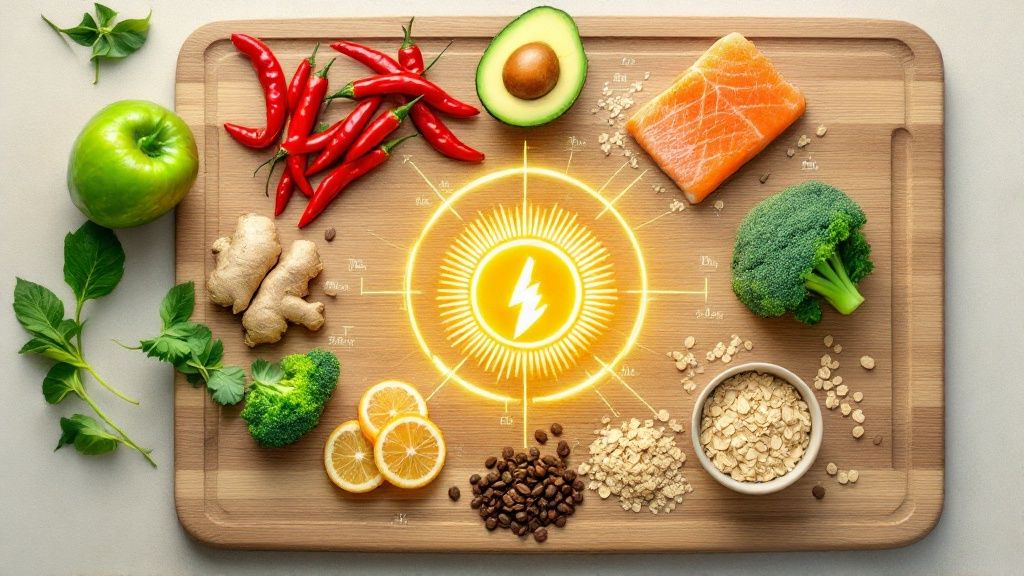
8 Foods That Boost Metabolism: Your Guide for 2025
Do you sometimes feel as though your body is running on low power? A sluggish metabolism can manifest as fatigue, weight gain, and a general lack of energy. The good news, however, is that you do not simply have to accept this feeling. You can specifically support your internal engine and get it running smoothly again—entirely naturally, by choosing the right foods.
In this article, we will present the most effective foods that boost metabolism in detail. We go beyond simple lists and examine the scientific mechanisms behind their effects. You will learn not only what you should eat, but also why it works and how to optimally integrate these powerhouses into your daily life to achieve your individual health and fitness goals.
We will analyze eight specific foods, from green tea to ginger, and provide you with concrete, immediately actionable tips. Because truly understanding your body and its metabolism is the first and most important step toward greater well-being, energy, and self-determination when it comes to your health. Let us discover together how targeted nutrition can help you unlock your full potential.
1. Green Tea: The Gentle Thermogenesis Booster
Green tea is far more than just a soothing hot beverage; it is a scientifically recognized food that can stimulate your metabolism. Its secret lies in the secondary plant compounds it contains, particularly catechins. The most effective of these is epigallocatechin gallate (EGCG).
How Green Tea Affects Metabolism
The combination of caffeine and EGCG makes green tea an effective aid. While caffeine provides a slight energy boost, EGCG works at the cellular level. It can inhibit the activity of an enzyme that breaks down noradrenaline. Noradrenaline is a hormone that signals your body to break down fat cells for energy.
This mechanism increases thermogenesis—the body's own heat production. Your body therefore uses more energy, even at rest. Studies have shown that regular consumption of green tea extract can increase energy expenditure by up to 4% and significantly boost fat burning. This makes green tea one of the best-researched foods for naturally supporting your metabolism.
Actionable Takeaways: How to optimally incorporate green tea
To fully benefit from its metabolism-boosting effects, proper preparation and use are essential:
- Choose Quality: High-quality loose-leaf tea, especially varieties such as Sencha or Matcha, generally contains a higher concentration of catechins than tea bags.
- The Right Temperature: Pour water heated to about 80°C over the tea, not boiling water. Excessive heat can destroy the valuable catechins.
- Mind the Steeping Time: Steep the tea for 3 to 5 minutes to release the maximum amount of active compounds.
- Time It Wisely: Drink 2–3 cups throughout the day, ideally between meals. This prevents the tannins in the tea from impairing iron absorption from food.
- Enjoy It Pure: Avoid sugar, honey, or milk, as these additional calories can negate the positive effect.
If you would like to explore how to naturally speed up your metabolism in greater depth, you can find more valuable information in our detailed guide. Learn more about how to stimulate your metabolism naturally.
2. Chili Peppers: The Fiery Metabolism Booster
Chili peppers are more than just a spicy seasoning for your dishes; they are a powerful, natural way to give your metabolism a substantial boost. The active compound responsible for their heat and metabolic effects is called capsaicin.
How Chili Affects Metabolism
Capsaicin is the key compound that makes chili one of the best-known foods for boosting metabolism. When you eat chili, capsaicin binds to special receptors in your body that normally respond to heat. This triggers a cascade of reactions that signals to the body that it is getting hot—even when the ambient temperature remains unchanged.
In response, your body increases thermogenesis, or heat production, to cool itself down. This process uses additional energy, leading to a short-term increase in calorie expenditure. Studies show that consuming capsaicin can increase metabolism by 5 to 15% for up to three hours. It may also suppress appetite and promote fat oxidation, making it a valuable aid in weight management.
The following infographic summarizes the impressive thermogenic properties of chili peppers.
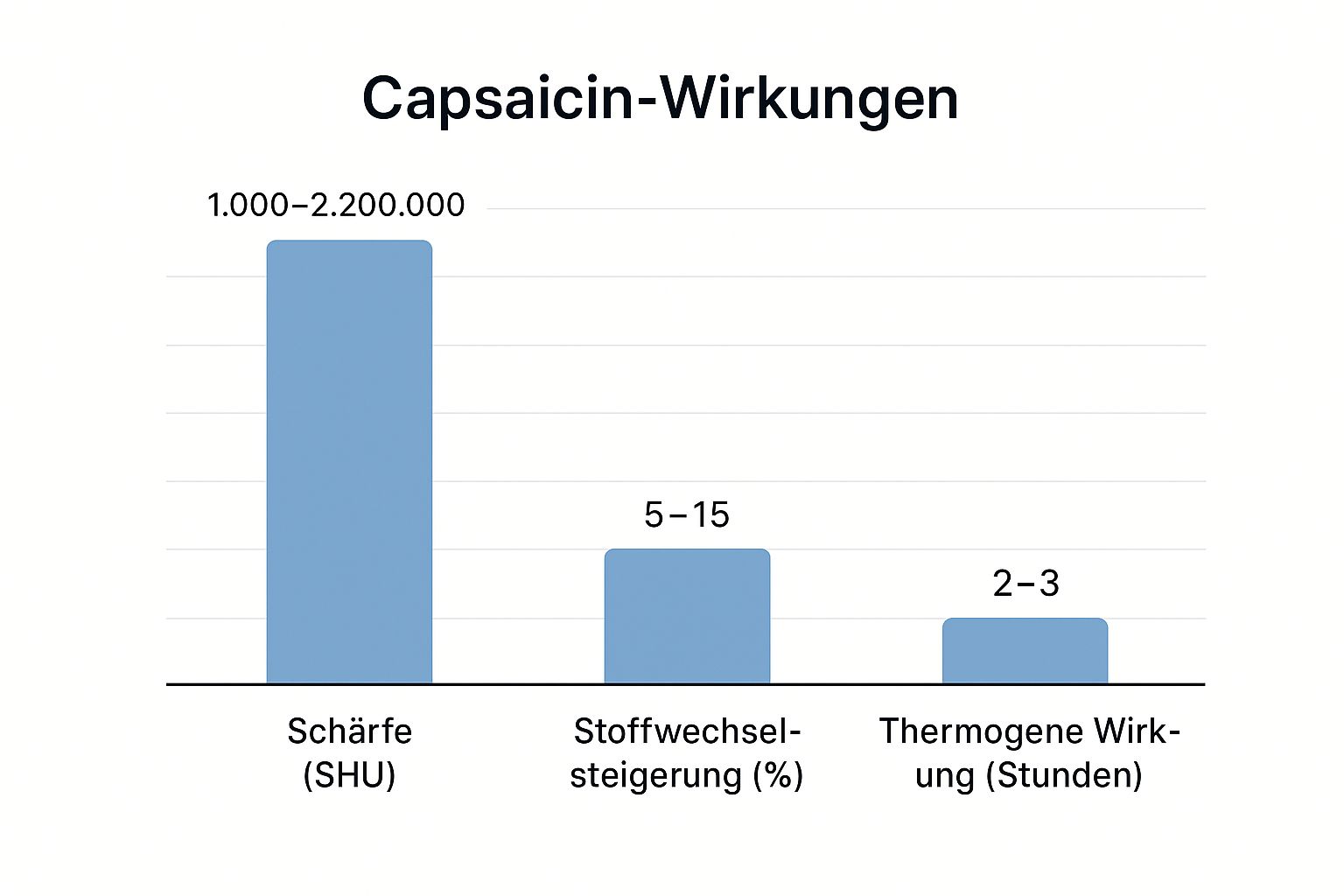
The diagram impressively shows how even moderate spiciness can trigger a significant metabolic boost that lasts for hours.
Actionable Takeaways: How to Incorporate Chili Optimally
To harness chili’s metabolism-boosting effects safely and effectively, you can follow these tips:
- Increase gradually: Start with milder varieties such as jalapeños and gradually work your way up to hotter varieties such as habaneros or cayenne to build your tolerance.
- Fresh instead of processed: Use fresh or dried chilis instead of highly processed hot sauces, which often contain a lot of sugar, salt, or preservatives.
- Kick-start your metabolism in the morning: Add a pinch of cayenne pepper or fresh chili to your breakfast, such as an omelet or scrambled eggs, to activate your metabolism for the whole day.
- Combine strategically: The thermogenic effect is enhanced when you combine chili with protein-rich meals. The body already uses more energy to digest protein (the thermic effect of food).
- Use it in powder form: If you do not like the direct heat, cayenne pepper powder is an excellent alternative that you can easily mix into soups, stews, or smoothies.
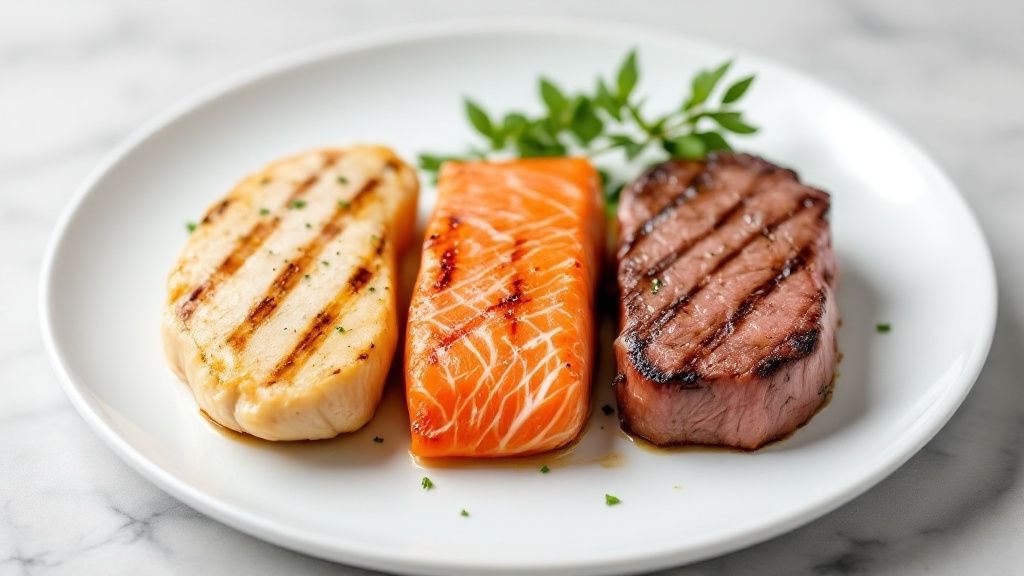
3. Lean Protein (Chicken, Fish, Lean Beef): The Thermogenic Nutrient
Lean protein is a crucial building block for your body and, at the same time, one of the strongest natural metabolism boosters. The reason lies in the so-called thermic effect of food (TEF). Your body needs energy to digest, absorb, and metabolize the food you eat.
How Lean Protein Affects Metabolism
Compared with carbohydrates and fats, protein has by far the highest TEF. While your body burns only around 5–10% of the calories from carbohydrates and 0–3% from fats to process them, the figure for protein is an impressive 20-30 %. This means that almost one-third of the calories from a high-protein meal are spent on digestion alone.
This process significantly increases your metabolic rate for several hours after eating. Protein is also essential for building and maintaining muscle mass. Since muscle tissue itself burns more calories at rest than fat tissue, a high-protein diet sustainably supports your basal metabolic rate and makes protein one of the most effective foods for boosting metabolism.
Actionable Takeaways: How to Incorporate Protein Optimally
To fully harness protein’s metabolism-boosting effect, the right amount and distribution are essential:
- Set a target amount: Aim for a daily protein intake of around 1.2 to 1.6 grams per kilogram of your body weight, especially if you are active or want to lose weight.
- Include it in every meal: Distribute your protein intake evenly across all meals of the day. This keeps the thermic effect consistently high and provides a long-lasting feeling of fullness.
- Prioritize quality: Choose high-quality, lean sources such as chicken breast, wild-caught fish, or lean beef from pasture-raised cattle.
- Vary your sources: Combine different animal- and plant-based protein sources, such as lentils, beans, or tofu, to ensure a complete amino acid profile.
- Combine wisely: Always eat your protein with plenty of vegetables. The fiber they contain supports digestion and provides important micronutrients.
If you would like to learn more about how a high-protein diet can support you in losing weight, you can find more valuable information in our guide to losing weight without giving up the foods you love.
4. Ginger: The Spicy Root for a More Active Metabolism
Ginger is much more than just a spicy seasoning for Asian dishes; it is a medicinal plant valued for thousands of years that can naturally stimulate your metabolism. Its power comes from bioactive compounds such as gingerol and shogaol, which not only give it its characteristic spiciness but are also responsible for its thermogenic properties.
How Ginger Affects Metabolism
The pungent compounds gingerol and shogaol found in ginger root act as powerful catalysts for your body. They stimulate thermogenesis, or heat production in the body, thereby increasing your calorie expenditure. This process helps boost fat burning and accelerate your overall metabolism.
Ginger is also known for its digestive benefits. It stimulates the production of digestive juices and enzymes, which improves nutrient absorption and relieves the gastrointestinal tract. Efficient digestion is a fundamental prerequisite for a properly functioning metabolism. Ginger is therefore one of the foods that can help stimulate your metabolism on multiple levels.
Actionable Takeaways: How to Incorporate Ginger Optimally
To fully benefit from ginger’s metabolism-boosting effects, it is important to incorporate it properly into your daily routine:
- Freshness matters: Use fresh ginger instead of powder, as the concentration of active gingerols is highest in fresh ginger.
- The perfect start to the day: Start your morning with ginger water. Simply pour hot water over a few slices of fresh ginger and let it steep for 10 minutes.
- Versatile in the kitchen: Grate fresh ginger into smoothies, curries, soups, or stir-fry dishes to give your meals a healthy spiciness.
- Recommended amount: A daily amount of 1 to 3 grams of fresh ginger is considered effective for taking advantage of its metabolic benefits.
- Harness synergies: Combine ginger with green tea. The combination of catechins from the tea and gingerols from the ginger can enhance the thermogenic effect of both foods.
If you would like to explore how to naturally speed up your metabolism in greater depth, you can find more valuable information in our detailed guide. Learn more about how to stimulate your metabolism naturally.
5. Coffee: The Classic Energy and Metabolism Boost
For many people, coffee is the quintessential morning ritual, but it is much more than just a pick-me-up. It is one of the most effective and best-studied foods for stimulating metabolism. Its main active ingredient, caffeine, is a powerful stimulant of the central nervous system that has been shown to increase metabolic rate.
How Coffee Affects Metabolism
Caffeine works in several ways. It increases the release of neurotransmitters such as noradrenaline, which promotes lipolysis—the breakdown of fat from fat cells. Your body can then use this released fat as an energy source. At the same time, caffeine boosts thermogenesis, causing your body to burn more calories to produce heat.
Studies show that even one cup of coffee can temporarily boost metabolism by 3 to 11%. This effect lasts for several hours, making coffee an effective tool for increasing daily energy expenditure. Your individual predisposition also plays a role. Learn more about how to understand your metabolism based on your genetics.
Actionable Takeaways: How to Integrate Coffee Optimally
To make the most of coffee’s metabolism-boosting effect, you should pay attention to a few details:
- Enjoy it black: The greatest benefit comes from drinking black coffee without sugar, cream, or syrup. These additions would quickly cancel out the positive effect by adding extra calories.
- Proper timing: Drink one cup about 30 to 45 minutes before training to maximize fat burning and improve your performance.
- Focus in the morning: One or two cups in the morning or late morning can help boost your metabolism for the rest of the day. Avoid coffee at least six hours before bedtime so it does not impair your sleep quality.
- Avoid tolerance: To prevent your body from becoming accustomed to it, it may be helpful to take regular breaks (e.g., avoid coffee for one week each month).
- Focus on quality: Choose freshly ground beans to retain the maximum amount of antioxidants and active compounds.
6. Coconut Oil (MCT Oil): The Fast Energy Fat
Coconut oil, and especially the MCT oil derived from it (medium-chain triglycerides), has established itself as a unique fat that can stimulate metabolism. Unlike most fats we consume, MCTs are metabolized differently. Their secret lies in their unique chemical structure.
How Coconut Oil Affects Metabolism
Normal long-chain fatty acids undergo a complex digestive process before being used or stored as energy. Medium-chain triglycerides such as the lauric acid in coconut oil bypass this route. They travel directly from your intestines to your liver, where they are immediately used to generate energy.
This process leads to a significant thermogenic effect: Your body produces more heat and burns additional calories in the process. Studies suggest that MCTs can temporarily increase metabolism by 5 to 15%. This makes them not only a quick source of energy that is rarely stored as body fat, but also one of the most potent foods for boosting your metabolism.
Actionable Takeaways: How to Incorporate Coconut Oil Optimally
To fully benefit from the metabolism-boosting effects of coconut oil and MCT oil, proper use is essential:
- Start slowly: Begin with one teaspoon per day and gradually increase the amount to 1–2 tablespoons. Increasing too quickly can cause digestive discomfort.
- Versatile use: Use coconut oil for cooking and frying at medium to high temperatures. Alternatively, you can mix flavorless MCT oil into your coffee (known as "Bulletproof Coffee"), smoothie, or salad dressing.
- Quality is essential: Choose cold-pressed, virgin coconut oil to ensure that all valuable nutrients are preserved. For pure MCT oil, look for high quality without additives.
- Use as an energy boost: Since MCTs provide energy quickly, they are excellent before exercise or during mental exertion to help prevent dips in performance.
- Combine strategically: Its effects are enhanced when you use coconut oil as part of a low-carbohydrate diet and in combination with regular exercise.
To learn more about how to optimally supply your body with energy, you can find valuable information in our guide. Read more about how to naturally boost your metabolism.
7. Apple Cider Vinegar: The Acid Boost for Metabolism
Apple cider vinegar, valued as a home remedy for centuries, is experiencing a renaissance as an effective food that can stimulate metabolism. Its power lies in the acetic acid it contains, an organic compound proven to positively influence metabolic processes in your body.
How Apple Cider Vinegar Affects Metabolism
The acetic acid in apple cider vinegar is the key to its effects. It acts at several points in energy metabolism and helps your body work more efficiently. For one, it improves insulin sensitivity, which means your cells can absorb sugar from the blood more effectively and use it as energy. This stabilizes blood sugar levels and prevents cravings.
Additionally, acetic acid can increase the activity of an enzyme called AMPK (AMP-activated protein kinase). This enzyme is considered the master switch of metabolism and signals the body to activate fat-burning processes and reduce fat storage. Studies showed that participants who regularly consumed apple cider vinegar lost significantly more weight over 12 weeks than a control group.
Actionable Takeaways: How to Incorporate Apple Cider Vinegar Optimally
For safe and effective use of apple cider vinegar, you should keep a few important points in mind to benefit from its advantages:
- Quality is essential: Choose an unfiltered, organic apple cider vinegar that contains “the mother.” This gelatinous substance consists of valuable enzymes and probiotic bacteria.
- Always dilute: Never drink apple cider vinegar undiluted! The acid can damage the esophagus and tooth enamel. Mix 1–2 tablespoons into a large glass (approx. 250 ml) of water.
- Perfect timing: Drink the mixture about 15–20 minutes before a meal. This may support digestion and reduce the rise in blood sugar after eating.
- Protect your teeth: Use a straw to minimize direct contact between the acid and your teeth, and rinse your mouth with clean water afterward.
- Start slowly: Begin with a smaller dose (e.g., one teaspoon in water) and observe how your body reacts before gradually increasing the amount.
8. Seaweed and Kelp: Iodine Powerhouses for Your Thyroid
Seaweed and kelp are far more than just ingredients in sushi or Asian soups; they are true nutrient powerhouses from the sea and among the most effective foods for boosting your metabolism. Their greatest advantage lies in their exceptionally high content of natural iodine, an essential mineral for thyroid function.
How Seaweed and Kelp Affect Metabolism
The thyroid is the central control center of your metabolism. It produces hormones (thyroxine and triiodothyronine) that regulate how quickly your body uses energy. Iodine is essential for producing these hormones. A deficiency can slow thyroid function, often leading to fatigue, weight gain, and a sluggish metabolism.
Seaweeds such as kelp, nori, and wakame are the richest natural sources of iodine. Adequate iodine intake helps your thyroid function optimally and thus maintain your basal metabolic rate—the number of calories burned at rest—at a healthy level. In addition, some types of seaweed, such as wakame, contain the pigment fucoxanthin, which studies have shown may increase fat burning in cells.
Actionable Takeaways: How to Incorporate Seaweed and Kelp Optimally
To use the metabolism-boosting effects of seaweed safely and effectively, you should focus on incorporating it mindfully:
- Moderation is key: Because of its extremely high iodine content, you should enjoy seaweed only in moderation. One or two servings per week are generally sufficient. Too much iodine can overstimulate the thyroid.
- Choose the right variety: Start with milder varieties. Nori sheets (for sushi) or wakame (in miso soup or salad) are ideal for beginners. Kelp is particularly rich in iodine and should be used more sparingly, for example as a seasoning powder.
- Pay attention to quality and origin: Choose products from clean waters with low levels of pollutants to minimize exposure to heavy metals.
- Medical advice for thyroid disorders: If you already have a thyroid disorder (e.g., Hashimoto's thyroiditis), be sure to speak with your doctor before adding seaweed to your diet.
- Algae as a Nutrient Booster: They are not only good for your metabolism but also rich in fiber, which supports your microbiome. If you would like to learn more about how your gut health affects your entire body, you can find more information in this microbiome test.
Comparison: 8 Foods That Boost Metabolism
| Comparison Point | Green Tea | Chili Peppers (Capsaicin) | Lean Protein (Chicken, Fish, Beef) | Ginger | Coffee | Coconut Oil (MCT Oil) | Apple Cider Vinegar | Seaweed & Kelp |
|---|---|---|---|---|---|---|---|---|
| 🔄 Implementation Complexity | Low, easy to prepare | Medium, getting used to the heat is necessary | Medium, requires preparation | Low, versatile to use | Low, uncomplicated preparation | Medium, consider dosage | Low, easy to integrate | Medium, consider dosage and source |
| 💡 Resource Requirements | Affordable, widely available | Average (fresh/seasoned) | Higher price for good protein sources | Affordable and available everywhere | Affordable, ubiquitous | Medium to high (quality matters) | Very affordable and readily available | Variable, potentially expensive and specialized |
| 📊 Expected Results (Metabolism Boost) | ⭐ 4-5% Increase | ⭐⭐ 5-15% Increase | ⭐⭐⭐ 20-30% Increase | ⭐ 3-6% Increase | ⭐ 3-11% Increase | ⭐⭐ 5-15% Increase | ⭐ 1-4% Increase | ⭐ 3-7% Increase |
| Ideal for Use | 🔄 Between Meals, Before Exercise | 🔄 Seasoning, Appetite Suppressant | ⚡ Muscle Building, Weight Management | 💡 Digestive Support, Seasoning | ⚡ Energy & Sports Performance Enhancement | ⚡ Keto/Low-Carb Diets | 💡 Blood Sugar Regulation | 🔄 Thyroid Health |
| ⚡ Key Benefits | Antioxidants, Mild, Versatile | Natural Appetite Suppression | Highest Thermic Effect, Muscle Building | Anti-Inflammatory, Aids Digestion | Cognitive & Performance Enhancement | Quickly Available Energy | Improves Insulin Sensitivity | Rich in Iodine & Minerals |
Your Path to an Active Metabolism: Individual and Evidence-Based
You have now discovered an impressive list of natural aids, from the thermogenic power of capsaicin in chilies to the catechins in green tea. We have seen how foods such as lean protein, ginger, coffee, and even algae can contribute in different ways to boosting your metabolism and increasing your energy expenditure. These insights are more than just interesting facts; they are powerful tools that you can start using right away.
However, the crucial next step is to apply this knowledge strategically and, above all, individually. Consider these foods that boost metabolism not as magical solutions, but as valuable building blocks for a bigger picture: your personal health strategy.
From Knowledge to Personalized Implementation
The key to success is not consuming all the foods mentioned indiscriminately. Rather, it is about making an informed selection that suits your lifestyle, preferences, and above all, the unique needs of your body.
- Strategic integration: Start by choosing two or three foods from the list that are easy to incorporate into your everyday life. Replace your afternoon snack with a handful of nuts, or season your dishes more deliberately with ginger and chili.
- Consider the bigger picture: An active metabolism is the result of several factors working together. In addition to nutrition, regular exercise, sufficient sleep, and effective stress management also play a central role. The foods presented here work best as part of a healthy and balanced lifestyle.
- Listen to your body: Every organism reacts differently. What works wonders for one person may have less noticeable effects on another. Observe how you feel when you incorporate certain foods into your diet. Your well-being is the best indicator.
The decisive factor: Your uniqueness
The foods that boost metabolism presented here are based on general scientific findings. But the truly transformative power lies in personalization. Your genetic profile, current nutrient status, and the composition of your gut microbiome largely determine how efficiently your body can utilize these “boosters.”
Instead of groping in the dark and guessing what works best for you, you can gain targeted insights. A scientifically grounded analysis is like a personal map for your body. It shows you where you stand and which path is most efficient for you to achieve your health and metabolic goals. Think of the foods presented in this article as the tools and a personalized analysis as the instruction manual that shows you how to use them most effectively. This creates the foundation for sustainable success and a deeper understanding of your own body.
Are you ready to move from general recommendations to a tailored nutrition strategy? MYBODY Lab GmbH offers scientifically grounded DNA and microbiome tests that precisely show you which nutrients your metabolism really needs to function optimally. Discover your individual path to greater energy and well-being at MYBODY Lab GmbH.



Share now:
8 common vitamin deficiency symptoms you should know about
10 Tips for Sustainable Health Improvement