
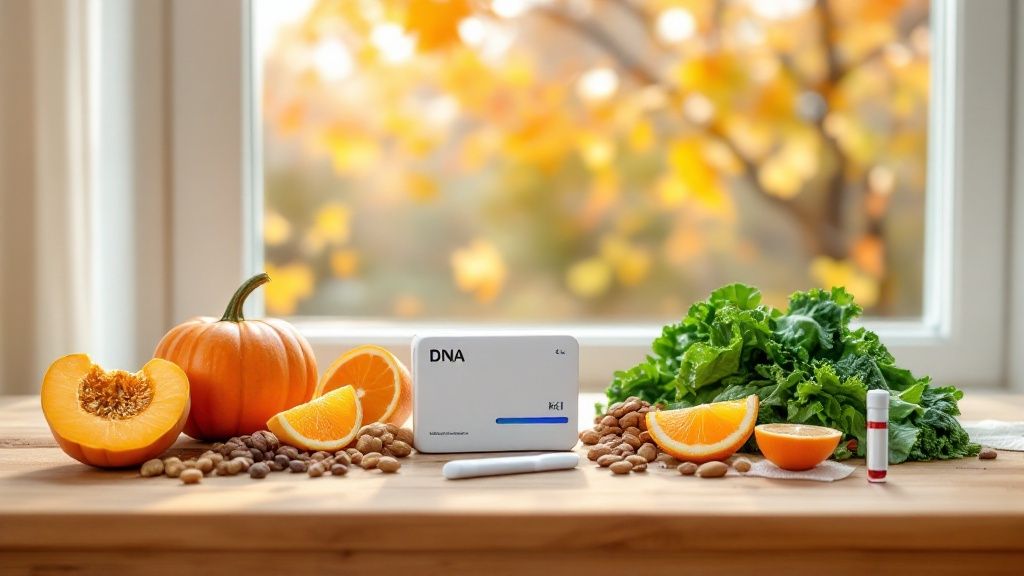
Strengthen your immune system in autumn
A robust immune system is not a matter of chance. It is the result of a conscious lifestyle and targeted nutrient intake, especially when the days grow shorter and the air gets cooler. The key is to give your body exactly the building blocks it needs to effectively fight off viruses and bacteria and keep you healthy throughout autumn.
Why autumn puts your immune system to the test
As the colorful leaves fall and temperatures drop, our bodies enter a challenging period. The cozy autumn atmosphere also brings a few challenges that directly affect our immune defenses. That is precisely why it is now so important to actively strengthen your immune system.
Less sun, less vitamin D
One of the biggest factors is the diminishing sunlight. Our skin produces vitamin D mainly under the influence of UV-B rays—a resource that quickly becomes scarce in autumn and winter.
However, vitamin D is not an ordinary vitamin. In our bodies, it acts more like a hormone and is crucial for activating our immune cells. If vitamin D levels fall, your immune system may respond to invaders more sluggishly and slowly. If you want to explore the topic in more depth, read our article about when taking vitamin D makes sense.
Indoor spaces as virus hotspots
At the same time, our lives shift indoors again. We spend more time in offices, on public transport, and in our homes—often with many people in confined spaces. This naturally creates ideal conditions for the transmission of cold viruses and other pathogens.
Another aspect that is often underestimated is dry indoor heating air. It removes moisture from the mucous membranes in our noses and throats. These mucous membranes are our first and most important line of defense against germs. When they dry out, they become cracked and more permeable. Viruses then find it much easier to enter our bodies.
Your immune system is like a muscle: it needs regular training and the right “fuel” to stay strong. Autumn is the perfect time to give it exactly this attention.
This combination of changing environmental conditions and lifestyle habits makes it quite clear why we are often so susceptible to infections in autumn. Taking proactive action means understanding these connections and taking targeted measures. That is the only way to get through the colder season feeling fit and full of energy.
Build the foundation for a robust immune system
A strong immune system doesn’t happen by chance—it is the result of a mindful lifestyle. Before we look at the individual vitamins and nutrients, we should understand the big picture. Your immune defenses work best when the four foundations of your health are stable: nutrition, exercise, sleep, and stress management.

Think of these four areas as the legs of a table. As soon as one becomes unsteady, the entire system starts to wobble. But the good news is that even small, consistent adjustments in your daily routine can have a tremendous effect and help you get through autumn more resiliently.
Exercise in the fresh autumn air
A walk through colorful autumn leaves is so much more than just a pleasant leisure activity. Regular, moderate exercise boosts circulation and ensures that your immune cells—such as lymphocytes and natural killer cells—are transported through the body more effectively. This allows them to detect and neutralize potential invaders much faster.
This isn’t about high-performance sports at all. Even a daily 30-minute walk is a fantastic start to get your cardiovascular system moving and support your immune function. A nice side benefit: Sunlight, even when it is weaker in autumn, contributes to the important production of vitamin D.
The restorative power of sleep
While you sleep, your immune system is working at full speed. At night, your body produces what are known as cytokines—special proteins that play a central role in fighting infections and inflammation. Lack of sleep, on the other hand, reduces the production of these protective helpers and makes you more susceptible to whatever is going around.
The goal should be seven to nine hours of restful sleep per night. A regular sleep schedule, including on weekends, helps your internal clock stay in sync and optimizes your immune defenses.
Stress management as immune protection
Chronic stress is one of the greatest enemies of your immune defenses. If you are constantly under pressure, your body releases more of the hormone cortisol. Persistently high cortisol levels can effectively suppress the function of your immune cells. This also explains why you are often more susceptible to colds during particularly stressful periods.
Simple relaxation techniques can already work wonders here. Whether it’s five minutes of mindful breathing exercises, a short meditation, or getting lost in a good book—find out what personally helps you switch off. These small breaks are not wasted time but an essential investment in your health.
Naturally, a healthy diet is the absolute foundation. In our guide, you can learn more about the most important vitamins and minerals for a strong immune system. Together, all these building blocks help support immune prevention. You can think of it a little like the flu vaccination, which specifically trains immune memory. A healthy lifestyle ensures broad and robust defenses across the board.
Your diet as a natural immune booster
Imagine your immune system as a highly specialized army that is constantly in action. To keep this force effective, it needs the right fuel—and you can find it right on your plate.
A conscious, nutrient-rich diet is one of the most powerful levers you can control yourself. Autumn, in particular, gives us an incredible abundance of foods that specifically support our immune defenses.

Powerhouses for your defenses
Some vitamins and minerals play an absolutely key role in strengthening the immune system. They are, so to speak, the commanders and engineers of your defensive forces. Let's take a closer look at the most important helpers and their best autumnal sources:
- Vitamin C: The undisputed classic—and for good reason. As a powerful antioxidant, it protects your cells from damage and boosts the production of white blood cells, which fight off viruses and bacteria. In autumn, you can find plenty of it in kale, Brussels sprouts, and bell peppers.
- Zinc: This trace element is essential for the development and function of your immune cells. Even a slight deficiency can noticeably impair your immune defenses. Pumpkin seeds, lentils, and oatmeal are excellent plant-based sources of zinc that are perfect for the season.
- Selenium: Selenium also has antioxidant properties and ensures a rapid, powerful immune response. Brazil nuts are the absolute frontrunners here—often, just two nuts a day are enough. Mushrooms and members of the cabbage family also provide a good amount.
This knowledge is firmly rooted in the population, by the way. A 2020 survey showed that most Germans intuitively correctly identify foods such as citrus fruits, ginger, and garlic as particularly effective for supporting the body's defenses. You can read all the survey's fascinating results here on Statista.
Nutrients for your immune system and their autumn sources
This table gives you an overview of which essential nutrients strengthen your immune defenses and which typical autumn foods contain them.
| Nutrient | Effect on the immune system | Top foods for autumn |
|---|---|---|
| Vitamin C | Protects cells and promotes white blood cells | Kale, Brussels sprouts, bell peppers, rose hips |
| Zinc | Important for the development and function of immune cells | Pumpkin seeds, lentils, oatmeal, beef |
| Selenium | Antioxidant, supports a rapid immune response | Brazil nuts, button mushrooms, broccoli, eggs |
| Vitamin D | Regulates the immune response and has an anti-inflammatory effect | Fatty fish (salmon, herring), mushrooms, egg yolk |
| Vitamin A | Strengthens mucous membranes as the first line of defense | Pumpkin, carrots, sweet potatoes, kale |
A well-filled plate of seasonal foods is therefore much more than just a delicious meal—it is your daily dose of immune power.
Your gut: The center of your immune defenses
Would you have guessed it? Around 80% of your immune system is located in the gut. Your gut microbiome, this fascinating ecosystem of billions of bacteria, trains your immune cells and plays a major role in determining how well your body responds to pathogens.
To keep these beneficial gut inhabitants happy, they need one thing above all: fiber. It is the favorite food of the good bacteria.
Imagine your gut as an inner garden. Probiotic foods such as yogurt, kefir, or sauerkraut bring in new, beneficial “plants,” while prebiotic fiber from whole-grain products, legumes, and vegetables is the best “fertilizer.”
So deliberately incorporate fiber-rich autumn vegetables such as Jerusalem artichokes, parsnips, or salsify into your meal plan. A warming pumpkin soup with roasted seeds or a kale salad with nuts and diced beetroot are not only incredibly delicious. They provide you and your immune system with exactly the nutrients needed right now.
This turns every meal into a small but effective step toward unbeatable defenses.
Determine your nutrient requirements specifically instead of guessing
Do you often feel tired or are you constantly the first to catch a cold, even though you actually pay attention to eating a healthy diet? This is a typical scenario. The answer often lies deeper than what’s on your plate—namely, in your very personal nutrient requirements. General recommendations such as “just eat more fruit” are well-intentioned, but usually fall short, because each of us is biochemically unique.
Your lifestyle, daily stress levels, and above all your genetic makeup determine which vitamins and minerals you truly need—and in what amounts. What is perfect for one person may have long been insufficient for you. So instead of stumbling around in the dark and trying random dietary supplements, there are now precise methods to finally gain clarity.
Learning to understand your body
The first and most important step toward a strong immune system is knowing your own baseline. This is where modern analyses come in, helping you truly understand your body and identify whether nutrient levels are in the deficiency range.
Think of it this way: A DNA test is like the user manual for your body, while a blood test is the current level indicator for your nutrient tanks.
- The DNA test (the user manual): Your genes determine how efficiently your body can, for example, absorb vitamin D from sunlight or process vitamin B12. The MYBODY-X DNA test reveals your genetic strengths and weaknesses. This tells you which nutrients you naturally have a higher need for.
- The blood test (the level indicator): A blood test gives you a hard-hitting snapshot. It shows in black and white which nutrients are actually lacking in your blood. This is the ultimate proof of where you need to take action.
Together, the two analyses provide a complete picture. You understand not only why you may be prone to a deficiency (your genetics), but also whether that deficiency is currently acute (your blood values). With this knowledge, you can finally tailor your diet and supplementation precisely to your needs. If you want to explore the topic in greater depth, take a look at our article on targeted nutrient deficiency testing.
The following table gives you a quick overview of which test provides which answers. This lets you see at a glance how mybody-x.com’s DNA and blood tests work together to give you a complete picture of your nutrient status.
DNA test vs. blood test: Which test provides which answers?
| Trait | DNA test (mybody-x) | Blood test (mybody-x) |
|---|---|---|
| What is analyzed? | Your genetic predisposition | Your current blood nutrient status |
| The central question | “Why am I prone to a deficiency?” | “Am I currently deficient?” |
| The result | Your lifelong “user manual” | A snapshot of your current state |
| The recommendation | Shows which nutrients you should generally keep an eye on | Provides the basis for targeted, immediate adjustments to your diet |
In summary, the DNA test is your strategic map for long-term health, while the blood test is your current GPS, telling you where you stand right now.
The vitamin D example
Vitamin D is a huge topic, especially in Germany. This “sunshine hormone” is absolutely crucial for our immune system, because receptors for it are found on almost all immune cells. It ensures the right balance: It strengthens the defenses when they are weak while simultaneously dampening excessive reactions, such as those we know from allergies.
However, the situation here is dramatic. A study by the Robert Koch Institute showed that 30.2% of Germans have a severe vitamin D deficiency. And a full 61.5% have inadequate levels. This means that the majority of the population is affected! This inadequate supply is a key reason why so many people are susceptible to infections in autumn and winter. If you want to read the details of this important study on vitamin D deficiency and its effects, you can find them here in the scientific publication.
A nutrient deficiency is not a fate, but information. Use it to give your immune system exactly what it needs—no more and no less.
The following infographic provides an initial guide to recommended dosages for some common immune boosters.
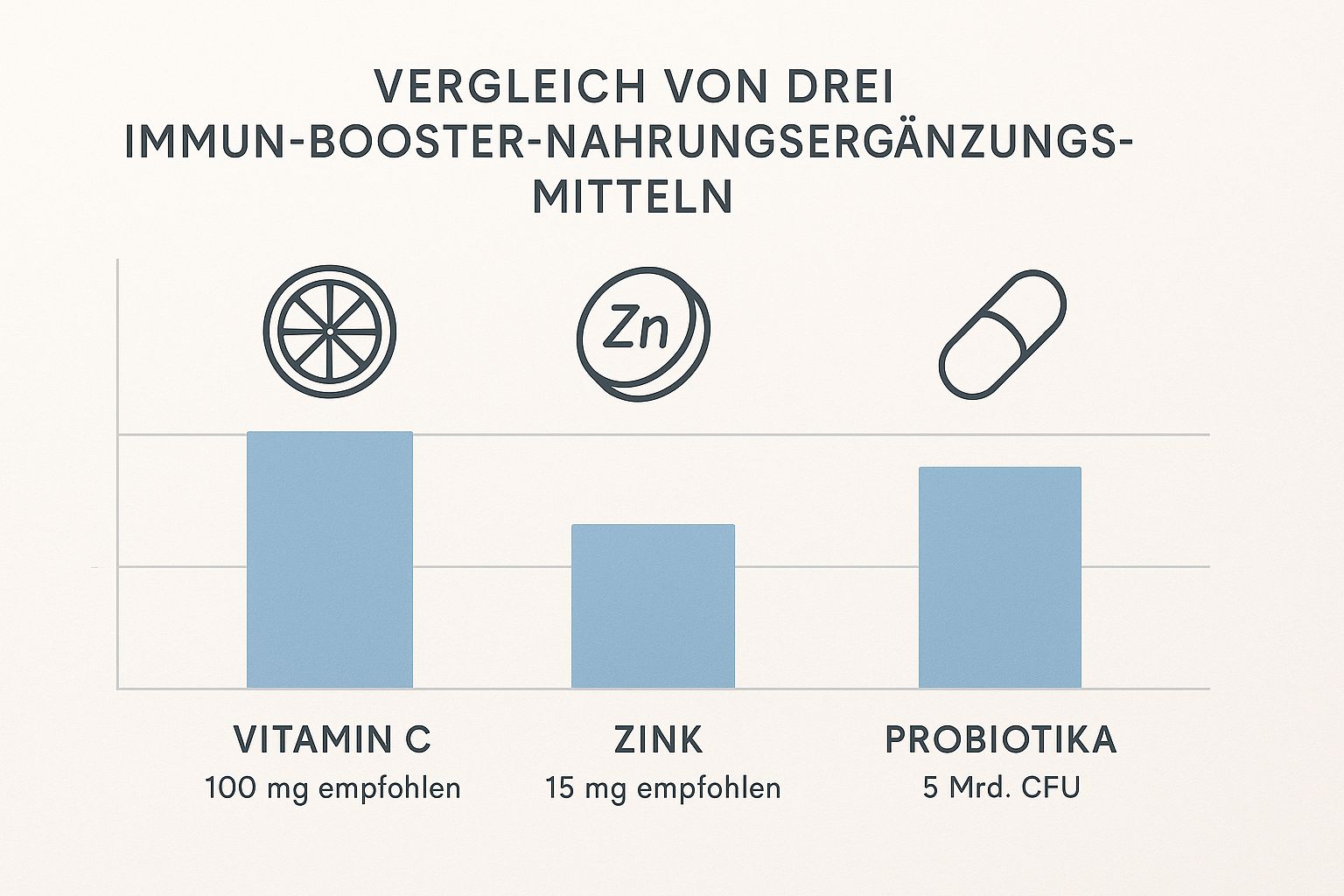
But remember: The graphic shows standard recommendations for vitamin C, zinc, and probiotics. Your personal needs may look completely different depending on your test results and should always be adjusted individually.
Your personal roadmap for a healthy autumn
Okay, theoretical knowledge is one thing; putting it into practice in everyday life is another. You now know why autumn puts your immune system to the test and which building blocks—from nutrition to lifestyle—really matter. Now it's time to turn this knowledge into a clear plan that will carry you through the cooler season full of energy.
Don't think of this as a list of obligations. It's a conscious decision for your well-being. You are taking your health into your own hands and acting before the first cold can even knock on the door.
Your checklist for strong defenses
This plan is very simple and can be integrated into your daily routine right away. No complicated rules, just a few smart habits.
- Exercise in the autumn air: Schedule at least three 30-minute walks per week. This not only boosts your circulation but also reduces stress and helps you make the most of the limited sunlight for vitamin D production.
- Seasonal power foods: Make it a goal to eat at least one serving of immune-boosting autumn vegetables every day. A creamy pumpkin and ginger soup, a crisp kale salad, or roasted Brussels sprouts are not only delicious but also true nutrient powerhouses.
- Make sleep a priority: Set yourself a regular bedtime. Try to get seven to eight hours per night so your immune system can regenerate. A small ritual beforehand, such as a cup of herbal tea, can work wonders.
The key is not radical change. It is the consistency of small, conscious habits that makes the difference. Every healthy step you take today is an investment in your well-being tomorrow.
From knowledge to targeted action
All these measures provide a fantastic foundation. But if you really want to strengthen your immune system in a targeted way, you need to know exactly where your body needs support. An analysis from mybody-x.com—whether a blood or DNA test—gives you precisely that clarity. It shows you which nutrients your body processes less effectively due to genetic factors or where you currently have a deficiency. This allows you to tailor your diet and any potential supplements precisely to your needs.
Imagine knowing that your body genetically needs more vitamin C. In that case, peppers and kale would be deliberately added to your plate. Our article on the connection between nutrition and genetic testing explains these relationships in much greater detail. Use these scientifically sound tools to make the right decisions for your health. This turns strengthening the immune system from a guessing game into a precise strategy.
Everything you need to know about your immune system in autumn
Especially when the days start getting shorter and colder again, the same questions keep coming up. We’ve collected the most common ones for you and provide short, clear answers here—so you know exactly what really matters now.
How quickly can I strengthen my immune system?
A strong immune system is not a sprint but a marathon. It is the result of your daily habits. Of course, a healthy meal or a walk in the fresh air immediately sends positive signals to your body.
However, it takes weeks and months for your lifestyle to have a truly noticeable effect on your immune defenses. Think of it as a long-term project: good sleep, a balanced diet, and smart stress management build your resilience step by step—but sustainably and steadily.
Is a healthy diet alone enough to stay healthy throughout the autumn?
A nutrient-rich diet is the foundation—the most important pillar of a well-functioning immune system. It provides the vitamins, minerals, and antioxidants that your immune cells need as fuel for their work.
But it is only one piece of the puzzle. Even the healthiest food cannot simply erase the negative effects of chronic sleep deprivation or constant stress. The most effective approach is always a holistic one that combines nutrition, exercise, sleep, and mental balance.
Are dietary supplements useful in autumn?
Yes, they can be very useful support—especially when a specific deficiency exists. Vitamin D is the best example. In our latitudes, sunlight in autumn and winter is often simply insufficient for the body to produce enough of it on its own.
Targeted supplementation can also be absolutely helpful for nutrients such as zinc or vitamin C during periods of increased need, such as at the first signs of a cold.
But it is very important to remember: Supplements are no substitute for a healthy diet. They should always be used in a targeted way and based on your individual needs.
A blood test, such as the one offered by mybody-x.com, shows you in black and white whether and where you have a gap. This way, you avoid the scattergun approach and give your body exactly what it really needs.
What role does genetics play in my immune system?
Your genes have an enormous influence on how your immune system works. For example, they can help determine how efficiently your body absorbs certain vitamins or how effectively your immune cells respond to an invader.
A DNA test can show you precisely whether you have a genetically determined higher need for certain nutrients. With this knowledge, you can adjust your diet and lifestyle before a deficiency even develops. It is an incredibly powerful tool for optimizing your health strategy individually—not just in the short term, but over the long term.
Are you ready to move from guessing to taking targeted action? Find out what your body really needs to stay fit and resilient throughout the autumn with a scientifically grounded analysis from MYBODY Lab GmbH.
Discover the tests that are right for you now at mybody-x.com



Share now:
Intermittent fasting 16/8 or DNA-based nutrition: What really suits you?
Reducing Belly Fat – Your Success Plan for Sustainable Results