
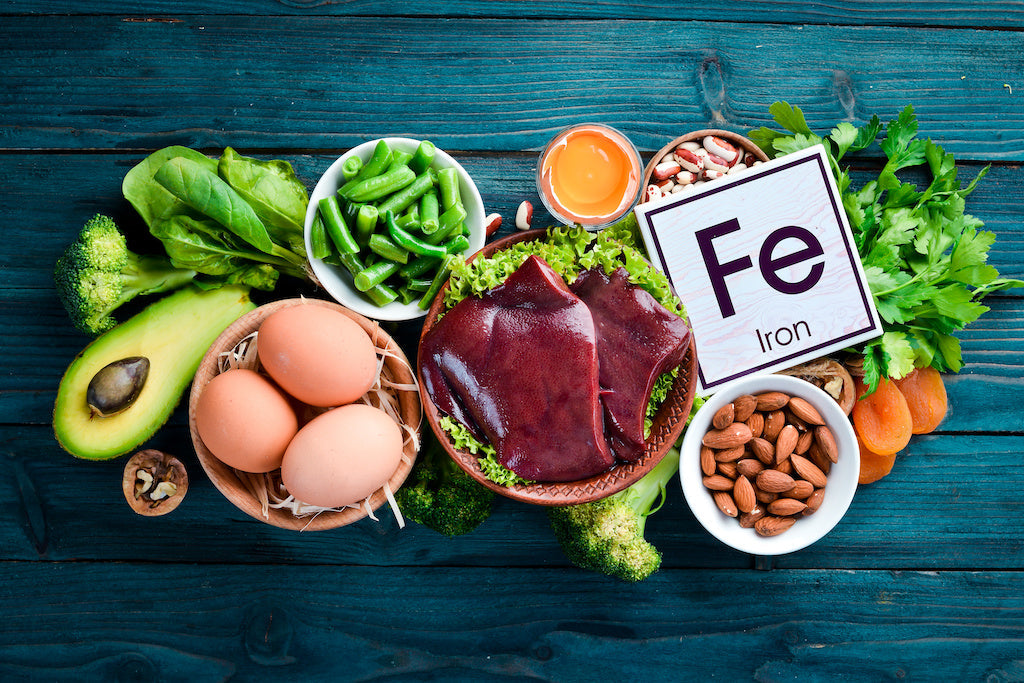
What to eat if you have iron deficiency – Your nutrition guide for more energy
Why nutrition is crucial in iron deficiency
Do you constantly feel tired, unfocused, or crave sweets or even ice cubes? These signs can indicate an iron deficiency . Worldwide, it's one of the most common nutritional deficiencies – and it's often only recognized late. But the good news is: you can control it a lot through your diet.
Many people with iron deficiency ask themselves the question, "What should I eat if I have low iron levels?" as soon as a doctor or a self-test confirms low levels. Proper nutrition is key to stabilizing iron levels. In this article, you'll learn which foods are particularly suitable for those with iron deficiency , what you can eat for breakfast , what an adapted diet looks like for older adults , and the role of plant-based iron sources. I'll also show you how you can get certainty with tests at home or at the doctor's office.
👉 Get started right away: MyBodyX homepage
Definition & Basics: Why iron is so important
Iron is an essential trace element found primarily in the red blood pigment hemoglobin. It ensures that oxygen is transported throughout the body. A low iron level leads to muscles, organs, and the brain receiving less oxygen.
The most important types of iron in food are:
-
Heme iron : found in meat and fish, is particularly well absorbed.
-
Non-heme iron : found in plant-based foods such as legumes, nuts, or vegetables. Absorption depends heavily on accompanying substances.
👉 A stable iron level protects you from anemia, decreased performance and food cravings.
Relevance & Benefits of an Iron-Rich Diet
If your iron levels are low, you'll notice it quickly. But a tailored diet offers enormous benefits:
-
More energy and performance in everyday life
-
Strengthening the immune system
-
Less craving for sweets or unhealthy snacks
-
Protection against anemia and chronic fatigue
-
Improved concentration and mental fitness
A WHO study (2021) shows that around 25% of the world's population suffers from iron deficiency. Women, children, and the elderly are particularly affected – a targeted diet is crucial here.
Types / categories of iron-rich foods
Animal foods for iron deficiency
-
Red meat (beef, lamb, game)
-
Liver and offal
-
Fish and seafood
👉 Advantage: Heme iron is absorbed at a rate of 15–35%.
Plant-based foods for iron deficiency
-
Lentils, chickpeas, beans
-
Oat flakes, quinoa, millet
-
Spinach, kale, broccoli
-
Pumpkin seeds, sesame seeds, sunflower seeds
👉 Advantage: Good base, especially for vegetarians and vegans.
Supportive foods
-
Foods rich in vitamin C (peppers, citrus fruits) increase iron absorption.
-
Coffee, black tea and dairy products inhibit absorption – it is better to consume them separately.
Comparison: Home test vs. medical diagnosis for iron deficiency
If you're wondering whether your iron level is actually too low, you can choose between a self-test and a visit to the doctor .
| criterion | Self-test at home (laboratory kit) | Doctor / Laboratory diagnostics |
|---|---|---|
| implementation | Blood from the fingertip, sent to the laboratory | Blood draw in doctor's office, laboratory analysis |
| Measurable values | mostly ferritin, sometimes hemoglobin | Ferritin, Hb, transferrin, serum iron |
| reliability | High in laboratory analysis, varies in rapid tests | Very high, gold standard |
| Cost | 15 € | variable, often covered by health insurance |
| Result time | 2–5 days (laboratory), minutes for rapid test | 1–3 days |
| Special feature | Discreet & flexible from home | Medical investigation into the cause is possible. |
👉 More information: Self-tests overview
Practical tips & methods for increasing iron levels
If you want to stabilize your iron levels, it's not just about what foods you eat , but also how you eat them .
-
Combine iron with vitamin C : For example, oatmeal + orange juice or lentils + bell peppers.
-
Plan your drinks carefully : only drink coffee or black tea 1-2 hours after iron-rich meals.
-
Regular testing : Many users report in their at-home iron deficiency test experiences that repeated checks helped them to adjust their diet accordingly.
Application for weight loss, health or lifestyle
An iron-rich diet not only supports you in treating a deficiency, but also in weight loss and your overall lifestyle. People with stable iron levels feel more energetic, burn energy more efficiently, and have fewer cravings for sweets. However, it's easy to get too little iron, especially when dieting. This is where targeted recipes come in handy – from an iron-rich breakfast to snacks and evening meals.
Top 15 iron-rich foods at a glance
| Groceries | Iron per 100 g | Special feature |
|---|---|---|
| Pig liver | approx. 18 mg | Very high heme iron content |
| pumpkin seeds | approx. 12 mg | Ideal as a snack or topping |
| Lentils (cooked) | approx. 8 mg | Plant-based iron source, high in fiber |
| Beef (lean) | approx. 7 mg | Good bioavailability |
| Chickpeas (cooked) | approx. 6 mg | Lots of plant-based protein |
| millet | approx. 6 mg | Gluten-free, versatile |
| oatmeal | approx. 5.5 mg | Perfect for breakfast |
| Quinoa | approx. 5 mg | Plant-based, easily combined |
| cooked spinach | approx. 4.1 mg | Combine with vitamin C |
| Sesame seeds | approximately 10 mg | Ideal in bread or as a paste (tahini) |
| Soybeans (cooked) | approx. 9 mg | Good plant-based source |
| Tuna (fresh) | approximately 1.3 mg | Supplement to a mixed diet |
| Kale | approx. 1.9 mg | Very nutrient-rich |
| Sunflower seeds | approx. 6.3 mg | Easily integrated into snacks |
| Beetroot | approximately 1 mg | It also supports blood formation |
✨ Tip for readers:
When eating foods high in iron, always combine them with vitamin C-rich ingredients such as oranges, bell peppers, or berries. This significantly increases iron absorption. Avoid coffee, black tea, or dairy products directly with meals, as they can inhibit absorption.
Experiences & Studies
-
A study by the University of Zurich (2019) found that women with iron deficiency were twice as likely to suffer from depressive symptoms.
-
Testimonial from Anna (34): “I was constantly tired and craving chocolate. A self-test revealed an iron deficiency. After incorporating more legumes and pumpkin seeds into my diet, I have more energy again.”
-
Testimonial from Markus (50): “As I got older, I quickly became tired. By adjusting my diet to include meat and millet products, I was able to stabilize my iron levels.”
Procedure / Implementation – Checklist
-
Document symptoms (fatigue, cravings, dizziness).
-
Perform an iron deficiency test (doctor or home kit).
-
Check results: Ferritin and Hb levels are crucial.
-
Adjust your diet: Specifically incorporate foods to address iron deficiency.
-
Check values after 8–12 weeks.
Health benefits / added value
A targeted diet for iron deficiency offers significant long-term benefits. With the right foods, you can stabilize your iron levels, reduce fatigue and cravings, and protect yourself from serious consequences like anemia. At the same time, a balanced diet boosts your concentration, immune system, and overall quality of life.
What should you eat for breakfast if you have an iron deficiency?
🍴 Iron-rich recipes for breakfast, lunch and snacks
Theory is important – but concrete meal ideas are even more helpful. That's why you'll find simple recipes here that can be perfectly integrated into your everyday life. They are quick to prepare, rich in iron, and combine important nutrients like vitamin C so that your body can absorb the iron as effectively as possible.
🥣 Breakfast for iron deficiency: Oat power bowl
A good breakfast is crucial if your iron levels are low. Oatmeal provides plenty of iron, pumpkin seeds enhance its effect, and berries supply valuable vitamin C.
Here's how:
Cook 60g of rolled oats with 200ml of oat or soy milk. Add 1 tbsp of pumpkin seeds and 1 tbsp of sesame seeds or tahini. Garnish with a handful of berries and drink a glass of freshly squeezed orange juice.
👉 Answer to the question: "What should I eat for breakfast if I have an iron deficiency?"
🥘 Lunch: Lentil curry with spinach and quinoa
Lentils, spinach, and quinoa are among the best plant-based foods for iron deficiency . Combining them with vitamin C from bell peppers or lemon juice can significantly increase your iron absorption.
Here's how:
Cook 70g of quinoa. Prepare a curry with 150g red lentils, 100g fresh spinach, one diced bell pepper, and one can of coconut milk. Season with curry powder, turmeric, and cumin. Season with lemon juice before serving.
🥗 Snack idea: An iron boost for in between meals
Even small snacks can help replenish your iron stores. Nuts, seeds, and dried fruit are particularly convenient and effective.
Here's how:
Mix 2 tablespoons of pumpkin seeds, 1 tablespoon of sunflower seeds, 3 dried apricots, and 2 dates. This mix is perfect for the office or your handbag and provides iron, fiber, and natural energy.
🍲 Dinner: Millet bowl with beef or chickpeas
In the evening, you can consume both animal and plant-based iron sources. Using millet as a base and vegetables like broccoli creates a dish that is light and nutrient-rich.
Here's how:
Cook 70g of millet. Sauté 150g of lean beef or, alternatively, 150g of cooked chickpeas. Add a handful of broccoli and half an avocado. Top with fresh parsley – this provides extra vitamin C.
✨ Everyday tip:
If you suffer from iron deficiency, it's not enough to just eat iron-rich foods occasionally. Consistency is key. Even small changes – like oatmeal instead of white bread or pumpkin seeds instead of chips – add up over the week and help stabilize your iron levels.
FAQ – Frequently Asked Questions
What should you eat for breakfast if you have an iron deficiency?
Ideal options include oatmeal with berries, wholemeal bread with hummus, or a smoothie with spinach and orange.
Which foods are best for iron deficiency?
Red meat, legumes, whole grains, nuts and green vegetables.
Which plant-based foods are good for combating iron deficiency?
Lentils, chickpeas, quinoa, pumpkin seeds and spinach.
Nutrition for iron deficiency in old age – what to consider.
Easily digestible, iron-rich foods, combined with vitamin C. Supplements may be beneficial.
Are self-tests reliable?
Yes, especially laboratory self-tests. Rapid tests are only suitable for initial indications.
Case study / experience report
Sabine (62) noticed increasing fatigue and memory problems. Her doctor recommended a blood test, which revealed low iron levels. Sabine changed her diet: Instead of white bread, she eats whole grains with hummus, supplemented with pumpkin seeds and spinach dishes. Today she feels fitter and reports: "The adjustment was easy – and my well-being has improved enormously."
Conclusion: What to eat if you have iron deficiency – nutrition as the key to more energy
An iron deficiency test is the first step, but diet is key to long-term improvement. Whether you're omnivorous, vegetarian, or vegan, the right foods can stabilize your iron levels. Combine iron-rich foods with vitamin C-rich foods, test your levels regularly, and find meals that fit your daily routine.
👉 Start now: Discover suitable self-tests or find out more in the metabolism test overview .
Share:
Intermittent fasting (16/8) or DNA-based nutrition: Which is really right for you?
Strengthen your immune system in autumn