

How to maintain a healthy gut microbiome: A step-by-step guide
Around 80 percent of the immune system is located in the gut and affects your well-being more than many people realize. A healthy gut microbiome is crucial for energy, skin appearance, and even mood. Because every microbiome is as unique as a fingerprint, targeted analysis and care can benefit your gut health. Here you will learn how structured steps and scientifically recommended tests can sustainably improve your well-being.
Table of contents
- Step 1: Start with an individual gut analysis
- Step 2: Optimize your diet specifically for your gut microbiome
- Step 3: Incorporate probiotic and prebiotic foods
- Step 4: Reduce factors that negatively affect the gut
- Step 5: Check your progress through follow-up testing
Quick summary
| Important point | Explanation |
|---|---|
| 1. Conduct a gut analysis | An individual gut analysis provides insight into the gut microbiome and helps develop targeted dietary strategies. |
| 2. Adjust your diet to your gut microbiome | Fiber-rich and probiotic foods support the health of gut bacteria and promote a balanced microbiome. |
| 3. Incorporate probiotic and prebiotic foods | Eating these foods strengthens the microbiome and sustainably improves gut barrier function. |
| 4. Reduce stress and unhealthy habits | Reducing stress and maintaining a healthy living environment are essential for optimally supporting gut health. |
| 5. Review your progress regularly | Follow-up tests help objectively assess the effectiveness of dietary and lifestyle adjustments and make further changes. |
Step 1: Start with an individual gut analysis
Your gut health deserves careful, individualized consideration. A gut analysis helps you understand exactly what is happening in your digestive system.
At the beginning of the analysis, you collect a small stool sample according to the instructions provided. Precise sample collection and documentation are important. The German Nutrition Society recommends individual analyses to assess gut barrier function and develop personalized dietary strategies. Your microbiome is unique and deserves careful examination.
Pay attention to hygiene when collecting the sample and follow the steps in the instructions carefully. The analysis will provide insights into your gut microbiome, possible inflammatory markers, and the balance of your bacterial strains. This will give you valuable insights into your gut health and enable you to take targeted measures for your well-being.
Step 2: Optimize your diet specifically for your gut microbiome
The right diet is the key to a healthy gut flora. By making targeted food choices, you can effectively support your gut bacteria and promote balanced gut health.
The German Nutrition Society (DGE) has developed scientifically sound dietary recommendations specifically designed to support a healthy gut flora. Focus on fiber-rich foods such as whole-grain products, vegetables, and legumes, which serve as food for your gut bacteria. Probiotic foods such as yogurt, kefir, and sauerkraut help strengthen the microbiome and stabilize the bacterial balance.
Pay particular attention to variety and diversity in your diet. Avoid excessive sugar and processed foods, which can disrupt the natural balance of your gut flora. A balanced dietary strategy not only supports your digestion but also strengthens your immune system and promotes your overall well-being.
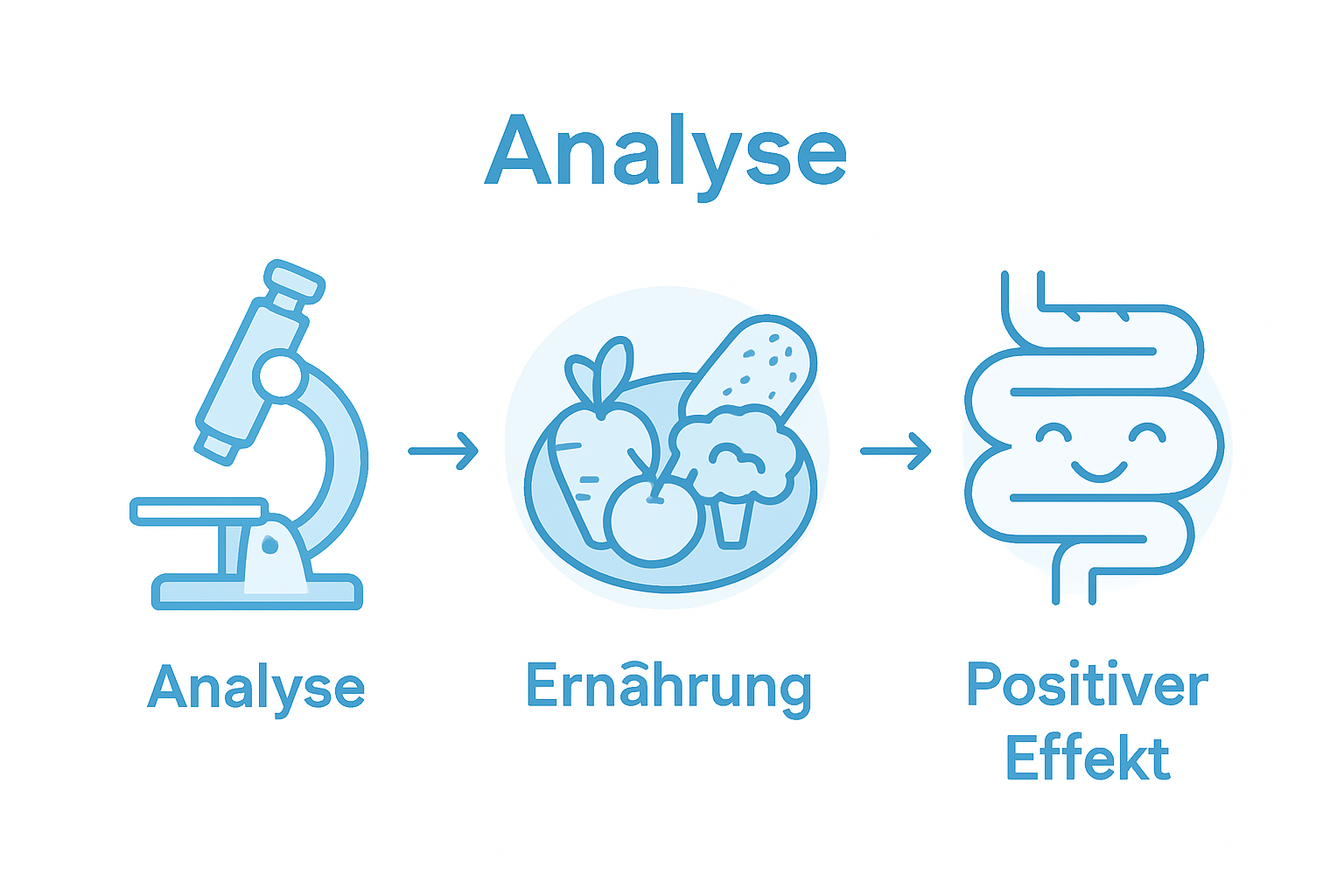
Step 3: Incorporate probiotic and prebiotic foods
The composition of your gut flora can be positively influenced by specifically choosing certain foods. With the right diet for gut health, you can effectively support and strengthen your gut bacteria.

The Deutsche Sportakademie recommends the targeted consumption of probiotic and prebiotic foods. Probiotic products such as yogurt, kefir, sauerkraut, and kombucha contain live bacterial cultures that directly help build your gut microbiome. Prebiotic foods such as chicory, artichokes, asparagus, and whole-grain products serve as food for these bacteria and promote their growth.
Research shows that a Mediterranean diet in particular, with its fiber-rich and nutrient-dense foods, improves gut barrier function. Focus on a varied and balanced diet of natural, unprocessed products to optimally support your gut flora.
Step 4: Reduce factors that negatively affect the gut
Your gut health is influenced not only by your diet but also by factors such as stress, lack of exercise, and unhealthy habits. With targeted strategies, you can minimize harmful influences on your gut.
The annual report of the German Nutrition Society (DGE) emphasizes that stress reduction and a balanced lifestyle are crucial for gut health. Try to reduce chronic stress through techniques such as meditation, yoga, or regular exercise. Avoid excessive alcohol consumption, smoking, and taking antibiotics too frequently, as these can disrupt the delicate balance of your gut microbiome.
Studies show that a Mediterranean diet not only strengthens the gut barrier but also has anti-inflammatory effects. Make sure you get enough sleep, exercise regularly, and maintain a healthy work-life balance to support your gut health holistically.
Step 5: Check your progress through follow-up testing
Regular checkups are key to closely tracking the development of your gut health. With an at-home stool test, you can gain scientifically sound insights into your gut microbiome.
Decision-analytic models recommend systematic follow-up testing to monitor gut health. After your initial gut microbiome analysis, take another test after approximately three to six months. This allows you to objectively assess the effectiveness of your dietary changes and lifestyle adjustments. The German Nutrition Society emphasizes that such follow-up testing helps tailor individual prevention strategies.
Keep in mind that every change takes time. Be patient with yourself and interpret the test results as guidance for further improvements to your gut health.
Improve your gut health with a personal analysis and targeted nutrition
The path to a healthy gut microbiome is often filled with uncertainty. Many people want to understand how their individual gut microbiome really works and are looking for clear recommendations for action. This step-by-step guide clearly shows how important an individual gut analysis is for finding tailored measures and reducing harmful factors. This is exactly where mybody® comes in with a professional Gut Microbiome Analysis – For a Healthy Gut Microbiome - mybody®x. Our ISO-certified laboratory analyses provide scientifically sound insights into your microbiome and help you specifically adapt your diet and lifestyle.
Start your comprehensive analysis today and benefit from personalized recommendations and simple testing from the comfort of your home. mybody® offers the highest level of data security and numerous benefits, such as free delivery on orders over 49 euros, personal advice, and a money-back guarantee if no results are obtained. Discover our other solutions for Understanding and alleviating digestive problems | mybody®x and let experts support you on your journey to greater well-being. Visit https://mybody-x.com now and begin your journey toward lasting gut health.
Frequently asked questions
How do I begin a gut analysis?
To begin a gut analysis, collect a stool sample according to the enclosed instructions and document the sample collection carefully. Pay attention to hygiene and follow the steps in the instructions to obtain reliable results.
Which foods promote healthy gut flora?
For healthy gut flora, you should consume fiber-rich foods such as whole-grain products, vegetables, and legumes. Also include probiotic foods such as yogurt and sauerkraut in your diet to strengthen your gut bacteria.
How often should I test my gut?
It is recommended to carry out a follow-up test every three to six months to monitor your gut health. This allows you to assess the effects of dietary habits and lifestyle changes.
What role do stress and lifestyle play in gut health?
Stress and unhealthy habits such as lack of exercise can negatively affect gut health. Reduce stress through techniques such as yoga or regular exercise to support your microbiome.
What are prebiotic foods, and how do they help?
Prebiotic foods, such as chicory and artichokes, serve as nourishment for the beneficial bacteria in your gut. Incorporate them into your meals to promote the growth of healthy bacterial strains in your gut flora.
Why is dietary variety important for gut flora?
A varied diet helps promote different strains of bacteria in your microbiome. Make sure to eat a variety of fruits and vegetables as well as whole-grain products to keep your gut flora balanced.
Recommendation
- Gut health nutrition: Your immune system booster for fall – mybody®x
- Build up your gut flora: Your nutrition guide to a healthy feeling in your stomach – mybody®x
- Healthy gut: How to strengthen your gut flora | Gut health – mybody®x
- Promoting gut health for greater well-being – mybody®x
- Changing household batteries: Step-by-step guide - accu.blog


Share now:
Microbiome meaning: impact on health and well-being
Gut microbiome analysis: Your guide to greater well-being