
Naturally stimulate your metabolism – 8 simple tips for more energy and a better sense of well-being
Do you often feel sluggish, struggle with slow digestion, and find it difficult to lose weight even though you’re trying? You’re not alone. Many of us know the feeling that our own engine just doesn’t seem to get up to speed. The cause is often a metabolism that has gotten out of sync. The good news: You can positively influence this process and naturally stimulate your metabolism—without radical diets or pills.
Your body is a highly complex system, and sometimes it only needs the right impulses to get back into high gear. In this article, we’ll discover eight effective, scientifically grounded strategies that you can effortlessly incorporate into your everyday life. We’ll talk about the power of certain foods, smart workouts, and surprising everyday hacks that can make a real difference. Did you know, for example, that even your individual DNA can reveal which method works best for you? Imagine having more energy and simply feeling more comfortable in your own skin. That’s exactly our goal. Are you ready to restart your metabolism and unleash your full potential?
1. Your cup’s turbo boost: Green tea and caffeine
Green tea is far more than just a soothing hot beverage. It’s a true powerhouse if you want to naturally stimulate your metabolism. The secret lies in the synergistic effect of its ingredients: valuable catechins, above all the powerful epigallocatechin gallate (EGCG), and natural caffeine.
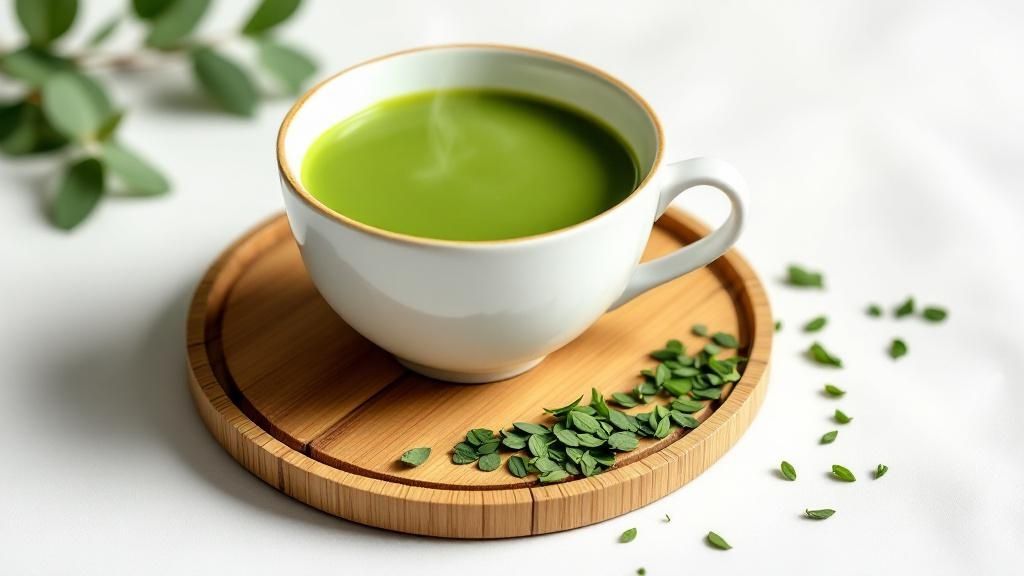
This combination activates the sympathetic nervous system, thereby boosting thermogenesis—the production of heat by your body, which consumes energy. At the same time, it supports fat burning (lipolysis). I’ve discovered that my day starts best when I drink a cup of matcha in the morning. It’s my little ritual for energy and focus, giving my body a clear signal: “Time to get active and burn calories!”
How to make the most of green tea for yourself
To unleash its full effects, proper use is key. It’s not just about drinking any tea, but about deliberately incorporating it into your everyday routine.
- The right amount: Studies suggest that 3 to 4 cups of high-quality green tea spread throughout the day are ideal for boosting metabolism by around 4–5%.
- The best time: It’s best to drink the tea between meals. This allows the active compounds to be absorbed optimally without impairing iron absorption from food.
- Pay attention to quality: Choose high-quality organic green tea or matcha powder to ensure a high concentration of EGCG and fewer contaminants.
- Avoid late consumption: Because of its caffeine content, you should avoid green tea after 4 p.m. so it doesn’t disrupt your sleep.
By the way, a DNA metabolism analysis can show you how sensitive your body is to caffeine. This helps you find out whether green tea is the perfect boost for you or whether you should choose another strategy to naturally boost your metabolism. Would you like to learn more? You can find more helpful tips on how to naturally boost your metabolism in our detailed guide.
2. Protein-rich diet: Your metabolism’s heating plant
Protein is much more than just the building blocks of your muscles. It’s a real powerhouse when you want to naturally boost your metabolism. The key advantage lies in the so-called thermic effect of food (TEF). Your body has to expend significantly more energy digesting and metabolizing protein than it does fats or carbohydrates. Up to 30% of the calories contained in protein are burned directly just to process it.
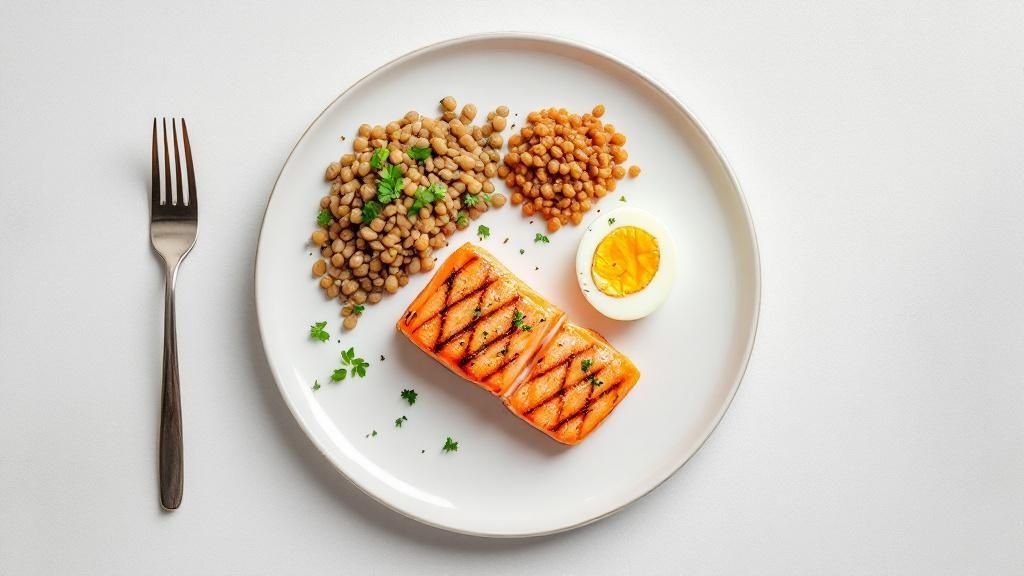
This effect not only increases calorie expenditure but also promotes lasting satiety and protects your valuable muscle mass, especially during a diet. I’ve found that a protein-rich lunch prevents me from falling into an afternoon energy slump and reaching for unhealthy snacks. A large salad with chicken breast or lentils gives me the energy I need while also revving up my metabolism.
How to use protein optimally for your metabolism
It’s not enough to simply eat one more steak. Strategically incorporating protein into your diet is the key to success.
- Find the right amount: For most active people, a target of 1.6 to 2.2 grams of protein per kilogram of body weight is ideal for supporting metabolism and maintaining muscle mass.
- Distribute evenly: Instead of eating a huge portion in the evening, try to include around 20–30 grams of protein with each main meal. This optimizes muscle protein synthesis and keeps your metabolism consistently active.
- Variety is key: Combine different protein sources. Animal sources such as lean meat, fish, and eggs are just as valuable as plant-based powerhouses such as lentils, chickpeas, tofu, and quinoa.
- Prioritize leucine-rich foods: The amino acid leucine plays a central role in activating muscle growth. Good sources include whey protein, eggs, lean beef, and soybeans.
A DNA metabolism analysis can also provide valuable insights into how your body metabolizes protein and which protein type (animal- or plant-based) is particularly beneficial for you. This allows you to tailor your diet even more precisely to naturally stimulate your metabolism and achieve your goals more effectively.
3. High-Intensity Interval Training (HIIT): Your Metabolic Afterburner
If you’re looking for an extremely effective way to naturally stimulate your metabolism while achieving maximum results in minimal time, High-Intensity Interval Training (HIIT) is your answer. HIIT isn’t hours of punishing exercise at the gym, but a smart form of training that combines short, explosive bursts of exertion with equally short recovery periods. This alternation pushes your body to its performance limit and ignites the turbo for fat burning.
The key advantage of HIIT is the so-called afterburn effect (EPOC - Excess Post-Exercise Oxygen Consumption). Your body continues working at full capacity for hours after your workout to recover, using additional energy in the process. I’ve found that just 15–20 minutes of HIIT challenges my body more and boosts my metabolism more sustainably than an hour of easy jogging. It’s the perfect workout when time is limited but your desire for change is strong.
How to effectively integrate HIIT into your daily routine
To fully reap the benefits of HIIT without overexerting yourself, a smart start is crucial. It’s about challenging your body while also giving it the recovery it needs.
- The right frequency: Start with two to three HIIT sessions per week. This gives your body enough time to recover, which is essential for building muscle and boosting your metabolism.
- Workout examples: Start with the famous Tabata protocol: 20 seconds of maximum effort (e.g., high-knee running), followed by 10 seconds of rest. Repeat this 8 times. Sprint intervals in the park (30 seconds of sprinting, 90 seconds of walking) are also highly effective.
- Warming up is essential: Always prepare your body for the high intensity with a 5-minute warm-up routine to prevent injuries.
- Listen to your body: Increase the intensity slowly and gradually. The goal is to give it your all during the exertion phases, but not to push beyond your limits.
A DNA metabolism analysis can also show you what type of training suits you. It reveals whether your body responds better to endurance training or to strength-intensive sessions such as HIIT, and how quickly your muscles recover. With this knowledge, you can tailor your training perfectly to your genetic predisposition and stimulate your metabolism even more specifically and naturally.
4. Strength training and muscle building: Your body as a heating plant
While endurance training mainly burns calories during the activity, strength training is the key to sustainably increasing your basal metabolic rate. Muscle is your most metabolically active tissue. This means it uses significantly more energy than fat mass, even at rest. With every kilogram of muscle you build, your body increasingly becomes an efficient heating plant that continuously burns calories.

If you want to stimulate your metabolism naturally, building muscle is one of the most effective and sustainable strategies. Personally, I love the feeling after a full-body workout, when I can feel my body working and getting stronger. It is the best investment in a permanently active metabolism, with effects that extend far beyond the gym.
How to use strength training effectively for yourself
It’s not about becoming a bodybuilder, but about providing targeted stimuli so that your body builds and maintains muscle.
- Focus on large muscle groups: Concentrate on compound exercises such as squats, deadlifts, or bench presses. They train several muscles at once and are particularly effective for your metabolism.
- Start with 2–3 sessions per week: A full-body workout on two to three non-consecutive days is ideal to give your body enough time to recover and build muscle.
- Ensure progressive overload: Your body needs a reason to adapt. Regularly increase the weight, number of repetitions, or intensity of your exercises to make continuous progress.
- Don’t be afraid of bodyweight training: Exercises using your own body weight, such as push-ups, pull-ups, or lunges, are also excellent for building strength, especially for beginners.
Did you know that your genetic predisposition influences how well you respond to different types of training? A DNA analysis can provide valuable insights into whether your body is better suited to strength or endurance sports. Learn more here about how athletic success begins in your genes.
5. The silent power of the night: Sleep as a metabolic reset
As we look for active ways to boost our metabolism, we often overlook the most powerful and simultaneously most passive ally: sleep. Quality sleep is far more than just a recovery break. It is the crucial time when your body regulates important hormonal processes that directly control your energy expenditure and fat burning.
While you sleep, your body regulates the production of key hormones such as leptin (the satiety hormone) and ghrelin (the hunger hormone). Sleep deprivation disrupts this delicate balance, which can lead to cravings and a slowed metabolism. I have personally experienced that nights with too little sleep not only drain my energy for the next day, but also weaken my willpower and put my body into energy-saving mode.
How to turn your sleep into a metabolic superpower
It’s not just about closing your eyes; it’s about giving your body the best possible regeneration. These simple routines can make a huge difference.
- Find your rhythm: Try to go to bed and get up at the same time every day, including weekends. This stabilizes your internal clock and optimizes hormone production.
- Create a cool, dark oasis: A room temperature of 16–18 °C and complete darkness signal to your body that it is time for deep, restorative sleep.
- Ban the screens: The blue light from smartphones and laptops inhibits the production of the sleep hormone melatonin. Put electronic devices away at least one hour before going to bed.
- Develop an evening ritual: Whether it’s a cup of herbal tea, a warm bath, or a few pages of a book— a relaxing ritual helps you wind down from the day and prepare for the night.
Did you know that your genes also influence how your body responds to sleep (and sleep deprivation)? A DNA analysis can give you valuable insights into whether you’re a morning person or a night owl and how you can improve your sleep quality. Would you like to learn more about how genes, sleep, and caffeine interact? Then take a look at our related article.
6. Spices and thermogenesis: Add some heat to your everyday life
Spices are the hidden heroes in your kitchen, especially if you want to naturally stimulate your metabolism. Certain spices such as chili, ginger, turmeric, and cinnamon have a thermogenic effect, meaning they increase your body’s heat production. This process uses additional energy and gently boosts your calorie expenditure. It’s fascinating how a small pinch can make such a difference!
The star among metabolism-boosting spices is chili, thanks to its active compound capsaicin. Studies show that capsaicin can temporarily increase metabolism by an impressive 5 to 10 percent. I love adding a pinch of cayenne pepper to my dishes. It not only provides a pleasant kick, but I can practically feel my body getting into gear. Ginger, which stimulates digestion, and turmeric, known from golden milk, are also powerful allies that have been valued in Ayurvedic medicine for thousands of years.
How to make the most of spices
It’s not about making your meals unbearably spicy. The key lies in regularly and deliberately incorporating these powerful ingredients into your daily diet.
- Integrate them daily: Make a habit of seasoning your meals mindfully. A pinch of chili in scrambled eggs, fresh ginger in tea, or cinnamon in your morning porridge are simple yet effective habits.
- Combine wisely: Harness the synergistic effects! For example, always combine turmeric with a pinch of black pepper. The piperine it contains increases the bioavailability of curcumin many times over.
- Choose fresh: Whenever possible, opt for fresh spices such as ginger or turmeric roots. They contain the highest concentration of valuable active compounds.
- Increase gradually: If you're not used to spicy foods, start with small amounts and ease into it slowly. Your body will get used to it, and you can gradually increase the dose.
7. Cold therapy: Activate your brown adipose tissue
Cold exposure may sound unpleasant at first, but it is an extremely effective and natural way to get your metabolism running at full speed. The key lies in activating your brown adipose tissue (BAT). Unlike white adipose tissue, which stores energy, brown fat is highly metabolically active. Its main job is to burn calories to generate heat (thermogenesis) and keep you warm.
Regular cold exposure acts as targeted training for this “good” fat. Pioneers like Wim “The Iceman” Hof have shown the incredible power of combining cold exposure and breathing. I started with cold showers and was amazed at how quickly my body adapted. This short, intense morning ritual wakes me up more than any coffee and signals my body to fire up its internal heating system.
How to use cold exposure to your advantage
You don't have to jump straight into an ice bath to enjoy the benefits. Gradually and carefully incorporate cold exposure into your daily routine to naturally stimulate your metabolism.
- A gentle start: Begin by ending your daily warm shower with 30 seconds of cold water. Focus on calm, deep breathing.
- Increase gradually: Slowly extend the cold phase to 1 to 2 minutes and gradually lower the water temperature as you become more comfortable.
- Consistency beats intensity: A short cold shower every day is more effective for activating brown fat than a rare, extreme ice bath. Consistency is key.
- Combine heat and cold: Scandinavian sauna culture demonstrates this perfectly. Alternating between the heat of the sauna and a subsequent cold bath is an intense stimulus that puts your metabolism to the ultimate test.
Cold exposure can also positively influence the composition of your gut flora, by the way. Learn more about how you can use your healthy gut flora as a metabolism booster and discover the fascinating connection between the gut and metabolism.
8. Intermittent fasting: The planned break for your metabolism
Intermittent fasting (IF) is less a diet than an eating pattern in which you consciously alternate between periods of eating and fasting. This structured break from food gives your body the opportunity to regenerate and optimize metabolic processes. It is a powerful way to naturally boost your metabolism by allowing it to switch from burning sugar to burning fat.
Fasting periods improve your cells' insulin sensitivity, which means your body can process sugar more efficiently and store less fat. They also promote the release of growth hormones, which support muscle growth and fat burning. I discovered the 16:8 method for myself and noticed that my energy levels remained more stable throughout the morning and my cravings disappeared. It is my way of giving my digestive system a well-deserved break and activating cellular self-cleaning (autophagy).
How to successfully implement intermittent fasting
Getting started does not have to be radical. It is about finding a rhythm that fits your life and feels good.
- Start gently: Begin with a simple 12:12 method (12 hours fasting, 12 hours eating) and slowly work your way up to popular models such as 16:8 when you feel comfortable.
- Staying hydrated is crucial: During the fasting period, water, unsweetened tea, and black coffee are allowed and important for staying hydrated and keeping your metabolism active.
- Replenish your stores properly: During your eating window, focus on nutrient-rich, whole foods. Fasting is not an excuse for an unhealthy diet.
- Listen to your body: If you feel dizzy or weak, it may be too much to start with. Adjust the fasting periods to your needs and do not force anything.
Especially when fasting, every body reacts differently. Your genetic predisposition, which a DNA metabolism analysis can reveal, plays a role in how well you cope with longer breaks between meals and how your body processes fats and carbohydrates. This knowledge can help you find the perfect fasting model for you and deliberately and sustainably boost your metabolism.
8 Methods to Naturally Boost Your Metabolism – Comparison
| Method | 🔄 Implementation complexity | 💡 Resource requirements | ⭐ Expected results | 📊 Ideal areas of application | ⚡ Key benefits |
|---|---|---|---|---|---|
| Green tea and caffeine | Low—easily integrated into daily life | Low—tea and water | Moderate metabolism boost, fat burning | Metabolism boost, antioxidants | Scientifically proven, cost-effective, versatile |
| Protein-rich diet | Moderate—requires careful planning | Moderate—protein-rich foods | Sustained increase in TEF and muscle building | Muscle building, weight management | Increases satiety, supports body composition |
| High-intensity interval training (HIIT) | High—substantial physical strain | High—fitness level and time (15–30 min) | Maximum afterburn effect, improved endurance | Time-efficient training, fat loss, improved fitness | Time-efficient, versatile, high calorie burn |
| Strength training and muscle building | Moderate—regular training necessary | Moderate—equipment/gym may be required | Long-term increase in basal metabolic rate | Muscle building, increased metabolism, body shaping | Sustainable effects, muscle rather than fat gain |
| Sufficient, high-quality sleep | Low—routine and discipline | Low—a good sleep environment | Optimization of hormonal balance and insulin sensitivity | Metabolic health, recovery | Natural effect, no cost, improves health |
| Spices and thermogenesis | Low—simple dietary addition | Low—spices readily available | Temporary metabolism boost | Dietary supplement, improved flavor | Natural, cost-effective, additional health benefits |
| Cold therapy and brown adipose tissue | Moderate—acclimatization & physical strain | Low to moderate—cold showers, ice baths | Activation of brown adipose tissue, sustainable thermogenesis | Metabolism boost, immune support | Natural metabolism boost, mental strength |
| Intermittent fasting | Moderate—adjusting eating habits | Low—no special foods required | Improved insulin sensitivity, autophagy | Weight management, metabolic health | Flexible, no calorie counting, widely adaptable |
Your individual path to an active metabolism: Understand your DNA
You have now learned a whole range of effective and natural strategies to give your metabolism a real boost. From the power of protein-rich meals and the fiery effects of spices to targeted activation through HIIT and strength training—each of these tips can make a difference. We have seen how essential good sleep is and how cold exposure or intermittent fasting can challenge and support your body in an entirely new way. The goal is clear: more energy, a better sense of well-being, and a metabolism that works efficiently for you.
But the crucial point is that there is no one perfect formula for everyone. The path to naturally stimulating your metabolism is as individual as you are. Perhaps your body responds particularly well to strength training, while a friend of yours achieves the best results by adjusting her protein intake. The key is to find out which of these levers has the greatest impact on you. This is precisely where a deeper understanding of your own body comes in—one that goes far beyond general recommendations.
Find your personal blueprint
Imagine having a kind of user manual for your own metabolism—one that tells you exactly how your body responds to fats, carbohydrates, and proteins, or which type of exercise is most effective for you to burn fat and build muscle. This information is stored in your DNA. Your genetic profile largely determines how your metabolism functions. It influences whether you benefit more from endurance or strength training and which nutrient distribution will truly help you progress.
The most valuable approach is not to blindly follow all the advice, but to deliberately choose the strategies that perfectly match your genetic predisposition.
A DNA metabolism analysis offers you precisely these personalized insights. Instead of laboriously finding out what works through trial and error, you get a scientifically sound shortcut. You learn whether caffeine actually gives your metabolism a strong boost or whether you are genetically more of a “carbohydrate type” or “fat type.” With this knowledge, you can tailor the tips presented in this article—from nutrition and training to sleep—to your needs and maximize their effects. It is the transition from guessing to knowing that enables you to achieve sustainable, noticeable results and finally understand your body fully.
Are you ready to discover your personalized path to an active metabolism and put an end to the guesswork? A DNA analysis by MYBODY Lab GmbH provides your body’s genetic blueprint and shows you how to stimulate your metabolism in a targeted and natural way. Find out now what you are truly capable of and optimize your health based on your unique genetics: MYBODY Lab GmbH.



Share now:
8 Ways to Naturally Boost Your Metabolism
8 common vitamin deficiency symptoms you should know about