

8 ways to naturally boost your metabolism
How to activate your metabolism – simply, naturally, and effectively
Do you want to naturally boost your metabolism and increase your energy? Do you feel sluggish and want to support your weight loss? A sluggish metabolism can have various causes, ranging from unfavorable eating habits to insufficient sleep and stress. This article presents eight effective methods to help you naturally boost your metabolism without resorting to radical diets or questionable supplements.
Here you will learn how to activate your metabolism naturally through targeted changes in your diet, exercise, and lifestyle, helping you achieve greater well-being. We explore the scientific foundations behind each method and provide specific tips for practical implementation. From optimizing your sleep to incorporating thermogenic foods and spices, this article offers a comprehensive guide to a more energetic metabolism. Say goodbye to low energy and discover how to best support your body. Learn more about:
- High-Intensity Interval Training (HIIT)
- Strength training and muscle building
- Cold therapy
- Intermittent fasting
- Thermogenic foods and spices
- Optimizing sleep quality
- Hydration and water thermogenesis
- Stress management and cortisol regulation
1. High-Intensity Interval Training (HIIT)
High-Intensity Interval Training (HIIT) is an effective method for naturally boosting metabolism and burning calories efficiently. The principle is based on short, intense periods of exertion alternating with short recovery periods. This alternation strongly stimulates metabolism and produces what is known as the afterburn effect (EPOC – Excess Post-exercise Oxygen Consumption).
What is the EPOC effect?
EPOC means that the body continues to consume more oxygen after exercise and therefore continues burning calories, even during periods of rest. This effect can last for up to 14 hours after a HIIT workout and makes a significant contribution to effectively boosting metabolism.
Examples of HIIT workouts:
- Tabata protocol (20 seconds of exertion, 10 seconds of rest)
- Sprint intervals on a treadmill or bicycle
- Bodyweight circuit training with burpees and mountain climbers
- Boxing or kickboxing intervals
The following infographic illustrates the average workout duration and the increase in metabolism through HIIT.
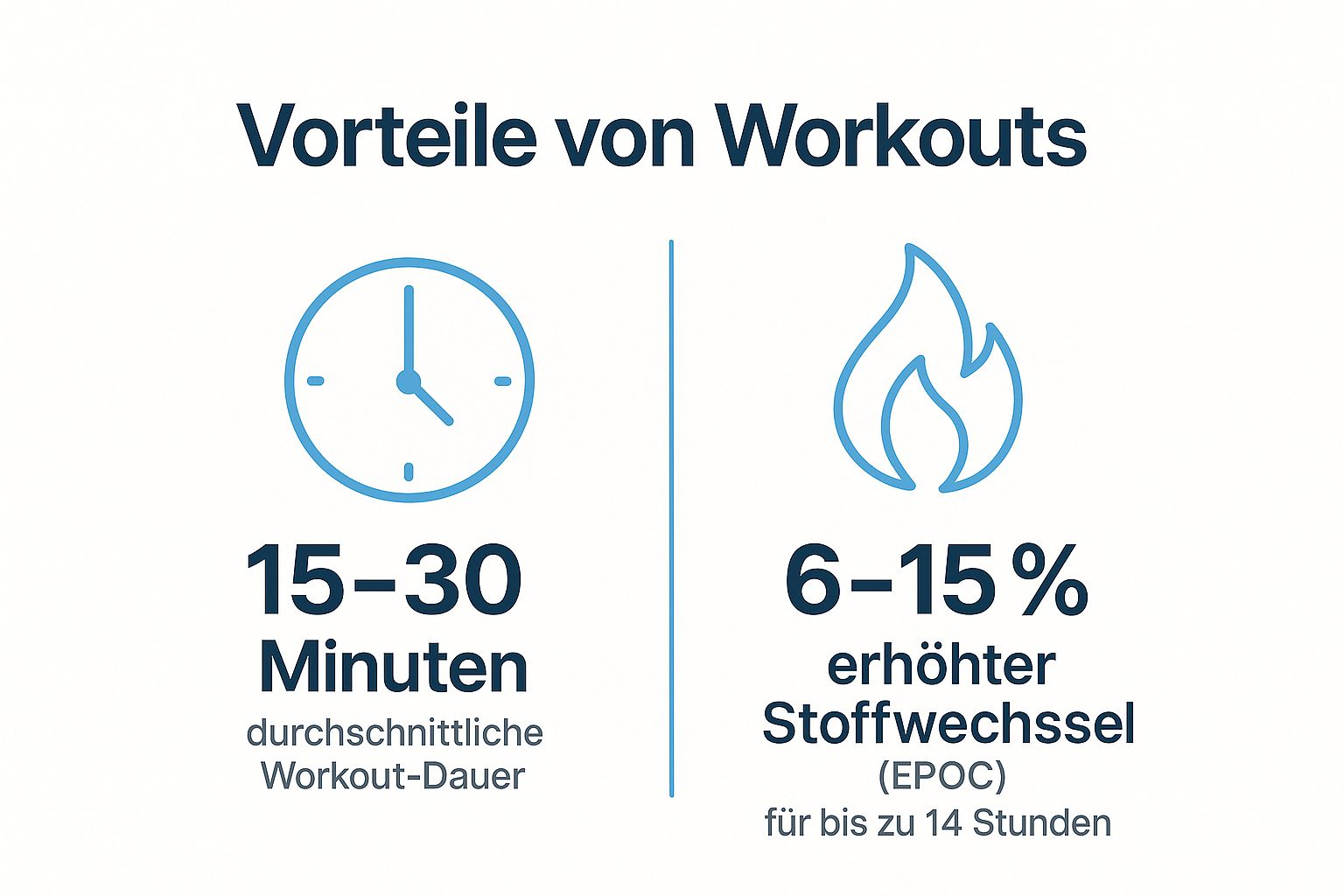
A HIIT workout takes only 15–30 minutes on average, but can increase metabolism (EPOC) by 6–15% for up to 14 hours. This efficiency makes HIIT an attractive option for anyone who wants to naturally boost their metabolism.
Tips for implementation:
- Start: Begin with 2–3 HIIT sessions per week.
- Warm-up and cool-down: Make sure to warm up thoroughly before and cool down after training.
- Technique before speed: First focus on performing the exercises correctly before increasing the speed.
- Recovery: Schedule 48 hours of rest between intense HIIT sessions.
- Progression: Gradually increase the intensity and duration of your training sessions.
HIIT is a time-saving and effective method for boosting metabolism and promoting fat burning. Thanks to the EPOC effect, you continue to benefit from increased calorie expenditure after training. The short workout duration and the versatility of the exercises make HIIT an ideal addition to any training plan.
2. Strength Training and Muscle Building
Strength training and muscle building are essential for naturally stimulating the metabolism. Muscle tissue is more metabolically active than fat tissue and therefore burns more calories even at rest. For every kilogram of muscle mass, the body burns approximately 12–15 calories per day, while one kilogram of fat tissue consumes only 4–6 calories. Therefore, more muscle mass leads to a higher basal metabolic rate and more effective fat burning.
Why is muscle building important for metabolism?
The increased calorie expenditure caused by muscle mass is noticeable not only during training but also during periods of rest. This is because the body needs energy to maintain and repair muscle tissue. The more muscle mass you have, the more energy is required, and the metabolism works at full capacity. Find more information about strength training and muscle building in relation to weight loss here: More about strength training and weight loss.
Examples of effective strength training:
- Compound exercises: Squats, deadlifts, and bench presses engage multiple muscle groups simultaneously and are therefore particularly effective.
- Full-body training: 3 training sessions per week focusing on all major muscle groups.
- Bodyweight training: Push-ups, pull-ups, and lunges are effective even without equipment.
- Resistance bands: Ideal for beginners and home workouts.
Tips for implementation:
- Focus on compound exercises: Maximum impact by engaging multiple muscle groups.
- 2–4 training sessions per week: Sufficient stimulus for muscle growth and metabolic activation.
- Protein intake: Consume protein within 30 minutes after training for optimal muscle recovery.
- Measure progress: Focus on increasing the weights, not just on body weight.
- Recovery: Give your muscles 48–72 hours of rest between training sessions.
Strength training is a sustainable way to boost metabolism. Building muscle mass increases basal metabolic rate and effectively stimulates fat burning. The positive effect on metabolism continues even after training, making strength training a valuable strategy for long-term health and weight management.
3. Cold Exposure Therapy (Cold Exposure Therapy)
Cold exposure therapy, also known as Cold Exposure Therapy, is a method of naturally stimulating metabolism through targeted exposure to cold. The body reacts to cold by trying to maintain its core temperature. It does this by activating brown adipose tissue (BAT), which burns calories to generate heat in a process called thermogenesis. This boosts metabolism and promotes fat burning.
What is brown adipose tissue?
Brown adipose tissue differs from white adipose tissue. While white adipose tissue primarily serves to store energy, brown adipose tissue specializes in releasing energy as heat. Cold exposure increases the activity of brown adipose tissue, thereby naturally stimulating metabolism.
Examples of cold exposure therapy:
- Cold showers (2–3 minutes at 10–15°C)
- Ice baths (10–15 minutes)
- Winter swimming or ice bathing
- Cryotherapy in cold chambers (-110°C for 2–3 minutes)
Tips for implementation:
- Start: Begin with 30-second cold showers at the end of your regular shower.
- Progression: Gradually increase the duration of cold exposure and lower the temperature.
- Breathing: Focus on controlled breathing during cold exposure.
- Time of day: Cold exposure therapy in the morning can promote alertness and concentration.
- Caution: Avoid cold exposure therapy during pregnancy or if you have cardiovascular problems.
When and why use cold exposure therapy?
Cold exposure therapy is particularly suitable for anyone who wants to stimulate their metabolism naturally and increase fat burning. It can also improve resilience to cold and strengthen the immune system. The morning energy boost can have a positive effect on performance and concentration in everyday life. By activating brown adipose tissue, cold exposure therapy effectively helps increase metabolism.
4. Intermittent Fasting
Intermittent fasting is a method of stimulating the metabolism based on a cyclical alternation between eating and fasting periods. By limiting food intake to specific time periods, the metabolism can be naturally stimulated. This occurs through various mechanisms, including improved insulin sensitivity, increased growth hormone production, and the promotion of cellular repair processes such as autophagy.
How does intermittent fasting work?
During fasting periods, the body switches from burning glucose to burning fat. This leads to the effective use of stored energy reserves and can sustainably stimulate the metabolism. In addition, insulin sensitivity improves, making cells more responsive to insulin and stabilizing blood sugar levels.
Examples of intermittent fasting methods:
- 16:8 method: Fast for 16 hours and eat during an 8-hour window (e.g., eat between 12:00 and 20:00).
- 18:6 protocol: Fast for 18 hours and eat during a 6-hour window.
- Alternate-day fasting: Eat normally one day, then eat very few calories or nothing at all the next day.
- 5:2 diet: Eat normally for 5 days and reduce your calorie intake for 2 days.
Tips for implementation:
- Start: Begin with a 12-hour fasting window and gradually extend it.
- Hydration: Drink enough water, tea, or unsweetened coffee during fasting periods.
- Balanced meals: Break your fast with balanced, nutrient-rich meals.
- Body signals: Pay attention to your body’s signals and adjust your fasting periods if necessary.
- Consistency: Try to keep your eating windows as regular as possible.
Intermittent fasting offers a flexible and effective way to naturally stimulate the metabolism and promote fat burning. The various methods allow intermittent fasting to be tailored to an individual’s lifestyle. Its positive effects on insulin sensitivity and cellular renewal make intermittent fasting a valuable method for anyone who wants to optimize their metabolism and improve their health.
5. Thermogenic Foods and Spices
Thermogenic foods and spices naturally stimulate the metabolism by increasing body temperature and boosting energy expenditure. This effect occurs because the body requires more energy to digest, absorb, and process these foods. Spicy foods containing capsaicin, protein-rich foods, and certain compounds such as caffeine can temporarily increase the metabolic rate and thereby help stimulate the metabolism.
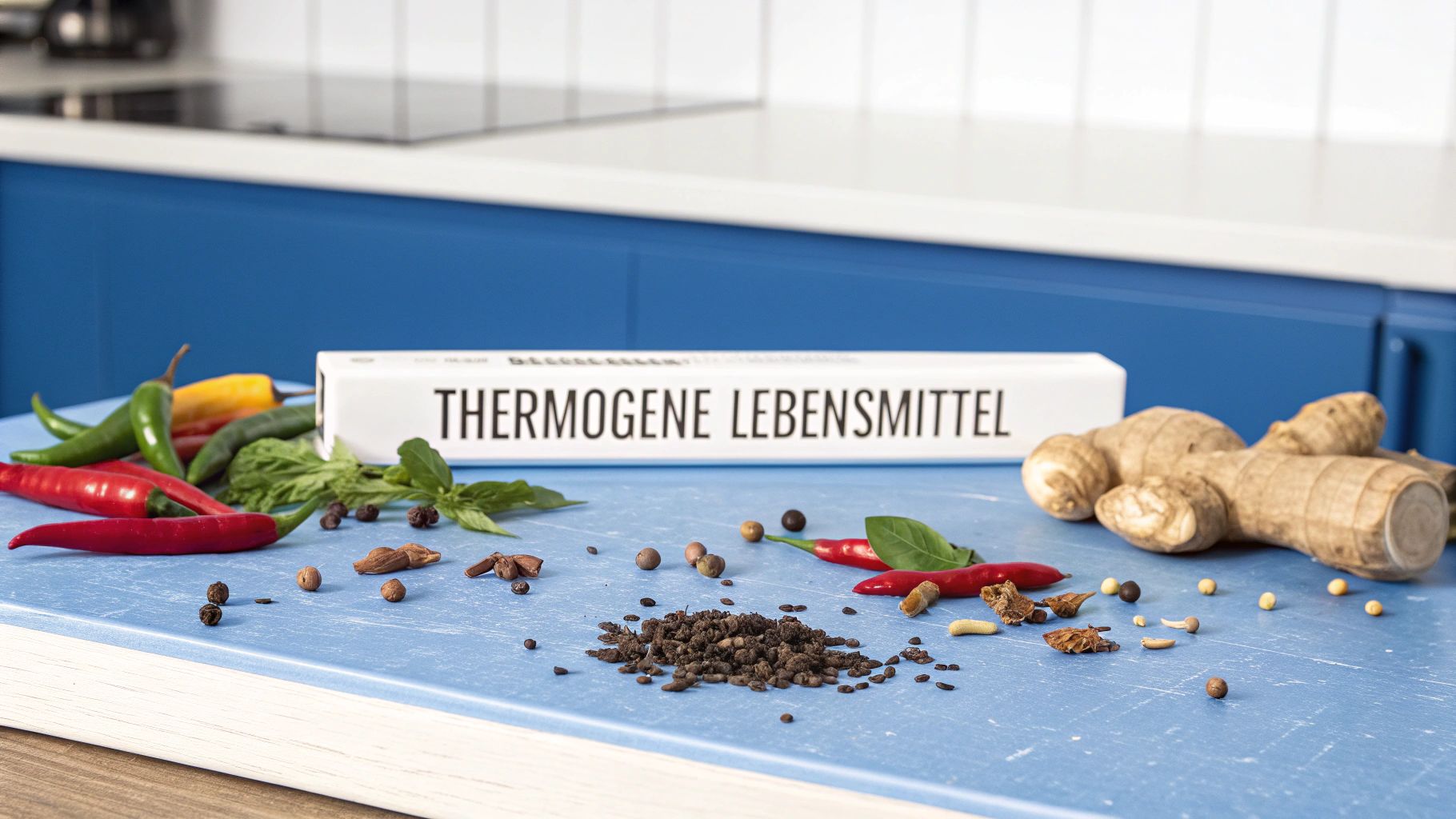
Examples of thermogenic foods and spices:
- Spicy spices: cayenne pepper, jalapeños, and chili
- Beverages: Green tea and oolong tea
- Proteins: Lean chicken, fish, and eggs
- Other spices: Ginger, turmeric, and cinnamon
- Caffeinated foods: Coffee and dark chocolate
These foods and spices can naturally boost metabolism and thus contribute to a healthy diet.
Tips for implementation:
- Getting used to spicy foods: Gradually get used to spicy spices to increase your tolerance.
- Protein intake: Consume protein with every meal to benefit from the thermogenic effect.
- Green tea: Drink green tea between meals.
- Ginger: Use fresh ginger in cooking and teas.
- Quality of spices: Choose high-quality, organic spices whenever possible.
By following these tips, you can effectively incorporate thermogenic foods and spices into your diet and naturally boost your metabolism.
Why thermogenic foods?
Thermogenic foods offer a simple and natural way to boost metabolism. They are easy to incorporate into everyday life and can provide additional health benefits besides boosting metabolism, such as supporting digestion or strengthening the immune system. Combining different thermogenic foods and spices can further enhance the effect. They are particularly helpful for anyone who wants to boost their metabolism naturally and maintain a healthy diet.
6. Quality Sleep Optimization
High-quality sleep is essential for naturally boosting metabolism. Insufficient or poor-quality sleep disrupts hormonal balance, particularly the hormones leptin and ghrelin, which regulate hunger and satiety. At the same time, it affects the production of growth hormones and insulin sensitivity, which has a negative impact on metabolism. Healthy sleep, on the other hand, supports natural metabolic processes and contributes to balanced energy levels.
How does sleep affect metabolism?
Growth hormones, which are primarily released during deep sleep, play an important role in muscle building and fat burning. Sufficient sleep optimizes hormone production and thus promotes an active metabolism. Insulin sensitivity, the body's ability to use glucose effectively, is also influenced by sleep. Sleep deprivation can lead to insulin resistance and slow down the metabolism.
Examples of successful sleep optimization:
- Regular sleep schedule: Maintaining a consistent sleep-wake rhythm, e.g., from 22:00 to 06:00.
- Sleep hygiene: Create a dark, cool sleeping environment and avoid blue light before bedtime.
- Relaxation rituals: Use relaxation techniques such as meditation or breathing exercises before going to bed.
Tips for implementation:
- Temperature: Keep the bedroom temperature between 16–19°C.
- Screens: Avoid screens 1–2 hours before bedtime.
- Routine: Establish a consistent bedtime routine.
- Caffeine: Limit caffeine consumption after 2:00 p.m.
- Sunlight: Expose yourself to sunlight in the morning to regulate your natural sleep–wake rhythm.
- Supplements: Consider taking magnesium to improve sleep quality. More information about sleep, genes, and caffeine can be found here: More information about sleep, genes, and caffeine.
High-quality sleep is essential for a healthy metabolism. By regulating important hormones and promoting growth hormone production, getting enough sleep helps optimize metabolism and fat burning. Implementing the tips mentioned can significantly improve sleep quality and thus naturally stimulate the metabolism.
7. Hydration and Water Thermogenesis
Hydration and Water Thermogenesis is a simple yet effective way to naturally stimulate the metabolism. Drinking enough water is essential for all metabolic processes in the body. In addition, drinking cold water produces a thermogenic effect because the body burns calories to warm the water to body temperature. Water also supports appetite regulation and nutrient transport.
What is the thermogenic effect of water?
The thermogenic effect of water describes the energy expenditure caused by warming cold water in the body. When drinking cold water, the body must expend energy to adjust the water’s temperature to body temperature. This process burns calories and may therefore stimulate the metabolism. Water also plays an important role in digestion and the elimination of metabolic waste products.
Examples of implementing Hydration and Water Thermogenesis:
- In the morning: Drink 500–600 ml of water immediately after waking up.
- Before meals: Drink a glass of cold water before each meal.
- Adding flavor: Add lemon, cucumber, or other natural flavors to the water.
- Exercise: Use electrolyte supplements in water during intense training.
Tips for optimal hydration:
- Daily amount: Drink half your body weight in ounces of water daily (example: 70 kg body weight = approx. 1.75 liters of water).
- Regularity: Drink water before you feel thirsty. Thirst is already a sign of dehydration.
- Water bottle: Use a marked water bottle to track your daily water intake.
- Vary the flavor: Experiment with natural flavors such as fruit, herbs, or ginger to increase your water intake.
- Meals: Drink water before and during meals to promote satiety and support digestion.
Hydration and water thermogenesis are important factors for an active metabolism. Drinking enough water is not only essential for overall health, but also helps naturally stimulate metabolism and support fat burning. Its simple integration into daily life makes this method a valuable part of a healthy lifestyle.
8. Stress Management and Cortisol Regulation
Chronic stress raises cortisol levels, which can slow metabolism, increase appetite, and promote fat storage, particularly in the abdominal area. Effective stress management through various techniques helps optimize metabolic function and thus naturally stimulate metabolism. Persistently elevated cortisol levels negatively affect the entire body and can lead to long-term health problems.
What is cortisol, and how does it affect metabolism?
Cortisol is an important hormone released during stressful situations. In the short term, it helps the body cope with challenges. However, chronic stress leads to consistently elevated cortisol levels, which negatively affect metabolism by increasing insulin resistance and inhibiting fat burning. This impairs the body’s natural metabolic stimulation.
Examples of effective stress management:
- Daily meditation or mindfulness exercises
- Regular yoga or tai chi sessions
- Breathing exercises
- Walks in nature and outdoor activities
- Keep a journal and practice gratitude
More information about stress and cortisol can be found at Stress Management and Cortisol Regulation.
Tips for implementation:
- Getting started: Begin with 5–10 minutes of daily meditation.
- Breathing: Practice deep breathing exercises during stressful moments.
- Set boundaries: Set boundaries at work and when using technology.
- Exercise: Exercise regularly.
- Joy: Prioritize activities that bring you joy.
- Adaptogens: Consider taking adaptogenic herbs such as ashwagandha.
Stress management is an important part of a healthy lifestyle and plays a major role in naturally stimulating metabolism. By reducing stress hormones such as cortisol, metabolism can function optimally again and fat burning can be boosted. Integrating relaxation techniques into daily life is therefore essential for anyone who wants to stimulate their metabolism naturally and sustainably.
Comparison of 8 methods for naturally stimulating metabolism
| Method | 🔄 Implementation Complexity | 💡 Resource Requirements | 📊 Expected Results | 💡 Ideal Use Cases | ⭐ Key Benefits |
|---|---|---|---|---|---|
| High-Intensity Interval Training (HIIT) | Medium to high (intense exertion, technique is important) | Low (minimal, often bodyweight) | +6–15% metabolism for up to 14 hours (EPOC) | Time-efficient fat burning, improved cardiovascular fitness | Time-efficient training, afterburn effect |
| Strength training & muscle building | Medium to high (technique, progressive overload) | Medium (dumbbells, equipment optional) | +7–8% increased resting metabolic rate for up to 72 hours | Muscle building, long-term metabolic increase | Long-term increase in basal metabolic rate, strengthening |
| Cold therapy | Medium (adaptation required, potentially uncomfortable) | Low to medium (shower, ice bath) | +16% metabolism during exposure | Improved cold tolerance, immune system | Activation of brown fat cells, mood improvement |
| Intermittent fasting | Low to medium (meal window must be observed) | No special equipment | Hormones: +300–1200% growth hormone, +20–31% insulin sensitivity | Weight management, metabolic health | Simplified meal planning, improved hormonal balance |
| Thermogenic foods & spices | Low (easy to integrate into the diet) | Low (food required) | +5–16% metabolism for several hours | Dietary supplementation, appetite control | Natural metabolic stimulation, nutrient supply |
| Quality sleep optimization | Medium (behavioral changes required) | No specific materials | Regulation of hunger hormones, improved insulin sensitivity | General health promotion, recovery | Better hormonal regulation, enhanced recovery |
| Hydration & water thermogenesis | Low (simple water consumption) | Low (water) | +10–30% metabolism for approximately 30–40 minutes | Basic health promotion, thirst quenching | Easy to implement, supports appetite regulation |
| Stress management & cortisol regulation | Medium to high (regular practice required) | Low to medium (time, guidance if needed) | Reduction in cortisol (+23% under stress), improved hormone profile | Metabolic optimization, mental health | Improved sleep, immune system, and eating behavior |
Final Thoughts
Naturally stimulating a sluggish metabolism is not rocket science but a process made possible through consistent lifestyle changes. As we have seen, various factors play an important role, from nutrition and exercise to sufficient sleep and stress management. The methods presented here, such as HIIT, strength training, cold therapy, intermittent fasting, thermogenic foods, sleep optimization, adequate hydration, and stress reduction, offer a holistic approach to sustainably boosting your metabolism.
The key points at a glance
- Activity is the key: Regular exercise, especially HIIT and strength training, boosts your metabolism and promotes muscle growth. Even at rest, muscles burn more calories than fatty tissue.
- Nutrition and timing: Thermogenic foods and spices can further stimulate your metabolism. Intermittent fasting can also have positive effects on your metabolism.
- Regeneration and recovery: Sufficient sleep and effective stress management are essential for a healthy metabolism. Chronic stress and lack of sleep can negatively affect your metabolism.
Stimulating your metabolism effectively and sustainably
The strategies presented are not short-term solutions but form the foundation of a healthy and active lifestyle in the long term. By incorporating these methods into your daily routine, you can not only stimulate your metabolism naturally but also improve your overall health and well-being. Be sure to implement the changes gradually and pay attention to your body's signals.
Taking individual needs into account
Every person is different, and what works for one person may not necessarily lead to success for another. It is important to pay attention to your body's individual needs and adjust your strategies where necessary. Experiment with the various methods and find out which ones suit you best. However, a balanced and varied diet combined with regular exercise is always a good starting point for naturally stimulating your metabolism.
Remember: A healthy metabolism is the foundation for more energy, vitality, and long-term well-being. Invest in your health and experience the positive effects of an active metabolism.
Would you like to support your metabolism naturally and better understand your individual needs? MYBODY Lab GmbH offers personalized nutrition and health solutions to optimally stimulate your metabolism. Visit MYBODY Lab GmbH and discover how you can achieve your metabolic goals.



Share now:
Naturally Boost Your Metabolism – 8 Simple Tips for More Energy and a Better Sense of Well-Being