


The overlooked deficiencies: These nutrients are lacking in many people in Germany
ca. 5 Minuten
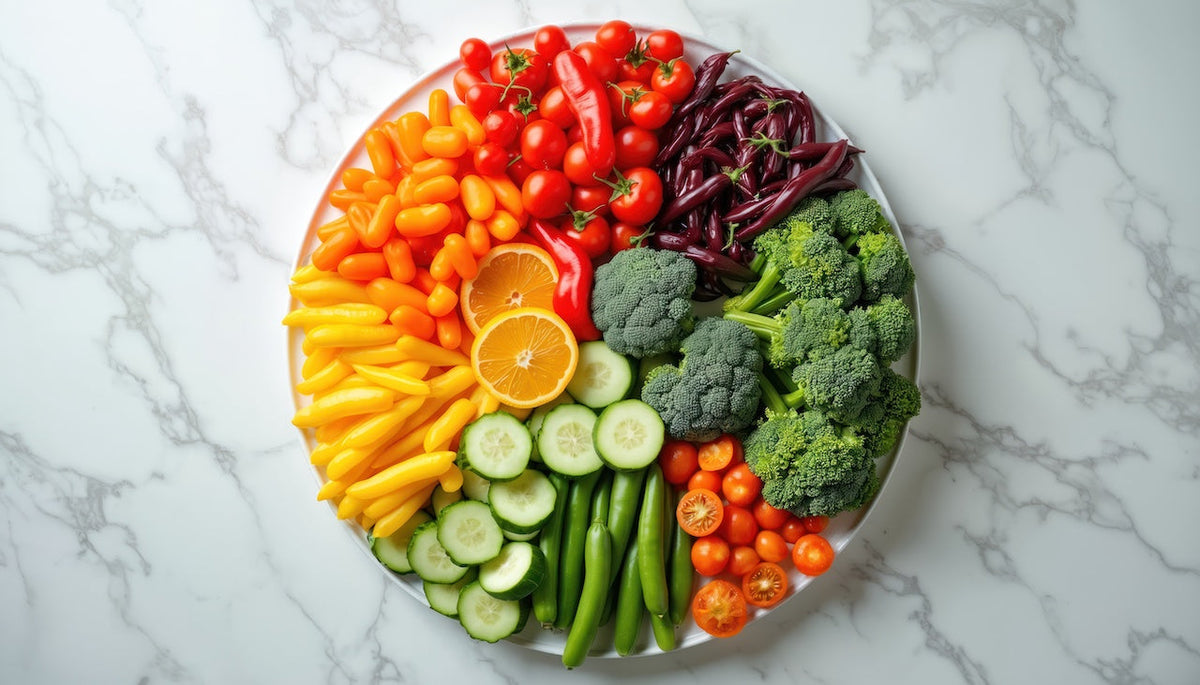
In our modern world, many people pay attention to their diet. But even those who eat a balanced diet can be deficient in important micronutrients. In Germany in particular, many adults, families, and even high-performing people such as entrepreneurs and self-employed workers are not getting optimal amounts of all vitamins and minerals.
In this article, I’ll show you which common nutrient deficiencies to look out for, what roles these nutrients play, and how to tell whether you may be affected.
Vitamin D deficiency – the invisible energy thief
What symptoms indicate a vitamin D deficiency? Common signs include fatigue, mood swings, muscle weakness, and a weakened immune system. In Germany, many people have low vitamin D levels, especially in winter. The sun – our most important source of vitamin D – simply isn’t enough during the darker months.
A vitamin D deficiency affects not only your energy but also your bone health. Vitamin D helps your body absorb calcium properly.
Recommendation: Get your blood levels checked regularly. Targeted supplementation may be beneficial, especially in fall and winter.
Omega-3 – benefits for the heart, brain, and inflammation
How does omega-3 affect the cardiovascular system? The polyunsaturated fatty acids (EPA and DHA) help reduce inflammation, regulate blood pressure, and support heart health.
People in Germany often get too little omega-3 from their diet because fatty cold-water fish such as salmon or mackerel are not regularly on the menu.
Recommendation: A high-quality omega-3 oil can help you meet your daily needs.
Iodine and the thyroid – an underestimated connection
Why is iodine important for the thyroid? Iodine is an essential trace element that enables the production of thyroid hormones. These hormones affect your metabolism, concentration, and even your mood.
Despite iodized table salt, many people - especially pregnant women and older adults - have too little iodine in their bodies. Individual needs vary and depend greatly on your lifestyle.
Recommendation: Use iodized salt regularly and eat iodine-rich foods such as sea fish or seaweed.
Selenium in the body - small but mighty
Selenium is a powerful antioxidant that protects your cells from oxidative stress. It supports your immune system and thyroid.
Selenium deficiency often occurs if you eat an entirely plant-based diet or live in areas with selenium-poor soil - which is the case in many parts of Europe.
Recommendation: Brazil nuts are high in selenium. Alternatively, a targeted dietary supplement may help.
Zinc for your immune system and wound healing
Which foods are especially high in zinc? Meat, cheese, oats, and legumes are good sources. Zinc is important for your immune system, skin, and wound healing.
Zinc deficiency often causes increased susceptibility to infections, brittle nails, or dry skin. Your needs increase during stressful periods in particular.
Recommendation: If you eat a vegan diet, pay particular attention to your zinc intake.
Calcium for bones - important at every age
How much calcium do you need each day? Adults need around 1,000 mg of calcium per day. Women after menopause and older adults in particular should make sure they get enough.
Calcium is essential for healthy bones and teeth, as well as muscle and nerve function. A deficiency increases the risk of osteoporosis.
Recommendation: Dairy products, green vegetables, and calcium-fortified plant milk help you get enough.
Iron deficiency symptoms - when you're low on energy
How can I recognize an iron deficiency? Common symptoms include pale skin, trouble concentrating, hair loss, fatigue, and lack of motivation. Women of childbearing age are particularly often affected.
Iron is necessary for transporting oxygen in the blood. A long-term deficiency can severely affect your performance.
Recommendation: Red meat, lentils, and millet are good sources of iron. Combining them with vitamin C can improve absorption.
Magnesium - importance for nerves, muscles, and recovery
When should you supplement with magnesium? If you often get cramps, sleep poorly, or recover poorly after exercise, you may have a magnesium deficiency.
Magnesium regulates more than 300 enzyme processes in the body. It relaxes the muscles, heart, and nervous system.
Recommendation: Nuts, seeds, whole grains, and mineral water with a high magnesium content can help you meet your daily needs.
Conclusion: Replenish micronutrients strategically - for more energy and a better quality of life
Vitamin and mineral deficiencies often go undetected for a long time. Yet micronutrients such as vitamin D, omega-3, iodine, selenium, zinc, calcium, iron, and magnesium play a central role in your well-being.
With a targeted self-test or a professional analysis, you can determine your micronutrient status and take individual steps to address any deficiencies. This supports your overall health - for more energy in everyday life, better concentration at work, and greater balance in life.
Feel free to get advice or find the right test in our shop.
Tip: You can easily test many of these levels at home with a blood test. The results are based on scientific evidence and provide clear recommendations.
Healthy choices begin with knowledge - and with a first step: Find out what your body is missing and give it what it really needs.


