

Fundamentals of genome analysis: Personalized nutrition 2026
Millions of people follow standardized diet plans and general health recommendations that simply do not work for many. The reason lies in our genetic individuality. While some people metabolize carbohydrates efficiently, others struggle with weight gain despite eating the same way. Genome analyses offer personalized insights that show how your body processes nutrients, which foods are optimal for you, and why previous approaches may have failed. In this article, you will learn how genome analysis works, the scientific principles behind it, and how you can use these insights for your health.
Table of contents
- Key insights into genome analysis
- What is genome analysis and how does it work?
- How genetic variants affect nutrition and weight
- Benefits and scientific evidence of genetic nutrition counseling
- What you should know about genome analysis in Switzerland
- Discover personalized genome analyses at mybody®x
Key insights into genome analysis
| Point | Details |
|---|---|
| Individual metabolic types | Genome analyses identify genetic predispositions for carbohydrate, protein, or fat metabolism and enable precise nutritional adjustments. |
| Long-lasting genetic insights | DNA tests provide stable results that do not change daily like blood values, enabling long-term health planning. |
| Scientifically grounded methods | Modern next-generation sequencing technologies achieve over 90% accuracy in predicting individual metabolic responses. |
| Improved weight control | Personalized nutrition plans based on genetic data show significantly better results than generic diet programs. |
| Preventive health optimization | Genomic insights help identify risks early and prevent chronic diseases through targeted nutrition. |
What is genome analysis and how does it work?
Genome analysis refers to the systematic examination of your entire genetic material to identify specific variants that affect your health. Unlike conventional blood tests, which capture current conditions, genome analysis provides lasting information about your biological predisposition. Your DNA does not change throughout your life, which is why DNA tests offer stable results compared with fluctuating laboratory values.
The process of genomic analysis is surprisingly simple. At home, you collect a saliva sample using a cheek swab, which is painless and straightforward. This sample contains sufficient genetic material for a comprehensive analysis. The laboratory extracts the DNA and specifically examines relevant gene regions associated with metabolism, nutrient utilization, and weight regulation.
Modern laboratories use Next-Generation Sequencing (NGS), a high-throughput technology that analyzes millions of DNA fragments in parallel. This method enables precise identification of genetic variants that previously would have taken years. Supplementary methods such as Polymerase Chain Reaction (PCR) validate critical findings and ensure the accuracy of the results.
One crucial difference from blood tests is the stability of the data. While cholesterol levels, blood sugar, or vitamin concentrations fluctuate due to diet, stress, or time of day, your DNA remains constant. A one-time genomic analysis provides insights you can use throughout your life. This consistency makes it particularly valuable for long-term health strategies.
After sequencing, experts interpret the genetic data in the context of scientific research. They identify variants in genes that regulate appetite, fat metabolism, carbohydrate utilization, or vitamin requirements. The resulting report translates complex genetic information into practical recommendations for nutrition, exercise, and lifestyle.
Pro tip: When choosing a provider, be sure to look for ISO accreditation of the laboratory. This certification guarantees standardized processes, validated methods, and reliable results that are critical to your healthcare decisions.
Important aspects of high-quality genomic analysis:
- Use of accredited laboratories with ISO 15189:2022 certification for medical diagnostics
- Transparent presentation of the genes analyzed and their scientific basis
- Clear interpretation of the results with specific recommendations for action
- Data protection-compliant processing with pseudonymization of samples
- Scientifically validated statements without exaggerated health claims
With this understanding of the basics, you can appreciate why genomic analysis offers more than superficial health trends. The combination of stable genetic data and modern analytical technology provides a solid foundation for personalized health optimization that goes far beyond generic advice.
How genetic variants influence nutrition and weight
Your genes contain precise instructions for how your body processes nutrients, stores energy, and responds to different foods. Genetic variants, also known as polymorphisms, are tiny differences in the DNA sequence that explain why identical meals can have completely different effects on different people. These variants control fundamental processes such as hunger, satiety, fat metabolism, and the insulin response.

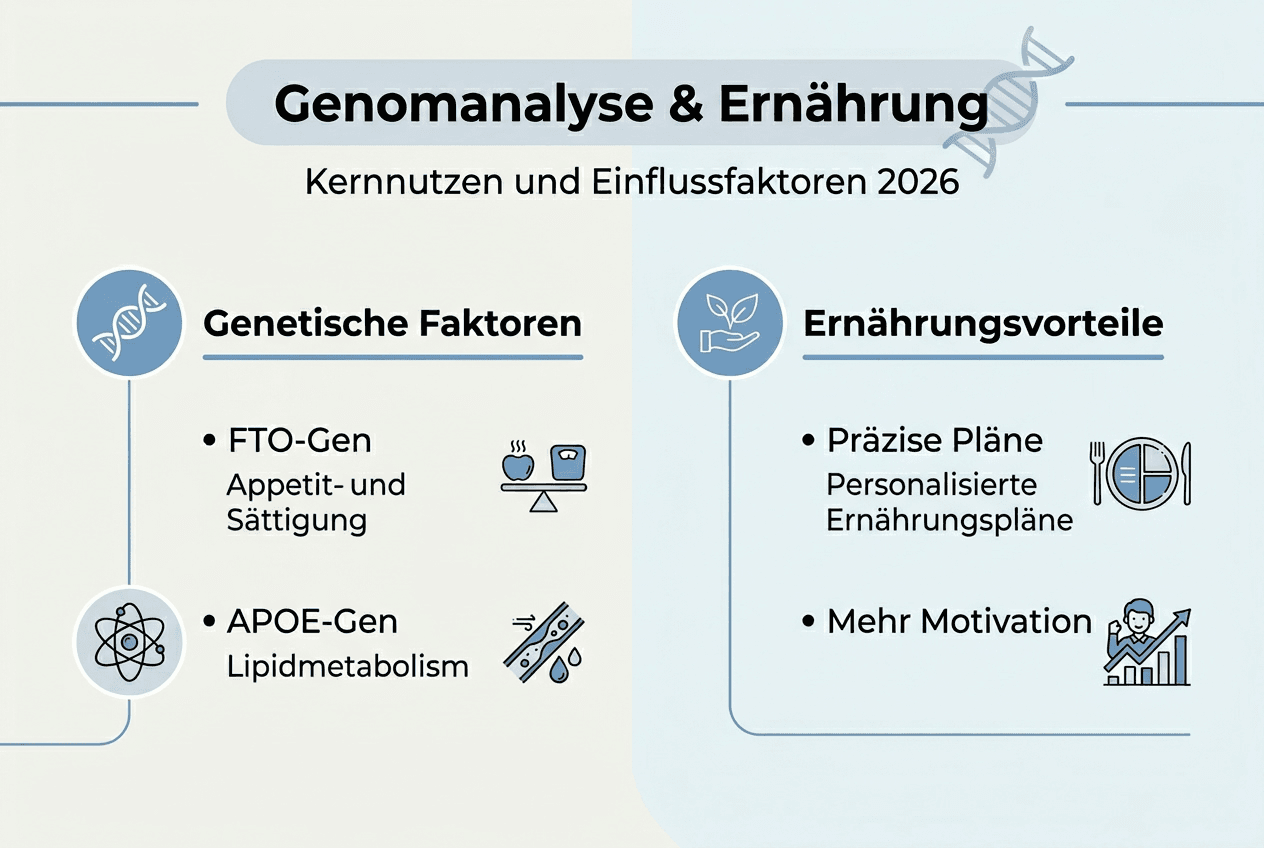
The FTO gene is considered one of the most influential genes in weight regulation. People with certain FTO variants have an increased risk of obesity because their sense of fullness sets in later. They tend to eat more before their brain sends the “full” signal. Another critical variant is found in the MC4R gene, which regulates energy expenditure and fat storage. Genes such as FTO and MC4R demonstrably influence appetite and weight, explaining why calorie counting alone often does not work.
The APOE gene affects your lipid metabolism—that is, how your body processes fats and cholesterol. The APOE4 variant, for example, increases the risk of elevated cholesterol levels and cardiovascular disease. People with this variant can benefit greatly from a reduced-fat diet, while those with other variants tolerate saturated fats better. Without genetic analysis, you are left in the dark about which approach is optimal for you.
Comprehensive tests such as MetaCheck Complete systematically analyze critical metabolic factors. They examine not only weight-related genes, but also variants that determine your requirements for vitamin D, omega-3 fatty acids, B vitamins, and minerals. For example, variants in the VDR gene affect how efficiently your body uses vitamin D. People with unfavorable variants need higher doses to achieve optimal blood levels.
| Gene | Function | Effect of variants | Dietary adjustment | | — | — | — | | FTO | Appetite regulation | Delayed feeling of fullness, increased calorie intake | Protein-rich meals for longer satiety, smaller and more frequent portions | | APOE | Fat metabolism | Elevated LDL cholesterol, cardiovascular risk | Reduced saturated fats, more omega-3, plant oils | | TCF7L2 | Insulin response | Impaired glucose control, diabetes risk | Low-glycemic carbohydrates, fiber, blood sugar stabilization | | MTHFR | Folate metabolism | Reduced B-vitamin utilization, elevated homocysteine | Increased folate intake, methylated B vitamins, leafy green vegetables |
Personalized nutrition uses these genetic insights to create plans that work with your biology rather than against it. If your genes indicate that you metabolize carbohydrates poorly, a low-carb diet makes sense. If you process fats inefficiently, you may benefit from a low-fat diet. This precision explains why genome-based approaches are significantly more effective than standard programs.
The effects go far beyond weight. Genetic variants also influence how your body responds to exercise. Some people burn fat efficiently through endurance training, while others achieve better results with strength training. The ACTN3 gene, for example, determines whether your muscles are better suited to explosive power or endurance. With this knowledge, you can optimize your training and avoid frustrating plateaus.
Pro tip: You achieve the best results when you combine genetic insights with your current lifestyle. Genes do not determine your destiny; they are tools for making informed decisions. An individualized plan takes both your DNA and your preferences, daily routine, and goals into account for sustainable change.
Science clearly shows: Your genetic makeup fundamentally influences how your body responds to food. With precise information from a metabolic type analysis, you can finally understand why certain diets do not work for you and which approach actually promises success. These insights transform guesswork into strategic health planning.
Benefits and scientific evidence of genetic nutrition counseling
The integration of genomics, epigenetics, and detailed metabolic profiles is revolutionizing modern nutritional counseling. While traditional approaches are based on averages, personalized nutrigenomics enables precise tailoring to your individual biochemistry. This precision leads to measurable improvements documented in numerous scientific studies.
Multi-omics approaches combine different biological data layers to provide a complete picture of your health. They analyze not only your genes, but also how environmental factors influence these genes (epigenetics), which proteins are produced (proteomics), and how your metabolism functions (metabolomics). This comprehensive perspective enables over 90% accuracy in predicting individual metabolic responses, a breakthrough compared with earlier methods.
Large-scale research projects provide impressive evidence of practical benefits. The PREDICT study examined more than 1,000 participants and found dramatic differences in blood sugar and fat responses to identical meals. What triggered barely any blood sugar spikes in one person caused massive fluctuations in others. This variability explains why standardized diets work so differently and underscores the need for personalized approaches.
The FOOD4ME study demonstrated concrete benefits of genome-based nutritional counseling. Participants with personalized plans showed significantly better weight control, improved cholesterol levels, and more stable blood sugar than the control group receiving generic recommendations. Particularly noteworthy: Adherence to the dietary plans was significantly higher because participants understood why specific recommendations made sense for them. Clinical studies show significant improvements in weight control and metabolism through genome-based nutrition.
Long-term health prevention benefits enormously from nutrigenomic insights. If you know that you have a genetically elevated risk of type 2 diabetes, you can take preventive action before symptoms appear. Targeted dietary adjustments that improve your insulin sensitivity can delay or even prevent the development of the disease. This proactive strategy is far more effective than reactive treatment of established diseases.
Critical benefits of personalized nutrigenomics:
- Precise identification of your metabolic type for optimal macronutrient distribution
- Targeted micronutrient supplementation based on genetic utilization deficiencies
- Individualized portion sizes and meal timing for better blood sugar control
- Personalized exercise recommendations that harmonize with your genotype
- Early risk detection for preventive health measures
- Higher adherence through clear, scientifically sound explanations
“Personalized nutrition based on genetic, metabolic, and microbial profiles represents a paradigm shift. It enables precise interventions that respect individual biological variability and promote sustainable health improvements.”
People who have experienced frustrating results with standard programs benefit particularly from genome-based approaches. If you have tried various diets for years without lasting success, it is probably not due to a lack of discipline, but to biochemical incompatibility. Your genes could explain why a low-fat diet does not work for you or why intermittent fasting is counterproductive.
Science is advancing rapidly. New findings on gene-environment interactions, the role of the microbiome, and epigenetic modifications are continually expanding our understanding. What is considered personalized nutrition today will be even more precise in a few years. Nevertheless, current methods already provide exceptionally valuable insights that can transform your health.
If you want to learn more about your personal metabolism, modern genome analyses offer the most scientifically sound approach. Combining genetic analysis, practical recommendations, and continuous scientific validation makes personalized nutrigenomics the most effective tool for sustainable health optimization.
What you should know about genome analyses in Switzerland
Switzerland regulates genetic tests more strictly than many other countries to ensure quality and patient protection. Genetic analyses for medical purposes require a doctor’s prescription and may only be performed by specialized, accredited laboratories. This regulation prevents dubious offers and ensures that results are clinically relevant and scientifically valid.
Laboratories conducting genetic tests in Switzerland must provide evidence of ISO 15189:2022 accreditation. This international standard defines requirements for quality management and the technical competence of medical laboratories. Accreditation guarantees validated methods, regular quality controls, and reliable results. You should not trust a laboratory without this certification.
Data protection is given the highest priority in Switzerland. Genetic data is considered particularly sensitive because it remains valid throughout a person's lifetime and contains sensitive information about health risks. Reputable providers pseudonymize samples immediately upon receipt, so there is no direct connection between your name and the genetic data. The data remains on Swiss servers and is subject to the strictest data protection laws.
An important distinction exists between medical diagnostics and commercial wellness tests. Medical genetic tests are used to diagnose diseases or assess disease risks and require medical supervision. Commercial tests for nutrition, fitness, or lifestyle fall into a gray area. They provide valuable insights but do not replace medical advice for specific health problems.
Choosing the right provider has a decisive impact on how useful your genomic analysis will be. Unreputable providers often promise unrealistic results or rely on outdated science. Reputable laboratories communicate transparently which genes are analyzed, what scientific evidence supports the analysis, and what its limitations are. Exaggerated promises of cures are always a warning sign.
Checklist for choosing a trustworthy provider:
- ISO 15189:2022 accreditation of the laboratory or comparable international certification
- Transparent presentation of the genes analyzed, with scientific references
- Clear privacy policy stating the server location and data deletion periods
- Understandable reports with specific, actionable recommendations
- Access to professional advice if you have questions about the results
- Realistic communication about the possibilities and limitations of the analysis
- Positive customer reviews and demonstrable expertise in the field
Also note that genomic analyses provide a snapshot of your genetic predisposition, but do not cover all health factors. Lifestyle, environment, stress, and other influences also play important roles. You will achieve the best results by viewing genetic insights as part of a holistic approach to health, not as the sole solution.
Another practical aspect is that the costs of commercial genomic analyses are generally not covered by health insurance because they are considered lifestyle products. Medically indicated genetic tests in cases of suspected illness may, however, be eligible for reimbursement. Clarify this with your insurance provider in advance to avoid financial surprises.
If you want to understand and make the most of a metabolic analysis, pay attention to these quality criteria. Swiss regulation may seem stricter than elsewhere, but it protects you from disreputable providers and ensures that your investment in your health is based on a solid scientific foundation.
Discover personalized genomic analyses from mybody®x
Mybody®x offers comprehensive genomic analyses specifically tailored to your individual health goals. Using state-of-the-art analytical methods and ISO-certified laboratories, you receive precise insights into your metabolic type, nutrient utilization, and genetic predispositions. The tests are easy to perform at home and are evaluated by qualified experts who provide understandable, actionable recommendations. Whether you want to optimize your weight, adjust your diet, or proactively improve your health, personalized genomic analyses from mybody®x provide the scientific foundation for lasting success. Visit the website to discover how you can understand your metabolic type and use it strategically to improve your health.
What are the fundamentals of genomic analysis?
What exactly is examined in a genomic analysis?
A genomic analysis examines specific sections of your DNA associated with metabolism, nutrient utilization, weight regulation, and health risks. The laboratory identifies genetic variants in genes such as FTO, APOE, MC4R, and many others that influence how your body processes carbohydrates, fats, and proteins. The analysis focuses on scientifically validated genes with demonstrated relevance to nutrition and health.
How long does it take to receive my results?
After you send in your sample, the analysis typically takes two to four weeks. The laboratory needs this time for DNA extraction, sequencing, quality control, and expert interpretation of the results. Reputable providers take this time to guarantee precise, reliable results. Promises of faster results often indicate superficial analyses.
How much does a genomic analysis cost in Switzerland?
Costs vary depending on the scope of the analysis, ranging from 200 to 600 Swiss francs. Comprehensive tests covering multiple areas of metabolism, vitamin utilization, and training recommendations are in the higher price range. Commercial genomic analyses for nutrition and lifestyle are generally not covered by health insurance because they are considered preventive wellness measures. Medically indicated genetic tests may be reimbursable under certain conditions.
Is my genetic data secure?
Reputable Swiss providers guarantee the highest level of data security through pseudonymization of samples, encrypted data transmission, and storage on Swiss servers. Your genetic information is not shared with third parties and is handled in accordance with GDPR guidelines after the analysis is complete. Many laboratories destroy samples after evaluation, so no physical traces remain. Before commissioning an analysis, carefully review the provider’s privacy policy.
Can I optimize my nutrition based on my genes alone?
Genomic analysis provides valuable foundations, but it does not replace a holistic view of your health. Your genes show predispositions and tendencies, but lifestyle, stress management, sleep quality, and individual preferences also play important roles. You will achieve the best results by combining genetic insights with professional nutritional counseling and implementing them gradually. Genes are a tool for informed decisions, not an absolute determination of your fate.
Do I need to repeat the test?
No, your DNA does not change, which is why a genomic analysis is a one-time investment. The genetic information remains valid for life and can serve as a lasting basis for nutrition and health decisions. However, science continues to evolve, so new genes and connections may be discovered in a few years. Some people then choose to undergo expanded analyses, but the original test remains valid.



Share now:
Do a DNA test yourself: Personalized health tips 2026
If your gut is sick: symptoms, signs, and what you can do