
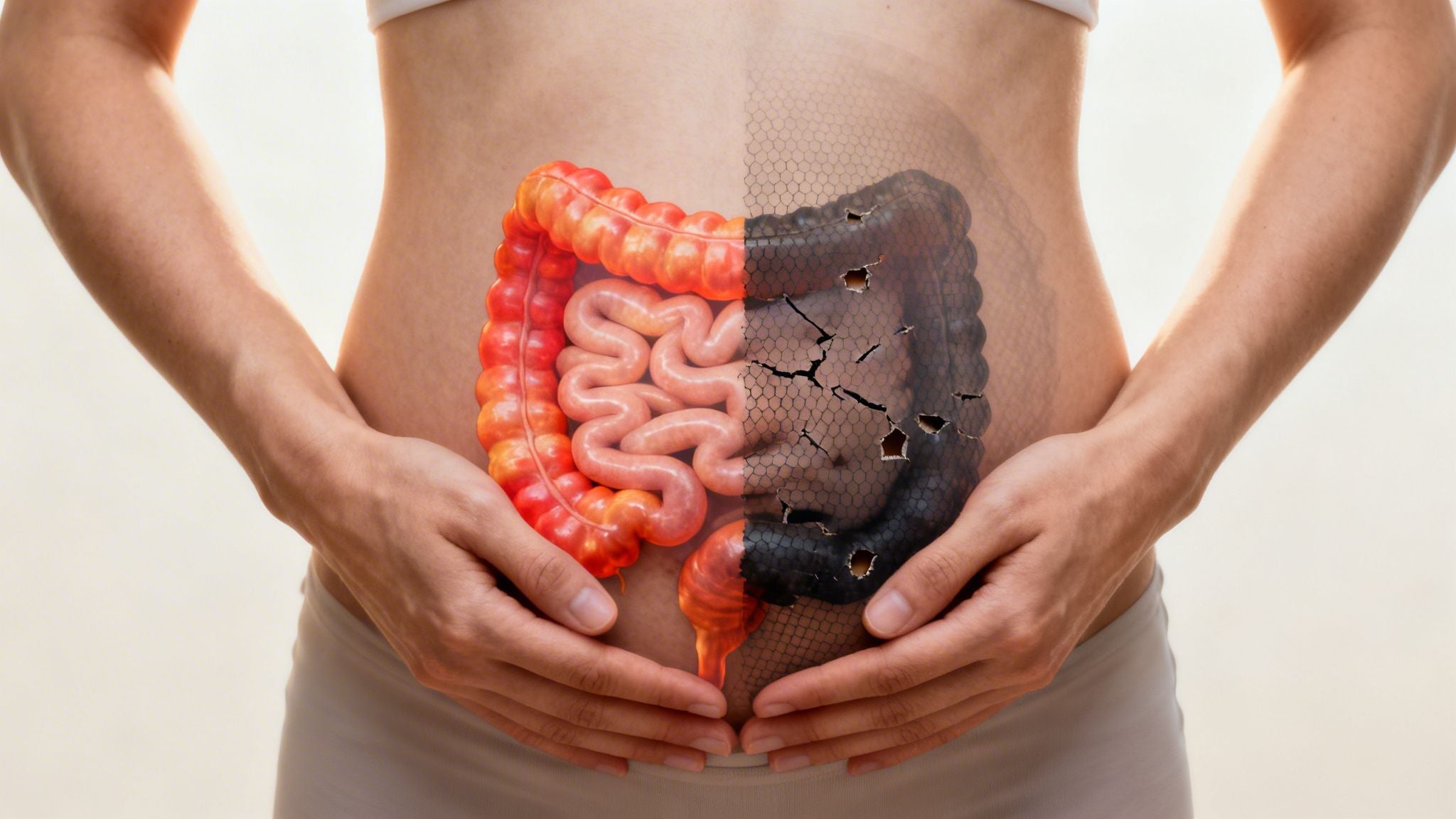
When the gut is diseased: symptoms, signs, and what you can do
Constant bloating, unexplained fatigue, or digestion that simply is not running smoothly? These are often the first, subtle warning signs your body sends when your gut has become imbalanced and needs help. Do not think of your gut merely as a digestive organ, but as the pulsating center of your well-being. When this center develops cracks, you often feel the effects throughout your entire body.
The most common symptoms when your gut is suffering
Your gut feeling rarely lies. If you notice that your body keeps sending you the same signals, it is time to listen more closely. Many of us get used to everyday complaints such as a feeling of fullness or irregular bowel movements and dismiss them as “normal.” But they often are not. This is your gut’s way of drawing attention to an underlying problem.
An imbalanced gut is expressed through far more than obvious digestive problems. Since around 80% of your immune system is located in the gut and it communicates constantly with your brain via the so-called gut-brain axis, the signs can be surprisingly varied.
Imagine your gut as a finely tuned orchestra. If even one instrument plays out of tune—for example, because of an imbalanced gut flora or an undiagnosed food intolerance—the entire symphony of your well-being falls into disarray.
Common symptoms that may indicate that your gut has fallen out of balance include:
- Digestive problems: The classic symptoms. These include bloating, abdominal pain, cramps, diarrhea, or constipation. Constantly changing or irregular bowel movements can also be a sign. By the way, our guide explains more about what healthy bowel movements reveal.
- Constant tiredness and exhaustion: If your gut cannot properly absorb nutrients, your body simply lacks the energy it needs. You feel as though you are going through life with the handbrake on. A nutrient test from mybody-x can provide clarity.
- Skin problems: Acne, eczema, or rosacea can be closely linked to inflammatory processes in the gut. Your skin then becomes a reflection of what is happening inside.
- Sudden food intolerances: You used to tolerate certain foods without any problems, and now your body is suddenly rebelling? That is a clear warning sign. An intolerance test can help you identify the triggers.
- Mood swings and concentration problems: An imbalance in gut bacteria can significantly disrupt the production of important neurotransmitters such as serotonin, our “happiness hormone.” The gut-brain axis also plays a major role here.

Understanding these signs is the very first and most important step. They are the puzzle pieces that provide valuable clues about where to start so you can identify the cause and deliberately restore your gut health.
What lies behind the symptoms
Your symptoms—the constant rumbling and discomfort—are far more than just an annoying nuisance. They are your body's way of communicating, signaling that something has become imbalanced beneath the surface. When your gut is unhealthy, there are usually three main players that interlock like gears and trigger a chain reaction.
The permeable intestinal wall (leaky gut)
Imagine your intestinal lining as an extremely fine, tightly woven mosquito net. When healthy, it acts as a perfect bouncer: only fully digested nutrients, vitamins, and minerals are allowed to pass through and enter your bloodstream.
But when this network becomes porous and permeable, experts refer to it as leaky gut syndrome. Suddenly, incompletely digested food particles, bacterial fragments, and toxins can cross this important barrier. Your immune system immediately raises the alarm because it recognizes these particles as foreign invaders and launches a defensive response. The result is a constantly activated defense mechanism that can manifest in a wide range of symptoms—from sudden food intolerances and skin problems to overwhelming fatigue.
The disturbed gut flora (dysbiosis)
Your gut is teeming with life. Trillions of microorganisms come together to form your unique microbiome. Ideally, there is a harmonious balance between beneficial organisms and a small number of potentially harmful germs. This balance, known as eubiosis, is the foundation for smooth digestion, the production of important vitamins, and protection against pathogens.
If this sensitive ecosystem tips out of balance, it is known as dysbiosis. Harmful bacteria and fungi gain the upper hand and displace the beneficial ones. This can severely affect your digestion and lead to bloating, cramps, and changes in bowel movements. Such an imbalance is often a decisive factor that paves the way for leaky gut. If you would like to learn more about a specific form of this bacterial overgrowth, read our article on SIBO and its symptoms.
Low-grade inflammation in the body
If your immune system is constantly on high alert because of leaky gut, this can lead to what are known as “low-grade inflammations.” These are subtle, chronic inflammatory processes that are not limited to the gut but spread throughout the body.
Low-grade inflammation is like a smoldering fire quietly burning in the body. You don’t feel acute pain as you would with a wound, but it constantly consumes your energy and resources and can damage organs and tissue over time.
These chronic inflammations are often the true root of symptoms that, at first glance, seem to have nothing to do with the gut:
- Persistent fatigue: Your body is constantly in defense mode and uses up valuable energy for it—energy you lack in everyday life.
- Joint pain: Pro-inflammatory messenger substances can accumulate in the joints and cause discomfort there.
- Brain fog: Inflammation disrupts the sensitive gut-brain axis and can cloud your concentration and mental clarity.
These three factors—leaky gut, dysbiosis, and low-grade inflammation—often form a vicious cycle. An imbalance in the gut microbiome damages the intestinal lining, which in turn fuels inflammation and further worsens the gut environment. So your symptoms are rarely the actual problem; they are the visible result of this hidden cascade. A targeted test from mybody-x can help you better understand these connections in your body.
When you should take your symptoms seriously
That rumbling in your stomach again? When is it just a harmless twinge, and when is it a real warning sign? It’s not always easy to tell the difference. We all know it: a nasty stomach bug catches you completely off guard and knocks you out for a few days. It’s one of the most common reasons for taking sick leave, but usually the whole thing clears up on its own after a few days.
But what about the symptoms that simply refuse to go away? That vague yet persistent feeling of discomfort lingering in the background? You should never take that lightly. Your body is trying to tell you something. When your gut is causing problems, it can look very different—from a minor, temporary disturbance to a serious warning sign that demands your full attention.
Acute infection or chronic problem?
The first and most important step is to distinguish between short-term and long-term symptoms. An acute infection, usually caused by viruses or bacteria, often hits you with sudden, severe symptoms such as diarrhea, vomiting, and cramps. In this case, the situation is clear: your body primarily needs rest and plenty of fluids to get rid of the intruder.
But symptoms that keep coming back, develop gradually, or get worse over time are a different matter entirely. They are not coincidences. They may indicate chronic processes in your body that require a closer look to identify the cause.
Imagine your intestines as a complex communications center. A brief, loud alarm, such as an infection, is unmistakable. However, a quiet but constant background noise often points to a deeper, systemic problem that requires your attention.
The figures speak for themselves and show how widespread intestinal problems are. Across Germany, diseases of the digestive tract lead to an impressive 2.4 million hospital admissions each year. In 2023 alone, the number of gastrointestinal infections reached record levels in some regions. If you would like to learn more, you can find information here about the frequency of intestinal diseases and their effects.
When the intestines are chronically inflamed
Warning signs such as persistent cramps, unexplained weight loss, or blood in the stool may indicate inflammatory bowel diseases (IBD) such as Crohn’s disease or ulcerative colitis. Imagine your own immune system mistakenly attacking healthy tissue in your digestive tract and causing persistent inflammation there.
It is estimated that 420,000 to 470,000 people in Germany are already affected by IBD—and the number is rising sharply. You can read more about these alarming figures and the prevalence of IBD here.
Seeing a doctor is absolutely essential if you notice any of the following symptoms:
- Persistent, severe abdominal pain or intense cramps.
- Blood or mucus in the stool.
- Unexplained weight loss over a short period.
- Recurring fever without an identifiable cause.
- Chronic diarrhea lasting longer than two weeks.
These symptoms are not minor. Prompt medical evaluation is key to preventing long-term intestinal damage and significantly reducing the risk of serious complications such as colorectal cancer.
The following decision tree helps you visually better categorize the possible causes behind your symptoms.

As the graphic shows, very different symptoms can point to the same core problems: a permeable gut barrier (Leaky Gut), an imbalance in your gut bacteria (dysbiosis), or chronic inflammation.
Take responsibility for your health
This section is not meant to scare you. Quite the opposite: It is meant to empower you to correctly interpret your body’s signals and take responsible care of your health. It’s about knowing when you need professional help and when you can take action yourself.
Even if your symptoms do not point to a serious illness, they are a clear sign from your body. It is urging you to take a closer look. With mybody-x self-tests, you can specifically identify the causes before they develop into more serious problems. Only those who understand their symptoms can take targeted action.
Find out what’s really behind your gut problems
Endless guesswork simply won’t get you anywhere. If you finally want to know what’s really going on in your gut, you need solid data instead of vague assumptions. Modern self-tests that you can conveniently perform at home give you exactly that opportunity. They provide a clear picture of your internal ecosystem and help you find the true root of your discomfort.
Instead of listening to general advice that may not suit you at all, you gain highly personal insights into your body. The symptoms of a troubled gut are often vague and unclear. A targeted test from mybody-x helps you organize this chaos and uncover the actual causes.
Your gut under the microscope: The mybody-x gut test
Imagine being able to hold a detailed map of your gut in your hands, showing you exactly where the problem areas are. That’s precisely what a modern microbiome test like the one from mybody-x can do. Using a simple stool sample that you collect discreetly at home and send to a specialized laboratory, a comprehensive profile of your gut health is created.
The analysis provides incredibly valuable information about several key areas:
- Composition of your gut flora: You’ll find out whether beneficial bacteria are predominant or whether there is an imbalance (dysbiosis).
- Digestive function: The test shows how well your body processes fats, proteins, and carbohydrates and whether there may be any weaknesses in this area.
- Possible inflammatory markers: It checks whether low-grade inflammation is smoldering in your gut, which is often responsible for nonspecific symptoms.
- Signs of leaky gut syndrome: You receive indications of whether your intestinal barrier may have become permeable.
A microbiome test is like getting a behind-the-scenes look at your body. It makes visible what would otherwise remain hidden and gives you the tools to target the areas that truly need attention.
Based on this precise data, you can finally stop guessing. You receive scientifically sound, personalized recommendations for your diet and lifestyle. With this knowledge, you can specifically address hidden imbalances or leaky gut syndrome. If you are curious about how such a test works and what it can reveal, our article tells you everything about the mybody-x gut test.
This approach gives you back control over your health. You no longer have to grope in the dark; instead, you can make the right decisions for your well-being based on real facts.
Your action plan for a healthy gut

Knowledge is the first important step—but real change only begins when you put that knowledge into practice. With the insights from a mybody-x self-test, you finally have a clear direction. Now it is time to take action and follow your gut feeling. This action plan is your personal roadmap to regaining control.
You should never take persistent symptoms lightly. Years of unnoticed inflammation in the gut can significantly increase the risk of more serious problems. It is estimated that between 420,000 and 600,000 people in Germany live with chronic bowel diseases—a figure that experts have long considered indicative of a widespread condition. For those affected, it is therefore crucial to gain clarity at an early stage. Often, the underlying cause is something that can be treated effectively, such as an imbalance in the gut microbiome, as further insights into the prevalence of bowel diseases show.
Your path to a gut-friendly diet
Your diet is the most powerful lever you have in your own hands. Even small, targeted adjustments can have an enormous impact.
-
Feed the beneficial bacteria: Deliberately include prebiotic foods in your diet. These are special types of fibre that your beneficial gut inhabitants love as their favourite food. Reach for onions, garlic, leeks and asparagus more often, as well as slightly green bananas and wholegrain products.
-
Support your gut with live cultures: Probiotic foods such as plain yoghurt, kefir, raw sauerkraut or kimchi provide live bacterial cultures. They help restore balance to your microbiome and make it more resilient.
-
Choose anti-inflammatory foods: Omega-3 fatty acids from oily fish such as salmon, as well as from flaxseeds and walnuts, help your body fight low-grade inflammation. The same applies to antioxidants, which you can find in colourful vegetables and berries.
More than just food: Your lifestyle matters
A healthy gut needs more than just the right food on your plate. Your overall lifestyle plays a crucial role in your well-being from the inside out.
Think of your gut as a delicate garden. Stress, lack of sleep and inactivity affect it like constant rain on fertile soil. At first, the water still drains away, but eventually everything is flooded and nothing can grow properly. Your gut also needs periods of rest and regeneration to perform its functions optimally.
Here are three more pillars of your gut health:
-
Stress management: Chronic stress can make the sensitive intestinal barrier more permeable and negatively affect the composition of your gut flora. Find your personal way to unwind—whether through yoga, meditation, walks in nature or simple breathing exercises.
-
Restful sleep: While you sleep, your entire body regenerates, and your gut is no exception. Aim for 7–8 hours of uninterrupted sleep per night. This is when important repair and cleansing processes take place.
-
Regular exercise: Moderate activity such as brisk walking, cycling or swimming not only gets your circulation moving, but also stimulates digestion. At the same time, it has been shown to promote the diversity of your beneficial gut bacteria.
Your most pressing questions about intestinal problems
When your stomach hurts and your digestion goes haywire, many questions quickly come up. That’s completely normal. We’ve collected the most important ones for you here and summed them up briefly so you can gain more clarity for your everyday life.
How long are intestinal problems “normal”?
That depends entirely on the cause. An acute stomach bug usually passes after a few days, and the symptoms subside on their own. But if you notice that symptoms such as bloating, pain, or irregular bowel movements persist for longer than two weeks or keep flaring up, it is time to take a closer look. A mybody-x self-test can be a first step toward finding the cause before you consult a doctor.
Could my stomach pain really be caused solely by stress?
Yes, absolutely. It is often underestimated, but your gut and brain are in constant dialogue—the so-called gut-brain axis. Ongoing stress can seriously disrupt this sensitive balance. It can reduce the beneficial bacteria in your gut and make the protective intestinal barrier more permeable (leaky gut). The result is very real, noticeable symptoms such as cramps, diarrhea, or constipation. A hormone test can show you how high your stress level is.
How can I recognize a food intolerance?
When your stomach rebels against certain foods, the signs are often a colorful mix. Typically, the symptoms start shortly after eating. Maybe you know the feeling:
- Your stomach swells up like a balloon, and you feel uncomfortably full.
- Sudden abdominal cramps followed by diarrhea.
- Nausea or constant belching.
- Sometimes the reactions even appear on the skin or manifest as headaches.
A very clear warning sign is when you suddenly can no longer tolerate foods that you used to eat without any problems. This often indicates that something fundamental in your gut has become unbalanced. A mybody-x intolerance test can help you identify specific triggers.
When should I see a doctor about my intestinal symptoms?
Listen to your gut—and to certain warning signs from your body. Do not hesitate to see a doctor if you notice things like unexplained weight loss, blood in your stool, very severe, persistent cramps, or recurring fever. Even if your symptoms are so severe that they noticeably affect your quality of life, seeking medical evaluation is always the right and most important step.
Are you tired of groping in the dark and finally want to know what is behind your symptoms? At mybody-x, you’ll find scientifically backed self-tests for use at home. Gain clarity about your gut health, possible intolerances, or nutrient deficiencies and receive personalized recommendations to specifically improve your well-being. Discover the right tests for you now at https://mybody-x.com.



Share now:
Fundamentals of Genome Analysis: Personalized Nutrition 2026
What is a nutrient profile? Your 2026 guide