

DIY DNA Test: Personalized Health Tips for 2026
You try diets that work for others, but you do not see the same results. Perhaps your skin reacts differently to skincare products, or your energy level fluctuates despite a healthy diet. A DIY DNA test can help you understand your genetic characteristics. This gives you personalized recommendations for nutrition, skincare, and lifestyle that are genuinely suited to you.
Table of contents
- What do you need to perform a DNA test yourself?
- Step by step: How to perform the DNA test correctly at home
- How to interpret your DNA test results for nutrition and health
- Common DNA test errors and how to avoid them
- Discover personalized DNA tests at mybody®x
- Do-it-yourself DNA test: Frequently asked questions
Key findings at a glance
| Point | Details |
|---|---|
| Genetic tests provide personalized information | DNA analyses reveal individual metabolic and nutrient requirements |
| Self-tests are easy to perform | Collecting samples at home using saliva or cheek swabs takes only a few minutes |
| Results optimize nutrition and skincare | Genetic variants influence weight management, vitamin requirements, and skin aging |
| Preparation ensures valid results | Proper sample collection and shipping guarantee meaningful test results |
What do you need to perform a DNA test yourself?
Performing a DNA test at home requires only a few materials. You need a certified test kit specifically designed for genetic analysis. These kits contain sterile collection sets for saliva or cheek swabs, detailed instructions, and prepaid return envelopes. Depending on your goal, you can choose from different types of tests.
Modern test kits offer different areas of focus. A DNA test for nutrition analyzes genes that influence your metabolism. EasyDNA Methylation Genetic Testing provides detailed genetic profiles for biological aging. Skin DNA tests identify genetic factors associated with collagen breakdown and sensitivity to sun exposure. Hair loss tests examine genes associated with alopecia.
Required materials at a glance:
- Certified DNA test kit from the laboratory
- Sterile collection swabs or saliva tubes
- Shipping envelope with the laboratory’s address
- Registration code for online access to results
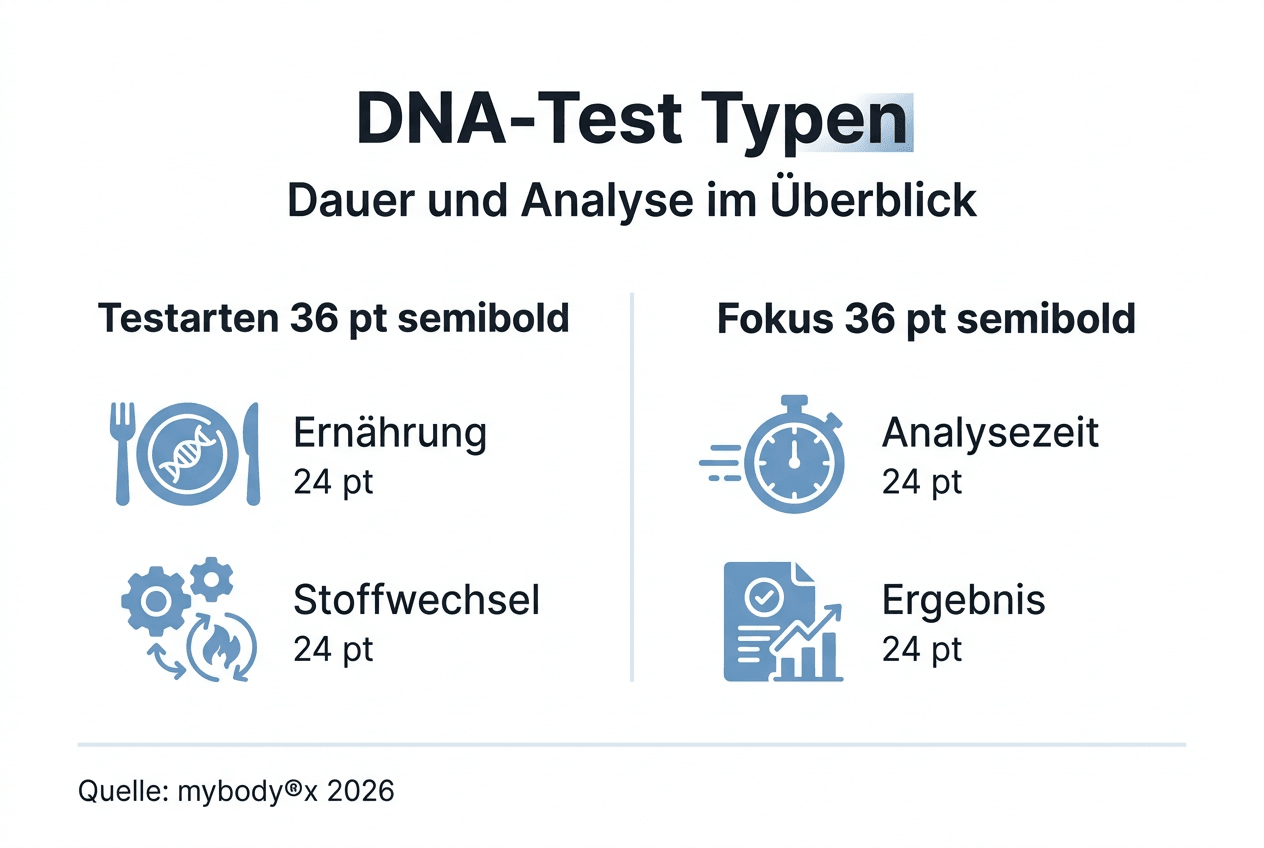
| Test type | Analysis time | Main focus |
|---|---|---|
| Nutrition DNA | 10–15 business days | Metabolism, nutrient requirements, weight management |
| Methylation test | 14–21 business days | Biological age, cellular health, longevity |
| Skin DNA | 10–14 business days | Collagen production, UV sensitivity, antioxidant requirements |
| Hair loss test | 7–10 business days | Genetic alopecia risks, treatment options |
Pro tip: Order test kits directly from certified providers to ensure ISO-tested quality. Store the kit in a cool, dry place until use so that the collection supplies remain sterile.
Pay attention to how you store your sample after collection. Most kits require shipping within 24 to 48 hours. Extreme temperatures can impair DNA quality. Avoid direct sunlight and store the sealed sample at room temperature until you ship it.
Step by step: How to perform the DNA test correctly at home
Collecting the sample is straightforward but requires care for accurate results. Start with clean hands and a clean environment. Open the test kit immediately before use to avoid contamination.
Detailed instructions for carrying out the test:
-
Preparation: Do not eat, drink, or smoke for 30 minutes before collecting the sample. Rinse your mouth with plain water.
-
Sample collection: Remove the sterile swab from its packaging. Firmly rub the inside of your cheek 10 to 15 times. Repeat this with a second swab on the other cheek.
-
Packaging: Place the swabs in the supplied tubes immediately. Seal them tightly and label them with your registration code.
-
Shipping: Place the tubes in the prepaid envelope. Mail the sample on the same day or, at the latest, the following day.
The Alopecia DNA Test result is available within 7 to 10 business days. Most providers notify you by email as soon as your sample arrives at the laboratory. A second notification is sent when the analysis is complete and your personal report is available.
Pro tip: Register your test kit online before sending the sample. This allows you to track the analysis status at any time and receive your results immediately after completion.
Avoid common mistakes when collecting a sample. Do not touch the swabs with your fingers, as this can introduce foreign DNA. Do not use toothpaste or mouthwash before collection. These products can impair DNA quality. If you accidentally drop the swab, use a new one from the replacement kit.
Some providers also offer blood or stool samples for advanced analyses. These tests supplement DNA data with information about current nutrient levels or the gut microbiome. A genetic nutrition test for weight loss often combines genetic analyses with metabolic markers to provide comprehensive recommendations.
How to interpret your DNA test results for nutrition and health
Your test report contains a wealth of genetic information. The art lies in translating it into practical everyday decisions. Most reports are divided into categories: metabolism, nutrient requirements, fitness, skin health, and risk factors.

Genes such as FTO affect your sense of satiety and your tendency to gain weight. If your report shows an FTO variant, you may benefit from protein-rich meals that keep you full longer. Genetic testing enables personalized nutrition, as genetic variants affect how you respond to diets. People with certain APOA2 variants process saturated fats differently and should adjust their fat sources accordingly.
Practical application of genetic insights:
- Carbohydrate metabolism: TCF7L2 variants show whether you process carbohydrates more slowly and may benefit from low-carb approaches
- Vitamin requirements: MTHFR gene variants affect your folate requirements; supplement with methylfolate if necessary
- Caffeine metabolism: CYP1A2 determines whether you metabolize caffeine quickly or slowly; adjust your coffee consumption accordingly
- Omega-3 utilization: FADS1 variants show how well you can convert plant-based omega-3 sources into active forms
Skin DNA tests analyze genes related to collagen production, oxidative stress, and skin aging. COL1A1 variants affect your skin’s elasticity. MMP1 genes regulate collagen breakdown caused by UV radiation. Based on these results, you can choose skincare products with specific active ingredients such as retinol, vitamin C, or peptides.
“Personalized insights from DNA enable proactive health decisions that go beyond general advice and deliver real, measurable improvements.”
Pharmacogenomics also helps tailor medications more effectively and avoid side effects. If you take medication regularly, genetic information can show which dosages are optimal or which active ingredients you should avoid.
A genetic nutrition test provides specific recommendations for macronutrient distribution. A moderate carbohydrate intake may work better for you than a strict ketogenic diet. Or you may benefit from intermittent fasting because of your SIRT1 gene variant, which regulates cell renewal processes.
Whether a DNA test can improve nutrition depends on your willingness to apply the insights. Genetic data is a tool, not destiny. It shows tendencies and potential that you can influence through targeted lifestyle choices.
Common DNA test errors and how to avoid them
Even with careful execution, errors can affect the quality of your test results. The most common problems arise from contamination, improper storage, or delayed shipping. With the right knowledge, you can avoid these pitfalls.
Common sources of error and solutions:
- Contaminated sample: Eating, drinking, or smoking shortly before collection can distort results; strictly follow the 30-minute rule
- Improper storage: Samples exposed to heat or direct sunlight lose DNA quality; store them at room temperature
- Delayed shipping: DNA degrades over time; ship samples within 24 hours of collection
- Incomplete registration: Without the correct registration code, results cannot be assigned; check all details before shipping
Careful sample collection and shipping are essential for valid test results. Another mistake is choosing an uncertified provider. Not all DNA tests meet ISO standards or use accredited laboratories. Research certifications and customer reviews before purchasing.
| Provider criterion | What to look for | Why it matters |
|---|---|---|
| ISO certification | ISO 9001 or higher | Guarantees standardized quality processes |
| Laboratory accreditation | CAP, CLIA, or European equivalents | Ensures scientific validity |
| Data protection | GDPR compliance, pseudonymization | Protects your genetic information |
| Consultation service | Personal results consultation | Helps with correct interpretation |
Some people expect too much from a DNA test. Genetics does not explain everything. Environmental factors, lifestyle, and epigenetics also play major roles. A DNA test shows predispositions, not diagnoses. If you have health concerns, also consult a medical professional.
Pro tip: Store test kits in a cool, dry place until use. Do not keep them in the bathroom, where moisture can damage the materials. A cool cabinet or drawer at a consistent room temperature is ideal.
Another mistake is failing to consider medication use. Some medications may theoretically affect DNA analysis, although modern tests are robust. Inform the provider about any regular medication. The experiences with DNA tests for nutrition also show that realistic expectations lead to greater satisfaction.
Compare different test providers not only by price, but also by the scope of the analysis. An inexpensive test analyzing only a few genes provides fewer insights than a more comprehensive panel. Pay attention to the number of genetic markers tested and the level of detail in the reports.
Discover personalized DNA tests at mybody®x
Now that you understand how DNA tests work and what benefits they offer, the next step is to find the right test kit for your needs. mybody®x offers ISO-certified personalized DNA tests specifically for health-conscious people in Switzerland. With over 11,300 satisfied customers and an average rating of 4.77 stars, mybody® is one of the established providers.
The product range includes specialized DNA tests for nutrition that show you which macronutrient distribution best suits your metabolism. You receive specific recommendations for weight management, vitamin supplementation, and food choices based on your genetic profile. You can conveniently perform all tests at home, and the pseudonymized samples are destroyed in compliance with the GDPR after analysis.
A DNA test can improve your diet by providing scientifically sound, personalized strategies. You benefit from free shipping on orders over 49 euros, personal consultation, and a money-back guarantee if you do not receive usable results. Use these insights for a healthier, more self-determined lifestyle.
Do-it-yourself DNA test: Frequently asked questions
How long does DNA test analysis take?
Most DNA tests provide results within 7 to 21 business days after the sample arrives at the laboratory. The exact duration depends on the type of test: Basic nutrition DNA tests take approximately 10 to 15 business days, while comprehensive methylation tests can take up to three weeks. You will receive an email notification as soon as your personal report is available online.
Are at-home DNA tests just as accurate as laboratory tests?
Yes, provided you use a certified kit from an ISO-accredited provider. The samples are analyzed in the same professional laboratories as clinical tests. Accuracy depends on correct sample collection and shipping. High-quality providers achieve an analysis accuracy of over 99 percent when performed properly.
What benefits do DNA tests offer for nutrition?
DNA tests identify genetic variants that affect your metabolism, nutrient requirements, and response to different diets. You receive personalized recommendations for the optimal macronutrient distribution, vitamin supplements, and food choices. This enables more targeted weight management and better health outcomes than general dietary advice.
How can I protect my genetic data when taking self-tests?
Reputable providers such as mybody®x comply with the GDPR and pseudonymize all samples. Your DNA data is not linked to your name but is assigned only through an anonymous code. After analysis, the samples are properly destroyed. Make sure the provider explicitly states that it does not sell or share genetic data with third parties.
Can I also improve my skincare routine using DNA results?
Absolutely. Skin DNA tests analyze genes related to collagen production, antioxidant capacity, and UV sensitivity. Based on your results, you can choose skincare products with specific active ingredients that compensate for your genetic weaknesses. For example, if you have a variant that accelerates collagen breakdown, you may benefit particularly from products containing retinol or peptides.
Recommendation
- DNA tests for health – Your influence on prevention – mybody®x
- DNA analysis: Your personal key to health and nutrition – mybody®x
- What is a DNA test? Your guide for 2026 – mybody®x
- Self-test process 2026: How to use personalized analyses – mybody®x
- Personal training checklist 2026: streamline success | TrainingPro



Share now:
DNA Diet Test 2026: Your guide to personalized weight loss
Fundamentals of Genome Analysis: Personalized Nutrition 2026