
Epigenetics & Nutrition: How Genes Respond to Food
Why Your Breakfast Talks to Your Genes
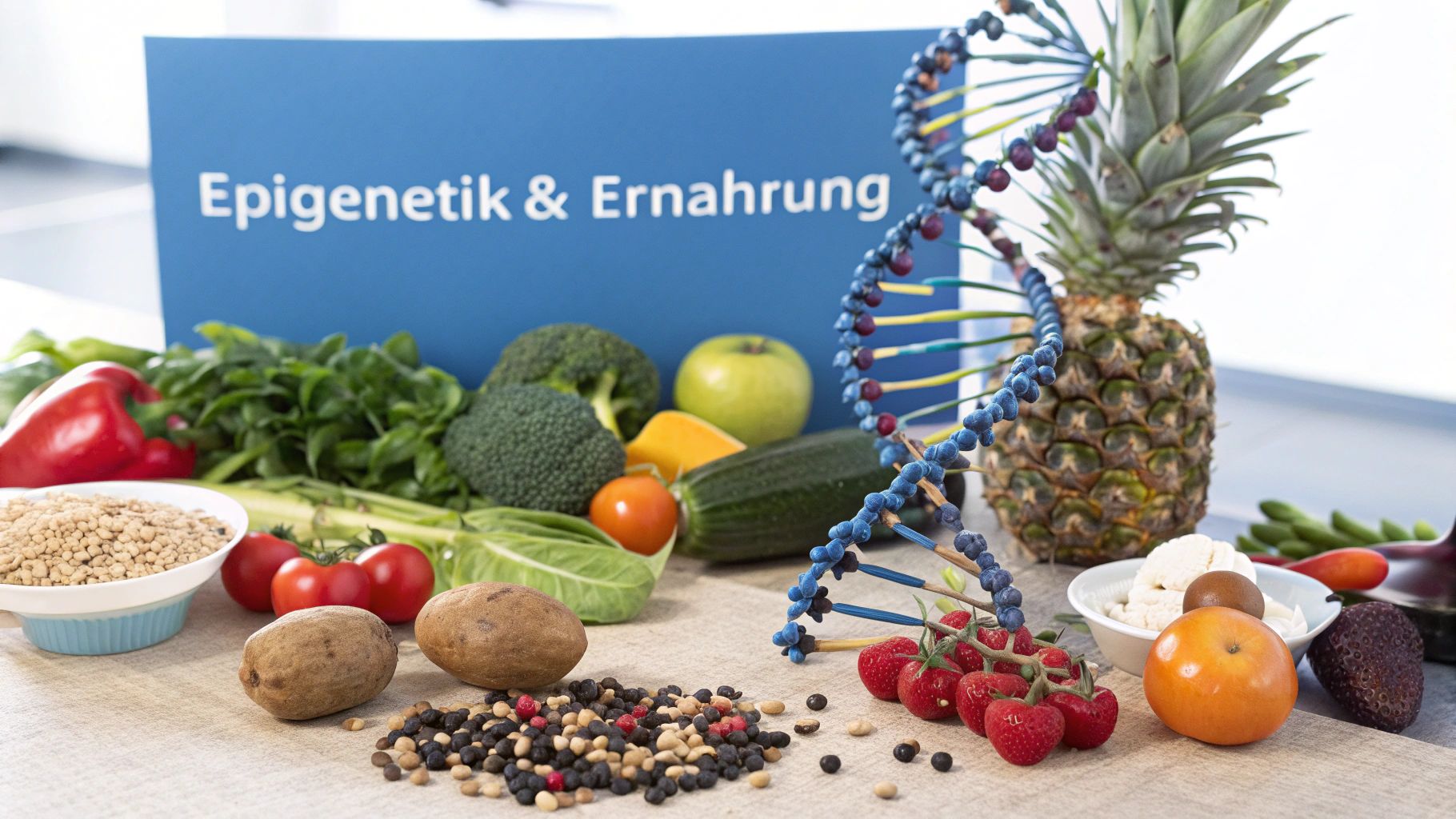
The screenshot from the Wikipedia page on epigenetics illustrates the complex relationship between our genes and our environment. It shows how epigenetic mechanisms influence the activity of our genes without changing the DNA sequence itself. Imagine these mechanisms as small switches that can turn genes on or off.
But what controls these switches?
How Foods Communicate with Your Genes
Imagine your DNA as an extensive cookbook. It contains all the recipes (genes) for your body. Epigenetics is then the chef who decides which dishes to prepare (which genes to activate) and which recipes to leave on the shelf (which genes to deactivate). And what influences the chef? The ingredients—in our case, epigenetic nutrition.
Every bite we eat sends signals to our genes. These signals can activate genes that are important for health and well-being, or deactivate genes associated with disease. For example, certain compounds in broccoli can activate genes that inhibit inflammation.
Green tea, in turn, contains substances that influence the activity of genes involved in cellular aging. Research into folic acid and its influence on DNA methylation also underscores the close connection between nutrition and epigenetics. You can find more about DNA and nutrition in our article: Can a DNA Test Improve Nutrition?
Your Body – An Orchestra of Genes
Our body is a complex system that constantly responds to signals from the environment. Nutrition plays a crucial role in this. By choosing the right foods, we can positively influence the activity of our genes and thus help shape our health, prevention, and even the aging process.
So we have more influence on our well-being than we may think.
The Apple – An Epigenetic Power Food
Let's take the apple as an example. It provides not only vitamins and minerals, but also polyphenols. These act as gene regulators by influencing the activity of certain genes and thus potentially reducing the risk of chronic diseases, for example.
The apple thus becomes more than a simple fruit—it becomes an epigenetic superfood. This insight changes how we view nutrition and opens up new paths to a healthier life. It enables us to actively contribute to our genetic health and set the course for a long, vibrant life.
The legacy on your plate: How your eating habits shape generations
Imagine that your dinner today affects not only your health but also that of your great-grandchildren. Sounds incredible? Transgenerational epigenetics shows us exactly that: Our diet leaves traces that are passed on across generations.
Stories from research: Hunger and hope
For example, studies show that famines can manifest epigenetically and be reflected in genes across generations. But research also offers hope: A conscious, healthy epigenetic diet can bring about positive changes that can also be inherited.
These examples show how our choices at the dinner table influence not only our own health but also the well-being of future generations. Learn more about an epigenetic lifestyle and nutrition in our blog article: Longevity – An Introduction to an Epigenetic Lifestyle and Nutrition.
Small changes, big impact: The power of weeks
Measurable epigenetic traces can be detected in the genetic material after just a few weeks of altered eating habits. These diet-related changes can be measured not only in the individual but also in subsequent generations.
An example from German research: At the Helmholtz Zentrum München, a study in mice showed that six weeks of a high-fat, high-calorie diet from sexual maturity onward caused epigenetic modifications in sperm and egg cells. These changes were even passed on to offspring carried by healthy surrogate mothers. Find more information about inherited obesity here.
This does not mean that every unhealthy meal immediately has negative consequences for future generations. Rather, it is about developing an awareness of the long-term impact of our dietary choices.
Responsibility and opportunity: Shaping the future
Epigenetic nutrition confronts us with a great responsibility, but at the same time offers an incredible opportunity. We can actively shape our genetic future and thereby positively influence not only our own lives but also those of future generations.
This insight from modern science enables us to take preventive action and set the course for a healthier and longer life for ourselves and our descendants.
An honest look at German plates: Where we stand

What actually ends up on our forks every day? And does it affect our genes? In fact, our diet plays an important role—keyword: epigenetics. It helps determine which of our genes are active and which remain dormant in the background. So let's take a look at the reality on German plates and its influence on our epigenetic diet.
The gap between knowledge and reality
We all know that fruit and vegetables are healthy. But honestly: How often do five portions of them actually end up on our plates? The 15th DGE Nutrition Report (2024) clearly highlights the discrepancy between knowledge and action. Only 18% of adults achieve the recommended amount of vegetables; for fruit, the figure is only 29%. Unfortunately, this gap can have hidden consequences for our health and increase the risk of lifestyle-related diseases such as type 2 diabetes, high blood pressure, and obesity. You can find more information about the DGE Nutrition Report here.
What we eat and what it does
Typical German? Unfortunately, often too much processed food, too many saturated fatty acids, and too much sugar. At the same time, important nutrients are often lacking: vitamins, minerals, and secondary plant compounds. And these are precisely what influence our gene regulation. Imagine your genes as a choir. The right diet creates harmonious singing. When important nutrients are lacking, some voices sing too loudly and others too softly—the result is anything but harmonious. Our bodies work in much the same way. This disharmony can increase the risk of chronic diseases.
Small changes, great results
Don't worry, you don't have to completely overhaul your diet right now! Even small steps in the right direction can make a big difference. How about cooking for yourself one more time this week instead of reaching for a ready-made meal? Or simply sneaking an extra portion of vegetables into your meal? Adequate hydration is also important. Every step counts and benefits your genes and your health. You are in control!
Your Genes and You
Would you like to learn more about how your genes respond to your diet? Then our DNA Nutrition Test could be just what you need. Our Longevity DNA Test also offers fascinating insights into your genetic predisposition. You can find more information on the topic in our blog article.
Discover the Gene Whisperers in Your Refrigerator
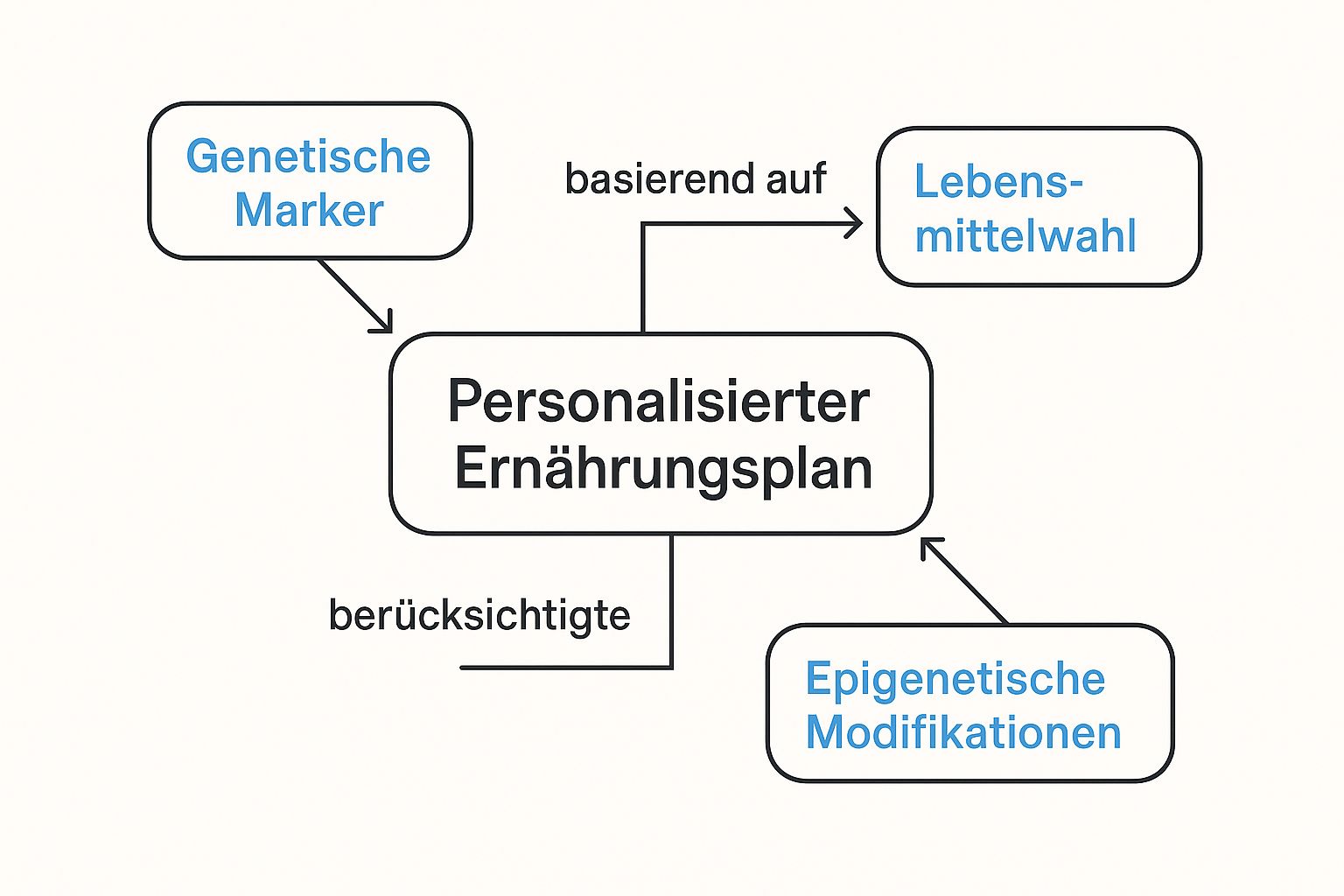
The infographic shows how our genes, our diet, and epigenetics are connected. Think of your genes as a blueprint. This blueprint determines many things, but not everything. Epigenetics is, so to speak, the construction manager who decides which parts of the blueprint are implemented and which are not. And our diet? It provides the construction manager with the instructions!
Food choices form the bridge between our genetic markers and epigenetic modifications. Through what we eat, we can influence the activity of our genes.
Broccoli: The Green Bodyguard for Your Genes
Broccoli is a true powerhouse vegetable and an epigenetics star. This is thanks to sulforaphane, a substance that acts like a shield for our DNA. Sulforaphane can inhibit certain enzymes involved in inflammation and cell damage. Imagine sulforaphane as a firefighter who extinguishes the flames of inflammation before they can cause harm. Broccoli also contains folate, which plays an important role in DNA methylation—a key epigenetic mechanism that regulates the activity of our genes.
Turmeric: The Golden Wonder Weapon Against Inflammation
Turmeric, the golden spice from India, is more than just a flavor enhancer. Curcumin, the active compound in turmeric, has anti-inflammatory effects, acting directly at the level of our genes. It can influence the activity of genes involved in inflammatory processes and thereby counteract chronic inflammation. Think of curcumin as a conductor who calms the orchestra of inflammation genes.
Green Tea: Fountain of Youth for Your Cells
Green tea is known for its health-promoting effects. It is packed with polyphenols, especially catechins, which act as antioxidants and protect our cells from damage. These catechins can influence the activity of genes involved in cellular aging. Green tea therefore helps keep our cells young and fit—like a personal fitness trainer for our cells.
Fermented Foods: The Good Bacteria for Your Genes
Fermented foods such as sauerkraut, kimchi, and yogurt contain probiotics, meaning beneficial bacteria for our gut. A healthy gut flora is important for our epigenetic nutrition because it influences nutrient absorption and the production of certain vitamins. Fermented foods therefore indirectly contribute to healthy gene regulation. They are like gardeners who make the soil fertile for our genes.
To give you a clearer overview, we have summarized the most important foods with epigenetic effects, their active compounds, and their effects on gene regulation in a table:
| Food | Active compound | Epigenetic effect | Recommended amount |
|---|---|---|---|
| Broccoli | Sulforaphane, folate | Inhibition of inflammation-promoting enzymes; DNA methylation | 1–2 servings per week |
| Turmeric | Curcumin | Anti-inflammatory; influences genes involved in inflammatory processes | 1–2 teaspoons per day |
| Green tea | Catechins (polyphenols) | Antioxidant properties; influence genes involved in cellular aging | 2–3 cups per day |
| Fermented foods (sauerkraut, kimchi, yogurt) | Probiotics | Support a healthy gut flora and indirectly have a positive effect on gene regulation | One serving daily |
This table shows how diverse the opportunities are to positively influence our genes through nutrition. It is worth incorporating these foods into your diet.
You can also find more information and tips in our blog article on genetic nutrition. Considering a DNA test? Our DNA Nutrition Test and Longevity DNA Test provide personalized insights into your genetic predisposition. We are also happy to advise you on our micronutrient tests.
Why Germany Is Rethinking Its Diet

More and more people in Germany are taking an in-depth look at the impact of their diet on their health. It is no longer just about satisfying hunger, but also about how our food interacts with our genes. This shift in awareness is noticeable and closely linked to the topics of epigenetics and epigenetic nutrition.
Personalized Nutrition: The Key to Health?
Epigenetics offers fascinating insights into the interaction between our genes and our environment. Put simply, we can think of our genes as a kind of blueprint. Epigenetics determines which parts of this blueprint are actually read and implemented. And our diet plays a crucial role in this process.
By choosing our foods, we can influence the activity of our genes. This means we have the opportunity to actively shape our health. This approach to personalized nutrition is increasingly coming into focus, moving away from general recommendations toward individual solutions.
DNA tests provide valuable support in this regard. They make it possible to analyze individual genetic predispositions and develop a customized nutrition strategy based on them.
From Theory to Practice: The Success of Epigenetic Nutrition
Epigenetic nutrition is not just abstract theory. More and more nutritionists are putting these principles into practice and reporting positive results. People who have optimized their diets epigenetically report having more energy, better digestion, and an increased sense of well-being.
Studies also demonstrate the growing importance of this topic. According to a 2023 Forsa survey commissioned by Barmer, 42% of Germans said they were willing to change their diet to live more health-consciously. Growing public interest in epigenetics is certainly contributing to this development. You can find more information about the study here.
Preventive Health and Longevity: A Look into the Future
Epigenetic nutrition is more than just a fleeting trend. It represents a new understanding of preventive health and longevity. By positively influencing our genes, we can not only improve our quality of life, but also reduce the risk of chronic diseases and live longer, healthier lives.
You can find out more about the DNA Nutrition Test and the Longevity DNA Test on our website. You can also find more information about genetic nutrition in our blog.
Your personal introduction to epigenetic nutrition
Knowledge is power, yes. But only when we put knowledge into practice does anything really change. In this section, we translate the complex scientific findings of epigenetics into a concrete plan for your everyday life. Step by step, you will learn how to optimize your diet epigenetically without having to completely overhaul your life.
From knowledge to action: Your personalized meal plan
From smart shopping strategies and time-saving meal prep to making effective use of DNA tests, you will find the right tools for your personal success here. Would you like to learn more about the effects of your metabolism on your genes? Then read our article: Your Metabolism in Your Genes.
A balanced epigenetic diet does not have to be complicated. Start with small, achievable goals. For example, replace white rice with brown rice or add a handful of nuts to your salad. Even small changes like these can have positive effects on your gene activity.
Meal prep: Save time and enjoy healthy food
Meal prepping is a real secret weapon for an epigenetically optimized diet, especially in a stressful daily routine. If you prepare your meals on the weekend, you will always have healthy and delicious dishes ready to go during the week. This not only saves time but also helps prevent unhealthy binge eating.
Experiment with different recipes and discover new favorite dishes that are also good for your genes. Incorporate foods such as broccoli, berries, turmeric, and green tea into your meals. These foods have positive effects on your epigenetic diet.
To help you get started, we have created a practical weekly plan:
Weekly plan for an epigenetically optimized diet
Practical 7-day meal plan featuring epigenetically active foods and preparation tips for everyday life
| Day of the week | Breakfast | Lunch | Dinner | Epigenetic focus |
|---|---|---|---|---|
| Monday | Whole-grain muesli with berries and nuts | Salad with grilled salmon and broccoli | Chicken breast with quinoa and steamed vegetables | Antioxidants, omega-3 fatty acids |
| Tuesday | Whole-wheat toast with avocado and egg | Lentil and vegetable curry with brown rice | Oven-roasted vegetables with herb quark | Fiber, Plant-Based Proteins |
| Wednesday | Chia pudding with fruit and flaxseeds | Whole-wheat pasta with tomato sauce and chicken | Fish with broccoli and sweet potato purée | Omega-3 fatty acids, vitamins |
| Thursday | Overnight oats with berries and almonds | Salad with chickpeas, feta, and olives | Vegetable stir-fry with tofu | Fiber, Plant-Based Proteins |
| Friday | Scrambled eggs with whole-grain bread and vegetables | Chicken broth with whole-grain noodles and vegetables | Pizza with whole-grain crust, vegetables, and low-fat cheese | Balanced Nutrient Intake |
| Saturday | Whole-grain pancakes with fruit | Grilled vegetables with fish or meat | Leftovers from the previous day or a light salad | Flexible Planning, Enjoyment |
| Sunday | Brunch with whole-grain bread, eggs, avocado, and fruit | Vegetable lasagna with whole-grain noodles | Vegetable soup with whole-grain bread | Comfortable Dining, Nutrient-Rich Meal |
This weekly plan is intended as inspiration and can of course be adapted to your individual needs and preferences. Try out new recipes and find out what tastes good and makes you feel good!
Measuring Progress and Celebrating Success
How can you tell whether your new diet is working? Pay attention to your body's signals. More energy, better digestion, and a strengthened immune system are positive signs. Your skin and hair may also benefit from an epigenetically optimized diet.
Document your progress and celebrate your successes! This keeps you motivated and helps you stay on track. DNA tests can provide additional insights into your individual genetic predisposition and help further optimize your nutrition strategy.
From Reader to Shaper: Your Epigenetic Future
This plan transforms you from an interested reader into an active shaper of your genetic health. With practical tips and realistic goals, the complex topic of epigenetics becomes manageable in everyday life. You consciously influence your genes, laying the foundation for a healthy and vibrant life.
Key Insights for Your Journey
Your journey through the world of epigenetic nutrition has only just begun. You have now developed an understanding of how closely your diet and genetic activity are intertwined. This section summarizes the key points and provides concrete tips for your personal journey.
First Steps with a Big Impact
Often, it is the small but consistent changes that bring the greatest success. Regularly include foods with epigenetically beneficial properties in your diet. For example, consider broccoli with its protective sulforaphane, the anti-inflammatory power of turmeric, or cell-protective green tea. Simply swapping white bread for whole-grain bread or adding an extra serving of vegetables to lunch are valuable steps in the right direction.
Imagine your genes as small switches that can be turned on or off by your diet. Broccoli, turmeric, and green tea can help activate the “good” switches.
Long-term motivation: Your personal journey
Changing your diet is a marathon, not a sprint. Find your individual rhythm and set realistic goals. Experiment with new recipes and discover the culinary diversity of epigenetically beneficial foods. Meal prepping can help you save time while still eating healthily. This way, you can sustainably integrate healthy eating into your everyday life and stay motivated. Also read: How our genes are changing the diet of tomorrow—personalized nutrition at the heart of research.
Think of your favorite dishes—is there a way to enhance them with epigenetically beneficial ingredients?
DNA tests: Your individual compass
DNA and nutritional analyses provide valuable insights into your personal genetic predisposition. They help you optimize your nutritional strategy and find the foods that are best for you. This allows you to make your epigenetic diet even more effective and strengthen your health preventively.
For example, a DNA analysis can show you whether your body processes certain nutrients particularly well or poorly.
Your epigenetic future: A compass for generations
With this knowledge, you influence not only your own health but potentially that of your children and grandchildren as well. You actively shape your epigenetic future and lay the foundation for a long, healthy life. Use the insights of epigenetics and start influencing your genes positively today.
Imagine being able to leave your descendants a valuable legacy—the foundation for a healthy life.
Start your journey to a healthier life with MYBODY Lab GmbH today. We offer various tests and analyses that allow you to tailor your diet and lifestyle to your individual needs. Visit us at https://mybody-x.com and discover the possibilities of personalized health.



Share now:
Your genetic metabolic type... What your DNA reveals about nutrition and fitness
DNA Nutrition Test – My Experiences with a Genetic Test