
Selenium's effects that truly change everything
The effects of selenium are impressively diverse—it acts as a bodyguard for your cells, fuel for your thyroid, and a booster for your immune system. This essential trace element is involved in countless processes that are crucial to your well-being and help you better understand your body.
What is selenium, and why is it so important to you?
Think of selenium as an invisible but extremely diligent helper that works tirelessly for you. Your body cannot produce this essential trace element itself, which means you have to obtain it entirely through your diet. Its role is anything but minor.
Basically, selenium is a fundamental building block for so-called selenoproteins. These are special proteins that function like highly specialized tools in your body. Without selenium, these important tools cannot be built, and many crucial processes grind to a halt.
The following infographic clearly illustrates how selenium functions as a shield at the cellular level and protects your cells from daily attacks.
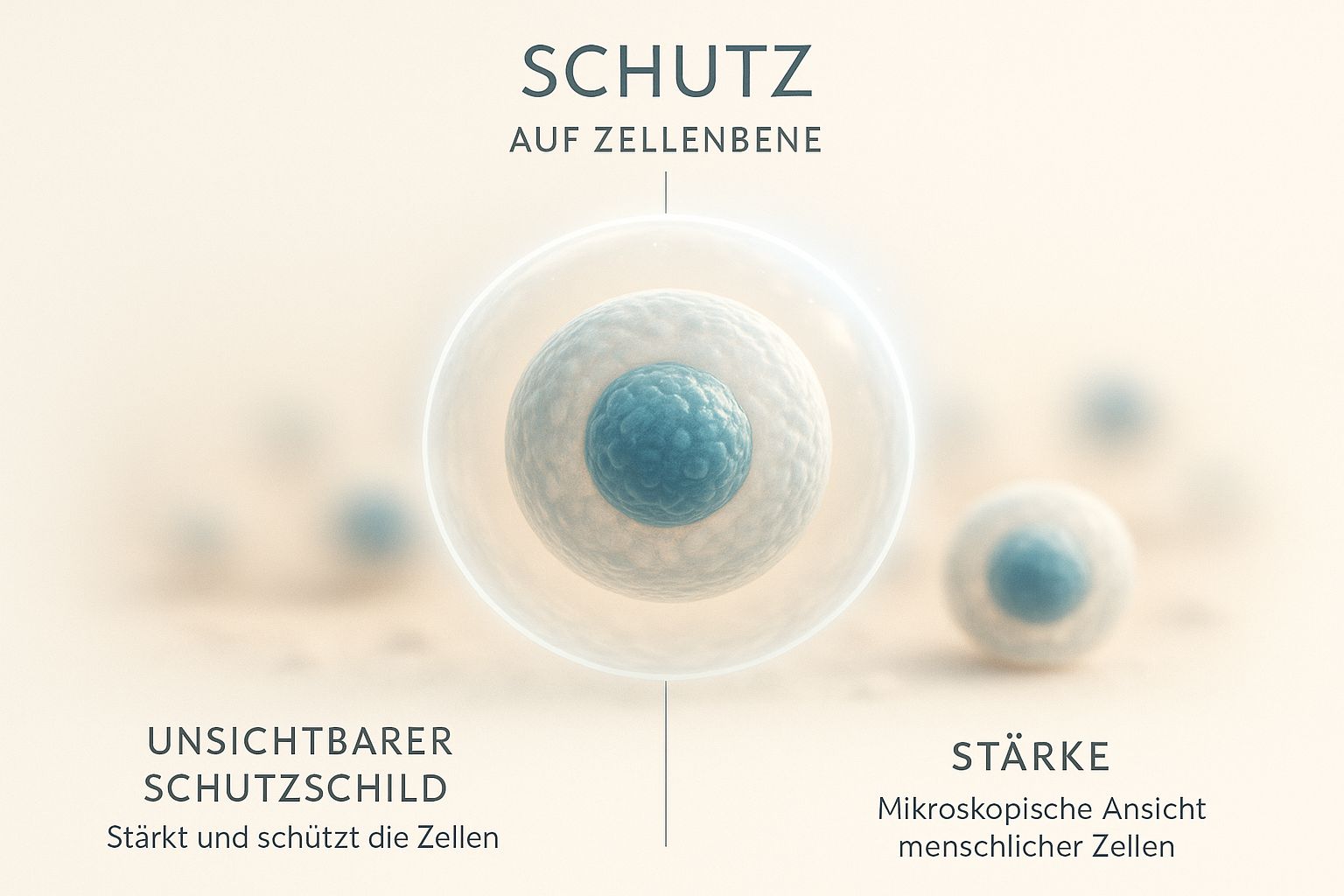
As you can see, it's about the foundation of your health. A strong protective shield for your cells is the basis for your overall vitality.
The core functions of selenium
From defending against pathogens to hormone production, selenium's effects are wide-ranging. To give you a better overview, we have summarized the most important functions in a table.
The key functions of selenium at a glance
This table summarizes the key functions of selenium and shows which body systems benefit directly from it.
| Area of action | Function of selenium | Benefit for your health |
|---|---|---|
| Cell protection | Is a powerful antioxidant that neutralizes free radicals. | Slows aging processes and protects cellular DNA. |
| Immune system | Essential for the formation and activity of immune cells. | Strengthens the immune response and helps fight infections more effectively. |
| Thyroid | Activates thyroid hormones and protects thyroid tissue. | Regulates overall metabolism, energy levels, and body temperature. |
| Fertility | Contributes to the formation of healthy sperm in men. | Supports male reproductive function. |
These essential tasks show how deeply selenium influences our body's fundamental functions. A deficiency often goes unnoticed for a long time, but can have far-reaching consequences—from your energy and immune system to the appearance of your skin.
Why your genes also play a role
Now it gets really exciting: The effects of selenium depend not only on how much you consume, but also on your genetic predisposition. Your DNA helps determine how efficiently your body can use selenium to protect itself from oxidative stress.
A genetically determined weakness in this protective system can, for example, directly affect the aging of your skin.
This is exactly where the mybody-x Skincare DNA Metabolism Test comes in. It analyzes your genes and shows whether you have an individually increased need for antioxidants such as selenium. This gives you a completely personal tool to support your skin and body from within and take charge of your health.
How selenium specifically supports your body
Now that we have clarified what selenium basically does, it is time to delve deeper into its specific “superpowers.” Don't think of selenium as an all-rounder, but rather as a highly specialized expert that keeps things organized in very specific areas of your body. From energy metabolism to your cells' protective shield—the effects of selenium are at work at crucial control points.
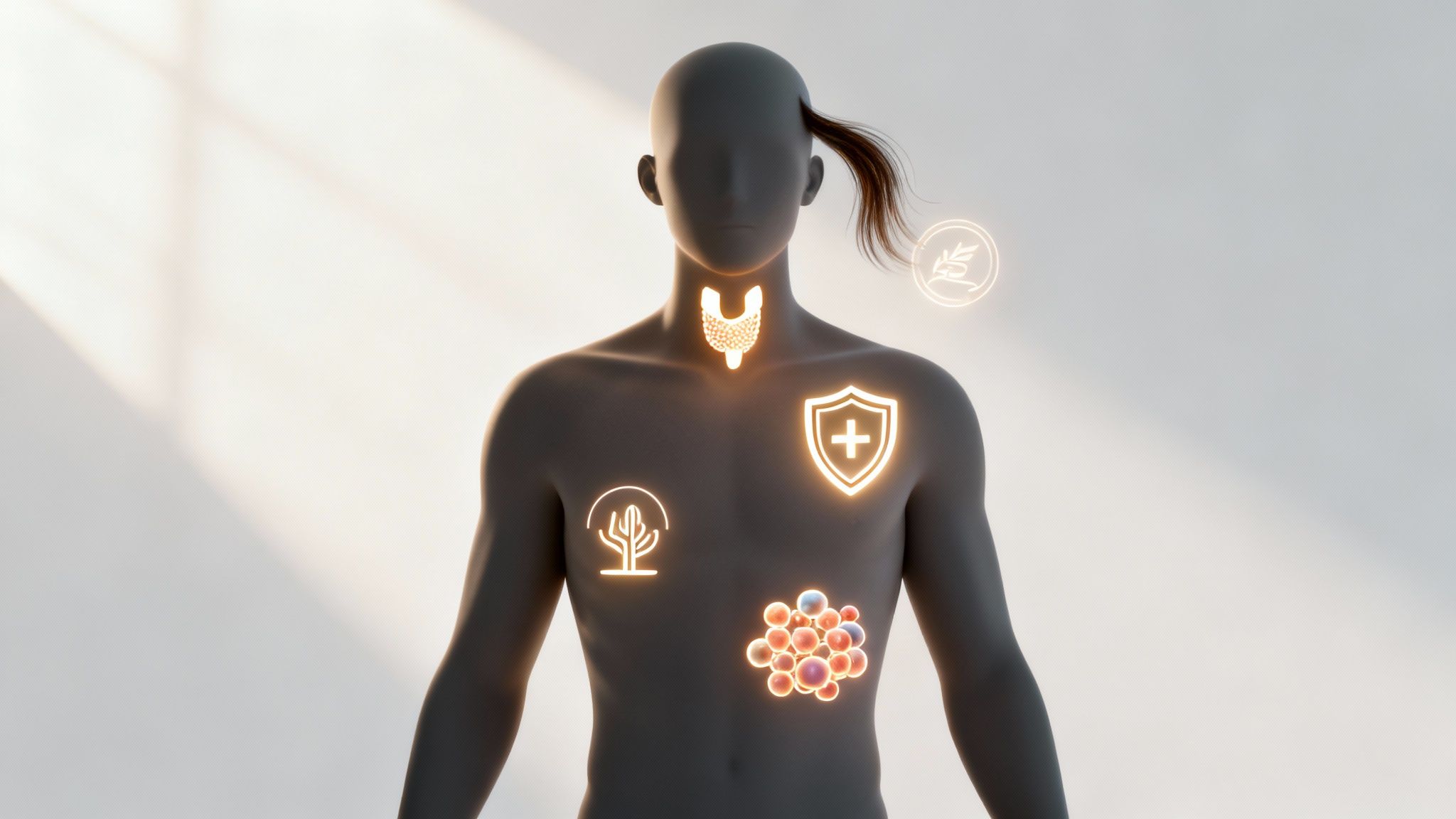
Your thyroid as command center
Your thyroid is essentially the powerhouse of your metabolism, and selenium is one of the most important technicians keeping the machinery running. It is no coincidence that this small organ stores more selenium than any other organ in the body except the brain.
Selenium is absolutely essential for activating thyroid hormones in the first place. It helps convert the relatively inactive storage hormone T4 into the active and effective hormone T3. Without this important step, your metabolic engine would sputter, which can quickly become noticeable as fatigue and lack of energy.
At the same time, selenium protects sensitive thyroid tissue from oxidative stress that arises during hormone production. This protective function is particularly important in autoimmune diseases such as Hashimoto's thyroiditis. Although research in this area is not yet conclusive, an adequate selenium supply is often considered an important component of supportive treatment. In fact, selenium's effects are already part of the treatment of autoimmune thyroid diseases in Germany, as shown by an official assessment of selenium in Germany by the BfArM.
Your immune system as a protective shield
A strong immune system needs the right equipment to defend you—and selenium is a crucial part of it. It ensures that your defence cells can react to invaders such as viruses or bacteria with lightning speed and effectively.
When selenium is lacking, the production of these important defence cells quickly falters. The result? You become more susceptible to infections and may take longer to recover from illnesses.
You could say that selenium is the training coach for your immune cells. It not only ensures that there are enough players on the field, but also that they are fit, fast and ready for action at any time.
Cell protection against premature ageing
The best-known effect of selenium is probably its role as a powerful antioxidant. In everyday life, your body is constantly exposed to so-called free radicals—whether through environmental toxins, stress or normal metabolic processes. These aggressive molecules attack your cells and can accelerate the ageing process.
This is where selenium comes in. It is a central component of the enzyme glutathione peroxidase, one of the body's most powerful antioxidants. It captures and neutralises free radicals, thereby protecting the DNA in cells from damage. This protective mechanism is important not only for healthy skin, but for the health of every single cell in your body. The Skincare DNA Metabolism Test from mybody-x can give you a deeper understanding of how well your body is equipped in this regard.
Strengthen your skin, hair and nails from within
Strong hair, firm nails and healthy skin are often a direct reflection of your nutrient intake. This also makes sense, because when the body lacks something, it prioritises vital processes and supplies the hair and nails only at the very end.
Selenium officially contributes to the maintenance of normal hair and nails. It supports structural proteins and protects the cells of the hair roots and nail beds from oxidative stress. Brittle nails or diffuse hair loss can therefore be an early, visible sign that your body is lacking an important nutrient. You can also use our DNA test to find out whether your genetic predisposition plays a role in your skin health and whether you have an increased need for protective nutrients such as selenium.
Recognising and correctly interpreting selenium deficiency
Do you feel constantly tired without knowing exactly why? Are your nails brittle, or have you noticed more hair falling out lately? Signs like these can be really frustrating, especially when you simply can’t find the cause. Often, these subtle but persistent symptoms are simply caused by deficiencies in important nutrients—such as selenium.
Selenium deficiency is tricky because it usually develops quietly. The first signs are often so nonspecific that they’re easily confused with everyday stress or other minor complaints. That’s precisely why they’re important signals from your body that you should never ignore.
So instead of continuing to feel in the dark and getting frustrated, it’s worth taking a closer look at these signs. Taking responsible care of your health starts right there: understanding and taking your body’s signals seriously.
Typical but nonspecific symptoms
Selenium deficiency can show up in so many different ways that self-diagnosis quickly becomes pure guesswork. Nevertheless, there are some classic signs that may be associated with inadequate selenium intake:
- Weakened immune system: You catch every cold going around and take forever to get back on your feet.
- Hair loss and brittle nails: When the body is lacking something, it often cuts back first on “unimportant” areas such as hair and nails. Changes here are often an early, visible warning sign.
- Tiredness and exhaustion: Selenium deficiency can impair thyroid function, which can directly manifest as persistent lack of energy.
- Muscle weakness: Selenium also plays a role in muscle function. A deficiency can therefore manifest as weakness or even pain.
- Mood swings: Your mental health can suffer too. Do you often feel irritable or have trouble concentrating? That could also be a sign.
Of course, these symptoms are not definitive proof of selenium deficiency. But they’re a damn good reason to finally take a closer look. If you want to know more about how deficiencies can manifest, check out our article on the most common nutrient deficiency symptoms—there’s even more valuable information there.
Who belongs to the at-risk group?
Certain life circumstances and eating habits make it more likely that you’ll slip into selenium deficiency. A major factor is the soil in Europe, which is naturally rather low in selenium. That alone makes it a small challenge for each of us to meet our needs through food alone.
Selenium deficiency is not a rare phenomenon. Especially here in Europe, where the soil provides little selenium, consciously ensuring an adequate intake is essential for staying healthy.
The following groups of people in particular should pay special attention:
- Vegans and vegetarians: Animal products are often a fairly reliable source of selenium, usually because of fortified animal feed. Those who follow a purely plant-based diet therefore need to consciously include selenium-rich foods in their meal plan.
- People with chronic intestinal diseases: Conditions such as Crohn’s disease or celiac disease can severely impair the absorption of nutrients such as selenium in the intestines.
- People in selenium-poor regions: Those who eat a lot of locally produced food depend directly on the selenium content of the local soil. And here, it is often not particularly high.
Before you start taking supplements at random and perhaps even risk an overdose, get some clarity first. A mybody-x nutrient test shows you exactly what your selenium status looks like. This gives you a reliable basis for targeted measures and allows you to give your body exactly what it really needs.
How to meet your daily selenium needs
Strong selenium benefits naturally start with getting the right amount. But how much selenium do you really need, and what are the best sources? Here, I’ll show you how to optimally supply your body—with your diet, naturally.
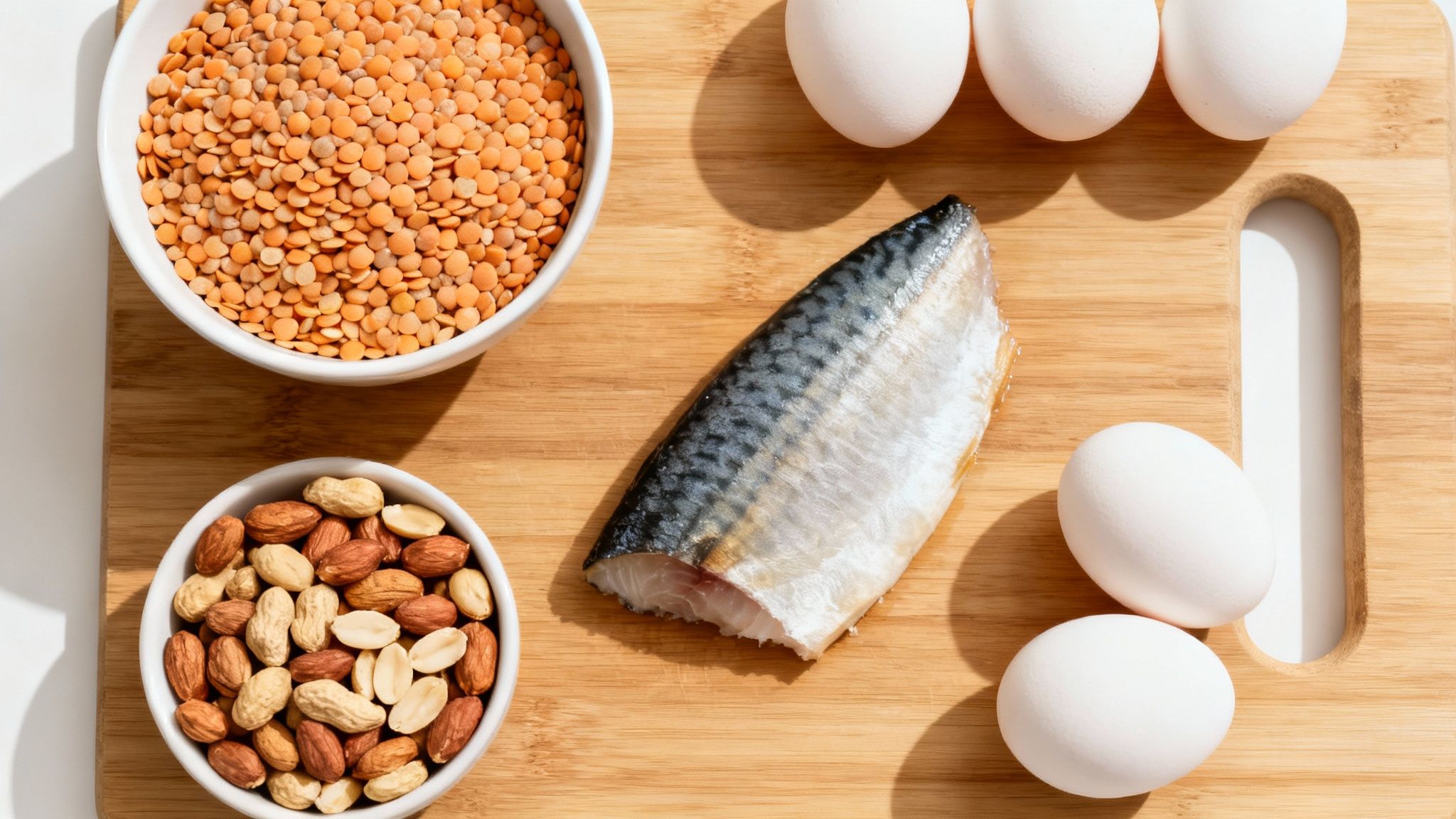
Official recommendations are a great starting point, but your personal needs may look quite different depending on your lifestyle, age, and health. That is why it is so important to know the best sources of selenium and deliberately incorporate them into your diet.
Official recommendations and your individual needs
The German Nutrition Society (DGE) gives us clear guidance: It recommends a daily intake of 60 micrograms (µg) for women and 70 µg for men for adults. The requirement is slightly higher for breastfeeding women, at 75 µg. These figures are a good guideline for basic nutritional needs.
But life is not always standard. Your personal needs may well be higher, for example if you:
- Follow a vegan or vegetarian diet.
- Struggle with chronic gastrointestinal diseases that make it difficult to absorb nutrients.
- Regularly smoke or drink alcohol.
- Are exposed to a lot of oxidative stress, whether through intensive exercise or environmental pollution.
Another important point is that the soils in Germany tend to be low in selenium. This has a direct impact on the selenium content of plant-based foods. Studies show that average intake among adults is often only between 31 µg and 66 µg per day. This makes it clear how crucial conscious food choices are.
The best natural sources of selenium for your diet
The good news is that you can easily meet your selenium requirements with the right foods on your plate. The focus should always be on natural sources, as this allows your body to absorb and utilize the trace element most effectively.
Nature has given us an abundance of selenium-rich foods. A colorful and varied diet remains the best way to provide your body with everything it needs.
Here are some of the absolute top sources of selenium:
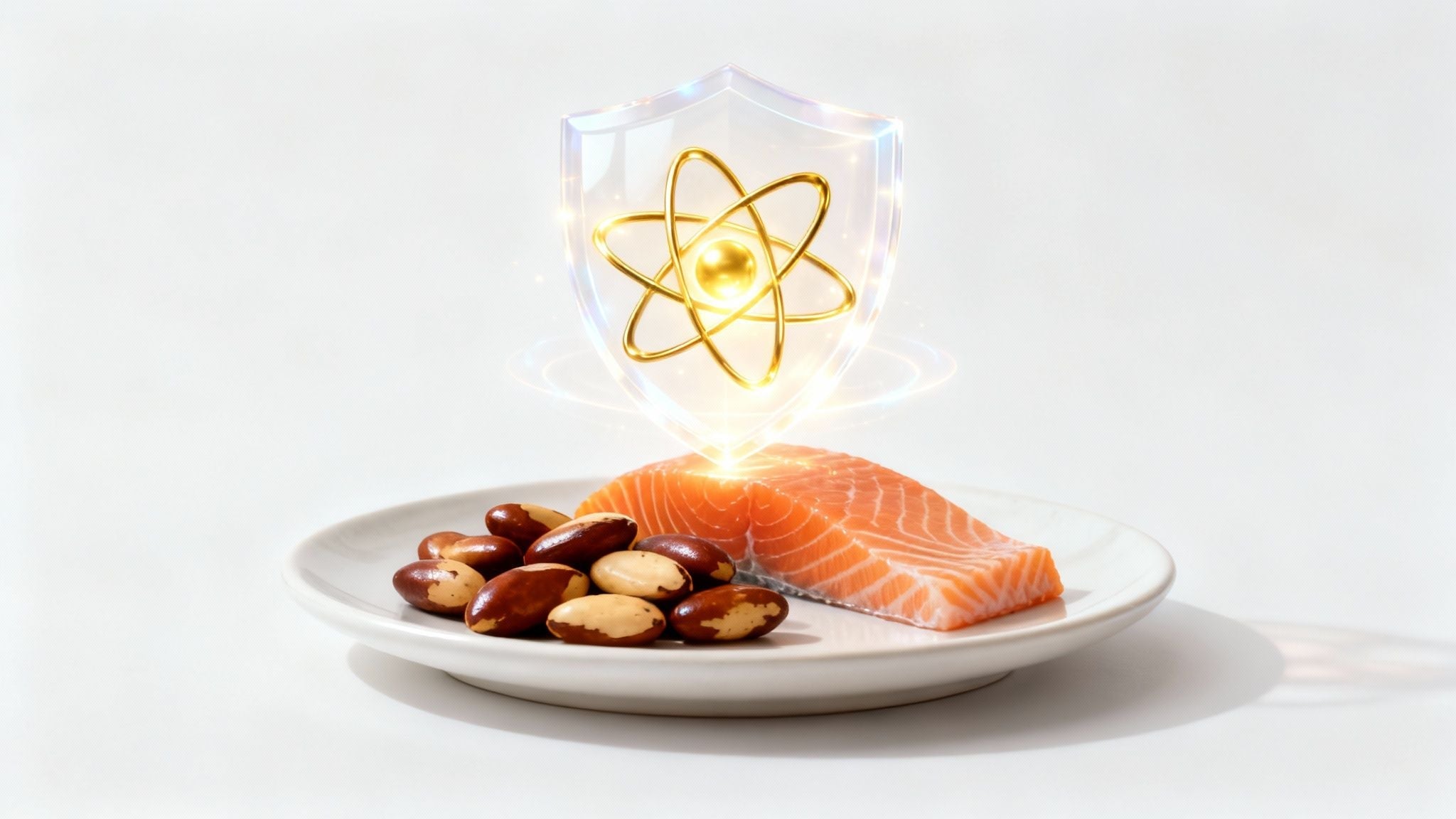
- Brazil nuts: They are the undisputed stars! Just one or two nuts per day can cover your daily requirement. But be careful: Because they are extremely rich in selenium, you should really enjoy them only in moderation.
- Fish and seafood: Tuna, herring, sardines, and shrimp in particular are real selenium boosters.
- Meat and organ meats: Beef, pork, and poultry, as well as liver and kidneys, are also packed with this trace element.
- Eggs: The humble chicken egg makes a valuable contribution to your daily intake.
- Legumes: Lentils, chickpeas, and beans are fantastic plant-based sources—a must for vegans and vegetarians.
- Whole grains: Oatmeal, brown rice, and good whole-grain bread also provide a solid foundation.
- Vegetables: Certain vegetables such as broccoli, white cabbage, onions, and garlic also make a contribution.
Ultimately, it’s the combination that makes the difference. A balanced diet with a colorful variety of these foods is the key to success. If you want to dive deeper into the topic, take a look at our guide to selenium-rich foods. There you’ll find even more information and practical everyday tips.
How your genes influence the effects of selenium
Have you ever wondered why the healthiest diet works wonders for some people, while for others it somehow falls flat? Our genes often have a say in this. The same is true of the effects of selenium. Your body absorbs selenium through food, but how effectively it can ultimately use it to protect your cells is partly encoded in your DNA.
This fascinating interplay between what we eat and our genetic predisposition is called nutrigenetics. It is about understanding how our unique genes influence the way we absorb, metabolize, and utilize nutrients. If this has piqued your curiosity, take a look at our article What Is Nutrigenetics and How Does It Shape Our Lives?.
The role of genes in antioxidant protection
Each of us is unique—and naturally, that also applies to our genes. Certain genes are responsible for how actively our body produces antioxidant enzymes. Selenium is a crucial building block for one of the most important protective enzymes of all: glutathione peroxidase.
Here is the key point: Some people have genetic variants that cause this built-in defense system to be naturally somewhat weaker. This means their body cannot use selenium quite as effectively to capture and neutralize free radicals.
You can think of it this way: Your body has a built-in repair system for cell damage. Your genes determine how this system is equipped. Some people essentially have a premium workshop, while others have solid standard equipment.
This genetic predisposition may mean that you personally have a higher need for antioxidants such as selenium to reach the same level of protection as someone with a “stronger” genetic variant. This difference becomes particularly noticeable when your body is exposed to oxidative stress—for example, from too much sun, environmental toxins, or an unhealthy lifestyle.
How a DNA test provides clarity
And this is where it gets personal. Instead of groping in the dark, you can find out what your genetic predisposition really looks like. That is the great strength of the mybody-x Skincare DNA Metabolism Test. It is much more than a simple skin test, because it analyzes, among other things, the very genes that are crucial to your antioxidant protection.
The test gives you clear answers to the questions that really matter:
- How well does your innate defense system work? You learn whether your genes provide optimal protection or whether you have a predisposition to weaker protection.
- Do you have an increased need for antioxidants? Based on your DNA, the test shows whether you particularly benefit from nutrients such as selenium, as well as vitamins C and E.
- How can you specifically support your skin? You receive concrete recommendations tailored to your genes to protect your skin from premature aging from within.
This is how the test becomes your personal tool. It gives you the opportunity to tailor your diet and skincare precisely to your genetic needs. This allows you to make optimal use of the benefits of selenium and support your body exactly where it needs it most—for healthy skin and a strong cellular protective shield.
Finding the right dosage and avoiding risks
There is one very important rule when it comes to selenium: More is not always better. As with most trace elements, the right balance is important here too. An overdose can be just as problematic as a deficiency, so you should always manage your intake consciously and carefully.
“Too much” of a good thing can lead to so-called selenosis, in other words, full-blown selenium poisoning. This is rare, but it is still important to know the risks—especially when using high-dose supplements.
What happens in the event of an overdose?
If the body is exposed to too much selenium over an extended period, it eventually becomes overwhelmed. The symptoms of selenosis are quite varied and can manifest both physically and neurologically.
Watch for these possible signs of an overdose:
- Gastrointestinal problems: If nausea, diarrhea, or abdominal cramps occur, this could be an initial warning sign.
- Hair loss and brittle nails: Paradoxically, these symptoms resemble those of a deficiency, which makes the situation tricky.
- Skin changes: Skin rashes or redness may also occur.
- Garlic-like breath: This is a very specific and quite noticeable symptom.
- Neurological disorders: In severe cases, fatigue, irritability, or even nerve damage may occur.
The European Food Safety Authority (EFSA) has established a safe daily upper limit, known as the Tolerable Upper Intake Level. For adults, this value is 300 micrograms (µg) per day. You should not exceed this dose over the long term.
Test, don’t guess—for maximum safety
The data is fairly clear: In Germany, selenium intake tends to be rather low. The German Environment Agency has found that average intake is often at the lower end of the recommendations, which may increase the risk of certain diseases. An adequate intake is therefore important, as you can read in the German Environment Agency’s findings on selenium.
The safest way to achieve your optimal intake is through knowledge, not guesswork. A test gives you the clarity you need to act purposefully and without risk.
And this is exactly where the mybody-x tests come in. Instead of taking supplements on a whim and possibly even risking an overdose, a nutrient test provides you with a precise picture of your current selenium status. And with the Skincare DNA Metabolism Test, you can understand your body's genetic makeup. This allows you to specifically correct a confirmed deficiency or adjust your diet preventively. This way, you can ensure that you benefit fully from selenium's positive effects without putting your health at risk. If you would like to learn more about the role of nutrients like these, also read our article about what minerals actually are.
Your questions about the effects of selenium—answered briefly and clearly
There are still some unanswered questions surrounding selenium. To help you keep track, we have collected the most frequently asked questions here and summarized them in an easy-to-understand way.
Why is selenium so important for the thyroid?
Think of selenium as the ignition key for your thyroid hormones. It is crucial for converting the rather inactive storage hormone T4 into the highly active hormone T3—and that is precisely what gets your entire metabolism going. At the same time, selenium acts like a shield, protecting the sensitive tissue of your thyroid from oxidative stress.
Can I meet my selenium requirements through my diet alone?
Yes, it is possible, but it requires a little planning. The problem in Europe is that our soils are often very low in selenium, meaning plant-based foods also tend to contain less of it. The best way to ensure an adequate supply is to deliberately choose animal products or selenium-rich plant sources such as Brazil nuts and lentils.
How do my genes affect the effects of selenium?
Every body is different—and that also applies to how we process nutrients. Your DNA determines how effectively your cellular defense systems work. Some people have a genetic predisposition that results in a higher need for antioxidants such as selenium. This is important for effectively protecting cells, especially skin cells, from free radicals. The Skincare DNA Metabolism Test from mybody-x provides you with precisely these insights.
Do you want to know exactly how your genes influence your individual nutrient requirements? The mybody-x Skincare DNA Metabolism Test gives you personalized insights and helps you support your health in a targeted way.



Share now:
Calculate your biological age – Find out how fit your body really is
Omega-3 Test: Find out what’s truly good for your body