
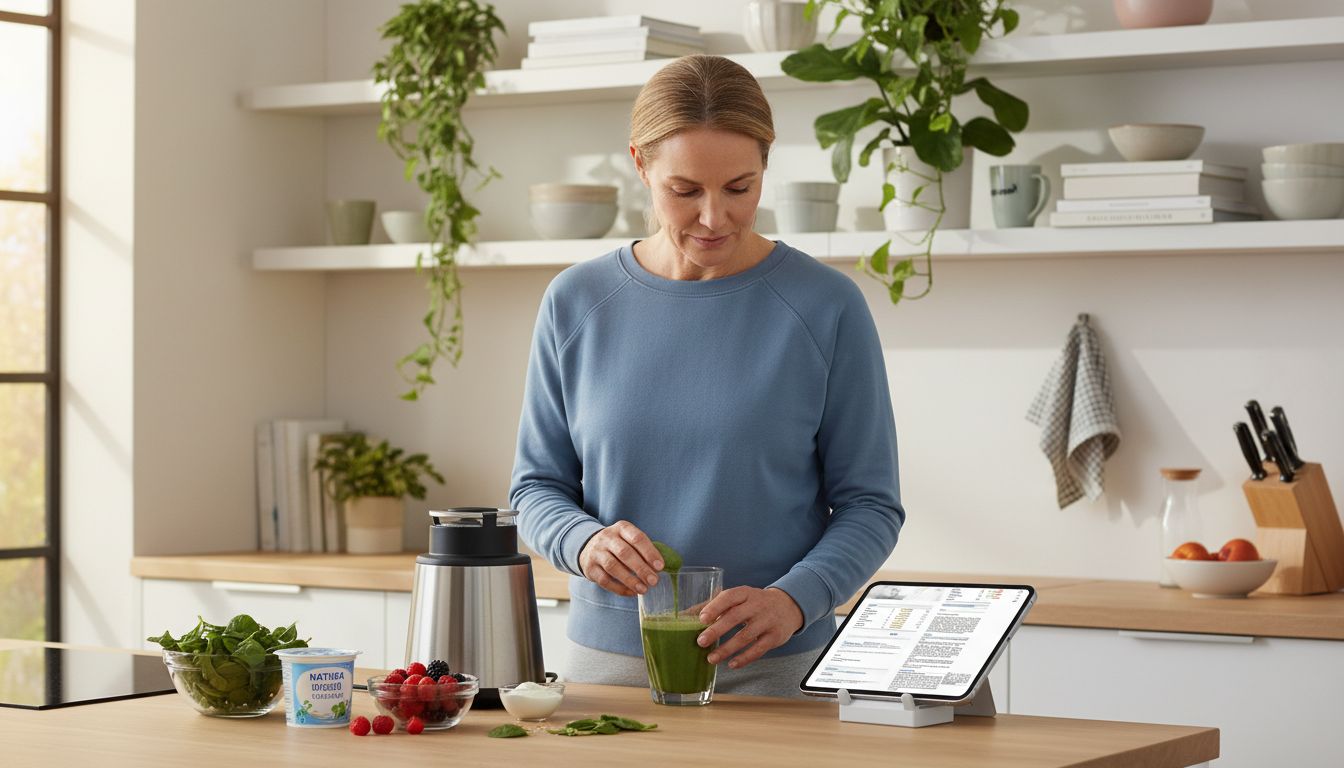
Guide to improving digestion: Step by step to greater well-being
More than 40 percent of people regularly suffer from digestive problems such as bloating or abdominal pain. Being able to interpret your body’s signals early lays the foundation for lasting gut health. In just a few structured steps, you’ll learn how to monitor your digestion effectively, use modern testing methods correctly, and develop concrete improvements for your well-being.
Table of contents
- Step 1: Preparing and recognizing your own digestive problems
- Step 2: Carrying out a certified microbiome test at home
- Step 3: Analyzing Test Results for Individual Insights
- Step 4: Implementing Personalized Nutrition and Lifestyle Recommendations
- Step 5: Reviewing progress and retesting regularly
Quick summary
| Important point | Explanation |
|---|---|
| 1. Observe your digestive problems yourself | Keep a food diary to record and identify symptoms and eating habits. |
| 2. Carry out a microbiome test at home | Use a test kit to analyze your gut flora easily; make sure to collect the sample correctly. |
| 3. Analyze your test results effectively | Interpret the results of your microbiome analysis and derive personalized recommendations for your health. |
| 4. Adjust your diet and lifestyle | Gradually implement dietary recommendations to improve your digestive health over the long term. |
| 5. Review your progress regularly | Document changes and take a follow-up test every three to six months to measure progress. |
Step 1: Preparing and recognizing your own digestive problems
Understanding your digestive health begins with careful self-observation and systematic analysis. In this first step, you’ll learn how to correctly interpret your individual digestive signals and recognize the first signs of potential problems.
According to the internationally recognized Rome criteria, digestive disorders can manifest in very different ways. Therefore, pay attention to recurring symptoms such as persistent bloating, irregular bowel movements, abdominal pain, or discomfort after eating. Keep a detailed food diary documenting the following:
- Timing and composition of your meals
- When symptoms occur
- Type and severity of symptoms
- Foods consumed and their quantities
With symptoms such as fermentation dyspepsia, specific signs like bloating, diarrhea, and upper abdominal discomfort may indicate insufficient carbohydrate breakdown. A structured diary can help you and potentially healthcare professionals identify patterns and develop targeted measures.
Warning: Do not ignore persistent or severe digestive problems. If symptoms last longer than two weeks or affect your quality of life, consult a doctor for a professional evaluation.
Step 2: Carrying out a certified microbiome test at home
To truly understand your gut health, you need more than just guesswork: you need scientifically sound insights. In this step, you’ll learn how to carry out a professional microbiome test at home accurately and easily.
The process is extremely simple and consists of clear steps. First, open the test kit and carefully read the instructions for use. They contain all the necessary details for collecting the sample correctly. Pay particular attention to:
- Hygienic Preparation
- Correct Sample Collection
- Proper Packaging and Shipping
It is important to store the sample in a cool place immediately after collection and send it for analysis promptly.
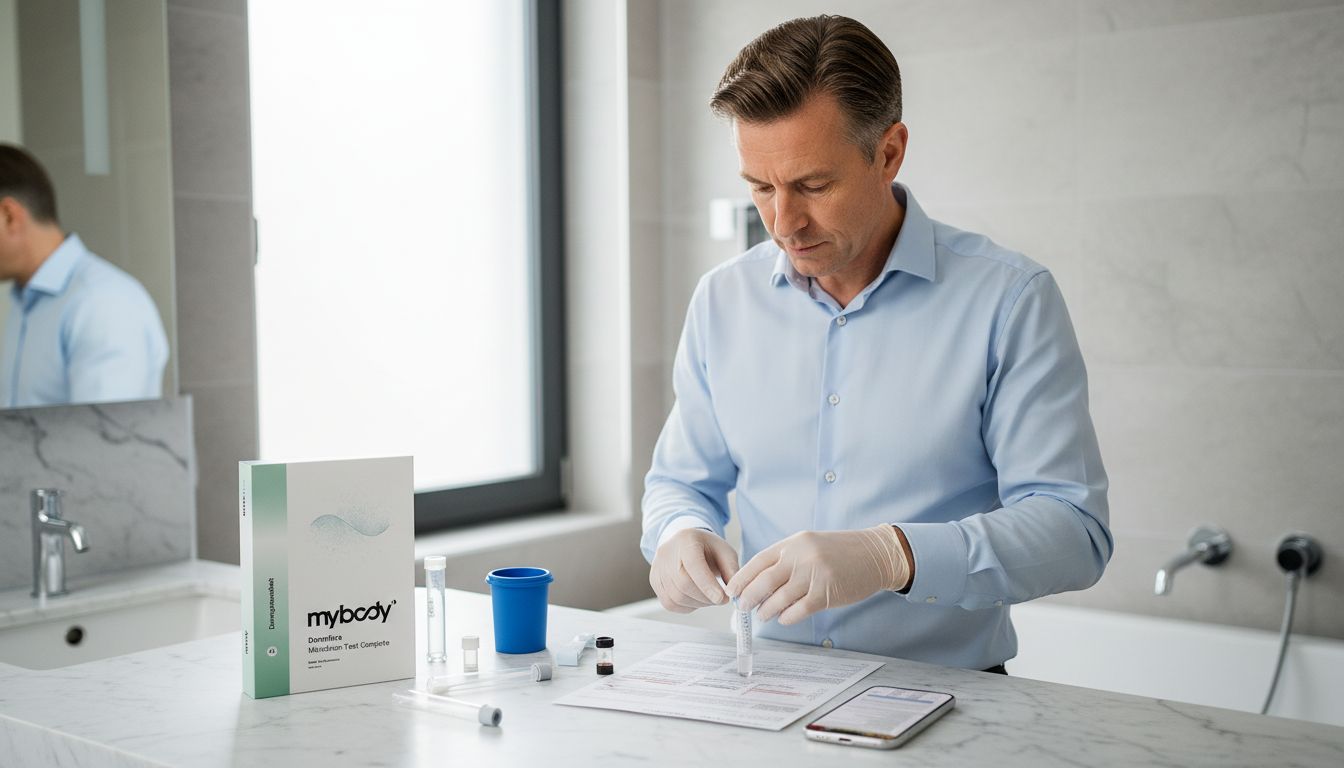 The microbiome test for gut flora analysis enables a detailed examination of your individual bacterial composition.
A professional tip: Avoid major dietary changes or taking medication in the days before the test to obtain representative results. Once your test kit arrives at the laboratory, you can expect your personalized results within approximately three weeks.
Step 3: Analyzing Test Results for Individual Insights
Your microbiome test results are here! Now begins the exciting process of interpreting and understanding your individual gut flora. In this step, you’ll learn how to analyze your results effectively and derive your first concrete recommendations for action.
The analysis of your microbiome test provides detailed insights into your bacterial composition. Pay particular attention to:
- Diversity of Your Gut Bacteria
- Ratio of Beneficial to Potentially Harmful Bacterial Strains
- Indications of Possible Imbalances
- Specific Recommendations for Optimization
When reviewing your results, remember: Stay relaxed and consult a nutritionist or doctor if you have any concerns. Genetic analysis of your gut flora helps you understand your health holistically and make targeted improvements.
An important practical tip: Don’t compare your current results directly with those of other people. Every microbiome fingerprint is unique. Instead, focus on your individual potential for improvement and your personalized recommendations for action.
Step 4: Implementing Personalized Nutrition and Lifestyle Recommendations
Now it’s time to bring your personalized microbiome analysis results to life. In this step, you’ll learn practical strategies for translating your findings into everyday actions and sustainably improving your digestive health.
When implementing your individual dietary recommendations, you should proceed systematically and mindfully. Start by focusing on the following key aspects:
- Gradual dietary changes
- Targeted supplementation
- Stress reduction
- Exercise and physical activity
- Sufficient sleep and recovery
The key is consistency and patience. Foods that boost your metabolism can help optimize your gut health. Aim for a balanced diet rich in fiber and probiotic foods, and pay attention to individual intolerances.
An important practical tip: Keep a food diary to document your progress. Record changes in your well-being, digestion, and energy levels. This allows you to continuously assess the effectiveness of the measures and adjust them as needed.
Step 5: Reviewing progress and retesting regularly
After implementing your initial dietary recommendations, it is time to evaluate your progress and understand how your gut health is developing. In this step, you will learn how to systematically document your changes and carry out another at-home gut test.
A structured approach to monitoring progress includes several important elements:
- Comparing microbiome results
- Analyzing your food diary
- Assessing your general well-being
- Identifying further optimization opportunities
The ideal time for a follow-up test is approximately three to six months after your first at-home stool test. This allows you to make valid statements about changes in your gut microbiome and assess the effectiveness of your measures.
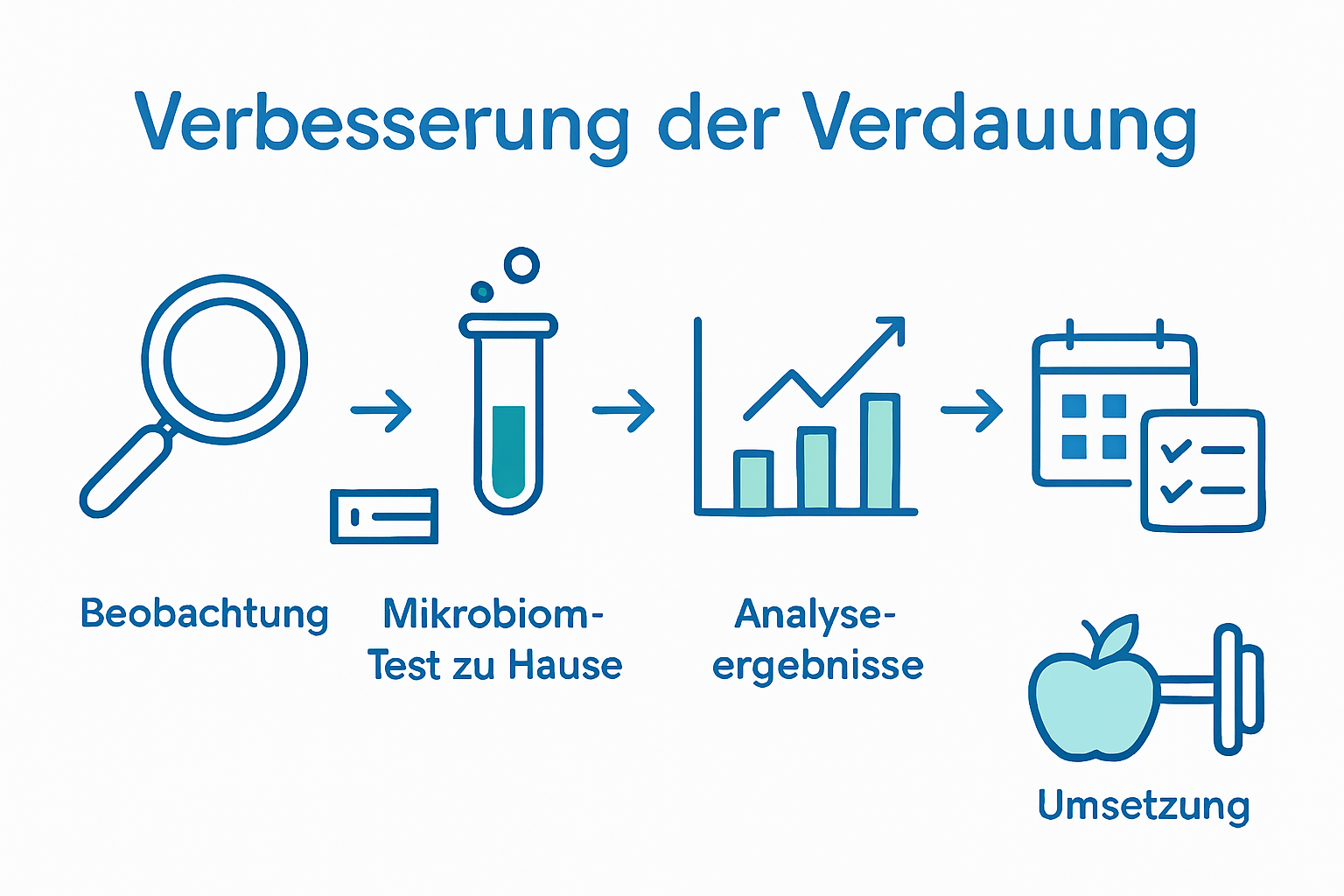
A professional tip: Stay patient and realistic. Gut health is a dynamic process. Small changes add up and lead to significant long-term improvements in your well-being.
Experience the difference a healthy digestion makes
Many people struggle daily with digestive problems such as bloating, abdominal pain, or irregular bowel habits. These symptoms affect not only physical well-being but also quality of life. This is exactly where targeted gut microbiome analysis comes in. Using state-of-the-art laboratory diagnostics, it enables you to understand precisely how your individual gut microbiome is composed and which measures can sustainably improve your digestion.
Benefit from the scientifically backed solutions from mybody®x for your health. Our Gut Flora Analysis – For a Healthy Gut Flora - mybody®x gives you comprehensive insight. You will also find helpful offers for Understanding and Relieving Digestive Problems | mybody®x. Don't wait any longer—restore balance to your digestion with simple steps. Start now with our comprehensive testing options and choose your wellbeing at https://mybody-x.com
Frequently Asked Questions
How can I recognize my own digestive problems?
Look out for symptoms such as persistent bloating, abdominal pain, or irregular bowel movements. Keep a food diary to document your symptoms and identify patterns.
What comes after the at-home microbiome test?
After receiving your test results, analyze them carefully. Pay particular attention to the diversity of your gut bacteria and develop individualized dietary recommendations based on the results.
How do I implement the dietary recommendations?
Change your diet gradually by introducing specific foods and reducing unhealthy options. For example, start by increasing your fiber intake over the next two weeks.
When should I take a follow-up test?
Take a follow-up test approximately three to six months after your initial test to evaluate your progress and review the effectiveness of your measures. Continue keeping a food diary to record personal changes.
What steps can help reduce stress for better digestion?
Use relaxation techniques such as meditation or yoga to reduce stress. Incorporate these practices regularly into your daily routine to support your digestion in the long term.
How can I document my progress effectively?
Use a food diary to record daily changes in your wellbeing and digestion. Make sure to write entries at least once a week to identify trends and improvements.
Recommendation
- Promote Gut Health for Greater Wellbeing – mybody®x
- Healthy Gut: How to Strengthen Your Gut Flora | Gut Health – mybody®x
- No Feeling of Satiety? 7 Causes & Tips That Really Help – mybody®x
- Leaky Gut Nutritional Therapy: Your Path to a Healthy Gut – mybody®x
- Understanding Digestive Health Foods for Optimal Wellbeing – naturessoulshop
- Gut Health Explained: Foundations, Benefits, and Risks - Mom on Quack


Share now:
How to Collect a Stool Sample Properly: Your Guide to a Successful Bowel Test
Role of gut bacteria: Everything important explained