
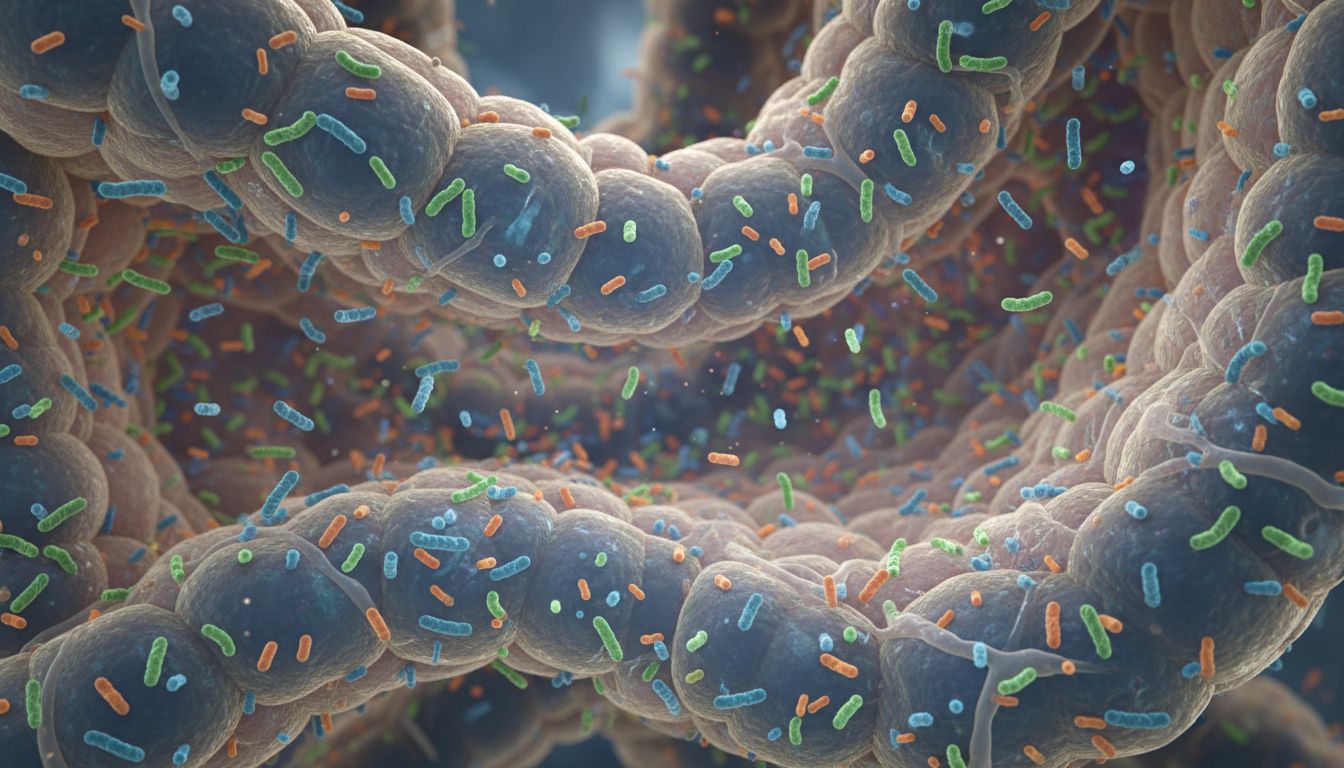
The role of gut bacteria: Everything you need to know
More than 100 trillion bacteria live in your gut and act as an invisible team supporting your health. They influence not only your digestion but also your immune system, mood, and even your weight. When this delicate balance is disrupted, discomfort and illness can result. This overview shows you how important the microbiome really is and why a healthy gut is the key to well-being and energy.
Table of contents
- What are gut bacteria and the microbiome?
- How gut bacteria regulate digestion and immune defenses
- Influence of the Microbiome on Metabolism and Weight
- Dysbiosis: Symptoms, Risks, and Prevention Strategies
- Personalized microbiome analysis and nutrition tips
Key findings
| Point | Details |
|---|---|
| The microbiome and health | The microbiome plays a crucial role in health, influencing digestion, the immune system, and mental health. A balanced microbiome can help prevent chronic diseases. |
| The impact of diet and lifestyle | Diet, exercise, and stress management are crucial for a healthy microbiome. Probiotic foods and a high-fiber diet promote gut flora health. |
| Recognizing and preventing dysbiosis | An imbalance in the gut flora causes health problems. Preventive measures such as a healthy diet and stress reduction are important. |
| Personalized microbiome analysis | An individual analysis helps you understand your own gut flora and receive targeted dietary recommendations. Measures should be tailored to your specific needs. |
What are gut bacteria and the microbiome?
Your body is home to a complex ecosystem of microscopic organisms collectively known as the microbiome. These tiny inhabitants—mainly bacteria—primarily colonize your digestive tract and play a crucial role in your health.
The gut flora, also known as the intestinal microbiota, comprises thousands of different bacterial species. These microorganisms are not intruders but loyal companions that live in a symbiotic relationship with your body. They help you digest food, support your immune system, and even influence your mood and mental health.
Scientific studies show that a balanced microbiome is crucial to your health. Every person has a unique composition of gut bacteria, shaped by factors such as diet, lifestyle, genetics, and environmental influences. A healthy microbiome can reduce inflammation, improve nutrient utilization, and even lower the risk of chronic diseases. With a microbiome test, you can learn more about your individual gut flora and take targeted measures to optimize your health.
The most important functions of your microbiome at a glance:
- Digestion of Complex Food Components
- Production of important vitamins
- Strengthening the immune system
- Protection Against Harmful Microorganisms
- Regulation of metabolic processes
How gut bacteria regulate digestion and immune defenses
Your gut bacteria are true multitaskers that support far more than just digestion. They function as a complex ecosystem that is crucial to your health. Symbiotic gut bacteria maintain the intestinal barrier and play a central role in regulating your immune system.
Gut bacteria perform extraordinary functions during digestion. They break down difficult-to-digest food components using special enzymes and make nutrients available to your body. In the process, they produce important vitamins and metabolic products that directly benefit your health. A balanced gut flora not only helps with nutrient utilization but also supports the digestive processes.

Your immune system also benefits enormously from your gut flora. These microorganisms train and activate your immune cells, enabling your immune system to respond to pathogens more quickly and effectively. Gut health is therefore key to strengthening your immune defenses. An imbalanced gut flora, on the other hand, can trigger inflammatory reactions and increase susceptibility to illness.
The most important functions of your gut bacteria:
- Digestion of Complex Food Components
- Production of Essential Vitamins
- Activation and Training of the Immune System
- Protection Against Harmful Microorganisms
- Maintenance of the Gut Barrier
Influence of the Microbiome on Metabolism and Weight
Your microbiome is not merely a passive companion but an active director of your metabolism. The intestinal microbiome fundamentally influences the development of organs and metabolic processes. It plays a crucial role in regulating weight, digestion, and energy balance.
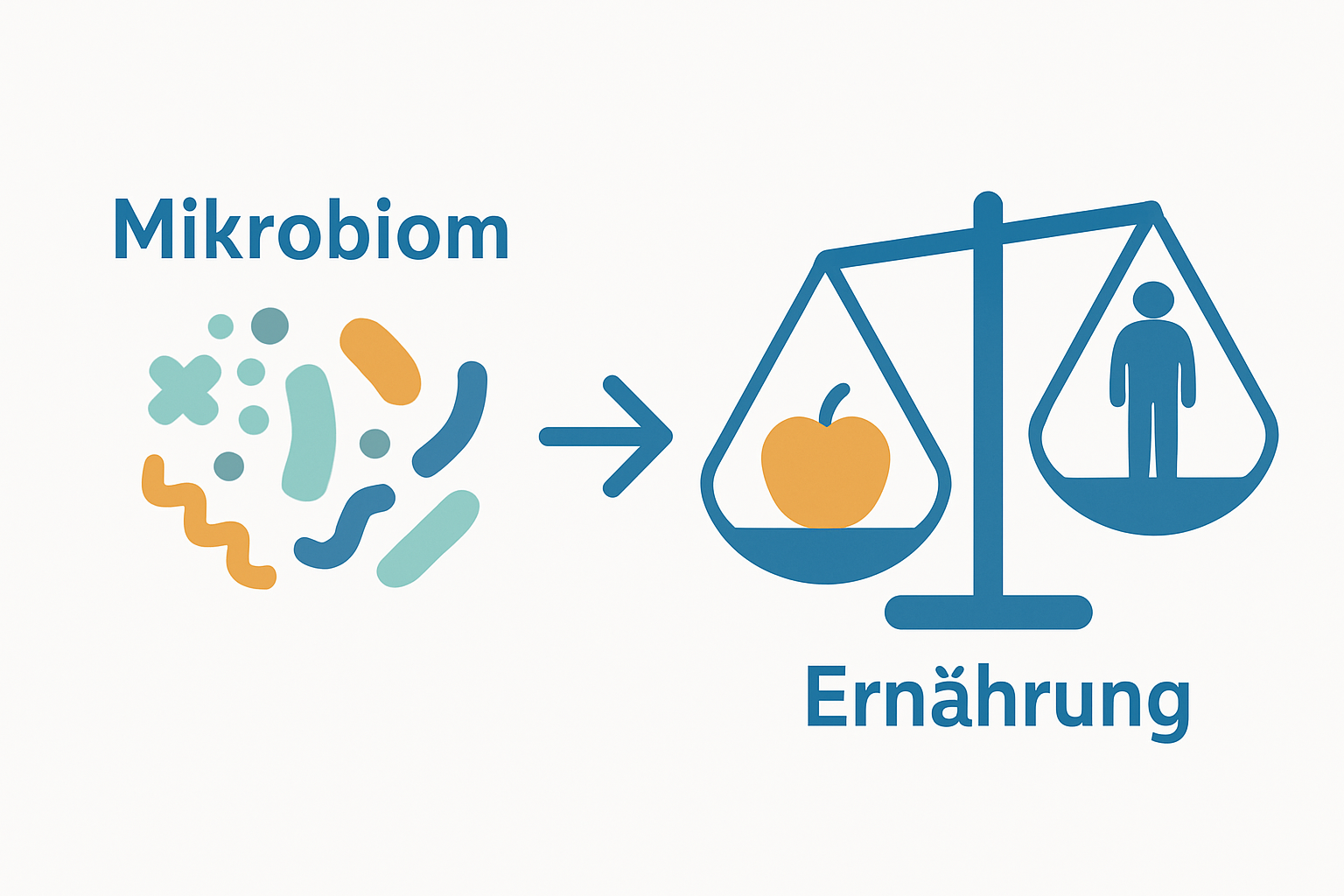
An imbalance in your gut flora, also called dysbiosis, can have significant effects. This disruption alters metabolic activity and leads to changes in metabolic byproducts. Certain bacterial strains can influence calorie absorption, promote fat storage, and even regulate feelings of hunger.
With the right nutrition guide for a healthy gut feeling, you can positively influence your microbiome balance. A balanced gut flora not only supports your digestion but also helps regulate your weight. It produces important metabolic byproducts, reduces inflammation, and may even improve your insulin sensitivity.
Key Factors for a Healthy Metabolism:
- Varied Diet
- Regular exercise
- Stress reduction
- Adequate sleep
- Probiotic foods
Dysbiosis: Symptoms, Risks, and Prevention Strategies
Dysbiosis refers to a critical imbalance in your gut flora. A disruption between “good” and “bad” bacteria in the gut can have far-reaching consequences for your health. This microbiological imbalance does not arise by chance but is influenced by various circumstances of daily life.
The causes of dysbiosis are diverse. An unhealthy diet, chronic stress, antibiotic use, and environmental factors can throw your gut microbiome out of balance. Typical symptoms include digestive problems, bloating, diarrhea, or constipation, as well as skin problems, mood swings, and a weakened immune system.
With targeted gut health strategies, you can prevent dysbiosis and restore balance to your gut flora. Probiotic foods, a fiber-rich diet, stress management, and sufficient exercise are important preventive measures.
Prevention tips for dysbiosis:
- A diverse and balanced diet
- Regular exercise
- Stress reduction
- Adequate sleep
- Probiotic foods
- Avoiding excessive alcohol and sugar
Personalized microbiome analysis and nutrition tips
Everyone has a unique composition of gut bacteria that functions like an individual bacterial fingerprint. A personalized nutrition analysis can help you understand your specific gut flora and optimize it in a targeted way.
Scientific analysis of your microbiome provides precise insights into your gut health. A balanced diet rich in diverse, fresh, fiber-rich foods supports a healthy gut flora. At the same time, you should minimize factors such as stress, industrially processed foods, and unnecessary antibiotic use.
A personalized microbiome analysis not only helps you identify current imbalances but also develop preventive measures. You receive customized nutritional recommendations precisely tailored to your individual gut flora and designed to support your long-term health.
Key elements of a microbiome-friendly diet:
- A diverse range of plant-based foods
- Probiotic foods
- A diet rich in fiber
- Reducing sugar and industrially processed products
- Adequate fluid intake
Discover the power of your gut bacteria with mybody® now
The role of your gut bacteria is crucial to the well-being and health of your entire body. If you experience digestive problems such as bloating or discomfort, or want to strengthen your immune system, it is high time to take a closer look at your personal gut flora. Dysbiosis can cause many complaints and limit your quality of life. This is where the precise gut flora analysis – for healthy gut flora - mybody®x comes in, showing you how your microbiota is composed through state-of-the-art laboratory analysis and how you can strengthen it in a targeted way.
Trust the ISO-certified laboratory of mybody® Lab GmbH and benefit from scientifically sound results with personalized nutrition tips. Do not let your microbiome become unbalanced and put a strain on your metabolism or immune system. Test conveniently from home with our at-home gut screening and intolerance test – mybody®x and confidently take charge of your journey toward better health. Learn more about your gut health at mybody-x.com and start bringing your gut bacteria into balance today.
Frequently asked questions
What are gut bacteria and what role do they play in the body?
Gut bacteria are microorganisms that live in the digestive tract. They play an important role in digestion, support the immune system, and influence overall health.
What is dysbiosis and what symptoms does it cause?
Dysbiosis refers to an imbalance in the gut flora that can be caused by an unhealthy diet, stress, or antibiotics. Symptoms include digestive problems, mood swings, and a weakened immune system.
How can I improve my gut flora?
A balanced diet rich in fiber and probiotic foods, along with regular exercise and stress management, is essential for the health of your gut flora.
What is a microbiome test and how does it help me?
A microbiome test analyzes the composition of your gut bacteria. This can help you identify imbalances and take targeted measures to optimize your health.



Share now:
Improve digestion guide: Step by step to greater well-being
What is microbiome analysis? Everything you should know