
Leaky Gut Nutritional Therapy: Your Path to a Healthy Gut
With leaky gut, targeted nutritional therapy is key to repairing your permeable intestinal barrier. The principle is actually quite simple: eliminate anything that unnecessarily irritates your gut and fuels inflammation. Instead, fill your diet with nutrient-rich, healing foods that help your intestinal lining regenerate and restore balance to your microbiome.
What Leaky Gut Means for Your Body

You keep hearing about “leaky gut,” but what is really behind it? Imagine your intestinal barrier as an extremely clever bouncer. It is a tightly woven wall of cells that decides exactly what may enter your bloodstream—namely, only nutrients that have been properly broken down.
With leaky gut, this bouncer effectively develops gaps. The wall becomes fragile.
When the Protective Wall Starts to Crumble
Through these gaps, things that absolutely do not belong there suddenly slip into your body: incompletely digested food particles, toxins, or bacteria. Your immune system immediately sounds the alarm and launches a defensive response. The result? Low-grade inflammation that can spread throughout the body.
The triggers are usually a mix of various factors of modern life:
- Chronic stress: It weakens the tight connections between intestinal cells, known as “tight junctions,” and makes them more permeable.
- The wrong diet: Too much sugar, highly processed products, and unhealthy fats throw your beneficial gut bacteria out of balance.
- Certain medications: Taking painkillers (NSAIDs) or antibiotics over an extended period puts enormous strain on your intestinal barrier.
- Infections or dysbiosis: An imbalance in the gut flora can also disrupt the gut's protective function.
This chain reaction then manifests through symptoms that, at first glance, you would not associate with the gut at all. These range from bloating and digestive chaos to constant fatigue and brain fog, as well as skin rashes or joint pain. If you want to take a deeper dive into the symptoms and causes of leaky gut, take a look at our detailed article on the subject.
Leaky gut is not a minor digestive problem. It is a serious disruption of your most important protective barrier, which can affect everything from your energy and skin to your mental clarity.
The Role of the Modern Diet
Our typically Western diet plays a particularly dubious leading role here. It is often high in sugar, unhealthy fats, and empty calories—a cocktail proven to damage the gut microbiome and intestinal barrier.
This is particularly evident in people with metabolic syndrome, which affects as many as 20–25% of adults in Germany. In these individuals, intestinal permeability is often increased. Studies even show a direct connection with the degree of fatty liver disease (NAFLD) and elevated inflammatory markers. You can find more about this research at dgmim.de.
This is exactly where Leaky Gut nutritional therapy comes in. It is not about a short-term crash diet, but about giving your gut a well-deserved break and the right building blocks for repair. The goal is clear: reduce inflammation, close the gaps in the intestinal wall, and build a healthy, strong microbiome.
Your 4-Phase Strategy for Gut Restoration
The idea of “repairing” your own gut can seem quite overwhelming at first. But don't worry—there is a clear, practical, and proven roadmap you can follow. In functional medicine, the 4-R strategy has become the gold standard for gut restoration—and it is the centerpiece of every successful Leaky Gut nutritional therapy.
Think of it as a kind of complete overhaul for your digestive system. The healing process is divided into four logical, manageable phases, allowing you to proceed step by step without losing track. Each phase has a clear goal and naturally builds on the previous one.
But before we look at the individual steps, it is helpful to understand how such therapy actually begins. The following graphic shows the typical path from the initial symptoms to a concrete treatment plan.
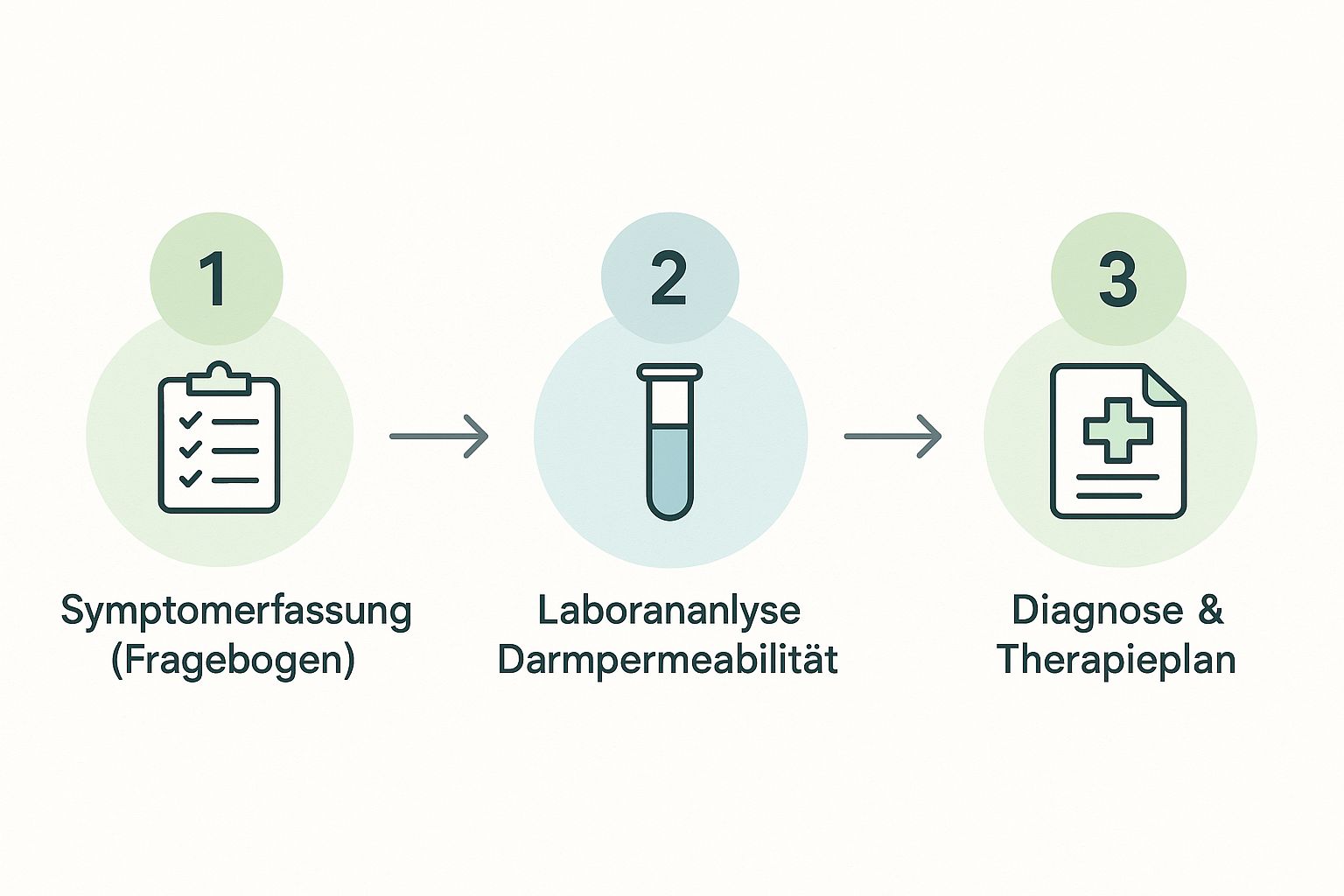
This process ensures that your Leaky Gut nutritional therapy is based on a solid foundation and not merely on speculation. A targeted plan is truly the key to success here.
To give you a quick overview, I have summarized the four phases in a table. It shows at a glance what each step is about.
| Phase | Name | Goal | Practical measures |
|---|---|---|---|
| 1 | Remove (Removing) | Eliminating irritants and triggers of inflammation. | Elimination diet (e.g., avoiding gluten, sugar, and dairy products), stress management, and, if necessary, treatment of infections. |
| 2 | Replace (Replacing) | Supporting digestive function. | Stimulating stomach acid production (e.g., with bitter compounds), supplementing digestive enzymes. |
| 3 | Reinoculate (Repopulate) | Building a healthy and diverse gut flora. | Incorporation of probiotic (fermented) and prebiotic (high-fiber) foods. |
| 4 | Repair (Restore) | Regeneration and healing of the intestinal lining. | Targeted intake of nutrients such as L-Glutamine, collagen, omega-3 fatty acids, and zinc. |
As you can see, each step follows a clear logic. Now let’s take a closer look at the individual phases.
Phase 1: Remove (Eliminate)
The very first and most important step is to banish from your everyday life anything that irritates your gut, fuels inflammation, and further weakens the gut barrier. In a sense, you create a calm, low-irritant environment so that healing has a chance to begin.
This applies primarily to certain food groups, but also to other stress factors that are often overlooked.
- Food triggers: Gluten, refined sugar, most dairy products, and highly processed foods are at the top of the “remove” list. They can directly attack the intestinal wall or disrupt the delicate balance of the gut microbiome.
- Infections & Dysbiosis: Sometimes persistent bacterial overgrowth, fungi, or parasites also need to be specifically treated to restore calm to the gut.
- Chronic stress: Never underestimate the power of stress! It is a direct enemy of your gut barrier and therefore needs to be actively managed.
This phase is really about giving your gut a genuine break. You eliminate the known irritants for a period of at least four to six weeks.
Phase 2: Replace (Replenish)
Once the sources of irritation are gone, you focus on giving your digestive system back what it may be lacking. Leaky gut often goes hand in hand with poor digestive function. Your body needs the right tools to break down food efficiently and absorb important nutrients.
The goal here is to actively support digestion. This may mean stimulating stomach acid production or supplementing missing digestive enzymes.
Good digestion is the foundation for everything else. If nutrients are not broken down properly, they cannot repair the intestinal wall—no matter how healthily you eat.
A lack of stomach acid can, for example, cause proteins to reach the intestines undigested, where they trigger fermentation processes. Even small helpers like bitters before meals or targeted enzyme supplements can make a huge difference here.
Phase 3: Reinoculate (Repopulate)
Now is the perfect time to bring the good guys back on board. The gut is less burdened, digestion is working better—and the groundwork has been laid. During this phase, you deliberately introduce beneficial bacteria to build a diverse and resilient gut microbiome.
A healthy microbiome is your best ally: It protects the intestinal wall, produces important nutrients such as short-chain fatty acids, and keeps your immune system in balance. You achieve this primarily through your diet:
- Probiotics: These are the live, beneficial bacteria. You can find them in fermented foods such as sauerkraut, kimchi, kefir, or yogurt (if you tolerate it).
- Prebiotics: These are essentially your good gut bacteria’s favorite food. They include fiber-rich foods such as leeks, onions, garlic, asparagus, and cooled potatoes (the keyword here is: resistant starch).
My tip: Start slowly with these foods so as not to overwhelm your gut, then gradually increase the amount.
Phase 4: Repair
The final phase is the crowning achievement. Here, you provide your gut with the building blocks it needs to patch the “holes” in the intestinal wall and regenerate the mucous membrane. The cells of your intestinal lining have extremely high nutrient requirements and are constantly renewing themselves.
The most important building materials for these repair tasks are:
- L-Glutamine: This amino acid is the primary energy source for your intestinal cells and absolutely essential for regenerating the mucous membrane.
- Collagen & gelatin: Found in a good bone broth, they provide valuable amino acids that are important for building the intestinal wall.
- Omega-3 fatty acids: Whether from fatty fish such as salmon or high-quality flaxseed oil, they have a powerful anti-inflammatory effect and calm the system.
- Zinc: This trace element plays a key role in maintaining the integrity of the intestinal barrier.
These four phases are not a rigid program to check off point by point, but rather a fluid process. They often overlap a little, too. However, this order gives you a clear, proven structure for your leaky gut dietary therapy.
Your shopping list for a healthy gut
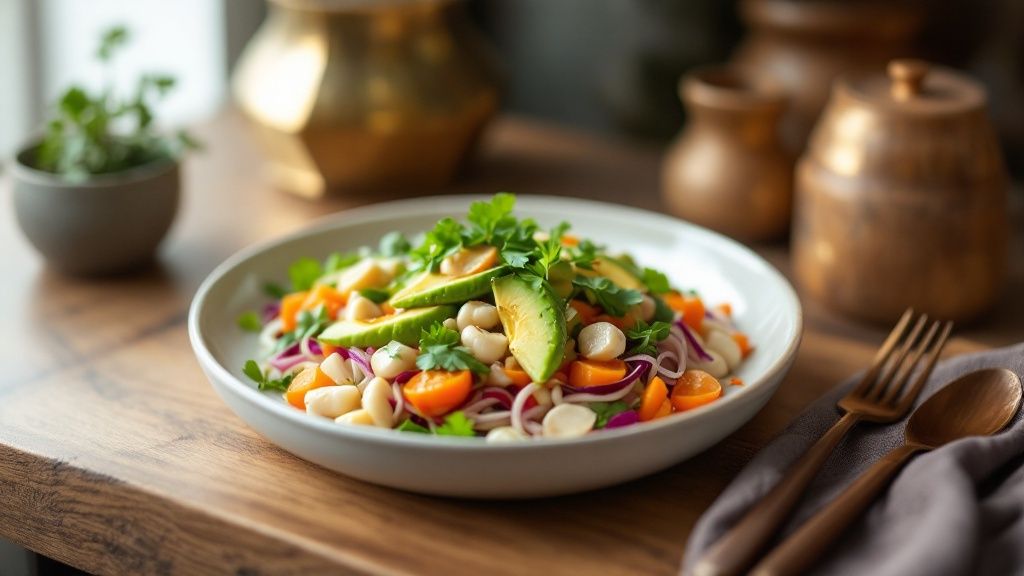
Now let’s get practical. Deciding to change your diet can feel like a huge mountain at first. But don’t worry: With the right shopping list, the path becomes much clearer and easier. Think of this section as your personal cheat sheet for your next supermarket visit.
But we go one step further. I’ll not only show you which foods you should put in your shopping cart, but also explain why they are so valuable for healing your gut. After all, successful leaky gut dietary therapy depends on consciously choosing what ultimately ends up on your plate.
The building blocks for a strong intestinal wall
Imagine rebuilding a wall with holes in it. What do you need? Good cement and sturdy bricks. Your gut works in much the same way. Your intestinal lining needs the right nutrients to regenerate and close the gaps between the cells again.
The most important building blocks are high-quality proteins, healthy fats, and the right carbohydrates. They provide the energy and substances your intestinal cells urgently need for repair.
Your shopping cart is your most powerful tool. Every food you choose is either a building block for your recovery or a potential troublemaker for your gut.
What belongs in your shopping cart from now on
Let’s focus on the foods that truly support your gut. Your shopping list should be rich in anti-inflammatory, nutrient-dense, and above all, easily digestible options.
- Bone broth: Regarded as the ultimate superfood for the gut. It is rich in collagen, gelatin, and the amino acids glycine and glutamine—all essential for rebuilding the intestinal lining.
- Fatty fish: Salmon, mackerel, and herring are packed with omega-3 fatty acids. These have a powerful anti-inflammatory effect and help calm low-grade inflammation in the body.
- Healthy fats: Avocado, extra-virgin olive oil, and coconut oil are other fantastic sources of fat. They support cellular health and provide energy without unnecessarily burdening the gut.
- Cooked vegetables: Steamed or boiled vegetables such as zucchini, squash, carrots, sweet potatoes, and leafy green vegetables like spinach are particularly easy to tolerate. They provide important vitamins without irritating the gut with too much hard-to-digest fiber.
- Fermented foods: As soon as your gut tolerates them, kimchi, sauerkraut (unpasteurized!), kefir, and kombucha are true powerhouses. They provide probiotic bacteria that help build a healthy gut flora.
What to leave on the shelf
Knowing what to avoid is just as important as choosing the right foods. Certain foods can further irritate the intestinal lining, fuel inflammation, and sabotage the entire healing process.
Gluten is the prime suspect here. In sensitive people, it can stimulate the production of zonulin—a protein that loosens the tight connections between intestinal cells, making the intestinal barrier even more permeable. Whether you have actual celiac disease or a milder intolerance is an important piece of the puzzle on the road to recovery. Learn more in our article about the differences between celiac disease and gluten intolerance.
Other troublemakers you should avoid:
- Refined sugar: Feeds the wrong bacteria in your gut and promotes inflammation.
- Ultra-processed foods: They are often full of additives, unhealthy fats, and empty calories that put a strain on your entire system.
- Certain dairy products: Many people with leaky gut are sensitive to lactose (milk sugar) or casein (milk protein). Taking a temporary break is often very helpful.
Foods for your leaky gut nutritional therapy
To make getting started easier, I’ve created this clear, easy-to-read table. It provides a direct comparison of recommended and foods to avoid, making dietary changes in everyday life much easier.
| Food group | Recommended | Foods to avoid |
|---|---|---|
| Proteins | Fish (especially fatty varieties), poultry (organic quality), eggs, bone broth, collagen powder | Processed meat (sausages), conventional red meat in large quantities |
| Fats | Avocado, olive oil (extra virgin), coconut oil, ghee, nuts and seeds in moderation (soaked) | Sunflower oil, rapeseed oil, margarine, trans fats (in fried foods and baked goods) |
| Vegetables | Steamed and cooked vegetables (zucchini, pumpkin, carrots), leafy greens (spinach), sweet potatoes | Large amounts of raw vegetables, nightshades (tomatoes, bell peppers) if sensitive |
| Fruit | Berries (blueberries, raspberries), bananas, melons (in small amounts, low in sugar) | Very sugary fruits (grapes, mango), dried fruit, fruit juices |
| Carbohydrates | Quinoa, buckwheat, rice (in moderation), cooked and cooled potatoes (resistant starch) | Gluten-containing grains (wheat, rye, barley), corn, white flour products |
| Beverages | Water, herbal teas (chamomile, peppermint), bone broth, green tea | Alcohol, sugary soft drinks, coffee (may be irritating), cow’s milk |
| Fermented foods | Sauerkraut, kimchi, kefir (water or coconut), kombucha (low in sugar) | Pasteurized yogurt with sugar, industrially produced fermented products |
Think of this list as your compass. It helps you make the right choices with confidence at the supermarket and optimally support your body’s healing process. It’s not about achieving perfection overnight, but about making conscious, gut-friendly choices every time you shop.
Targeted nutrients that repair your gut lining
Your diet is absolutely the foundation. But sometimes your gut simply needs targeted support to properly get the healing process underway. Think of it like a construction site: The right diet provides the bricks and mortar, but for the finishing work and to make everything truly stable, you need specialized tools. In leaky gut nutritional therapy, these are specific nutrients.
Here we take a look at the true heroes of intestinal regeneration. We’re talking about targeted supplements that nourish and protect your intestinal mucosa and help it rebuild itself.
L-Glutamine: Fuel for your intestinal cells
If there is a superstar among nutrients for repairing the intestinal wall, it is the amino acid L-Glutamine. Imagine your intestinal cells as small, hard-working employees who need a constant supply of energy to maintain their protective function. L-Glutamine is their absolute favorite meal.
This amino acid serves as the primary energy source for the cells of your intestinal mucosa. A deficiency can cause the cells to practically “starve” and the tight connections between them (the tight junctions) to lose stability.
Targeted supplementation with L-Glutamine helps close these gaps again and stimulate the regeneration of the mucous membrane. It supports cell division and helps restore the strength of the gut barrier.
The positive effects of L-Glutamine have been well studied. For example, studies found that daily administration of 30 grams of L-Glutamine could significantly reduce intestinal permeability in patients compared with a placebo group. The studies clearly showed that L-Glutamine can regenerate the function of the intestinal wall. You can find more information about these findings on the gut barrier at zentrum-der-gesundheit.de.
Probiotics: The helpful allies for your microbiome
An intact gut barrier and a healthy bacterial community go hand in hand. Probiotics are living microorganisms—in other words, the “good” bacteria that help restore balance in your gut.
They displace harmful pathogens, produce important substances such as short-chain fatty acids (e.g., butyrate), and even communicate with your immune system. A diverse gut flora is like a living protective layer lining your intestinal mucosa.
The following probiotic strains are particularly valuable:
- Lactobacillus strains: They help regulate the pH level in the gut and inhibit the growth of unwanted bacteria.
- Bifidobacterium strains: These are known to strengthen the barrier function and reduce inflammation.
- Saccharomyces boulardii: A beneficial yeast that can be particularly helpful for diarrhea and restoring the gut flora after taking antibiotics.
Sure, you can get probiotics from fermented foods such as kimchi or kefir. However, during the acute healing phase, a high-quality probiotic can absolutely be worthwhile as a supplement to provide targeted, high doses of the right strains.
Other important building blocks for repair
In addition to the two main players, there are other nutrients that can provide crucial support during the healing process. Each of them serves a very specific role in regenerating your intestinal wall.
Zinc This trace element is essential for the integrity of tight junctions. Zinc deficiency is directly associated with increased intestinal permeability. Zinc also supports cell division and immune system function in the intestines.
Omega-3 fatty acids These essential fats, found primarily in fatty fish, are known for their powerful anti-inflammatory effects. They help calm the chronic, low-grade inflammatory processes that often accompany Leaky Gut.
Collagen Collagen is the most abundant protein in the body and a key component of connective tissue—including in your intestinal wall. It provides important amino acids such as glycine and proline, which are needed to rebuild the intestinal lining. Homemade bone broth is an excellent source.
Digestive enzymes Sometimes the problem lies one step earlier: When food is not broken down properly, it puts additional strain on the intestines. Digestive enzymes can help break down proteins, fats, and carbohydrates more efficiently. This improves nutrient absorption while simultaneously relieving the intestines.
Dietary supplements are not a substitute for a healthy diet, but targeted support. They can accelerate the healing process when a proven need exists and they are selected correctly.
When are supplements really useful?
The use of dietary supplements should always be carefully considered. Not everyone needs everything. Leaky Gut is often associated with nutrient deficiencies because the damaged intestinal wall absorbs vitamins and minerals less effectively.
Before you simply reach for capsules or powders, however, it’s wise to know your status. Would you like to learn more about how to find out what your body is lacking? Read our article to learn how to test for nutrient deficiencies.
This kind of targeted approach, ideally coordinated with a therapist, ensures that you give your body exactly what it truly needs for the repair work.
How to master the transition in everyday life

The best theory and the most perfect nutrition plan are completely useless if implementation fails in real life. And let’s be honest: A profound dietary change like the Leaky Gut Nutrition Therapy is a real challenge. That’s exactly why this section is designed to be your practical guide, showing you how to sustainably integrate your new habits into your everyday life.
It's not about turning your life completely upside down. Rather, it's about developing smart strategies that work for you—even when your schedule is packed, you're eating out, or you're going on vacation.
Plan smart with meal prep
One of the biggest sources of stress during any diet change is this one question: “What am I going to eat today?” When hunger strikes, we quickly reach for whatever is easy—and that is rarely the right choice. Meal prep, meaning preparing meals in advance, is your most powerful tool here.
Simply set aside two to three hours on the weekend to prepare your meals for the coming days. This takes the daily pressure off and ensures that you always have a gut-friendly option ready to hand.
Practical meal prep tips:
- Lay the foundations: Cook a large portion of quinoa or buckwheat. Steam a variety of vegetables, such as broccoli, carrots, and zucchini. Pan-fry a larger quantity of chicken or fish.
- Smart combinations: You can quickly put together a variety of dishes from these building blocks. One day, combine chicken with sweet potatoes and spinach; the next, fish with quinoa and zucchini.
- Prepare healthy snacks: Cut carrots or cucumbers into sticks and put them in containers. Hard-boil a few eggs. This way, you'll be well prepared for those moments when you get a little hungry between meals.
A well-stocked refrigerator with healthy meals prepared in advance is your best insurance against cravings and poor decisions. You make it easy for yourself to do the right thing.
Overcome obstacles with confidence
Changing your diet is always a social challenge as well. Invitations to meals, restaurant visits, or celebrations can quickly become stressful. But don't worry—with a little preparation, you can overcome these hurdles too.
Dealing with social pressure: Be open and honest with friends and family. You don't need to give scientific lectures, but a simple “I'm paying close attention to my diet right now because it's good for my digestion” is usually enough to foster understanding.
Restaurant visits without stress: Check the menu online beforehand. Almost every restaurant offers grilled fish or meat with vegetables or salad. Don't hesitate to make special requests either—ask for olive oil instead of a creamy dressing, for example.
Craving something sweet? Giving up sugar is often the biggest hurdle at first. Make sure you have healthy alternatives! A handful of berries, a few dates, or a baked apple with cinnamon can satisfy your sweet tooth without putting strain on your gut.
More than just diet: Your holistic approach
Leaky gut is rarely just a dietary issue. Your lifestyle plays an equally important role in your gut health. Stress, lack of sleep, and too little exercise can significantly slow the healing process.
Stress management protects your gut Chronic stress has been shown to weaken your intestinal barrier. So find ways to consciously relax. This could be a walk in nature, a short meditation, yoga, or simply 15 minutes with a good book.
Sleep as repair time Your entire body regenerates during sleep—including your intestinal lining. Try to sleep seven to eight hours per night. Maintaining a regular sleep schedule, even on weekends, helps enormously.
Exercise that does you good Moderate exercise such as walking, swimming, or cycling promotes blood flow in the gut and can support digestion. However, avoid excessive training, as it can put additional stress on the body. As so often, a healthy balance is the key.
Changing your diet is an important step on the road to recovery. If you also want to keep an eye on your weight, you’ll find valuable tips in our guide on how to lose weight healthily without putting additional strain on your body. Remember: Every small step counts on your journey toward greater well-being.
Common questions about leaky gut nutrition therapy
You’ve now gained a pretty good overview of how to get your gut back on track with the right diet—from the 4-R strategy to everyday tips. However, from experience I know that a few very specific questions often remain at the end.
That’s exactly what I’d like to answer for you here. Think of it as a small FAQ to clear up any remaining uncertainties before you confidently and well prepared begin changing your diet.
How quickly will I notice that things are getting better?
This is probably the question burning in the mind of everyone who feels unwell. The honest answer is: it’s completely individual. Some people notice significant relief after just a few weeks—less bloating, more energy, or a clearer mind. These are fantastic initial successes that show you’re absolutely on the right track!
However, truly deep healing of the intestinal lining is more of a marathon than a sprint. It can take several months, and in some cases even more than a year. So be patient with yourself and your body. Every bit of progress, no matter how small, is a reason to be proud and a clear sign that your efforts are worthwhile.
Patience is your most important companion. Your body has suffered under these burdens for a long time—now give it the time it needs for lasting healing.
Do I have to give up gluten and dairy forever?
That’s a very understandable concern! But the good news is: not necessarily. During the initial, acute healing phase, it’s extremely important to consistently avoid known troublemakers such as gluten, refined sugar, and most dairy products. Your gut needs this break to reduce inflammation and begin repairing itself.
Once your condition has noticeably stabilized and you have felt well for an extended period, you can very cautiously start testing how you react to small amounts of certain foods. Reintroduce them one at a time and in small portions, and carefully observe what your body is telling you.
Many people find a new, personal balance here. They may enjoy these foods only rarely, on special occasions, while others realize that they simply feel better without them in the long term. A food diary can be an enormous help during this testing phase.
Can I go through the whole process on my own?
Yes, absolutely—you can implement many of the basic steps we’ve described here on your own. Conscious food choices, avoiding known irritants, and gut-friendly habits such as effective stress management are powerful tools that you have control over yourself.
However, if your symptoms are persistent, long-lasting, or very complex, I would recommend seeking professional support. An experienced nutritionist, naturopath, or doctor specializing in functional medicine can often make all the difference.
Targeted diagnostics can reveal individual triggers, such as hidden infections or specific intolerances, that are difficult to identify on your own. This allows the treatment plan, including precisely tailored nutrient supplementation, to be customized perfectly to your needs. This not only saves time but also helps you achieve the best possible results.
Are you ready to get to the root of your digestive problems and finally gain clarity? At mybody®x, you’ll find scientifically backed at-home analyses, such as our gut microbiome test. Find out what your gut really needs and receive personalized recommendations to take your health into your own hands. Discover the mybody®x tests for your gut health now.



Share now:
Understand SIBO and restore gut balance
SIBO Nutrition Counseling: 6 Proven Diet Strategies for 2025