

Gut dysbiosis: How the imbalance affects your health
Many people experience bloating, a feeling of fullness, or recurring abdominal cramps in everyday life. These symptoms are often caused by more than just a poor diet, as gut dysbiosis can disrupt the delicate balance of the microbiome and have far-reaching effects on digestion and the immune system. By paying targeted attention to the composition of their gut flora and using innovative microbiome analyses, people can gain valuable insights for greater well-being and sustainable health strategies.
Table of contents
- What is gut dysbiosis? Definition and origin
- Types and causes of gut dysbiosis
- Symptoms and Consequences of a Disturbed Gut Flora
- Diagnostic Methods and Scientific Approaches
- Treatment and prevention of gut dysbiosis
Key insights
| Point | Details |
|---|---|
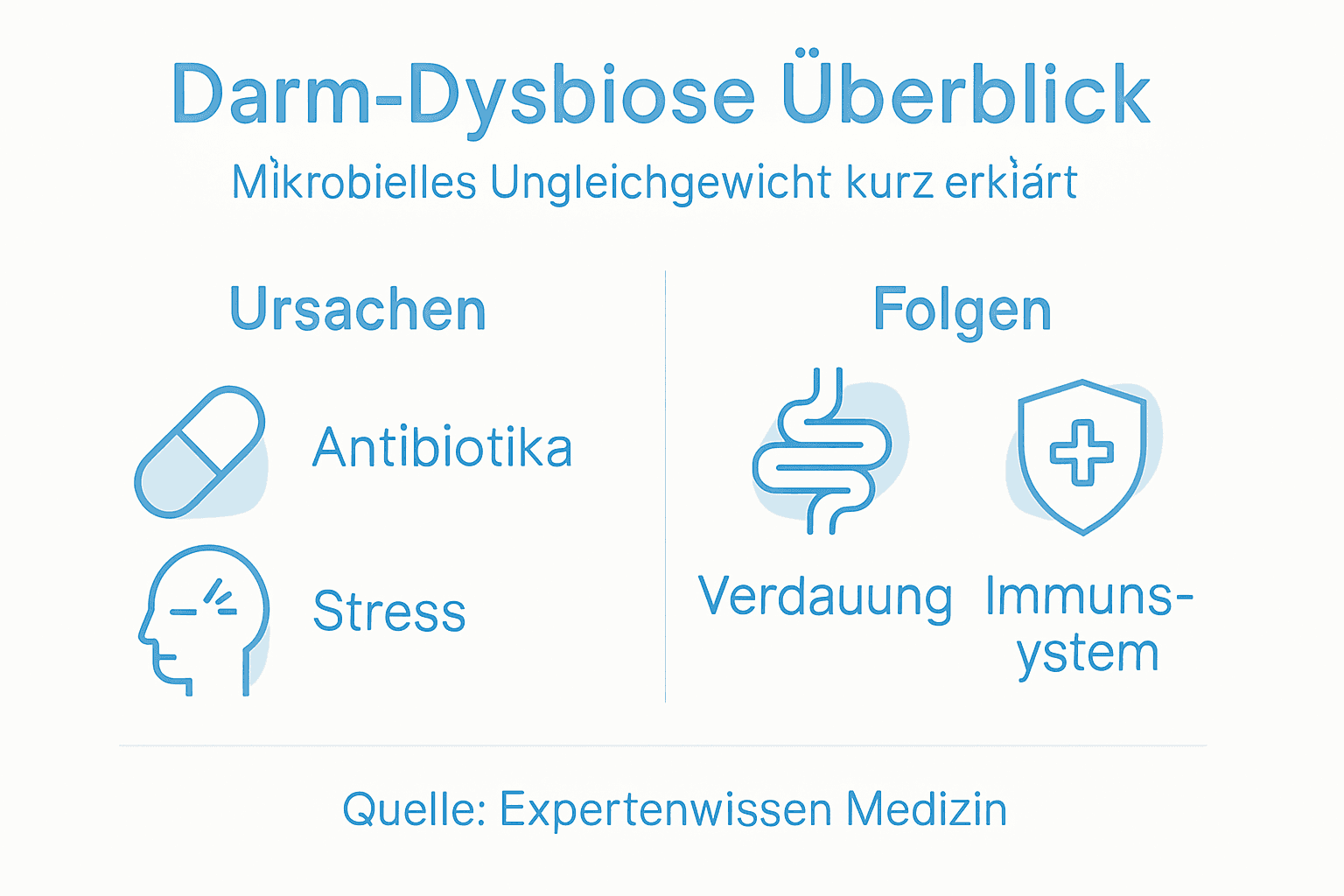
| Gut dysbiosis | A microbial imbalance in the digestive system caused by factors such as antibiotics, stress, and an unbalanced diet. |
| Symptoms | The most common symptoms include bloating, irregular bowel movements, and a weakened immune system. |
| Diagnosis | Modern diagnostic techniques use molecular genetic analyses to precisely determine the types and causes of dysbiosis. |
| Treatment | A holistic treatment approach requires dietary adjustments, probiotics, stress-reduction measures, and targeted nutritional supplements to restore the gut flora. |
What is gut dysbiosis? Definition and origin
Gut dysbiosis describes a complex microbial imbalance in our digestive system. The term comes from Greek and literally means “disturbed coexistence”—an apt description of the changes in our gut flora.
When we talk about dysbiosis, we mean a disruption of the bacterial balance that fundamentally changes the delicate ecosystem of our gut microbiome. Normally, trillions of microorganisms live in perfect balance, supporting our health.
The main causes of gut dysbiosis are:
- Excessive use of antibiotics
- Chronic stress
- Unbalanced diet
- Environmental influences
- Hormonal changes
These factors can cause harmful bacteria to multiply excessively and beneficial microorganisms to be displaced. The consequences range from digestive problems to weakened immunity.
Microbiome composition
A healthy microbiome consists of approximately 100 trillion bacteria comprising more than 1,000 different species. In dysbiosis, this delicate balance shifts, which can have far-reaching health effects.
Pro tip: Pay attention to a balanced diet with prebiotic foods to support your gut flora and prevent an imbalance.
Types and causes of gut dysbiosis
Science distinguishes between different types of gut dysbiosis, each of which has different effects on our bodies. Basically, two main forms can be distinguished: qualitative and quantitative dysbiosis.

Qualitative dysbiosis This form is characterized by the absence of important gut bacteria or the unwanted presence of microorganisms that normally do not occur in the gut. For example, fungi or pathogens can disrupt the natural balance of the microbiome.
Quantitative dysbiosis In this form, all bacterial species are present, but their composition shifts dramatically. Harmful bacteria gain the upper hand and displace beneficial microorganisms.
Here is an overview comparing qualitative and quantitative forms of dysbiosis:
| Characteristic | Qualitative dysbiosis | Quantitative dysbiosis |
|---|---|---|
| Definition | Missing or novel microbes | Altered proportions |
| Typical microorganisms | Presence of fungi or pathogens | Excess harmful bacteria |
| Diagnostic focus | Identification of novel species | Quantitative determination of existing |
| Possible consequences | Infections, inflammation | Dominance of unwanted bacterial strains |
The most common causes of gut dysbiosis include:
- Long-term antibiotic use
- Chronic stress
- Unbalanced, nutrient-poor diet
- Environmental toxins and chemicals
- Hormonal changes
- Chronic diseases
A disrupted gut flora can have far-reaching consequences for our health—from digestive problems to weakened immunity.
Any form of dysbiosis can have different health consequences. While some people primarily experience digestive problems, others may suffer from weakened immunity, inflammatory reactions, or hormonal imbalances.
Pro tip: Pay attention to a balanced, fiber-rich diet and reduce stress to naturally support your gut flora.
Symptoms and Consequences of a Disturbed Gut Flora
A disturbed gut flora can have far-reaching effects on our entire organism. The symptoms vary widely from person to person, which often makes diagnosis difficult.
Digestive Symptoms The most common signs of intestinal dysbiosis affect the digestive tract. They include:
- Chronic flatulence
- Irregular bowel movements
- Diarrhea or constipation
- Abdominal cramps and bloating
- Food intolerances
Systemic Effects Beyond digestion, a disturbed gut flora can have massive effects on various body systems:
- Weakened immune system
- Increased susceptibility to infections
- Chronic inflammatory processes
- Skin problems such as acne or eczema
- Hormonal imbalances
The gut flora affects far more than just digestion—it is key to our overall well-being.
The psychological effects are particularly interesting. A disturbed gut flora can contribute to mood swings, anxiety, and even depression. The gut is not called the “second brain” for nothing.
In the long term, untreated dysbiosis can lead to serious health problems, including autoimmune diseases, nutrient deficiencies, and chronic inflammation.
Pro tip: Follow a varied, high-fiber diet and reduce stress to support your gut health.
Diagnostic Methods and Scientific Approaches
Modern scientists have developed various innovative methods to diagnose intestinal dysbiosis precisely. These diagnostic procedures enable a detailed analysis of the individual gut microbiome.
Molecular Genetic Analysis Methods The most important diagnostic approaches include:
- DNA-based stool sample analyses
- Genetic fingerprints of intestinal bacteria
- Quantitative determination of the dysbiosis index
- Comparison with reference microbiomes
- Molecular identification of bacterial strains
The precision of modern diagnostics makes it possible for the first time to examine our internal bacterial ecosystem in high resolution.
Scientific Diagnostic Parameters Various markers are examined for a comprehensive assessment:
- Bacterial balance (Bacteroides/Clostridia ratio)
- Amount of specific bacterial species
- Inflammatory markers
- Gut barrier function parameters
- Immunological response patterns
These non-invasive examination methods provide doctors and patients with detailed insight into the complex processes of the gut microbiome. They help develop individualized therapeutic approaches and plan targeted treatment strategies.
Pro tip: Have a comprehensive microbiome test performed regularly to detect changes in your gut flora at an early stage.
Treatment and prevention of gut dysbiosis
Treating gut dysbiosis requires a holistic approach that combines various scientifically supported strategies. The goal is to restore the microbial balance and stabilize it over the long term.
Nutritional therapy approaches Key therapeutic strategies include:
- Gradually increasing fiber intake
- Integrating probiotics and prebiotics
- Avoiding harmful food additives
- Promoting health-supporting bacterial strains
- Reducing sugar and processed foods
Supplementation and nutrients Targeted supplements are particularly effective:
- Butyrate
- Vitamin B2 and B3
- Lactobacillus acidophilus
- Zinc
- Omega-3 fatty acids
The right diet is the key to restoring a healthy gut microbiome.
In addition to dietary measures, lifestyle factors play a crucial role. Regular exercise, sufficient sleep, and stress reduction can positively influence the gut flora and support the regeneration process.
The following table summarizes key therapeutic components and their goals:
| Therapeutic approach | Goal | Additional measure |
|---|---|---|
| High-fiber diet | Promoting beneficial bacteria | Vegetables, whole-grain products |
| Probiotic supplementation | Building gut diversity | Yogurt, fermented foods |
| Lifestyle optimization | Reduction of stress factors | Exercise, sufficient sleep |
| Specific micronutrients | Improved gut barrier | Zinc, omega-3, B vitamins |
Pro tip: Keep a food diary to identify and specifically address individual triggers and food intolerances.
Understand gut dysbiosis in a targeted way and address it effectively
Are you suffering from unpleasant digestive problems or feel that your gut microbiome has become unbalanced? Then it is time to take action. The causes of gut dysbiosis are varied and affect not only your digestion but also your immune system and well-being. With well-founded analyses, you can find out exactly what the composition of your gut microbiome is like and which measures are personally suitable for you.
Discover the benefits of a gut microbiome analysis – For a healthy gut microbiome - mybody®x and gain a better understanding of your individual symptoms. Learn how targeted tests can help you understand and alleviate digestive problems | mybody®x step by step and restore your gut health. Get started today at https://mybody-x.com and benefit from scientifically validated laboratory analyses conveniently performed at home, personal advice, and sustainable nutrition recommendations for a better quality of life.
Frequently Asked Questions
What is gut dysbiosis?
Gut dysbiosis describes an imbalance of microorganisms in the gut that can negatively affect health. It occurs when harmful bacteria gain the upper hand and beneficial microbes are displaced.
What symptoms indicate gut dysbiosis?
Typical symptoms include chronic bloating, irregular bowel movements, abdominal cramps, food intolerances, and systemic effects such as a weakened immune system and skin problems.
What are the most common causes of gut dysbiosis?
Common causes include excessive antibiotic use, an unhealthy diet, chronic stress, environmental factors, and hormonal changes. These factors can disrupt the microbial balance in the gut.
How can I treat or prevent gut dysbiosis?
The treatment includes a high-fiber diet, the integration of probiotics and prebiotics, as well as general lifestyle changes such as stress reduction and regular exercise to stabilize the microbial balance.
Recommendation
- Healthy Gut: How to Strengthen Your Gut Microbiome | Gut Health – mybody®x
- Gut Health Nutrition: Your Immune System Booster for Fall – mybody®x
- Building a Healthy Gut Microbiome: Your Nutrition Guide for a Healthy Gut Feeling – mybody®x
- Microbiome Test Explained: How the Gut Microbiome Analysis Works – mybody®x
- Understanding Hair Health: The Science Behind It | MyHair



Share now:
Microbiome Diagnostics: The Key to Gut Health
Perform a microbiome test correctly: step-by-step analysis