

Stop Bloating After Eating: What Really Helps
Bloating after eating is often a clear signal that too much gas is involved in your digestion. Usually, there’s nothing serious behind it—often it’s certain foods, eating too quickly, or a slight imbalance in your gut bacteria. The good news: In most cases, it’s completely harmless and can be managed again with a few simple adjustments.
Why Your Belly Rebels After Eating
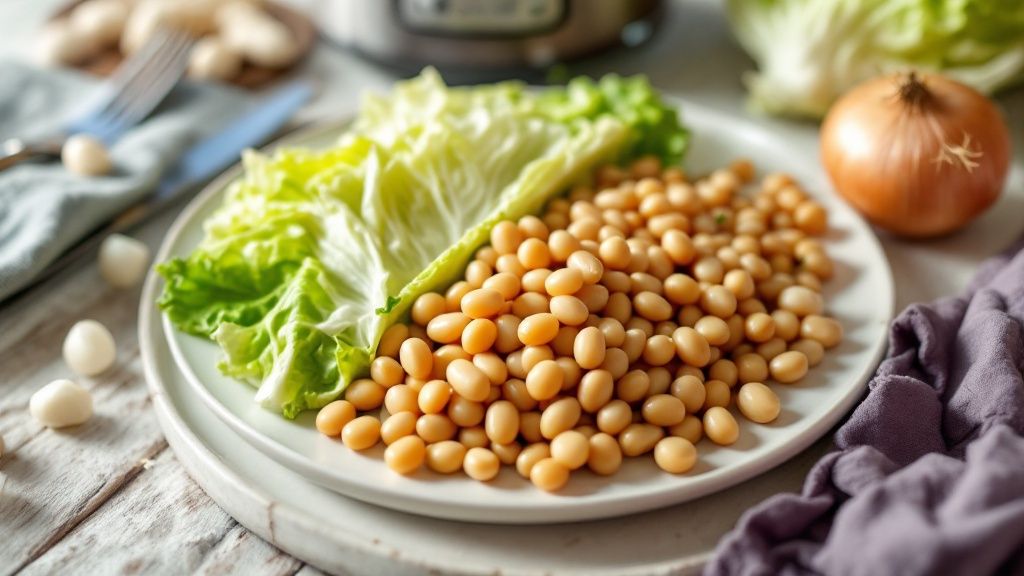
Do you know that feeling as if you swallowed a balloon after eating? This uncomfortable feeling of fullness and the often-visible bloated belly are more common than you think. So you’re definitely not alone. But what exactly is happening in your body?
The best way to picture your digestion is as a well-rehearsed orchestra. Each organ has its fixed role, and the countless bacteria in your gut—your microbiome—are the diligent musicians. When everything is in harmony, digestion runs smoothly on its own.
When Digestion Gets Out of Tune
Sometimes, though, this delicate interplay gets seriously disrupted. Certain foods, eating too quickly, or stress can all throw a few sour notes into the symphony. The result: instead of nutrients being properly broken down and absorbed, fermentation and putrefaction processes occur in the intestines.
Certain gut bacteria produce gases such as methane, hydrogen, and carbon dioxide. A little gas is completely normal and part of healthy digestion. It only becomes a problem when excessive amounts of gas are produced or cannot properly leave the intestines.
Important to understand: Occasional bloating is no reason to panic. It simply shows that your gut bacteria are hard at work. It’s only when bloating becomes a regular occurrence and may even be accompanied by pain or cramps that it’s worth taking a closer look.
The Role of Your Gut Flora
Your gut flora is the key player in gas production. A healthy, diverse microbiome naturally keeps gas-producing bacteria in check. But when it becomes unbalanced—for example, due to antibiotics, a very one-sided diet, or ongoing stress—those very bacteria that produce particularly large amounts of gas can multiply rapidly.
If you want to take a deeper look at how you can restore this balance, you’ll find valuable tips on building up your gut flora in our guide: Building Up Your Gut Flora.
An imbalance in the microbiome is therefore often the real root of recurring bloating after eating. The best part, however, is that you can actively do something to restore this balance. Understanding what is happening in your gut is the first and most important step toward regaining control and finally enjoying your meals without worry.
The most common triggers of bloating
To get troublesome bloating after eating under control, you first need to identify the culprits. The causes can be broadly divided into three major areas that often go hand in hand: your diet, your lifestyle, and possible underlying health issues.
When you understand where the air in your stomach comes from, you can target the right areas for change. Often, the cause lies directly on your plate or in small everyday habits.
Diet as the prime suspect
Let’s start with the most obvious trigger: the food itself. Some foods contain components that your small intestine can break down only with difficulty or not at all. They continue undigested into the large intestine, where the bacteria living there eagerly feast on them.
These gases are produced as a by-product of this bacterial feast. It is a completely natural process, but depending on the food, gas production can be particularly high and lead to uncomfortable bloating.
Some of the best-known gas producers include:
- Legumes: Beans, lentils, and chickpeas contain complex sugars that are a real challenge for your digestive enzymes.
- Cruciferous vegetables: Broccoli, cauliflower, and Brussels sprouts are rich in fiber and sulfur compounds, which cause significant fermentation in the intestines.
- Onions and garlic: They contain fructans, a type of carbohydrate that causes bloating in many people.
- Sugar alcohols: Substances such as sorbitol or xylitol are often hidden in “sugar-free” products or chewing gum. They are barely absorbed in the intestines and can cause severe bloating and even diarrhea.
This diagram simply summarizes the main causes of bloating.
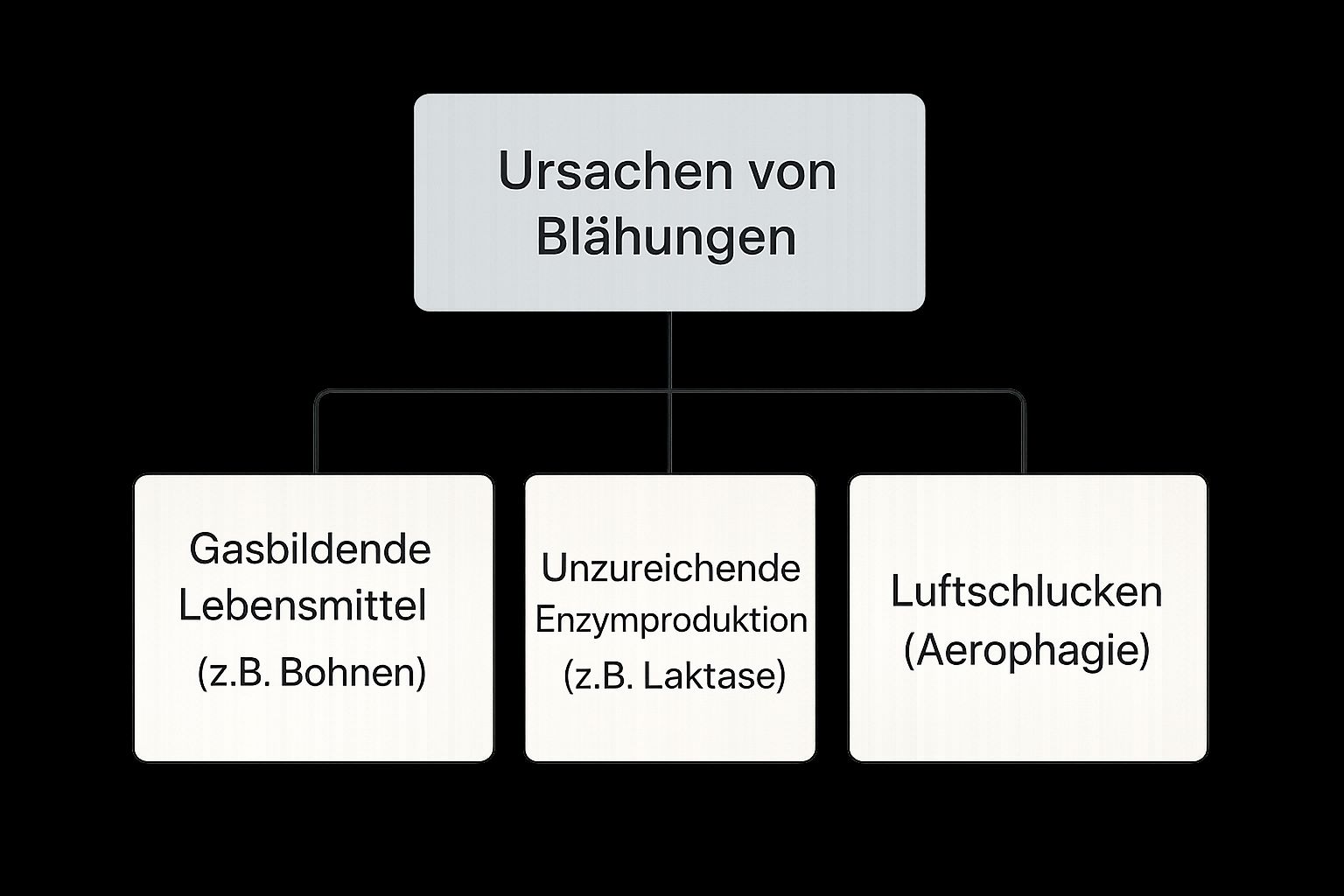
As you can see, three main factors interact: what you eat, how you eat, and how your body processes it all.
Lifestyle as an invisible pace-setter
Your daily routine has a direct line to your gut. Often, it is small habits that add up to a big difference and contribute to bloating after eating.
A classic example is eating hastily, such as quickly at your desk between two appointments. Anyone who gulps down their food not only fails to chew properly but also swallows a lot of air (aerophagia). This air has to go somewhere—and then returns as a bloated stomach.
Stress is another key factor. When you are under tension, your body releases stress hormones that can slow down digestion. Food remains in the intestines longer, which promotes fermentation processes and thus gas production.
Lack of exercise also slows down intestinal activity. A short walk after eating or regular exercise, on the other hand, helps keep digestion moving and makes it easier to transport gases away.
Clarifying health-related causes
If you have already adjusted your diet and lifestyle and still regularly suffer from a bloated stomach, there may also be underlying health-related causes.
These include, above all:
- Food intolerances: In the case of lactose intolerance, the enzyme lactase is missing to break down milk sugar. The same applies to fructose malabsorption (fruit sugar) or histamine intolerance.
- Irritable bowel syndrome (IBS): This is a functional disorder of the intestines in which bloating is a typical key symptom, often accompanied by abdominal pain, diarrhea, or constipation.
- Imbalance of the gut flora (dysbiosis): When the “bad,” gas-producing bacteria gain the upper hand, this can lead to persistent bloating.
- Celiac disease: Gluten intolerance can also cause severe digestive problems. If you suspect that gluten could be a problem, you can learn more in our article about the differences between celiac disease and gluten intolerance.
To give you a better overview, we have summarized the most common culprits in a table.
Common triggers of bloating at a glance
| Category | Examples of triggers | Brief explanation |
|---|---|---|
| Diet | Legumes, cabbage, onions, sugar-free products, carbonated beverages | Certain ingredients are fermented by bacteria in the large intestine, producing gases. |
| Lifestyle | Eating hastily, stress, lack of exercise, chewing gum | These habits cause more air to be swallowed or slow down digestion. |
| Health | Lactose/fructose intolerance, irritable bowel syndrome, dysbiosis, celiac disease | Underlying illnesses or intolerances disrupt normal digestion. |
This table will help you identify potential causes more quickly and take targeted countermeasures. Often, a combination of several factors is responsible for the discomfort.
What your diet has to do with bloating
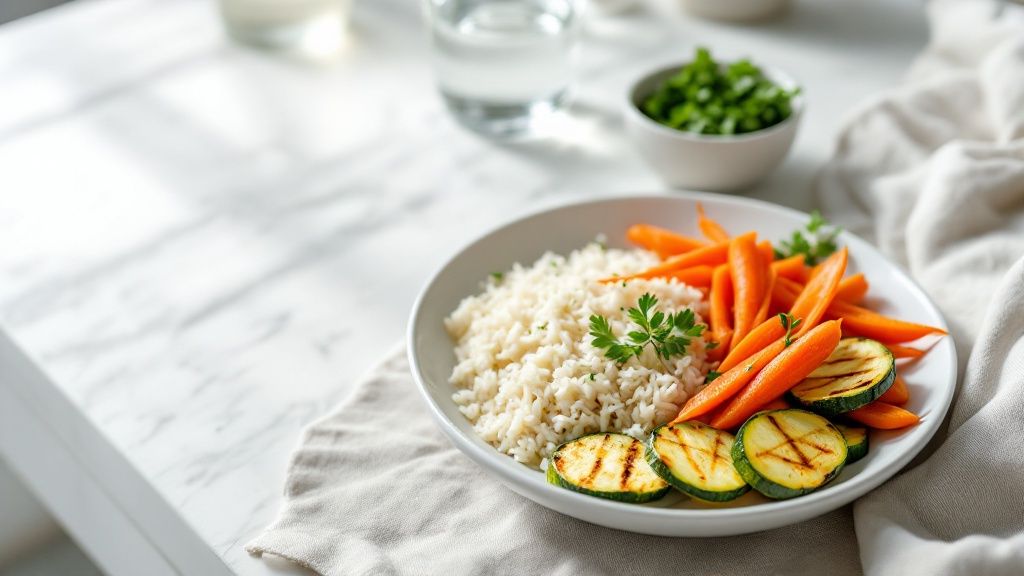
Your plate is by far the biggest factor when it comes to how your stomach feels. What you eat determines whether your digestion proceeds calmly and without disruption or whether uncomfortable gas develops. But simply checking off a list of “gas-producing foods” falls far too short.
To really get bloating after eating under control, you need to understand the “why” behind it. Often, it isn’t the foods themselves that cause problems, but certain components that pose quite a challenge to your gut bacteria.
The hidden culprits in your food
Many plant-based foods contain special carbohydrates and fibers that your small intestine cannot break down, or can break down only incompletely. They therefore end up almost undigested in the large intestine, where they become a feast for your gut bacteria. This process—known as fermentation—is healthy in itself, but it does produce gas.
Some of the best-known gas producers are:
- FODMAPs: This term stands for fermentable oligosaccharides, disaccharides, monosaccharides and polyols. It sounds complicated, but simply refers to carbohydrates that are difficult to digest and are found, for example, in wheat, onions, garlic, apples, and legumes.
- Fiber: Although it is extremely important for healthy digestion, increasing your fiber intake too quickly can cause considerable gas and bloating. Cabbage and beans are classic examples.
- Sugar alcohols: Names like sorbitol, xylitol, or maltitol are often found on light products, chewing gum, or sugar-free sweets. They are barely absorbed in the intestine and therefore often cause significant bloating.
Think of FODMAPs as a complicated puzzle for your digestion. Your small intestine doesn’t have the right pieces to solve it. So it passes the puzzle on to the experts in the large intestine—your bacteria. They solve the riddle, but their work creates quite a bit of “noise” in the form of gas.
Your personal trigger detective: The food diary
Every body is different. What causes bloating in one person may be completely harmless for another. That’s why the best way to identify your personal triggers is good old-fashioned detective work with a food diary.
Here’s the best way to go about it:
- Write everything down: For at least one week, record exactly what you eat and drink. Every detail counts!
- Record the timing: Note when you ate and when the symptoms (e.g., bloating, stomach pain) appeared.
- Rate how you feel: Use a simple scale from 1 (no symptoms) to 5 (severe symptoms) to assess the intensity.
- Spot patterns: After a few days, you’ll probably start to see some connections. Maybe the bloating always appears two hours after eating muesli with apple pieces? Bingo!
This approach helps you identify the culprits without having to give up healthy foods across the board.
When meat causes digestive discomfort
Plant-based foods aren't the only ones that can challenge digestion. Meat, especially highly processed or very fatty varieties such as sausage or breaded schnitzel, can also cause an uncomfortable feeling of fullness and bloating. Your body needs a great deal of energy and stomach acid to break down the protein and fat, which can significantly slow down the entire digestive process.
Interestingly, there is a clear trend toward more mindful meat consumption. Meat consumption in Germany reached a historic low in 2023: According to the Federal Office for Agriculture and Food, per-capita consumption fell to under 52 kilograms. One reason is the growing desire for a healthier diet to avoid precisely these kinds of complaints. In fact, many people report that eating certain types of meat often causes symptoms such as stomach pain and an uncomfortable feeling of fullness. You can read more background information in this article about stomach pain after eating meat.
Especially at barbecues, everything often comes together: fatty meat, sugary marinades, carbonated drinks, and various salads. This combination can push even a robust digestive system to its limits and is a classic trigger for bloating after eating. Paying a little attention to what ends up on your plate is the best key to greater well-being here.
Targeted strategies for a calm stomach

After looking at the most common causes of bloating after eating, let's get practical. It's time to give you an effective toolbox that will not only help you get acute symptoms under control but also ensure long-term peace and quiet in your stomach.
First things first: You don't simply have to put up with the unpleasant feeling. With the right tricks, you can actively counteract it and deliberately restore your well-being.
Immediate relief for acute symptoms
When your stomach feels tight and bloated, you need fast relief. Fortunately, there are a few home remedies that have proven themselves over generations because they gently relax the muscles and help release trapped gas.
These three helpers are particularly effective:
-
Soothing herbal teas The absolute classic is a tea blend made from fennel, anise, and caraway. These plants contain essential oils known to relieve cramps and ease bloating. The tea works best when you drink it warm and in small sips—this soothes the entire gastrointestinal tract.
-
Gentle abdominal massage A light clockwise massage can work wonders. Lie comfortably on your back and massage your abdomen with the flat of your hand and gentle pressure. This movement follows the natural path of the large intestine and helps gently move gas toward the exit.
-
Soothing warmth A hot-water bottle or a warm cherry-pit pillow on your stomach feels like a little hug for your digestive organs. The warmth relaxes tense muscles and can often relieve pain surprisingly quickly.
These are your first-aid measures for emergencies. But to tackle the problem at its root, you need more than just quick fixes.
Long-term solutions for lasting well-being
You can achieve lasting freedom from constant bloating by adjusting a few basic everyday habits. It’s about creating the best possible conditions for your body to digest smoothly—and that’s often easier than you might think.
Mindful, slow eating is the first and perhaps most important step. Take the time consciously, sit down at a table, and put your smartphone aside.
When you chew thoroughly, you’re doing valuable preparatory work. The food is better mixed with saliva and broken down, which eases the strain on your stomach and intestines. A nice side effect: You swallow significantly less air, one of the main causes of a bloated stomach.
Movement and stress relief as the key
Your gut loves movement. Just a 20-minute walk after a meal stimulates intestinal activity (known as peristalsis) and helps gases pass more easily. Regular exercise generally gets your metabolism moving and prevents sluggishness in the digestive tract.
Being mindful of stress is just as important. Through the gut-brain axis, tension directly affects your digestion. Find out what helps you switch off in everyday life—whether it’s yoga, meditation, a good book, or simple breathing exercises.
A calm mind often leads to a calm stomach. By actively reducing stress, you eliminate one of the most common causes of digestive discomfort.
Probiotics and prebiotics for a healthy gut flora
The true heroes of your digestion are the trillions of bacteria living in your gut. A balanced gut flora is the best protection against excessive gas formation. This is where probiotics and prebiotics come into play.
- Probiotics: These are live, “good” bacteria found in foods such as yogurt, kefir, and fermented vegetables (hello, sauerkraut!). They help strengthen the balance of your microbiome.
- Prebiotics: They’re basically your good gut bacteria’s favorite food. You’ll find them in leeks, onions, artichokes, and chicory. They help beneficial bacteria multiply.
A diet rich in these components can sustainably change the composition of your gut flora for the better. If you would like to know exactly how your personal ecosystem in your gut is doing, a modern microbiome test can provide fascinating insights.
Incidentally, social trends can also affect our digestion. A German study showed that during the coronavirus lockdown, nearly 45% of respondents rated their diet as less healthy, which led to more bloating. After restrictions were eased, occasions such as barbecues became more common, often involving bloating foods. Learn more about the connections between dietary habits and bloating in this study.
How to get to the bottom of the causes
When the usual home remedies simply no longer work and a bloated stomach after eating has become your constant companion, it is time for a little detective work. Instead of continuing to grope in the dark, you can pinpoint exactly what is causing all the turmoil in your stomach.
Think of the whole thing like a puzzle. Each examination method gives you another piece until a clear picture emerges. Together with a doctor or therapist, you can develop a strategy that is truly tailored to you and your body.
The first step: The food diary
As mentioned earlier, a detailed food diary is the simplest and often most informative first step. Think of it as your personal case file—clear initial patterns often emerge here.
This not only helps you recognize the connections. It is also an invaluable basis for any conversation with an expert. This gives you concrete clues that go far beyond a vague “I constantly have a bloated stomach.”
Breath tests reveal intolerances
If a specific food intolerance is suspected, breath tests are a simple and painless way to finally get clarity. They are often used to check how your body reacts to certain types of sugar.
A breath test works according to a simple principle: If your small intestine cannot properly break down a certain sugar—for example, lactose—it passes undigested into the large intestine. There, bacteria feed on it and produce gases, including hydrogen (H2). This gas enters the bloodstream and travels to the lungs, where it can be measured in your breath.
The most common tests are:
- Lactose breath test: Checks whether you have a lactose intolerance.
- Fructose breath test: Indicates possible fructose malabsorption.
- Sorbitol breath test: Detects an intolerance to this sugar alcohol, which is found in many light products and sweets.
If elevated hydrogen levels are detected in your breath after drinking the test solution, this is a strong indication of the respective intolerance.
Modern stool analysis: A look into the microbiome
If you really want to get to the bottom of the cause of your bloating after eating, there’s hardly any way around a modern stool analysis. Imagine being able to receive a detailed report on the inhabitants of your gut—that’s exactly what a microbiome test provides.
Such an analysis provides valuable insights into the composition of your gut flora. It shows you not only which bacterial strains are present in your gut, but also whether they live in a healthy balance or whether dysbiosis—that is, an imbalance—is present.
A test can reveal, among other things:
- The diversity of your microbiome: High species diversity is usually a good sign of a healthy gut.
- The ratio of “good” to “bad” bacteria: Is there an excess of gas-producing or putrefaction-promoting microbes?
- Signs of inflammation: Certain markers may indicate unnoticed, low-grade inflammatory processes in the gut.
This information is worth its weight in gold. With the results of a professional stool analysis, such as the one offered by mybody-x, you get not only a precise assessment but also personalized recommendations. You’ll learn how to adjust your diet strategically and which probiotic cultures you should take to specifically restore balance in your gut—and tackle the problem at its root.
Your path to carefree digestion
You’ve made it this far—great! That means you already know quite a bit about what causes bloating after eating and what you can do about it. Now it’s time to put that knowledge into practice so you can regain control over how your stomach feels. The most important thing first: You’re not helplessly at the mercy of this discomfort.
In most cases, bloating is incredibly annoying, but fortunately it can also be managed well. It’s about understanding your body’s signals and making a few conscious adjustments in your everyday life. Simply see it as an invitation to take a closer look at your digestion and well-being.
Your personal checklist for the next steps
To make getting started easier, we have summarized the most important strategies from this article for you in a compact checklist. Consider it your personal roadmap to greater ease in your stomach.
- Eat mindfully: Take the time to enjoy your meals. Chewing thoroughly and not eating at your desk or in front of the TV makes a huge difference.
- Keep a food diary: Identify your personal triggers instead of avoiding all sorts of foods indiscriminately. Often, there are only one or two culprits.
- Incorporate exercise: A short walk after eating or regular exercise gets your gut moving.
- Reduce stress: Find your own way to relax. Whether it is yoga, meditation, or simply a good book—whatever helps you switch off.
- Support your gut flora: Consciously incorporate probiotic and prebiotic foods into your diet to nourish your beneficial gut bacteria.
- Seek help if needed: Do not hesitate to get tested for intolerances or consider a stool analysis. Sometimes you simply need outside clarity.
Always remember: Every small step counts. It is not about completely turning your life upside down from one day to the next. Much more important is establishing sustainable habits that genuinely do you good.
Take your gut health into your own hands. Your body is constantly giving you feedback—learn to listen to it again. With a little patience and the right tools, you can sustainably improve your well-being and finally enjoy food again without worry. You deserve to feel completely comfortable in your body.
Frequently asked questions about bloating after eating
Finally, we want to address a few questions we keep receiving about bloating after eating. Here are the answers—short, concise, and tailored to your everyday life.
Which foods are the worst offenders?
Of course, every body works differently. Even so, there are a few familiar suspects that cause significant bloating for most people. It is usually due to certain carbohydrates (known as FODMAPs), which are difficult to break down in the small intestine, or to a very high fiber content.
The top 5 typical triggers are:
- Legumes: Beans, lentils, and chickpeas are the absolute classics.
- Brassicas: Broccoli, cauliflower, Brussels sprouts & co. are healthy, but they challenge the gut.
- Onions and garlic: They contain fructans, which can effectively turn the intestines into a fermentation chamber.
- Certain fruits: Apples, pears, and stone fruits contain a lot of fructose and sorbitol, which often leads to gas formation.
- Sugar-free products: The intestines can barely absorb sweeteners such as xylitol or sorbitol—the result is often a bloated stomach.
How quickly do home remedies really help?
Fennel-anise-caraway tea or a hot-water bottle on your stomach are excellent first responders. They have a relaxing, antispasmodic effect and can often provide noticeable relief after just 20 to 30 minutes.
But—and this is important—they only combat the symptom, not the cause. If the bloating keeps coming back, you should dig deeper and find out what’s behind it. Home remedies are valuable support, but not a long-term solution.
Tea won’t simply make the gas disappear, that’s clear. But it helps your body release trapped gas more easily and soothe unpleasant cramps.
When should I see a doctor about bloating?
A little gas in the abdomen is completely normal. But if bloating becomes your constant companion or certain warning signs appear, you should definitely have it checked by a doctor.
Pay particular attention to these symptoms:
- Very severe, cramping pain
- Unexplained weight loss
- Persistent diarrhea or constant constipation
- Blood in the stool
- Fever or a strong feeling of illness
These signs may indicate something more serious, such as chronic inflammatory bowel disease or pronounced various types of intolerances. So don’t hesitate to seek professional help here.
Can stress actually cause bloating?
Oh yes, absolutely! Your brain and gut are directly connected through the so-called gut-brain axis and chat with each other all day long. Stress puts your body into “fight-or-flight” mode.
The result? Digestion is put on the back burner because your body urgently needs its energy elsewhere. Food remains in the intestines longer, which significantly fuels fermentation processes and, consequently, gas production. That’s why stress is one of the most common—but most underestimated—triggers of digestive problems.
Would you like to get to the bottom of your gut health issues and finally gain clarity about the causes of your symptoms? The scientifically based analyses from mybody-x help you understand your microbiome and find personalized solutions for your well-being. Discover the right tests for you now at https://mybody-x.com.

Share now:
Testing for leaky gut: what you can do if it’s suspected
Irritable bowel syndrome test: Finally find clarity for your gut