
What is iron deficiency? Symptoms & detection made easy
Do you often feel tired and unable to concentrate, with simply no energy for everyday life? It may not always be ordinary stress. An iron deficiency could be behind it—one of the most common nutrient deficiencies worldwide, often creeping unnoticed into our lives.
Put simply, your body lacks this vital trace element to properly perform essential tasks such as oxygen transport in the blood and energy production in your cells.
What iron deficiency really means for your body
Think of iron as the spark plug in an engine. Without this spark, even the best engine will not start, no matter how full the tank is. It is much the same in your body. Iron is the core component of the red blood pigment hemoglobin. This protein grabs the oxygen you inhale and delivers it to every single cell—from your brain to your toes.
Without this “spark,” your entire system runs on low power. Your cells do not receive enough oxygen to produce energy efficiently. The result? A deep-seated exhaustion that cannot simply be relieved with a cup of coffee or more sleep. You may feel constantly sluggish, your concentration may decline, and even small everyday tasks may feel like a marathon.
Take the first signs seriously
Iron deficiency does not develop overnight. It usually begins gradually with symptoms that are so nonspecific that many people mistakenly attribute them to everyday stress. But these first warning signs are important indications from your body that its reserves are slowly running low.
The following table shows which early and often overlooked symptoms you should look out for.
| Recognizing the first signs of iron deficiency | |
|---|---|
| Symptom category | Possible signs |
| General exhaustion | Persistent tiredness despite getting enough sleep, general lack of energy |
| Appearance | Pale skin and mucous membranes (e.g., inside the eyelids) |
| Cognitive performance | Difficulty concentrating, forgetfulness, “brain fog” |
| Physical stamina | Shortness of breath even during light exertion (e.g., climbing stairs) |
Precisely because these symptoms seem so commonplace, a deficiency is often overlooked for far too long.
Women in particular are frequently affected in Germany. Studies show that around 58% of women have a deficiency, compared with only about 14% of men. The reason often lies in physiological processes such as menstruation, pregnancy, and breastfeeding, which significantly increase the need for iron. You can read more here about why women are so frequently affected.
Important to know: Untreated iron deficiency can develop into iron-deficiency anemia. In this condition, the number of red blood cells is so greatly reduced that the oxygen supply to the entire body is impaired.
It is therefore crucial not to ignore these early signals from your body. They are the first step toward finding the cause of your lack of energy and taking targeted action.
A simple blood test, such as the mybody-x nutrient test, can quickly and reliably provide clarity about your iron levels—from the comfort of your own home. This helps you regain control and take the right steps for your well-being.
Where does iron deficiency come from—and what are the most common causes?
Iron deficiency rarely develops overnight. Usually, the explanation is simple: Your body uses or loses more iron than you provide through your diet. The reasons are often closely linked to certain stages of life, dietary habits, or health factors.

If you know the most common triggers, you can assess your personal risk much better and take targeted countermeasures. Many of these factors are a normal part of life, but they require keeping a close eye on your iron intake.
Increased needs during special phases of life
There are times in life when your body practically cries out for more iron. If you do not adjust your intake accordingly, your stores will be depleted faster than you would like.
Especially in Germany, iron deficiency often goes unnoticed for a long time, even though the main cause is obvious: Women make up the clear majority, at around 75% of those affected. The Robert Koch Institute confirms that blood loss due to menstruation, pregnancy, and the subsequent breastfeeding period are the main reasons. You can read more background information about iron deficiency on this overview page.
You should be particularly attentive during these phases:
- Menstruation: Women regularly lose iron through monthly bleeding. If your period is heavy or prolonged, the loss can become so significant that diet alone is barely enough to replenish your stores.
- Pregnancy: Iron requirements almost double during pregnancy. After all, the body must supply not only the mother but also the growing baby and the placenta. Blood volume increases by about 50 %—requiring a tremendous amount of iron to produce new red blood cells.
- Breastfeeding: The need remains high after childbirth. Through breast milk, the mother passes valuable iron directly to her child.
- Growth phases: Growing children and adolescents also need considerably more iron than adults for their development.
How your diet affects your iron levels
What ends up on your plate has a direct impact on your iron status. It’s not only about what you eat, but also about how well your body can actually use the iron from it.
The biggest hurdle is what is known as bioavailability. There are two types of iron:
- Heme iron: Found in animal products such as meat, fish, and poultry. Your body can absorb and use this form extremely well.
- Non-heme iron: Found in plant-based sources such as legumes, nuts, and whole-grain products. The body has considerably more difficulty absorbing it.
A vegetarian or vegan diet can therefore increase the risk of iron deficiency if you do not consciously choose iron-rich plant foods and combine them strategically.
To make matters worse, certain substances in our food can actually block iron absorption. These include tannins in black tea and coffee, for example, as well as phytates in grains.
Other risk factors that are often overlooked
In addition to the major factors of diet and stages of life, there are a few other things that can deplete your iron stores.
Intensive exercise is one of them. Endurance athletes in particular often have a higher iron requirement because they lose iron through sweat and need to produce more red blood cells due to the intense strain. This is sometimes referred to as “athlete’s anemia.”
Certain health problems can also sabotage iron absorption:
- Chronic inflammatory bowel diseases: Conditions such as Crohn’s disease or celiac disease can damage the intestinal lining. This severely impairs the body’s ability to absorb nutrients.
- Blood loss: It’s not just your period—unnoticed bleeding in the gastrointestinal tract, frequent blood donations, or major injuries can also lead to significant iron loss.
- Medications: Some medications, such as stomach acid blockers (so-called proton pump inhibitors), can reduce the absorption of iron from food.
Do you recognize yourself in one or more of these points? Then taking a closer look at your iron levels could be truly informative. The mybody-x Nutrient Test offers you a simple and reliable way to check your ferritin level—the most important indicator of your iron stores—from the comfort of your own home.
Interpreting the symptoms of iron deficiency correctly
Do you sometimes feel as though you are going through the day with the handbrake on? The signs of iron deficiency are often so vague and commonplace that we quickly blame them on stress, lack of sleep, or simply a difficult week. But your body is sending you clear signals that go far beyond classic fatigue.
Iron deficiency usually develops gradually. Think of it like a bank account: first, your savings (your iron stores) are used up, then your checking account (your transport iron), and only at the very end, when everything is empty, insolvency occurs—full-blown iron-deficiency anemia. Each of these stages has its own typical symptoms.
When the body quietly calls for help
The first signs are often subtle and affect your general energy levels and appearance. Many of these symptoms are dismissed as “normal,” but they are important indications that your iron stores—known as ferritin—are gradually running low.
Pay particular attention to these physical changes:
- Pale skin and mucous membranes: Have you noticed that you look paler than usual? A quick look at the inside of your lower eyelids can be revealing—if it looks pale pink rather than bright red, this could be a sign.
- Brittle nails and hair loss: Your hair and nails need iron for healthy growth. Brittle, cracked nails or losing more hair than usual (more than 100 hairs per day) are often early warning signs.
- Cracked corners of the mouth (angular cheilitis): Small, painful cracks at the corners of your mouth can also indicate a deficiency.
- Shortness of breath during exertion: Do you get out of breath just climbing the stairs or sprinting briefly to catch the train? This is because too little iron is available to transport oxygen to your muscles.
The following infographic illustrates the main causes that can lead to iron deficiency and the associated symptoms.
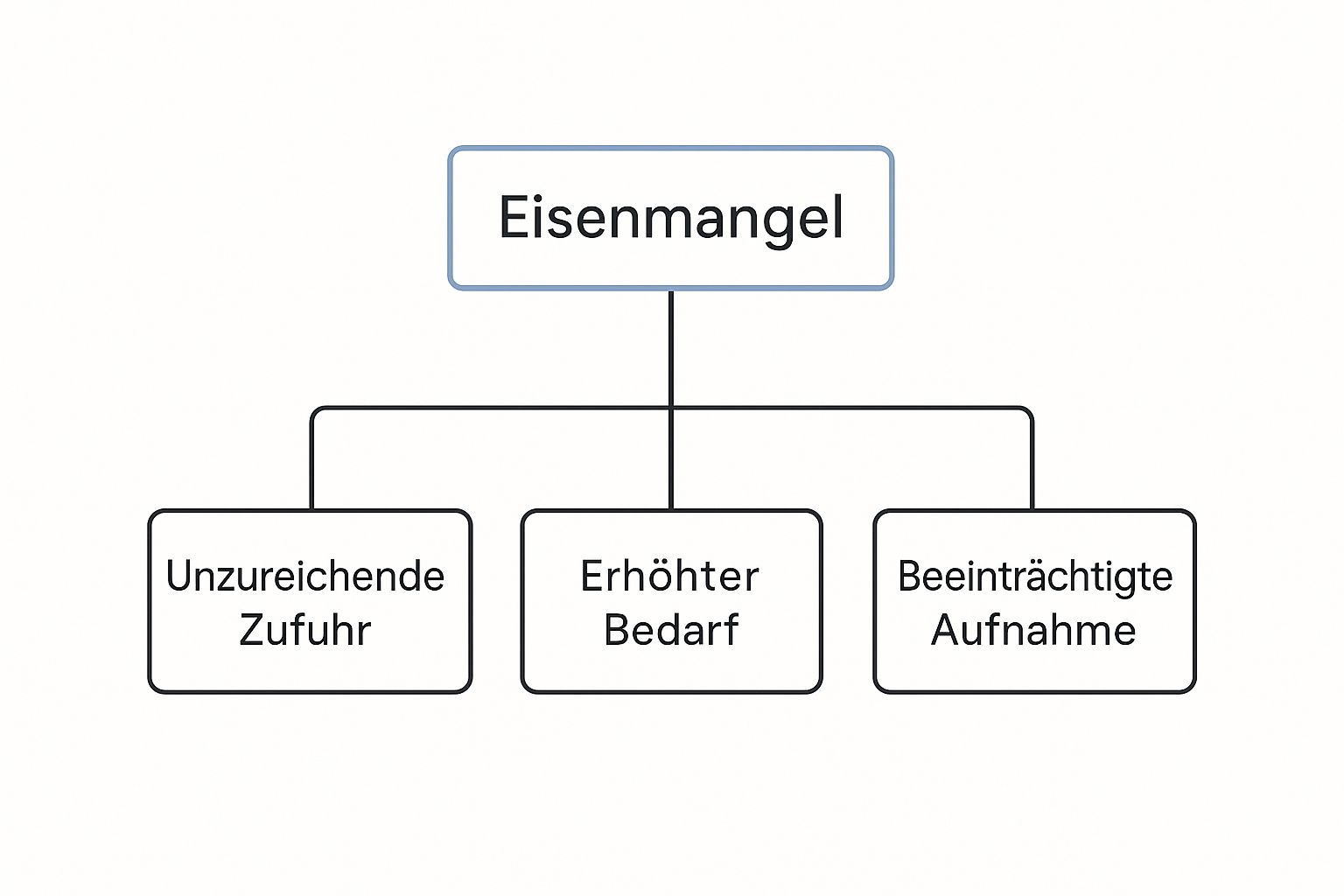
As you can see, different paths lead to depleted stores, but the symptoms are very similar.
The mental effects that are often overlooked
Iron deficiency does not just drain your physical energy—it also significantly affects your mental fitness and emotional balance. These psychological symptoms are often harder to identify, but they are just as burdensome.
Iron is essential not only for transporting oxygen but also for producing important messenger substances in the brain, such as dopamine and serotonin. A deficiency can therefore impair your overall mood and cognitive performance.
These include, above all:
- Difficulty concentrating and “brain fog”: You find it hard to focus, constantly forget little things, and feel mentally foggy.
- Inner restlessness and irritability: You feel nervous for no apparent reason, become irritated quickly, or feel emotionally unbalanced.
- Depressive moods: Persistent lack of motivation and a low mood can also be linked to low iron levels.
Another important aspect is susceptibility to infections. If you feel like you catch every wave of colds, it could be due to a weakened immune system, as your immune defenses also depend on an adequate supply of iron.
Since iron deficiency is just one of many possible causes of these symptoms, it is worth considering other nutrient deficiencies as well. Learn more about the range of symptoms of nutrient deficiencies in our comprehensive article.
From depleted stores to anemia
It is essential to understand that symptoms vary depending on the stage of the deficiency. The process can roughly be divided into three phases that gradually merge into one another.
| Stages of iron deficiency and their symptoms | ||
|---|---|---|
| Stage | Description | Typical symptoms |
| Stage 1: Empty iron stores | The iron reserves (ferritin) have been depleted, but blood formation is still functioning normally. | Nonspecific fatigue, mild difficulty concentrating, hair loss, brittle nails. |
| Stage 2: Iron-deficient blood formation | There is no longer enough iron available for the production of red blood cells. | Increased fatigue, paleness, headaches, and the first signs of reduced performance. |
| Stage 3: Iron-deficiency anemia | The number of red blood cells and the hemoglobin level are significantly too low. | Severe exhaustion, dizziness, shortness of breath even at rest, heart palpitations, increased susceptibility to infections. |
The earlier you recognize and respond to your body’s signals, the easier it is to take corrective action. A simple blood test quickly and reliably tells you the condition of your iron stores (ferritin level) and helps you find the cause of your symptoms—before a mild deficiency becomes a serious problem.
How to find out what your iron status is really like
Do you nod along as you read the symptoms and recognize yourself? That is a very important first step. But mere suspicion will not get you any further. To really know whether your constant tiredness is caused by depleted iron stores, you need concrete data.
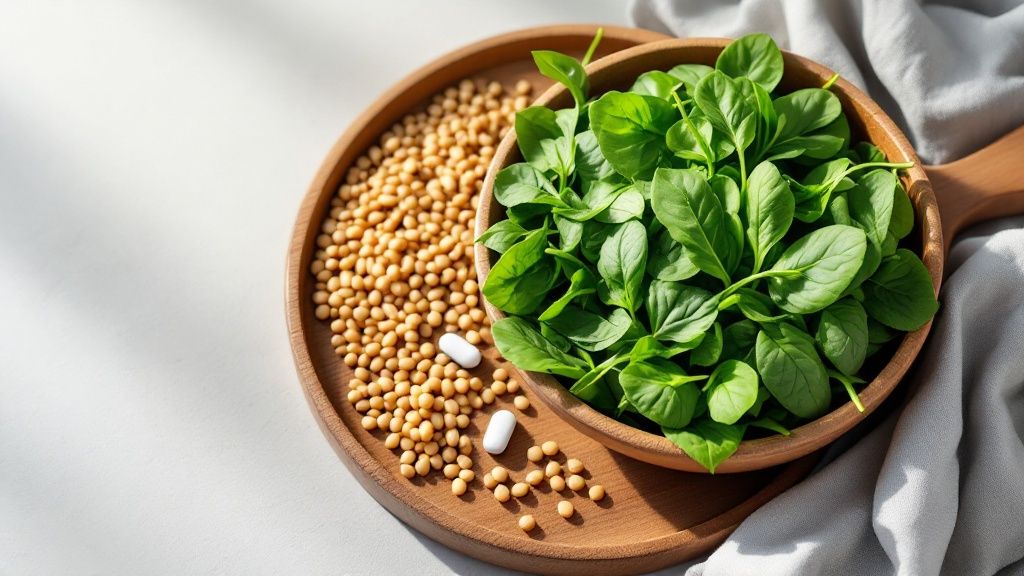
The good news: You do not have to wait weeks for a doctor’s appointment. With modern at-home self-tests, you can take matters into your own hands—simply, quickly, and with complete discretion.
Why ferritin is the key to your iron stores
When people think of iron deficiency, most immediately think of the hemoglobin level (Hb). It is often measured as part of a complete blood count. The problem? A low Hb level essentially shows the finale of the drama: manifest iron-deficiency anemia. By then, your stores have long since been depleted.
The truly decisive value for detecting a deficiency early is ferritin. Think of ferritin simply as your body’s iron warehouse. This level reveals how much iron you have in reserve. If the warehouse is empty, everyday life can still function for a while on the iron coming in through your diet, but increased demand or supply shortages can lead to a crisis.
A test that measures only Hb levels is like looking at your checking account without checking your savings. A low ferritin level is an early warning that your reserves are dwindling—long before full-blown anemia develops.
That is why measuring ferritin levels is the gold standard for diagnosing iron deficiency. For women, the normal range is usually between 6.5 and 131.0 µg/l. Levels below 15 µg/l are already a clear warning sign. For optimal energy and to help prevent hair loss, many experts even aim for levels of 50 µg/l or higher, often in the range of 70 to 100 µg/l.
Your path to clarity: The mybody-x nutrient test
Tired of stumbling in the dark and wondering what is behind your lack of energy? The mybody-x nutrient test was designed specifically for this purpose. It gives you clear and precise information about your nutritional status—including your crucial ferritin level, of course.
The entire process is designed so that you can complete it conveniently and safely from home. You receive valuable health data, avoid waiting times, and protect your privacy.
It’s that easy:
- Order the test: Order your kit online and have it delivered straight to your door.
- Collect your sample: The kit contains everything you need. A small, painless prick to your fingertip is all it takes to collect a few drops of blood. The instructions guide you through the process step by step.
- Free return shipping: Place your sample in the enclosed envelope and send it to our certified German specialist laboratory.
- Understanding your results: Within a few days, you’ll receive your results in your secure online account. Instead of just seeing columns of numbers, you’ll get clear, easy-to-understand charts, explanations, and specific recommendations tailored to you.
This test is more than just a measurement—it’s your tool for finally taking charge of your health.
Want to explore the topic in more depth? In our article about the different methods for conducting an iron deficiency test, we explain everything you need to know. With this knowledge, you can make the right decisions for your well-being and take the first step toward a more energetic life.
How to replenish your iron stores
An “iron deficiency” diagnosis may feel discouraging at first, but above all, it is a starting point: a chance to finally take action. You now have the clarity you need to actively support your body. Here, we show you exactly how to replenish your iron stores and get your energy back in a practical, everyday way.
The most powerful lever is right on your plate: your diet. With the right knowledge about foods and a few clever tricks, you can make a huge difference.
Choose the right sources of iron
Your body can absorb iron from food in two different ways. It’s really important to understand the difference, because it determines how well you can actually replenish your iron stores.
- Heme iron (animal-based): This form is the undisputed champion when it comes to bioavailability. Your body can absorb it directly and very efficiently. It is found exclusively in animal products.
- Non-heme iron (plant-based): This form is found in plant-based foods. Your body has a much harder time absorbing it, and absorption is strongly influenced by what else you eat.
Here’s an overview of some of the best sources of iron:
- Top sources of heme iron: Red meat (especially beef and lamb), liver, mussels, and oysters.
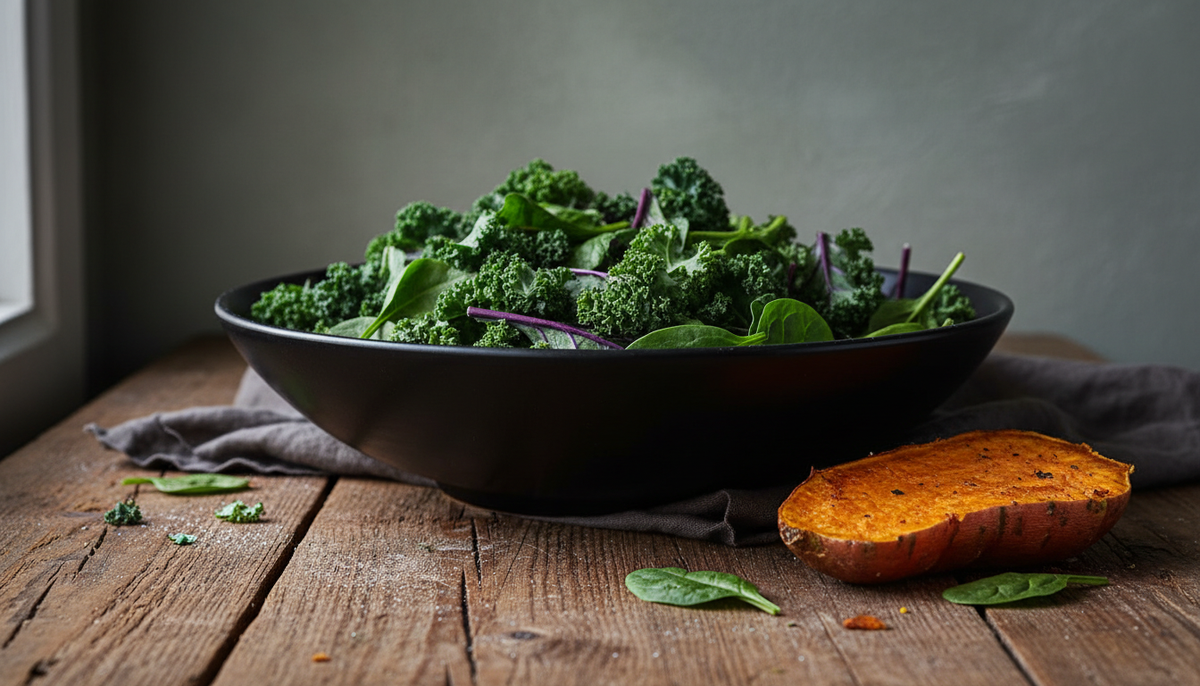
- Strong sources of non-heme iron: Lentils, chickpeas, beans, tofu, pumpkin seeds, flaxseeds, spinach, and whole-grain products such as oatmeal.
The decisive factor: It’s all about the combination! Even the best sources of iron are of little use if your body cannot absorb the iron properly. This is where the next strategy comes in.
Combine foods cleverly for maximum absorption
You can increase the absorption of plant-based iron (non-heme iron) many times over by eating it with the right partners. Your most important ally is vitamin C.
Think of vitamin C as a key that unlocks iron so your body can use it properly. It converts non-heme iron into a form that the intestines can absorb much more easily.
And in practice, it’s incredibly simple:
- Lentil soup with bell pepper: Simply add fresh, diced bell pepper to your stew.
- Oatmeal with berries: Mix a handful of fresh berries or kiwi pieces into your morning cereal.
- Spinach salad with orange dressing: Combine green leafy vegetables with a dressing made from orange or lemon juice.
- A glass of orange juice with your meal: A simple trick that improves iron absorption from the entire meal.
If you would like to delve deeper into the world of iron-rich nutrition, you’ll find many more tips in our guide on what to eat if you have iron deficiency.
Know the iron thieves and keep them at a distance
Just as there are helpers, our diet also contains genuine “iron thieves.” These are substances that bind to iron in the intestines and prevent it from entering your bloodstream.
The biggest troublemakers are:
- Tannins: Found mainly in black tea and coffee.
- Phytates: Found in whole grains, legumes, and nuts.
- Calcium: Found in particularly high amounts in dairy products.
That doesn’t mean you have to eliminate these foods completely. It’s all about timing: Simply leave a gap of about one to two hours between your iron-rich meal and enjoying coffee, tea, or yogurt. This gives your body enough time to absorb the valuable iron undisturbed.
When dietary supplements are useful
Sometimes changing your diet alone is not enough—especially when your iron stores are already severely depleted or you have iron-deficiency anemia. In such cases, iron supplements can be a sensible and necessary form of support.
But most importantly: Never take iron supplements on a whim! Uncontrolled intake can lead to dangerous iron overload. Supplementation should always be based on a confirmed deficiency, ideally established through a blood test that measures your ferritin level. Be sure to discuss the intake and dosage with your doctor or healthcare provider afterward to find the right strategy for you.
Take control of your energy
We have now explored the topic of iron deficiency in depth together. You now know why iron is the fuel that powers your energy, what causes a deficiency, and which physical and mental signals you should watch for. This knowledge is your most powerful tool.
The most important takeaway for you is this: Constant exhaustion, difficulty concentrating, or a lack of drive are not normal. Don’t simply accept them as side effects of a stressful everyday life. Rather, they are often loud cries for help from your body, which is missing a crucial building block.
Take action yourself now
With this understanding, you are now fully equipped to take control of your well-being. Instead of continuing to feel in the dark and wondering why you so often feel tired, you can now take targeted action.
The mybody-x nutrient test is your direct path to clarity. It quickly, easily, and above all reliably gives you certainty about your iron status—especially the informative ferritin level, which indicates your iron stores. Instead of waiting weeks for a doctor’s appointment, you get the facts directly and conveniently from home.
A test is more than just a number on paper. It is your personal starting point for a life with more energy, greater focus, and more zest for life. Seize the opportunity to regain control and make decisions about your health on a solid foundation.
Don’t wait for your energy to return on its own. Your body is sending you signals—learn to listen to them and take proactive action. Check your iron status and lay the foundation for a more vital you today. The path to greater well-being begins with the first step. Take it now.
Frequently asked questions about iron deficiency
To wrap up, let’s address some of the most frequently asked questions we receive about iron deficiency. This knowledge will help you better understand the connections and make the right decisions for your health.
How quickly can an iron deficiency be corrected?
This is a question everyone asks—and the answer depends heavily on your starting point. In the case of a mild deficiency, consciously changing your diet can already start producing results after a few months.
However, if your stores are already severely depleted or you are already suffering from anemia, more patience is required. Even with high-dose iron supplements, it can take three to six months, and sometimes even longer, for ferritin stores to become adequately replenished. Remember: Your body needs time to absorb and process the iron and produce new red blood cells. Regularly checking your levels can help you stay on track and monitor your progress.
Can you overdose on iron?
Yes, absolutely—and it is not entirely harmless. While our bodies cleverly regulate how much iron they actually need when absorbing it from food, high-dose supplements bypass this natural protective mechanism.
Uncontrolled use can lead to what is known as iron overload (hemochromatosis). Excess iron accumulates in organs such as the liver or heart and can cause long-term damage there.
That is precisely why it is so important not to simply take iron supplements on suspicion. A test gives you clarity. Only take high-dose iron if a deficiency has actually been confirmed, preferably in consultation with an expert. A mybody-x nutrient test gives you the security you need here.
What role does gut health play?
A huge one! You can eat as many lentils and as much red meat as you like—but if your gut cannot absorb the iron properly, it simply will not get through. The small intestine is essentially the bottleneck through which iron enters your body.
Some troublemakers can thwart this process:
- Intestinal inflammation: Chronic conditions such as Crohn’s disease or celiac disease can damage the intestinal lining so severely that absorption is blocked.
- Dysbiosis: When your gut bacteria are out of balance, overall nutrient utilization suffers.
- Too little stomach acid: The acid in the stomach is crucial for releasing iron from food and preparing it for absorption.
So a healthy gut is essential for maintaining stable iron levels. If you are not seeing any improvement despite a good diet and supplements, taking a closer look at your gut health could be the decisive next step.
If you have already been diagnosed with iron deficiency and are now looking for specific strategies, our article on what to do about iron deficiency contains many practical tips for everyday life.
Do you finally want certainty about your iron status and proactively regain your energy? With the blood tests from mybody-x, you receive precise, easy-to-understand results directly from home. Discover the tests on mybody-x.com now and take control of your health.


Share now:
Itchy Scalp Due to a Nutritional Deficiency: Causes & Solutions
Lower your blood pressure with foods: Your path to greater well-being