
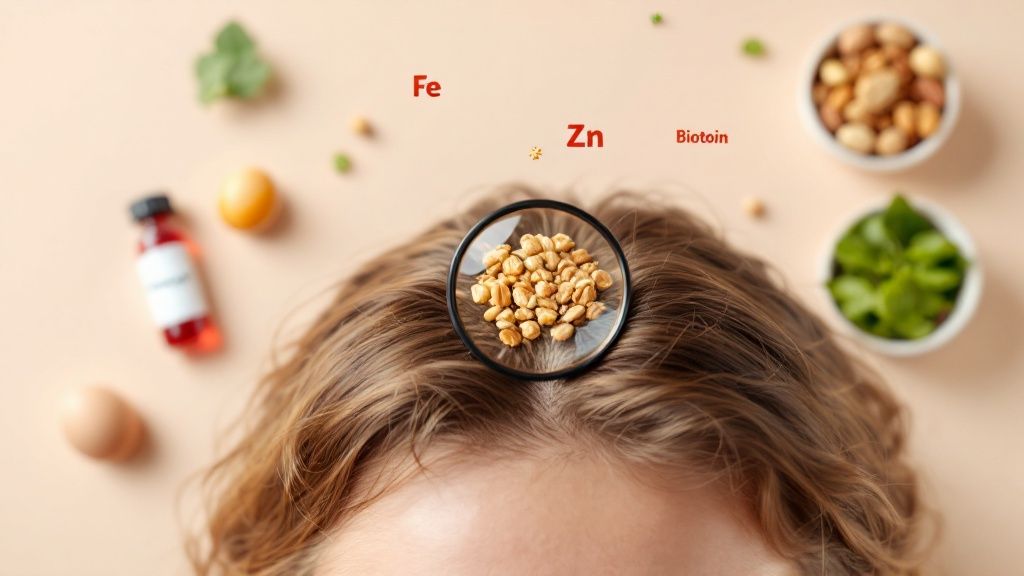
Itchy scalp as a sign of deficiency: causes & solutions
Many people are familiar with an itchy scalp that simply will not go away. Often, this is more than just an annoying skin problem—it can be a clear sign from your body that it is lacking important nutrients. Essentially, it is an internal cry for help indicating an underlying deficiency.
When your scalp is crying out for help from within
Constant scratching is not only uncomfortable but can also significantly affect your well-being over time. You often look for the cause in external factors, such as the wrong shampoo or dry heated air. But the true root of the problem often lies much deeper: within your body itself.
Your skin, and especially your sensitive scalp, needs a steady supply of vitamins and minerals to stay healthy and fulfill its important protective function.
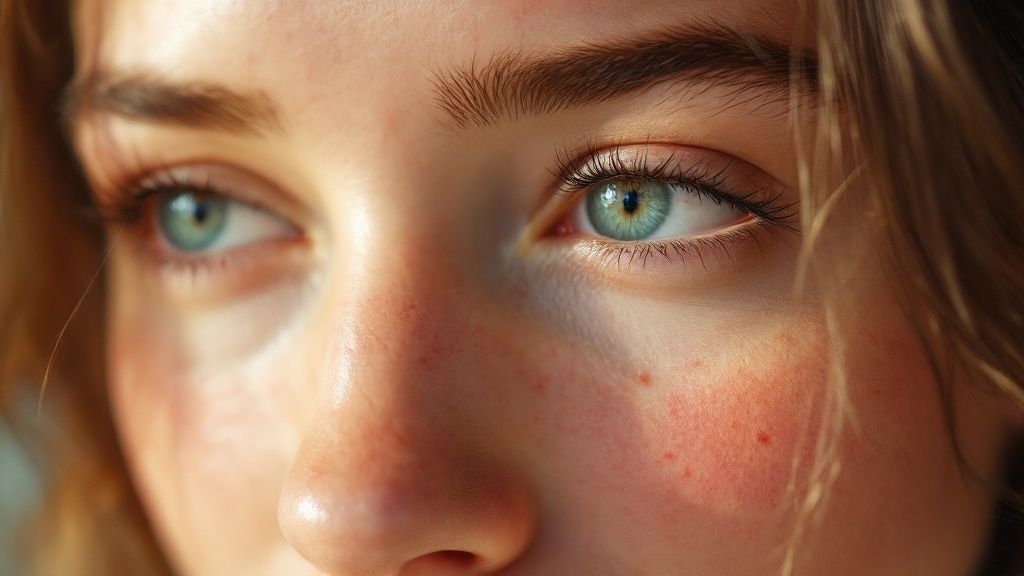
When these essential building blocks are missing, the natural balance is quickly disrupted. The skin barrier weakens, sebum production no longer functions properly, and the body responds with inflammation. The result: a dry, irritated scalp that itches incessantly.
What your diet has to do with your skin
It is crucial to understand that a healthy scalp starts from within. What you eat has a direct impact on the condition of your skin cells. An unbalanced diet quickly leads to deficiencies, which first become apparent wherever cells renew rapidly—such as at the hair roots and on the scalp.
- Cell regeneration: Without the right nutrients, skin cells cannot renew themselves properly.
- Protective function: A strong skin barrier is essential for retaining moisture and keeping external irritants at bay.
- Reducing inflammation: Certain vitamins and minerals help regulate inflammation in the body and soothe the skin.
To get to the root of the problem, you need to know exactly what is missing. Taking a precise look at your nutrient levels gives you the clarity you need. This is exactly where the mybody-x complete nutrient analysis comes in: it helps you address a deficiency in a targeted way and give your scalp what it really needs.
Which nutrients may be lacking when you have an itchy scalp
Think of your scalp as a small, sensitive ecosystem. To stay balanced and function healthily, it needs a constant supply of nutrients. If these important building blocks are missing, your body often responds quickly—for example, with a itchy scalp as a sign of a deficiency. But which nutrients are the main suspects?
The following graphic provides an initial overview of which nutrient deficiencies are particularly common causes of an itchy scalp.
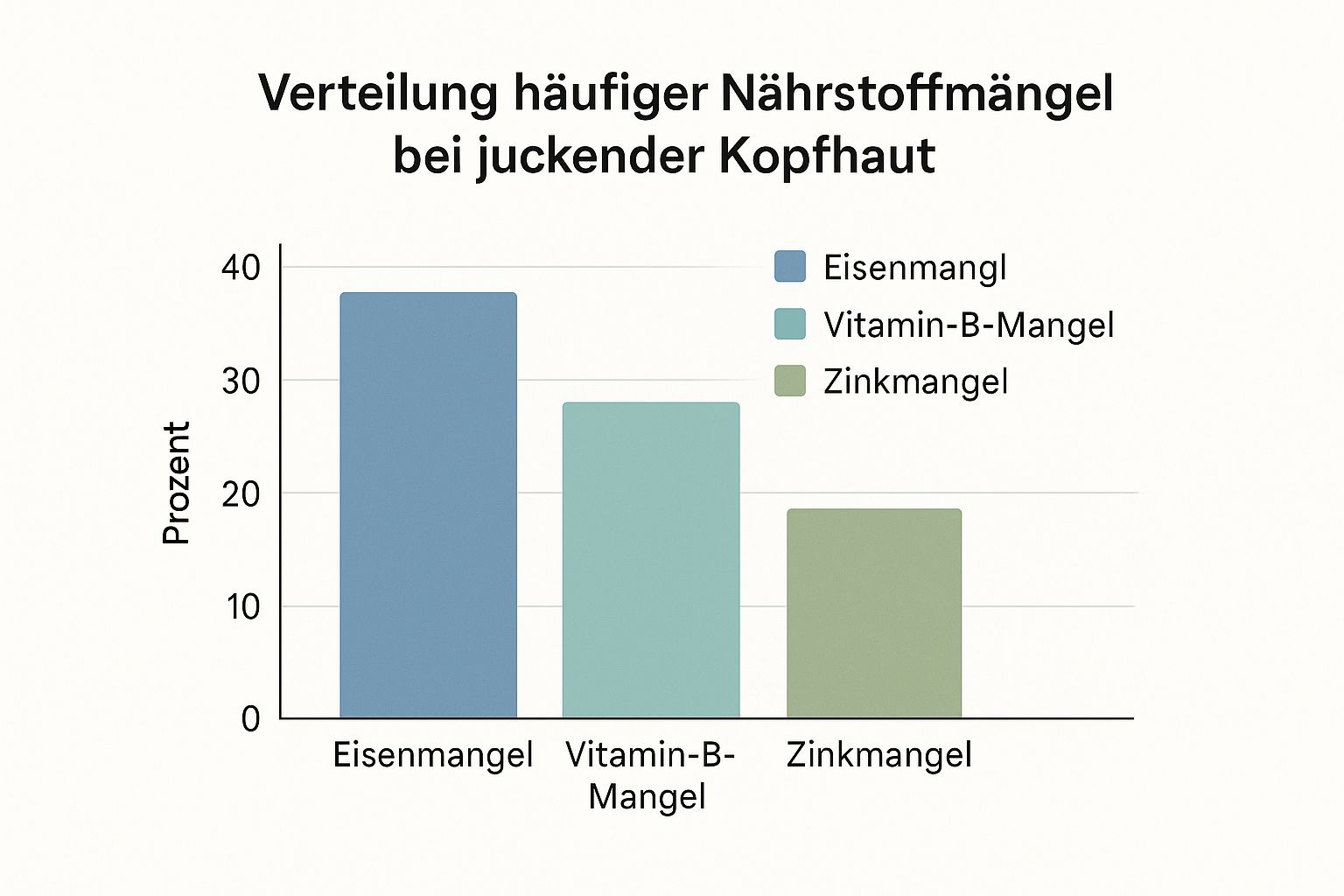
It is immediately clear: iron, the B vitamins, and zinc in particular are absolutely essential for a healthy scalp. But other micronutrients also play a crucial role in keeping the natural skin barrier strong and resilient.
Iron for oxygen and cell growth
Iron is not only a source of energy but also the key mineral for transporting oxygen to your cells. Iron deficiency quickly means that hair follicles and skin cells are no longer supplied properly. This weakens their ability to regenerate, makes the skin drier and more vulnerable—and can ultimately lead to itching or even hair loss.
Typical accompanying symptoms of iron deficiency that extend beyond the scalp often include fatigue, paleness, and brittle nails.
Zinc, the guardian of the skin barrier
Zinc is a true all-rounder for your skin. It is involved in more than 300 involved in metabolic processes, helps regulate sebum production, and supports wound healing.
When zinc is lacking, the protective function of the skin barrier becomes compromised. The result? Your scalp loses moisture, becomes dry and flaky, and starts to itch. At the same time, sebum production can get out of control, leading to either extremely oily or very dry skin.
B vitamins: powerhouses for skin and hair
Healthy skin is impossible without the B-vitamin group. Biotin (vitamin B7) in particular is known as the “beauty vitamin” for skin and hair. It strengthens the hair structure and is involved in the formation of keratin—the main building block of your skin and hair. A deficiency often manifests as dry, flaky skin and hair breakage.
But other B vitamins, such as niacin (B3) and pantothenic acid (B5), are also important for regulating moisture and strengthening the skin barrier.
Vitamin D: the sunshine vitamin for immune defense
Vitamin D plays a crucial role in regulating your immune system and cell division. It helps keep inflammatory reactions in the skin under control.
A deficiency can therefore really fuel inflammatory skin problems and itching. Especially in winter, when we get little sunlight, the risk of a deficiency increases significantly. If you would like to learn more about the signs, you can find plenty of other valuable information in our article on vitamin D deficiency.
Good to know: Nutrient deficiencies rarely occur in isolation. Several levels are often out of balance at the same time, which can further intensify the symptoms. That’s why it’s so important not to test just individual vitamins, but to get a complete picture of your own nutrient status.
Essential fatty acids for moisture balance
Omega-3 and omega-6 fatty acids are essential for building cell membranes and maintaining an intact skin barrier. They have anti-inflammatory effects and help the skin retain moisture more effectively.
A deficiency in these important fats can lead to chronically dry and irritated skin, which often first becomes noticeable as an itchy scalp.
To give you a quick overview, we’ve summarized the most important nutrients and their typical scalp symptoms here:
Overview of nutrient deficiencies and scalp symptoms
This table summarizes the most important nutrients whose deficiency can cause itching and lists the associated typical scalp symptoms.
| Nutrient | Function for the scalp | Typical deficiency symptoms |
|---|---|---|
| Iron | Oxygen supply to the hair follicles, cell regeneration | Dry scalp, itching, hair loss |
| Zinc | Strengthening the skin barrier, regulating sebum production | Dry, flaky skin, itching, impaired wound healing |
| B vitamins (especially biotin) | Keratin production, strengthening of the hair structure | Flaking, dry scalp, hair breakage |
| Vitamin D | Immune system regulation, inflammation control | Inflammatory skin reactions, itching, psoriasis |
| Essential fatty acids | Cell membrane formation, moisture retention | Chronically dry, irritated, and itchy scalp |
This overview shows how closely your scalp health is linked to your nutrient supply. To determine precisely whether your itchy scalp is caused by a nutrient deficiency and which nutrients are specifically lacking, the mybody-x Nährstoffanalyse complete provides a precise and reliable basis.
Other possible causes of an itchy scalp
Sure, a itchy scalp often indicates a nutrient deficiency. But it’s important to know that entirely different things may also be behind it. Not every tingling or tight feeling is immediately related to your nutrient supply. Looking at the other possible culprits can help you narrow down the problem.
Sometimes it’s the simplest things that can wreak havoc on your scalp. Think of dry indoor air from heating in winter or too much sun in summer. Both draw moisture from the skin and weaken its natural protective barrier. The result? A dry, irritated scalp that quickly starts to itch.

The same applies to hair care products. Many shampoos or conditioners contain harsh surfactants, alcohol, or fragrances that can trigger allergies or simply dry out the skin. In fact, environmental factors and improper care are considered the most common causes of an itchy scalp in Germany. You can read more about typical triggers in this guide to scalp health on listando.de.
Skin conditions and stress as triggers
In addition to external irritants, chronic skin conditions may also be responsible. Conditions such as atopic dermatitis (atopic eczema) or psoriasis are almost always accompanied by severe itching, redness, and visible flaking. This is usually caused by a genetic predisposition that disrupts the skin's immune system.
And then there is the mind. Never underestimate the impact of stress! Prolonged stress puts your body into a kind of constant state of alarm. The stress hormone cortisol is released, which can weaken the skin barrier and promote inflammation.
Many people know this experience: During stressful periods, the scalp suddenly itches much more intensely. This shows how closely your mental well-being and skin health are connected.
To narrow down the cause, it helps to distinguish between the possibilities:
- External influences: The itching occurs seasonally or whenever you use a particular product.
- Skin conditions: Other areas of the skin are often affected as well, and the symptoms are usually chronic.
- Stress: The itching gets worse during psychologically stressful periods.
- Deficiency: The symptoms are more or less constant and are often accompanied by fatigue or hair loss.
If you can rule out external factors and skin conditions, an itchy scalp caused by a deficiency becomes the focus. A targeted analysis, such as the mybody-x Nährstoffanalyse complete test, can then give you the clarity you need.
Why constant itching also affects your mental well-being
Anyone who constantly suffers from an itchy scalp knows that it is so much more than just a skin problem. It can become a genuine psychological burden that severely affects everyday life and your self-esteem. This incessant feeling of needing to scratch wears on your nerves and often leads to inner restlessness and constant tension.
This persistent condition is often associated with shame and insecurity. Many people affected feel uncomfortable in social situations. They worry that others might notice their reddened skin, flakes, or compulsive scratching. This concern often leads them to withdraw and avoid social contact.
The vicious cycle of itching and stress
Stress is a known trigger that can worsen skin problems—and an itchy scalp in turn creates stress. The whole situation can quickly become a vicious cycle: The itching causes emotional strain, and that strain further intensifies the physical symptoms. You feel helpless, trapped in this cycle of physical and emotional discomfort.
To make matters worse, outsiders often do not take an itchy scalp seriously and dismiss it as a minor issue.
For those affected, however, it is a daily ordeal that can rob them of their concentration, sleep, and sheer enjoyment of life. That is precisely why it is so important to acknowledge this burden and take the search for its causes seriously.
A study clearly shows how widespread this problem is and how severely it affects mental well-being: Almost half of those affected feel inhibited and insecure because of the itching. The results make it clear that for around 41% of respondents, the itching is simply an unbearable everyday complaint. You can read more about the psychological effects of scalp problems in this study.
Precisely because the psychological component is so significant, it is crucial to get to the root of the cause. If an itchy scalp is caused by a deficiency, a targeted blood analysis such as the mybody-x Nährstoffanalyse complete can be the first step toward finally bringing not only your skin but also your mind to rest.
Stop guessing: Find out what your body is really lacking
Do you suspect that a nutrient deficiency is behind your itchy scalp, but are unsure of the exact cause? Taking random supplements on a whim is rarely a good idea. On the contrary, it often disrupts the body's delicate balance even further.
The only sensible approach is to seek clarity. Instead of feeling your way in the dark, you need a solid, scientific foundation for your next steps. Because only when you know exactly where a deficiency is hiding can you address it in a targeted and effective way.
Your path to clarity—right from home
A precise blood analysis is the key to reliably identifying an itchy scalp caused by a deficiency. This is exactly where the mybody-x Nährstoffanalyse complete comes in. This test was developed to give you precisely this in-depth insight—all from the comfort of your own home.
No appointment required and no long waits in the waiting room. With just a few drops of blood from your fingertip, you can initiate a comprehensive analysis of your nutrient levels in a certified German laboratory. This finally gives you a clear picture of how well supplied you are with the most important vitamins and minerals. If you would like to learn more, read our detailed guide on how to test for a nutrient deficiency.
The test examines a whole range of values that are absolutely crucial for the health of your skin and hair. These include:
- Iron (ferritin): Essential for ensuring that your skin cells receive enough oxygen.
- Zinc & selenium: Important building blocks for a strong and resilient skin barrier.
- Vitamin D: Plays a central role in immune function and the regulation of inflammation in the skin.
- Vitamin B12 & folic acid: Absolutely essential for cell division and regeneration.
Your results are more than just dry numbers. They are your personal roadmap. You can see at a glance where the problem lies, along with individual recommendations on how to adjust your diet or provide targeted support with supplements.
By knowing your nutrient status, you take control. You can specifically improve your nutrient intake and provide your scalp with exactly the building blocks it needs to recover and regain its balance. This is the first and most important step toward getting the itching under control for good and tackling the problem at its root.
This is how you can specifically address a nutrient deficiency
As soon as the results of your mybody-x Nährstoffanalyse complete show you in black and white what is missing, you can stop guessing and finally take targeted action. A confirmed deficiency is no reason to panic—it is your opportunity to tackle the problem at its root. The key now is to systematically and, above all, sustainably replenish your nutrient stores.
The first and most important step always starts with your diet. Your body can make the best use of nutrients from natural foods. Consciously adjusting your meal plan is therefore the most effective way to address an itchy scalp caused by a nutrient deficiency.

Nutrition as medicine for your scalp
Depending on which nutrient is low, you should consciously incorporate certain foods into your daily routine. Focus on fresh, unprocessed foods—this gives your scalp the building blocks it urgently needs for regeneration.
Here are a few concrete examples of how you can improve your nutrient intake:
- For iron deficiency: Incorporate lean red meat, lentils, spinach, and pumpkin seeds into your meals. A small tip: Having a glass of orange juice with your meal significantly improves iron absorption thanks to its vitamin C.
- For zinc deficiency: Choose oats, beef, nuts (especially pecans), and cheese. Zinc is a true all-rounder for the skin barrier and the regulation of sebum production.
- For a deficiency in B vitamins: Eggs, salmon, avocados, and legumes are excellent sources of biotin and other B vitamins. You can find more details about this important vitamin complex in our article about the symptoms and consequences of vitamin B12 deficiency.
This table gives you a quick overview of the best nutrient sources for a healthy, balanced scalp.
Foods for a healthy scalp
| Nutrient | Top food sources |
|---|---|
| Iron | Red meat, lentils, chickpeas, spinach, pumpkin seeds |
| Zinc | Beef, oats, cashews, Emmental cheese, lentils |
| Biotin (B7) | Eggs (yolk), salmon, nuts, oats, soybeans |
| Vitamin D | Fatty fish (herring, salmon), mushrooms, egg yolk, fortified foods |
| Omega-3 | Salmon, mackerel, flaxseeds, walnuts, chia seeds |
This already gives you a good foundation for specifically optimizing your meal plan.
When dietary supplements make sense
Sometimes diet alone isn't enough to quickly correct a pronounced deficiency. Especially when your stores are already severely depleted, targeted supplementation can be a useful addition to help you get back on track faster.
Important: Please don't randomly reach for just any products from the supermarket shelf. Choose high-quality products and follow the dosage recommendations you receive with your test results exactly. An overdose of certain nutrients can also have negative consequences.
Your goal is to restore your body to its natural balance. With the right combination of a nutrient-rich diet and—if necessary—targeted supplements, you give your scalp exactly what it needs to finally calm down and heal.
Why a disrupted skin barrier is often the real problem
To understand why an itchy scalp as a symptom of deficiency can sometimes be so frustratingly persistent, we need to take a closer look at its natural protective layer. Imagine the skin barrier as a perfectly laid brick wall. The mortar that holds everything together and protects the skin from drying out is the so-called hydrolipid film—a wafer-thin layer of sebum, sweat, and fats.
This barrier has two extremely important tasks: It ensures that moisture remains inside while simultaneously keeping out external irritants such as bacteria, allergens, and dirt. When this protective shield is intact, your scalp is balanced, feels supple, and is healthy all around.
When the protective layer suddenly develops gaps
This is often where the problems begin. External influences, but also internal processes, can weaken this delicate protective layer. In fact, a dry, itchy scalp is far from uncommon—according to a German survey, about one third of the population is familiar with the problem, which is almost always linked to a disruption of the skin barrier. You can read more about the general causes of scalp problems in this guide on medizinfuchs.de.
A deficiency is a crucial factor originating from within. If your body lacks important building blocks—for example, zinc, B vitamins, or essential fatty acids—it cannot keep the protective wall stable or renew the hydrolipid film. The “wall” becomes porous, loses moisture, and can no longer properly perform its protective function. You may know what happens next: dryness, constant irritation, and that agonizing itch.
This also makes it clear why external care alone is often not the solution. You can use as many moisturizing shampoos as you like—but if the foundation, namely your nutrient supply from within, is not right, you are only treating the symptom on the surface without addressing the actual cause.
Incidentally, your genetic predisposition also plays a role in how well your skin barrier naturally functions. In our health portal, you can learn more about how to understand skin problems with the help of your DNA. Targeted provision of the right micronutrients is therefore essential for strengthening the skin barrier from within and finally getting the itching problem under lasting control.
Deficiency symptoms: Your most frequently asked questions
You surely still have one question or another on your mind. No problem! Here we have summarized the most important points for you to clear up any remaining uncertainties.
How quickly will I notice a difference when I change my diet?
A mindful diet is the best way to get an itchy scalp caused by a deficiency under control in the long term. But this requires a little patience. Your body first needs to replenish its depleted stores, and skin cells need time to regenerate.
You will often notice initial improvements after just a few weeks. However, it can easily take two to three months for your skin to become fundamentally stable. So it is definitely worth sticking with it!
Can I identify a nutrient deficiency without a blood test?
Symptoms such as fatigue, hair loss, or itching are useful early warning signs, but self-diagnosis is and remains a guessing game. Many signs are nonspecific and could also have entirely different causes. Without a test, you simply do not know which nutrient is missing or how severe the deficiency really is.
Only a blood test can give you clarity. It allows you to tackle the problem at its root and avoid taking random supplements that you may not need or that could even be harmful in the worst case.
I eat a healthy diet—can I still have a deficiency?
Yes, absolutely! Even the best diet can be undermined by various factors that interfere with your body’s nutrient absorption.
Typical “nutrient robbers” include:
- Stress: A stressful daily routine can cause your need for certain nutrients, such as magnesium and B vitamins, to skyrocket.
- Digestive problems: When your gut is out of balance, it can absorb vitamins and minerals from food only poorly.
- Your individual needs: During certain stages of life—such as pregnancy, intense exercise, or increasing age—your body simply needs more of everything.
A test such as the mybody-x Nährstoffanalyse complete helps you determine your individual status. This allows you to tailor your intake perfectly to your needs and ensure that you are not lacking anything.
mybody-x gives you a powerful tool with the Nährstoffanalyse complete blood test. Easily check your nutrient levels from home and take targeted steps for your health.



Share now:
What Is Normal Blood Pressure? Your Comprehensive Guide
What is iron deficiency? Symptoms & easy detection