

Vitamin biotin: Effects, requirements, and myths examined
Vitamin biotin, also known as vitamin B7, is a water-soluble B vitamin that acts as a coenzyme in central metabolic processes and, according to EU health claims, contributes to the maintenance of normal skin and hair. People who buy biotin supplements often hope for shinier hair, stronger nails, and more radiant skin. But what is really behind the hype? The scientific evidence is far more sober than the marketing suggests. This article explains what biotin actually does, when a deficiency is present, what risks high-dose supplements pose, and when supplementation makes medical sense.
What is vitamin biotin, and how does it work in the body?
Biotin acts as a coenzyme in at least five carboxylase reactions that are essential for breaking down fatty acids, amino acids, and carbohydrates. Without biotin, the body cannot fully release energy from food. This explains why a genuine deficiency can have such far-reaching consequences.
The name “vitamin H” comes from German and stands for “Haut und Haar” (“skin and hair”). This historical name reflects biotin’s role in skin changes observed early on. Today, biotin is known by its systematic designation as vitamin B7, and EFSA has officially approved two health claims: the maintenance of normal skin and the maintenance of normal hair.
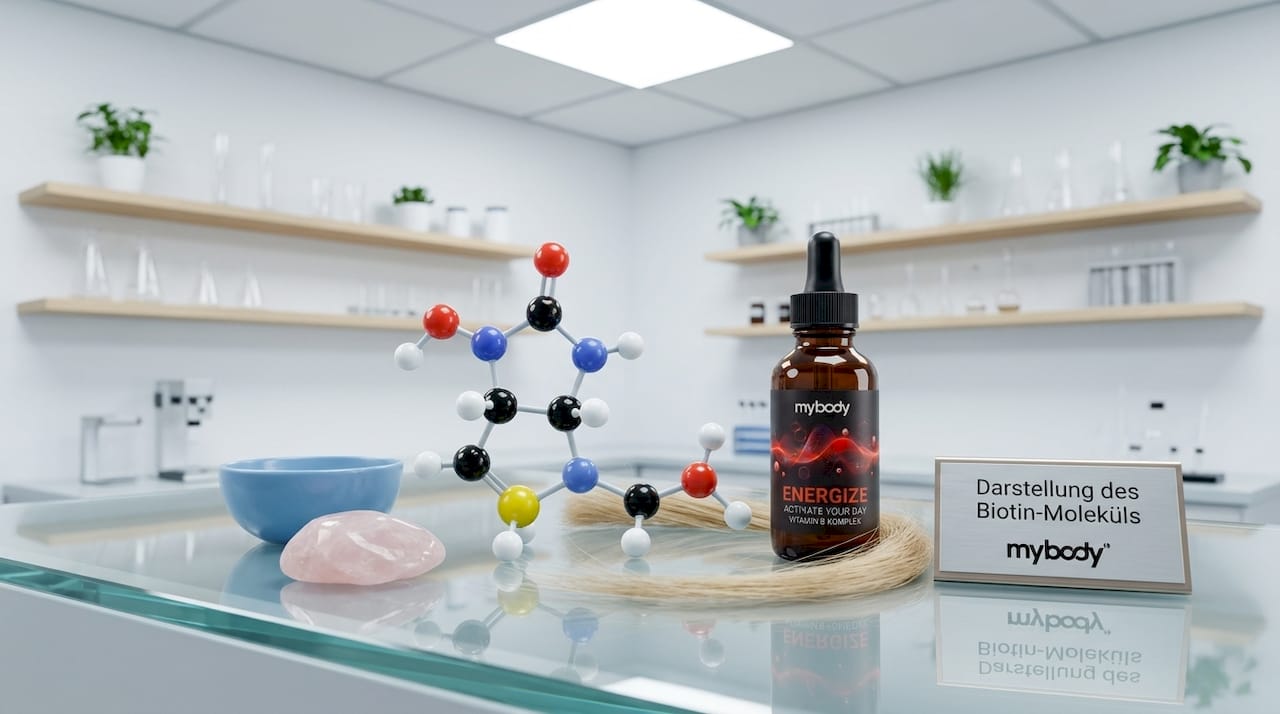
Biotin is water-soluble. This means that excess amounts are excreted through the kidneys and do not accumulate in the body. At the same time, the body’s own intestinal flora produces a certain amount of biotin, which partially meets the body’s needs. This mechanism explains why a deficiency is so rare with a healthy diet.
What benefits does biotin really offer for hair, skin, and nails?
Biotin has been proven to contribute to the maintenance of normal skin and hair. This is not a marketing claim, but a health claim approved by EFSA. The crucial difference lies in the word “maintenance”: biotin maintains existing structures; it does not improve them beyond the normal level.
There are no health claims for nails approved by EFSA. Products that promise “stronger nails through biotin” therefore operate in a legal gray area. This gap between marketing and science is no coincidence; it results from a lack of clinical evidence.
What do studies actually show? A systematic review from 2026 shows a biologically plausible role in keratin formation, with clinical effects strongly dependent on baseline levels. Keratin is the main building block of hair and nails. Biotin supports its synthesis, but only when a deficiency is present does this have a noticeable effect.
For healthy adults without a biotin deficiency, supplements provide no additional benefit beyond normal maintenance functions. This is the key point that many product claims leave out.
- Hair loss: Biotin helps only when the hair loss is caused by a biotin deficiency. Hair loss usually has multifactorial causes, including iron deficiency, thyroid disorders, or genetic factors.
- Skin: The maintenance of normal skin is scientifically established and authorized under EU law.
- Nails: There is no authorized health claim and insufficient clinical evidence of improvements in well-nourished individuals.
- Energy metabolism: As a coenzyme, biotin supports fatty acid and carbohydrate metabolism, which indirectly affects the skin and hair.
Pro tip: If you notice hair loss, first have your iron, ferritin, vitamin D, and thyroid levels checked. These deficiencies are much more common than biotin deficiency and are not corrected by biotin supplements.
How common is biotin deficiency, and what symptoms occur?
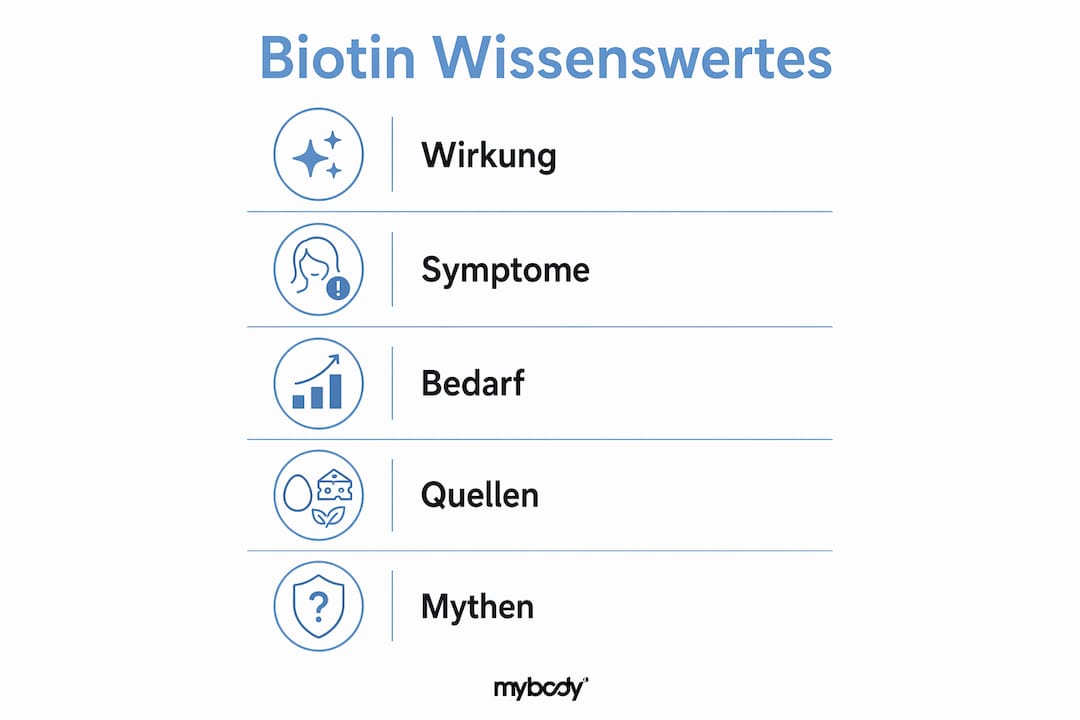
A biotin deficiency is very rare with a balanced diet. According to the Mayo Clinic, the daily requirement for adults is about 30 to 100 micrograms, and this requirement can easily be met through ordinary foods. Nevertheless, there are risk groups in which a deficiency may occur.
The typical symptoms of a biotin deficiency are:
- Hair loss ranging from thinning to diffuse loss across the entire scalp
- Rashes around the mouth, nose, and eyes, often scaly and reddish
- Inflammation at the corners of the mouth and cracked lips
- Neurological symptoms such as tingling in the hands and feet in cases of severe deficiency
- Fatigue and exhaustion caused by impaired energy metabolism
Risk groups include people with genetic disorders of biotin metabolism, individuals who regularly eat large amounts of raw eggs (avidin in egg whites binds biotin and prevents its absorption), and patients taking certain medications such as antiepileptic drugs. Heavy alcohol consumption, smoking, and certain medications can also impair biotin status.
Important: The symptoms mentioned can also occur with other deficiencies. Hair loss, for example, is a classic sign of iron and vitamin B12 deficiency. Anyone who notices symptoms should not take biotin supplements on their own but should have the cause clarified through laboratory testing.
What risks and side effects can occur with biotin supplements?
Biotin is considered safe. As a water-soluble vitamin, it is excreted, and no known toxicity has been documented. Users occasionally report mild stomach upset at high doses. That sounds reassuring, but it conceals an underestimated risk.
The real problem is not toxicity but laboratory interference. Biotin is used as a signaling molecule in many modern immunoassays. If you take biotin in high doses, it can distort the measurement.
- Thyroid levels (TSH, fT3, fT4) may appear falsely low or falsely high
- Troponin tests used to diagnose heart attacks may produce false-negative results
- Hormone tests such as estrogen, testosterone, and progesterone may be distorted
- Vitamin D levels and other micronutrient levels may be unreliable
“Biotin supplements can distort laboratory results in heart attack and hormone tests, which can cause treatment delays.” (Ohio State University)
The German Federal Institute for Risk Assessment (BfR) therefore recommends warning labels on dietary supplements containing biotin, particularly those with a daily dose of 150 micrograms or more. However, many over-the-counter products contain significantly higher amounts, sometimes in the milligram range. This considerably increases the risk of interference without offering a clearly proven benefit for healthy individuals.
Pro tip: Tell your doctor before every blood test whether you are taking biotin supplements. Even low doses can affect the results depending on the testing method. A break of 48 to 72 hours before the blood draw is often recommended.
People with kidney insufficiency should always discuss taking biotin supplements with a doctor, as their excretory capacity may be limited.
How much biotin does the body need, and how can this need be met?
The daily requirement for adults is approximately 30 to 100 micrograms. The German Nutrition Society (DGE) gives an estimated value of 40 micrograms per day for adults. Pregnant and breastfeeding women have a slightly increased need.
The good news: This need can easily be met through a balanced diet. The following table shows the best natural sources of biotin:
| Food | Biotin content (approx.) | Note |
|---|---|---|
| Beef liver (100 g) | 100 µg | Very high content, but sensitive to heat |
| Eggs (1, cooked) | 10 µg | Eating them raw reduces absorption due to avidin |
| Peanuts (30 g) | 5 µg | Good plant-based source |
| Oatmeal (100 g) | 20 µg | Practical for everyday use and well tolerated |
| Soybeans (100 g) | 60 µg | High content, versatile to use |
| Mushrooms (100 g) | 16 µg | Good option for vegetarians |
Biotin is sensitive to heat. Prolonged cooking at high temperatures can reduce the biotin content of foods. Gentle preparation methods such as steaming or briefly sautéing preserve more nutrients. In addition, the intestinal flora synthesizes biotin itself, which partially meets the body's overall needs. A healthy gut flora is therefore also relevant to biotin status.
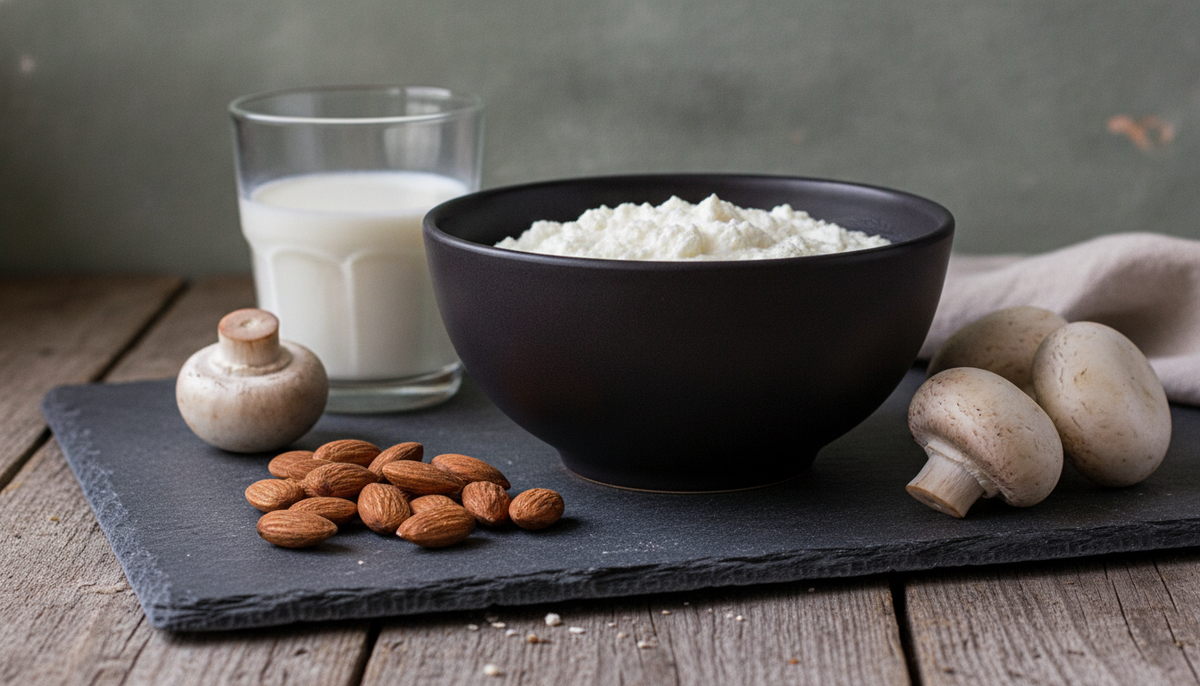
Supplements are simply not necessary with a balanced diet and no confirmed deficiency. Anyone who eats eggs, nuts, oatmeal, or legumes every day generally meets their needs entirely through food.
When and for whom can biotin supplements be beneficial?
Biotin supplements are medically justified when a confirmed deficiency is present. This is the crucial starting point. Without diagnostic testing, supplementation cannot be justified in healthy adults.
Appropriate uses for biotin supplements:
- Genetic disorders of biotin metabolism, such as biotinidase deficiency or holocarboxylase synthetase deficiency
- Medication-induced deficiency states, for example during long-term treatment with antiepileptic drugs
- Severe malnutrition or parenteral nutrition without biotin supplementation
- Confirmed biotin deficiency through laboratory testing
What biotin supplements cannot do: They do not promote hair growth in people with normal biotin levels. Anyone suffering from hair loss due to nutrient deficiency should have the actual cause investigated. Iron deficiency, vitamin D deficiency, or thyroid problems are significantly more common triggers than biotin deficiency.
Caution is especially warranted with over-the-counter high-dose products. Many products contain 5,000 to 10,000 micrograms of biotin, or 100 to 300 times the daily requirement. This excess provides no clinical benefit for healthy people but significantly increases the risk of laboratory interference. An individual assessment of your needs by a doctor is the safest approach before buying a biotin supplement.
Key findings
Biotin is an essential coenzyme that contributes to the maintenance of normal skin and hair. However, supplements are only useful in cases of a proven deficiency and can distort laboratory values at high doses.
| Point | Details |
|---|---|
| Proven effects | EU health claims confirm the maintenance of normal skin and hair, not improvement or nail growth. |
| Deficiency is rare | With a balanced diet, food easily covers the daily requirement of 30 to 100 µg. |
| Be aware of laboratory interference | High-dose biotin starting at 150 µg per day can distort thyroid, heart, and hormone test results. |
| Use supplements selectively | Biotin supplements are only useful in cases of a diagnostically confirmed deficiency or genetic disorders. |
| Identify the causes | Hair loss usually has other causes, such as iron deficiency or thyroid problems, not biotin deficiency. |
My assessment of biotin: useful, but overrated
At mybody x, we regularly see people taking biotin supplements without knowing their actual status. This is understandable, because the marketing around biotin is loud and persuasive. But the science tells a different story.
Biotin is an essential vitamin. There is no question about that. Anyone with a genuine deficiency benefits significantly from targeted supplementation. But the average adult who eats a reasonably balanced diet does not have a biotin deficiency. And anyone without a deficiency will not notice visible changes in their hair, skin, or nails from biotin capsules.
What concerns me most is the laboratory interference problem. Many people do not know that taking biotin can make a heart attack test unreliable. This is not a theoretical risk, but a documented problem explicitly identified by Ohio State University and the BfR. Anyone taking biotin who goes to the doctor must mention it.
My advice: Have your nutrient status measured before taking supplements. An informed decision based on real laboratory values is always better than a decision based on product claims.
— MYBODY X
Your nutrient status at a glance with mybody x
If you want to know whether you actually have a biotin deficiency or other nutrient deficiencies, mybody x offers a clear solution. With mybody x's certified laboratory analyses, you can conveniently determine your personal vitamin status, including B vitamins and other micronutrients, from home.
The results provide you with concrete values, not guesses. This way, you know exactly whether supplementation makes sense or whether your diet already covers everything. More than 11,300 customers already trust mybody x's ISO-certified analyses. Start now with your personal nutrient analysis and make decisions based on real data instead of marketing.
FAQ
What is vitamin biotin and what is it needed for?
Vitamin biotin, also known as vitamin B7, is a water-soluble B vitamin that acts as a coenzyme in energy, fat, and amino acid metabolism. According to EU health claims, it contributes to the maintenance of normal skin and hair.
Does biotin really help against hair loss?
Biotin only helps against hair loss when the hair loss is caused by a biotin deficiency. In people with normal biotin levels, supplements have no proven effect on hair growth.
Which foods are high in biotin?
Particularly good sources of biotin include beef liver, eggs, soybeans, oatmeal, peanuts, and mushrooms. A balanced diet generally fully covers the daily requirement of 30 to 100 micrograms.
Can biotin distort laboratory values?
Yes. High-dose biotin of around 150 micrograms per day or more can distort laboratory values for thyroid hormones, troponin, and other markers. Biotin use should be reported to the treating physician before blood tests.
When are biotin supplements useful?
Biotin supplements are useful in cases of a confirmed deficiency, genetic metabolic disorders, or medication-induced deficiencies. In healthy adults with a balanced diet, they provide no additional benefit.


Share now:
Vitamin K3: What you really need to know
Recovery After Exercise: Top Methods for 2026