

Home remedies for abdominal pain: Immediate relief and dietary tips
TL;DR:
- Abdominal pain occurs suddenly and requires a targeted assessment of its causes. Proven home remedies such as heat, teas, and movement can quickly relieve harmless symptoms. If there are warning signs, you should always see a doctor to rule out serious conditions.
A sudden stabbing pain in your abdomen, a dull pressure, or cramps that stop you in the middle of your day. Abdominal pain often comes without warning and leaves you at a loss: What really helps quickly now? Incorrectly used home remedies can make the situation worse, while the right measures can provide genuine relief. This guide shows you how to assess your abdominal pain correctly, which home remedies actually work, and how smart dietary adjustments can help keep your stomach calmer in the long term.
Table of contents
- Identifying the causes of abdominal pain and responding appropriately
- Immediate measures: Quick relief with home remedies
- Special cases: Targeted treatment for diarrhea, constipation, or heartburn
- Dietary tips for lasting abdominal relief
- Our position: Why self-help for abdominal pain is about more than home remedies
- Start feeling better in your gut today with mybody®x
- Frequently asked questions about home remedies for abdominal pain
Key findings
| Point | Details |
|---|---|
| Quick relief | Heat, rest, and adequate fluid intake effectively relieve acute abdominal pain in many cases. |
| Watch for warning signs | Seek medical help immediately in cases of severe, persistent symptoms or accompanying symptoms. |
| Differentiate the cause | Home remedies should always be used in a targeted way—appropriately for diarrhea, constipation, or heartburn. |
| Adjust your diet | In the long term, a soothing, non-irritating diet provides the best protection against new symptoms. |
Identifying the causes of abdominal pain and responding appropriately
Abdominal pain is one of the most common types of complaint, and that is precisely what makes it so tricky. Completely different causes can hide behind a simple stomachache. The range extends from harmless bloating and an upset stomach after a heavy meal to a gastrointestinal infection requiring treatment. If you misjudge the cause, you may choose the wrong home remedy and make the situation worse.
The first step is therefore always observation. Where exactly is the pain located? What does it feel like—cramp-like, burning, or pressing? Are there accompanying symptoms such as nausea, diarrhea, constipation, or heartburn? This information helps you form an initial cluster of possible causes. A practical approach is to first assess the most likely trigger based on the accompanying symptoms, then choose targeted home remedies and consistently monitor for warning signs. This structured approach is far more effective than trying things blindly.
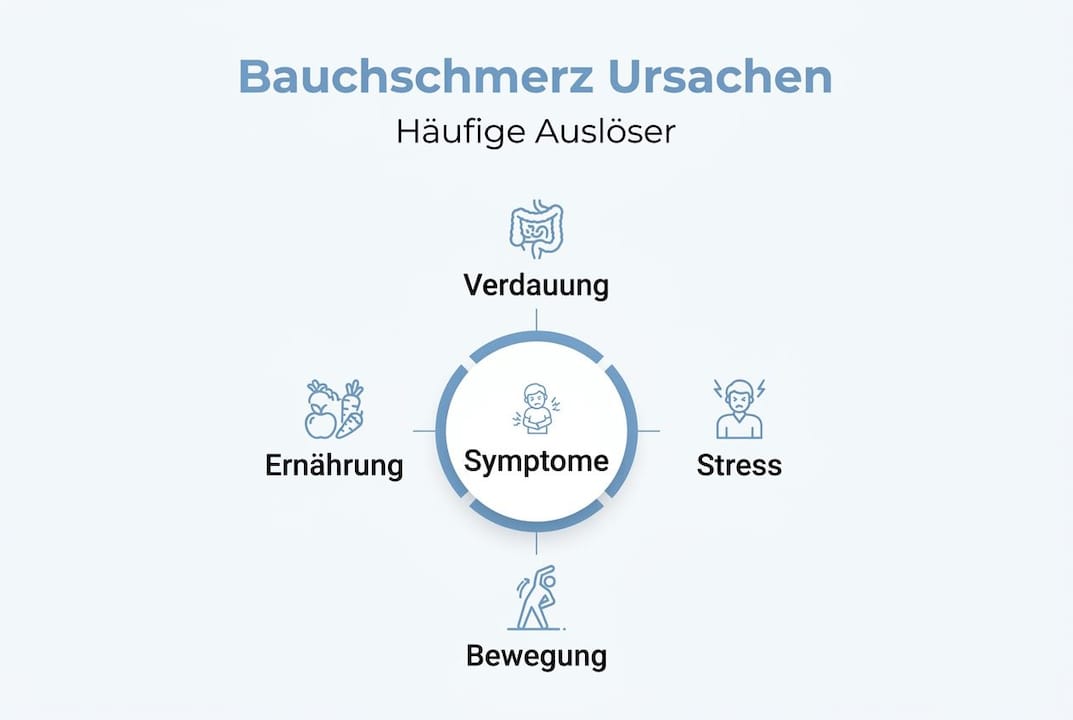
If you frequently suffer from digestive problems, it is worth keeping a simple symptom diary. Note what you ate, how much you slept, and when the symptoms occur. Patterns often become surprisingly clear very quickly once you start paying close attention.
Common causes and suitable home remedies at a glance
| Cause | Accompanying symptoms | Recommended home remedy |
|---|---|---|
| Bloating | Feeling of fullness, rumbling, pressure | Exercise, caraway or fennel tea |
| Constipation | No bowel movement, feeling of pressure | Fiber, plenty of fluids, exercise |
| Diarrhea | Loose stools, cramps | Electrolytes, bland foods, rest |
| Heartburn or reflux | Burning behind the breastbone | Small meals, elevate the upper body |
| Gastrointestinal infection | Nausea, vomiting, fever | Fluids, bland foods, rest |
| Food intolerance | Recurring symptoms after certain foods | Avoid the suspected food |
For example, with known lactose intolerance, symptoms are often easy to predict and can be specifically prevented through dietary adjustments. Such intolerances often go undiagnosed for years because the symptoms develop gradually.
Warning signs for which you should seek medical attention immediately: Very severe, sudden-onset pain, a fever above 38.5 degrees, a hard and tense abdomen, blood in the stool or black, tarry stool, persistent circulatory problems and dizziness, as well as severe vomiting with traces of blood. Severe or persistent pain accompanied by warning signs should always be medically evaluated.
The abdomen in particular is a dense network of organs and nerve pathways. Pain that changes, moves, or intensifies is not a good sign. If you are unsure, it is always better to see a doctor once too often than once too little. We explain how you can fundamentally improve your digestion in a separate guide.
Immediate measures: Quick relief with home remedies
Once the cause has been narrowed down and there are no warning signs, proven home remedies can genuinely help. The key lies in using them correctly. Many people underestimate how much a simple hot water bottle can do. Heat relaxes the abdominal muscles, promotes blood circulation, and noticeably relieves cramps.
Heat and rest are two of the most effective immediate measures for acute abdominal discomfort. However, caution is advised: The hot water bottle should not lie directly on the skin and should not be warmer than comfortably warm. A towel as a buffer protects against burns.
Proven home remedies at a glance
- Hot water bottle or cherry pit pillow: Relieves cramps, ideal for menstrual pain, bloating, and general stomach cramps.
- Chamomile, fennel, or peppermint tea: Has an antispasmodic effect and soothes the intestinal lining.
- Ginger tea: Particularly effective for nausea and sluggish digestion. Simply steep fresh slices of ginger for ten minutes.
- Drink enough water: Stimulates intestinal activity and prevents dehydration, especially with diarrhea.
- Physical rest: Conserves the body's energy and gives it the energy it needs to regenerate.
- Gentle abdominal massage: Stroking the abdomen clockwise can noticeably relieve bloating and sluggish digestion.
Properly stimulating digestion with home remedies is also an issue that many people underestimate. Some home remedies you may remember from the past do in fact have a sound basis for their effectiveness.
Overview: Acute measures and their use
| Measure | Suitable for | Special feature |
|---|---|---|
| Hot-water bottle | Cramps, bloating, menstruation | Do not use if there are signs of inflammation |
| Herbal tea | Bloating, nausea, nervous stomach | No peppermint tea for heartburn |
| Ginger tea | Nausea, sluggish digestion | Drink several times a day |
| Electrolyte solution | Diarrhea, vomiting | Pharmacy or homemade |
| Rest and light food | Gastrointestinal infection, nausea | No fasting, small portions |
Expert tip: Peppermint tea can help with bloating, but it often significantly worsens symptoms of heartburn or reflux. Therefore, always choose tea based on the cause rather than habit.
Warning: If heat intensifies the pain instead of relieving it, this is a warning sign. Inflammatory processes such as appendicitis can be sensitive to heat and may be dangerously aggravated by applying external heat.
Home remedies can provide quick relief for harmless causes, but they do not replace a medical diagnosis. Trying too many things too soon can risk masking a serious problem. Always keep this in mind.
Special cases: Targeted treatment for diarrhea, constipation, or heartburn
Not all stomachaches are the same, so there is no one-size-fits-all solution. Depending on whether you are dealing with diarrhea, constipation, or heartburn, you need different strategies. Here are the three most common cases, along with specific measures.
1. Diarrhea: Fluids and electrolytes first
With diarrhea, the body loses water and minerals very quickly. This is where the greatest danger lies, because dehydration can be particularly dangerous for children and older people. The most important self-care measure for diarrhea is replacing fluids and electrolytes. You can make a simple electrolyte solution yourself: mix one liter of water with a pinch of salt, a pinch of sugar, and a little freshly squeezed lemon juice.
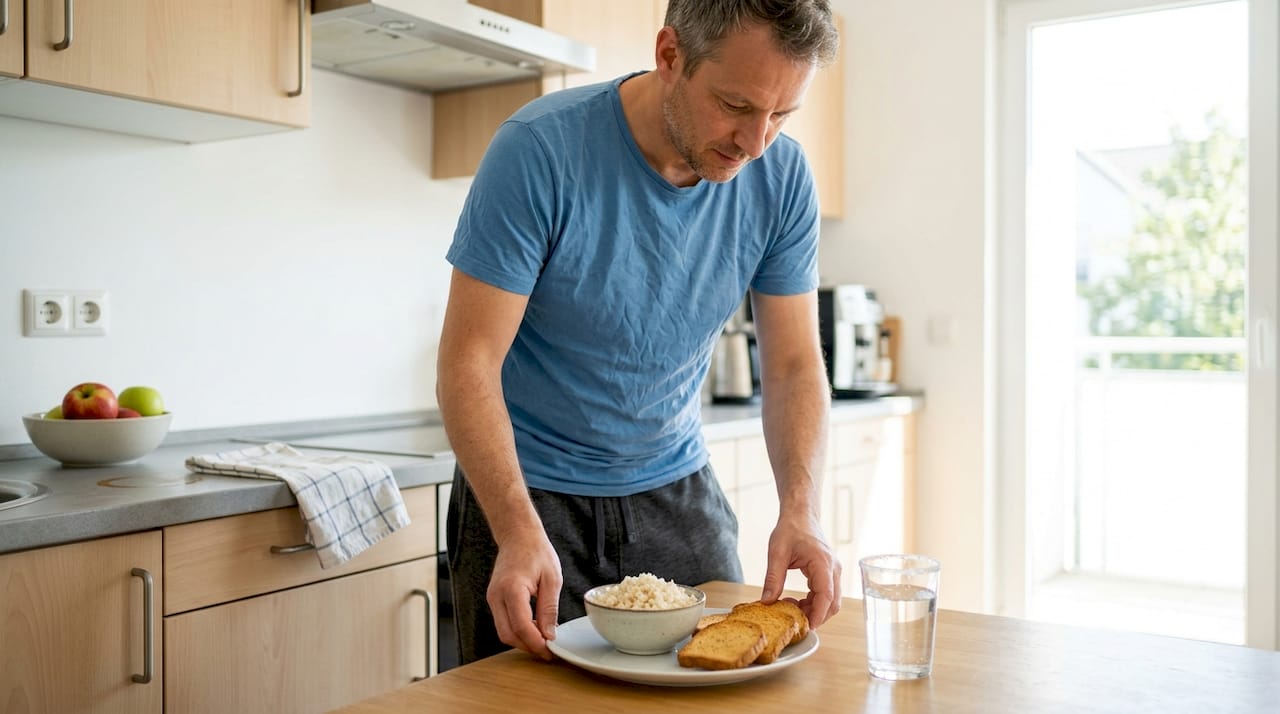
When it comes to food, follow the principle of a bland diet. Easily digestible foods include zwieback, pretzel sticks, rice, cooked carrots, and bananas. During this phase, you should consistently avoid spicy, fatty, or raw foods. Dairy products can further irritate the intestines and should be avoided during the first few days.
2. Constipation: Exercise and fiber as the first choice
Constipation is often caused by a combination of too little exercise, too little fluid, and too little fiber. Even a glass of lukewarm water in the morning on an empty stomach can get the bowels moving. Psyllium husks are a tried-and-tested home remedy available at pharmacies. Important: Always take psyllium husks with enough water; otherwise, the opposite problem can occur.
Physical activity, such as a twenty- to thirty-minute walk after eating, stimulates intestinal peristalsis—the wave-like muscle movements that move intestinal contents forward. This approach also works just as well for bloating after eating.
3. Heartburn: Know your triggers and adjust your meals
Heartburn occurs when stomach acid flows back into the esophagus. Many people know the burning sensation behind the breastbone all too well. Lifestyle measures such as eating smaller meals slowly and avoiding known triggers can significantly relieve heartburn without medication.
Typical triggers include fatty foods, coffee, alcohol, chocolate, tomatoes, and citrus fruits. Raising the head of the bed by fifteen to twenty centimeters helps reduce nighttime reflux. You should also avoid lying down immediately after a meal and wait at least two to three hours.
For people with irritable bowel syndrome or dietary problems, patience and a systematic process of trial and error are especially important. What helps one person can trigger symptoms in another.
Pro tip: Anyone suffering from both heartburn and constipation should avoid combining fiber with acid-forming foods. This can increase pressure in the stomach and worsen reflux. Separate the measures and observe what works better.
Three main cases in direct comparison
| Symptom | Key measure | To avoid |
|---|---|---|
| Diarrhea | Electrolytes, bland foods, rest | Fat, dairy, raw foods |
| Constipation | Water, fiber, exercise | White flour, little fluid, stress |
| Heartburn | Small meals, avoid triggers | Coffee, fat, lying down immediately after eating |
Anyone who also regularly suffers from constant belching and pressure in the stomach should take it seriously. This condition may indicate an underlying cause that requires more than dietary adjustments alone.
Dietary tips for lasting abdominal relief
Home remedies help in the short term, but the real strength lies in prevention. Those who wisely adjust their daily routine and diet will be confronted with abdominal pain less often in the first place. This sounds simple, but it often fails because of small, seemingly unimportant habits.
Regular meals are the foundation. If you eat at similar times every day, your digestive tract gets used to this rhythm and produces digestive juices in the right amount at the right time. Irregular eating, on the other hand—long breaks followed by huge portions—puts considerable strain on the entire digestive system.
Foods that support your digestion:
- Whole-grain products with natural fiber
- Fermented foods such as yogurt, kefir, sauerkraut, and kimchi
- Seasonal vegetables, especially carrots, zucchini, and fennel
- Legumes such as lentils and chickpeas, introduced gradually
- Sufficient water, at least 1.5 to 2 liters daily
Foods that frequently cause problems:
- Fried and very fatty foods
- Highly processed ready-made products with many additives
- Carbonated drinks and energy drinks
- Alcohol in any form
- Too much sugar and heavily sweetened foods
The pattern seen with heartburn and reflux also applies generally to abdominal health: Adjusted meal sizes, avoiding known triggers, and maintaining a calm sleep routine act like a protective shield against recurring discomfort.
Another important point is chewing. Digestion begins in the mouth. The more thoroughly you chew, the less work the stomach has to do. Chewing thirty times per bite is considered an ideal guideline that can be easily implemented in everyday life with a little practice.
Pro tip: Always introduce dietary changes gradually. If you suddenly eat far more fiber than before, this can initially lead to increased bloating and cramps. Slowly increase your fiber intake over two to four weeks, and drink significantly more water than usual.
If you want to specifically build up your gut flora, nutrition is the key lever. A diverse gut flora, supported by a variety of plant-based foods, makes you more resilient to all kinds of abdominal discomfort.
Sleep and stress also play an underestimated role. The gut has its own nervous system, known as the enteric nervous system, and responds directly to psychological stress. Chronic stress can weaken the intestinal barrier and promote inflammation. Relaxation rituals such as brief breathing exercises before meals or a calm end to the day therefore provide genuine support for your digestion. For long-term digestive calm through diet, it is worth taking a closer look at individual response patterns.
Our position: Why self-help for abdominal pain is about more than home remedies
There is one thought that is overlooked in many guides: The gut is not an isolated organ that can be repaired with tea or a hot-water bottle. It reflects your overall health, your diet, your stress levels, your sleep, and even the composition of your microbiome.
We repeatedly observe that people struggle with the same symptoms for years, keep trying the same home remedies, and wonder why nothing provides lasting relief. The problem is often not the home remedy itself, but the fact that the underlying cause was never identified. Anyone who truly wants to understand their gut needs more than good intentions. They need data about themselves.
A symptom diary is a first step. But it becomes truly informative when you know what your own microbiome looks like, which food intolerances you have, or which nutrients you are lacking. Self-help works best when it is built on a solid foundation of knowledge about your own body.
What also concerns us is that many people underestimate the risk of chronic symptoms. Anyone who accepts abdominal pain three times a week as normal risks allowing a harmless problem to develop into a chronic condition. Consistent monitoring and a willingness to seek professional help when home remedies are not enough are not signs of weakness, but of wisdom.
For targeted steps to relieve symptoms, we recommend a personalized approach: understand first, then take action. This is more effective than any home remedy on its own.
Our clear position: Home remedies are valuable and effective, but they are tools, not a strategy. A real strategy begins with understanding your gut for what it is: a complex, highly sensitive system that deserves individualized attention.
Start feeling better in your gut today with mybody®x
Once you realize that home remedies alone do not provide lasting answers, the next step is clear: understand what is really happening in your body. At mybody®x, you will find scientifically based analyses of gut health, the microbiome, food intolerances, and nutrient status that you can conveniently carry out from home. More than 11,300 satisfied customers already trust the ISO-certified laboratory analyses and personalized recommendations. With the integrated mybody®x health portal, you receive practical articles and individual strategies that go far beyond general nutrition tips. Your gut deserves more than trial and error.
Frequently asked questions about home remedies for abdominal pain
When should I definitely see a doctor for abdominal pain?
If you have very severe pain, a fever, a rigid abdomen, blood in your stool, or circulatory problems, seek medical attention immediately, as these warning signs in cases of abdominal pain may indicate serious illnesses.
Which drinks help with acute abdominal pain?
Warm water, mild chamomile or fennel tea, and electrolyte solutions are particularly helpful; you should avoid carbonated and very sugary drinks. In cases of diarrhea, electrolyte solutions and water are the most important immediate measures.
Does heat help with all abdominal pain?
Heat often provides significant relief for cramps and bloating, but applying heat when there are signs of inflammation can be dangerous and worsen the symptoms.
What can I do at home to relieve heartburn and upper abdominal pain?
Smaller meals, eating slowly, and avoiding known triggers such as fatty foods or coffee often help; lifestyle measures for reflux, such as raising the head of the bed, can significantly reduce nighttime symptoms.
How can I tell whether my abdominal pain is coming from my intestines or my stomach?
The exact location of the pain and accompanying symptoms such as nausea, changes in bowel movements, or burning behind the breastbone provide important initial clues; systematically assessing accompanying symptoms helps you narrow down the cluster of causes and take targeted action.


Share now:
DNA test for weight loss: experiences and what they do not prove
Protein-rich foods: Top sources for fitness & health