

Improve Fitness in 2026: 70% More Performance with DNA Tests
Many people fail with generic fitness programs because they ignore their individual genetic, metabolic, and microbial profiles. The result: overtraining, stalled progress, and frustrating setbacks. This guide shows you a clear, step-by-step plan for sustainable fitness improvement based on personalized health analyses. You will learn how to prepare, train effectively, and achieve measurable results.
Table of contents
- Requirements and necessary health checks before starting
- Step-by-step guide to improving fitness
- Scientifically grounded nutrition recommendations
- Typical sources of error and how to correct them
- Measurable goals and success metrics
- How mybody®x supports your fitness with personalized analyses
- Frequently Asked Questions About Improving Fitness Step by Step
Key findings
| Point | Details |
|---|---|
| Personalized analyses as a foundation | Blood, DNA, and microbiome tests identify your individual strengths and weaknesses for optimal training. |
| Step-by-step training planning | Periodized programs based on genetic profiles boost performance without overtraining. |
| Nutrition as a success factor | The microbiome and nutrient status have a decisive impact on energy metabolism and recovery. |
| Avoiding mistakes through data | Personalized recovery plans minimize the risk of injury and promote sustainable progress. |
| Measurable success metrics | Defined biomarkers and fitness parameters enable objective progress tracking. |
Requirements and necessary health checks before starting
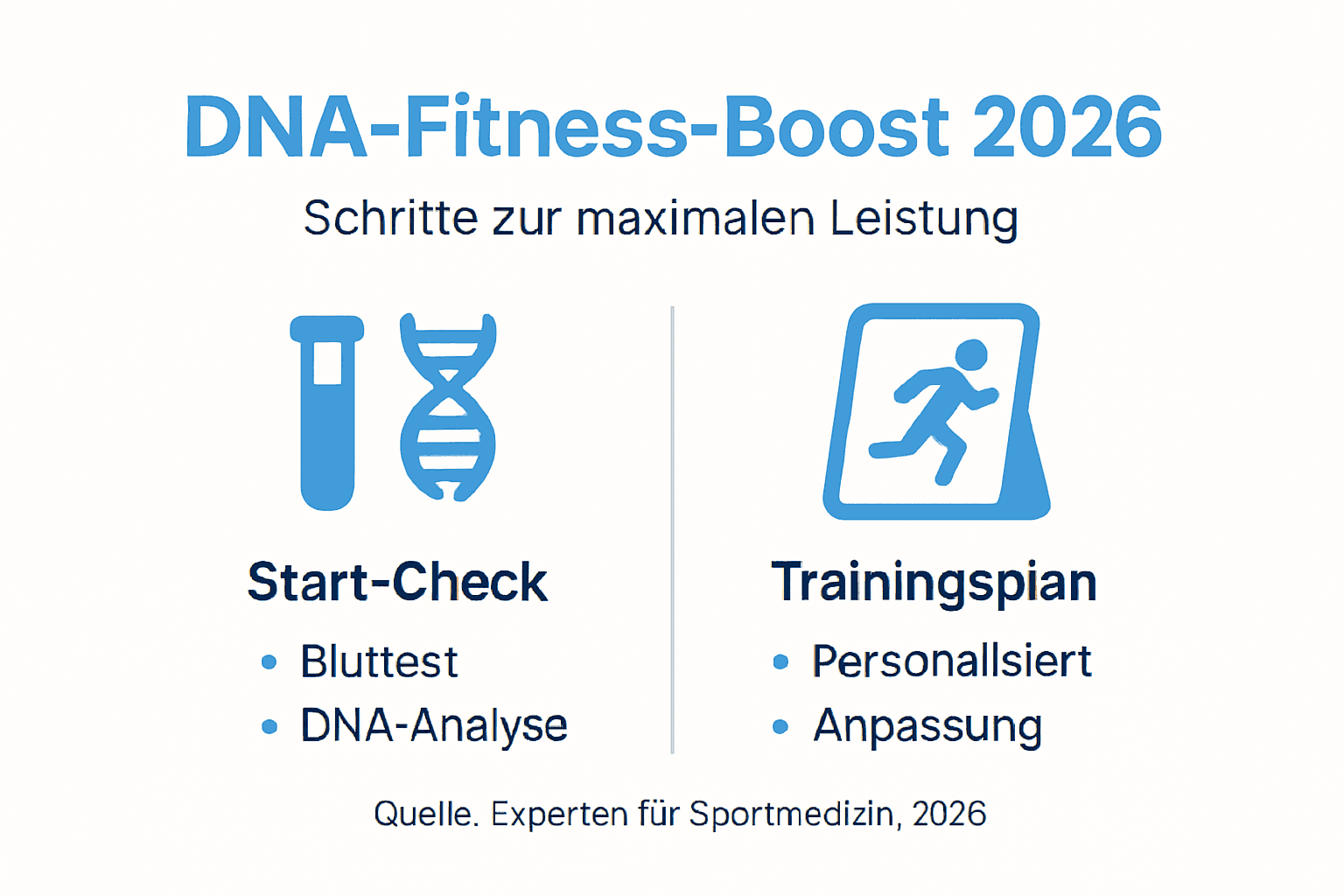
Before starting an effective fitness program, you need solid data about your current health status. Comprehensive blood, DNA, and microbiome analyses form the foundation for safe and personalized fitness improvement. These tests uncover hidden risk factors that are often overlooked in generic programs and can lead to training interruptions or injuries.
The most important preparation steps involve several components. First, blood tests identify nutrient deficiencies, inflammation markers, and hormonal imbalances. Second, DNA analyses reveal your genetic predisposition for endurance, strength, and recovery capacity. Third, a microbiome analysis reveals how efficiently your gut metabolizes nutrients and provides energy.
Pro tip: Schedule a medical check-up before starting training to rule out cardiovascular risks. Combine this with blood tests to get a complete picture of your starting point.
In Switzerland, such tests are becoming increasingly accessible and can conveniently be carried out at home. Costs vary depending on the scope, but typically range between 150 and 400 francs. GDPR-compliant data processing is important: your samples are analyzed using pseudonymization and destroyed after evaluation to ensure the highest level of privacy.
Investing in these preliminary analyses pays off. You avoid costly missteps, reduce injury risks, and start with a clear roadmap tailored to your biology. Further details on microbiome analysis and fitness can be found in current scientific studies.
Step-by-step guide to improving fitness
With your health data in hand, you can now develop a scientifically grounded, personalized training plan. Personalized training programs based on genetic analyses can increase performance by up to 25% because they leverage your biological strengths and specifically address your weaknesses.
Step 1: Create your baseline plan. Analyze your DNA results for predispositions toward endurance or strength. If you are a power-oriented type, you will benefit from high-intensity interval training. If your profile indicates an endurance predisposition, incorporate longer cardio sessions.
Step 2: Periodize your training. Divide your program into phases: base endurance (4 weeks), increased intensity (6 weeks), competition preparation or peak performance (4 weeks), followed by active recovery (2 weeks). This structure prevents overtraining and promotes continuous adaptation.
Step 3: Incorporate recovery phases. Your genetic analysis shows how quickly you recover. Slow recoverers need more rest days between intense sessions. Schedule at least two full rest days per week.
Step 4: Monitor your resilience. Use a personalized training plan that takes heart rate variability and perceived exertion into account. If your variability decreases despite adequate sleep, reduce your training intensity.
Step 5: Adjust continuously. Every 6 to 8 weeks, review your progress using objective metrics such as VO2max, strength levels, or body composition. If these plateau, adjust volume, intensity, or recovery periods.
Pro tip: Integrate microbiome data into your planning. A healthy gut microbiome improves nutrient absorption and inflammation control, directly accelerating your recovery.
This structured approach eliminates guesswork and maximizes the benefits of your training. You work with your biology, not against it, and reach your goals faster with a lower risk of injury.
Scientifically grounded nutrition recommendations
Training alone is not enough for optimal fitness. Your diet must be tailored to your individual metabolic profile and microbiome. Combining microbiome analysis with targeted dietary adjustments improves digestion and energy efficiency in approximately 70% of participants, directly enhancing your training performance.
Start with personalized micronutrients. Blood and metabolic analyses show precisely which vitamins, minerals, and trace elements are lacking. Iron deficiency, for example, reduces oxygen transport and limits endurance performance. Vitamin D deficiencies weaken muscle strength and immune function.
Your microbiome plays a central role in energy metabolism. Certain bacterial strains produce short-chain fatty acids that reduce inflammation and promote recovery. Others optimize the absorption of B vitamins or synthesize essential amino acids. A personalized diet specifically nourishes beneficial microbes.

As a flexible foundation, a flexitarian diet is recommended: predominantly plant-based with occasional animal proteins. This strategy provides fiber for a healthy microbiome and high-quality protein for muscle building. Personalization based on your test results is crucial.
In the long term, this strategy supports weight management and optimal nutrient intake. You avoid deficiencies that sabotage training results and maximize energy availability for intense sessions. The following table shows typical deficiencies and countermeasures:
| Nutrient deficiency | Symptoms | Personalized countermeasure |
|---|---|---|
| Iron | Fatigue, reduced endurance | Combine iron-rich foods with vitamin C |
| Vitamin D | Muscle weakness, increased risk of injury | Supplement based on blood levels, at least 1,000 IU daily |
| Magnesium | Muscle cramps, poor recovery | Leafy green vegetables, nuts, and a supplement if needed |
| Omega-3 fatty acids | Inflammation, slowed recovery | Fatty fish 2–3 times weekly or algae oil |
| B vitamins | Low energy, poor recovery | Whole grains, legumes, and possibly a B-complex supplement |
For more information on nutrition for maximum performance, visit our health portal. Current research provides detailed scientific background on microbiome analysis and nutrition.
Typical sources of error and how to correct them
Even with good intentions, many people make avoidable mistakes that slow their progress. Understanding these pitfalls and their solutions significantly accelerates your success.
Mistake 1: Overloading yourself with unrealistic goals. Many people start with too much volume or intensity because they follow generic programs. Your body needs time to adapt. Solution: Start conservatively and increase volume or intensity by no more than 10% per week. Use your DNA data to establish realistic starting points.
Mistake 2: Neglecting recovery and sleep. Insufficient recovery and sleep can reduce fitness improvements by up to 30% and increase the risk of injury. Training provides the stimulus, but growth happens during recovery. Solution: Prioritize 7 to 9 hours of sleep per night. After hard sessions, schedule active recovery days with light movement.
Mistake 3: Ignoring individual health data. Generic advice is rarely a perfect fit. What works for your training partner may be counterproductive for you. Solution: Make decisions based on your blood, DNA, and microbiome values. Adjust your nutrition and training to your specific needs.
Mistake 4: Failure to adjust nutrition. Many people train hard but do not eat according to their needs. Persistent nutrient deficiencies limit performance and recovery. Solution: Have regular blood tests and adjust your nutrition based on current results.
Pro tip: Keep a training and nutrition journal. Record training performance, sleep quality, nutrition, and subjective well-being. After 4 weeks, you will recognize patterns that promote or hinder your progress.
Avoiding these mistakes requires discipline and self-reflection. With personalized data as guardrails, you can safely navigate around these pitfalls and achieve your fitness goals more efficiently and sustainably.
Measurable goals and success metrics
Objective success measurement keeps you motivated and shows whether your strategy is working. Define clear, measurable goals in three main areas: endurance, strength, and nutrient status.
Endurance goals: Improve VO2max (maximum oxygen uptake) by at least 5% in 12 weeks. Measure this through performance diagnostics or a fitness tracker. Reduce your 5K running time by 30 seconds per month.
Strength goals: Increase your one-repetition maximum in compound exercises (squats, deadlifts, bench presses) by 2 to 5% per month. Document repetitions and weights precisely.
Nutrient status: Normalize deficient blood values within 8 to 12 weeks through targeted nutrition and supplementation. Repeat blood tests quarterly for monitoring.
The following table compares standard programs with personalized approaches:
| Criterion | Standard program | Personalized program |
|---|---|---|
| Performance improvement after 12 weeks | 8 to 12% | 20 to 25% |
| Injury rate | 15 to 20% | 5 to 8% |
| Nutrient deficiencies corrected | 30 to 40% | 70 to 85% |
| Long-term adherence | 40 to 50% | 75 to 85% |
| Personalized adjustment | None | Complete |
Long-term health benefits result from continuous tracking. You can identify negative trends early and take corrective action before serious problems arise. Important biomarkers include CRP (inflammation), HbA1c (blood sugar control), lipid profile (cardiovascular health), and vitamin D levels.
Steps for regular progress monitoring:
- Weekly: Document training performance, body weight, and subjective well-being.
- Monthly: Assess progress toward defined performance goals (strength, endurance).
- Quarterly: Repeat relevant blood tests to monitor nutrient status.
- Every six months: Conduct a comprehensive assessment, including body composition and microbiome analysis.
- Annually: Update your DNA-based recommendations if new findings become available.
Targeted monitoring with DNA analysis enables precise adjustments to your plan. You can see in black and white what works and refine your strategies instead of experimenting blindly.
How mybody®x supports your fitness with personalized analyses
You now have a clear roadmap for improving your fitness. Implementation begins with reliable health data. mybody®x offers comprehensive DNA tests, precise blood analyses, and detailed microbiome analyses that you can conveniently perform at home. The results provide personalized training and nutrition recommendations tailored to your genetic predisposition, metabolism, and gut microbiome. With ISO-certified laboratory quality and GDPR-compliant data processing, mybody®x guarantees the highest scientific standards and data protection. More than 11,300 satisfied customers already trust this evidence-based approach. Start your personalized health check now and achieve your fitness goals sustainably and efficiently.
Frequently Asked Questions About Improving Fitness Step by Step
How long does it take to see initial fitness improvements?
With a personalized approach, most people notice initial improvements after 4 to 6 weeks. Measurable performance gains in strength or endurance typically appear after 8 to 12 weeks of consistent training.
Are DNA tests really necessary, or are blood tests enough?
Blood tests show your current status, while DNA tests reveal your long-term predispositions. The combination is ideal: blood tests identify acute deficiencies, and DNA analyses optimize long-term training and nutrition strategies based on your genetics.
Can I start the plan without laboratory analyses?
You can start with general recommendations, but you risk using inefficient methods or overtraining. Personalized analyses eliminate guesswork and significantly accelerate progress while minimizing the risk of injury.
How often should I update my health data?
Blood tests are recommended quarterly, especially when correcting nutrient deficiencies. Microbiome analyses every 6 months show how dietary changes are working. DNA tests are performed once because your genetics do not change.
Does the personalized approach also work for beginners?
Absolutely. Beginners benefit particularly because they can train correctly from the start and avoid common beginner mistakes. Personalized data prevents overexertion and optimizes the transition into regular training.
How much does a complete personalized health analysis cost?
Costs vary depending on the scope of the test. A basic package with blood and microbiome testing costs around 200 to 300 francs, while a comprehensive package with DNA analysis costs between 400 and 600 francs. This investment pays off through more efficient results and avoided trial and error.
Recommendation
- Sports & Genes – Why Your Training Plan Isn’t Working and How DNA Reveals Your Potential – mybody®x
- Train Genetically Right with a DNA Test for Sports & Fitness – mybody®x
- Muscle Strength & Genetics and What Your DNA Test Says About It – mybody®x
- DNA Test Nutrition Experiences: 6 Real Insights to Help You – mybody®x



Share now:
Gut microbiome analysis: Discover how your gut health works
What a small blood test reveals about your health