
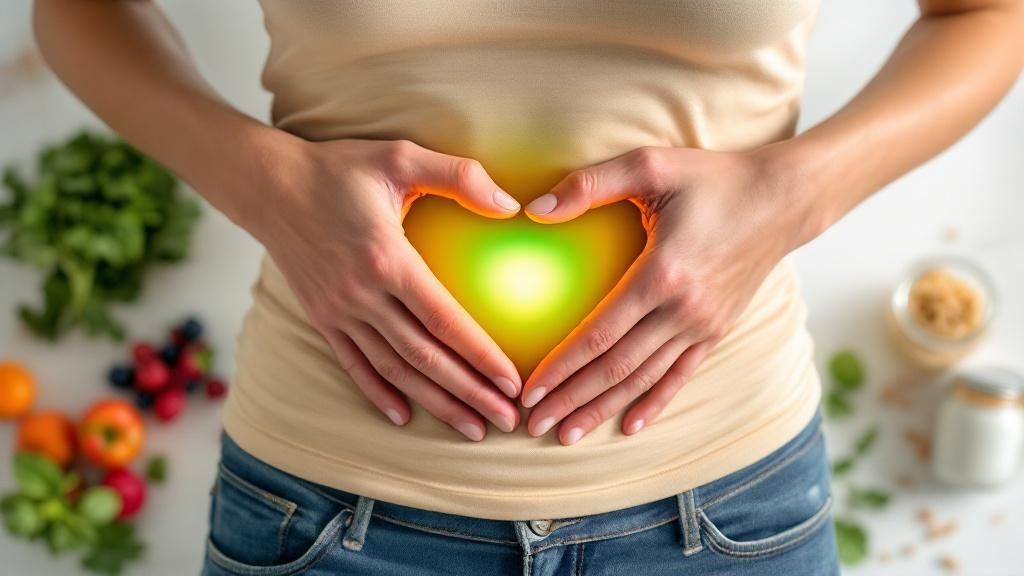
Improve gut health: The best tips for a healthy gut
Do you often feel tired, bloated, or struggle with digestive issues you can’t explain? The cause often isn’t in your head, but directly in your gut. Improving your gut health may be the most effective way to boost your energy, strengthen your immune system, and achieve genuine well-being—and it’s easier than you might think.
Why your gut is the key to well-being

You’ve probably heard the phrase “The gut is the center of health” before. But what does that actually mean for you and your everyday life? Don’t think of your gut simply as a digestive organ, but as a vibrant, highly intelligent ecosystem—your very own microbiome.
This ecosystem is home to trillions of microorganisms, above all bacteria, that tirelessly work for you. They are your little helpers, doing much more than simply breaking down your food. A healthy and diverse community of these gut inhabitants is absolutely crucial to your overall well-being.
The microbiome: Your invisible partner
Think of your microbiome as a lively marketplace. When the “good merchants” (the beneficial bacteria) are in the majority, business thrives: Nutrients are absorbed optimally, your immune system is strengthened, and even your mood benefits. But when this delicate balance is disrupted—for example, by stress, an unbalanced diet, or taking antibiotics—the “troublemakers” quickly take control.
You often feel the effects quite directly:
- Digestive problems: Bloating, a constant feeling of fullness, or irregular bowel movements are usually the first warning signs.
- Loss of energy: Do you often feel exhausted for no apparent reason? An imbalanced gut can block the absorption of important nutrients, which directly leads to fatigue.
- Weak immune system: Incredible but true: Around 80% of your immune cells are located in your gut. A disrupted microbiome therefore makes you more susceptible to every infection going around.
- Mood swings: Through the so-called gut-brain axis, your gut is directly connected to your brain. An “unhappy” gut can therefore have a negative impact on your mental health and cause low moods.
So you see: Optimizing your gut health isn’t a niche topic for health fanatics, but a fundamental step for anyone who simply wants to feel better. If you’d like to explore these connections in more depth, take a look at our article on the influence of the microbiome on your well-being.
You’re not alone with your symptoms
If you regularly struggle with digestive problems, rest assured: You’re in good company. A market analysis of gut health in Germany shows that around three out of five people report experiencing such complaints. This makes it clear just how widespread this issue really is. The good news: You can actively do something about it. Studies show that targeted measures and an adapted diet can demonstrably alleviate the symptoms.
Your gut feeling doesn’t lie. It is your body’s direct feedback. Listening to it and taking targeted action is the first and most important step toward a better quality of life.
This guide is designed to support you in exactly that. We translate the complex science of your gut into simple, practical steps for everyday life. You don’t need a degree in biology to actively improve your gut health. What you need is the willingness to get started and the right knowledge—and that’s exactly what we provide here.
Think of this guide as your personal roadmap to a better gut feeling. To give you a quick overview, we’ve summarized the most important areas for action in a table.
The most important pillars of your gut health
This table gives you a quick overview of the key areas covered in this guide to specifically promote your gut health.
| Pillar | Focus | Specific measures |
|---|---|---|
| Nutrition | Microbiome-friendly foods | Fiber, probiotics, prebiotics, polyphenols |
| Lifestyle | Reducing stress factors | Stress management, sufficient sleep, exercise |
| Diagnostics | Understanding the current state | Microbiome analyses, symptom diary |
| Long-term strategy | Sustainable habits | Individual routines, gradual adjustment |
With these four pillars as your foundation, you have a clear path ahead to not only improve your gut health in the short term but also stabilize it over the long term. Let’s get started!
Your gut-friendly nutrition strategy
A healthy diet that strengthens your gut doesn’t have to be complicated or boring. Forget strict diet rules and prohibitions. It’s more about understanding what your beneficial gut bacteria love and giving them exactly that food. This way, you can specifically improve your gut health and lay the foundation for genuine well-being.
Your journey to a better gut feeling begins right on your plate. Think of it like gardening: You need to tend the soil (your intestinal lining) and provide the right seeds (good bacteria) with the best fertilizer (nutrients).
The power food for your gut inhabitants
The most important nutrient for your microbiome? Clearly, fiber. It is the absolute favorite food of your good gut bacteria. The German Nutrition Society (DGE) recommends a daily intake of at least 30 grams of fiber—a level that most of us unfortunately fall well short of in everyday life.
Fiber is essentially indigestible plant matter. It passes unharmed through the small intestine and is only fermented—or metabolized—by your bacteria in the large intestine. This process produces highly valuable short-chain fatty acids such as butyrate. It is not only the primary energy source for your intestinal cells, but also has anti-inflammatory effects.
Think of fiber as a workout program for your gut. The more you “train” it with these fibers, the stronger and more resilient your microbiome becomes. And the better it can protect you from unwanted invaders.
To increase your fiber intake, you don’t need to chase exotic superfoods. Start with simple but extremely effective adjustments:
- Whole grains instead of refined flour: Swap white bread for whole-grain bread, regular pasta for whole-wheat pasta, and white rice for brown rice or quinoa. A small change with a big impact.
- Incorporate legumes: Lentils, chickpeas, and beans are true fiber powerhouses. They are perfect for soups, salads, or as a base for vegetarian burgers.
- Vegetables with every meal: Add a handful of spinach to your breakfast, eat a large salad at lunch, and enjoy a colorful vegetable stir-fry in the evening. Every color provides new nutrients.
This graphic shows quite well how fiber works in your body to boost your gut health.
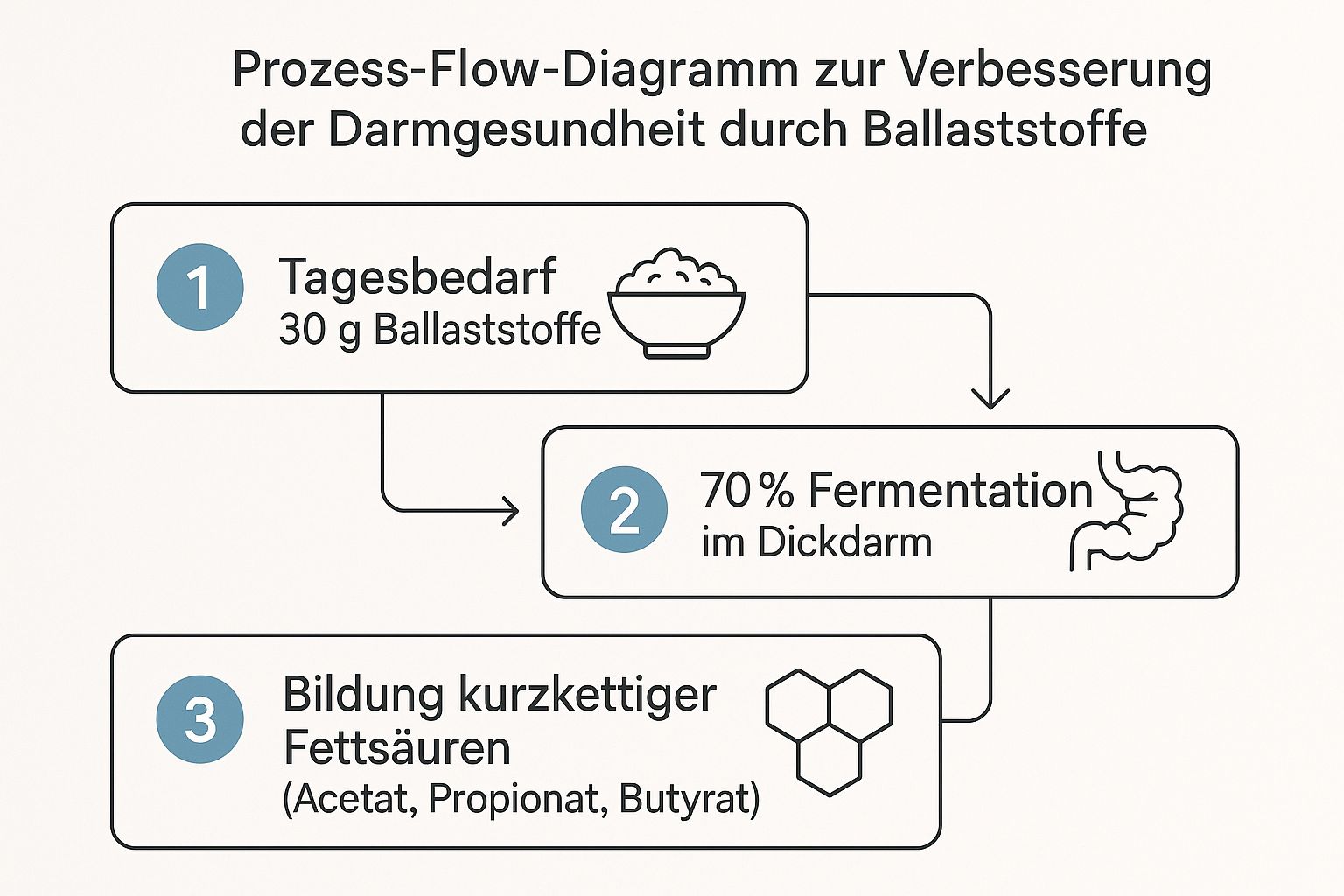
The process makes it clear: A high-fiber diet is the direct way to really boost the production of health-promoting substances in your gut.
Prebiotics and probiotics: The dream team for your gut
In the world of gut health, you’ll constantly come across prebiotics and probiotics. They sound similar, but they have different functions that complement each other perfectly.
Probiotics are living microorganisms—in other words, the “good” bacteria themselves. You can find them in fermented foods. They colonize your gut and support the bacterial strains already present.
Prebiotics are essentially food for these good bacteria. They are usually special dietary fibers such as inulin (from chicory or onions) or pectin (from apples). They specifically promote the growth of beneficial bacteria.
Here are a few examples of how you can easily incorporate both components into your diet:
| Component | Function | Examples of foods |
|---|---|---|
| Probiotics | Introduce good bacteria | Plain yogurt, kefir, sauerkraut, kimchi, miso, kombucha |
| Prebiotics | Feed good bacteria | Onions, garlic, leeks, asparagus, bananas, oats, chicory |
A perfect gut-friendly breakfast? A bowl of plain yogurt (probiotics) with oats and a banana (prebiotics). This gives your gut everything it needs for a healthy start to the day.
Diversity is the key to success
Perhaps the most important principle of a gut-friendly diet: Eat as colorful and varied a diet as possible. Each plant species contains different types of fiber and secondary plant compounds, which in turn feed different bacterial strains. A monotonous diet inevitably leads to a monotonous gut flora, making it more susceptible to disruption.
Challenge yourself: Try eating 30 different plant species per week. It sounds like a lot, but it is easier to achieve than you might think. This includes not only fruit and vegetables, but also nuts, seeds, herbs, spices, and legumes. Every small building block counts and contributes to diversity in your gut.
If you are unsure about the diversity and balance of your gut flora, an analysis can provide valuable insights. If you want to know exactly which bacteria colonize your gut and how you can support them specifically, learn more about the options available with a professional microbiome test. Such an analysis can provide a personalized foundation for your individual nutrition strategy.
Living with chronic bowel diseases
Sometimes digestive problems are more than just temporary discomfort. They are persistent, profound, and a daily companion. If you live with an inflammatory bowel disease (IBD) such as Crohn’s disease or ulcerative colitis, you know exactly what I mean. But you are not alone—and alongside medical treatment, there is plenty you can do yourself to support your well-being.
IBD are conditions in which the immune system goes haywire. It mistakenly attacks the intestinal lining, triggering recurring or even persistent bouts of inflammation. The main difference: Crohn’s disease can affect the entire digestive tract, while ulcerative colitis is limited to the large intestine.
The result is similar in both cases: pain, diarrhea, and impaired nutrient absorption. This makes it clear why targeted improvement of gut health is so crucial for quality of life.
Your role in disease management
Medical treatment is the foundation—without it, nothing works. Medication is essential for keeping inflammation in check and controlling flare-ups. But you are more than just a passive recipient of this treatment. You can take an active role and take control.
Your lifestyle and diet have a huge influence on how you feel. This is not about false promises of a cure, but about supporting medical treatment as effectively as possible. Your goal: to relieve the strain on your intestines and provide them with the nutrients they need to regenerate.
Strategies for everyday life with IBD
There is no perfect strategy—it is always individual and must be closely coordinated with your doctor. Nevertheless, some approaches have proven effective and help many people manage their symptoms better.
The most important pillars for your everyday life:
- Nutrition during quiet phases (remission): When you are not experiencing a flare-up, focus on a nutrient-rich, anti-inflammatory diet. Many people benefit from easily digestible foods, plenty of protein, and healthy fats.
- Adjustments during an acute flare-up: During a flare-up, your intestines are extremely sensitive. Now the focus is on calming them. A low-fiber, gentle diet and plenty of fluids can help. Cooked vegetables instead of raw vegetables and puréed foods are often the better choice.
- Stress management: Stress is a known trigger for new flare-ups. Find out what helps you unwind. Whether it's yoga, meditation, a walk in the woods, or a good book—anything that makes you feel good is allowed.
Important note: IBD is a serious condition that always requires professional medical care. The tips here are intended as a supplement and never replace your doctor's advice.
Did you know that around 600,000 people in Germany are affected by IBD? This enormous number shows how important open discussion of all treatment options is. You can find more information, for example, from the Gastro-Liga, which is dedicated to this topic.
The role of specific nutrients
An intact intestinal barrier is your protective shield. It prevents harmful substances from entering the bloodstream and fueling inflammation further. Certain nutrients can play a particularly important role here.
The amino acid glutamine, which is found in collagen, for example, is an important source of energy for intestinal lining cells. It can specifically support their regeneration.
Sometimes genetics also play a role. Your genetic makeup can influence how your body reacts to certain foods or how prone you are to inflammation. If you want to dig deeper and understand whether there is a link between your genes and digestive problems, take a look at our article on digestive problems and DNA analysis.
Managing a chronic bowel disease is a marathon, not a sprint. Be patient with yourself. Every day is different. Learn to listen to your body’s signals and adjust your strategy when necessary.
How your lifestyle shapes your microbiome
If you want to improve your gut health, you probably think of diet first. That’s important too, but it’s only half the battle. Your overall lifestyle has a huge influence and shapes the delicate balance in your gut every single day. The three major, often underestimated pillars are stress, sleep, and exercise. They act directly on your gut and can be the decisive lever for feeling better in your belly.
Think of your microbiome as a lovingly tended garden. The right diet is good fertilizer. But chronic stress is like a hailstorm that destroys everything. Poor sleep deprives the soil of water, while too little exercise causes everything to wither. Conversely, positive habits act like gentle rain and sunshine, helping your inner garden flourish.
The direct connection between stress and the gut
Do you know the feeling of “butterflies in your stomach” when you’re excited? Or the “knot in your stomach” before an important exam? That’s no coincidence. It’s the so-called gut-brain axis in action—a direct data highway between your brain and your digestive system.
When you’re stressed, your body releases hormones such as cortisol. This is great for brief “fight-or-flight” moments. But with chronic stress, it becomes a constant barrage that is anything but good for your gut.
The consequences of this ongoing hormonal onslaught are quite serious:
- Poorer blood flow: Your body redirects blood away from digestion and toward the muscles. This slows down your intestinal function.
- Leaky gut barrier: Chronic stress can make the intestinal lining more permeable (the famous “leaky gut”), allowing substances into the bloodstream that don’t belong there.
- Microbiome imbalance: Stress promotes the growth of harmful bacteria while beneficial bacteria are pushed back.
Of course, the goal isn’t to banish stress from your life completely—that would be unrealistic. The trick is to actively counter it. Even small, intentional breaks during the day can make a huge difference. A simple breathing exercise at your desk, a short walk during your lunch break, or five minutes of silence can immediately interrupt your body’s stress response.
Stress management is not esotericism but pure biology. When you calm your mind, you send your gut the signal: “Everything is fine; you can get on with your work in peace.”
The integrity of the intestinal barrier is immensely important, especially when the system is already weakened. A report by the Robert Koch Institute on a salmonellosis outbreak among infants provides a good example of the vulnerability of a weakened intestinal system; 57% of the affected children required inpatient treatment. This highlights how an intact gut flora serves as a shield against infections. You can learn more about these findings on infection prevention to understand the importance of robust gut health.
The regenerative power of sleep
While you sleep, your body is working at full speed. Not only does your brain process the day's impressions, but your gut also uses the night to regenerate. Good sleep is essential for repairing the intestinal lining and keeping your microbiome healthy and diverse.
Sleep deprivation affects the gut like stress. It disrupts the natural circadian rhythm of your gut bacteria and can noticeably reduce the diversity of your gut flora.
Practical tips for better sleep:
- Keep consistent sleep times: Try to go to bed and get up at roughly the same time every day—yes, even on weekends.
- Take a digital break: The blue light from smartphones, tablets, and TVs disrupts the production of the sleep hormone melatonin. Put your devices away at least an hour before bed.
- Create a ritual: A warm bath, a soothing tea, or a few pages of a book signals to your body that it's time to wind down.
Exercise that's good for your gut
Exercise is another crucial building block. Regular, moderate activity stimulates intestinal peristalsis—the muscle movements in your intestines that move food through the digestive tract. This helps prevent constipation and noticeably improves digestion.
The key word here is moderate. Extremely strenuous exercise can stress the body and divert blood flow away from the gut. A healthy mix is ideal, for example:
- Brisk walking
- Cycling
- Yoga or Pilates
- Swimming
The important thing is to find something you genuinely enjoy. Only then will you stick with it long term and make exercise a regular part of your gut-friendly lifestyle.
If you want to delve even deeper into this fascinating world, read our article about why your intestinal microbiome is more than just a gut feeling.
Your long-term strategy for a healthy gut feeling

Congratulations! You’ve now learned a great deal about what your gut needs and how everything works together—from nutrition and stress to exercise. But knowledge alone is only half the battle. The truly exciting chapter begins right now: How can you integrate all of this into your everyday life for the long term?
Your gut health isn’t a project with a clear end date. It’s a marathon, not a sprint. The goal is to establish new, healthy routines so firmly that they become second nature. This section will accompany you on this sustainable journey.
The art of taking small, manageable steps
The most common mistake? Trying to do everything at once. From tomorrow on, only raw food, an hour of exercise every day, and chocolate completely cut out. That’s a surefire recipe for frustration and almost always leads to throwing in the towel discouraged after just a few days.
Your gut loves consistency, not perfection. So start with small, almost ridiculously easy adjustments. Choose just one thing to do differently starting tomorrow.
Here are a few examples to get you started:
- The simple swap: Replace one slice of white bread with whole-grain bread every day.
- The little extra: Add a spoonful of flaxseed to your lunch.
- The morning routine: Drink a large glass of lukewarm water right after getting up.
As soon as this one habit feels completely normal after a week or two, add the next one. This way, you build a stable foundation step by step without overwhelming yourself.
Patience is your strongest weapon
There will be days when you throw your good intentions overboard. You eat pizza, skip your workout, and fall into bed stressed out. That’s not failure—that’s life!
What matters is how you deal with it. Don’t see days like these as proof that you can’t do it. See them for what they are: a short pause on a long journey. The next morning, simply pick up where you left off. Without guilt or self-criticism.
Real change doesn’t happen by never falling; it happens by getting back up again and again. Be patient and kind to yourself—your gut will thank you.
Your body needs time to adjust and regenerate the intestinal lining. Your gut bacteria first need to get used to the new food. This process can take weeks, sometimes even months. Trust that your efforts will pay off, even if you don’t feel the results right away.
Become a detective of your gut health
To stay on track in the long term, it’s incredibly helpful to recognize the connections between what you do and how you feel. A simple gut journal is a brilliant tool for this. You don’t need to write novels—a few bullet points a day are perfectly sufficient.
Note these points down every day:
- What did you eat? Simply record your main meals and snacks.
- How did you feel? Pay attention to your energy level, your mood, and especially how your gut feels (e.g., “bloated,” “light,” “good digestion”).
- Notable events: Were you under a lot of stress? Did you sleep particularly well? Did you drink too little?
After just one or two weeks, you will discover surprising patterns. Perhaps you will notice that you always feel sluggish after eating a certain food, or that your digestion goes haywire on stressful days. This knowledge is worth its weight in gold because it allows you to adjust the right levers in a targeted way.
Strengthening the intestinal lining
As you build long-term habits, you can also support your intestinal lining with specific nutrients. It is your internal protective barrier—when it is intact, nutrients are absorbed optimally and harmful substances stay out.
A crucial building block for repairing this barrier is the amino acid glutamine. It serves as the main energy source for the cells of the intestinal lining and promotes their regeneration. Studies suggest that collagen, which is rich in amino acids such as glutamine, can play a key role in tissue healing and reducing inflammation. It may therefore help strengthen the gut barrier and reduce the risk of problems such as leaky gut syndrome.
In addition, collagen also appears to act as a kind of prebiotic. It can promote the growth of beneficial gut bacteria and thus contribute to a balanced microbiome. By incorporating such helpers into your strategy, you give your body exactly the tools it needs for regeneration.
Frequently asked questions about improving gut health
Questions often come up on the way to a better feeling in your gut. Don’t worry, that’s completely normal! Here I answer some of the most common uncertainties that may accompany you on your journey, to give you additional clarity and motivation.
How quickly will I notice an improvement in my gut health?
I hear this question again and again—and the answer is as individual as you are. Some people notice positive effects surprisingly quickly, such as significantly less bloating after just a few days of consistently changing their diet.
For others, it can take several weeks or even months for the microbiome to reorganize and stabilize. This depends on your initial condition, your consistency, and factors such as your stress level. The most important thing is to be patient with yourself and your body.
Remember: You are repairing and strengthening a complex ecosystem. Small but consistent adjustments are much more effective and sustainable here than radical quick fixes that only put additional stress on your gut.
Do I have to give up sugar and wheat completely?
The idea of having to give up sugar or a fresh bread roll forever can seem quite daunting. But the good news is that strict and complete abstinence is neither necessary nor sustainable for most people in the long term.
It is more about awareness and finding the right balance. Gradually reduce your consumption of added sugar and highly processed white-flour products, as these can promote inflammation and feed the “wrong” bacteria. Simply replace them more often with nutrient-rich whole-grain alternatives, and learn to appreciate sweets as a special treat again instead of consuming them mindlessly.
A healthy lifestyle that improves your gut health is not a punishment. It should bring you joy and leave room for mindful indulgence.
When should I see a doctor about digestive problems?
This guide is intended to motivate you and provide valuable information. However, it can never replace, nor is it intended to replace, a medical diagnosis or treatment. It is essential to know your own limits and seek professional help when necessary.
Be sure to see a doctor if any of the following applies to you:
- Sudden and severe symptoms: Your symptoms appear out of the blue and with great intensity.
- Persistent problems: Your digestive problems last for several weeks without any improvement.
- Worsening symptoms: Your symptoms continue to get worse despite your efforts.
- Warning signs: You notice accompanying symptoms such as unexplained weight loss, feeling seriously unwell, fever, blood in your stool, or nighttime pain that wakes you up.
Your health is your most valuable asset. When you experience warning signs like these, always seek medical advice to safely rule out serious illnesses or treat them in time. Your doctor can determine exactly what is causing your symptoms and initiate the right treatment for you.
Are you ready to take your gut health to the next level and understand exactly what your body needs? The scientifically grounded analyses from MYBODY Lab GmbH give you personalized insights into your microbiome, nutrient status, and more. Start your journey toward a better gut feeling today and discover your individual health strategy at https://mybody-x.com.

Share now:
At-home stool test: Your discreet path to better gut health
Hormone Test for Women: When Is It Useful?