
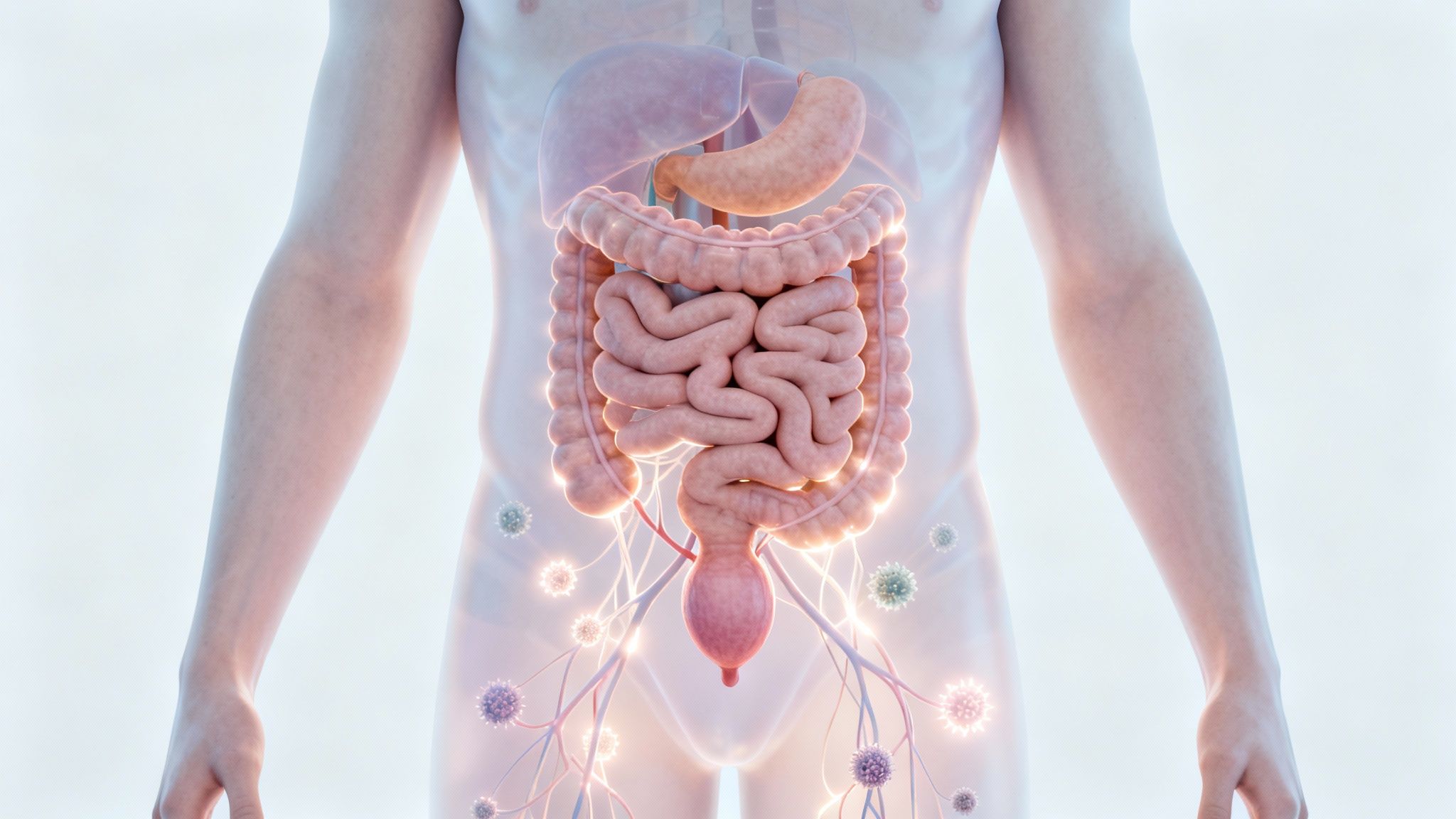
How are the gut and bladder connected, and what helps with symptoms?
Do you sometimes wonder why your bladder problems simply refuse to go away, even though you feel like you’ve already tried everything? The answer could lie somewhere you might not expect: in your gut. After all, the gut and bladder are much more closely connected through their anatomy, shared nerve pathways, and microbiome than most people realize. A problem in the gut can therefore manifest directly as bladder symptoms.
Understanding the invisible connection between the gut and bladder
Have you ever noticed how stress affects not only your stomach but suddenly also increases your urge to urinate? Or that your bladder suddenly starts hurting after a course of antibiotics? This is no coincidence, but a clear sign of the direct communication axis between your gut and bladder.
Bladder problems are often treated in isolation, as if they were purely local issues. Yet the true root of the problem often lies one level deeper—in an imbalance in your gut ecosystem. When the trillions of microorganisms in your gut fall out of balance, the consequences can be far-reaching, and you may feel them all the way to your bladder.
This graphic gives you an overview of the three main pathways through which the gut and bladder are in constant communication with each other.
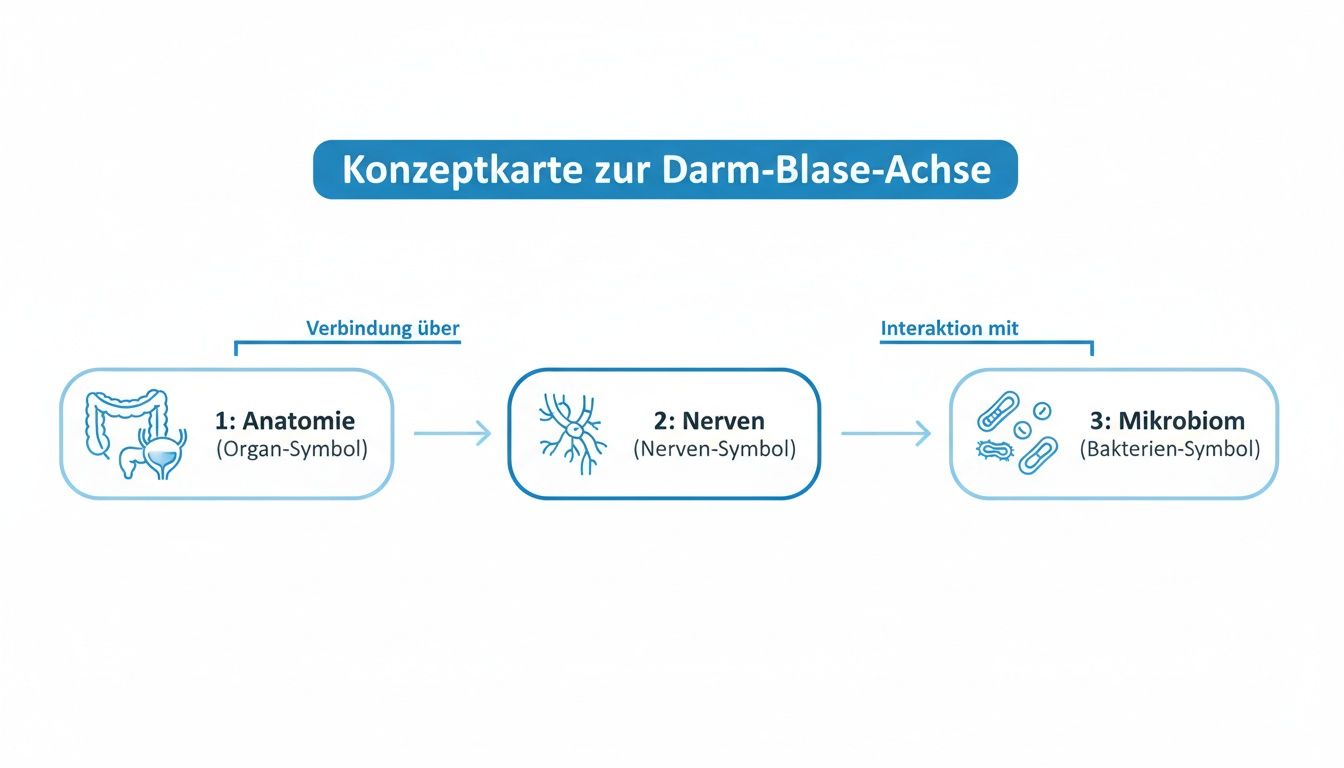
As you can see, it is about far more than just physical proximity. The interplay between nerves and the microbiome is what makes this connection truly complex—and explains why so many symptoms are related.
Our goal is to show you that you can regain control by correctly interpreting your body’s signals and addressing the root cause.
To truly understand these connections, it is important to take a closer look at the individual levels. While our article explores the complex connection between the gut and bladder in humans, overall gut health is a fundamental topic whose principles are also relevant to our four-legged friends. Learn more about gut health in dogs to gain a broader understanding of this important topic.
In this guide, we decode how this hidden axis works for you. You’ll learn how to recognize the signs and why an intolerance test or nutrient test from mybody-x.com could be the first step toward gaining clarity and finding the root cause of your symptoms.
Why anatomy promotes recurring urinary tract infections
Imagine your gut and bladder as direct neighbors in a densely packed residential community. What happens on one property rarely goes unnoticed and can quickly spill over onto the other. This close proximity is the first and perhaps most obvious reason why the health of both organs is so inextricably intertwined.
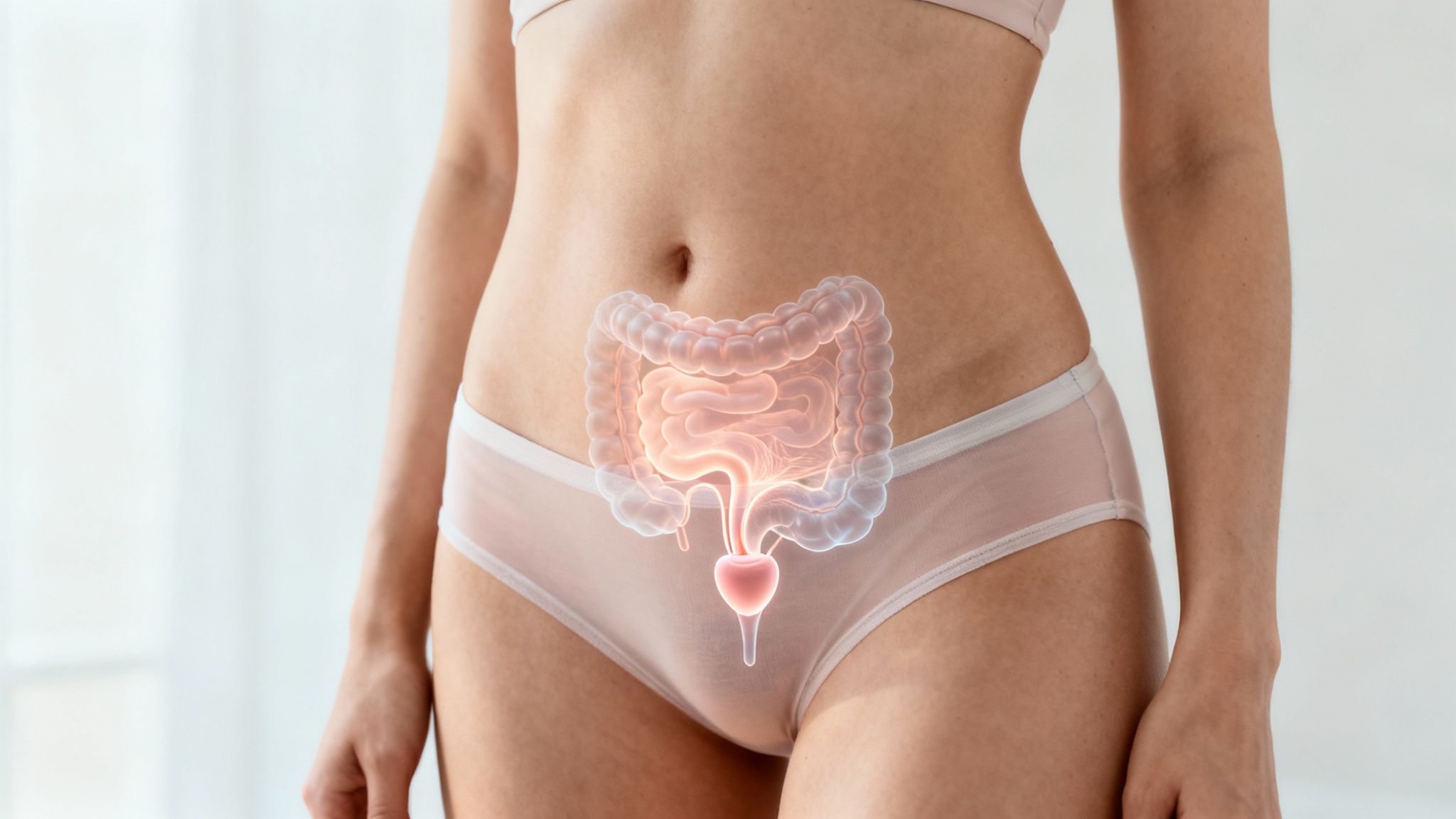
This anatomical proximity plays a particularly important role in women. Compared with men, the urethra is significantly shorter, and its opening is very close to the anus. This essentially creates an express route for intestinal bacteria, especially the well-known Escherichia coli (E. coli).
These bacteria are actually a completely normal and even important part of your gut microbiome. But if they slip over into the urinary tract, they can cause quite painful inflammation there.
How the bacteria find their way into the bladder
The transfer of intestinal bacteria is a purely mechanical process made much easier by the short distance. Even minor hygiene mistakes after using the toilet or certain sexual practices can be enough to clear the way for the bacteria.
As soon as E. coli bacteria enter the urethra, they can settle there and travel upward toward the bladder. There, they find ideal conditions to multiply—and trigger the typical symptoms of a bladder infection:
- A constant, often painful urge to urinate
- Burning when urinating
- Cramps or pain in the lower abdomen
- Cloudy or unpleasant-smelling urine
This anatomical feature is the main reason why women are so much more likely to suffer from urinary tract infections. Experts estimate that between 50 and 70 percent of all women in Germany have to deal with one at least once in their lives. Their anatomy simply makes them more susceptible to invasion by intestinal bacteria. You can find out more about the background to urinary tract infections on vorsorge-online.de.
Your gut as the first line of defense
But anatomy alone is not the whole story. Whether an infection actually develops depends largely on the strength of your immune defenses—and these begin in the gut. A healthy, balanced gut microbiome is your first and most important line of defense. It keeps harmful bacteria in check and prevents them from multiplying excessively and spreading.
A healthy gut microbiome is like a well-trained bouncer. It ensures that the right residents stay in the club and that unwanted troublemakers do not even get the chance to cause problems.
But when this ecosystem gets out of balance—whether due to stress, an unhealthy diet, or antibiotics—it is referred to as dysbiosis. Disease-causing germs can then establish themselves more easily. They multiply in the gut, increase the number of germs at the anus, and thereby raise the risk of them entering the bladder.
Recurring bladder infections are therefore often not solely a bladder problem, but rather a cry for help from your gut. A blood test from mybody-x.com can show you exactly whether you have an imbalance caused by intolerances or nutrient deficiencies and help you target the root of the problem.
How stress in the gut overstimulates the bladder
Have you ever noticed that you suddenly need to go to the bathroom more often when you are stressed or experiencing gastrointestinal problems? This is no coincidence, and you are certainly not imagining it. In addition to their close anatomical proximity, there is also an invisible connection: a complex network of nerves that directly links your gut and bladder.
It is best to picture it as a neural highway along which information is constantly sent back and forth. What happens in the gut is therefore also reported to the bladder—and vice versa. In technical terms, this phenomenon is also known as visceral “cross-talk.”
The overstimulated nerve connection
When your gut is irritated, it sends constant stress signals along this shared neural highway. The causes can vary widely:
- Bloating or cramps: With irritable bowel syndrome or after certain meals, a bloated intestine can exert constant pressure and thereby activate the nerves.
- Food intolerances: Reactions to gluten, lactose, or fructose often trigger local inflammation in the gut, which is likewise passed on as an alarm signal. An intolerance test can clarify whether certain foods play a role for you.
- A disrupted gut flora (dysbiosis): An imbalance in gut bacteria can irritate the intestinal lining and make the nerve endings significantly more sensitive.
This constant “interference” from the gut can literally “irritate” the nearby bladder nerves as well. The result: Your bladder becomes hypersensitive, tenses up, and signals that you need to urinate even though, objectively speaking, it is not full at all. The bladder itself is often perfectly healthy—the true cause of the irritation lies one level below, in the gut.
The impact of psychological stress
Psychological stress acts like a real accelerant for this entire process. During stressful periods, your body releases more of the stress hormone cortisol. This hormone affects not only your mood, but also the function of your digestive system and the sensitivity of your nerves.
Under stress, the nervous system becomes hyperactive. This intensifies the perception of pain and makes communication between the gut and bladder even more intense. A slight tugging sensation in the abdomen can suddenly feel like severe cramps, and a gentle signal from the bladder can turn into an unbearable urge to urinate.
This vicious cycle of intestinal irritation, nerve overactivity, and psychological stress perfectly explains why bladder problems often get worse precisely when you are under pressure. That is why, when dealing with bladder symptoms, it is crucial not to look only at the organ itself, but always to keep your gut and stress levels in mind as well. If you suspect that your stress level plays a role, a hormone test may be helpful to learn more about how to measure your cortisol at home and finally gain clarity.
The key role of your microbiome for the gut and bladder
Besides their close proximity and shared nerve pathways, there is a third, often underestimated player that has a major influence on the connection between the gut and bladder: your gut microbiome. It is best to imagine it as a huge, living defense force in your gut. Trillions of microorganisms work here around the clock—not only for your digestion, but also as a training ground for your immune system.
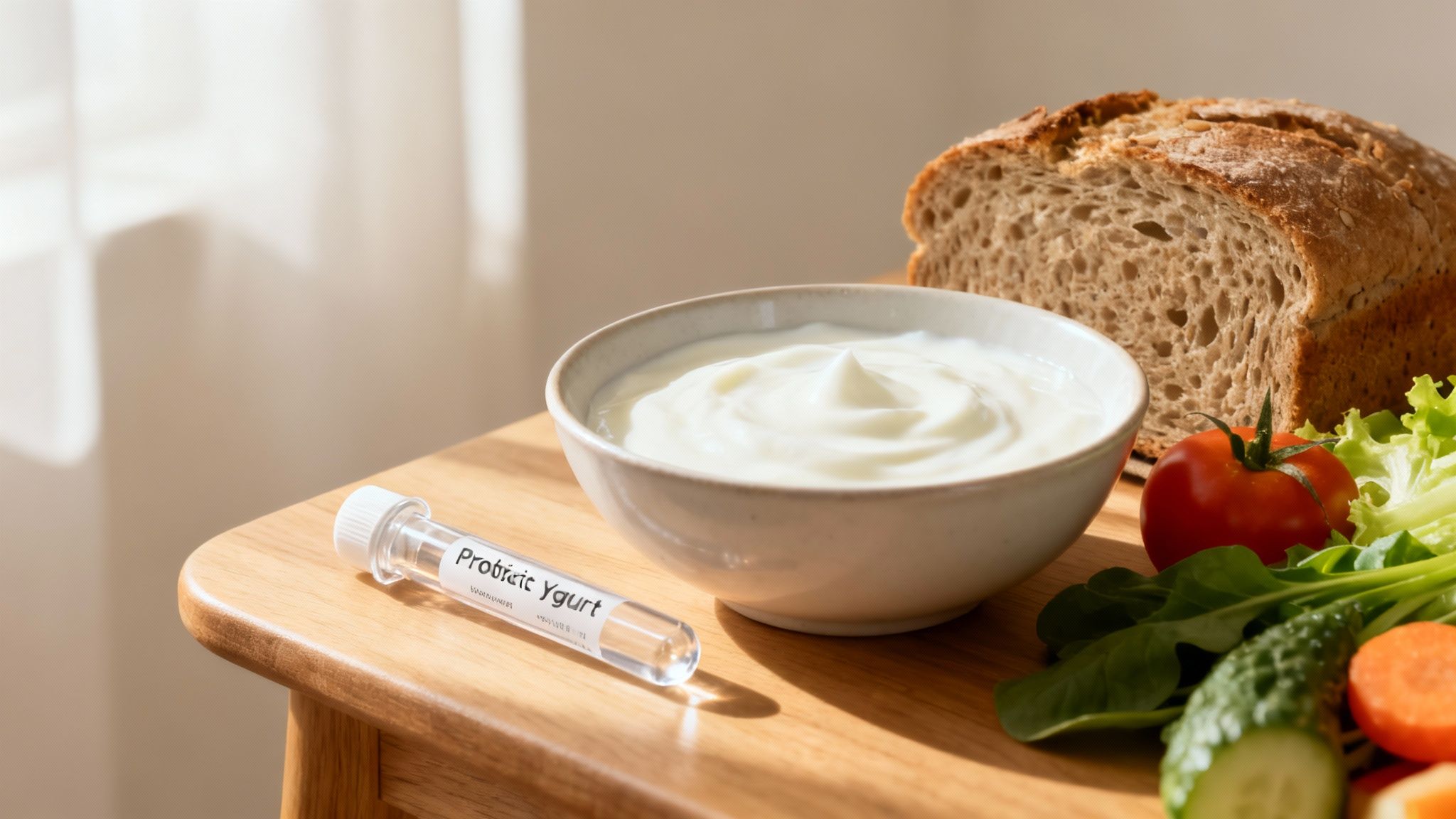
A healthy and diverse microbiome forms a strong barrier. It keeps harmful pathogens in check and ensures that your intestinal lining remains tight and intact. However, when this delicate balance tips—experts refer to this as dysbiosis—this protective wall becomes fragile.
When the intestinal barrier begins to break down
With dysbiosis, the intestinal lining becomes more permeable. Suddenly, unwanted substances, bacterial remnants, and toxins can seep from the intestines into your bloodstream. This is an alarm signal for your immune system, which immediately responds with an inflammatory reaction.
These silent inflammations often smolder unnoticed in the body, but they can spread and reach the sensitive lining of your bladder. They irritate the tissue and make your bladder much more susceptible to infections or chronic pain conditions.
An imbalance in the gut is like a smoldering fire in the body. You may not feel it immediately, but over time it weakens your defenses and creates new problems elsewhere—such as in the bladder.
A stable microbiome is therefore your most important ally in keeping inflammation under control and maintaining a strong immune system. If you want to delve deeper into what the microbiome is exactly and how it controls your health, you will find all the details in our guide.
The vicious cycle of antibiotics
Especially with recurring urinary tract infections, people often quickly turn to antibiotics. While this may combat the acute bladder infection in the short term, it can set a disastrous vicious cycle in motion over the long term. Antibiotics are not selective: They do not distinguish between “good” and “bad” bacteria, and in doing so they also cause widespread destruction in your gut microbiome.
This disruption of your gut flora rarely remains without consequences:
- Weakened immune system: A huge proportion of your immune cells are located in the gut. A damaged microbiome weakens your entire immune system.
- Proliferation of harmful germs: Pathogens such as E. coli have an easy time after a course of antibiotics and can multiply explosively in the weakened gut environment.
- Increased risk of infection: Due to the increased number of germs in the gut and weakened immune defenses, the next bladder infection is often practically inevitable.
This is how you end up in a cycle of infection, antibiotics, and another infection, because the actual cause—an unstable gut microbiome—is never addressed. The first and most important step toward improvement is therefore to know the condition of your gut precisely. A blood test from mybody-x.com gives you precise insights into whether intolerances or nutrient deficiencies are negatively affecting your gut flora. It provides the foundation for specifically and fundamentally strengthening your gut and bladder health.
What your body is trying to tell you: Typical symptoms of a disrupted gut-bladder axis
When the delicate communication between your gut and bladder is disrupted, your body often responds with symptoms that you might not initially think are connected. Yet many of these recurring lower abdominal complaints have their common root precisely in this disrupted balance.
Recognizing these patterns is the first and most important step. Instead of only treating individual symptoms, you can see the deeper connection and finally take a holistic approach.
Recurring urinary tract infections and the never-ending irritated bladder
An extremely common sign of a disrupted gut–bladder axis is recurrent urinary tract infections. If you are constantly struggling with bladder infections despite paying attention to hygiene, the true cause is often one floor down: intestinal dysbiosis. An imbalance in gut bacteria weakens your immune system and can promote the proliferation of E. coli bacteria, which can then enter the bladder far too easily.
Closely related to this is the feeling of having an overactive bladder. You suffer from a constant urge to urinate and pain, even though no infection or other organic cause can be found medically. Often, it is overstimulation of the shared nerve pathways, triggered by a stressed gut, that makes your bladder hypersensitive.
Many people affected are stuck in a frustrating cycle: an irritated gut (e.g., due to irritable bowel syndrome or undiagnosed intolerances) sends constant signals, the bladder responds with an urgent need to urinate, and the resulting stress in turn worsens the intestinal problems.
Chronic bladder pain and incontinence
Another very serious condition is chronic bladder pain syndrome, also known as interstitial cystitis. This is a chronic, non-bacterial inflammation of the bladder wall. Research is increasingly showing a connection with “leaky gut” syndrome. When the intestinal barrier becomes permeable, inflammatory substances enter the bloodstream and can also trigger chronic irritation in the bladder.
Incontinence is also closely linked to gut health. Urinary incontinence is a widespread problem affecting around ten million people in Germany, with women affected significantly more often than men. A healthy gut and a strong pelvic floor are crucial for continence—the connection between these two organs therefore plays a central role. Learn more about the causes and treatment options for urinary incontinence on laekh.de.
If you recognize yourself in these symptoms, it’s a clear signal to finally turn your attention to your gut. A blood test from mybody-x.com can help you analyze whether a food intolerance or nutrient deficiency is the true cause of your bladder problems.
What you can do now for a healthy gut–bladder axis
Okay, now you understand how incredibly closely your gut and bladder communicate with each other and why chaos in your abdomen often leads to problems “one floor down.” The best news first: you’re not simply at the mercy of this complex interaction. With a few targeted, completely practical everyday strategies, you can actively promote healthy communication between the two organs and strengthen your well-being from the ground up.
The most important step, however, is knowing your personal starting point. Instead of blindly poking around in the dark and following generic advice, you need to find out what your body really needs.
Know your body before you act
Everyone is different. What works wonders for your friend may be completely ineffective for you. So before you overhaul your diet or reach for just any capsules, an honest analysis of your current state is crucial. That’s the only way to ensure your efforts really bear fruit.
Guessing won’t get you anywhere. Knowledge will. A targeted analysis is the first and most important step toward regaining control of your health and tackling the root cause of your symptoms.
For example, an food intolerance test from mybody-x.com gives you precise insights into whether certain foods are putting strain on your gut. It shows you clearly where you need to start to reduce irritation and inflammation. In addition, a nutrient test can reveal whether your body is lacking essential vitamins or minerals that are crucial for an intact intestinal lining and a strong immune system. Based on your personal results, you finally receive concrete recommendations that are truly tailored to you.
Your diet is the foundation for everything
Your diet is by far the most powerful lever for positively influencing your gut–bladder axis. Focus on a gut-friendly diet to promote and maintain balance.
-
Fiber is your beneficial bacteria’s favorite food: Fill your plate with plenty of whole grains, legumes, vegetables, and fruit. Fiber not only gets your digestion moving but also feeds beneficial gut bacteria.
-
Probiotic foods to strengthen your gut flora: Sauerkraut, kefir, plain yogurt, and kimchi contain live bacterial cultures that enrich and diversify your microbiome. If you want to explore further how to build a healthy gut flora naturally, you’ll find plenty of valuable tips in our guide.
-
Drink enough—and above all, drink the right things: Plenty of water or unsweetened herbal teas thoroughly flush the urinary tract and help wash away unwanted bacteria. However, avoid sugary drinks and too much coffee, as they can unnecessarily irritate the bladder.
At the same time, you should avoid foods that fuel inflammation in the body or put strain on your gut. These often include highly processed products, lots of sugar, and too many saturated fats. During acute bladder discomfort, it may also help to avoid typical irritants such as spicy foods, citrus fruits, or artificial sweeteners for a while. Everyone reacts differently—simply listen closely to the signals your body is sending you.
Your questions about the gut-bladder connection
Here are the answers to some of the most frequently asked questions about the gut-bladder axis. Brief and to the point, so you can quickly understand the most important connections.
Can constipation really cause urinary urgency?
Yes, absolutely. Imagine that your rectum is distended and full because of constipation. Anatomically, it lies directly next to the bladder and presses against it. This constricts the bladder, reduces its capacity, and also irritates the sensitive bladder nerves.
The result: You constantly feel like you need to go to the bathroom, even though your bladder is not actually full. Healthy, regular digestion literally takes this pressure away and noticeably relieves your bladder as well.
Which mybody-x.com test is the best starting point?
If you are struggling with recurring bladder infections or symptoms that suggest irritable bowel syndrome, an intolerance test is an ideal starting point. It reveals whether certain foods are responsible for irritating your gut. A nutrient test can also show whether you are lacking important building blocks for a strong immune system and healthy intestinal lining.
This is often the crucial key to finally tackling the problem at its root instead of merely scratching the surface.
A test gives you facts instead of vague guesses. This allows you to target the areas where your body truly needs support, so you no longer have to rely on general advice.
Do probiotics help both the gut and the bladder?
Yes, high-quality probiotics can be a true ally here. They help build a healthy, resilient gut flora. This, in turn, strengthens your immune system and improves the natural barrier against unwanted germs.
A strong gut microbiome can help reduce the risk of urinary tract infections and directly support your bladder health.
Do you finally want clarity about your gut health and the true causes of your symptoms? Discover the self-tests from mybody-x.com now and receive personalized insights and recommendations to improve your well-being from the ground up. Find the right test for you here.



Share now:
Face Mapping Pimples: Understand Your Skin’s Signals and Find the Causes
At-home gut test: Your guide to greater well-being