

Guide to gut health: Understanding and importance
Gut health may sound like a niche topic, but it noticeably affects everyone in everyday life. Incredible as it may seem, our bodies are home to approximately 100 trillion microorganisms in the gut, which together weigh more than two kilograms. When people think about health, they often focus first on exercise or vitamins, but the true key lies much deeper—in the microbiome, which influences nearly every function, from the immune system to mood, and is often underestimated.
Table of contents
- What is gut health, and why is it important?
- The role of the microbiota in the digestive system
- Impact of Diet on Gut Health
- How lifestyle affects the gut flora
- Connection between gut health and overall well-being
Quick summary
| Takeaway | Explanation |
|---|---|
| A healthy gut strengthens the immune system. | More than 70% of immune cells are located in the gut and act as protection against disease. |
| Gut health affects mental health. | The gut-brain axis creates a direct connection between the gut microbiome and mood. |
| Prebiotic and probiotic foods are beneficial. | They support the growth of healthy bacteria and promote a balanced microbiome. |
| Stress negatively affects the gut flora. | Chronic stress damages the microbiome and increases the risk of inflammation. |
| A varied diet promotes the microbiota. | Eating a varied diet promotes greater diversity in the microbiome, which is important. |
What is gut health, and why is it important?
The gut is far more than just a digestive organ. It is a complex and fascinating ecosystem that plays a key role in our overall health. Our gut is home to approximately 100 trillion microorganisms, which together form our microbiome and are essential for numerous bodily functions.
The gut as the control center of our immune system
More than 70% of our immune cells are located in the gut. This makes it a central protective organ against pathogens and inflammation. A healthy gut microbiome not only helps defend against infections but also regulates inflammatory processes throughout the body.
Scientific studies demonstrate the close connection between gut health and immune function. The bacteria in our gut are in constant communication with our immune system and essentially train it to distinguish between harmless and dangerous invaders.
Gut health and mental health
The gut is often referred to as the “second brain”—and for good reason. There is a direct communication pathway between the gut and the brain, known as the gut-brain axis. This connection means that our gut microbiome has an enormous influence on our mood, cognitive functions, and even mental health.
Interesting aspects of gut health include:
- Production of neurotransmitters such as serotonin
- Regulation of inflammatory processes
- Influence on stress hormones
Anyone who wants to improve their gut health can start with a few targeted measures. A balanced diet, stress reduction, and regular exercise are key factors.
Ultimately, a healthy gut is the key to a functioning immune system, stable mental health, and optimal nutrient absorption. Its importance cannot be overstated.
The role of the microbiota in the digestive system
Microbiota refers to the entire community of microorganisms living in our digestive system. These tiny organisms are not intruders but essential partners of our bodies with highly complex functions.
The composition of the microbiome
Our gut microbiome consists of bacteria, fungi, viruses, and microbes. These microorganisms are not a homogeneous group; rather, they form a dynamic ecosystem with more than 1,000 different bacterial species. Every person has a unique microbiome that acts like a genetic fingerprint.
Scientific studies show that a healthy microbiome consists of approximately 100 trillion microorganisms weighing around 2 kilograms. These microbes perform several vital functions:
- Digestion of complex food components
- Production of important vitamins
- Protection against harmful bacteria
- Regulation of the immune system
Microbiota and metabolism
The microbiota plays a crucial role in nutrient absorption and energy production. It can break down dietary fiber that our bodies cannot digest themselves and convert it into short-chain fatty acids. These fatty acids serve not only as an energy source for intestinal cells but also have anti-inflammatory properties.
For anyone who would like to learn more about their personal gut health, our microbiome test offers a detailed analysis of their individual gut microbiota.
The microbiome is not static; it changes in response to diet, lifestyle, medications, and environmental influences. A balanced diet, exercise, and stress reduction can positively influence its composition. By understanding our microbiota as a dynamic system, we can actively contribute to our well-being.
The following table summarizes the key functions of the microbiome in the human gut and shows the essential roles microorganisms play in health and well-being.
| Function of the microbiome | Importance for health |
|---|---|
| Digestion of complex carbohydrates | Provision of important energy sources for intestinal cells |
| Production of vitamins | Synthesis of, for example, vitamin K and B vitamins |
| Regulation of the immune system | Regulation of inflammatory processes and immune defense |
| Protection against harmful bacteria | Displacement of disease-causing microorganisms |
| Support of the intestinal barrier | Prevention of harmful intestinal permeability |
| Influence on mood | Contribution to the production of neurotransmitters |
Impact of Diet on Gut Health
Diet is the key building block of a healthy gut microbiome. What we eat directly determines the composition and functionality of our gut flora. Not every food is processed in the same way by our digestive system—some foods support our microbiota, while others harm it.
Prebiotic and Probiotic Foods
Prebiotic foods are dietary components that specifically support the growth of beneficial gut bacteria. They essentially serve as “food” for our good bacteria. Probiotic foods, on the other hand, already contain live bacterial cultures that directly enrich our microbiome.
Here are important prebiotic foods:
- Chicory
- Artichokes
- Asparagus
- Onions
- Garlic
- Oatmeal
Scientific studies show that prebiotic fibers not only promote bacterial growth but can also reduce inflammatory processes.
Foods with negative effects
Certain foods can seriously impair our gut health. Sugar, highly processed products, and artificial additives disrupt the delicate balance of our microbiome. Our guide to a gut-healthy diet shows you how to optimize your diet.
Scientific findings show that a Mediterranean diet rich in vegetables, whole grains, nuts, and olive oil is particularly beneficial for a healthy gut microbiome. Dietary variety appears to be crucial: The greater the variety of foods, the greater the diversity of our gut bacteria.
A balanced, plant-focused diet is the key to a healthy gut. Small changes can have a major impact—the important thing is to take a consistent approach and be willing to reflect on and adjust your eating habits.
How lifestyle affects the gut flora
Lifestyle is a decisive factor in the composition and health of our gut flora. Our daily habits—from diet and exercise to stress management—have a direct impact on the diversity and functionality of our gut bacteria.
Stress and its effects
Stress is one of the most significant factors that can negatively affect our gut health. Chronic stress has been shown to alter the composition of the gut microbiome and weaken the gut barrier. Scientific studies show that stress hormones such as cortisol increase intestinal permeability and can trigger inflammatory processes.
The connection between the mind and the gut is so strong that experts refer to it as the gut-brain axis syndrome. Chronic stress can have the following effects:
- Reduction in beneficial gut bacteria
- Increase in harmful bacterial strains
- Weakened gut barrier function
- Disruption of digestive processes
Exercise and the microbiome
Physical activity is a key factor in maintaining a healthy gut flora. Regular exercise not only promotes digestion but also increases the diversity of gut bacteria. Leaky gut nutritional therapy can additionally help stabilize gut health.
Recent research shows that even moderate exercise, such as brisk walking or cycling, can positively influence the composition of the microbiome. Exercise reduces inflammatory markers and supports a healthy metabolism.

Important to know: Lifestyle is not a rigid construct. Small, consistent changes can have a major impact. Sufficient sleep, stress reduction, a balanced diet, and regular exercise are key elements of a healthy gut microbiome.
To clearly illustrate the connection between lifestyle factors and their impact on gut health, here is a comparison table of the most important influences and their effects.
| Lifestyle factor | Impact on the microbiome | Key message |
|---|---|---|
| Stress | Reduced diversity, disrupted flora | Chronic stress weakens the gut flora and immune defenses. |
| Exercise | Increased bacterial diversity | Physical activity promotes a healthy, diverse microbiota. |
| Sleep | Stabilization of the gut barrier | Sufficient sleep supports balance in the gut. |
| Nutrition | Determines diversity and function | A balanced, fiber-rich diet promotes healthy gut bacteria. |
| Probiotic nutrition | Introduction of beneficial bacteria | Probiotics improve the bacterial balance in the gut. |
| Prebiotic nutrition | Promotion of bacterial growth | Prebiotics serve as food for beneficial gut bacteria. |
Connection between gut health and overall well-being
The gut is far more than a digestive organ—it is a complex center of our health that directly influences our physical and mental well-being. Science has long referred to a holistic understanding of gut health that extends far beyond digestive processes.
Gut and immune system
Around 70–80% of our immune cells are located in the gut, underscoring its central importance for our defenses. A healthy gut microbiome not only regulates inflammatory processes but also communicates continuously with our immune system. Scientific studies show that the composition of our gut bacteria is crucial for:
- Recognition of pathogens
- Activation of immune cells
- Production of defensive substances
- Prevention of inflammatory responses
A disrupted microbiome can, by contrast, promote autoimmune diseases, chronic inflammation, and allergies.
Mental health and the gut-brain axis
The connection between the gut and the brain has long been scientifically established. Through the so-called gut-brain axis, our gut bacteria communicate directly with the nervous system and influence mood, cognitive functions, and even behavioral patterns. Our guide to gut health offers further insights into this fascinating interaction.
Neuroscientific research shows that certain gut bacteria produce neurotransmitters such as serotonin, which directly regulate our mood. A disrupted microbiome is now linked to mental health conditions such as depression and anxiety.
Our gut health is therefore a key to holistic well-being.
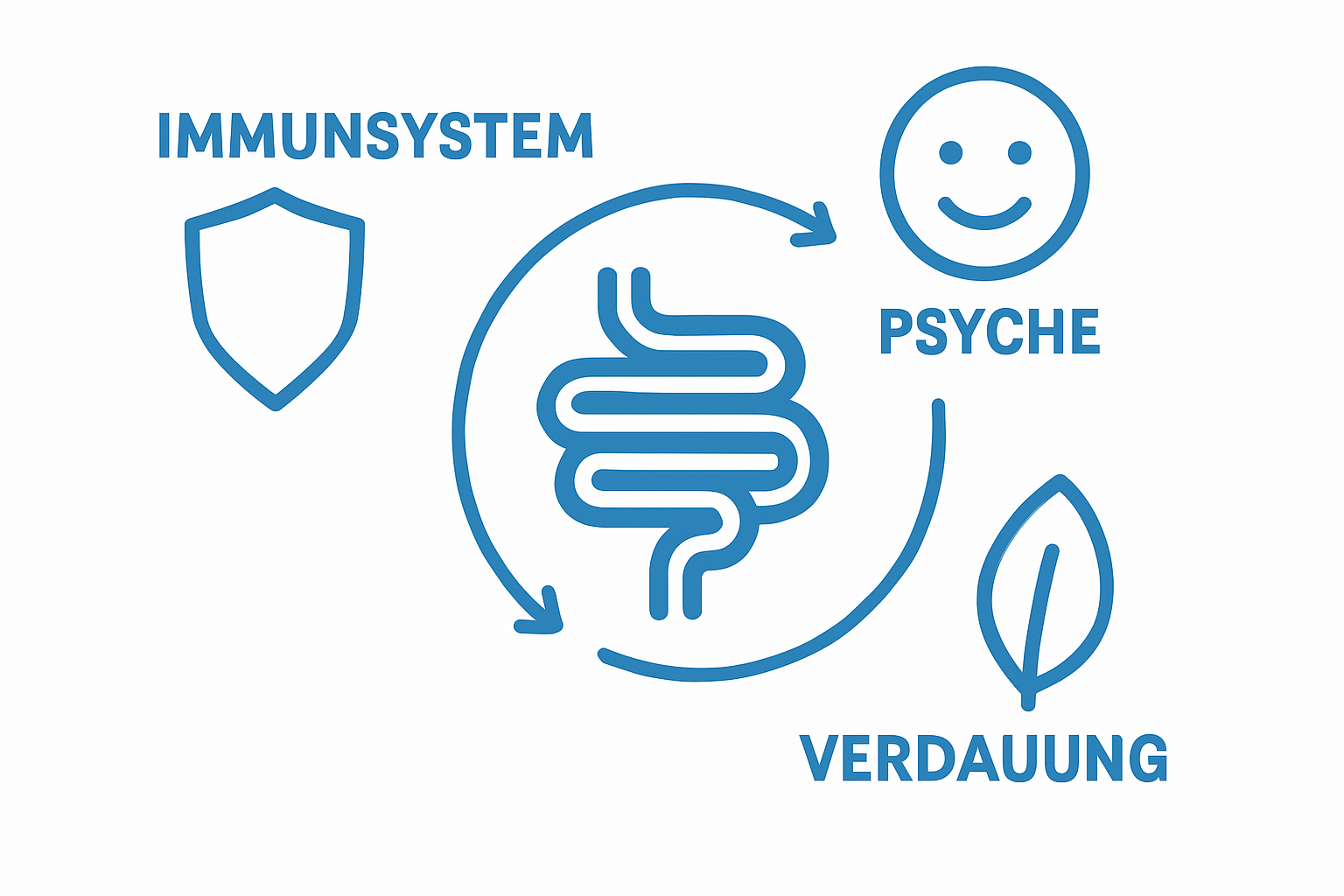 It influences not only our physical fitness, but also our mental resilience and emotional balance. Conscious, mindful care of our gut microbiome is therefore an investment in our quality of life.
Start now on a new gut journey – insights that can change your life
You have learned how important a stable balance of your gut flora is. Many people struggle with digestive problems, unclear symptoms, or often feel tired and out of balance. The uncertainty about what is really happening in the gut weighs on everyday life and makes it difficult to specifically improve well-being, the immune system, and mood. Scientifically sound analyses help you identify causes precisely and take targeted action. Our microbiome and gut flora analyses enable you to conveniently assess your gut health from home and actively strengthen it through personalized recommendations. This allows you to make a decisive contribution to your overall health.
Fed up with uncertainty and endless experimentation? Bring clarity and lasting solutions into your life now. Search mybody®x for the right test or learn about specific support for digestive problems. Your path to more energy and well-being begins today—take the opportunity and gain the latest insights from modern laboratory diagnostics!
Frequently Asked Questions
What is meant by gut health?
Gut health refers to the well-being and functionality of the gut, as well as the health of the microbiome, which consists of trillions of microorganisms that support our digestion and immune system.
What role does the microbiome play in health?
The microbiome plays a crucial role in digestion, the production of vitamins, and protection against harmful bacteria. It also affects the immune system and mood through communication via the gut-brain axis.
How does diet affect gut health?
Diet has a major influence on the composition of the microbiome. Prebiotic foods promote the growth of healthy bacteria, while highly processed foods and sugar can damage the gut flora.
What measures can support gut health?
A balanced, plant-focused diet, regular exercise, and stress reduction are essential for supporting gut health. Probiotics and prebiotics may also be helpful in strengthening the microbiome.



Share now:
How does nutritional counseling work? Explained clearly
Apple Cider Vinegar for Weight Loss: Really Effective for Your Success?