

How can I optimize my digestion? A step-by-step guide to better gut health
More than 70 percent of Germans want better digestion, yet small changes often fail because of everyday routines. Digestive problems affect people of all ages and can significantly impair well-being over time. Simple adjustments to diet, daily routines, and stress management can make a big difference. This guide presents concrete steps to scientifically support your gut health and regain your personal sense of well-being.
Table of contents
- Step 1: Prepare your daily routine for digestive optimization
- Step 2: Analyze your eating and lifestyle habits
- Step 3: Apply scientifically backed nutrition recommendations
- Step 4: Use personalized lab tests and evaluations
- Step 5: Review your results and adjust your measures
Quick overview
| Important point | Explanation |
|---|---|
| 1. Plan regular meals | Plan regular mealtimes each day to support digestion and keep your blood sugar levels stable. |
| 2. Reduce stress | Use techniques such as meditation and mindfulness to reduce stress, which can negatively affect gut health. |
| 3. Document your diet | Keep a food diary for one week to identify digestive patterns and triggers. |
| 4. Incorporate probiotic and prebiotic foods | Add foods such as yogurt, kefir, and vegetables to promote a healthy gut flora. |
| 5. Monitor and adjust your progress | Document your health progress and adjust your strategies to best meet your needs. |
Step 1: Prepare your daily routine for digestive optimization
The first step toward optimizing your digestion begins with consciously structuring your daily routine. It is about creating an environment that supports your gut and improves its functionality. This means not only changing your diet, but also taking a holistic view of your lifestyle.
Your daily routine plays a crucial role in gut health. Start by planning regular meals and focusing on a balanced, nutrient-rich diet. Incorporate foods that support your gut flora, including fermented products such as yogurt, kefir, or sauerkraut at least twice a day. Make sure to consume enough fiber—at least 30 grams per day from whole-grain products, vegetables, and legumes.
Another key strategy is stress reduction. Chronic stress places enormous strain on your digestive tract. Implement techniques such as brief mindfulness exercises, deep breathing, or morning meditation to regulate your stress response. Set aside at least 15 minutes each day for active relaxation, whether yoga, a walk, or targeted breathing exercises. Your gut will thank you.
Step 2: Analyze your eating and lifestyle habits
To optimize your digestion effectively, you must first take a close look at your current eating and lifestyle habits. This self-observation is essential for making targeted improvements and helps you recognize individual patterns that affect your gut health.
Begin by keeping detailed records of your diet for at least one week. Keep a food diary in which you document exactly what and how you eat. Record not only the foods, but also the times, portion sizes, and how full you feel. Pay particular attention to foods that could trigger digestive discomfort, such as dairy products, gluten, or highly processed foods. This documentation will help you identify hidden triggers of digestive problems.
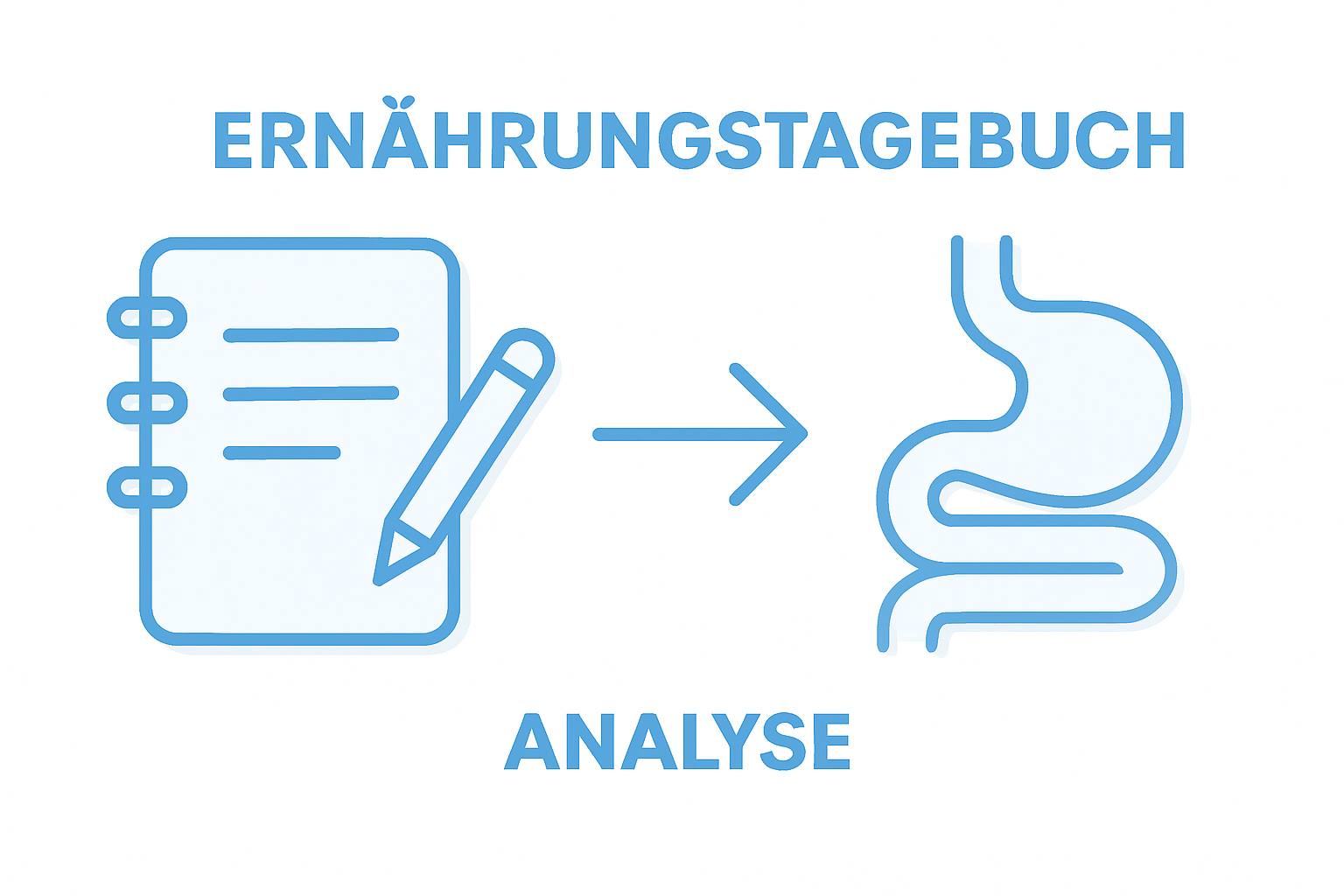
In addition to your diet, your lifestyle is also an important factor. Analyze your stress levels, sleep patterns, amount of physical activity, and hydration. Pay attention to how these aspects affect your digestion. A holistic approach means looking beyond diet and considering all areas of your life that may influence your gut health.
Step 3: Apply scientifically backed nutrition recommendations
After analyzing your eating habits, it is time to apply scientifically backed nutritional strategies in a targeted way. These recommendations aim to systematically and sustainably improve your gut health.
Begin with a balanced nutritional strategy based on science. Incorporate probiotic and prebiotic foods into your meal plan. Probiotic foods such as yogurt, kefir, and sauerkraut contain beneficial bacterial cultures. Prebiotic foods such as Jerusalem artichoke, chicory, and garlic promote the growth of these beneficial gut bacteria. Make sure to include a variety of fibers from different sources such as whole grains, vegetables, and legumes.

Another important scientific finding is the significance of the gut barrier. Reduce inflammation-promoting foods such as highly processed products, sugar, and white flour. Instead, focus on nutrient-rich foods with omega-3 fatty acids, antioxidants, and zinc, which support and regenerate your intestinal lining.
Step 4: Use personalized lab tests and evaluations
Now it is time to take your gut health to the next level with scientifically grounded and personalized analyses. Personalized lab tests offer you a unique opportunity to understand your individual health status.
Research clearly demonstrates the importance of such analyses. According to a DLG study, 70 percent of people are willing to undergo testing to find out how their bodies respond to nutrition. Choose a microbiome or metabolic test that provides detailed insights into your gut flora and digestive functions. These tests analyze the composition of your gut bacteria and can provide precise recommendations for your individual nutritional strategy.
When selecting a test, look for scientific validation and certifications. A good test should not only provide results but also specific recommendations for action and nutritional strategies. Use these insights to make targeted adjustments to your diet and lifestyle, and systematically track your progress.
Step 5: Review your results and adjust your measures
Now it is time to systematically evaluate your previous efforts to improve gut health and make targeted adjustments. The key to success lies in continuous monitoring and flexible adaptation of your strategies.
Start by documenting your progress in detail. Use metabolic tests to track your individual changes. Pay attention to changes such as digestive quality, energy levels, stool consistency, and overall well-being. Keep a health journal in which you record your diet, symptoms, and well-being. Compare your current results with your baseline values and identify patterns and progress.
If you do not notice any significant improvements, do not be discouraged. Health is a dynamic process. Consult nutrition experts or medical professionals if needed to optimize your strategy. Stay flexible and be prepared to continuously adapt your diet and lifestyle to your changing needs.
Experience targeted digestion improvement with mybody®
Healthy digestion has a significant impact on our overall well-being. If, after reading the article “How can I optimize my digestion?”, you sense that individual causes and hidden triggers are impairing your gut health, mybody® offers state-of-the-art solutions tailored to your needs. The challenge is often finding the right combination of nutrition, lifestyle, and precise analyses—which is exactly where our scientifically based Gut Flora Analyses – For a Healthy Gut Flora and Understanding and Alleviating Digestive Problems come in.
Take this opportunity now to find out exactly how your gut flora is composed and which personalized measures really work. At mybody®x, you benefit from ISO-certified tests, comprehensive reports with personalized nutrition recommendations, and the flexibility to conveniently perform the tests at home. Start actively and sustainably optimizing your gut health today. Find out more at mybody-x.com and take the important first step toward a better quality of life.
Frequently Asked Questions
How can I structure my daily routine to optimize digestion?
To structure your daily routine for optimizing digestion, start by planning regular meals and incorporating nutrient-rich foods. Schedule set mealtimes each day and make sure to consume at least two portions of fermented products such as yogurt or sauerkraut.
Which foods are particularly beneficial for gut health?
Probiotic foods such as yogurt and kefir, as well as prebiotic foods such as Jerusalem artichokes and garlic, are particularly beneficial. Regularly incorporate these foods into your diet to significantly support the improvement of your gut flora.
How can I reduce stress to support my digestion?
To reduce stress, incorporate techniques such as mindfulness exercises, deep breathing, or yoga into your daily routine. Set aside at least 15 minutes each day for relaxing activities to lower your stress level and support your digestive functions.
Why is it important to document my eating habits?
Documenting your eating habits helps you identify patterns that may impair your digestion. Keep a food diary for at least one week and record all foods and their effects on your well-being.
How often should I review my progress in optimizing digestion?
It is advisable to review your progress regularly, at least every 4 to 6 weeks. Use a health journal to systematically record changes in your well-being and digestive quality and make adjustments as needed.
What can I expect from personalized lab tests for optimizing digestion?
Personalized lab tests provide you with detailed insights into the composition of your gut flora. They help you receive personalized dietary recommendations and make targeted adjustments to improve your gut health.


Share now:
Is my gut healthy? Here’s how to find out with a test
Microbiome Analysis – How Gut Bacteria Shape Health