

Stools too hard? Understand what to do
Many people repeatedly struggle with hard stools and often have no idea how much this can affect their well-being. Surprisingly, up to 30 percent of adults in Germany regularly suffer from constipation, and it does not affect only older people. Sometimes, all it takes is a small mistake in our daily routine for our intestines to get out of balance—but often, there is much more behind it than simply not drinking enough water.
Table of contents
- What are overly hard stools, and why does this happen?
- The effects of hard stools on health
- How the body regulates bowel movements and what disrupts this function
- Lifestyle and Diet: Key Factors in Hard Stools
- When to seek professional help for hard stools
Brief summary
| Takeaway | Explanation |
|---|---|
| Hard stools can pose health risks. | Persistent constipation can lead to hemorrhoids, anal fissures, and intestinal diseases. Early intervention is important. |
| A fiber-rich diet promotes regular bowel movements. | Whole-grain products, fruit, and vegetables increase stool bulk and support digestion. |
| Exercise and stress management are essential. | Regular physical activity and stress reduction can stimulate bowel movements and counteract constipation. |
| Seek professional help if warning signs occur. | Blood in the stool, severe abdominal pain, or persistent constipation require immediate medical evaluation. |
| Microbiome tests provide insights into intestinal health. | An analysis of the microbiome can help identify and treat individual causes of digestive problems. |
What are overly hard stools, and why does this happen?
Overly hard stools, also known as constipation, are a common digestive problem in which bowel movements are difficult, painful, and irregular.
Below, you will find an overview table summarizing the main causes of overly hard stools and explaining how each cause contributes to the problem.
| Cause | Explanation |
|---|---|
| Low fluid intake | Too little water causes too much fluid to be removed from the stool, making it hard. |
| Lack of fiber | Fiber makes stool bulkier and softer—when fiber is lacking, stool is often firm. |
| Lack of exercise | Physical inactivity reduces intestinal activity, resulting in longer transit times and hardened stool. |
| Hormonal changes | Fluctuating hormone levels affect intestinal movement and water absorption, which can lead to constipation. |
| Chronic stress | Stress can slow digestion and negatively affect the enteric nervous system. |
The physiological basics
Normal bowel movements occur when the intestines transport food residue through muscle activity and fluid absorption. When stool is too hard, this process is disrupted. The intestines remove too much water from the stool, making it compact and tough. This can happen for various reasons:
- Insufficient fluid intake
- Insufficient fiber intake
- Hormonal changes
- Lack of exercise
- Chronic stress
Medical perspective
From a medical perspective, stools that are too hard can have various causes. Research by the German Center for Digestive Diseases shows that several factors often work together. Dietary habits, metabolic processes, and individual bowel functions are particularly common and play a decisive role.
If you want to know how your gut health is doing, a professional microbiome test can provide valuable insights. It can help you understand the individual causes of your digestive problems.
Stools that are too hard can be more than just uncomfortable; they can also pose health risks. Persistent constipation can lead to hemorrhoids, anal fissures, and intestinal diseases. It is therefore important to identify the causes early and take targeted countermeasures.

The effects of hard stools on health
Hard stools are not just a temporary discomfort; they can have significant health consequences. The effects are not limited to the digestive tract but can have far-reaching consequences for the entire body.
Here you will find a comparison table of the health risks and effects of hard stools on various areas of the body and mind.
| Area | Risks/Effects |
|---|---|
| Physical health | Hemorrhoids, anal fissures, chronic inflammation, risk of intestinal diseases |
| Microbiome/immune system | Disruption of the gut flora, weakened immune system, increased susceptibility to inflammation |
| Mental health | Stress, discomfort, reduced quality of life, withdrawal tendencies |
Physical health risks
When stools are permanently too hard, various physical problems can arise. Difficult bowel movements increase pressure in the intestinal tract, which carries the following risks:
- Development of hemorrhoids
- Anal fissures and injuries to the intestinal lining
- Chronic inflammation in the intestinal area
- Increased risk of intestinal diseases
Microbiome and immune system
Current studies by the Robert Koch Institute show that persistent constipation negatively affects the microbiome. The gut flora plays a crucial role in our immune system. An impaired balance of bacteria can promote inflammatory processes and weaken the body's defenses.
To improve your gut health in the long term, it is important to understand the causes and take targeted action.
Psychological well-being and quality of life
The effects of hard stools are not limited to physical aspects. Chronic digestive problems can also cause psychological distress. Those affected often experience stress, discomfort, and a reduced sense of well-being. Constant uncertainty and tension during bowel movements can significantly limit quality of life and lead to a tendency to withdraw.
How the body regulates bowel movements and what disrupts this function
The human digestive tract is a complex system that not only breaks down food but also precisely regulates bowel movements. This process is based on an intricate interaction between various organs, nerves, and hormones.
The following table compares the main mechanisms by which the body regulates normal bowel movements and the factors that can disrupt this function.
| Regulatory mechanism | Possible disruptive factors |
|---|---|
| Peristalsis of the intestinal muscles | Lack of exercise, stress |
| Water absorption/removal in the large intestine | Insufficient fluid intake, low-fiber diet |
| Nervous control (enteric nervous system) | Chronic stress, neurological disorders |
| Hormonal signals/enzymes | Hormonal fluctuations, metabolic disorders |
| Microbiome and intestinal bacteria | Unhealthy diet, antibiotic treatment, disrupted balance |
The mechanisms of bowel regulation
The bowel movement process begins in the small intestine and is controlled by several factors. Key components of this regulation include:
- Peristalsis of the intestinal muscles
- Water absorption and water removal in the large intestine
- Nervous control via the enteric nervous system
- Hormonal signals and enzymes
- Microbiome and bacterial flora
Factors that disrupt natural bowel function
Scientific studies by the German Center for Digestive Research show that numerous external and internal factors can impair bowel regulation. Stress, an unbalanced diet, and a lack of exercise most commonly have a negative impact on bowel movements.
If you have digestive problems, a diet plan for irritable bowel symptoms can help normalize bowel function.
Neurological and Hormonal Regulation
The enteric nervous system, often referred to as the “second brain,” plays a key role in regulating bowel movements. It communicates directly with the brain and controls movement, blood flow, and secretions in the digestive system. Hormones such as gastrin, cholecystokinin, and serotonin support this process by producing digestive juices and coordinating intestinal activity.
Lifestyle and Diet: Key Factors in Hard Stools
Your daily habits and diet have a decisive influence on your bowel movements. What you eat, drink, and how active you are largely determines whether your digestive system functions smoothly or struggles with problems.
This table provides an overview of which foods and behaviors may have a positive or negative impact on your digestion.
| Factor | Positive Effect on Digestion | Negative Effect on Digestion |
|---|---|---|
| Whole-Grain Products, Fruit, Vegetables | Promote Stool Bulk and Regularity | |
| Legumes, Seeds (Chia, Flaxseeds) | Provides Fiber and Binds Water | |
| Physical Activity | Activates the Intestinal Muscles | Lack of Exercise Impairs Gut Function |
| Stress Management | Promotes Healthy Regulation | Chronic Stress Inhibits Digestion |
| Water Intake | Helps Keep Stools Soft | Drinking Too Little Leads to Hardening |
| Processed Food, Alcohol, Smoking | Promotes Constipation and Bowel Problems |
Diet as the Key to Digestive Health
A high-fiber, balanced diet is fundamental for normal bowel movements. Fiber adds bulk to stool and facilitates intestinal transit.
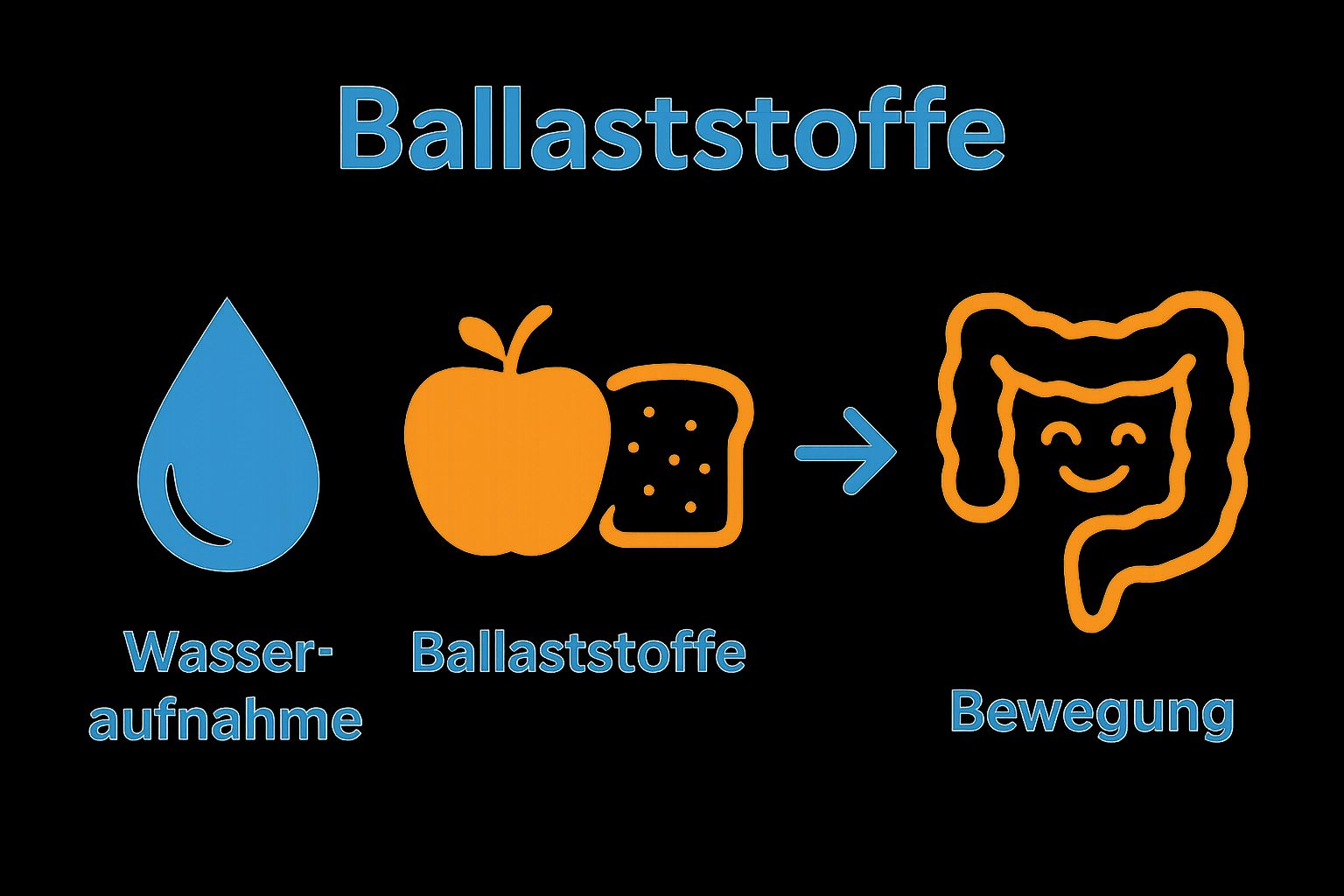 Especially important are:
- Whole-Grain Products Such as Oatmeal and Whole-Grain Bread
- Fresh Vegetables and Fruit
- Legumes Such as Lentils and Beans
- Chia and Flaxseeds
- Adequate Water Intake to Support Digestion
Exercise and Stress Management
Scientific studies by the German Nutrition Society show that regular exercise and stress reduction have a positive effect on gut function. Physical activity stimulates the intestinal muscles and promotes regular bowel movements.
If you have problems with your gut health, a leaky gut nutrition therapy can provide valuable support.
Avoiding Disruptive Factors
Certain foods and behaviors can negatively affect digestion. Processed food, excessive alcohol consumption, smoking, and a sedentary lifestyle increase the likelihood of hard stools. Chronic stress and lack of sleep can also impair bowel function and lead to digestive problems.
When to seek professional help for hard stools
Not every bowel movement that is temporarily hard requires immediate medical attention. However, there are warning signs indicating that professional medical advice is necessary. Assessing these signs can be crucial for your health.
This table helps you assess which warning signs associated with hard stools may indicate serious health problems and when you should seek professional help.
| Warning sign | Significance/need for action |
|---|---|
| Blood in the stool | Seek immediate medical evaluation |
| Persistent constipation | See a doctor if symptoms persist for several weeks |
| Severe abdominal pain/cramps | Indication of a serious disorder – prompt evaluation recommended |
| Unintentional weight loss | Possible sign of a serious illness – seek medical advice |
| Change in stool frequency | Monitor the situation; seek evaluation if abnormalities occur frequently |
| Feeling of incomplete evacuation | Possible functional disorder – medical diagnosis recommended if persistent |
Warning signs indicating serious problems
Some symptoms are clear indications that you should see a doctor promptly. The following are particularly concerning:
- Blood in the stool or during bowel movements
- Persistent constipation lasting several weeks
- Severe abdominal pain and cramps
- Unintentional weight loss
- Changes in stool frequency
- Feeling of incomplete evacuation
Chronic digestive problems
Gastroenterological research at Heidelberg University shows that chronic digestive problems often have complex causes. If symptoms persist, comprehensive medical diagnostics can provide important insights.
If you have digestive problems, a test for bloating after eating can provide additional information.
Prevention and professional evaluation
A professional examination is not only useful for acute symptoms. Preventive examinations can detect potential health risks at an early stage. Through targeted diagnostics such as colonoscopies, blood tests, and stool analyses, doctors can identify and treat possible underlying conditions.
Finally understand hard stools – Identify the causes and address them
Many people suffer from regularly hard stools and often do not know what is causing the problem. Hidden food intolerances, an imbalanced microbiome, or an unfavorable nutrient supply often play a decisive role. The discomfort and uncertainty can be burdensome in everyday life and significantly impair quality of life. Your health deserves a solution based on genuine scientific findings.
With mybody®’s at-home intolerance tests, you receive specific indications of which foods or environmental factors may be burdening your gut. In addition, a professional microbiome analysis and an individual nutrient check provide important answers about your metabolism. How does it work? Completely simple, safe, and discreet from the comfort of your own home. Receive personalized recommendations to bring your digestion back into balance.
Find out now how you can specifically address excessively hard stools and benefit from the comprehensive health expertise of mybody®. Learn directly about our expert-at-home tests and trust the experience of more than 11000 satisfied users. Don’t let digestive problems affect your daily life. Get started today for a lighter feeling in your stomach.
Frequently asked questions
What are the main causes of stools that are too hard?
Stools that are too hard can be caused by low fluid intake, insufficient dietary fiber, lack of exercise, hormonal changes, and chronic stress.
How can I improve my diet to prevent hard stools?
A high-fiber diet is essential. This includes whole-grain products, fresh fruit and vegetables, legumes, as well as chia and flaxseeds. Adequate water intake is also important for healthy digestion.
What health risks are associated with hard stools?
Hard stools can lead to health risks such as hemorrhoids, anal fissures, chronic inflammation, and possibly bowel diseases. Long-term constipation should be taken seriously.
When should I see a doctor for hard stools?
See a doctor if you notice blood in your stool, have persistent constipation lasting several weeks, experience severe abdominal pain, or lose weight unexpectedly. These may be signs of serious health problems.



Share now:
7 Benefits of the Microbiome Test for Your Health
Microbiome analysis: understanding and importance for health