
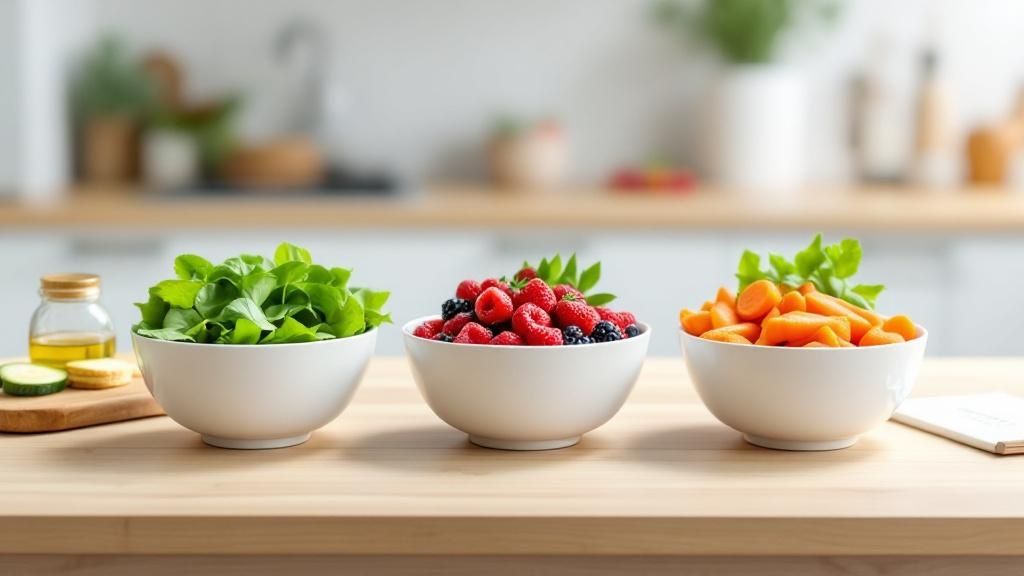
Your irritable bowel syndrome diet: 6 smart steps toward relief
Bloating, cramps, unpredictable trips to the bathroom – living with irritable bowel syndrome can often feel like constantly navigating a minefield. Many people affected feel they have lost control over their own bodies and often do not know where to start. The good news: You no longer have to stumble in the dark. A targeted irritable bowel syndrome diet is one of the most effective ways to manage your symptoms and regain your quality of life.
In this article, we will guide you step by step through a proven strategy: We will not only show you which foods are generally well tolerated but also explain why they are good for your stomach. You will receive clear guidance on how to identify trigger foods and develop a diet that suits you. It is about making peace with food and calming your stomach instead of irritating it. As you find your way to a calm stomach, exploring various natural remedies, such as using olive oil for constipation relief, can also be part of finding solutions for common digestive problems. Let’s take the path to greater well-being together.
1. Ripe Bananas – The Gentle Energy Provider
If you are beginning your journey toward a better irritable bowel syndrome diet, ripe bananas are often one of the safest and gentlest starting points. Many people with sensitive intestines tolerate them exceptionally well because they offer a unique combination of gut-friendly properties. They not only provide quickly available energy but also actively support digestion instead of burdening it.
The key lies in the ripeness: A ripe banana, recognizable by its brown spots, contains less resistant starch and more simple sugars. These sugars are easier to digest, reducing the risk of bloating and cramps. At the same time, ripe bananas are rich in soluble fiber such as pectin, which forms a gel-like substance in the intestines. This gel helps regulate stool, which can be beneficial for both diarrhea and constipation.
Why ripe bananas are so effective
The effectiveness of ripe bananas for irritable bowel syndrome lies in their nutrient composition. They are naturally low in FODMAPs (fermentable oligosaccharides, disaccharides, monosaccharides, and polyols), the short-chain carbohydrates that trigger symptoms in many people. A medium-sized, ripe banana is considered a low-FODMAP serving and is therefore ideal for the elimination phase of an adapted diet.
Our tip: Incorporate ripe bananas intentionally as a snack between meals or as a sweet component of breakfast. This way, you provide your body with energy and important nutrients without overwhelming your digestive system. However, you should avoid unripe, green bananas, as their high resistant starch content can worsen symptoms.
The following infographic clearly summarizes the most important gut-friendly benefits of a ripe banana.
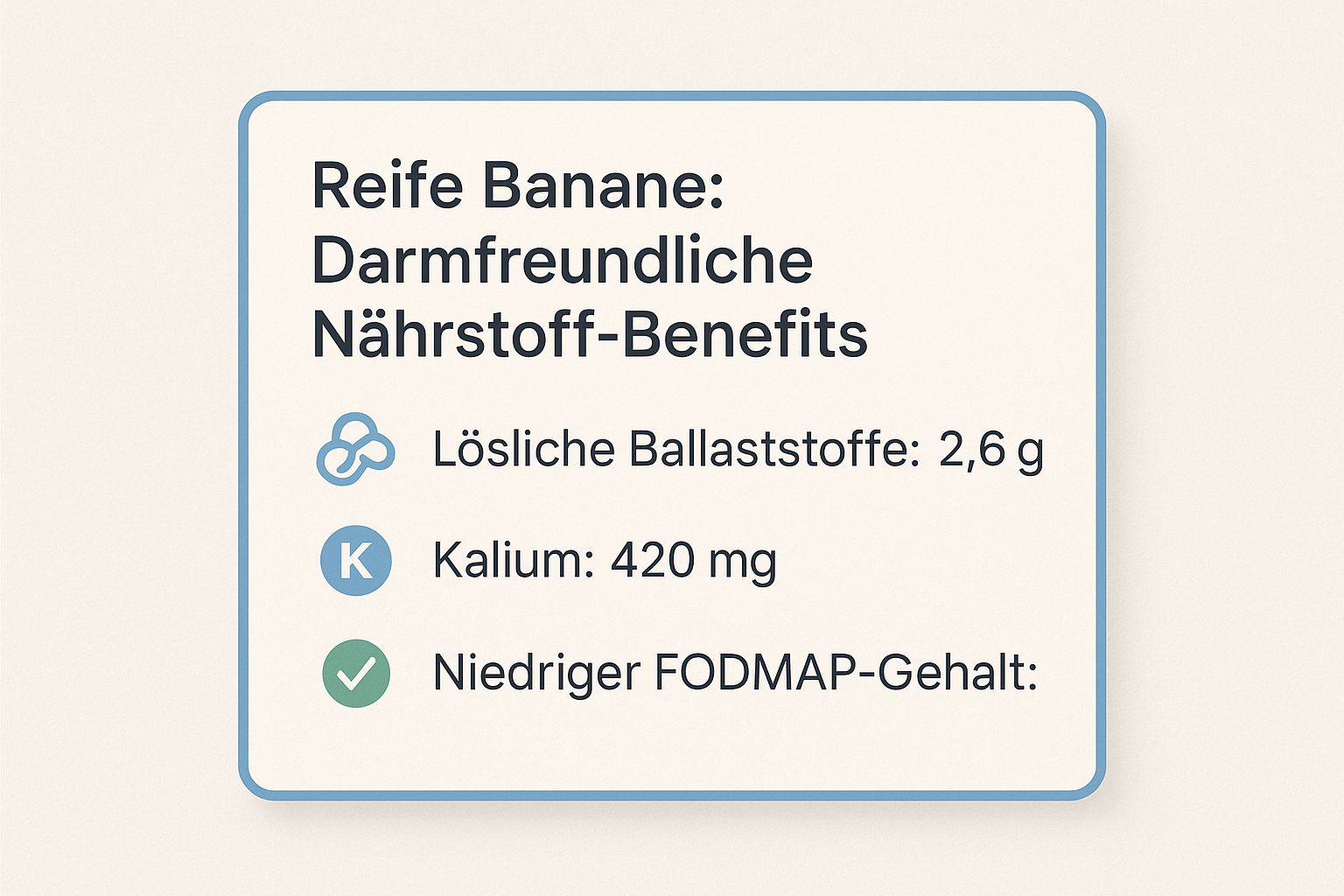
As the data shows, a ripe banana provides not only valuable fiber and minerals such as potassium, but is also officially confirmed as a low-FODMAP food, making it a safe choice for your IBS diet.
Practical tips for your everyday life
- Choose mindfully: Buy bananas that are already yellow and have begun to develop brown spots, or let them ripen at home.
- Start small: If you are unsure, begin with half a banana and observe how your body reacts.
- Use in a variety of ways: Puree a ripe banana into lactose-free yogurt, mix it into your porridge, or simply enjoy it on its own as a quick and nutritious snack.
2. Oats (Gluten-Free Option) – The Soothing Source of Fiber
For many people who want to optimize their IBS diet, gluten-free oats are a true blessing. They provide a gentle, filling, and incredibly nutritious foundation for many meals and are known for their soothing effect on a stressed gut. Unlike many other grains, they provide a special type of soluble fiber that actively supports gut health.
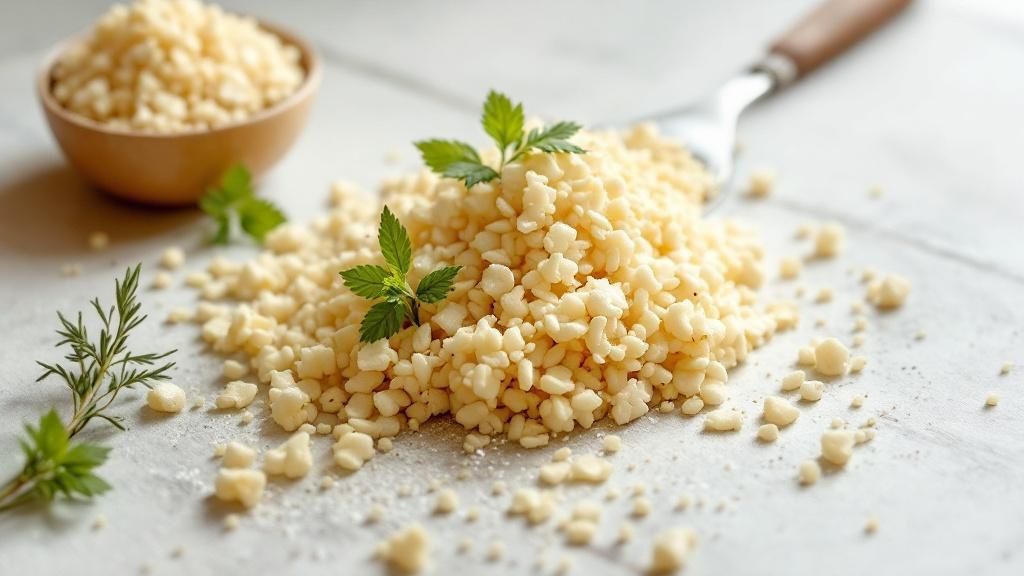
Its superpower lies in beta-glucan, a soluble fiber that forms a gel-like layer in the intestines. This gel slows digestion, leading to a longer-lasting feeling of fullness and stabilizing blood sugar levels. At the same time, it nourishes beneficial gut bacteria and can help regulate bowel movements—ideal both for those prone to diarrhea and those prone to constipation. Choosing the gluten-free option is crucial, as conventional oats are often contaminated with gluten-containing grains, which can trigger symptoms in sensitive individuals.
Why gluten-free oats are so effective
The effectiveness of oats for IBS is well documented scientifically. A small portion (up to 50 g) of gluten-free oats is considered low-FODMAP and is therefore well tolerated by most people affected. Consistently choosing gluten-free products minimizes the risk of cross-contamination, which is a common but often overlooked cause of discomfort. If you would like to learn more about how to identify such intolerances, you can find valuable information here, for example through mybody-x self-tests.
Our tip: Start with a small amount of around 30 grams per day, preferably as warm porridge. Soaking the oats overnight in water or a plant-based milk alternative can further improve digestibility by reducing the phytic acid they contain and optimizing nutrient absorption.
This targeted approach makes gluten-free oats a cornerstone of a successful IBS diet that relieves symptoms while providing valuable energy and nutrients.
Practical tips for your everyday life
- Pay attention to certification: Only buy oats that are clearly labeled “gluten-free” to avoid contamination.
- Start slowly and increase gradually: Begin with a small portion (e.g., 30 g) and observe your body’s response before slowly increasing the amount.
- Soaking for better tolerability: Soak your oats overnight (“overnight oats”) or cook them into porridge to make them especially easy to digest.
- Smart combinations: Combine them with other low-FODMAP ingredients such as a handful of berries, a spoonful of chia seeds, or a few walnuts for additional nutrients without discomfort.
3. Probiotic Yogurt (Lactose-Free) – Smart Gut Support
Probiotic, lactose-free yogurt is a key element of a modern IBS diet. It not only provides nutrients but also serves as a carrier for live bacterial cultures that can actively improve the delicate balance of your gut flora. These beneficial microorganisms, particularly well-studied strains such as Lactobacillus acidophilus and Bifidobacterium, may help strengthen the intestinal barrier and reduce typical IBS symptoms such as bloating, pain, and irregular bowel movements.

For people with irritable bowel syndrome, the lactose-free variety is essential because lactose is a known FODMAP trigger. The combination of active probiotics and the absence of lactose makes this yogurt a safe and highly effective choice for calming digestion and stabilizing it over the long term. This actively supports the development of a robust and diverse gut microbiome. Learn more here about how to build a healthy gut microbiome.
Why probiotic yogurt is so effective
The effectiveness of lactose-free probiotic yogurt is based on the targeted delivery of bacterial strains whose positive effects have been scientifically documented. Research shows that specific probiotics can positively influence communication between the gut and brain (the gut-brain axis) and alleviate local inflammatory processes.
Our tip: Choose products with a high concentration of live cultures (at least 10 billion CFUs per serving) and ideally containing several different strains. A multi-strain formulation increases the likelihood that the bacteria suited to you will reach your gut and exert their positive effects there.
Data from clinical practice and research confirm that regular use can lead to significant improvements. To specifically identify the right strains for your gut, a gut analysis by mybody-x may be helpful in receiving a personalized recommendation.
Practical tips for your everyday life
- Start slowly: Begin with a small portion of around 100 ml per day to give your gut time to adjust to the new bacterial cultures.
- Watch the sugar: Choose unsweetened varieties to avoid additional irritation from sugar. If needed, you can sweeten the yogurt with half a ripe banana or a few low-FODMAP berries.
- Choose carefully: Check the label and look for products that list specific strains such as Lactobacillus or Bifidobacterium and guarantee a high CFU count (colony-forming units).
- Be patient: The positive effects of probiotics often only become apparent after several weeks of regular use. So, stay consistent.
4. Cooked Carrots – The Soothing Classic
When it comes to an easy-to-digest irritable bowel syndrome diet, cooked carrots are a true classic and an exceptionally safe choice. They are considered one of the best-tolerated vegetables of all and are often even recommended during acute phases to calm the digestive system. Their gentle effect is due not only to their simple structure, but also to the valuable nutrients that are optimally released through the cooking process.
The trick lies in the preparation: Boiling or steaming breaks down the carrot's tough cellulose fibers. This not only makes them softer and easier to chew, but also considerably easier to digest. At the same time, the soluble fiber they contain, particularly pectins, is released. These pectins swell in the intestines and can bind excess fluid, which has a regulating effect both in cases of diarrhea and by making stool softer in cases of constipation.
Why cooked carrots are so effective
The excellent tolerability of cooked carrots is well documented scientifically and clinically. They are naturally low-FODMAP and free from typical irritants. Traditional bland-diet approaches rely on their benefits, and modern gastroenterologists recommend them as well. Moro's famous carrot soup is even used in clinics as a basic treatment for gastrointestinal complaints.
Our tip: Make cooked carrots a regular part of your diet, especially during periods of severe symptoms. They are not just a side dish; as a purée or soup, they can also form the basis of a meal. However, you should avoid raw carrots, as their tough fibers can mechanically irritate a sensitive gut and cause bloating.
Cooked carrots not only directly support digestion, but their prebiotic properties also promote a healthy gut environment in the long term. This positive effect is an important step toward deliberately building up the gut flora and strengthening the gut's resilience.
Practical tips for your everyday life
- Cook gently: Steam or boil the carrots for about 15–20 minutes, until they are very soft. This maximizes digestibility.
- Optimize nutrient absorption: Add a teaspoon of high-quality olive oil to the cooked carrots. The fat helps the body absorb the fat-soluble beta-carotene (a precursor to vitamin A) more effectively.
- Start slowly: Begin with a small portion of about 100 grams per day and observe how your body reacts before increasing the amount.
- Grow your own: For maximum freshness and nutrient density, you can easily grow carrots yourself in the garden or on the balcony. Helpful guides for growing carrots make getting started easy.
5. White rice (long-grain) – The well-tolerated filling staple
When redesigning your IBS diet, white rice is often a reliable staple. It is considered one of the best-tolerated staple foods for people with sensitive digestive systems. Its easy digestibility and soothing properties make it a safe and nutritious base for many meals without irritating the gut.
The key advantage of white rice is that the husk, bran, and germ have been removed. As a result, it contains very little hard-to-digest fiber, which can often cause bloating or cramps in people with IBS. Instead, it provides readily available carbohydrates for quick energy while also helping to firm up stools, which is particularly helpful if you are prone to diarrhea.
Why white rice is so effective
The effectiveness of white rice for IBS symptoms is well documented scientifically and in practice. It is naturally gluten-free and extremely low in FODMAPs, making it an ideal food during the elimination phase. Varieties such as basmati and jasmine rice are particularly recommended because they are not only well tolerated but also have a pleasant aroma.
Our tip: Use white rice deliberately as the basis for your main meals. It serves as a neutral, safe, filling food that you can gradually combine with other well-tolerated foods, such as steamed, low-FODMAP vegetables (e.g., carrots, zucchini) and lean protein sources (e.g., chicken, tofu). This helps stabilize your digestive system and gives you confidence in your daily eating routine.
The so-called BRAT diet (bananas, rice, applesauce, toast), often recommended for acute gastrointestinal symptoms, underscores rice’s central role as a bland food. Many gastroenterology practices and clinics also rely on a rice-based diet to relieve the digestive system and alleviate symptoms.
Practical tips for your everyday life
- Prepare properly: Rinse the rice thoroughly under cold water before cooking to remove excess starch. This makes it even easier to digest.
- Cook gently: Cook the rice with twice the amount of water and a pinch of salt until it is soft and fully cooked. Avoid high-fat cooking methods such as frying.
- Combine wisely: Start with small portions and initially combine the rice with just one other safe ingredient. This allows you to safely test your tolerance limits and gradually make your meals more varied. Learn more about how you can gradually adjust your diet for IBS.
6. Fennel tea and fennel seeds – The natural remedy for cramps and bloating
If you are looking for a proven and gentle remedy to support your IBS diet, fennel tea and fennel seeds are an excellent choice. Fennel has been valued for centuries for its soothing effect on the gastrointestinal tract. It targets the areas where symptoms are often most severe: painful cramps and uncomfortable bloating.
Fennel’s main active compounds are its essential oils, particularly anethole and fenchone. These substances have carminative (gas-relieving) and antispasmodic (cramp-relieving) effects. This means they help release trapped gas in the intestines and relax cramped intestinal muscles. In this way, they can actively help reduce abdominal pressure and significantly improve overall well-being.
Why fennel is so effective
The effectiveness of fennel for IBS symptoms is not merely based on tradition; it has also been well studied scientifically. Its essential oils act directly on the smooth muscles of the intestines and promote gentle relaxation. This is particularly valuable because overactive or cramped intestinal muscles are one of the main causes of pain in IBS patients.
Our tip: Incorporate fennel into your daily routine as a regular staple, not just when symptoms are acute. Drinking fennel tea regularly may have a preventive effect and reduce the frequency and intensity of cramps and bloating. Chewing fennel seeds after a meal can further stimulate digestion and minimize gas formation from the outset.
Fennel is considered low-FODMAP as long as it is consumed in moderate amounts (e.g. as tea or a small quantity of seeds), making it an ideal addition to an IBS-friendly dietary strategy.
Practical tips for your everyday life
- Establish a tea ritual: Drink 2 to 3 cups of freshly brewed fennel tea daily, preferably between meals, to continuously support digestion.
- Seeds as a digestive aid: After each main meal, chew about a teaspoon of fennel seeds thoroughly. This releases the essential oils directly in your mouth and supports digestion.
- Pay attention to quality: Choose organic fennel to ensure it contains no pesticides or unnecessary additives.
- Enhance the effect: Combine fennel with anise and caraway. A tea blend made from these three herbs is a classic and particularly effective remedy for bloating and a feeling of fullness.
Comparison of dietary examples for IBS
| Food | ⭐ Key benefits | 💡 Ideal use cases |
|---|---|---|
| Bananas (ripe bananas) | Easy to digest, natural prebiotics | Light source of energy, stool regulation |
| Oats (gluten-free) | Beta-glucan, prebiotic effect | Gentle satiety, blood sugar stabilization |
| Probiotic yogurt | Live cultures, lactose-free | Supports the microbiome and immune system |
| Cooked carrots | High in beta-carotene, anti-inflammatory | Soothing the intestinal lining, antioxidants |
| White rice (long-grain) | Gluten-free, very well tolerated | Binding effect during diarrhea, quick energy |
| Fennel tea and fennel seeds | Antispasmodic, natural, anti-inflammatory | Acute cramping and bloating |
Your conclusion: More than just diet—A holistic approach to gut health
You have now gained a comprehensive insight into what a targeted IBS diet can look like. From the soothing effects of ripe bananas and cooked carrots to the gut-friendly support provided by gluten-free oats and probiotic yogurt, the foods presented are more than just sources of nourishment. They are strategic tools that you can use to actively support your well-being.
The path to a calm stomach is highly individual. What is a real relief for one person may work less well for someone else. That is precisely why the approach described in the article—the gradual elimination and conscious reintroduction of potential trigger foods—is so crucial. It is not about giving up everything forever, but about understanding your body and finding your personal “safe” foods.
The most important insights for your IBS diet
Remember the key strategies we discussed:
- Keep a food diary: Documentation is your most powerful tool. It is the only way to reliably identify patterns between your diet and your symptoms.
- Start gently: Begin by focusing on easily digestible, low-FODMAP foods such as white rice or fennel tea to give your gut a break.
- Be systematic: Test new foods individually and in small amounts so you can draw clear conclusions about your tolerance.
- Patience is key: Your gut needs time to adapt and heal. Do not expect overnight miracles; instead, celebrate small, steady improvements.
More than just food: Your holistic path
A successful IBS diet is deeply rooted in a holistic lifestyle. Stress management, sufficient sleep, and regular, gentle exercise are equally important pillars of your gut health. Chronic stress can directly negatively affect the gut-brain axis and worsen your symptoms, even if your diet is perfectly tailored.
Important to know: Do not view your gut in isolation. Your lifestyle, mental habits, and dietary choices form an interconnected system. Optimizing one area can have positive effects on all the others, laying the foundation for lasting improvement.
The quality of your staple foods also plays a major role. As part of a holistic approach, it is also important to consider the foundations of a healthy diet, such as the choice of fats. Learn more about which oils are the healthiest and why olive oil can be a good choice.
Your journey toward a life with fewer IBS symptoms is a journey of self-discovery. Use the knowledge you have gained here as your personal map. Be kind to yourself, listen to your body's signals, and take control. You have the ability to make a real difference to your well-being through conscious choices.
Are you ready to delve even deeper into the connections within your body and establish your health on a data-driven foundation? The lab tests from MYBODY Lab GmbH help you uncover individual intolerances and nutrient deficiencies that may play a role in irritable bowel syndrome. Find out with MYBODY Lab GmbH what your body really needs and tailor your diet even more precisely.



Share now:
Gut microbiome test: Find your way to better gut health
Understanding Celiac Disease & Gluten Intolerance: Symptoms & Tips