

What helps with hot flashes? Quick tips and causes for women’s health
In the middle of a conversation, while shopping, or at night in bed—a wave of heat suddenly washes over you, your heart pounds, and you break out in a sweat. These moments can completely throw you off balance and disrupt your everyday life. What helps with hot flashes? is therefore one of the most important questions, especially for us women going through menopause. The good news: The answer often lies in restoring your inner balance and understanding your body.
Suddenly hot? What your body is trying to tell you with hot flashes
Imagine your body has an internal thermostat in the brain that regulates your temperature without you even noticing. Normally, it works perfectly. But when certain messengers—especially hormones—fall out of sync, this thermostat receives the wrong signals and goes haywire.
Your body then mistakenly believes it urgently needs to cool down. As a result, the blood vessels dilate and blood rushes to the skin—causing the intense heat and characteristic facial flushing. At the same time, sweat production kicks in to combat the perceived overheating. Quite an uproar over a misunderstanding in your system.
Hormones as key players in your health
The hormone estrogen plays a particularly important role here. It is not only responsible for the female menstrual cycle, but also helps keep the temperature regulator in the brain stable. It is a key building block of women’s health.
During perimenopause and menopause, your estrogen levels naturally decline. These fluctuations are the most common cause of hot flashes and night sweats. Around 70 to 80% of women experience these symptoms themselves.
But menopause is not always the only reason. Your body is a complex system in which everything is interconnected. Hot flashes can therefore also be a sign of other imbalances.
Possible causes of hot flashes at a glance
This table summarizes the most common triggers of hot flashes and gives you a starting point for where to begin.
| Possible cause | Brief description and typical signs |
|---|---|
| Perimenopause & Menopause | Estrogen levels drop, throwing the “thermostat” in the brain out of balance. Often accompanied by menstrual irregularities, sleep problems, or mood swings—a classic women’s health concern. |
| Hyperthyroidism (overactive thyroid) | The thyroid produces too many hormones and speeds up the metabolism. Additional symptoms may include a rapid heartbeat, nervousness, and weight loss. |
| Medications | Certain medications, such as some antidepressants, blood pressure medications, or hormone therapies for cancer, can cause hot flashes as a side effect. |
| Lifestyle & Diet | Spicy foods, alcohol, caffeine, and stress are known triggers that can activate the nervous system and provoke a wave of heat. |
| Nutrient Deficiencies | A deficiency in certain vitamins (e.g., B vitamins) or minerals can disrupt hormone production and regulation. |
| Other Conditions | In rare cases, neurological disorders or infections may also be responsible. |
As you can see, there are many possible factors to consider. Rather than simply treating the symptoms, it makes much more sense to get to the root of the cause. An at-home hormone test can provide valuable initial insights into what is going on in your body. This gives you a clear basis for taking targeted action that genuinely helps you.
Tracing the True Causes of Hot Flashes
If you want to get hot flashes under control, you first need to understand where they actually come from. Think of it this way: it’s a bit like detective work for your own body. Instead of simply fighting the symptom—this sudden, uncomfortable heat—we look for the underlying trigger. That is the only way to find a solution that addresses the root cause and helps you in the long term.
The main suspect is, of course, familiar to most women: menopause. During this phase, which begins for most of us between the ages of 45 and 55, the body gradually reduces its production of the hormone estrogen. But estrogen is not only responsible for the menstrual cycle—it is also a key regulator of the brain’s internal temperature control center. When estrogen levels drop, this built-in thermostat gets thrown off balance and suddenly triggers a heat alarm for no apparent reason. If you would like to learn more about the various signs of this stage of life, take a look at our article on menopause symptoms.
More Than Just Menopause: A Look at Women’s Health
However, the hormonal ups and downs of menopause are far from the only possible explanation. Your body is a complex system in which everything is interconnected. Other factors can also play a significant role and affect your women’s health.
Another important control center is your thyroid. When it is overactive (known as hyperthyroidism), it sends your entire metabolism into overdrive. Imagine someone turning the heating in your body all the way up—hot flashes and heavy sweating are often a direct result.
But even completely everyday things can throw your internal thermostat out of balance:
- Medications: Certain active ingredients, for example in some blood pressure medications or antidepressants, can cause hot flashes as a side effect.
- Stress and anxiety: Are you constantly under pressure? Emotional strain puts your body in a permanent state of alert. The stress hormone cortisol shoots up, your nervous system runs hot, and this can also lead to hot flashes.
- Lifestyle: Sometimes it is the small everyday indulgences. Spicy foods, a glass of wine in the evening, or coffee in the morning can act as direct triggers for many women and set off a hot flash.
What was long dismissed as simply a “natural phase” is a major burden in everyday life for many women. Up to 80% of women experience hot flashes and night sweats during menopause. These symptoms can last an average of seven to eight years. With around nine million women in Germany going through this stage of life, this is anything but a rare exception—it is a women’s health issue that we need to take seriously. You can find out more in this report on menopause.
Your first step toward greater clarity
As you can see, the causes can be very diverse. So instead of groping in the dark and simply hoping that things will get better, it makes much more sense to get to the bottom of the issue.
Targeted blood tests can shed light on the matter. With a mybody-x hormone test for women, you can conveniently have your most important hormone levels, such as estrogen, progesterone, and thyroid hormones, checked from home. The results give you a sound basis for uncovering the true cause of your hot flashes and finally taking the right steps for you.
When a blood test really provides clarity
Are you wondering whether your hot flashes are simply “normal” for menopause or whether something else might be behind them? This uncertainty can be incredibly draining. A blood test is like looking behind the scenes of your body—it gives you facts instead of guesses and finally provides clarity for your women’s health.
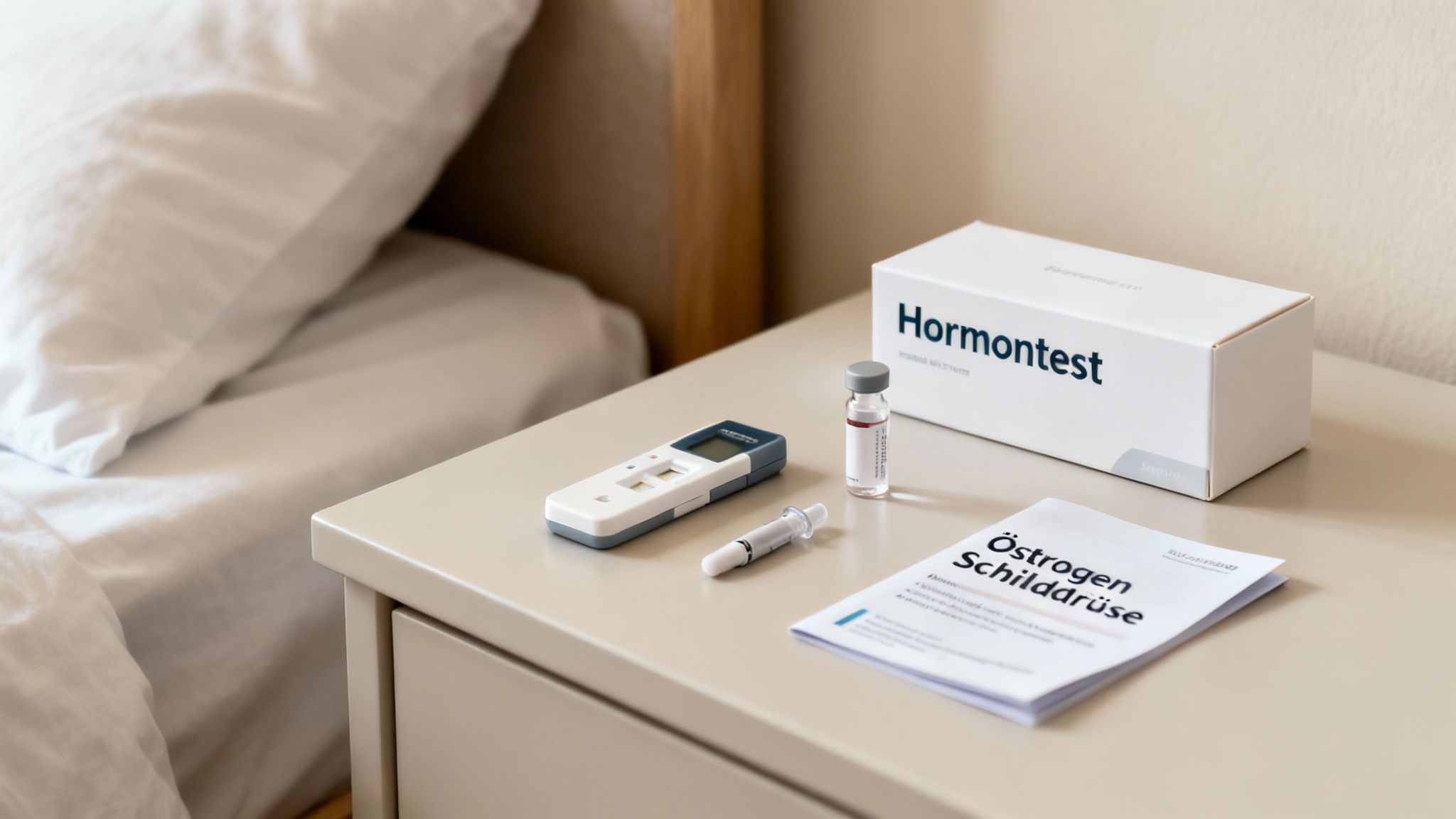
A test is particularly useful if the hot flashes occur very suddenly and with unusual intensity, or if you are not yet at the typical age for menopause. The point is simply to specifically investigate or rule out other possible causes.
What a home test can reveal
Imagine being able to check your body's most important control centers without having to leave home. That is exactly what a hormone test for women from mybody-x does. It measures the key levels that are crucial to your well-being during this phase.
The test provides information about:
- Your hormone status: Levels such as estrogen and progesterone clearly show whether a hormonal imbalance is the real cause of your hot flashes.
- Your thyroid health: Important thyroid hormones are analyzed to rule out an overactive thyroid as a hidden trigger.
- Possible nutrient deficiencies: Sometimes missing vitamins or minerals are also what significantly disrupt hormonal balance.
A blood test provides you with a sound data basis. Instead of guessing what helps with hot flashes, you gain concrete insights into your body's processes. This knowledge is the first step toward a targeted solution.
With these results in hand, you will finally understand what is really going on in your body. They provide the perfect foundation for taking targeted measures to improve your lifestyle or having a well-informed conversation with your doctor.
Knowledge as the foundation for change
Menopause is a complex phase, but you do not have to go through it in the dark. A clear picture of your hormone and nutrient levels gives you back control. It helps you decide whether adjusting your diet, engaging in more targeted relaxation, or perhaps seeking medical advice is the right path for you.
If you would like to delve deeper into the topic, you will find much more information in our guide about how a blood test specifically for menopause in women can help you better understand and actively manage this phase of life. Instead of suffering passively, you become the manager of your own health.
What medicine can do for hot flashes
When hot flashes bring your daily life to a standstill and rob you of sleep night after night, you do not simply have to put up with them. The good news is that modern medicine has effective solutions to restore your quality of life. The most important and often most effective solution is hormone replacement therapy (HRT), because it addresses the problem at its root.

Hormone replacement therapy as the gold standard
Hormone replacement therapy is considered the gold standard for good reason. It gives the body exactly what it lacks during menopause: estrogen. By balancing the declining hormone levels, the body’s thermostat in the brain also stabilizes again. The result is often a surprisingly rapid improvement in hot flashes, night sweats, and the associated sleep problems.
HRT was often criticized across the board in the past, but we know much more today. Modern therapies use bioidentical hormones, which are structurally identical to those produced by the body. They are usually absorbed gently through the skin as a gel or patch.
HRT is particularly worth considering for women who suffer significantly from the symptoms and have no health-related contraindications, such as certain cancers. The key is to have an open conversation with your doctor to weigh the personal benefits and risks. If you would like to learn more about how to correct an estrogen deficiency, you will find valuable insights in our related article.
Important to know: Hormone therapy is not about stopping the aging process. The goal is to alleviate the often severely burdensome symptoms of declining hormone levels so that you can feel comfortable in your own skin again.
What helps with hot flashes without hormones?
Fortunately, there are also proven alternatives for all women who do not want to take hormones or are unable to for medical reasons. Two approaches in particular have proven effective:
- Low-dose antidepressants: Certain active ingredients from the SSRI or SNRI groups can noticeably reduce the frequency and intensity of hot flashes—even at very low doses. They affect the metabolism of messenger substances in the brain that also play a role in temperature regulation.
- Other medications: Active ingredients such as gabapentin, which is actually known from the treatment of epilepsy or nerve pain, have also shown good efficacy against hot flashes in studies.
Both options require a prescription and should only be used after a thorough medical evaluation. But they clearly show that there are effective strategies for getting troublesome hot flashes under control without hormones. The most important step is always to talk to a specialist to find the solution that is perfect for you and your situation.
What really helps with hot flashes in everyday life
Fortunately, alongside medical treatments, there are also a whole range of effective, natural ways to get hot flashes under control. Your lifestyle is your most powerful tool—often, small, deliberate adjustments can have a surprisingly significant effect and give you a sense of control again.
One key factor is clearly your diet. Certain foods and drinks can act like a spark that triggers a hot flash in the first place. The best-known culprits include spicy foods, alcohol, and caffeine. It’s best to observe closely how your body reacts to them. Keeping a small food diary can often work wonders, revealing connections you may not have been aware of before.
Harnessing the power of nature in a targeted way
At the same time, there are also foods that can gently support your body. The so-called phytoestrogens play a key role here. These are plant compounds whose structure resembles the body’s own estrogen and that may help balance out hormonal ups and downs a little.
You can find these little helpers mainly in:
- Flaxseeds: Just one or two tablespoons a day, for example in muesli or yogurt, can make a difference.
- Soy products: Tofu, edamame, and soy milk are excellent and versatile sources.
- Legumes: Chickpeas and lentils are not only healthy but also rich in these valuable plant compounds.
Even regular but moderate exercise is one of the best answers to the question of what helps with hot flashes. It doesn’t have to be a marathon! Brisk walking, a yoga session, or swimming can already stabilize the body’s temperature regulation while also being a fantastic stress reliever.
Stress is one of the most common and, at the same time, most underestimated triggers for hot flashes. It puts your nervous system into a state of alarm, which can literally fuel hot flashes.
Targeted relaxation techniques are therefore incredibly valuable. Exercises such as deep, mindful breathing or meditation can help you step out of the stress cycle and calm your overstimulated system. If you’d like to learn more about managing stress hormones, read our article on how to lower cortisol naturally.
Practical tips for immediate relief
Sometimes, though, you simply need quick help in the moment. With these simple tricks, you’ll be well prepared for everyday life:
- Dress in layers: Wear several thin layers on top of one another. This way, when a hot flash comes on, you can easily remove a layer without having to change your entire outfit.
- Keep your bedroom cool: A room temperature of around 16–18 °C is considered ideal for restful sleep. Lightweight bedding made from breathable materials such as cotton or linen also helps prevent heat buildup.
- Always keep water within reach: Drink enough water throughout the day. This not only compensates for fluid loss through sweating but also directly supports the regulation of your body temperature.
- Harness the power of cold: A cool cloth on the back of your neck or simply running cold water over your wrists can provide quick, soothing relief during an acute hot flash.
Your roadmap to greater well-being and fewer hot flashes
You’ve now learned a lot about what really helps with hot flashes—from medical treatments to proven home remedies. Knowledge is great, but real change only begins when you take action. Think of this section as your personal guide to bringing yourself back into balance, step by step.
The best way to get started? Become a detective of your own body. Keep a simple symptom diary for one to two weeks. Note when the hot flashes occur, how intense they are, and what you did, ate, or drank shortly beforehand. This often helps you uncover your personal triggers and suddenly see connections you may never have noticed before.
Clarity as the next step
Sometimes small adjustments in your daily routine are not enough. If you feel that there is more to it, the next logical step is to gain clarity about what is happening in your body. A mybody-x hormone test for women provides tangible data on your hormone levels and possible nutrient deficiencies. This knowledge is the perfect basis for all further decisions.
With the insights from your diary and test results, you can finally take targeted action. The following graphic provides simple guidance on which initial measures you can take depending on how you currently feel.
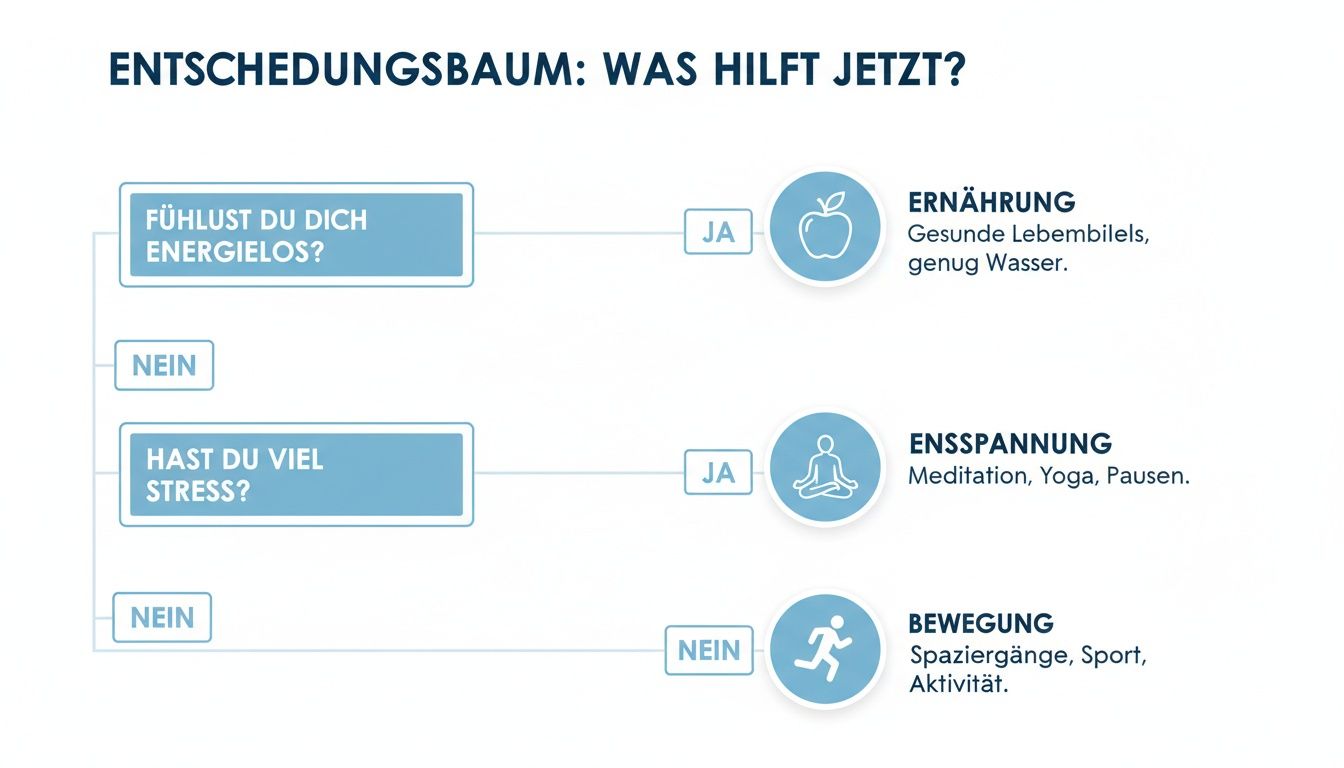
The decision tree makes it clear: Whether you feel more stressed or drained, there is always a simple starting point—whether through nutrition, a relaxation exercise, or gentle movement.
Your journey begins with deciding to take your body's signals seriously. Instead of passively enduring hot flashes, you are actively taking control of your health and well-being.
Whether you change your diet, find a relaxation technique that works for you, or have an informed conversation with your doctor based on your test results—every small step is a gain. You now have the tools to shape this phase of life independently and positively.
You asked, we answer: The most common questions about hot flashes
Hot flashes often raise a lot of questions. That is completely normal! We have collected the most common ones and provide clear, easy-to-understand answers here so that you can feel more confident.
How long should I expect to experience hot flashes?
Many women ask themselves this question, but there is no one-size-fits-all answer—the duration varies greatly from person to person. On average, women struggle with the symptoms for about seven to eight years. For some, it is just a brief episode lasting a few years; for others, unfortunately, the issue accompanies them for more than a decade.
But there is good news: it is not a permanent condition. Over time, the intensity and frequency of hot flashes usually decrease. This happens once your body gets used to the new, lower hormone levels.
Can hot flashes occur without menopause?
Yes, absolutely. Even though menopause is the main suspect, there are other possible triggers. Hot flashes can also be a warning signal from your body that something else has become unbalanced.
Possible causes include:
- An overactive thyroid: When it is working overtime, it revs up your entire metabolism.
- Certain medications: Some blood pressure medications or antidepressants can cause hot flashes as a side effect.
- Persistent stress: Chronic stress puts your nervous system in a constant state of alert.
- Food as a trigger: Spicy foods, alcohol, or too much caffeine can be the last straw.
So, if you are experiencing hot flashes but still feel too young for menopause, you should get to the bottom of it. A comprehensive hormone test from mybody-x can often provide clarity by checking your hormone and thyroid levels.
Do herbal remedies really help with hot flashes?
Many women swear by the power of nature and report great experiences. Preparations made from black cohosh, red clover, or soy isoflavones are particularly popular. The secret is that they contain so-called phytoestrogens. These are plant-based substances that resemble the estrogen naturally produced by our bodies and may gently balance hormonal fluctuations.
However, to be fair, the evidence from studies is not always conclusive, and the effects can vary greatly. What works wonders for your friend may have little effect on you.
Important: You should also pay attention to good quality when using herbal remedies. It is best to discuss taking them with a doctor or naturopath, as natural products can also have side effects and interactions.
What is the difference between hot flashes and night sweats?
Basically, they are two sides of the same coin. It is the same phenomenon, just occurring at a different time. Hot flashes overwhelm you during the day like a sudden, intense wave of heat. We call it night sweats when it happens at night and becomes so severe that you wake up drenched in sweat and your sleep is disrupted. The cause is the same in both cases: impaired temperature regulation in the brain, triggered by hormonal chaos.
Are you ready to finally get to the bottom of the cause of your hot flashes and regain control? A mybody-x hormone or nutrient test provides clear insights into your body. Find out what you really need now and conveniently order your test for home: https://mybody-x.com



Share now:
Discover the TSH hormone test: Understanding your thyroid made easy
Strengthen your immune system naturally: Your plan for strong defenses