
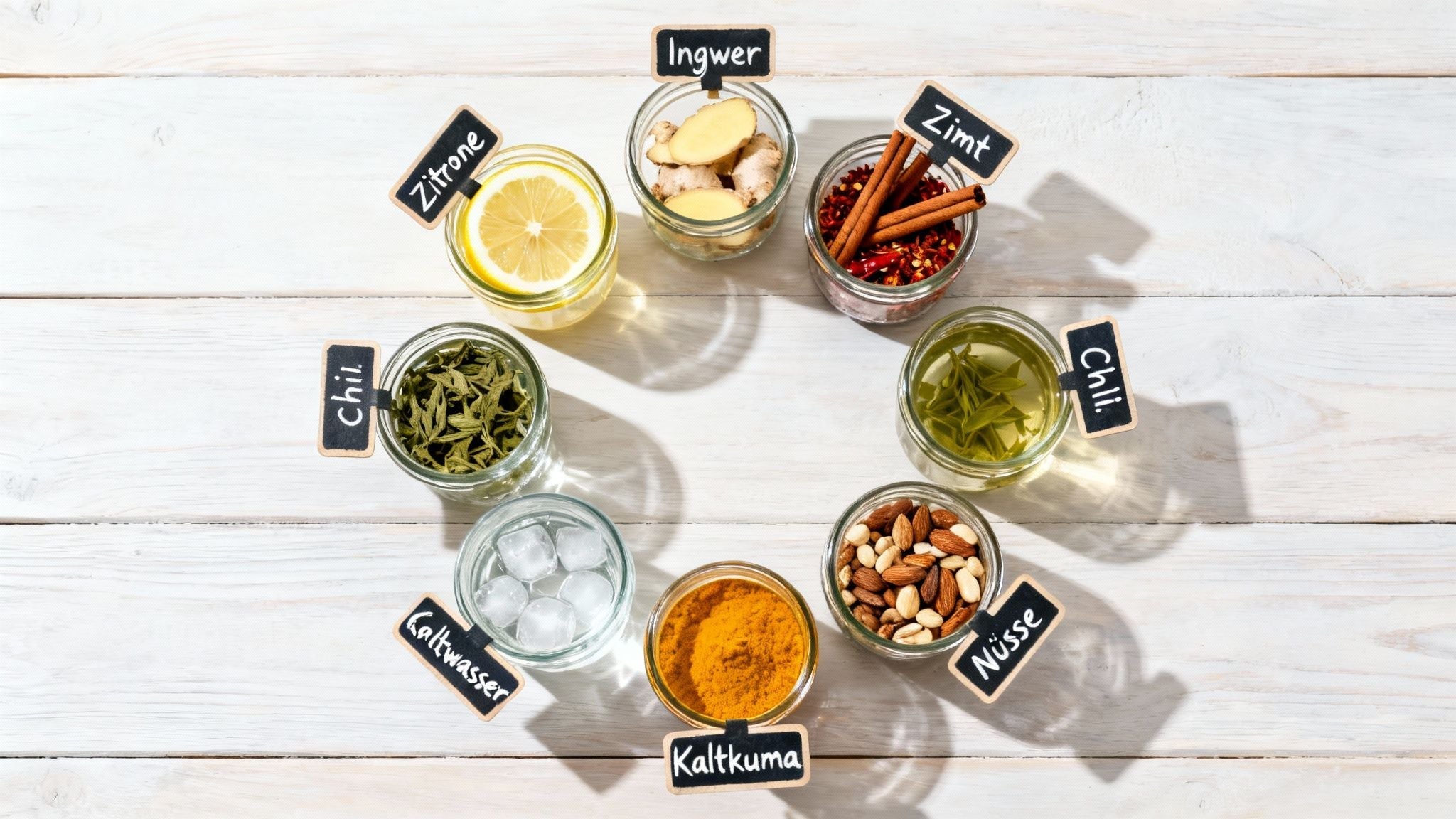
Speed Up Your Metabolism: 8 Home Remedies That Really Work
Do you often feel tired, gain weight easily, or feel like your body is running on low power? You are not alone. Many people are looking for effective ways to boost their metabolism, often without realizing that the most effective solutions are already part of their daily lives. The good news is that you do not need expensive diet products or complicated plans. Your body has all the mechanisms it needs to burn energy more efficiently—you just need to activate them correctly.
In this article, we focus on tried-and-tested, scientifically backed home remedies for speeding up your metabolism. We go beyond superficial tips and explain in detail why certain methods, such as green tea, cold-water applications, or targeted exercise, actually work. You will learn about the biochemical processes behind them, how to integrate these strategies into your daily routine, and how they can help you positively influence your energy, well-being, and body composition.
We will show you eight targeted measures—from optimizing your diet with protein-rich foods and thermogenic spices to implementing smart exercise and recovery strategies. You will learn how to harness the so-called “Thermic Effect of Food” (TEF), activate brown adipose tissue, and increase your metabolic flexibility. This guide gives you the tools to not only boost your metabolism in the short term but also stabilize it at a higher level over the long term. Get ready to regain control and restart your body’s energy center. The first step begins right at home.
1. Green Tea and Matcha—Thermogenesis Through EGCG
Green tea is far more than just a soothing hot beverage. It is a proven home remedy for naturally speeding up your metabolism. The key lies in its bioactive compounds, especially the antioxidant epigallocatechin gallate (EGCG). This catechin stimulates thermogenesis—a process in which your body produces more heat and thereby burns additional calories.
Unlike black tea, the leaves used for green tea are not fermented (oxidized), which preserves their high EGCG content. Matcha, the vibrant green powder from Japan, is the ultimate version of this. Since you consume the entire tea leaf, you absorb a much more concentrated dose of EGCG and other valuable compounds.
How to Use Green Tea and Matcha Effectively
To fully benefit from its metabolism-boosting effects, proper preparation and use are essential. It is not just about drinking a cup from time to time, but about making it a regular part of your daily routine.
- The right amount: Studies suggest that three to four cups of green tea per day are necessary to achieve a noticeable effect on the metabolism. With matcha, one serving (approx. 1–2 teaspoons of powder) in the morning is often sufficient.
- Pay attention to the temperature: Do not pour boiling water over the tea. A temperature of 80°C maximum is ideal to avoid destroying sensitive catechins such as EGCG.
- Leverage synergistic effects: Combine your tea with light exercise. A cup of green tea before a walk or a light cardio session can further boost fat burning.
Practical example: Many health-conscious people replace their morning coffee with a matcha latte. The L-theanine it contains promotes an alert yet focused and calm mind, while the EGCG activates the metabolism for the day.
Genetics and Caffeine Sensitivity
Every body reacts differently to caffeine and plant compounds. While some benefit from the stimulating effect, others feel nervous or shaky. Your genetic predisposition plays a decisive role here. It determines how quickly your body breaks down caffeine and how sensitive you are to its effects.
If you're unsure whether green tea or coffee is the better choice for you, analyzing your DNA can provide answers. Learn more about how your genes influence caffeine metabolism and make an informed decision for your body.
2. High-Intensity Interval Training (HIIT) – Boosting the Metabolism Through Muscle Stimuli
Exercise is a decisive lever for speeding up the metabolism, but not every type of training is equally effective. High-intensity interval training (HIIT) is a particularly effective method for increasing your body's energy expenditure not only during exercise, but also for a long time afterward. The principle is simple: short, explosive bursts of exertion alternate with short recovery periods. This intense strain challenges your body so much that it continues running at full speed for hours afterward.
The key is the so-called afterburn effect, also known as EPOC (Excess Post-Exercise Oxygen Consumption). After an intense HIIT session, your body needs more oxygen to recover, repair muscle tissue, and return to its resting state. This process uses additional energy and keeps your metabolism elevated for up to 48 hours. HIIT also increases mitochondrial density in muscle cells—so you build more tiny “power plants” that continuously burn energy.
How to Effectively Incorporate HIIT into Your Daily Routine
To make the most of the benefits of HIIT, short but consistent sessions are more important than hours-long workouts. The right structure and regularity are the keys to success.
- The right frequency: Start with two to three HIIT sessions per week. Since this form of training is highly intense, your body needs sufficient time to recover. More is not always better here.
- Choose the right exercises: Classic HIIT exercises include sprints, burpees, jumping jacks, and kettlebell swings. Change your exercises regularly to introduce new stimuli and prevent boredom.
- Find your optimal interval: Beginners should ideally start with a 1:2 ratio (e.g., 20 seconds of work, 40 seconds of rest). More advanced athletes can switch to a 1:1 ratio (e.g., 30 seconds of work, 30 seconds of rest).
Practical example: The famous Tabata protocol is a perfect HIIT workout. It consists of eight rounds in which you perform an exercise at maximum intensity for 20 seconds, followed by 10 seconds of rest. A single Tabata session therefore lasts only four minutes, but dramatically boosts your metabolism.
Genetic Predisposition and Training Success
Every body responds differently to training stimuli. Whether you are more of an endurance or strength type depends largely on your genetic predisposition. Your genes influence how quickly your muscles tire, how efficiently you recover, and which form of training delivers the best results for you.
If you want to get the most out of your training and understand why certain workouts work better for you than others, a DNA test can provide valuable insights. Learn more about how your genes determine your optimal training type, and adapt your HIIT sessions to your personal constitution for maximum results.
3. Cold Water Therapy and Ice Baths – Activate Brown Fat and Increase Noradrenaline
Deliberate exposure to cold, often known as cold-water therapy or ice bathing, is far more than just a trend among professional athletes. It is a powerful home remedy for boosting metabolism through a fascinating mechanism: the activation of brown adipose tissue (BAT). This specialized fat produces heat instead of storing energy, thereby burning calories.

When your body is exposed to cold, it releases the hormone noradrenaline. This stress hormone not only increases alertness and focus but also signals brown adipose tissue to begin producing heat—a process known as thermogenesis. Repeated cold exposure can even increase the amount and activity of this metabolically active tissue.
How to use cold-water therapy effectively
Jumping into ice-cold water without preparation is not advisable. The key is to take a progressive and controlled approach to harness the positive effects on your metabolism without overwhelming the body.
- Start progressively: Begin with cold showers lasting just 30 seconds at the end of your normal shower routine. Slowly increase the duration to two or three minutes. A good starting water temperature is 10–15°C.
- The right duration and frequency: For advanced users, ice baths lasting two to five minutes at temperatures of 2–5°C can be effective. A frequency of two to three times per week is often ideal, giving the body time to adapt.
- Incorporate breathwork: Combine cold exposure with conscious, deep nasal breathing. This helps regulate the body's stress response and calm the nervous system.
Practical example: Many athletes take a short ice bath after an intense workout. This not only reduces inflammation and muscle soreness but also activates brown adipose tissue, supporting recovery and metabolism. A cold shock in the morning can also replace morning coffee, as the release of noradrenaline provides an immediate energy boost.
Genetics and the response to cold
Not everyone has the same amount of brown adipose tissue or activates it equally efficiently. Your genetic predisposition plays an important role in how strongly your body responds to cold stimuli and how well you can engage in thermogenesis. Some people naturally produce more heat and adapt to cold more quickly, while others feel the cold more intensely.
If you want to understand how your body responds at the cellular level to stimuli such as cold or nutrition, a DNA analysis from mybody-x.com can provide valuable insights. Find out which genetic predispositions influence your metabolism and use this knowledge to personalize your health strategies.
4. Intermittent Fasting (IF) – Metabolic Flexibility and Autophagy
Intermittent fasting is less a diet than an eating pattern that deliberately alternates periods of eating with longer fasting periods. This home remedy is a powerful lever for speeding up metabolism and promoting cellular health. The key mechanism is the reduction of insulin levels during fasting. As a result, your body switches from burning sugar to burning fat, which trains metabolic flexibility—the ability to switch efficiently between different energy sources.

Another key benefit is the activation of autophagy, the body's own recycling program. During the fasting period, the body begins breaking down and recycling damaged cell components. This process supports cell regeneration and contributes to longevity in the long term. Popular methods include the 16:8 model (16 hours fasting, 8 hours eating) or the 5:2 model (eating normally for five days and significantly reducing calories for two days).
How to use intermittent fasting effectively
Getting started with intermittent fasting should be gradual so that your body can adjust to the new rhythm. The goal is to find a sustainable routine that fits your lifestyle and optimally supports your metabolism.
- Gentle start: Don't start with 16 hours of fasting right away. Begin with a 14:10 window (14 hours fasting, 10 hours eating) and increase gradually. This helps you avoid cravings and low energy.
- Hydration is everything: During the fasting phase, calorie-free drinks such as water, unsweetened tea, and black coffee are permitted and important. They help control hunger and keep the body hydrated.
- Nutrient-dense meals: Use your eating window to provide your body with high-quality nutrients. Focus on a protein-rich diet (approx. 1.6–2.2 g per kg of body weight), healthy fats, and complex carbohydrates to preserve muscle mass and boost metabolism.
- Pay attention to electrolytes: Especially during longer fasting periods, it is important to ensure sufficient intake of electrolytes such as sodium, potassium, and magnesium to prevent fatigue or headaches.
Practical example: Many people who want to increase their productivity use the 16:8 method by skipping breakfast and having their first meal around noon. Fasting in the morning promotes mental clarity and focus, while exercising before the first meal can maximize fat burning.
Genetic Predisposition and Metabolic Flexibility
Not everyone benefits equally from intermittent fasting. Your genetic predisposition has a major influence on how well your body handles periods of fasting and how efficiently it can switch between fat and carbohydrate metabolism. Some people are genetically better equipped for metabolic flexibility than others.
A DNA analysis from mybody-x.com can provide valuable insights into whether intermittent fasting is a suitable strategy for you and how to optimally support your body. Learn more about how you can benefit from intermittent fasting and adapt your strategy to your individual genetic predispositions.
5. Eat Protein-Rich Foods – Thermic Effect of Food (TEF) and Muscle Protein Synthesis
A high-protein diet is one of the most effective home remedies for speeding up your metabolism. The reason lies in a combination of two powerful mechanisms: the thermic effect of food (TEF) and the development of metabolically active muscle mass. Protein is the macronutrient that makes your body work the hardest to digest it.
The thermic effect of protein (TEF) is significantly higher than that of carbohydrates or fats. Around 20–30% of the calories you consume from protein are burned solely for digestion, absorption, and metabolism. By comparison, the figure is only 5–10% for carbohydrates and as little as 0–3% for fats. This process noticeably increases your energy expenditure after each meal.
How to use protein effectively for your metabolism
Simply increasing your protein intake is not enough. For maximum results, strategic distribution throughout the day and combining it with exercise are crucial for stimulating muscle protein synthesis and boosting metabolism over the long term.
- The right amount: Aim for a daily intake of 1.6 to 2.2 grams of protein per kilogram of body weight. Especially during a dieting phase, a high protein intake (at least 1.2 g/kg) helps prevent the breakdown of valuable muscle mass.
- Optimal timing: Distribute your protein intake evenly across your meals, ideally every three to four hours. A protein-rich meal in the morning, such as eggs or Greek yogurt, boosts TEF and provides long-lasting satiety.
- Smart combination: Be sure to combine a protein-rich diet with strength and resistance training. This provides the crucial stimulus for muscle protein synthesis and the development of muscle that permanently increases your basal metabolic rate.
- Smart choice: Prefer lean protein sources such as chicken, fish, eggs, low-fat quark, or high-quality protein powders. Make sure they provide a complete amino acid profile containing all nine essential amino acids.
Practical example: Many fitness enthusiasts consume a protein shake immediately after strength training. This provides the body with rapidly available amino acids to immediately initiate repair processes and muscle protein synthesis. Throughout the day, they make sure that each main meal contains about 20-40 g of protein to keep the metabolism continuously operating at a high level.
Your Genetic Protein Requirement
Every body metabolizes macronutrients differently. Your genetic predisposition can influence how efficiently you use protein to build muscle and how high your individual requirement actually is. While some people achieve excellent results with a standard amount, others may need a tailored intake.
A DNA analysis from mybody-x.com can give you precise insights into how your body responds to different macronutrients. Find out more about how to calculate your daily protein requirement and tailor it to your genetic predisposition to achieve your metabolic goals even more effectively.
6. Strength Training – Permanent Metabolic Boost Through Muscle Building
While many home remedies can temporarily boost metabolism, strength training is one of the most effective ways to permanently increase your basal metabolic rate. The key lies in building muscle mass. Unlike fat tissue, muscle is highly metabolically active and continuously burns calories even at rest to maintain itself. Each additional pound of muscle mass therefore increases your daily calorie expenditure.
This process is driven by so-called muscle protein synthesis, which is stimulated through targeted training with progressive resistance. In addition, intense strength training, similar to HIIT, creates an afterburn effect (EPOC) that increases your energy expenditure for hours after your workout. It is therefore not a short-term trick, but a sustainable investment in your metabolic engine.
How to use strength training effectively for your metabolism
To unlock the metabolic potential of strength training, consistency and intelligent training planning are essential. The goal is to continually provide your body with new stimuli so that it adapts and builds muscle.
- Focus on compound exercises: Concentrate on exercises that engage multiple muscle groups simultaneously. Squats, deadlifts, bench presses, and rows are the gold standards because they provide the greatest growth stimulus and trigger the strongest hormonal response.
- Progressive overload: To make muscles grow, you need to challenge them. Each week, increase either the weight by 2–5% or the number of repetitions by 1–2. This is the core principle for long-term success.
- Consistency and recovery: Plan two to four training sessions per week. Recovery is just as important: 7–9 hours of sleep and active stress management are critical so that your body can convert the training stimuli into muscle mass.
Practical example: Many athletes and fitness enthusiasts structure their lives around strength training to optimize their body composition. They use the principle of progressive overload, combine it with a protein-rich diet (1.6–2.2 g per kg of body weight), and prioritize sleep to deliberately increase their resting metabolic rate and shape an athletic physique.
Your genes determine your training potential
Not everyone builds muscle at the same rate or recovers from an intense workout at the same pace. Your genetic makeup plays a decisive role in your muscle-building potential, strength development, and ability to recover. Knowing whether you are genetically more predisposed to strength or endurance sports can help you structure your training more efficiently.
A DNA analysis from mybody-x.com can provide valuable insights and take your training to the next level. Learn more about how your genes influence your muscle-building potential and training response, and make informed decisions for maximum training results.
7. Seasoning with Chili, Turmeric & Ginger – Boost Your Metabolism with Spice
Seasoning your food properly can do far more than simply make it taste better—it is one of the simplest home remedies for boosting your metabolism. Spicy and aromatic seasonings such as chili, ginger, and turmeric contain bioactive compounds that trigger a thermogenic response in the body. This means your body produces more heat and burns additional calories in the process.
The main active compound in chilies is capsaicin. It stimulates special receptors (TRPV1), which are responsible for sensing heat, thereby directly boosting heat production. Gingerol from ginger and curcumin from turmeric produce similar but milder effects and are also known for their anti-inflammatory and digestive properties.
How to use spices effectively for your metabolism
To fully harness the metabolic effects, you should incorporate these spices into your diet intentionally and regularly. The goal is to make a certain baseline level of spiciness and seasoning a habit.
- The right dosage: Studies suggest an additional energy expenditure of 5–15 kcal per meal with regular consumption. About 1–2 grams of fresh ginger or 500–1000 mg of curcumin daily is recommended, ideally with black pepper for better absorption. With chili, as little as 3–6 grams fresh per day may produce an effect.
- Smart timing: Combine capsaicin-rich meals with carbohydrates to maximize fat oxidation. A spicy chili con carne or curry are ideal dishes for this.
- Build tolerance gradually: If you are not used to spicy food, start with small amounts and increase them slowly. This helps prevent stomach discomfort and gives your body time to adapt.
Practical example: Many wellness enthusiasts incorporate a “Golden Milk” (turmeric latte) with ginger and a pinch of pepper into their evening routine. This not only supports metabolism overnight but also has anti-inflammatory and soothing effects on the digestive system.
Individual response to spicy foods and seasonings
The reaction to pungent compounds such as capsaicin varies from person to person and depends heavily on individual genetics. While some can easily enjoy the spiciest dishes and benefit from the thermogenic effect, others are sensitive and experience heartburn or digestive problems. Your genes influence the density and sensitivity of TRPV1 receptors.
A DNA analysis from mybody-x.com can provide valuable insights into how your body responds to specific nutrients and plant compounds. This way, you can find out which home remedies are best suited to you for specifically boosting your metabolism without unwanted side effects.
8. Drink enough water – The simplest metabolism booster
Water is the simplest and at the same time one of the most effective home remedies for boosting your metabolism. It is far more than just a thirst quencher; it is a fundamental activator of metabolic processes. The key lies in a phenomenon known as water-induced thermogenesis. When you drink water, your body has to expend energy to process the fluid and, if it is cold, warm it to body temperature.
This process leads to a short-term but measurable increase in your energy expenditure. In addition, adequate hydration is essential for optimal kidney function, healthy digestion, and clear appetite regulation. The body often confuses thirst with hunger, leading to unnecessary calorie intake. Drinking regularly helps you interpret these signals correctly.
How to use water effectively to stimulate your metabolism
To make the most of water’s metabolic benefits, timing, temperature, and consistency matter. The goal is to integrate drinking strategically into your daily routine to support your body continuously.
- Drink before meals: Studies show that drinking 300–500 ml of water about 30 minutes before a meal can promote a feeling of fullness and reduce calorie intake.
- Prefer cold water: If you tolerate it well, choose cold water. The body has to expend additional energy to warm it up, which enhances the thermogenic effect.
- Regularly throughout the day: Instead of drinking large amounts at once, spread your fluid intake evenly throughout the day. This ensures consistent hydration and continuously supports metabolic functions.
- Pay attention to electrolytes: With very high water consumption, heavy sweating, or intense physical activity, it is important to monitor your electrolyte balance as well to avoid disrupting your mineral balance.
Practical example: Start your day with a large glass of water to replenish the fluids lost overnight and immediately activate your metabolism. Make it a habit to drink a glass of water first at the earliest signs of hunger or fatigue. Often, that is all your body needed.
Individual needs and kidney function
Fluid requirements vary greatly from person to person and depend on factors such as body weight, activity level, climate, and diet. A blanket recommendation does not suit everyone. A well-functioning kidney is essential for efficiently excreting excess fluid and metabolic waste products.
If you want to ensure that your kidneys are functioning optimally and that your body is well hydrated, the nutrient and metabolic checks from mybody-x.com can provide insights. Biomarkers such as creatinine and urea provide insight into your kidney function and help you adjust your fluid intake optimally to your body's needs.
Comparison: 8 home remedies for boosting metabolism
| Measure | Implementation complexity 🔄 | Resources & effort ⚡ | Expected results 📊⭐ | Ideal use cases 💡 | Key benefits ⭐ |
|---|---|---|---|---|---|
| Green tea & matcha – Thermogenesis through EGCG | 🔄 (low) | ⚡⚡ (low; tea/matcha, preparation time) | Thermogenesis +3–8%; EGCG 25–86 mg/cup; moderate, cumulative effects | Morning routine, light cardio, daily integration | Scientifically proven; antioxidant; cost-effective; promotes focus (L-theanine) |
| HIIT – Metabolic acceleration through muscle stimulation | 🔄🔄🔄 (medium-high) | ⚡⚡⚡ (time-efficient; high physical exertion, little equipment) | EPOC 24–48 h; improved mitochondrial function and insulin sensitivity; strong acute effects | Time-pressed fitness enthusiasts, fat loss with limited training time | Maximum metabolic boost in a short time; beneficial for muscles and heart |
| Cold-water therapy / ice baths – BAT & norepinephrine | 🔄🔄 (medium) | ⚡⚡ (requires ice baths/cold exposure, acclimatization; safety considerations) | BAT activation; norepinephrine ↑ (up to ~530%); 100–600 kcal/session possible (variable) | Biohackers, post-workout recovery, mental resilience | BAT activation; anti-inflammatory effects; increases alertness |
| Intermittent fasting (IF) – Metabolic flexibility | 🔄 (low) | ⚡⚡⚡ (no products; meal-window planning) | Insulin reduction; activation of autophagy; weight loss of 3–7% in 8–12 weeks (variable) | Weight management, longevity protocols, practical for everyday use | Simple, flexible, cost-effective; promotes metabolic flexibility |
| Eat protein-rich foods – TEF & muscle protein synthesis | 🔄🔄 (low–medium) | ⚡⚡ (requires protein-rich foods; possible costs) | TEF 20–30% of protein calories; supports muscle building and satiety | Muscle building, fat loss in a calorie deficit, athletes | High satiety; muscle preservation; increases basal metabolic rate long-term |
| Strength/weight resistance training – sustained metabolic elevation | 🔄🔄🔄 (medium) | ⚡⚡ (time, consistency, possibly equipment) | Increases RMR through muscle gain; EPOC 24–48 h; strongest long-term effects | Long-term body composition, sarcopenia prevention, longevity | Most sustainable method for boosting metabolism; bone health |
| Spicing (Capsaicin, turmeric, ginger) – TRPV1 & thermogenesis | 🔄 (low) | ⚡⚡ (low; can be integrated into meals) | Moderate thermogenesis (≈2–10% short-term); anti-inflammatory effects | Diet optimization, inflammation reduction, flavor enhancement | Affordable, easy to integrate, additional health benefits |
| Drink enough water – Water-induced thermogenesis | 🔄 (very low) | ⚡⚡⚡ (free, simple) | Short-term thermogenesis; cold water ≈ an additional ~100 kcal/L; appetite reduction before meals | Broad target audience, appetite control before meals, everyday use | Safe, free, supports hydration and digestion |
Your path to an active metabolism: More than just home remedies
You have now learned a comprehensive collection of evidence-based strategies and home remedies for naturally boosting your metabolism. From the thermogenic power of green tea and spicy spices to the muscle-building effects of strength training and a protein-rich diet, as well as the metabolic benefits of cold exposure and interval training—you now have a powerful arsenal of tools at your disposal. The common thread connecting all these methods is activation. It is about giving your body targeted stimuli that encourage it to expend more energy, work more efficiently, and rev up its internal engines.
But the true key to success does not lie in starting tomorrow morning with an ice bath, eating chili at noon, and doing a HIIT workout in the evening. The key lies in the intelligent and sustainable integration of these habits into your daily life. It is about creating a holistic system that works for you and your body. Boosting your metabolism is not a short-term sprint but a marathon in which consistency and personalization determine victory or defeat. Do not view the home remedies presented as isolated tricks, but as building blocks for your personal health foundation.
The key findings at a glance
To help you retain this wealth of information, here are the key takeaways you should remember:
- Muscle is your metabolic engine: More muscle mass means a higher basal metabolic rate. Strength training is therefore not an option but a necessity for a permanently active metabolism.
- Thermogenesis Is Your Ally: Use the “Thermic Effect of Food” (TEF) through protein-rich meals and the heat-generating effects of substances such as EGCG (in green tea) and capsaicin (in chili peppers) to passively increase your calorie expenditure.
- Intelligent Stressors Are Worth Their Weight in Gold: Methods such as HIIT or cold-water therapy deliberately place the body under positive stress (hormesis). This forces it to adapt and makes it more resilient and metabolically flexible in the long term.
- Consistency Beats Intensity: A daily walk and regular, moderate exercise are more valuable than a sporadic, extreme workout that leaves you out of action for weeks. Find a routine you can enjoy and maintain.
From Knowledge to Action: Your Individual Path
The crucial next step is an honest examination of your own body and lifestyle. What frustrates many people is the fact that a strategy that works wonders for one person may produce hardly any results for another. The answer often lies deeper than the surface of general recommendations. Your metabolism is governed by a unique combination of genetics, hormonal status, nutrient supply, and lifestyle habits.
If you feel stuck on a plateau, or if you simply want to ensure that your efforts are built on a solid scientific foundation, it’s time to move from general guesswork to targeted, data-driven action. A sluggish metabolism can have subtle causes, such as undetected micronutrient deficiencies, a genetic predisposition to slower fat burning, or a suboptimal hormonal balance. This is exactly where our DNA analyses and nutrient checks come in. They provide you with a precise map of your individual biology and show you where the real levers for your success lie. Instead of fumbling in the dark, you receive clear, personalized recommendations for action. The home remedies for boosting metabolism presented here are an excellent starting point, but targeted analysis can be your compass, guiding you safely and efficiently to your goal.
Are you ready to put an end to speculation and optimize your metabolism based on your unique biological data? Discover the metabolic and nutrient checks from MYBODY Lab GmbH and receive a precise roadmap for your health that goes beyond general tips. Visit us at MYBODY Lab GmbH to find out how you can truly understand your body and unlock your full potential.



Share now:
Hair loss due to iron deficiency: Understand and stop the cause
Food Reactions – Causes, Types, and Solutions