
Why Your Gut Controls More Than Your Digestion
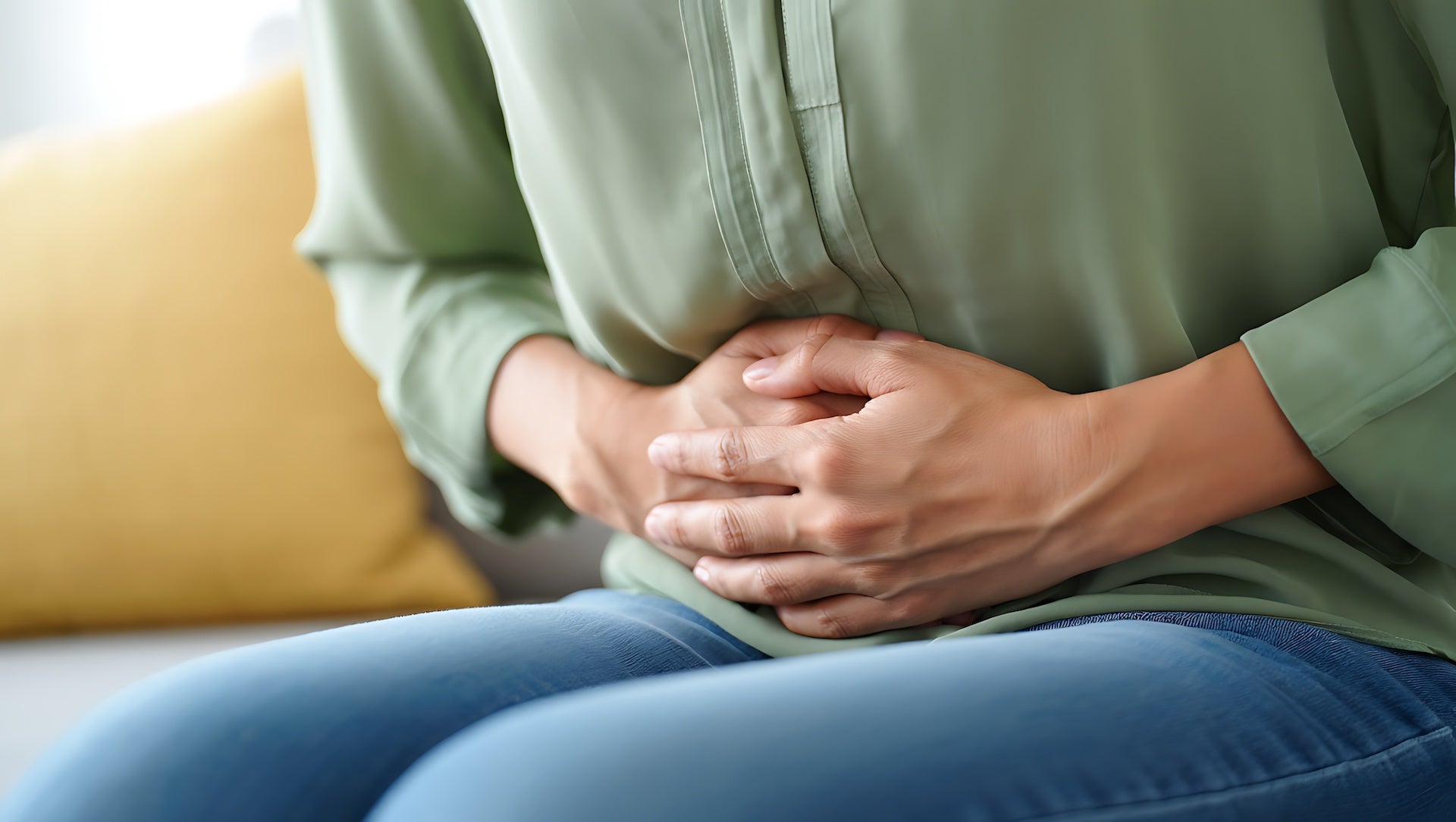
Bloating, a feeling of fullness, irregular bowel movements—of course, we immediately associate these with gut & digestion. But what many people underestimate is that your gut affects much more than just your food.
Gut health often acts like a quiet director behind the scenes—it can influence your energy levels, immune system, skin, and even your mood. And when something gets out of balance, the body does not always show it immediately as a “gut problem,” but through symptoms you initially look for somewhere else.
In this guide, you’ll learn why the gut is so crucial, which warning signs you should take seriously—and how you can strengthen your microbiome in everyday life.
Table of contents
Why the gut is much more than a digestive organ
At first glance, the gut is “only” responsible for processing food. In reality, it is much more:
-
a protective barrier against foreign substances
-
a central control center for inflammation
-
an important factor in nutrient absorption (vitamins, minerals)
-
home to trillions of microorganisms: your microbiome
-
Closely connected to the nervous system (“gut brain”)
This means that when your gut is not functioning optimally, it affects not only digestion—but your overall well-being.
Many symptoms begin in the gut – typical warning signs
Not every gut problem immediately feels like a gut problem. Often, the body takes a roundabout route.
Typical signs that may be linked to gut health:
-
Bloating, a feeling of fullness, abdominal cramps
-
Constipation or diarrhea (including alternating)
-
Heartburn or reflux
-
Cravings (especially for sugar)
-
Constant fatigue / “brain fog”
-
Blemished skin, eczema, rosacea
-
Frequent infections / weak immune system
-
Mood swings, inner restlessness
Important: This is not a diagnosis. But these are signs that your body is saying, “Take a closer look.”
Gut & immune system: Why your defenses are located in your abdomen
One key reason why “gut health” is such a big topic: The gut is closely connected to the immune system.
Many sources describe a very large proportion of immune cells as being located in the gut or in the gut-associated immune system.
This makes the gut a kind of “training center” for the body’s defenses: Every day, it must distinguish between:
-
harmless substances (e.g., food)
-
beneficial microorganisms
-
potential pathogens
When the microbiome becomes imbalanced, the immune system may overreact more quickly or become weakened, which can show up, for example, as increased susceptibility to infections or a tendency toward inflammation.
In short: A healthy gut is often the foundation of a strong immune system.
The microbiome: Your gut flora as an invisible ecosystem
The microbiome refers to all the microorganisms (especially bacteria) that live in your gut. This system is highly complex—and at the same time extremely individual.
Why is this important?
Your microbiome can, among other things:
-
make fiber usable
-
produce or support the production of certain vitamins
-
protect the intestinal lining
-
influence the immune system
You can think of it like a garden:
When the right plants grow, everything remains stable. When too many “weeds” take over, chaos ensues.
Causes: Why gut health often suffers today
Many modern lifestyle factors directly affect the gut & digestion:
-
Stress (constantly in “fight-or-flight” mode)
-
lack of sleep
-
Ultra-processed food & too little fiber
-
too much sugar & alcohol
-
Antibiotics (can put strain on the gut flora)
-
too little exercise
-
eating hurriedly (without chewing, without breaks)
The problem: Many of these factors act “quietly,” but over the long term.
10 practical tips for a healthy gut
You don’t need a complete lifestyle reset. Often, small, consistent adjustments are enough:
1) Start with fiber—but slowly
More vegetables, legumes, oats, flaxseeds—gradually increase them so you don’t immediately become bloated.
2) Eat a “rainbow”
The greater the variety of plants, the better for your gut flora.
3) Incorporate fermented foods
For example, yogurt, kefir, sauerkraut (if tolerated).
4) Drink enough
Especially important when eating a high-fiber diet.
5) Don’t forget protein
Protein also helps with stability and satiety.
6) Reduce stress
Walks, breathing exercises, short breaks—your gut loves calm.
7) Chew better
It sounds simple, but it is extremely effective.
8) Eat regularly (instead of constant snacking)
The gut benefits from clearly defined eating periods.
9) Prioritize sleep
Sleep is regeneration—for your digestive system too.
10) Observe your triggers
Some people are sensitive to dairy products, gluten, onions, or sweeteners—test individually.
Gut-friendly foods vs. gut stress
| Gut-friendly (often well tolerated) | Gut stress (common triggers) |
|---|---|
| Vegetables (cooked/steamed) | Very fatty, fried foods |
| Oatmeal, psyllium husks (increase gradually) | Lots of sugar & sugary drinks |
| Plain yogurt / kefir (if tolerated) | Alcohol (especially regularly) |
| Flaxseeds, chia seeds | Highly processed ready-made foods |
| Rice, potatoes (easy to digest) | Large meals late in the evening |
| Herbal tea, water | Constant snacking & rushed eating |
What gut balance can look like
Example 1: “Office job & bloated stomach” (32 years old)
Quick lunch, lots of coffee, little exercise → bloated in the evening.
Mini-fix: Take a 10-minute walk after meals + gradually eat more vegetables + reduce sweeteners.
Example 2: “Constantly lacking energy” (45 years old)
Your diet seems “healthy,” but the fatigue remains.
Mini-fix: Optimize sleep + increase protein and fiber + check trigger foods.
Your gut is your health compass
The gut is not just a digestive organ. It affects your immune system, energy levels, skin, and often even your quality of life.
When you begin to consciously understand gut health & digestion, you gain more control over your body—not through extreme diets or complicated rules, but through clear, practical steps.
FAQ: Frequently asked questions about the gut & digestion
1) How do I know if my gut health is impaired?
Typical signs include frequent bloating, abdominal pain, irregular bowel movements, cravings, fatigue, or recurring infections. If symptoms are severe or persist for a long time, medical evaluation is advisable.
2) What is the microbiome—and can I really improve it?
The microbiome is the community of gut bacteria. You can positively influence it—especially through your diet (fiber, variety), less stress, and good sleep.
3) Is it true that the gut is closely connected to the immune system?
Yes, the gut plays a central role in the immune system, as many immune cells are active in the gut-associated immune system.
Your next step
If you don't just want to combat symptoms but truly want to understand your body:
✅ Start your clear health upgrade with mybody®
➡️ Homepage: https://mybody-x.com
➡️ Discover all products: https://mybody-x.com/collections/alle-produkte
Tip: For many people, a targeted analysis is the next step toward gaining clarity—and truly implementing the right measures in a way that suits them.


Share now:
7 Steps: Checklist for Diet Optimization with Laboratory Knowledge
Genetic test for weight loss: Your journey to your desired weight begins in your DNA