

Bloated stomach during period: Causes & simple tips against gas
Almost every woman knows the feeling: your period is about to start, and suddenly your favorite jeans feel tight. You just feel uncomfortable, kind of bloated, and wonder why your stomach is suddenly doing its own thing. Bloating during your period is one of the most common PMS symptoms and is usually a direct result of the natural fluctuations in your hormones.
Getting to the bottom of the causes of bloating
If you're struggling with this, you're definitely not alone. Data shows that digestive problems around menstruation are widespread, especially among younger women. An analysis by the KKH health insurance company for 2022 revealed that more than one in five young women between the ages of 20 and 24 sought treatment for digestive issues such as bloating. You can read more about this trend in the KKH press release.
In this guide, we will delve deep into the causes together and explain to you in a very understandable way what is really behind this monthly discomfort.
What you can expect in this article
We'll take a close look at the most important connections so that you can better understand your body and know what you can do:
- The interplay of your hormones: We explain how estrogen and progesterone affect your digestion. If you'd like to delve deeper into the role of estrogen, feel free to read our dedicated article on the topic .
- Focus on your gut health: You will learn why your gut is particularly sensitive during this phase of your cycle and what role your microbiome plays in this.
- Concrete solutions for everyday life: We give you directly applicable tips – from the right diet and exercise to targeted self-tests from mybody-x.com that can finally give you clarity.
Our goal is to help you interpret your body's signals so that you can feel completely comfortable at every stage of your cycle.
Hormonal fluctuations: the root of the problem.
To understand why your stomach often causes problems before and during your period, we need to look at the two main players in the female cycle: estrogen and progesterone . You can think of them as two conductors who take turns setting the tempo and thus controlling countless processes in the body – including digestion.
This constant hormonal fluctuation is completely normal and part of a healthy cycle. However, this very interplay is also the reason why many women regularly struggle with bloating before their period .
The role of progesterone: the great decelerator
In the second half of the menstrual cycle, after ovulation, progesterone takes over. Its main task is to prepare everything for a possible pregnancy. Part of this process involves relaxing the smooth muscles in the body.
And that's precisely the problem: This smooth muscle also includes the wall of your intestines. When it relaxes, everything moves more slowly. Food stays in the digestive tract longer, which promotes gas production. The result? An uncomfortable feeling of fullness and the typical bloated stomach.
The following graphic shows how much digestive problems have increased in recent years – a trend that affects many women and makes the topic increasingly relevant.
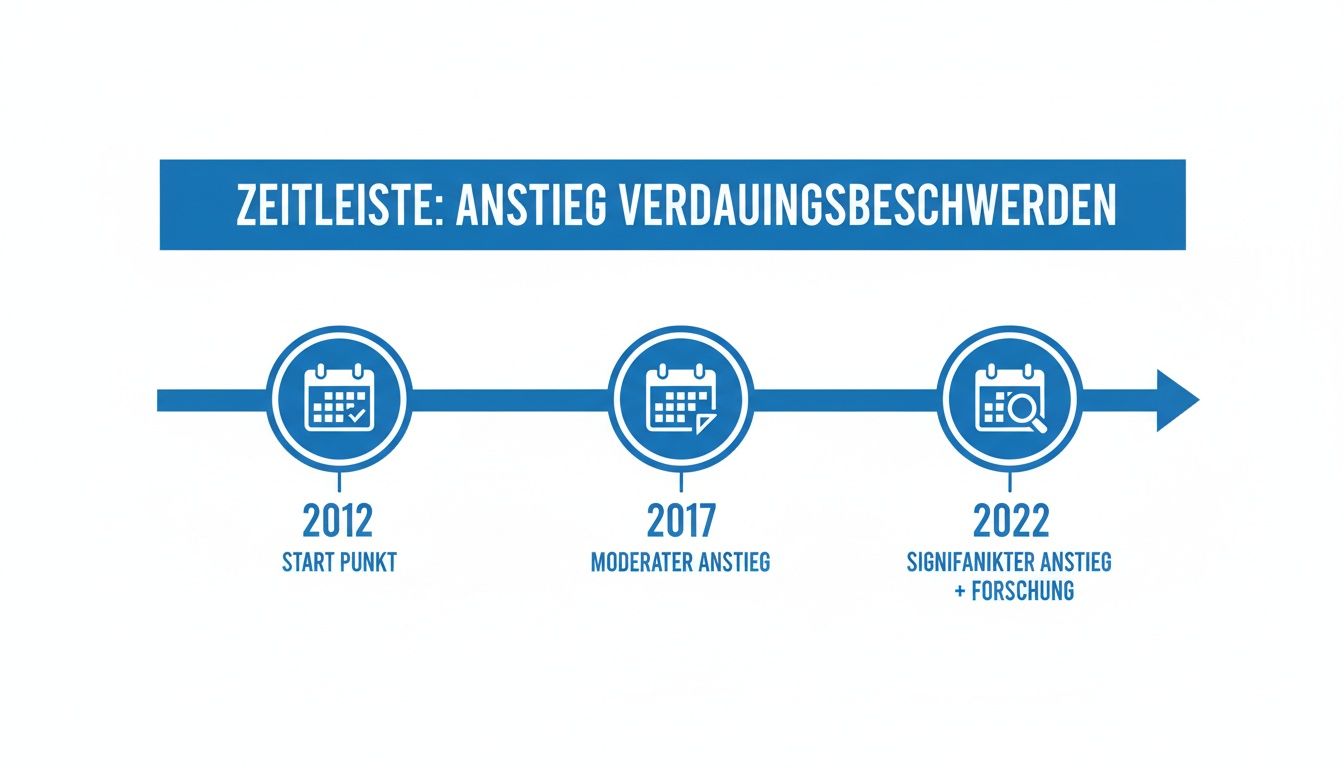
The data suggests that more and more people, especially young women, are seeking professional help for digestive problems.
Estrogen and the issue of water retention
While progesterone levels are still high in the second half of the menstrual cycle, estrogen levels drop rapidly shortly before menstruation. This sudden drop signals the body to retain more water and salt.
These water retention issues (medically known as edema) often manifest as a bloated feeling. It's not uncommon for the scale to suddenly show an extra kilo or two, even though you haven't changed your diet.
The perfect recipe for bloating: Digestion slowed by progesterone meets water retention caused by the drop in estrogen.
These hormonal roller coasters are complex, but a completely natural part of the female cycle. However, if you feel that your symptoms are more severe than usual, a hormonal imbalance could be the cause. In such cases, having your hormone levels tested can be very informative to gain certainty. With an at-home hormone test from mybody-x.com, you can easily check your levels and find the cause of your symptoms.
And you're not alone. According to a Statista survey , 35 percent of women in Germany suffer from digestive problems during their period. Data from BARMER also shows that women are twice as likely to be affected by irritable bowel syndrome (IBS) – further strong evidence of the close connection between the menstrual cycle and gut health. You can read more about these connections in this informative article .
The gut hormone axis and its importance for you
Did you know that your gut and your hormones are constantly communicating with each other? You can almost think of them as an inseparable duo. This close connection, which experts call the gut-hormone axis , is a crucial factor for your overall well-being – and it has a massive impact on how you experience your menstrual cycle.
A key player in this complex interplay is your gut microbiome . Think of it as a vibrant metropolis in your gut, inhabited by trillions of microorganisms. These industrious helpers not only take care of your digestion but also play a significant role in regulating your hormones.

The estrobolome: Your personal hormone manager in the gut
Right in the heart of this bacterial metropolis lies a very special unit: the estrobolome . These are the gut bacteria that specialize in the metabolism of estrogen. Their task is to keep the level of this important hormone in balance.
Think of the estrobolome as a kind of recycling center for estrogen. It decides whether excess estrogen is excreted or sent back into the bloodstream. A healthy estrobolome thus ensures hormonal balance.
However, if this delicate balance is disrupted – for example, by too much stress, an unbalanced diet, or after a course of antibiotics – it can have direct consequences. Your hormone levels become unstable, and this in turn can significantly intensify typical menstrual cycle symptoms such as the dreaded bloating during your period .
How menstrual hormones affect your gut
But it's not a one-way street. Just as your gut influences your hormones, the hormonal roller coasters during your cycle also affect your gut. The constant ups and downs of estrogen and progesterone can really disrupt the composition of your microbiome.
These changes can lead to a sudden proliferation of gas-producing bacteria. This is often the reason why your stomach is so sensitive before and during your period, and why you're more prone to bloating.
- Hormonal fluctuations: These can alter the intestinal environment and reduce the diversity of beneficial bacteria.
- Disrupted intestinal flora: Such an imbalance, also called dysbiosis, often slows down digestion and increases gas production.
- Increased PMS symptoms: Dysbiosis can noticeably intensify symptoms such as bloating, but also cramps or mood swings.
A healthy gut is therefore one of the most important prerequisites for a relaxed menstrual cycle. If you're now curious and want to delve deeper into the fascinating world of your tiny inhabitants, read more about the importance of the microbiome in our article. The home self-tests from mybody-x.com, such as the gut microbiome test, can help you get a clear picture of the state of your gut flora and take targeted steps to improve your well-being.
Practical strategies against bloating in everyday life
You don't have to passively endure monthly discomfort. There are a number of simple yet truly effective strategies you can immediately incorporate into your daily routine to soothe a bloated stomach during your period . Think of this section as your personal toolkit for a relaxed stomach, based on three key pillars: diet, exercise, and stress management.
I'll explain each tip in a very practical way, so you can quickly find out what works best for you personally. This way you'll take back control and simply feel more comfortable in your own skin.

Your diet as an anti-bloating hero
What ends up on your plate has a huge impact on how your stomach feels – especially during the sensitive time before and during your period. Even a few small, conscious adjustments can make a big difference.
Some foods are true "anti-gas heroes" and can really help your digestive system. These include, for example:
- Cooked vegetables: These are much easier to digest than raw vegetables and are therefore gentler on your intestines.
- Ginger and fennel tea: These two are time-tested natural remedies. They are known for their calming and antispasmodic effect on the gastrointestinal tract.
- Foods rich in potassium: Bananas, avocados, or sweet potatoes help your body get rid of excess sodium and thus reduce water retention.
At the same time, there are a few things you should avoid during this phase because they can actually increase bloating. These include, above all, raw vegetables, legumes, too much salt and sugar, and carbonated drinks. It's not about forbidding yourself everything, but simply about being more mindful of what agrees with you.
Bread, in particular, can be a real challenge for many. The reason is often fructans – sugars that are difficult to digest and can cause significant gas production in the intestines. Studies have shown that a longer fermentation time for bread dough can significantly reduce the fructan content. This makes the bread much more tolerable for sensitive stomachs. You can find more information about these fascinating connections in this scientific publication on flatulence and nutrition .
To make it easier for you to get started, I have put together a small overview for you.
Nutrition checklist for a relaxed stomach
This table shows you which foods you should prefer and which you should avoid before your period to reduce bloating.
| Food category | Prefer (has a calming effect) | Avoid (can promote flatulence) |
|---|---|---|
| Vegetables | Steamed broccoli, cooked carrots, zucchini, pumpkin, sweet potatoes | Raw vegetables (e.g., salads), cabbage, onions, leeks |
| Fruit | Bananas, berries, melons, papaya | Apples, pears, dried fruit (in large quantities) |
| Proteins | Fish, chicken, tofu, cooked lentils (in moderation) | Beans, chickpeas, highly processed meat |
| drinks | Still water, fennel tea, ginger tea, peppermint tea | Carbonated drinks, excessive coffee, alcohol |
| Spices & Fats | Ginger, cumin, turmeric, healthy fats (avocado, nuts) | Excessive salt, hot spices, fried foods |
Remember: This isn't a strict plan, but a guideline. Experiment to see what works for you and listen to your body.
Gentle movement for a relaxed stomach
When your stomach is tight and uncomfortable, a strenuous workout is often the last thing you want to do. But you don't have to. Gentle movement can work wonders to get your digestion going and release trapped gas.
Instead of completely exhausting yourself, focus on gentle activities that get your body flowing again:
- Walks: A relaxed 20-minute walk after eating stimulates bowel activity and can noticeably relieve the unpleasant feeling of fullness.
- Yoga: Certain yoga poses, such as the "child's pose" or gentle twists while lying down, gently massage your abdominal organs and can thus relieve cramps.
- Light stretching: Targeted stretching exercises help to loosen tension in the abdominal area and increase your overall well-being.
Exercise not only helps your gut, but also your mental health. It promotes the release of endorphins – the body's own feel-good hormones that act as natural mood enhancers and pain relievers.
Stress management as the key to peace
The connection between our head and our gut is incredibly strong. Stress puts the whole body into a state of alarm, which in turn can slow down digestion and worsen the symptoms of bloating.
That's why active stress management is so incredibly important right now. Find out what personally helps you to calm down again:
- Breathing exercises: Deep, conscious breathing into your abdomen can calm your nervous system almost immediately. Just try it for a few minutes.
- A warm bath: warmth is a blessing for tense abdominal muscles and helps you to really switch off mentally.
- Sufficient sleep: During sleep, your entire body regenerates – and that naturally includes your digestive system.
By consciously incorporating these three areas – nutrition, exercise, and relaxation – into your daily routine, you create a strong foundation for a significantly more relaxed cycle. If you'd like to delve deeper into how your diet generally affects digestion, be sure to read our comprehensive article on bloating after eating .
When you should investigate your gut feeling
Sometimes, even the best everyday tips just don't work. You eat well, you exercise, and yet your bloated stomach still flares up with full force every month. If the discomfort is really holding you back, perhaps even accompanied by severe pain, or if your digestion is acting up even between periods, then that's a clear sign. Your body is trying to tell you: Listen more closely!
The reasons for persistent bloating during your period can lie deeper than just the normal hormonal fluctuations. There might be an undiscovered sensitivity to certain foods, a deficiency in crucial nutrients, or your hormonal system might be fundamentally out of balance. In these cases, targeted at-home self-tests can be a truly valuable tool to finally shed light on the underlying cause.
Find the cause with the right tests
Instead of continuing to guess, you can use the right analyses to specifically investigate the true triggers. The tests from mybody-x.com are specially designed so that you can easily and discreetly perform them at home. The result? Sound insights into what's really going on in your body.
- Hormone test: An imbalance of estrogen and progesterone is a classic cause of severe PMS symptoms. A hormone test will show you definitively whether your levels are within the normal range or whether this is precisely the cause of your monthly discomfort.
- Food intolerance test: Especially during the sensitive period before your period, your gut can suddenly react to foods you normally eat without any problems. A food intolerance test identifies these personal triggers and gives you back control.
- Nutrient test: Minerals like magnesium and zinc play a crucial role in maintaining a balanced hormonal system and proper digestion. A deficiency can quickly worsen menstrual cramps. A nutrient test reveals where you need to make targeted improvements.
A test is more than just a result. It's the first step to truly understanding your body – and the foundation for changes that finally make a difference.
Imagine each of these tests as a piece of a puzzle. Together, they paint a clear picture of your health. Instead of following generic advice that might not even be right for you, you receive highly personalized information. This allows you to tackle the problem at its root. Especially when dealing with digestive issues, a close look at your gut is invaluable. In our article, you'll learn more about how a home stool test can help you gain deep insights into your gut health and get to the bottom of the causes of your symptoms.
Take control for a relaxed cycle
Bloating during your period is a common problem, but that doesn't mean you have to simply accept it. As you've seen in this guide, there are perfectly understandable processes behind it – from the complex interplay of hormones to the direct reaction of your gut.
The most important message for you is: You are not helplessly at the mercy of this situation. You can actively do something and don't have to simply wait for it to get better on its own. It's best to start with small, manageable steps that can be easily integrated into your daily routine.
The first step towards improvement
Try consciously observing how your body reacts to certain foods or a little more exercise. Every little bit of progress is a real boost to your well-being. But don't be too hard on yourself – simply growing an understanding of your body's signals is the first and most important step on the road to improvement.
If you feel stuck or can't quite grasp the underlying causes, the self-tests from mybody-x.com can provide valuable, personalized insights. They help you understand the unique connections behind your symptoms.
Your body is constantly sending you signals. Learn to interpret them and take control of your well-being.
A cycle with fewer symptoms is absolutely possible. You now hold the knowledge and the tools to take the first step in that direction.
What you might still be wondering...
You probably still have a few questions swirling around in your head. That's perfectly normal! Here I've compiled and answered the most frequently asked questions so you can better understand how things work in your body.
Is it normal to gain weight before your period?
Yes, absolutely. Many women notice that the scale suddenly shows one or two kilos more before their period. But this is almost always just water weight, not fat. Hormones are to blame: When estrogen levels drop, the body tends to retain more water and salt.
The good news is: this extra weight usually disappears just as quickly as it appeared – namely, as soon as your period starts. A simple tip to counteract this: drink plenty of water and avoid salty foods.
How much does stress affect bloating during the menstrual cycle?
Extremely strong. Stress is a real accelerator for PMS symptoms. When you're stressed, your body releases more cortisol. This hormone can disrupt your digestion and disturb the delicate balance of your gut flora.
Especially during the already sensitive period before your period, this can quickly lead to uncomfortable bloating. That's why relaxation techniques often work wonders. Try yoga, conscious breathing exercises, or treat yourself to a warm bath – you'll feel the difference.
Does the pill help with bloating?
There's no single answer to that, as reactions vary from woman to woman. The pill interferes with the natural hormonal cycle and suppresses the typical fluctuations. For some women, this can actually alleviate cycle-related bloating.
In some women, the artificial hormones in the pill can cause or even worsen bloating as a side effect. If you suspect this might be the case for you, it's best to talk openly with your gynecologist about your observations and possible alternatives.
Important to know: Every woman reacts differently to hormonal contraception. Observe your body carefully and always consult a doctor if you have any concerns.
Why do I crave sweets before my period?
Hormones play a role here as well. Shortly before menstruation, your serotonin levels drop – this is one of our "happiness hormones." Your body then instinctively tries to quickly compensate for this deficiency and practically craves sugar and simple carbohydrates, because these temporarily boost serotonin production.
The catch is that these sugary snacks can actually worsen bloating and digestive problems. A smarter choice is complex carbohydrates, like those found in oatmeal or whole-wheat bread. They keep blood sugar levels stable and keep you feeling full for longer.
Are you ready to get to the bottom of the true causes of your discomfort and find a solution that truly works for you? The self-tests from mybody-x.com (intolerance test, nutrient test, hormone test, and home self-test) are a fantastic tool for gaining a better understanding of your body. Find out if a hormone, nutrient, or intolerance test can provide you with the crucial pieces of the puzzle and start your journey to a more relaxed cycle today.
Share:
The 10 best tips against cravings that really work
Build up your gut flora naturally: Your plan for healthy digestion