
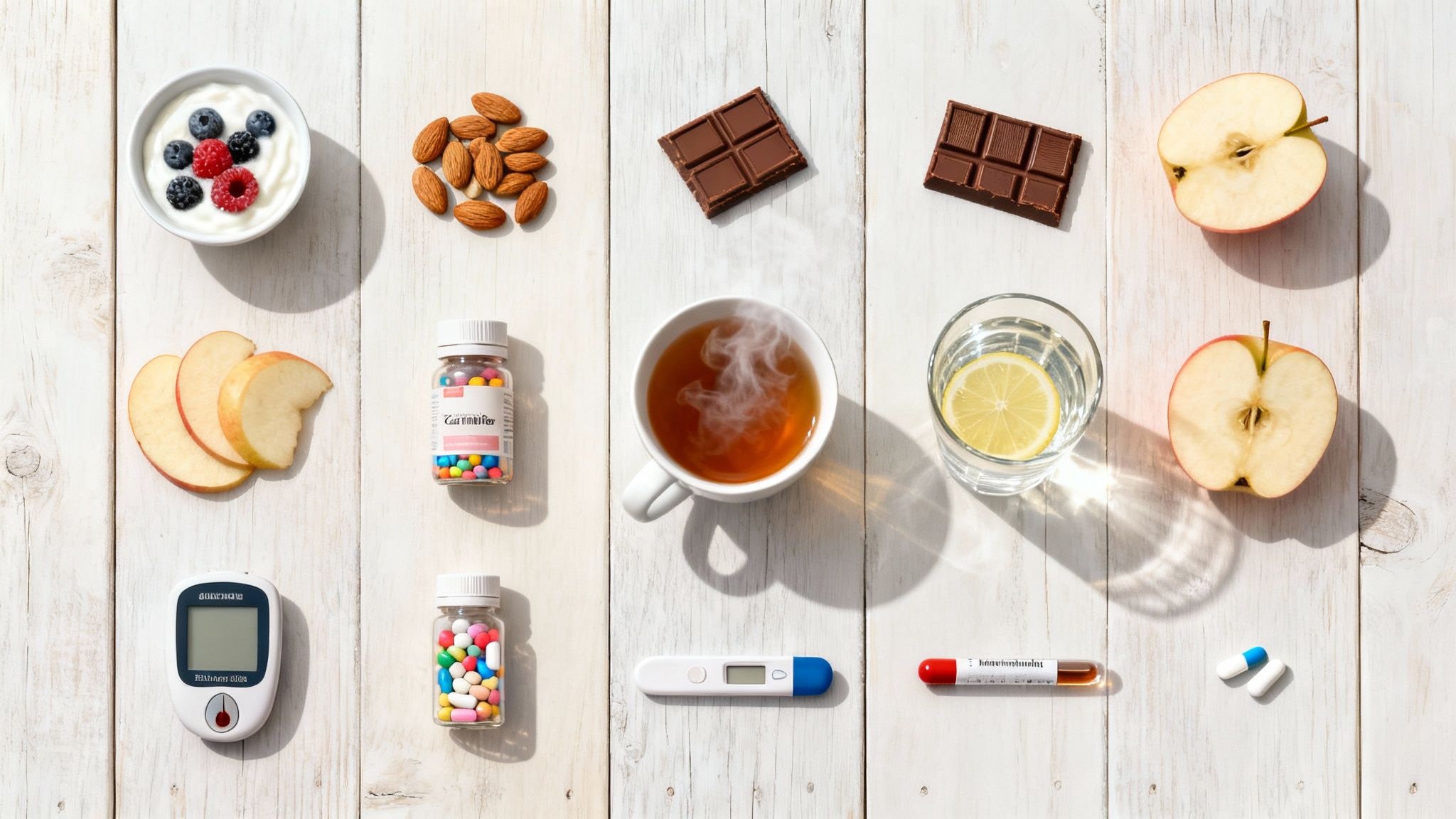
The 10 best tips for preventing cravings that really work
Do you know that feeling? One moment everything is fine, and suddenly you are overcome by an irresistible urge for something sweet, salty, or fatty. Cravings are more than just appetite; they are a powerful, almost uncontrollable desire that often strikes at the worst possible moment and puts your good intentions to the test. But what is really behind it when your body cries out for chocolate, chips, and the like?
This craving is usually a complex signal, a cry for help from your body. Whether it is fluctuating blood sugar levels, a hormonal imbalance, or unnoticed nutrient deficiencies, the causes are far more complex than simple appetite. This overwhelming craving is often not a sign of weak willpower, but a biological indication that something has fallen out of balance.
In this article, we decode the real reasons behind your cravings and give you 10 well-founded, immediately actionable tips for preventing cravings. We show you how to address not only the acute symptoms but also the root of the problem. You will learn how to stabilize your body with the right nutrition, adjust your lifestyle, and sustainably break the cycle of cravings. Sometimes the answer is hidden directly in your blood or hormone levels. Targeted tests can provide valuable clarity and set you on the path to a better sense of well-being, free from constant cravings. Let’s find out together what your body is really trying to tell you.
1. Regular meals and snacks
One of the most effective tips for preventing cravings is not giving your body a reason to develop them in the first place. Irregular eating habits and long breaks between meals send your blood sugar on a roller coaster ride. When it drops sharply, your brain sends an emergency signal: it demands quick energy, usually in the form of sugar or simple carbohydrates. That is when the craving attack strikes. A structured eating plan with regular meals and planned snacks breaks this vicious cycle.
By eating a balanced meal or a healthy snack every three to four hours, you ensure a steady supply of energy and stable blood sugar levels. Your body learns that it is being nourished regularly and no longer needs to send emergency signals. The result is a long-lasting feeling of fullness and significantly less craving for unhealthy foods.
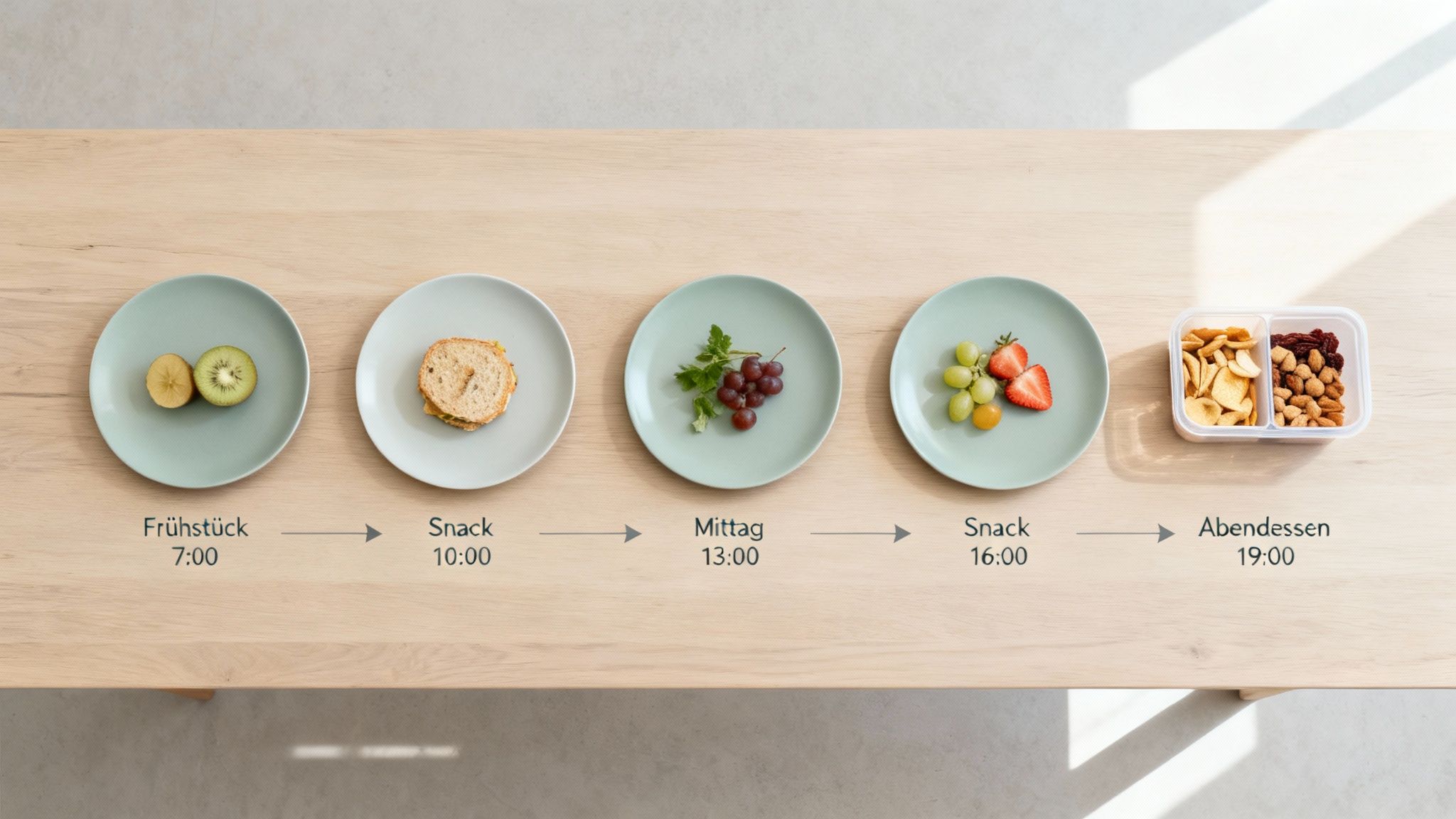
How to put this tip into practice:
- Create structure: Plan your day with set mealtimes. An example could be: breakfast at 7 a.m., snack at 10 a.m., lunch at 1 p.m., snack at 4 p.m., and dinner at 7 p.m.
- Preparation is everything: Prepare your meals and snacks (meal prep). This way, you won't reach for unhealthy alternatives during stressful moments.
- Smart reminders: Use your smartphone's alarm or calendar entries to remind you about your meals, especially if you tend to forget to eat.
- Keep healthy snacks on hand: Always have an emergency option with you. A small container of nuts, an apple, or a protein bar can prevent a craving attack.
If you continue to suffer from intense cravings despite eating regular meals, nutrient deficiencies or hormonal imbalances could also play a role. A nutrient or hormone test can clarify whether your body is lacking important building blocks responsible for regulating appetite and satiety.
2. Adequate Protein Intake
Another crucial component in the fight against cravings is an adequate protein intake. Protein is the macronutrient with the greatest satiating effect. Compared with carbohydrates and fats, it keeps you full for significantly longer and effectively prevents hunger from quickly returning. Protein also positively influences the regulation of hunger hormones by, for example, reducing the release of the appetite-stimulating hormone ghrelin. A protein-rich diet is therefore one of the best tips for curbing cravings, especially for sweet and salty snacks.

By ensuring that each of your meals contains a significant source of protein, you not only stabilize your blood sugar levels but also provide your body with the building blocks it needs for muscles, enzymes, and hormones. This simple trick keeps your body satisfied and well-nourished, suppressing cravings for quick, unhealthy energy from the outset.
How to put this tip into practice:
- Optimize every meal: Include a high-quality protein source with every main meal. This could be eggs for breakfast, lean chicken or lentils for lunch, and fish or tofu for dinner.
- Choose protein-rich snacks: Replace sugary snacks between meals with protein-rich alternatives. Greek yogurt (15–20 g of protein), a handful of almonds, or quark with fruit are ideal options.
- Plan ahead: When eating out or ordering food, consciously choose the most protein-rich option on the menu. A salad with chicken strips is often a better choice than a plate of pasta alone.
- The emergency shake: On particularly stressful days or after exercising, a high-quality protein shake can be a quick and effective way to ward off a craving and supply your body with important amino acids.
If you feel that your appetite and satiety are out of balance despite eating a protein-rich diet, hormonal causes could also play a role. Hormones such as leptin and ghrelin play a major role in regulating our feeling of hunger. A hormone test can reveal whether an imbalance is present that is sabotaging your efforts.
3. Adequate fluid intake
Sometimes what seems like hunger is actually disguised thirst. Your brain uses similar signals to report both hunger and thirst, which can easily lead to confusion. So before immediately reaching for a snack when a craving strikes, a large glass of water could be the real solution. Inadequate fluid intake can lead to poor concentration, fatigue, and, in turn, a misinterpreted feeling of hunger.
Adequate hydration is therefore one of the simplest yet most effective tips for curbing cravings. By constantly supplying your body with fluids, you ensure that its signals remain clear and unambiguous. Water also fills the stomach, which can create a feeling of fullness and naturally curb your appetite. Drinking enough every day not only supports your metabolism but also effectively prevents unnecessary calories from avoidable snacks.

How to put this tip into practice:
- The 15-minute test: Feeling a craving coming on? First, drink a large glass of water and wait 15 minutes. Often, the craving will disappear on its own.
- Drink before meals: A large glass of water (approx. 500 ml) about 30 minutes before eating can reduce hunger and help you eat smaller portions.
- Make motivation visible: Place a reusable water bottle right on your desk. The visual reminder will prompt you to drink regularly.
- Add flavor: If plain water is too boring for you, liven it up with fresh lemon slices, mint, cucumber, or berries. Unsweetened teas are also an excellent alternative.
If your craving for certain foods, such as very salty snacks, is particularly strong, this could also indicate an electrolyte imbalance. Electrolytes such as sodium, potassium, and magnesium are crucial for the body's fluid balance. A nutrient or mineral test can tell you whether a deficiency is present that is intensifying your cravings.
4. High-fiber foods
Another fundamental building block in the fight against cravings is fiber. These indigestible plant fibers are true satiety powerhouses. They swell in the stomach, increase the volume of the meal, and thus provide a quick and long-lasting feeling of fullness. At the same time, they slow gastric emptying and the absorption of sugar into the bloodstream. The result is a much more stable blood sugar level, eliminating the main cause of sudden cravings.
Thanks to their stabilizing effect, high-fiber foods help you effectively control the constant craving for sweet or fatty snacks. They are not just a short-term trick, but a sustainable part of an eating pattern that brings your body into balance and prevents cravings in the long term.

How to put this tip into practice:
- Choose whole grains: Replace white flour products with their whole-grain alternatives. Whole-grain bread, pasta, or oatmeal already provide 5–8 grams of fiber per serving.
- Include legumes: Lentils, beans, and chickpeas are true fiber champions (7–10 g per serving) and are perfect for salads, soups, or as a side dish.
- Vegetables as the foundation: Make vegetables the star of your meals. Broccoli, carrots, and leafy greens provide not only fiber (2–4 g per serving), but also important vitamins.
- Fruit instead of juice: A whole apple (approx. 4 g of fiber) is much more filling than a glass of apple juice without fiber. Always eat fruit whole to benefit from its full effect.
- Increase gradually: If you have previously eaten little fiber, increase your intake gradually over 2–3 weeks. This allows your digestion to adjust and helps you avoid bloating.
- Drink plenty of fluids: Fiber needs liquid to swell. Drink enough water throughout the day to make the most of its beneficial effects.
Consciously incorporating fiber-rich foods into your diet is one of the most effective tips for curbing cravings. They not only promote satiety but also support a healthy gut microbiome, which in turn has a major influence on appetite and metabolism. Learn more about how specific fiber-rich foods such as bananas can support your gut health.
5. Sleep quality and sufficient rest
Never underestimate the power of a good night's sleep when it comes to controlling cravings. While you sleep, your body regulates key hormones that control appetite and satiety. Sleep deprivation throws this sensitive system off balance: Production of the hunger hormone ghrelin increases, while the satiety hormone leptin decreases. Studies show that even a single poor night's sleep is enough to trigger this hormonal chaos and drastically increase cravings for high-calorie, sugary foods.
Adequate, high-quality sleep is therefore one of the most fundamental tips for curbing cravings. By giving your body the recovery it needs, you not only stabilize your appetite hormones but also improve your willpower and ability to make mindful dietary choices. Well-rested people demonstrably reach for unhealthy snacks less often and can better resist everyday temptations.
How to put this tip into practice:
- Establish a consistent sleep routine: Go to bed and get up at the same time every day, including weekends. Your body loves this rhythm. A goal of 7–9 hours per night is ideal.
- Avoid screens: The blue light from smartphones, tablets, and televisions inhibits the production of the sleep hormone melatonin. Turn off all electronic devices at least one hour before going to bed.
- Optimize your bedroom: Design your bedroom as an oasis of calm. It should be cool, dark, and quiet. Ideally, spend time there only sleeping, not working or eating.
- Use relaxation techniques: If you have difficulty winding down, guided meditations, breathing exercises, or progressive muscle relaxation can help. Apps such as Calm or Headspace offer helpful guidance for this.
- Timing of your last meal: Avoid heavy, fatty meals or large portions in the three hours before bedtime so you do not burden your digestive system and can maintain sleep quality.
The connection between sleep and hormones is complex and individual. If you would like to learn more about how your genetic predisposition influences your sleep and your reaction to caffeine, you can gain deeper insights into your personal biology and optimize your evening routine even more precisely.
6. Mindful Eating and Conscious Eating
Cravings often have less to do with genuine physical hunger and more to do with habits, emotions, or distraction. This is where mindful eating comes in. This approach teaches you to become more aware of your body's signals and distinguish between physical hunger and emotional appetite. Instead of consuming meals absentmindedly on the side, you direct your full attention to the food, your senses, and your feeling of satiety.
When you eat slowly and mindfully, you give your brain the necessary time—around 20 minutes—to receive and process satiety signals from your stomach. This conscious awareness prevents you from eating beyond your hunger and thus helps prevent cravings, which often arise from a feeling of dissatisfaction after a meal. You learn to truly enjoy food again and recognize when your body has actually had enough.
How to put this tip into practice:
- Eliminate distractions: Eat your meals without your smartphone, television, or laptop. Focus exclusively on your plate and the eating experience.
- Chew slowly and thoroughly: Make a point of chewing each bite at least 20 to 30 times. Consciously put down your fork or spoon between bites.
- Use your senses: Before the first bite, consciously notice what your food looks like, smells like, and what textures it has. Savor the different flavors with each bite.
- Use a hunger scale: Rate your hunger before eating on a scale from 1 (completely full) to 10 (starving). Ideally, start eating at a rating of 3–4 and stop when you reach a comfortable level of fullness of around 7.
- Recognize emotional triggers: Keep a food diary in which you record what and when you eat and how you feel while doing so. This helps you identify patterns between emotions (e.g., stress, boredom) and reaching for unhealthy snacks.
If you notice that your cravings for certain foods are strongly linked to your mood, hormonal fluctuations may also play a role. Hormones such as cortisol (the stress hormone) and serotonin (the “happiness hormone”) have a direct influence on appetite and food cravings. A hormone test for women can provide insight into whether an imbalance is intensifying your cravings and offer targeted approaches for regulation.
7. Stress reduction and emotional management
Stressful workdays, personal worries, or emotional lows are common triggers for what we call “emotional eating.” During these moments, your body releases more of the stress hormone cortisol. Elevated cortisol levels signal to the brain that energy is needed and specifically increase cravings for readily available, high-calorie foods—namely sugar and fat. Eating thus becomes a short-term source of comfort or a reward intended to numb negative feelings.
By learning to manage your emotions and actively reduce stress, you break this cycle. Effective relaxation techniques lower your cortisol levels and help you recognize the true causes of your cravings instead of automatically reaching for unhealthy snacks. This mindful approach to your feelings is one of the most sustainable tips for curbing cravings, as it addresses the root of the problem rather than merely fighting the symptoms.
How to put this tip into practice:
- Identify your triggers: Keep a journal and note the situations or feelings in which cravings occur. Is it boredom, anger, loneliness, or pressure at work? Recognizing the patterns is the first step toward change.
- Create alternative strategies: Make a list of activities you can try instead of eating when emotional hunger strikes. This could be a short walk, listening to your favorite song, or calling a friend.
- Incorporate relaxation exercises: Start with short, simple sessions. Just 5–10 minutes of daily meditation (e.g., with apps such as Headspace or Calm), a short yoga session, or simple breathing exercises can noticeably reduce your stress levels.
- Exercise strategically when stressed: Physical activity is an effective cortisol killer. A 30-minute walk, a jog, or a workout at the gym can help clear your head and reduce stress hormones.
If you feel that your stress levels are chronically high and do not improve despite these measures, a hormonal imbalance could be playing a role. A hormone test can provide insight into whether your cortisol levels or other important hormones are out of balance and could be the cause of your constant cravings.
8. Reduce sugar intake and retrain your taste buds
If you constantly crave sweets, your taste buds may have become “desensitized.” A high and regular sugar intake causes you to perceive sweetness less intensely. Your brain seeks an increasingly stronger stimulus to experience the same satisfaction. The result is a vicious cycle: You eat more sugar, your taste threshold continues to rise, and your cravings for even sweeter foods become stronger.
The good news is that this process is reversible. By consciously and gradually reducing your sugar intake, you give your taste buds the chance to regenerate and recalibrate. After just about two to three weeks, you will notice that natural foods such as fruit and vegetables taste intensely sweet again. This process is one of the most sustainable tips for curbing cravings, as it tackles the root cause of the craving directly.
How to put this tip into practice:
- Reduce gradually: Reduce your sugar intake by around 20–30% each week. Start by adding one less spoonful of sugar to your coffee or tea, or replace a sugary soda with water.
- Uncover hidden sugar: Read the ingredient lists on processed foods. Sugar is often hidden under names such as glucose syrup, fructose, or dextrose. Choose products with a low sugar content.
- Choose healthy alternatives: Replace processed snacks like cookies or chocolate bars with natural alternatives. A handful of nuts, an apple, or berries can satisfy your initial hunger and provide additional nutrients.
- Redefine sweets: Limit sweets to one or two small, consciously enjoyed portions per week instead of consuming them daily.
By “retraining” your taste buds, you break your dependence on heavily sweetened products and reduce cravings in the long term. If you would like to explore the mechanisms through which sugar influences the brain and cravings in greater depth, you can find more information here about the link between sugar and cravings.
9. Exercise and regular physical activity
Exercise is not only an important building block for your fitness and figure, but also one of the most effective methods for combating cravings. Physical activity works on several levels: It regulates the hormones responsible for hunger and satiety, such as ghrelin and leptin, while also improving your insulin sensitivity. This means your body can process sugar more efficiently, reducing blood sugar spikes and the subsequent cravings. Exercise also helps reduce stress—a common cause of emotional eating.
Regular activity also strengthens your self-control and discipline, making it easier to resist unhealthy temptations. Even a short walk can significantly curb acute cravings for sweet or fatty foods by shifting your focus and releasing endorphins that lift your mood. Exercise is therefore a powerful, holistic approach to managing cravings sustainably.
How to put this tip into practice:
- Find what you enjoy: Choose a sport you genuinely enjoy. Whether dancing, swimming, cycling, or a team sport—if you enjoy being active, you will stay motivated in the long term.
- Schedule fixed appointments: Enter your workouts in your calendar like important appointments. At least 150 minutes of moderate activity per week is recommended, for example spread across three 45-minute sessions at the gym or daily 30-minute walks.
- Stronger together: Arrange to work out with friends. This way, you can motivate each other and have a fixed appointment that you are less likely to cancel.
- Pay attention to recovery: After exercising, a protein-rich meal is ideal for nourishing your muscles and promoting satiety. However, be careful not to immediately compensate for the calories you burned with excessive treats.
10. Optimizing your environment and avoiding triggers
Often, it is not a lack of willpower that triggers a craving, but simply the environment. Your home and workplace are full of subtle cues—so-called triggers—that unconsciously prompt your brain to eat. Studies in nutritional psychology show that we also eat what we see. The constant availability and visibility of unhealthy snacks make it unnecessarily difficult to make sensible choices. This tip for curbing cravings aims to shape your environment so that healthy choices become the easiest option.
By consciously controlling which foods you keep in your immediate environment and how you present them, you take away the power of temptation. When unhealthy snacks are out of reach and out of sight, the likelihood that you will eat them drops dramatically. Instead, you create an environment that supports your health goals rather than sabotaging them. The idea is to achieve a big impact through small changes without constantly having to rely on sheer discipline.
How to put this tip into practice:
- Out of sight, out of mind: Remove unhealthy snacks such as chips, chocolate, and candy from your direct line of sight. Store them in opaque containers or at the very back of the cupboard—or, ideally, don't buy them at all.
- Put healthy foods in focus: Place a bowl of fresh fruit on the kitchen table or desk. Keep sliced vegetable sticks and hummus at eye level in the refrigerator. This makes the healthy choice the most convenient one.
- Never shop when hungry: Only go to the supermarket with a fixed shopping list and after a meal. A growling stomach is the worst advisor and makes you more vulnerable to impulse purchases.
- Use smaller plates: Studies show that we tend to eat more from larger plates. Use smaller plates to visually control portion sizes and feel full more quickly.
- Prepared snack boxes: Put together small boxes of healthy snacks such as nuts, vegetable sticks, or a hard-boiled egg for work or when you're on the go. This prevents you from reaching for something from the vending machine or bakery.
Sometimes the urge for certain foods is deeply rooted in our bodies and is not merely a matter of our surroundings. An insatiable craving for salty or sweet foods may indicate a hormonal imbalance, such as an issue with cortisol, or a deficiency in certain minerals like magnesium. A nutrient deficiency test or hormone test can help clarify whether your cravings have a deeper cause that goes beyond mere habits.
Comparison: 10 tips to curb cravings
| Measure | Implementation complexity 🔄 | Resource requirements ⚡ | Main benefits ⭐ | Expected effects 📊 | Ideal use cases & tips 💡 |
|---|---|---|---|---|---|
| Regular meals and snacks | 🔄 Low–Medium: Routine and planning required | ⚡ Low: Time for planning, snacks | ⭐ Stabilizes blood sugar; reduces impulsive eating | 📊 Significant reduction in cravings; steady energy levels | 💡 Good for everyday life with a variable schedule; plan meals, set reminders, keep portable snacks |
| Adequate protein intake | 🔄 Medium: Deliberate selection at every meal | ⚡ Medium–High: More protein-rich foods/shakes | ⭐ Strong satiety; muscle building; increased metabolism | 📊 Reduces cravings (~50%); longer-lasting satiety (4–5 h) | 💡 Ideal for weight management/training; choose a protein source at every meal |
| Adequate fluid intake | 🔄 Low: Introduce as a simple habit | ⚡ Very low: Water bottle, possibly flavoring | ⭐ Helps distinguish thirst from hunger; slight metabolic boost | 📊 Reduces many cravings; supports weight loss when drinking before meals | 💡 For everyone; 500 ml before meals, carry a reusable bottle |
| High-fiber foods | 🔄 Medium: Gradual transition recommended | ⚡ Low–Medium: Whole grains, legumes, vegetables | ⭐ Long-lasting satiety; better gut health; blood sugar stabilization | 📊 Fewer cravings; improved gut and metabolic markers | 💡 For sustainable dietary changes; increase fiber gradually, drink enough fluids |
| Sleep quality and sufficient rest | 🔄 Medium–High: Behavioral changes, possibly therapy | ⚡ Medium: Time, sleep environment, possible professional help | ⭐ Significant reduction in cravings; better decision-making | 📊 Significant reduction in cravings (up to ~50%); supports weight loss | 💡 Especially helpful with sleep deprivation; set consistent bedtimes, avoid screens 1 hour beforehand |
| Mindful eating and conscious eating | 🔄 Medium: Practice and attention required | ⚡ Low: Time and focus | ⭐ Distinguishes emotional from physical hunger; reduces impulsive eating | 📊 Less overeating; increased satisfaction and portion control | 💡 Good for emotional eating; distraction-free meals, use a hunger scale |
| Stress reduction and emotion management | 🔄 Medium–High: Regular practice required | ⚡ Low–Medium: Time, possibly apps/courses | ⭐ Reduces cortisol and emotional eating; better mental health | 📊 Significant reduction in emotional cravings; long-term behavioral change | 💡 For stress triggers; start with 5-minute exercises, create a list of alternatives |
| Reduce sugar consumption & retrain your taste buds | 🔄 Medium: Withdrawal phase; gradual reduction | ⚡ Low: Adjust shopping and recipes | ⭐ Dramatic reduction in sugar cravings after 2–3 weeks | 📊 Significantly fewer cravings after 2–3 weeks; more stable energy | 💡 Reduce by 20–30% weekly, avoid hidden sugars, prefer natural sweetness |
| Exercise and regular physical activity | 🔄 Medium: Training plan and routine required | ⚡ Medium: Time, and possibly equipment or membership | ⭐ Regulates hunger hormones; strengthens willpower; many health benefits | 📊 Supports craving reduction; improves body composition in the long term | 💡 WHO: 150–300 min/week; choose activities you enjoy; exercise with friends |
| Optimize your environment and avoid triggers | 🔄 Low–medium: Change stock/storage arrangement | ⚡ Low: Tidying up, shopping list, snack boxes | ⭐ Strong potential to reduce unconscious cravings; saves decision-making energy | 📊 Significant reduction in spontaneous snacking (up to ~70%) | 💡 Keep unhealthy foods out of sight, place healthy snacks where they are visible, shop with a list |
The next step: Find out what your body is trying to tell you
In this article, you have received a comprehensive collection of tools to not only combat cravings but also prevent them in the long term. From optimizing your meals with sufficient protein and fiber, through the immense importance of sleep and stress management, to consciously shaping your eating environment—each of these points is a piece of the puzzle on the path to a balanced relationship with your body. The goal is to act proactively instead of merely reacting to the next attack. The tips for combating cravings presented here are not short-term tricks, but sustainable habits that give you back control over your eating behavior.
From knowledge to action: Your personal roadmap
The decisive shift begins when you stop viewing cravings as an enemy or as simply a failure of willpower. Instead, see them for what they often are: an important signal from your body. It is trying to tell you that something is out of balance. The most important insights you should take away are:
- Blood sugar stability is key: Regular, nutrient-dense meals prevent drastic blood sugar fluctuations, which are one of the most common causes of sudden cravings.
- Hormones control your appetite: Sleep, stress, and your cycle have a direct influence on hormones such as ghrelin, leptin, and cortisol, which regulate hunger and satiety.
- Nutrients are your foundation: A deficiency in essential vitamins and minerals, such as magnesium or chromium, can impair your body’s ability to use energy efficiently and trigger cravings.
- Habits are more powerful than willpower: A thoughtfully designed environment and mindful eating rituals take away the power of cravings before they even arise.
If you apply these strategies and still find that your cravings persist, it is time to go one level deeper. General advice is valuable, but it does not replace knowledge of your own body’s specific needs. Instead of stumbling in the dark and trying different diets or supplements on a whim, you can search specifically for the causes.
Stop guessing—start measuring
This is exactly where modern diagnostics come in. Instead of guessing that you may be low in magnesium or wondering whether an undiscovered food is burdening your digestion, you can obtain precise data. The tips for curbing cravings are most effective when you know which ones are most relevant to you.
Perhaps it is an undiagnosed iron deficiency that is draining your energy and making you reach for quick sugar. Or an imbalance in your stress hormones that is disrupting your blood sugar levels. Perhaps your body is also reacting to certain foods with low-grade inflammation that disrupts your hormonal system and, consequently, your appetite.
These hidden triggers can be uncovered through targeted testing. With mybody-x’s at-home tests, you gain clarity about your individual nutrient status, hormonal balance, or possible food intolerances. These insights are a game-changer. They enable you to tailor your diet and lifestyle precisely and get to the real root causes of your cravings. Take full control and give your body exactly what it truly needs to leave cravings behind for good.
Are you ready to uncover the causes of your cravings and support your body in a targeted way? With the health tests from mybody x Gesundheit, you gain precise insights into your nutrient levels and hormones to finally restore balance. Discover the right test for you now at mybody x Gesundheit.



Share now:
At-home hormone test: The honest guide to your body
Naturally rebuild your gut flora: Your plan for healthy digestion