
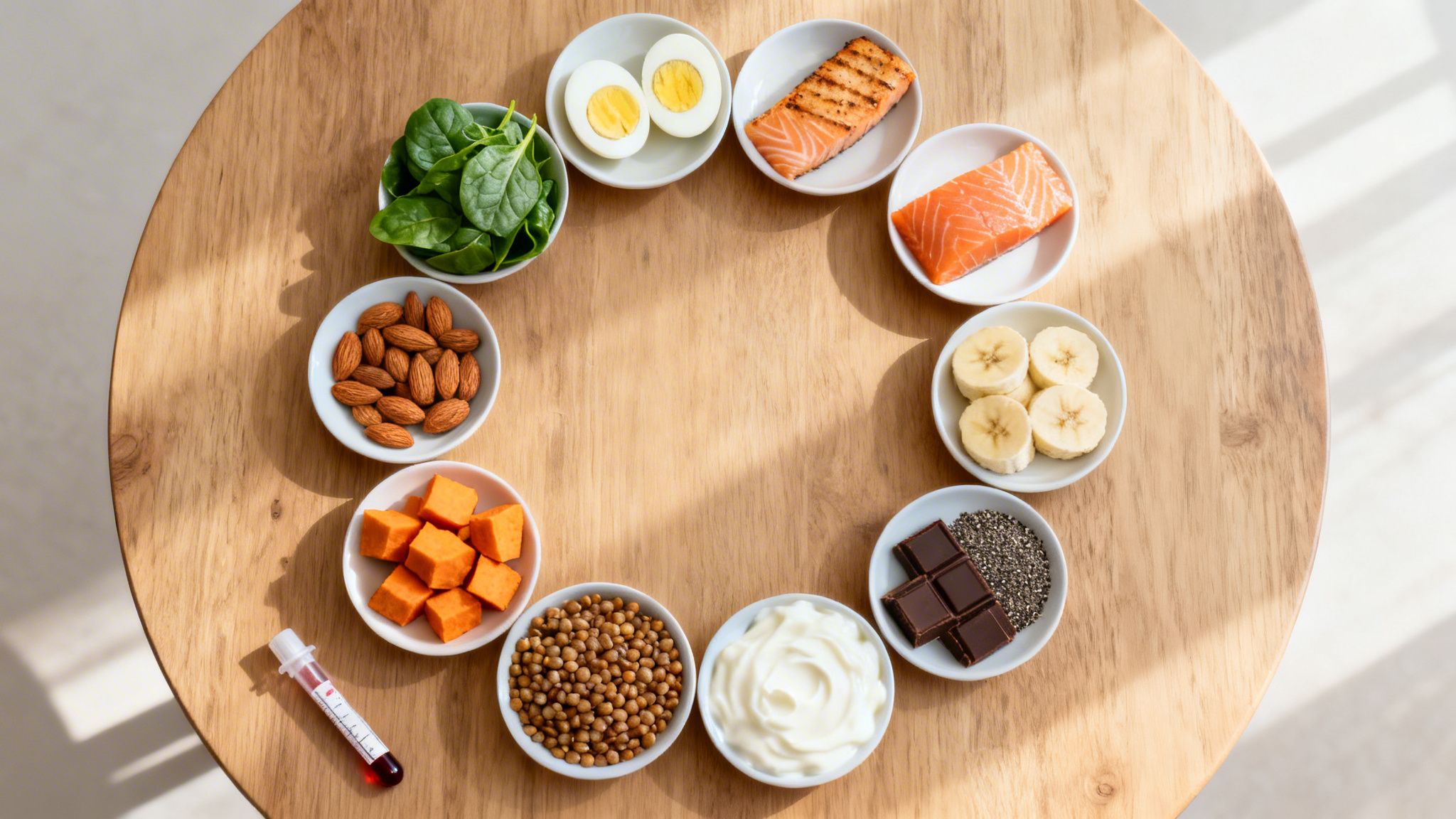
Discover 10 foods to combat fatigue: More energy in no time
Do you often feel sluggish even though you’ve had enough sleep? Constant fatigue can severely limit your quality of life and turn everyday life into a challenge. But the good news is that you have the power to change it. The right diet is often the key to replenishing your energy reserves and regaining your vitality.
Persistent exhaustion is often caused by an undiscovered nutrient deficiency that you can specifically address. You may be lacking iron for oxygen transport, magnesium for muscle relaxation, or vitamin B12 for nerve function. This is exactly where we come in. In this article, we introduce the 10 best foods to combat fatigue and explain precisely how they work at the cellular level.
We’ll show you not only what belongs on your plate, but also how to get to the bottom of hidden causes. Sometimes, taking a close look at your blood values is the most effective way to understand what your body is really lacking. A targeted nutrient test, such as the mybody-x at-home blood test, can provide clarity and is often the first step toward lastingly higher energy levels. Let’s find out together how to optimally nourish your body and finally leave fatigue behind.
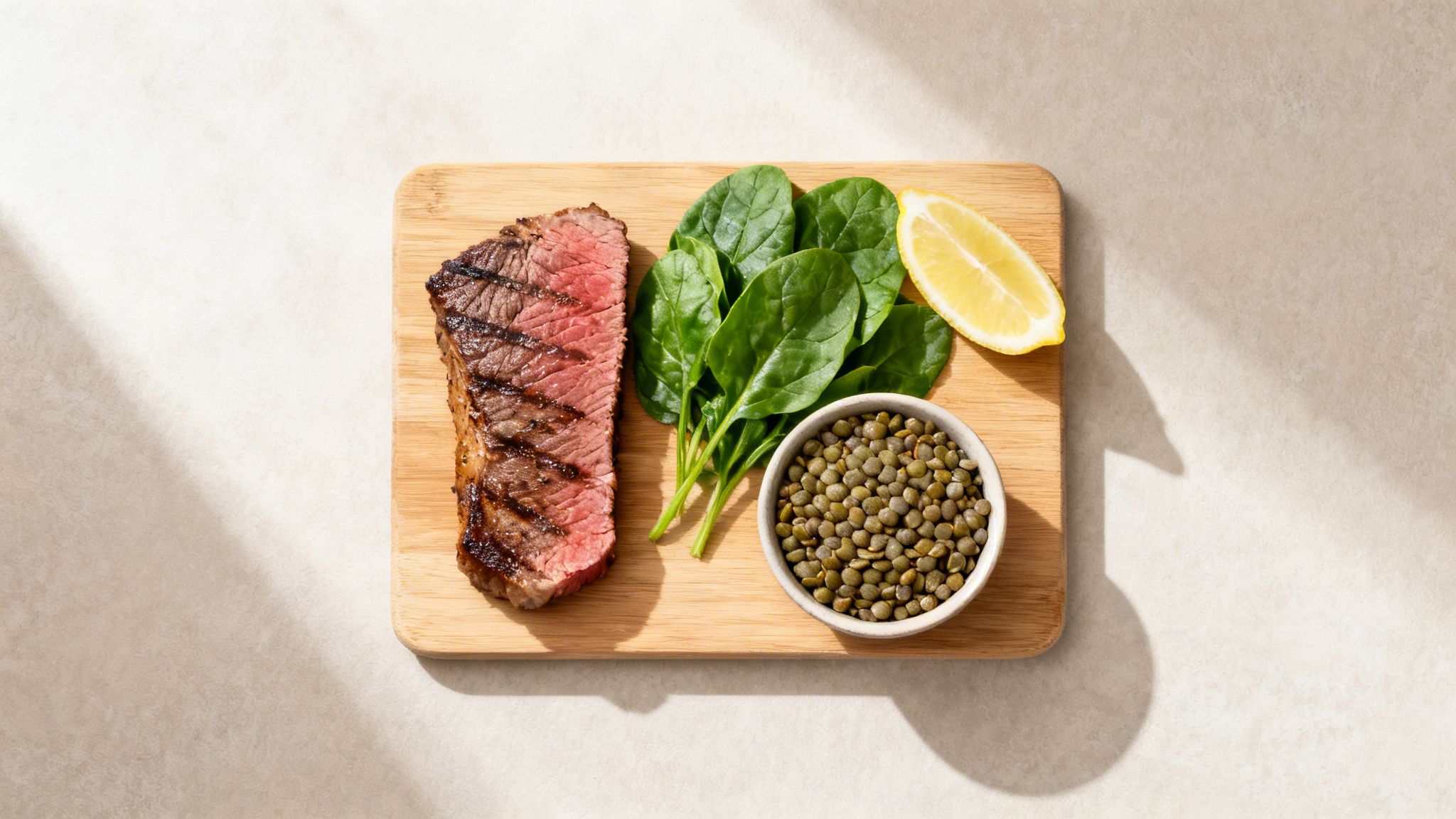
1. Iron: Your oxygen taxi for more energy (beef, spinach, lentils)
Do you often feel sluggish, unfocused, and low on energy? An iron deficiency could be the reason. This vital trace element is the main player in transporting oxygen through your blood. It ensures that every single cell—from your muscles to your brain—receives enough oxygen to produce energy. When iron is lacking, this process slows down, and you feel it directly as fatigue. A deficiency is therefore a common cause of unexplained exhaustion and is one of the most important factors to consider when looking for the best 10 foods to combat fatigue.
How to specifically replenish your iron stores
Your body can absorb iron from animal sources (heme iron, e.g., in beef) much more effectively than from plant-based sources (non-heme iron, e.g., in spinach and lentils). However, you can significantly improve absorption with a few clever tricks:
- Vitamin C boost: Always combine plant-based sources of iron with foods rich in vitamin C. A squeeze of lemon juice over a lentil salad or a piece of bell pepper with spinach can work wonders.
- Avoid “iron thieves”: Coffee, black tea, and dairy products contain substances that can inhibit iron absorption. So wait about an hour after an iron-rich meal before enjoying your coffee.
- When is a test worthwhile? Before taking high-dose supplements, it is crucial to know your exact iron status. A simple blood test, such as the mybody-x nutrient test, measures your ferritin level (stored iron) and provides precise information about whether a deficiency is actually present. This helps you avoid a potentially harmful overdose.
If you would like to learn more about what really helps with iron deficiency, you can find more information here.
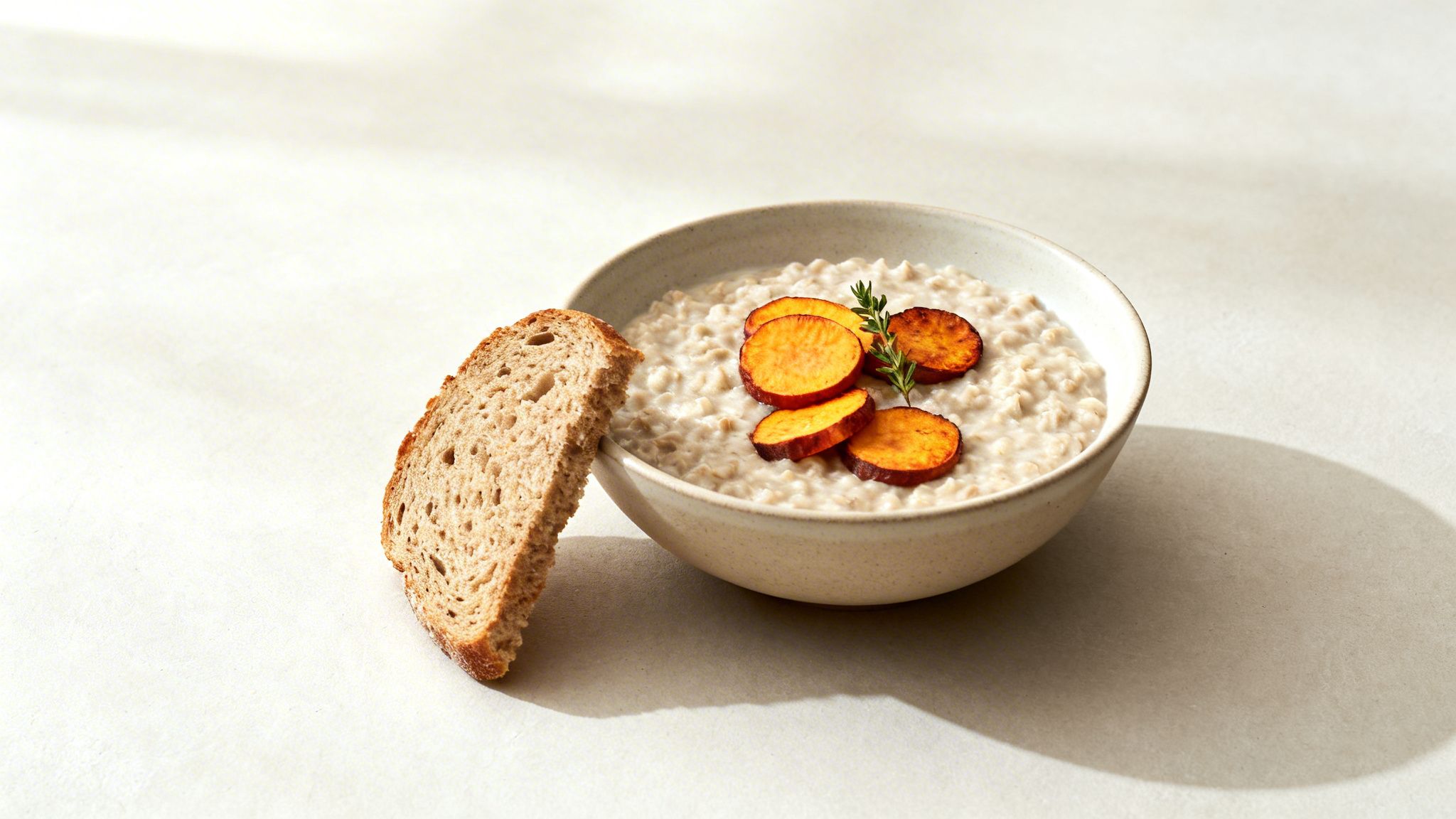
2. Complex carbohydrates: Your source of steady energy (whole grains, oats, sweet potatoes)
Do you know the feeling of being full of energy after a meal and then completely exhausted shortly afterward? This is the classic “sugar crash,” triggered by simple carbohydrates. Complex carbohydrates are the smart counterbalance. The body breaks them down slowly, resulting in stable blood sugar levels and a steady release of energy. Instead of providing a short, intense energy boost, they supply you with lasting power. That is why they are an essential building block and among the most effective of the 10 foods that fight fatigue for keeping your energy levels consistently high.
How to use complex carbohydrates for consistent energy
Incorporating whole-grain products, oatmeal, or sweet potatoes into your diet is simple and effective. With the right strategies, you can maximize their benefits and avoid potential digestive problems that may occur when increasing your fiber intake.
- The perfect start to the day: Combine oatmeal with a source of protein such as Greek yogurt or nuts in the morning. This stabilizes blood sugar even more effectively and keeps you full and energized until lunchtime.
- Make the change gradually: If you have eaten few whole-grain products so far, introduce them slowly. Start by replacing white bread with whole-grain bread or mixing a portion of quinoa into your salad so that your digestion can adjust to the increased amount of fiber.
- Don't forget to drink: Fiber needs sufficient fluids to swell in the intestines. Drink at least 2 liters of water a day to fully benefit from its positive effects and prevent digestive problems.
- Check your tolerance: Do you often feel bloated or unwell after eating grain products? This could be due to an intolerance that drains your body of energy. The mybody-x intolerance test can give you insights into how your body reacts to certain foods and help you find the energy sources that suit you.
3. B vitamins: The spark plugs for your energy metabolism (meat, eggs, lentils)
Do you often feel mentally exhausted, forgetful, or unable to concentrate, even though you have had enough sleep? Then the B vitamins could be the missing spark in your engine. This group of vitamins, particularly B12, B6, and folate, acts as a spark plug for your energy metabolism. They are essential for releasing energy from carbohydrates, fats, and proteins and converting it into ATP that can be used by cells. Without them, the process runs on low power, which directly manifests as fatigue and neurological symptoms. That is why they are a key component of the 10 foods to combat fatigue.
This is how you ignite your energy turbo boost
Vitamin B12 in particular can be challenging for certain groups, as it is found almost exclusively in animal products. However, the need for other B vitamins can also increase due to stress or certain stages of life.
- Use animal-based sources: For non-vegans, meat, fish, eggs, and dairy products are the most reliable sources of readily absorbable vitamin B12.
- Choose plant-based alternatives wisely: Vegans and vegetarians should specifically choose fortified foods such as plant-based milk or nutritional yeast and consider supplementing with B12.
- Stress as a vitamin thief: Chronic stress increases the consumption of B vitamins. Mindfulness exercises and targeted stress management can help you conserve your valuable reserves.
- When is testing advisable? Since the symptoms of a B-vitamin deficiency are often nonspecific, a blood test provides clarity. The mybody-x nutrient test can determine your exact status for important B vitamins such as B12 and show whether a deficiency is reducing your energy levels. This allows you to take targeted action based on your needs, without supplementing blindly.
If you would like to learn more about the signs and consequences of a deficiency, you can find further information here about vitamin B12 deficiency.
4. High-quality proteins (fish, eggs, legumes)
A stable blood sugar level is crucial for avoiding the dreaded afternoon slump. This is where high-quality proteins come into play: They slow the absorption of carbohydrates, ensuring a steady and long-lasting release of energy. Proteins are also the building blocks of muscles, enzymes, and hormones, which are essential for your performance and recovery. An adequate supply of all essential amino acids, the building blocks of proteins, is therefore a key factor when it comes to the best 10 foods to combat fatigue.
How to make optimal use of proteins as an energy source
To keep your body supplied with energy throughout the day, choosing and combining the right protein sources is key. This is how to do it best:
- Combine amino acids smartly: Animal products such as fish and eggs contain a complete amino acid profile. If you follow a plant-based diet, you should combine different sources to obtain all the essential amino acids. A classic example is combining rice with beans or lentils.
- The right timing: Include a source of protein in every main meal. Scrambled eggs for breakfast, a lentil salad for lunch, and a piece of fish in the evening help keep your blood sugar stable and prevent cravings and fatigue.
- Are you getting enough? Your protein needs depend heavily on your age, sex, and activity level. If you are unsure whether your diet meets your individual needs or whether your body is making optimal use of the nutrients you consume, a nutrient test from mybody-x can provide clarity. It can reveal whether any deficiencies may be limiting your energy.
5. Magnesium-rich foods: The anti-stress mineral for calm energy (nuts, seeds, cocoa)
Do you often feel tense and tired, and are your muscles prone to cramps? This could be a sign of magnesium deficiency. This mineral is a true all-rounder and is involved in more than 300 enzymatic reactions in your body, particularly energy production and muscle relaxation. It helps regulate stress hormones and calm your nervous system, which is essential for restful sleep. Without enough magnesium, the body cannot convert energy efficiently, which directly leads to exhaustion. A magnesium-rich diet is therefore a fundamental component of the 10 foods to combat fatigue.
How to balance your magnesium intake
Magnesium is easy to incorporate into your daily meal plan. A handful of nuts as a snack or a piece of dark chocolate can already make a valuable contribution. But there is more to consider to optimize absorption and prevent deficiency:
- Smart snacking: Incorporate a small handful of almonds, cashews, or pumpkin seeds into your diet every day. Dark chocolate with a cocoa content of at least 85% is also an excellent and delicious source of magnesium.
- Green is best: Chlorophyll, the green pigment in plants, binds magnesium. Therefore, eat leafy green vegetables such as spinach or kale regularly to support your intake.
- The right time: If you want to use magnesium to support your sleep, taking it in the evening makes sense, as it contributes to the relaxation of your muscles and nervous system.
- Certainty through testing: Persistent fatigue, muscle twitching, or sleep problems may indicate a deficiency. A mybody-x nutrient test that measures your blood magnesium level gives you clarity. This way, you know exactly whether you should increase your intake before turning to dietary supplements.
If you would like to learn more about the various signs, you can find further information here about a magnesium deficiency.
6. Omega-3 fatty acids: Brain food for mental clarity (oily fish, flaxseeds, walnuts)
Does your head often feel foggy, and does your concentration quickly fade? A lack of omega-3 fatty acids could be behind this. These essential fats, particularly EPA and DHA, are crucial for brain function and the efficiency of your energy metabolism. They strengthen the membranes of your cells and mitochondria, your body's powerhouses, and help reduce chronic inflammation, which is considered a hidden energy drain. An adequate supply is therefore a fundamental building block for combating fatigue and rightly belongs in the top 10 foods for fighting fatigue.
How to optimize your omega-3 intake
Your body cannot produce these essential fatty acids itself, which is why you need to get them from your diet. With these tips, you can effectively replenish your stores:
- Make fatty fish a priority: Include a serving of oily fish such as salmon, mackerel, or herring in your diet two to three times a week. These provide the directly usable forms EPA and DHA.
- Plant-based power: Supplement your diet daily with walnuts, ground flaxseeds, or chia seeds. Your body first has to convert the alpha-linolenic acid (ALA) they contain, but they still make a valuable contribution.
- When is testing useful? Since individual needs and the ability to convert plant-based sources vary considerably, it is difficult to assess your own status. A blood test, such as the mybody-x nutrient test, can determine your omega-3 index. This value provides precise information about the ratio of omega-3 to omega-6 fatty acids in your cells and shows whether targeted supplementation makes sense for you.
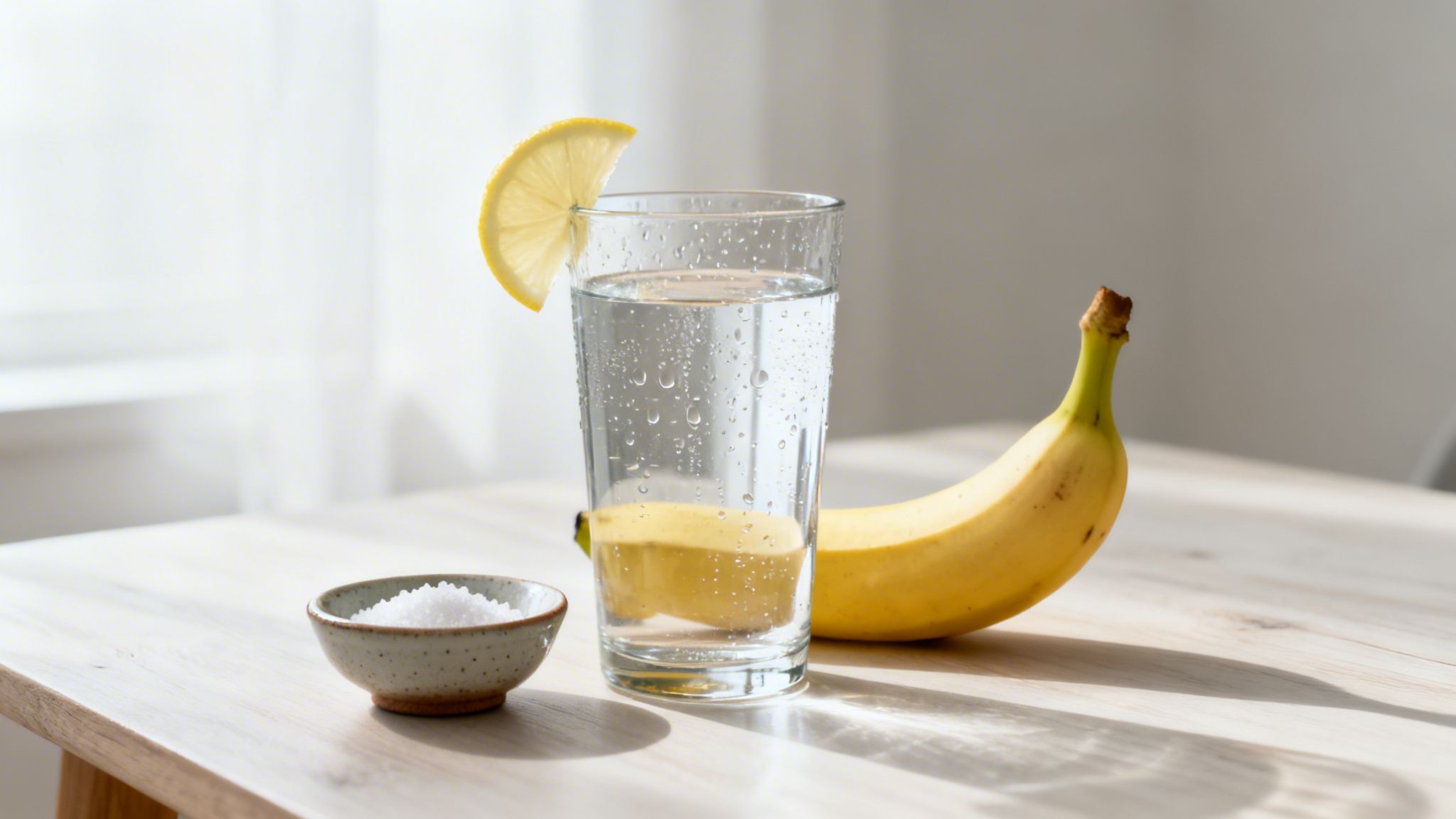
7. Water and electrolytes: Properly refueling your internal power plant (sodium, potassium, calcium)
Sometimes the cause of heavy fatigue is so simple that we overlook it: dehydration. Even mild fluid deficiency impairs cognitive function and lowers energy levels. However, water alone is only half the solution. Essential electrolytes such as sodium, potassium, and calcium are vital for nerve signaling and muscle contraction. Without them, your internal balance becomes unstable, which directly manifests as exhaustion and difficulty concentrating. Adequate hydration is therefore a fundamental component among the 10 foods to combat fatigue.
How to balance your fluid and electrolyte levels
Especially during physical activity, on hot days, or while intermittent fasting, the body loses not only water but also valuable minerals. Replenishing them intentionally is crucial for your performance.
- Drink mindfully: Start the day with a large glass of water, optionally with a squeeze of lemon. Drink at least 2–3 liters throughout the day, and more during physical activity.
- Use natural sources of electrolytes: Incorporate electrolyte-rich foods into your diet. Bananas and avocados are rich in potassium, nuts provide magnesium, and a small pinch of high-quality salt supplies sodium.
- When is a test useful? Persistent fatigue, muscle cramps, or headaches may indicate a chronic electrolyte imbalance. Before taking electrolyte powders indiscriminately, a blood test can provide clarity. With the mybody-x nutrient test, you can accurately check your mineral levels, such as magnesium and calcium, and specifically correct deficiencies to sustainably stabilize your energy levels.
8. Antioxidants: Your cellular shield against energy drainers (berries, green tea)
Do you often feel as though someone is secretly draining your energy? One possible cause is “oxidative stress.” Aggressive molecules known as free radicals attack your cells and damage, among other things, the mitochondria—the powerhouses of your cells. This process directly leads to an energy deficiency at the cellular level, which you experience as tiredness and fatigue. Antioxidants from food act like a protective shield by neutralizing these free radicals and maintaining energy production. That is why they are an indispensable part of the 10 foods to combat fatigue.
How to activate your natural cellular protection
Antioxidants such as vitamin C, vitamin E, and polyphenols are found in many plant-based foods. Berries and green tea in particular have proven to be true powerhouses. With these simple habits, you can protect your cells and boost your energy:
- Eat the rainbow: Incorporate a handful of colorful berries into your diet every day. Blueberries, blackberries, raspberries, and strawberries are rich in polyphenols and protect your cells. They are ideal in muesli, yogurt, or as a snack between meals.
- Drink green tea: Replace one cup of coffee with green tea. Three cups a day can already have a noticeable effect on your energy levels and cellular health.
- Prefer whole fruits: Choose whole fruits rather than juices or powders. This way, you also get valuable fiber, which releases your energy more steadily.
- When is testing worthwhile? Oxidative stress is an invisible process, but it can be measured. If you suffer from chronic fatigue despite eating a healthy diet, a mybody-x home self-test may be worthwhile. Certain blood markers indicate how severely your cells are under stress and whether your antioxidant capacity is sufficient to protect you.
9. Sleep optimization and the circadian rhythm
Even the best 10 foods for fighting fatigue cannot work their magic if the foundation is missing: restorative sleep. Your body uses the night for cellular regeneration and replenishing your mitochondria, your cellular powerhouses. This process is controlled by the circadian rhythm, your internal clock, which regulates hormones such as the wake-promoting cortisol and the sleep hormone melatonin. Chronic sleep deprivation disrupts this system, leading to persistent exhaustion, metabolic chaos, and even weight gain. Optimized sleep hygiene is therefore more fundamental than any supplement.
How to get your internal clock back in sync
Good sleep is not a coincidence, but the result of intentional habits. Biohackers and health-conscious people now use sleep tracking and targeted measures to maximize their nighttime recovery and feel full of energy during the day.
- Consistent sleep times: Go to bed at the same time every day and get up at the same time—even on weekends. This stabilizes your circadian rhythm.
- Morning light and evening darkness: Spend about 15 to 30 minutes in daylight shortly after waking up. In the evening, especially after 8:00 p.m., avoid bright blue light from screens. Blue-light-blocking glasses can be an effective aid.
- Optimize your sleep environment: Your bedroom should be cool (16–19°C), completely dark, and quiet. Invest in blackout curtains and consider banning electronic devices from the room.
- Check hormonal balance: If you do not wake up refreshed despite good sleep hygiene, a hormonal imbalance could be behind it. A mybody-x hormone test can check your cortisol and melatonin levels and show you whether your internal clock is in sync.
If you are constantly tired despite good sleep hygiene, there may be other causes behind it. Read more here about what can cause fatigue despite getting enough sleep.
10. Intermittent fasting: Cell recycling for new energy
Although it is not a classic food, intermittent fasting (IF) deserves its place among the top 10 foods for combating fatigue. This approach describes an eating pattern in which periods of eating alternate with longer fasting periods. During these breaks, your body activates a fascinating self-cleaning process called autophagy. Damaged cell components are recycled, which increases the efficiency of your mitochondria—the powerhouses of your cells—and can reduce chronic inflammation. The result: improved energy utilization, more stable blood sugar levels, and often greater mental clarity.
How to find the right fasting rhythm for you
Intermittent fasting is not a one-size-fits-all concept. It is crucial to choose a method that suits your lifestyle, body, and goals. Popular protocols include the 16:8 model (16 hours fasting, 8 hours eating) or gentler options such as 14:10.
- Gentle introduction: Start with a short 12-hour fasting window (e.g., from 8 p.m. to 8 a.m.) and increase it gradually. Your body needs time to adapt.
- Hydration and electrolytes: Drink enough water, unsweetened tea, or black coffee during the fasting phase. A pinch of salt in the water can help keep your electrolyte balance stable.
- When is testing worthwhile? IF affects your metabolism and hormonal balance. Before you start, it can be very helpful to know your baseline values. A mybody-x nutrient and hormone test provides insight into important markers such as blood sugar, inflammation levels, and relevant hormones. This helps you ensure that this approach is suitable for you and track your progress in a targeted way.
- Important note: During pregnancy, breastfeeding, or in the presence of existing eating disorders, intermittent fasting should only be practiced under medical supervision.
Comparison: 10 foods for combating fatigue
| 🔄 Implementation/complexity | ⚡ Resources & effort | 📊 Expected results | ⭐ Ideal use cases | 💡 Key benefits / tips |
|---|---|---|---|---|
| Iron-rich foods (beef, spinach, lentils) | Moderate – targeted selection & combination rules | Improves hemoglobin and reduces deficiency-related fatigue (weeks to months) | Risk of anemia, athletes, pregnant women | Combine with vitamin C; avoid coffee/tea; get a blood test before supplementing |
| Complex carbohydrates (whole grains, oats, sweet potatoes) | Low – replace refined carbohydrates | Stable, long-lasting energy; fewer cravings | Everyday life, endurance sports, weight management | Combine with protein in the morning; increase fluid intake |
| B vitamins (B12, B6, folic acid) | Low–moderate – diet or supplements | Optimizes energy metabolism and nerve function | Vegans, older adults, people under high stress | Blood test to determine status; vegans should supplement B12 |
| High-quality proteins (fish, eggs, legumes) | Moderate – meal planning required | Promotes muscle growth, recovery, and stable energy | Athletes, people recovering from illness, muscle building | Combinations for a complete amino acid profile; fish 2–3×/week |
| Magnesium-rich foods (nuts, seeds, cocoa) | Low – incorporate snacks & ingredients | Better sleep, fewer cramps, improved recovery | People with muscle cramps, sleep problems | Take in the evening; eat nuts/seeds regularly; consider testing if deficiency is suspected |
| Omega‑3 fatty acids (fatty fish, flaxseeds, walnuts) | Low – dietary supplementation possible | Reduces inflammation, improves cognition & heart health | Inflammatory conditions, mental performance, heart risk | Fatty fish 2–3×/week or algae oil; check quality |
| Water and electrolytes (sodium, potassium, calcium) | Very low – habit change | Immediate improvement in concentration and performance | Athletes, heat exposure, risk of dehydration | Adjust 2–3 L/day; check urine color; electrolytes during exertion |
| Antioxidants (berries, green tea, polyphenols) | Low – add fruit/tea regularly | Protection against oxidative stress; better recovery | Active people, age-related prevention, recovery | Whole fruits before powders; drink green tea in moderation (2–3 cups) |
| Sleep optimization & circadian rhythm | High – behavioral change and consistency required | Profound improvement in all energy parameters (short- and long-term) | Chronic fatigue, shift work, performance optimization | Consistent times, reduce blue light in the evening, keep the bedroom cool and dark |
| Intermittent fasting & autophagy | Moderate – timing and individual adjustment | Improves insulin sensitivity, promotes autophagy and mental clarity | Metabolic flexibility, weight management (not for everyone) | Start slowly (e.g., 14:10), pay attention to electrolytes, monitor blood values |
Your personal roadmap to more energy: Knowledge is good, measuring is better!
You have now been given a comprehensive and practical list of 10 foods to combat fatigue and valuable strategies. From iron-rich lentils and magnesium-rich nuts to the importance of good sleep and the right timing of your meals—each individual point is a powerful lever for replenishing your energy reserves. We have seen that it is not only about what you eat, but also how and when.
The common thread running through all the recommendations is the realization that true vitality begins at the cellular level. Your body needs a consistent and targeted supply of micronutrients such as iron, B vitamins, and magnesium to keep the power plants in your cells—the mitochondria—running. Complex carbohydrates provide sustainable fuel, while omega-3 fatty acids and antioxidants protect the “machinery” from damage and inflammation.
From knowledge to targeted implementation
The featured 10 foods to combat fatigue are an excellent starting point, but they are not a cure-all that works the same way for everyone. Your body is a unique system with individual needs, a specific metabolism, and a personal history. While one person may feel an energy boost after just a few days of eating more spinach and lentils, another may continue to struggle with unexplained exhaustion.
This is exactly where generalized guesswork ends and personalized health optimization begins. Instead of fumbling in the dark and trying different foods or supplements on suspicion, you can choose a data-driven approach. The real question is no longer simply "What helps with fatigue?" but "What is my body missing to feel full of energy?" An iron deficiency requires a different strategy than a vitamin B12 deficiency or an undiscovered food intolerance that is constantly draining your body's energy.
The crucial step: Don't rely on assumptions—rely on facts. A targeted blood analysis is like a detailed map of your body. It shows you exactly where the bottlenecks are and which levers you need to adjust to unlock your full energy potential.
This data-driven approach allows you to adjust your diet and lifestyle precisely and efficiently. You invest your energy exactly where it makes the greatest difference. Instead of taking supplements at random, you can specifically replenish the nutrients you are actually lacking. This approach is not only more effective but also more sustainable and safer for your health. Take full control and make the first crucial step from general information to personalized action.
Are you ready to stop guessing and find out exactly what is behind your fatigue? With the mybody-x blood test, you can accurately check your nutrient levels, such as iron, vitamin B12, and magnesium, or potential food intolerances from the comfort of your home. Get clear, easy-to-understand results and turn your knowledge into targeted action for a life full of energy.
Discover the mybody x blood test now and start your journey toward greater vitality!



Share now:
Genetic nutrition: Your personal key to the optimal diet
DNA Nutrition Analysis: How Your Genes Can Optimize Your Diet