
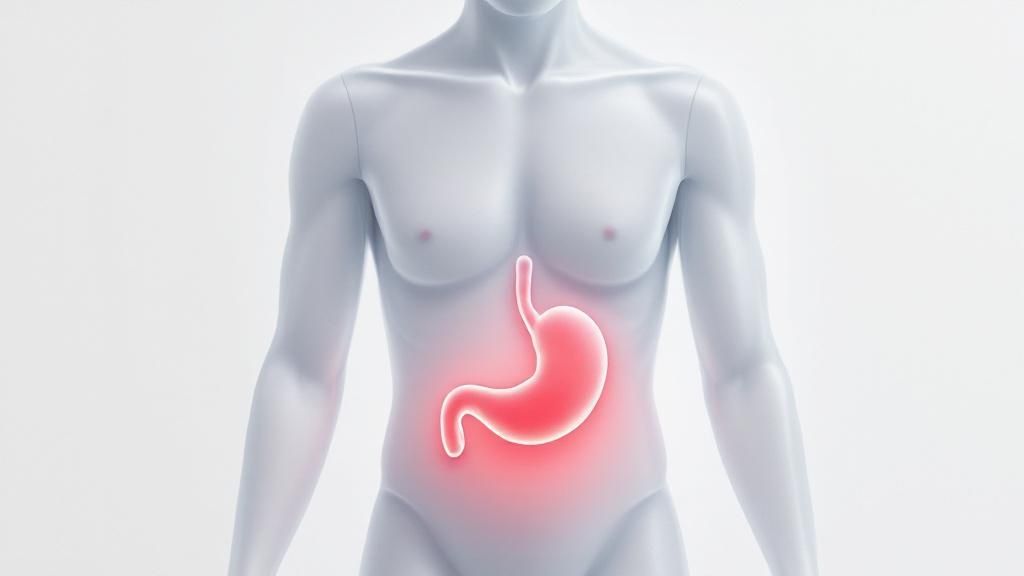
What symptoms did you have with Helicobacter? The 7 most common signs explained
Do you often feel unwell, have stomach pain, or feel constantly tired without finding a clear cause? Perhaps you wonder how other people with the infection noticed it and ask yourself: “What symptoms did you have with Helicobacter?” You are not alone. Helicobacter pylori is a widespread bacterium that often lives unnoticed in the stomach but can also cause a range of unpleasant and persistent symptoms.
The challenge is that the symptoms are often nonspecific and can easily be confused with stress, an unhealthy diet, or other digestive problems. That is exactly where this article comes in. We examine the 7 most common signs of a Helicobacter infection, from classic stomach problems to subtler signals such as fatigue or bad breath.
Our goal is to help you better interpret your body’s signals and provide you with concrete, easy-to-understand information. You will learn which warning signs you should take seriously and what steps you can take to finally gain clarity. This will help you regain control over your digestive health and well-being. Let’s find out together what your gut feeling is trying to tell you.
1. Stomach pain and upper abdominal discomfort
Persistent stomach pain and a vague feeling of discomfort in the upper abdomen are among the most common signs reported by people with a Helicobacter pylori infection. Many ask, “What symptoms did you have with Helicobacter?”, and the answer almost always revolves around this central area of pain. This symptom is often the first warning sign that something is wrong in your gastrointestinal tract.
The pain is described in very different ways, which makes an initial diagnosis difficult. It may be perceived as burning, drilling, stabbing, or gnawing. It typically occurs in the stomach area, directly below the breastbone. A classic pattern is that the symptoms worsen when the stomach is empty and improve briefly after eating, only to return a few hours later.
What exactly does the pain feel like?
Experiences vary from person to person, but certain patterns recur. Perhaps you recognize yourself in one of these descriptions:
- A “gnawing hunger”: Some people describe the pain as an intense feeling of hunger that does not go away even after eating.
- Pressure: It feels as though someone is pressing firmly on the stomach from the inside or outside.
- Wave-like attacks of pain: The discomfort comes and goes, often at intervals of several hours, especially between meals or at night.
These symptoms occur because Helicobacter bacteria attack the protective lining of the stomach. This causes inflammation (gastritis), which, if left untreated, can lead to stomach ulcers or even more serious conditions. If you notice this kind of pain, it is advisable to investigate the cause. An initial assessment can be provided by a at-home Helicobacter pylori rapid test, which can provide clarity before you take further steps.
Practical tips for upper abdominal discomfort
Until you seek medical help, the following measures may help relieve your symptoms:
- Keep a food diary: Note when the pain occurs and what you have eaten. This helps identify triggers.
- Avoid irritants: Avoid very spicy, acidic, or fatty foods, as well as coffee and alcohol, because they can further irritate the stomach lining.
- Small, frequent meals: Instead of three large meals, five or six small meals spread throughout the day are often better tolerated.
2. Heartburn and acid reflux
In addition to classic stomach pain, heartburn is another very common symptom experienced by people affected by a Helicobacter infection. Many who search for an answer to the question “What symptoms did you have with Helicobacter?” report an unpleasant, burning sensation that rises from the stomach. This symptom can significantly impair quality of life and is often a clear sign that the balance in your upper digestive tract has been disrupted.
The burning is caused by stomach acid flowing back into the esophagus (reflux). Helicobacter bacteria can influence acid production in the stomach and impair the function of the sphincter between the stomach and esophagus. This promotes the backflow of acidic stomach contents, irritating the sensitive lining of the esophagus and triggering typical heartburn. This sensation is often accompanied by acid or bitter belching, in which small amounts of stomach contents reach the throat.
What exactly do heartburn and acid reflux feel like?
The sensations are highly individual, but many people affected recognize themselves in the following descriptions:
- A burning pain: The sensation typically rises behind the breastbone and can radiate up into the neck or throat.
- Sour taste in the mouth: Especially when lying down, for example at night, stomach acid flows back more easily and causes an unpleasant taste.
- Worsening after eating: Large, fatty, or spicy meals can intensify the symptoms. Bending over or lying down shortly after eating often causes discomfort as well.
These signs occur because the inflammation caused by Helicobacter disrupts normal stomach function. The constant belching and pressure in the stomach are not only bothersome but also a warning signal from your body.
Practical tips for heartburn
Until you have been evaluated by a doctor, these measures can help relieve your heartburn:
- Adjust your sleeping position: Raise the head of your bed by 15 to 20 cm. This uses gravity to make it harder for stomach acid to flow back up.
- Meal timing: Eat your last meal at least three hours before going to bed so that your stomach has time to empty.
- Identify trigger foods: Avoid common triggers such as coffee, alcohol, chocolate, spicy foods, and very fatty meals.
- Wear loose clothing: Tight-fitting clothing, especially around the waist, increases pressure on the abdomen and can promote heartburn.
3. Nausea and the urge to vomit
In addition to classic stomach pain, persistent nausea and a distressing urge to vomit are other typical symptoms that many people mention when asking, “What symptoms did you have with Helicobacter?” This sensation can occur in waves, ranging from mild discomfort to intense retching, and can significantly affect your quality of life. It is often a constant companion that takes away your appetite and makes eating a challenge.

The nausea is caused by gastritis, meaning inflammation of the stomach lining caused by Helicobacter bacteria. The irritated stomach wall sends signals to the vomiting center in the brain, resulting in a constant feeling of discomfort. A particularly characteristic feature is that the nausea often gets worse when the stomach is empty, for example immediately after waking up in the morning or between meals. Sometimes this creates a vicious cycle: you feel nauseous, so you do not eat, which in turn makes the nausea worse.
What exactly do nausea and the urge to vomit feel like?
The sensations are very individual, but many people affected report similar patterns. You may recognize these descriptions:
- A constant queasy feeling: Many describe it as persistent, low-grade nausea, especially in the morning or when they are stressed.
- Retching without vomiting: There is often a strong urge to vomit, but it rarely or never actually happens. The sensation alone, however, is already extremely exhausting.
- Worsening in waves: The nausea is not always equally severe but suddenly intensifies when your stomach is empty or due to certain smells and foods.
These symptoms are not only unpleasant but also a clear sign that your digestion is out of balance. Constant irritation from the bacteria disrupts normal stomach function and causes this distressing sensation.
Practical tips for nausea
While you are getting to the bottom of the cause, these simple measures can help relieve nausea:
- Small, light meals: Eat several small portions throughout the day to avoid an empty stomach. Rusks, crackers, or a simple broth are often well tolerated.
- Ginger as a remedy: Ginger tea or small pieces of fresh ginger can have a soothing effect on the stomach and reduce nausea.
- Avoid triggers: Avoid fatty, heavily spiced foods and strong smells that can intensify nausea.
- Drink enough: Sip water or unsweetened tea throughout the day to stay hydrated without overloading your stomach.
4. Feeling of fullness and bloating
Persistent fullness, even after eating small portions, as well as distressing bloating are other typical symptoms that people with a Helicobacter infection often experience. Many people asking about others’ experiences and wanting to know, “what symptoms did you have with Helicobacter?”, report this unpleasant feeling of being overfull, which can significantly disrupt daily life. This symptom often occurs regardless of the size of the meal and creates the feeling that the stomach is constantly overburdened.
The abdomen often feels hard and distended, which is also frequently visible from the outside. This feeling occurs because the inflammation caused by Helicobacter disrupts normal stomach function. Digestion slows down, and gas can accumulate more easily in the gastrointestinal tract. This creates the feeling of having a balloon in your abdomen that simply will not deflate.
What exactly do a feeling of fullness and bloating feel like?
The sensations are highly individual, but many people affected recognize themselves in the following descriptions:
- Feeling full quickly: You feel uncomfortably full after just a few bites and can barely finish your meal.
- Persistent pressure: A constant feeling of pressure in the upper abdomen that does not subside even hours after eating.
- Increasing bloating throughout the day: The bloating often starts mildly in the morning and steadily gets worse over the course of the day, accompanied by audible bowel sounds.
These symptoms are not only unpleasant but may also indicate that the infection is affecting the motility of your stomach. The bacteria disrupt the delicate balance of digestive processes. If you frequently suffer from such symptoms and the cause is unclear, this could point to an underlying problem. An analysis of your DNA for digestive problems can help you better understand such connections.
Practical tips for feelings of fullness and bloating
While you are having the cause investigated, these measures may provide relief:
- Eat slowly and chew thoroughly: Take your time with your meals to make digestion easier and reduce gas formation.
- Avoid gas-producing foods: Reduce your consumption of carbonated drinks, legumes, onions, and certain types of cabbage.
- Gentle exercise: Taking a walk after eating can stimulate digestion and help release trapped gas.
- Apply heat: A hot-water bottle or a warm cherry-pit pillow placed on your abdomen can have an antispasmodic effect and relieve the feeling of pressure.
5. Loss of appetite and weight loss
A declining desire to eat and unintentional weight loss are further symptoms that many people later associate with their Helicobacter infection. These signs often develop gradually, so they are not initially perceived as warning signals. However, when asked, “What symptoms did you have with Helicobacter?”, many report changed eating habits, ranging from a lack of interest in meals to early satiety.
The reason is often a combination of several factors: Constant inflammation of the stomach lining (gastritis), along with the associated pain, feeling of fullness, or nausea, can significantly suppress the appetite. Food is no longer perceived as enjoyable, but as a potential cause of discomfort, which unconsciously leads to reduced food intake. Over weeks and months, this can result in significant and concerning weight loss.
What exactly does loss of appetite feel like?
Everyone’s experience is very personal, but certain patterns are typical. Perhaps these descriptions sound familiar:
- Early satiety: You feel full after just a few bites and can no longer eat normal portion sizes.
- Changed sense of taste: Many report that food suddenly tastes bland or “just not as good as it used to.”
- Unexplained weight loss: You lose weight over several months without deliberately dieting or exercising more.
When loss of appetite and weight loss occur together with other gastrointestinal symptoms, this is a strong indication that something is wrong. Your body is signaling that it is overwhelmed by digestion and fighting the inflammation. It is important to take this condition seriously to prevent malnutrition.
Practical tips for loss of appetite and weight loss
While you have the cause medically evaluated, these measures can help you nourish your body as well as possible:
- Choose nutrient-dense foods: Focus on foods that are easy to digest but rich in nutrients, such as cooked vegetables, lean meat, fish, or nutrient-rich soups.
- Frequent small meals: Instead of three large meals, five or six smaller ones put less strain on the stomach and make it easier to absorb nutrients.
- Consider liquid nutrition: If solid food is difficult to eat, nutrient-rich smoothies or shakes can be a good alternative for meeting your calorie and nutrient needs.
- Document your weight: Monitor your weight regularly and tell your doctor about any significant changes.
6. Bad breath and metallic taste
Persistent bad breath and a strange, often metallic taste in the mouth are among the lesser-known but nevertheless common symptoms of a Helicobacter pylori infection. When people share their experiences and answer the question “What symptoms did you have with Helicobacter?”, these oral complaints often emerge as an unexpected and persistent problem. They are particularly frustrating because they can persist despite thorough oral hygiene and are directly attributable to processes in your stomach.
This unpleasant odor and taste do not primarily originate in the mouth; rather, they result from bacterial activity in the digestive tract. Helicobacter pylori produces sulfur-containing compounds that rise through the esophagus and become noticeable in the breath. The metallic taste is also caused by the bacteria’s metabolic products and the inflammatory response they trigger, which can alter taste perception.
What do these oral symptoms look like?
These signs are often difficult to attribute, as the cause is intuitively suspected to lie in the mouth. Perhaps one of the following descriptions sounds familiar:
- A taste like iron or coins: Many describe a persistent metallic taste that is present regardless of food intake.
- Persistent bad breath: Despite brushing your teeth, flossing, and using mouthwash, the unpleasant odor quickly returns.
- Altered sense of taste: Food and drinks suddenly taste different, often less intense or with a bitter, metallic aftertaste.
These symptoms are a strong indication that the cause lies deeper, namely in the stomach. They show how a local infection in the gastrointestinal tract can have effects that even manifest in the mouth. Since these complaints are often perceived as embarrassing, it is all the more important to recognize them as a serious sign of a possible Helicobacter infection.
Practical tips for bad breath and taste disturbances
While you investigate the underlying cause, the following measures may provide temporary relief:
- Maintain thorough oral hygiene: Even if the cause is in the stomach, good mouth and tongue cleaning (e.g., with a tongue scraper) helps reduce the symptoms.
- Drink enough: Plenty of water or unsweetened tea helps rinse the mouth and dilute metabolic byproducts.
- Sugar-free chewing gum or mints: These stimulate saliva production, which helps wash away bacteria and unpleasant tastes.
- Avoid trigger foods: Certain foods, such as onions, garlic, or heavily spiced dishes, can make the condition worse. Pay attention to what makes you feel better.
7. Fatigue and general malaise
Persistent fatigue and a general feeling of unwellness are symptoms that extend far beyond the gastrointestinal tract but frequently occur with a Helicobacter infection. Many people who ask, “What symptoms did you have with Helicobacter?” report unexplained exhaustion that does not improve even with sufficient sleep. This symptom can be very burdensome, as it severely limits quality of life and daily performance.
The constant fatigue occurs because your body is continuously fighting the bacterial infection. This immune response consumes an enormous amount of energy, leading to deep, chronic fatigue. In addition, the inflammation of the stomach lining caused by Helicobacter pylori can impair the absorption of important nutrients such as iron and vitamin B12. Such a deficiency further intensifies the feeling of weakness and lack of energy.
What exactly does the exhaustion feel like?
This feeling of burnout is often vague and difficult to pin down. You may recognize yourself in these descriptions:
- Persistent exhaustion: You do not feel rested even after a full night’s sleep, as if you never truly managed to relax.
- Lack of energy: You lack the motivation for activities that used to bring you joy, whether sports, hobbies, or social gatherings.
- General feeling of illness: You simply do not feel “like yourself,” are constantly run-down, and feel as though you are coming down with a cold that never fully develops.
These systemic symptoms are a clear sign that the infection is placing demands on your entire body. Your body is investing its resources in fighting the pathogen, at the expense of your general vitality. If you find that this fatigue persists, it is an important sign you should not ignore.
Practical tips for fatigue and discomfort
While you investigate the underlying cause, these measures can help you manage your energy reserves more effectively:
- Regular sleep-wake schedule: Try to go to bed and get up at the same time every day to support your internal clock.
- Nutrient-rich diet: Aim for a balanced intake of vitamins and minerals, especially iron and B vitamins. Cooked vegetables and lean meat are often well tolerated.
- Gentle exercise: Light activities such as walks in the fresh air can stimulate circulation without overtaxing the body.
- Stress management: Techniques such as meditation, yoga, or simple breathing exercises help calm the nervous system, which is strained by the chronic infection.
Helicobacter symptom checklist
| Symptom | Description | Typical features |
|---|---|---|
| Stomach pain | Burning, gnawing pain in the upper abdomen. | Worse on an empty stomach, better after eating. |
| Heartburn | Burning behind the breastbone, acid reflux. | Often after eating or when lying down. |
| Nausea | Persistent queasy feeling, possibly progressing to nausea. | Especially in the morning or between meals. |
| Feeling of fullness | Feeling overly full after just small portions. | Accompanied by bloating and a distended abdomen. |
| Loss of appetite | Little appetite, feeling full quickly, weight loss. | Altered taste; eating feels like a chore. |
| Bad breath | Persistent bad breath, metallic taste. | Persists despite good oral hygiene. |
| Fatigue | Unexplained, profound exhaustion and lack of energy. | Feeling not fully rested despite getting enough sleep. |
From Suspicion to Certainty: Your Path to a Healthy Gut
You have read about the diverse signs of a Helicobacter pylori infection, from nagging stomach pain and bothersome heartburn to unexplained fatigue. Perhaps you recognized yourself in many descriptions and wondered, “What symptoms did you have with Helicobacter?”—hoping to find confirmation of your own suspicion in other people’s experiences. These similarities are a valuable first clue, but the crucial next step is now to move from a feeling to tangible certainty.
The symptoms we have examined are more than just bothersome side effects. They are important signals from your body that you should take seriously. An untreated infection can lead to serious stomach problems in the long term. But the good news is that Helicobacter pylori can be diagnosed and treated effectively. The key is to take action and uncover the cause of your symptoms.
Your Next Concrete Steps
The path to a healthy stomach begins with clarity. Instead of remaining uncertain and continuing to struggle with the symptoms, you can take control now.
- Seek medical advice: Your first and most important point of contact is your doctor. Describe your symptoms in detail. A professional medical diagnosis is essential to rule out other causes and initiate appropriate treatment.
- Take proactive action: Do not simply wait. While waiting for a doctor’s appointment or as an initial guide, you can take action yourself. A self-test offers a quick and discreet way to substantiate an initial well-founded suspicion.
- Use knowledge as a tool: Understand that the question “What symptoms did you have with Helicobacter?” is only the beginning. Knowing about a possible infection empowers you to look for targeted solutions and ask the right questions when speaking with your doctor.
Your well-being in your hands: Recognizing the symptoms is the first step. The second, crucial step is turning this knowledge into concrete action. Only then can you break the cycle of discomfort, pain, and uncertainty and lay the foundation for long-term gut health.
Ultimately, it is about reconnecting with your body and correctly interpreting its signals. A diagnosis is not a verdict but an opportunity. It is the starting point for a targeted path toward improvement that can lead you back to a better quality of life, more energy, and a carefree feeling in your stomach. Do not hesitate any longer to embark on this journey.
Are you ready to take the first step toward gaining clarity about your digestive symptoms? The MYBODY Lab GmbH Helicobacter pylori test offers you a fast, reliable, and discreet way to check from home whether an infection is present and provides a sound basis for your conversation with your doctor. Take control of your health now and order your test at MYBODY Lab GmbH.



Share now:
At-home Helicobacter pylori rapid test – Easy & Reliable
Your guide to taking L-Thyroxin