

The Importance of Gut Health: The Complete Practical Guide
Did you know that approximately 70 to 80 percent of your immune system is located in your gut? Your gut is about much more than digestion. It influences how you feel, how stable your immune system is, and even how well you sleep. Understanding your gut allows you to work specifically on your health and improve your well-being over the long term.
Table of Contents
- What Gut Health Means and Why It Matters
- How the Microbiome Influences the Body
- Factors for a Healthy Gut
- Microbiome Analysis: Process and Informative Value
- Strategies for Improving Gut Health
Key Insights
| Point | Details |
|---|---|
| Gut Flora as a Health Factor | Gut flora affects not only digestion but also the immune system and mental health. |
| Individual Microbiome Composition | Everyone has a unique microbiome structure shaped by diet and lifestyle. |
| Impact of Diet | A balanced diet with probiotics and fiber is essential for gut health. |
| Microbiome Analysis | A microbiome analysis provides valuable insights for optimizing your diet and lifestyle. |
What Gut Health Means and Why It Matters
Your gut flora is like a complex ecosystem of enormous importance to your health. More than 1,500 different bacterial species inhabit your gut and affect not only your digestion but virtually every aspect of your well-being.
The gut is much more than just a digestive organ. It acts as a central control center for your immune system and directly influences your mental health, mood, and even weight management. Approximately 70–80% of your immune system is located in the gut, underscoring its enormous importance. Strengthening gut health is therefore key to overall well-being.
The complexity and individuality of your gut flora are reflected in its unique composition. Everyone has a different microbiome structure shaped by diet, lifestyle, genetics, and environmental factors. This composition influences how efficiently your body absorbs nutrients, breaks down toxins, and regulates inflammatory processes. Building a healthy gut flora therefore means working on your health in a targeted and individualized way.
Important signs of impaired gut health include:
- Digestive problems such as bloating or diarrhea
- Unintentional weight changes
- Constant fatigue
- Skin problems
- Mood swings
A balanced microbiome is the key to vitality and well-being. It not only regulates your digestion but also directly affects your nervous system, hormone production, and immune defenses. Think of your gut as your second brain—complex, intelligent, and essential to your health.
How the Microbiome Influences the Body
The microbiome is far more than just a collection of bacteria—it is a complex, dynamic system that literally influences every aspect of your health. Scientific findings show that the bacteria in your gut play a central role in regulating metabolism, immune function, and even neurological processes.
The microbiome’s direct influence on your nervous system is particularly interesting. These bacteria communicate via the so-called gut-brain axis and can actually influence your mood, cognitive performance, and emotional stability. Microbiome Test: Your Guide to Better Gut Health can help you better understand these complex relationships.
The interactions within your microbiome are diverse:
- Digestion and nutrient absorption
- Immune defense and inflammatory response
- Hormonal balance
- Weight regulation
- Mental health and stress resilience
A healthy microbiome functions like an intelligent ecosystem. It determines how efficiently your body processes nutrients, neutralizes toxins, and defends against pathogens. Every dietary decision and lifestyle factor influences this delicate balance and can have long-term effects on your health.
Factors for a Healthy Gut
A healthy gut is more than just a digestive system—it is the foundation of your overall health. Science is increasingly showing that the quality of your gut environment is directly linked to your well-being. Several key factors are crucial here, and you can actively influence them.
Diet plays a central role in your gut health. Probiotic and prebiotic foods promote a balanced bacterial flora and strengthen your immune system. Nutrition for Gut Health: Your Immune System Booster offers helpful insights into how you can specifically optimize your diet.
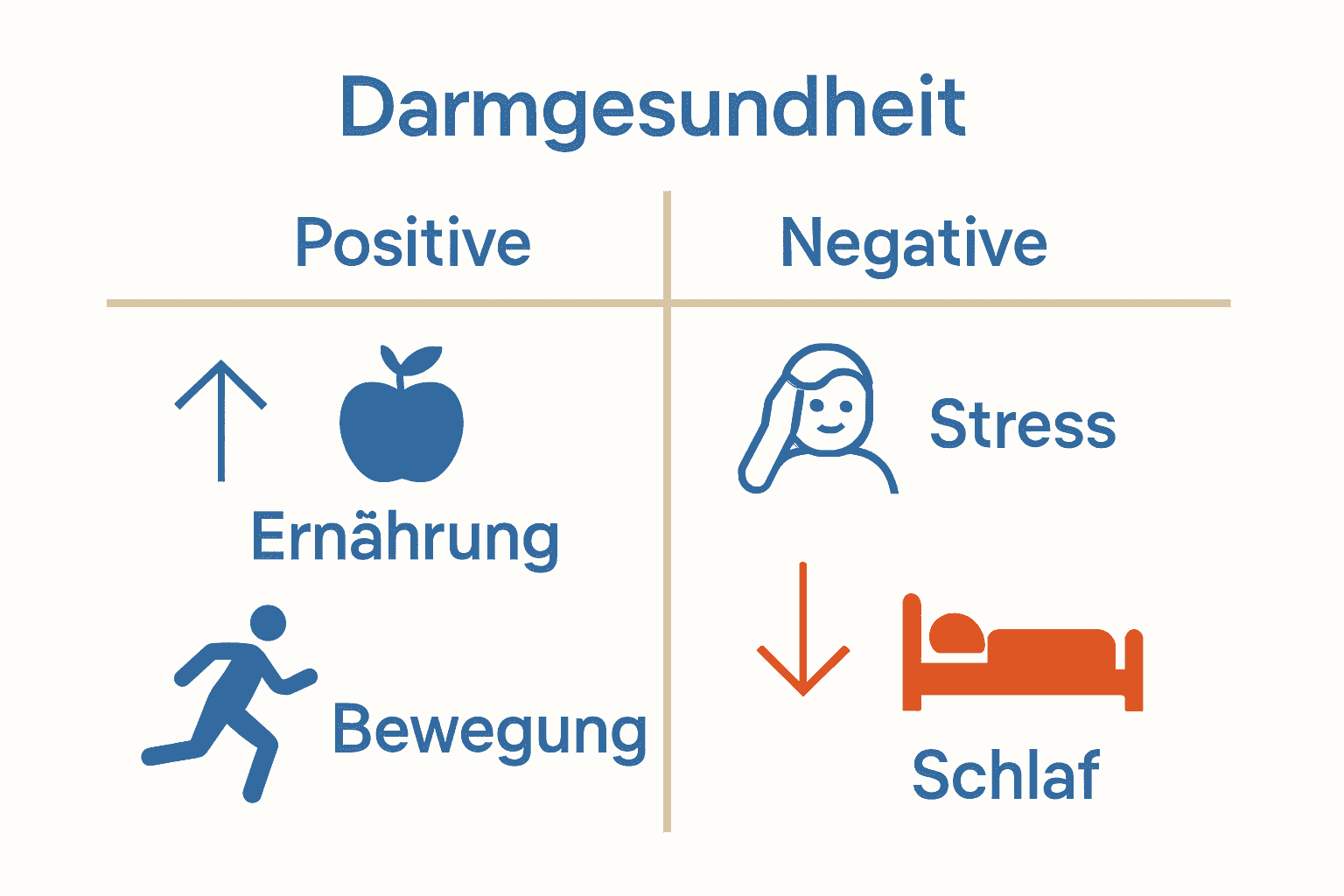
Important factors for a healthy gut include:
Here is a comparison of the most important factors influencing gut health:
| Factor | Positive effect | Negative effect |
|---|---|---|
| Diet | Fiber Probiotics Plenty of vegetables and fruit |
Too much sugar Alcohol High-fat diet |
| Fluid intake | Sufficient water | Not drinking enough |
| Physical activity | Regular exercise | Lack of physical activity |
| Stress | Stress relief Relaxation |
Chronic stress |
| Sleep | Sufficient sleep | Sleep deprivation |
| Medication | Avoid unnecessary antibiotics | Frequent antibiotic use |
- A balanced, high-fiber diet
- Sufficient water and fluid intake
- Regular exercise and physical activity
- Stress reduction
- Sufficient sleep
- Avoid excessive sugar and alcohol
Another critical aspect is avoiding chronic inflammation. The so-called leaky gut syndrome can occur when the intestinal barrier becomes permeable, promoting the entry of toxins and triggering intolerances. Therefore, pay particular attention to an anti-inflammatory diet and a healthy lifestyle to protect your gut health in the long term.
Microbiome Analysis: Process and Informative Value
A microbiome analysis is like a detailed roadmap for your health. According to fitbook, the examination is primarily carried out using modern sequencing techniques that provide precise insights into the genetic composition of your gut flora.
Microbiome Test Explained: How the Gut Flora Analysis Works reveals how complex this analysis actually is. The typical process involves several crucial steps:
- Sample Collection at Home
- Shipping of the Sample Materials
- Genetic Sequencing in the Laboratory
- Detailed Assessment of Bacterial Diversity
- Preparation of a Personalized Health Report
The informative value of such an analysis is impressive. It can provide insights into metabolic processes, immune functions, and potential health risks. By identifying specific bacterial strains, you gain valuable insights that can help you optimize your diet and lifestyle in a targeted way.

Strategies for Improving Gut Health
Gut health is a complex interplay of various factors. According to teufelundengel, we are influenced not only by our diet but also by genetics, age, medication, and lifestyle.
A targeted dietary strategy can strengthen your gut in the long term. Promoting gut health primarily means being mindful of your diet. According to deine-gesundheitswelt, the following are particularly important:
- Whole-grain products
- Vegetables and fruit
- Nuts and legumes
- Foods rich in polyphenols
Other key strategies for a healthy gut include probiotics and prebiotics. They not only support your digestion but can also strengthen your immune system and reduce inflammation. Make sure to choose a balanced combination and listen to your individual needs.
Discover the key to your gut health with mybody®x
This practical guide to gut health impressively demonstrates how crucial a balanced microbiome is for your well-being, digestion, and immune system. If you suffer from bloating, fatigue, or skin problems, these could be signs of an impaired gut microbiome that require targeted tests and analyses. A precise Gut microbiome analysis – For a healthy gut microbiome - mybody®x provides clear insights and tailored recommendations for your health.
Start your journey toward a better quality of life today and receive personalized advice on how to sustainably improve your gut health. Use the latest scientific methods and benefit from our comprehensive service, including free shipping, personal support, and the highest level of data security. Learn more about your options at mybody-x.com and discover valuable tips at Understanding and relieving digestive problems | mybody®x. Choose to prioritize your well-being and take action today.
Frequently asked questions
What are the signs of impaired gut health?
Key signs include digestive problems such as bloating or diarrhea, unintentional weight changes, persistent fatigue, skin problems, and mood swings.
How does the microbiome affect my health?
The microbiome affects digestion, the immune system, hormone production, and mental health. It regulates how well nutrients are absorbed and how the body responds to stress and inflammation.
What can I do to improve my gut health?
A balanced, high-fiber diet, adequate fluid intake, regular exercise, and stress reduction are key factors for a healthy gut microbiome.
How does a microbiome analysis work?
A microbiome analysis includes collecting a sample at home, shipping it to a laboratory, genetic sequencing, and creating a personalized health report that provides insights into bacterial diversity and potential health risks.
Recommendation
- Gut health nutrition: Your immune system booster for autumn – mybody®x
- Healthy gut: How to strengthen your gut microbiome | Gut health – mybody®x
- Leaky gut nutrition therapy: Your path to a healthy gut – mybody®x
- Build a healthy gut microbiome: Your nutrition guide to feeling good in your gut – mybody®x



Share now:
Bifidobacteria Explained: Function, Benefits & Impact
Celiac Diet: What You Can Eat – Complete Guide