
Gut health nutrition: Your immune system booster for autumn
Your diet is the key factor in your gut health—and therefore the key to a powerful immune system and more energy. Especially in autumn, a gut-friendly diet is worth its weight in gold for keeping typical companions such as fatigue and constant infections at bay. After all, around 80% of your immune system is located right there: in your gut.
Why your gut strengthens your immune system in autumn
Do you often feel tired and sluggish as soon as the days get shorter and the leaves begin to fall? Many people blame the weather or a vitamin D deficiency. But the real cause often lies much deeper—namely, in your gut. Your gut is far more than just a digestive organ; it is the command center for your well-being and immune defenses, especially during the infection-prone season.
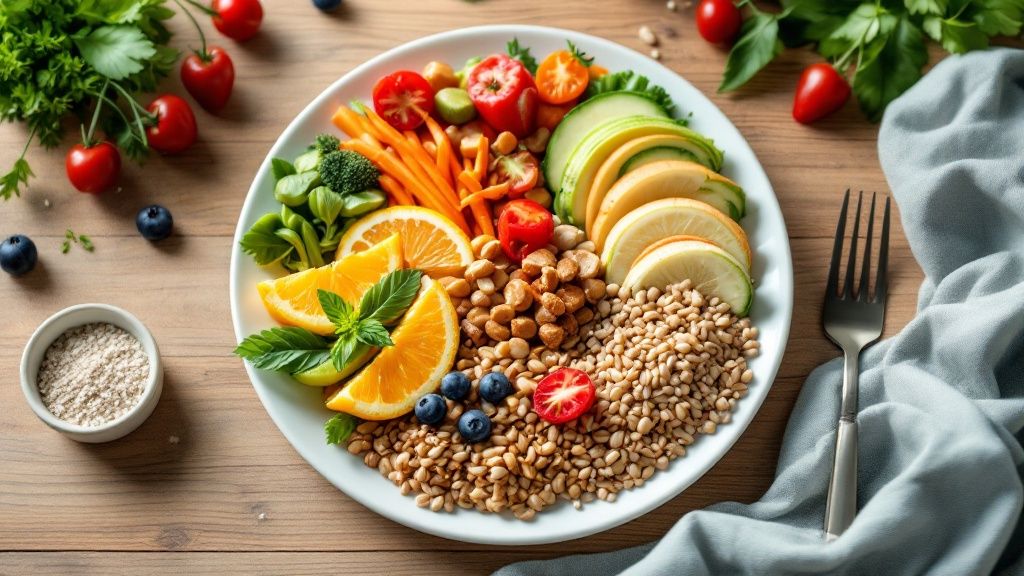
Imagine your immune system as a well-organized army. A large part of this army—around 80%, to be precise—is stationed directly in your intestinal lining. This is where it is decided whether pathogens are warded off or nutrients are absorbed efficiently. The trillions of microorganisms in your gut, in other words your gut microbiome, train these defense cells and support them every day.
The connection between your gut and autumn fatigue
In autumn, our eating habits often change. Warming, frequently heavier dishes replace light summer fare. At the same time, the selection of fresh, seasonal fruit and vegetables becomes smaller. This change can throw the delicate balance of your gut bacteria off kilter.
When the “bad” bacteria gain the upper hand, this can lead to what is known as dysbiosis. You often feel the effects directly:
- Impaired nutrient absorption: Your gut can no longer absorb essential vitamins and minerals optimally—nutrients you urgently need for energy and strong defenses.
- Weakened gut barrier: An unstable gut microbiome makes your intestinal lining more permeable. This can promote inflammation and place additional strain on your immune system.
- Loss of energy: Your body has to expend a great deal of energy to compensate for the imbalance and keep inflammation in check. The result is this leaden fatigue.
A healthy gut is your personal “autumn booster.” It helps you stay energetic and resilient as the cold season begins.
Find out what your gut is missing
Before you blindly change your diet, however, you should know where you need to start. How balanced is your gut flora? Are nutrient absorption, your immune system, and energy supply functioning optimally? Especially in autumn, when fatigue, infections, and low energy occur more frequently, a healthy gut is your most important ally.
A gut test from mybody-x.com gives you exactly this insight. It analyzes the composition of your gut flora and shows you in black and white where potential weaknesses lie—and whether the balance is right for a vibrant autumn. With this knowledge, you can adjust your diet specifically and give your body exactly what it needs. Instead of guessing, you act based on facts—for an energetic and healthy start to the cold season.
If you would like to delve deeper into the topic, you will find lots of other valuable information in our article on strengthening the immune system.
Your microbiome: Understand your inner ecosystem
To improve your gut health through your diet in a targeted way, we first need to clarify what is actually going on in your gut. You have surely heard of the “microbiome”, but what does it really mean? Don’t think of your gut simply as a digestive organ. Instead, see it as a living, vibrant garden inside you—a vast, colorful ecosystem.
Trillions of microorganisms live in this inner garden, primarily bacteria. These are your tiny housemates, which together form the gut flora. But beware: not all inhabitants are the same. There are helpful allies and potentially harmful troublemakers.
Good gardeners against overgrown weeds
A healthy ecosystem is all about balance. The “good” gut bacteria are like diligent gardeners. They tend and nurture your gut and perform vital tasks for you.
Everything the “good” bacteria can do:
- Digestive aid: They break down food components that your body cannot process on its own, such as certain types of fiber.
- Nutrient production: They produce important vitamins, including vitamin K and several B vitamins—essential for your energy and blood.
- Protective shield: They strengthen the intestinal barrier and make sure no harmful substances enter your bloodstream.
- Immune training: They keep your immune cells on their toes and prepare them for emergencies.
On the other side are the “bad” bacteria. In small amounts, they are usually harmless. But when they take over, they behave like rampant weeds. They displace the beneficial helpers, upset the balance, and can produce gases, toxins, and inflammation-promoting substances.
What happens when your ecosystem gets out of balance
Experts call this imbalance dysbiosis. The effects can go far beyond typical digestive complaints such as bloating or constipation. Your gut is in constant communication with your brain via the so-called gut-brain axis. That is why dysbiosis can also drag down your mood, concentration, and overall energy levels.
Imagine dysbiosis in the gut as a permanent source of interference for your body. It affects not only digestion but can also lead to fatigue, skin problems, and increased susceptibility to infections.
Unfortunately, digestive problems are extremely common. In Germany, three out of five people—around 60 percent—report experiencing such symptoms. The evidence is clear: Making conscious changes to your diet can make a decisive difference in getting these problems under control. To truly understand the connections, it helps to know how digestion works in detail.
Your diet: Food for your gut flora
The good news is that you are not helplessly at their mercy. Your diet is the most powerful tool you have to actively shape the composition of your inner garden. Every meal is a decision about whom you feed—the diligent gardeners or the rampant weeds.
A diet rich in fiber from vegetables, fruit, and whole grains provides the perfect food for your beneficial bacteria. This allows them to multiply and perform their protective functions optimally. Sugar and highly processed foods, on the other hand, primarily nourish harmful bacteria and throw your ecosystem out of balance.
So caring for your inner ecosystem is not a short-lived trend, but the absolute foundation for your long-term health and vitality. In our in-depth article, we show you how to specifically build a healthy gut flora.
What your gut really loves: The cornerstones of a healthy diet
So, now you know what your microbiome is and why these little residents are so incredibly important to you. Now let's see how you can really keep them happy in everyday life. As so often, the answer lies right on your plate. A gut-friendly diet is essentially built on three strong pillars that bring your inner ecosystem into bloom.
Imagine the whole thing as a little gardening project in your belly:
- Prebiotics: They're practically super-fertilizer for your good gut bacteria. The more they get, the better they grow and thrive.
- Fiber: They are the diligent gardeners. They keep everything moving, loosen the soil, and maintain order in the garden bed.
- Probiotics: These are the new, beneficial plants that you deliberately plant to increase the diversity in your garden.
This graphic nicely summarizes the most important nutrient sources for your daily gut care.
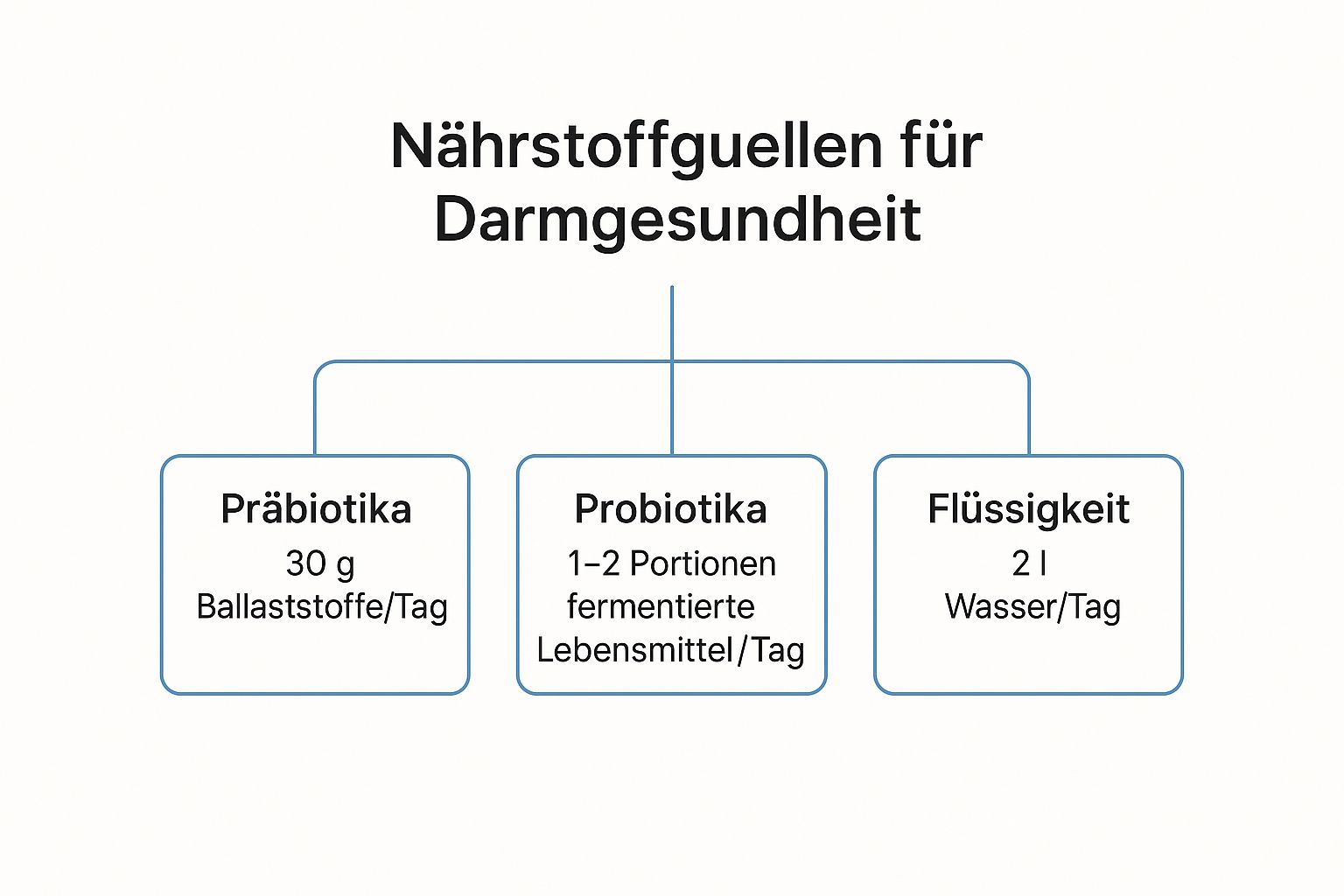
It's immediately clear: A mix of prebiotics (which are found in fiber), probiotics, and enough water is the absolute foundation for a microbiome that feels good.
Food for your gut flora: Prebiotics and fiber
Prebiotics are special, indigestible plant fibers. They manage to travel unharmed through the stomach and small intestine, then serve as a feast for your good bacteria in the large intestine. When you feed these microbes well, they thank you by producing valuable substances such as short-chain fatty acids—above all, the famous butyrate.
Butyrate is a true all-rounder for your gut: It provides your intestinal cells with energy directly, strengthens the protective gut barrier, and also has an anti-inflammatory effect. So, a fiber-rich diet is the most direct way to keep your gut happy.
Experts recommend at least 30 grams of fiber per day. That may sound like a lot at first, but with the right foods in your meal plan, it's easier to achieve than you think.
Here you'll find the best prebiotic and fiber-rich foods:
- Vegetables: Chicory, artichokes, leeks, onions, garlic, asparagus, and parsnips are true champions.
- Legumes: Lentils, chickpeas, black beans, and kidney beans are powerhouses full of fiber.
- Whole grains: Oatmeal, real whole-grain bread, quinoa, and barley should regularly be on your plate.
- Fruit: Apples, berries, and bananas (especially when they still have a slight green tinge) are perfect.
- Nuts and seeds: Flaxseeds, chia seeds, and almonds are ideal as a topping or snack.
Although awareness of healthy eating is increasing, the 15th DGE Nutrition Report paints a mixed picture. Although we eat more vegetables, average fiber intake in Germany still falls short of recommendations. At the same time, consumption of dairy products such as yogurt, which can promote bacterial growth, has even declined.
Reinforcements for your team: Probiotics
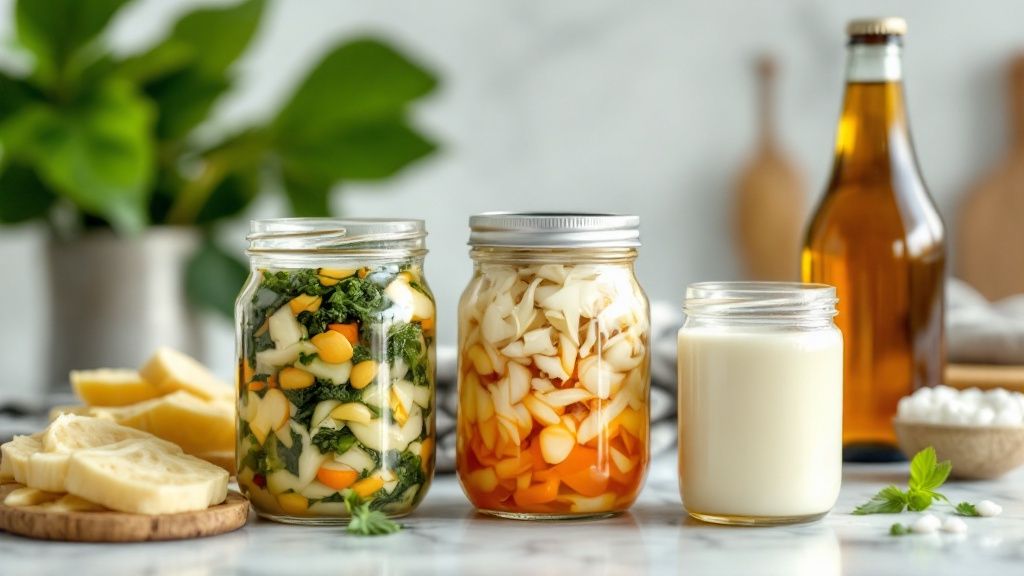
While prebiotics feed the bacteria you already have, probiotics bring fresh energy to your gut. They provide live, beneficial microorganisms that can settle there and strengthen your team. You’ll find these good bacteria primarily in fermented foods.
Fermentation not only preserves foods; it also enriches them with valuable probiotic cultures such as lactobacilli and bifidobacteria. These are exactly the guys that increase the diversity of your gut microbiome.
Try to incorporate fermented products into your daily routine regularly. Even small amounts can make a real difference.
Top sources of probiotics:
- Plain yogurt & kefir: Be sure to choose varieties without added sugar, otherwise you’ll quickly undo the positive effect.
- Sauerkraut: It’s best to choose fresh, unpasteurized sauerkraut from the refrigerated section. Heat kills the live cultures.
- Kimchi: The spicy, fermented Chinese cabbage from Korea is a true bacteria powerhouse.
- Kombucha: This fermented tea drink is a great alternative to sugary soft drinks.
The following table gives you a quick overview of which food groups you should keep in mind for a healthy gut.
An overview of foods for a healthy gut
This table shows the most important gut-friendly food groups, their function for the gut, and specific examples that you can easily incorporate into your meal plan.
| Nutrient group | Function for the gut | Examples of foods |
|---|---|---|
| Prebiotics | Serve as “food” for beneficial gut bacteria and promote their growth. | Leeks, onions, garlic, artichokes, asparagus, chicory, bananas |
| Fiber | Aid digestion, provide a long-lasting feeling of fullness, and support the microbiome. | Whole-grain products, oats, legumes, flaxseeds, nuts, vegetables |
| Probiotics | Provide live, beneficial bacterial cultures and increase the diversity of the gut microbiome. | Plain yogurt, kefir, unpasteurized sauerkraut, kimchi, kombucha |
| Polyphenols | Plant compounds that act as antioxidants and also feed beneficial bacteria. | Berries, green tea, dark chocolate, olive oil, nuts |
| Water | Essential for digestion and for allowing fiber to swell properly. | Water, unsweetened herbal teas |
With a colorful mix from these groups, you lay the perfect foundation for a strong and balanced microbiome.
The opponents: stay away from sugar and highly processed foods
Just as important as what you eat is what you leave out. Highly processed products, fast food, and added sugar are the “bad” bacteria’s favorite foods in your gut. If you feed them, they can multiply rapidly, promote inflammation, and completely disrupt the delicate balance of your microbiome.
Simply try gradually reducing these foods. Instead of reaching for a chocolate bar, choose a handful of nuts or an apple. Instead of white-flour pasta, choose the whole-grain version. Your gut will thank you—with greater well-being, fewer complaints, and a real energy boost.
Seasonal autumn foods for your gut
Autumn is so much more than falling leaves and cozy evenings—it is a true treasure trove for your gut health. Nature now gifts us an abundance of colorful, nutrient-rich foods that are perfectly suited to strengthening your gut flora and preparing you for the cold season. The right gut health nutrition now becomes pure enjoyment.

When you deliberately choose seasonal foods, you provide your microbiome with exactly the nutrients it needs right now. We present the top 5 seasonal “autumn boosters” and show you how easy it is to turn them into delicious dishes.
Pumpkin: the all-rounder
If one vegetable represents autumn, it is pumpkin. Whether Hokkaido, butternut, or nutmeg pumpkin, they are all fantastic sources of fiber. Hokkaido pumpkin stands out in particular because you can simply eat its skin, which contains especially many valuable fibers.
These fibers serve as food for your beneficial gut bacteria (prebiotics), thereby promoting healthy digestion and a strong immune system. Pumpkin is also rich in beta-carotene, a precursor of vitamin A that keeps the intestinal mucous membranes healthy.
Simple recipe idea: A creamy pumpkin soup with a hint of ginger and turmeric warms you from the inside and also has anti-inflammatory properties. Or cut pumpkin wedges, drizzle them with olive oil and herbs, and roast them in the oven—a perfect side dish or healthy snack.
Beetroot: the deep-red shield
The intense color of beetroot gives it away: it is packed with valuable plant compounds called betalains. These have antioxidant properties and may help reduce inflammation in the body and, consequently, in the gut.
At the same time, it is an excellent source of fiber, which supports regular digestion and increases stool volume. This helps keep your gut clean and active.
Simple recipe idea: Try a refreshing beetroot salad with apples and walnuts. Cut cooked beetroot into cubes, mix with apple pieces, chopped walnuts, and a light yogurt dressing—and you have an uncomplicated, gut-friendly meal.
A gut-healthy diet does not have to be complicated. Often, it is the simple, seasonal foods that provide your body with the greatest benefits and sustainably strengthen your microbiome.
Apples and pears: local fiber heroes
“An apple a day keeps the doctor away” – there really is some truth to this saying, especially when it comes to your gut. Apples and pears are rich in the soluble fiber pectin. It binds water in the intestines, softens the stool, and serves as a valuable food source for your beneficial gut bacteria.
It is best to eat the fruit with the peel, as most of the fiber and vitamins are located directly beneath it. When buying, look for organic quality to avoid pesticide residues.
Simple recipe idea: Warm porridge in the morning with a freshly grated apple, cinnamon, and a handful of nuts is the perfect start to a cold autumn day. Or how about baked apple rings as a healthy dessert?
Cabbage varieties: underrated powerhouses
Kale, savoy cabbage, and Brussels sprouts are in peak season in autumn. They are among the most nutrient-dense vegetables of all and are true champions for gut-healthy nutrition.
They contain not only huge amounts of fiber but also so-called glucosinolates. These secondary plant compounds are converted by your gut bacteria into anti-inflammatory and protective compounds.
Simple recipe idea: Fermented red cabbage is a probiotic and prebiotic powerhouse. Simply slice the red cabbage thinly, massage it thoroughly with salt until liquid is released, and press it firmly into a jar. After a few days at room temperature, you will have a delicious and exceptionally healthy side dish.
As the sun shines less often in autumn, it is also important to pay attention to your vitamin D intake. Learn more in our article about vitamin D in foods and how you can prevent a deficiency.
Parsnips: the sweet power of roots
For a long time, it had almost been forgotten, but the parsnip is rightly making a comeback. This root vegetable has a pleasantly sweet, nutty flavor and is an excellent source of the prebiotic fiber inulin.
Inulin is your bifidobacteria's absolute favorite food—one of the most important groups of beneficial microbes in your gut. If you feed them well, they thrive and support your digestion and immune system.
Simple recipe idea: Creamy parsnip purée is a great alternative to mashed potatoes. Simply cook the parsnips, blend them with a little butter or olive oil and a splash of (plant-based) milk, then season with nutmeg—delicious and gut-friendly at the same time.
Preventing intestinal diseases through diet
A mindful, healthy diet is about much more than just your daily well-being. It is one of the most effective strategies you can take into your own hands to actively prevent serious intestinal diseases. What you eat has a major impact on the health of your gut and influences your long-term risk of disease.
This isn't about stoking fear, but about awareness and taking control. With every meal, you have the power to make a positive decision for your health. An unbalanced diet can become a real problem for your gut.
Chronic inflammation: the silent enemy in the gut
A diet rich in red meat, processed meat, sugar, and saturated fats can fuel chronic, low-grade inflammation in the gut. Imagine it as a quiet but constantly smoldering fire in your intestinal lining. This ongoing irritation weakens the intestinal barrier and can promote the development of disease.
You often don't feel this type of inflammation immediately, but it works beneath the surface and continuously strains your system. In the long term, this can lead to changes in intestinal tissue and increase the risk of conditions such as irritable bowel syndrome, inflammatory bowel disease, and even colorectal cancer. A weakened intestinal wall can also lead to problems such as leaky gut syndrome, in which unwanted substances enter the bloodstream.
Your diet as a protective shield
Fortunately, the converse is also true: A protective, anti-inflammatory diet is your strongest shield. The good news is that you already know the most important building blocks for it.
A plant-focused diet rich in fiber is the key to success here. Fiber from whole grains, vegetables, legumes, and fruit is the star of preventive gut health nutrition.
- They feed your beneficial bacteria: These bacteria produce anti-inflammatory substances such as butyrate, which nourishes and protects your intestinal cells.
- They promote bowel movement: Regular digestion ensures that potentially harmful substances are eliminated quickly and do not remain in contact with the intestinal lining for too long.
- They provide antioxidants: Colorful plant compounds (polyphenols) combat free radicals and reduce oxidative stress, which also contributes to inflammation.
Think of your diet as a daily investment in your long-term health. Every fiber-rich meal is like a deposit into your health account and helps keep your gut strong and resilient.
The figures speak clearly: According to expert estimates, around 70 percent of the risk factors for colorectal cancer in Germany are diet-related. A high consumption of processed meat combined with a high-calorie diet significantly increases the risk, while a fiber-rich diet has been shown to protect the gut.
Practical steps for prevention
It is not about being perfect overnight. Small but consistent changes make the biggest difference.
- Reduce red and processed meat: Treat sausages, salami, and highly processed meat products as rare exceptions, not daily staples.
- Choose plant-based proteins: Incorporate lentils, beans, chickpeas, or tofu into your diet more often.
- Make vegetables the main attraction: Fill half your plate with colorful vegetables or salad at every meal.
- Choose whole grains: Consistently replace white bread, white pasta, and white rice with whole-grain alternatives.
- Reduce sugar and processed foods: Cook fresh meals as often as possible and avoid highly processed foods with long ingredient lists.
By incorporating these principles into your daily routine, you not only strengthen your microbiome but also actively build a protective barrier against serious diseases. Your health is in your hands—and on your plate.
Frequently asked questions about gut health
Finally, we want to answer a few more questions that we are repeatedly asked about gut health and nutrition. This will help you start your journey toward better gut well-being with greater clarity and confidence.
How quickly will I notice a change from changing my diet?
How quickly your gut responds to a new way of eating is entirely individual. Some people notice positive effects after just a few days, such as more regular digestion or a disappearance of bloating. For others, it may take a few weeks for the gut flora to adapt and find a new balance.
Give your body the time it needs. The most important thing is to remain patient and consistent. Remember: You do not build a healthy microbiome overnight—it is a marathon, not a sprint.
Do I have to completely give up sugar and meat?
No, it is not about radical deprivation, but about finding a healthy balance. It is best to significantly reduce your consumption of added sugar and highly processed meat products. Think of them as an occasional conscious indulgence rather than a daily part of your diet.
The focus should be on filling your diet with a colorful variety of plant-based and fiber-rich foods. The 80/20 rule is a great guideline here: You eat in a gut-friendly way 80% of the time and treat yourself to whatever you like for the remaining 20%.
The small, consistent decisions you make every day have a much greater impact on your gut health than the occasional exception to the rule.
Are dietary supplements such as probiotics useful?
Probiotics can be absolutely helpful in certain situations—for example, after antibiotic treatment, during extreme stress, or when dysbiosis, meaning an imbalance in the gut flora, has been confirmed. However, they should never replace a healthy, varied diet, but only complement it in a targeted way.
A gut test can show you exactly whether targeted use of probiotics makes sense for you at all and which bacterial strains your gut flora really needs.
If you want to delve deeper into the subject and understand the scientific foundations, you can learn how to find scientific articles like a pro. This knowledge helps you critically question studies and recommendations and put them into better context.
Are you ready to take control of your well-being and finally find out what your gut really needs? With the gut microbiome test from mybody-x.com, you get a detailed analysis of your gut flora and tailored recommendations to specifically optimize your health. Start your journey toward more energy and vitality now!



Share now:
Test for gluten intolerance – Your guide to symptoms, procedures, and self-tests
Promote gut health for greater well-being