
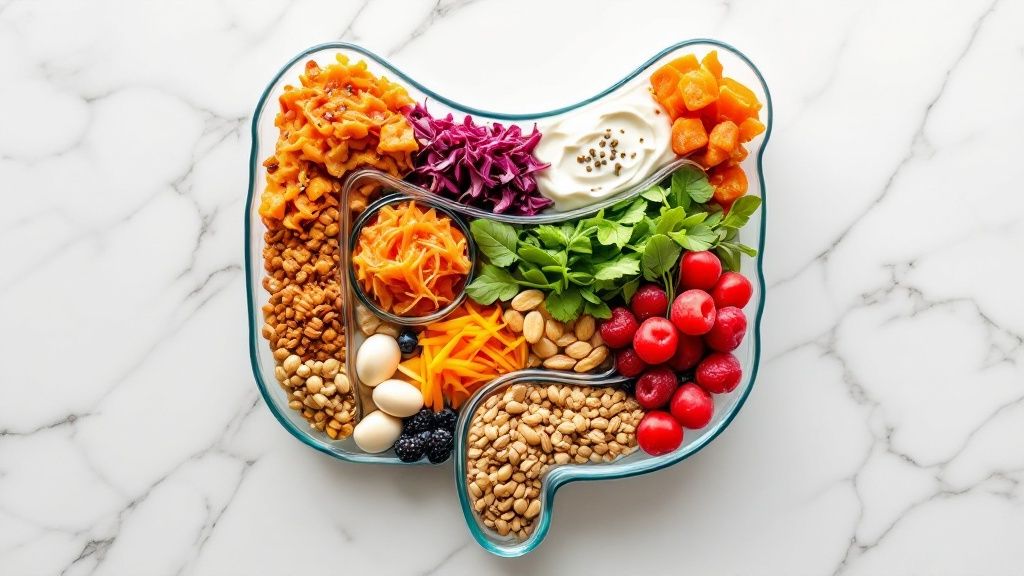
Build up your gut flora: Your nutrition guide for a healthy gut feeling
Do you often feel tired, bloated, or out of sorts? Your gut feeling might be right. A healthy gut flora is the foundation for your well-being, energy, and even your mood. However, the modern lifestyle with its stress and processed foods often puts a strain on our delicate gut ecosystem, which can disrupt the balance of beneficial bacteria. The good news is: you have the power to actively counteract this. A targeted diet to build up your gut flora is the most powerful tool for restoring and sustainably maintaining your microbial balance.
In this guide, we'll show you seven scientifically sound and immediately applicable strategies to nourish your beneficial gut bacteria, eliminate harmful ones, and thus create the foundation for long-term health. You'll receive specific food lists, practical everyday tips, and learn how small but effective adjustments to your habits can make a big difference. We translate the complex science of gut health into clear, understandable steps that you can integrate directly into your daily routine. Let's begin the journey to a more vital and balanced you together. Your gut will thank you.
1. Consume fermented foods daily
The simplest and most natural way to enrich your gut flora with beneficial bacteria is to consume fermented foods daily. During fermentation, microorganisms like bacteria and yeasts convert sugar into lactic acid. This process not only preserves the food but also creates a wealth of live, probiotic cultures that can directly enter your gut and colonize it.
These live cultures are essential for a diverse and resilient gut flora. They help to suppress harmful bacteria, support digestion, and strengthen the immune system. Many experts emphasize that such a diet is often more effective for building gut flora than isolated supplements, as fermented products provide a complex mixture of different bacterial strains in a natural nutrient matrix.
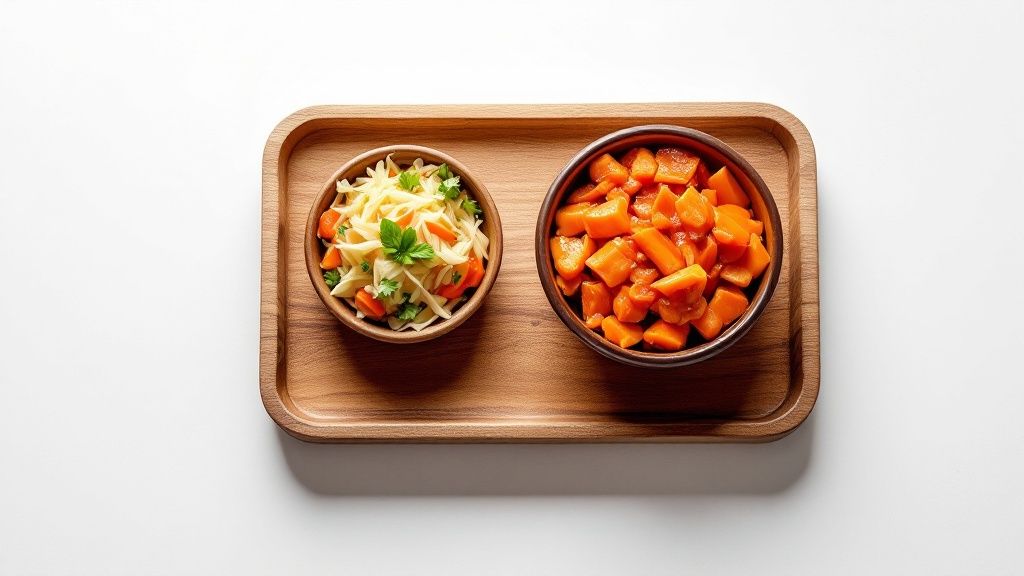
Practical implementation in everyday life
Integrating fermented foods into your diet doesn't have to be complicated. The goal is to include them regularly in small portions, rather than eating large amounts infrequently.
- For breakfast: Start the day with natural yogurt or kefir mixed with fruit and nuts.
- As a side dish: A small portion of raw sauerkraut or kimchi goes perfectly with hearty lunch and dinner dishes.
- As a drink: Replace sugary sodas with kombucha or water kefir.
- As a starter: A warming miso soup before the main course provides valuable enzymes and probiotics.
What you should pay attention to
To get the maximum benefit, there are a few important points to consider. Not every fermented product from the supermarket is created equal.
Expert tip: When buying sauerkraut, kimchi, or yogurt, look for the label "unpasteurized" or "live cultures." Pasteurization (heating) kills the valuable probiotic bacteria and renders the product ineffective for building up gut flora.
Start with small amounts, for example, one tablespoon per day, and increase gradually. This gives your digestive system time to adjust to the new microorganisms. A diverse selection is also crucial: Each fermented treat provides different strains of bacteria that contribute to a rich and robust gut flora. You can learn more about the basics of a healthy gut flora here at mybody-x.com to better understand the connections.
2. Use fiber-rich prebiotics in a targeted manner
While probiotics introduce new, beneficial bacteria into the gut, prebiotics ensure that the already existing good microbes multiply optimally and thrive. Prebiotics are special, indigestible dietary fibers that serve as food for health-promoting bacteria strains such as bifidobacteria and lactobacilli. They pass undigested into the large intestine, where they specifically stimulate the growth of these beneficial gut inhabitants.
This selective feeding is a crucial component of a sustainable diet for building a healthy gut flora . By providing your "good" bacteria with their favorite food, you strengthen their population and help them suppress harmful germs. A diet rich in prebiotics also promotes the production of short-chain fatty acids like butyrate. These substances serve as an energy source for the cells of the intestinal lining, have anti-inflammatory effects, and strengthen the intestinal barrier.
Practical implementation in everyday life
Prebiotics are easy to integrate into your daily diet, as they are found in many plant-based foods. A diverse selection is key.
- For breakfast: Enrich your muesli or yogurt with a spoonful of ground flaxseed or chia seeds.
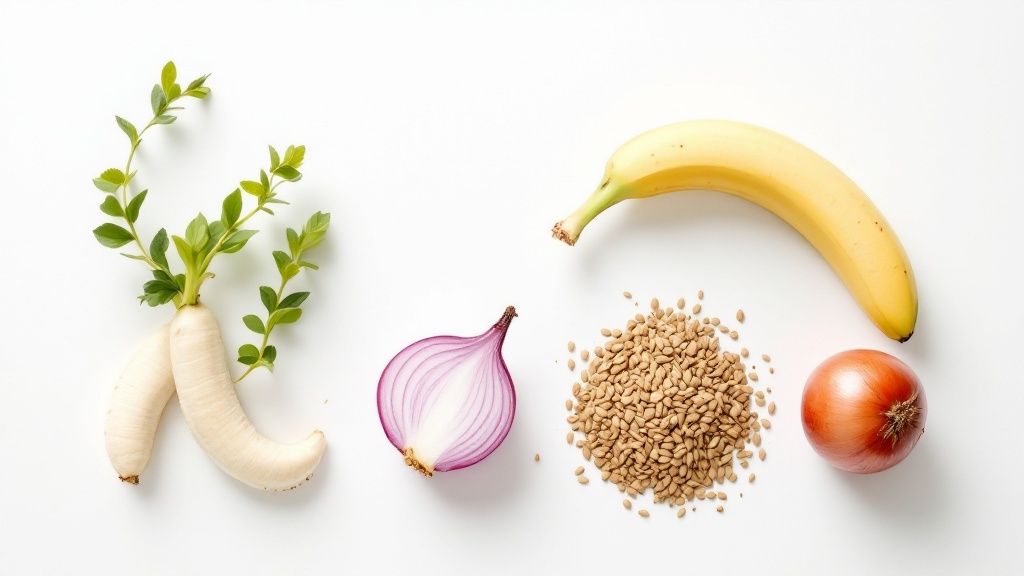
- As a vegetable side dish: Use Jerusalem artichokes, chicory, asparagus or black salsify as a side dish to your main meals.
- As a seasoning base: Onions, leeks and garlic are excellent prebiotic bases for almost any savory dish.
- As a snack: A slightly green banana provides valuable resistant starch, a special form of prebiotic.
What you should pay attention to
When you increase your fiber intake, it is important to give your body time to adjust in order to avoid bloating or discomfort.
Expert tip: Gradually increase the amount of fiber-rich foods over a period of two to three weeks. Give your gut a chance to adjust to the new food source for your microbes. Adequate fluid intake of at least two liters of water per day is essential so that the fiber can swell and exert its beneficial effects.
Always combine different prebiotic sources to feed a broad spectrum of beneficial bacteria. Each type of fiber has a slightly different effect and promotes different strains. If you experience severe discomfort, temporarily reduce the amount and increase it more slowly. This way, you support your gut flora effectively and sustainably without overloading your digestive system.
3. Consistently avoid foods that are harmful to the gut.
While you're specifically introducing beneficial bacteria, it's equally important to eliminate the food sources for undesirable microbes. Certain foods can disrupt the balance of your gut flora, promote inflammation, and weaken the crucial intestinal barrier. Therefore, a consistent diet aimed at building up your gut flora also means actively reducing harmful influences.
Highly processed foods, excessive sugar consumption, and artificial additives can negatively impact the microbiome. They nourish pro-inflammatory bacteria, displace beneficial strains, and can thus contribute to digestive issues and other health problems in the long run. Consciously avoiding these foods is therefore a fundamental way to create a healthy gut environment.
Practical implementation in everyday life
The best way to avoid foods that are harmful to your gut is through conscious choices and a gradual change. It's not about perfection, but about consistently improving your habits.
- Reduce sugar: Replace highly sweetened snacks and sweets with fruit, nuts or dark chocolate with a high cocoa content.
- Avoid processed foods: Cook fresh as often as possible. Meal prep helps you maintain control over your ingredients, even on stressful days.
- Choose your drinks wisely: Avoid diet drinks with artificial sweeteners like aspartame or sucralose. Opt for water, unsweetened tea, or kombucha instead.
- Prefer whole grains: Consistently replace white flour products such as toast or white pasta with their whole grain versions to get more fiber.
What you should pay attention to
The key lies in becoming aware of the "hidden" harmful ingredients in many industrially produced foods. A critical look at the packaging is essential.
Expert tip: Learn to read and understand ingredient lists. Pay particular attention to artificial sweeteners, hydrogenated fats, a high proportion of added sugar (often disguised under names like glucose-fructose syrup), and a long list of emulsifiers and preservatives.
A gradual approach is often more sustainable than radical abstinence. Start by identifying one or two harmful foods and replacing them with healthier alternatives. This way, you won't overwhelm yourself and will build positive routines in the long run. This approach is especially important for targeted dietary changes, such as those found in the Leaky Gut Nutrition Therapy program on mybody-x.com , which focuses on avoiding irritants.
4. Prioritize polyphenol-rich foods
In addition to probiotics and prebiotics, polyphenols also play a crucial role in a healthy gut flora. These secondary plant compounds, responsible for the color, taste, and aroma of many plants, have strong antioxidant and anti-inflammatory effects in the body. For your gut microbes, they are a kind of superfood: they promote the growth of beneficial bacteria while simultaneously inhibiting the growth of harmful bacteria.
These compounds act as prebiotics, strengthening the intestinal barrier and making them an essential component of a diet for building a healthy gut flora . Studies have shown that a polyphenol-rich diet can significantly increase microbial diversity. Your gut bacteria metabolize these polyphenols into beneficial metabolites, which in turn have positive effects on your overall health.

Practical implementation in everyday life
A polyphenol-rich diet is easy to implement by consciously integrating colorful, plant-based foods into your meal plan. Variety is key.
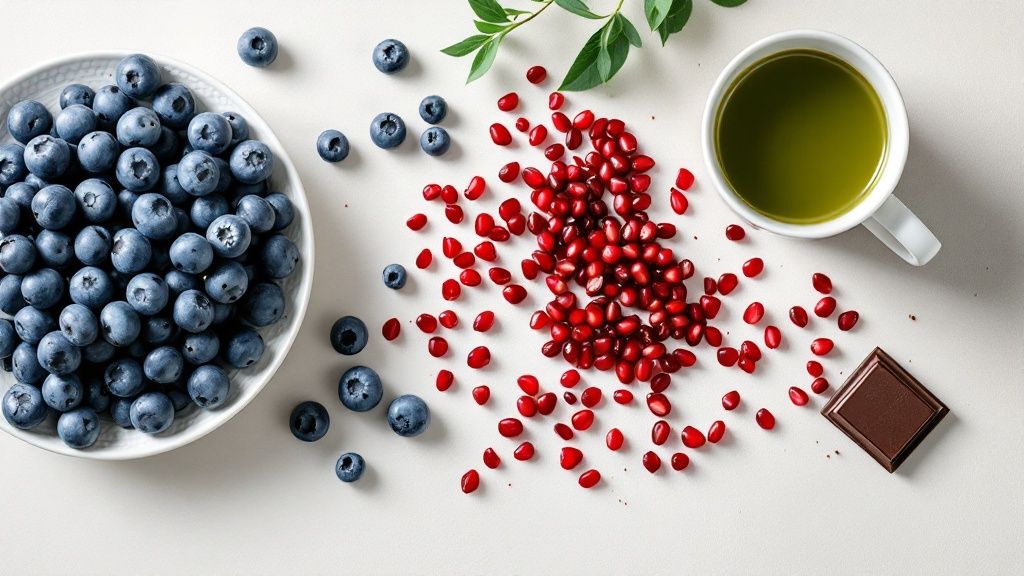
- Colorful berries and fruits: Integrate a handful of blueberries, raspberries or pomegranate seeds into your muesli or yogurt every day.
- Vegetables and herbs: Use red onions, kale or broccoli as a base for your meals and season generously with fresh herbs such as parsley, thyme or oregano.
- Healthy fats and drinks: Use high-quality extra virgin olive oil for salads and cold dishes. Replace sugary drinks with green tea or a cup of coffee.
- Small indulgences: A piece of dark chocolate with at least 70% cocoa content is a delicious and polyphenol-rich snack.
What you should pay attention to
To achieve the maximum effect of polyphenols, not only the selection but also the preparation and quality of the food is crucial.
Expert tip: Eat fruits and vegetables with their peels whenever possible, as this is where the concentration of polyphenols is often highest. Ideally, choose organic produce to minimize pesticide exposure.
Furthermore, favor gentle cooking methods like steaming or braising over high heat like frying or boiling, as high temperatures can destroy valuable plant compounds. A diet rich in raw or only lightly processed fruits, vegetables, nuts, and seeds ensures that you and your gut microbiome receive the full range of these health-promoting compounds.
5. Intermittent fasting for intestinal regeneration
Besides targeted nutrient intake, consciously abstaining from food is also an effective tool for your gut health. Intermittent fasting gives your entire digestive system regular rest periods. During these phases without food intake, the intestinal lining can recover and regenerate, which is crucial for a stable intestinal barrier.
These fasting periods activate cellular self-cleaning processes (autophagy), which repair and renew damaged cells. Studies show that these breaks can positively influence the diversity and resilience of the gut microbiota. Such a diet, designed to build up the gut microbiota through conscious fasting periods, can help reduce inflammation and improve the balance of microorganisms.
Practical implementation in everyday life
Intermittent fasting can be flexibly adapted to your lifestyle. It's not about starving yourself, but about strategically planning your meal times.
- 16:8 method: This is the most popular variant. You fast for 16 hours (including sleep) and consume all meals within an 8-hour window, for example between 12 pm and 8 pm.
- 5:2 diet: On five days of the week you eat normally, while on two non-consecutive days you drastically reduce your calorie intake (approx. 500-600 kcal).
- 24-hour fasting: Once a week you fast for a whole day, for example from dinner to dinner.
What you should pay attention to
A gentle start and the correct breaking of the fast are crucial for success and your well-being. Your body needs time to adjust to the new eating rhythms.
Expert tip: Start with shorter fasting periods of 12 to 14 hours and gradually increase them. During the fast, make sure to drink enough water, unsweetened tea, or black coffee to stay hydrated.
The first meal after a fast should be nutrient-rich and easily digestible to avoid overloading the digestive system. A combination of proteins, healthy fats, and complex carbohydrates is ideal. If you have any pre-existing health conditions, be sure to consult your doctor before starting a fast. Learn more about the basics and different methods of intermittent fasting and how you can use it to optimally support your gut health.
6. Omega-3 fatty acids for intestinal inflammation reduction
In addition to fiber and probiotics, high-quality fats also play a crucial role in a healthy gut environment. Omega-3 fatty acids, especially eicosapentaenoic acid (EPA) and docosahexaenoic acid (DHA), are known for their strong anti-inflammatory properties. They help regulate chronic, low-grade inflammation in the gut, which is often associated with an imbalance in the gut flora (dysbiosis) and a weakened intestinal barrier.
These healthy fats also actively promote a diverse gut microbiota. Studies show that omega-3 fatty acids can increase the production of anti-inflammatory short-chain fatty acids like butyrate by gut bacteria. At the same time, they support the growth of beneficial bacterial strains such as Bifidobacterium and Lactobacillus . A targeted diet to build up gut flora should therefore always include anti-inflammatory fats.
Practical implementation in everyday life
Integrating omega-3-rich foods into your diet is straightforward and can be done in many different ways. Regularity is key to ensuring a consistent supply.
- Fatty sea fish: Plan to include a meal with fatty cold-water fish such as wild salmon, mackerel, herring or sardines two to three times a week.
- Plant-based sources: Incorporate walnuts into your muesli daily, sprinkle ground flaxseeds over your yogurt, or add chia and hemp seeds to smoothies.
- High-quality oils: Use flaxseed oil or walnut oil for cold dishes like salads to increase your omega-3 intake.
- Targeted supplementation: For those with low fish consumption or for vegans and vegetarians, a high-quality algae oil supplement can be a useful addition to meet the need for EPA and DHA.
What you should pay attention to
To fully utilize the benefits of Omega-3 fatty acids while ensuring high quality, several points must be considered.
Expert tip: Pay attention to the ratio of omega-6 to omega-3 fatty acids in your diet. An ideal ratio is around 4:1. Since the Western diet often contains too many omega-6 sources (e.g., sunflower oil, processed foods), consciously increasing your omega-3 intake is particularly important.
When buying fish, look for sustainably caught fish and low levels of pollutants. For plant-based sources like flaxseed, it's advisable to grind it fresh, as the valuable fats oxidize quickly. Dietary supplements such as fish or algae oil should always be stored in a cool, dark place to maintain their quality and prevent them from becoming rancid.
7. Stress management and sleep optimization
A healthy diet is fundamental for building up a healthy gut flora , but its effectiveness can be significantly impaired by stress and lack of sleep. Your digestive system and brain are directly connected via the so-called gut-brain axis. Chronic stress leads to the release of stress hormones like cortisol, which can disrupt the balance of your gut bacteria, increase intestinal permeability, and promote inflammatory processes.
The same applies to sleep. While you sleep, not only your brain regenerates, but also your gut. Lack of sleep disrupts this process and can reduce the diversity of microorganisms. A balanced mind and restful sleep are essential building blocks for a resilient microbiome. A good balance in these areas therefore directly supports the colonization of beneficial bacteria.
Practical implementation in everyday life
Integrating relaxation and sleep hygiene into your daily routine is just as important as choosing the right foods. Think of it as targeted care for your gut-brain axis.
- Relaxation techniques: Integrate 10-15 minutes of meditation, breathing exercises, or mindfulness practice into your daily routine.
- Exercise: Gentle forms of exercise such as yoga, tai chi or walks in nature effectively reduce stress hormones.
- Regular sleep times: Go to bed and get up at the same time every day, even on weekends, to stabilize your circadian rhythm.
- Social contacts: Maintaining relationships with friends and family. Positive social interactions are a strong buffer against stress.
What you should pay attention to
To maximize the positive effects on your gut flora, consistency is crucial. Small but regular habits are more effective than infrequent, major efforts.
Expert tip: Create an optimal sleep environment. Your bedroom should be cool, dark, and completely quiet. Banish electronic devices like smartphones and tablets at least an hour before bedtime, as the blue light inhibits the production of the sleep hormone melatonin.
If you notice that stress or sleep problems are becoming chronic and affecting your quality of life, don't hesitate to seek professional help. Understanding the connections between genes, sleep, and even caffeine on mybody-x.com can give you additional insights into how to optimize your recovery.
7-point comparison to gut flora nutrition
| measure | Implementation complexity 🔄 | Resource requirements ⚡ | Expected results 📊 | Ideal use cases 💡 | Main advantages ⭐ |
|---|---|---|---|---|---|
| Consume fermented foods daily | Medium | Small amount | Improvement of the intestinal flora, increased diversity | Natural probiotic intake, long-term gut health | Cost-effective, versatile, additional nutrients |
| Use fiber-rich prebiotics strategically | Medium to high | Medium | Sustainable strengthening of the intestinal flora | Supplementary nutrition for digestive problems | Promotes beneficial bacterial growth, naturally. |
| Consistently avoid foods that are harmful to the gut | High | Medium to high | Fast gut health and inflammation reduction | Dietary changes for intestinal problems and inflammation | Rapid improvement, anti-inflammatory effect |
| Prioritize polyphenol-rich foods | Medium | Low to medium | Antioxidant protection, promotion of good bacteria | Support of the intestinal barrier and detoxification | Diverse sources, cardiovascular protection |
| Intermittent fasting for intestinal regeneration | High | Small amount | Regeneration, increased bacterial diversity | In addition to nutritional optimization and metabolic improvement | Free, flexible application, cell repair |
| Omega-3 fatty acids for intestinal inflammation reduction | Medium | Medium to high | Anti-inflammatory action, barrier strengthening | Inflammatory bowel conditions, support through supplements | Scientifically proven, fast effect |
| Stress management and sleep optimization | High | Small amount | Improved gut-brain axis, increased diversity | Holistic health approach, prevention of bowel problems | Free, holistic, improves quality of life |
Conclusion: Your gut, your compass for a healthy life
As you've seen, the path to a resilient gut microbiome isn't a short-term sprint, but a sustainable marathon for your health. It's about far more than just eating or avoiding certain foods. Targeted development of your gut microbiome through proper nutrition is a conscious decision for a lifestyle that strengthens your well-being from within. It's a holistic approach that connects nutrition, regeneration, and mental balance.
The seven strategies presented are not isolated tips, but powerful, interconnected tools. They form a comprehensive system with which you can actively shape the composition of your microbiome. From the daily integration of fermented foods and prebiotic fiber, to prioritizing polyphenols and omega-3 fatty acids, to consciously avoiding gut-damaging foods – each individual step contributes to creating an ecosystem in which beneficial bacteria can thrive.
Your next steps to a healthy microbiome
Think of this article as your personal roadmap. You don't have to implement everything perfectly and immediately. The key to success lies in consistency , not perfection.
- Start small: Choose one of the seven points that's easiest for you. Perhaps you could start by adding a spoonful of sauerkraut to your meal every day or replacing your morning coffee with herbal tea.
- Be patient: Your microbiome has developed over years. Give it time to readjust. Positive changes may become noticeable after just a few weeks, but sustainably stabilizing a healthy gut flora is a long-term process.
- Listen to your body: Pay attention to how you feel. More energy, better digestion, and clearer skin are often the first signs that you're on the right track. Your body is the best indicator of your success.
Building up your gut flora through diet is one of the most effective forms of self-care. You're not just investing in your digestion, but also strengthening your immune system, improving your mood, and laying the foundation for long-term health and vitality.
Ultimately, caring for your gut is an investment in your overall quality of life. A balanced microbiome is the invisible engine that powers countless processes in your body. By taking responsibility for your gut health, you take control of your well-being. Make your gut the foundation of an energetic and healthy life.
Are you ready to move from guesswork to knowledge? A microbiome test from MYBODY Lab GmbH offers you a scientifically sound analysis of your gut flora from the comfort of your home and provides you with personalized recommendations to optimize your diet. Discover what your gut truly needs and start your journey to a healthier you at MYBODY Lab GmbH .


Share:
Leaky Gut Tests 2025: The best analyses for your gut health
What is the microbiome? Understand its importance.