

Reducing inflammation in the body: Your practical guide
Getting rid of chronic inflammation in the body is not rocket science. It is about finding the hidden triggers and systematically eliminating them. Often, these are gradual processes that make you tired or cause joint pain—but you can get them under control with a more conscious lifestyle and targeted analyses.
What silent inflammation really means
Sound familiar? You constantly feel exhausted, your joints ache for no apparent reason, or your skin is acting up. Silent inflammation could be behind it. Unlike the visible redness and swelling after an injury, these processes take place quietly and unnoticed in the background.
You can think of it this way: Your immune system is permanently on high alert. This does not happen overnight but develops gradually. It is triggered by a whole range of factors that simply accumulate over time.
The invisible triggers in everyday life
Silent inflammation is usually the result of a lifestyle that constantly challenges your body while giving it hardly any breaks to recover.
Typical suspects include:
- Diet: Highly processed foods, too much sugar, and unhealthy fats are like gasoline fueling the fire of inflammation.
- Stress: Whether at work or in your personal life, ongoing stress releases stress hormones that exhaust your immune system in the long run.
- Lack of sleep: Without enough restful sleep, your body cannot regenerate. This paves the way for inflammation.
- Undetected triggers: Sometimes unnoticed food intolerances or nutrient deficiencies are also what continually irritate your system.
Silent inflammation is like a quiet hum in the background of your body. You may not consciously notice it, but it drains your energy and well-being every day.
Acute infections as accelerants
In addition to these everyday factors, acute infections can also trigger severe inflammatory reactions. A classic example is the flu (influenza), which presents a challenge year after year. While the Robert Koch Institute counts only laboratory-confirmed cases, the number of unreported cases is much higher. Such infections can place enormous strain on the immune system, especially in high-risk groups, and weaken it over the long term. You can find more information about the latest influenza figures on the Health in Germany project website.
It is therefore crucial to detect these processes early, before they cause long-term damage. One important blood marker here is C-reactive protein (CRP). Its level rises sharply when inflammation occurs. If you’d like to explore the topic in greater depth, take a look at our article about the significance of C-reactive protein levels.
A simple blood test, such as the at-home self-tests from mybody-x.com, can quickly give you clarity about where you stand. This puts you in control and lays the foundation for a healthier, more energetic life.
Your diet as an effective inflammation fighter
What ends up on your plate has a direct and often underestimated impact on inflammatory processes in your body. Your diet is therefore one of the most powerful tools for reducing inflammation in the body. This isn’t about strict diets or constant deprivation, but about making your meal plan smart—and above all, enjoyable.
Think of it this way: Some foods are like fire starters for a small, smoldering fire in the body. Others act like a targeted firefighting effort.
The fire starters on your plate
Certain foods can literally fan the flames of inflammation. This often happens gradually, but over time the effect adds up and can harm your well-being. The usual suspects include:
- Sugar and white flour: Soft drinks, sweets, and baked goods made with refined flour send your blood sugar soaring. These spikes put pure stress on your body and fuel inflammatory processes.
- Processed products: Ready-made meals, many types of processed meat, and classic fast food are packed with unhealthy fats, artificial additives, and excessive amounts of omega-6 fatty acids. These disrupt the delicate balance with protective omega-3 fats.
- Unhealthy fats: Trans fats, which are often hidden in fried foods and processed products, are particularly problematic. But consuming too much omega-6-rich oil, such as sunflower or safflower oil, can also promote a tendency toward inflammation.
Here you’ll find the key facts about silent inflammation at a glance—from its causes and typical signals to ways of detecting it.

The graphic makes it clear: The first and most important step is to identify your personal triggers so you can take targeted action.
Pro-inflammatory vs. anti-inflammatory foods
To make getting started easier, we’ve created a simple comparison. It shows you which foods you should avoid and which you should incorporate into your meal plan more often.
| Pro-inflammatory 👎 | Anti-inflammatory 👍 |
|---|---|
| Sugar, syrup, sweets | Berries, leafy greens, avocados |
| White flour products (bread, pasta) | Fatty fish (salmon, herring, mackerel) |
| Processed meat (sausage) | Nuts (especially walnuts), seeds |
| Fried foods, fast food | Olive oil, flaxseed oil, hemp oil |
| Sunflower, soybean, and corn oil | Spices such as turmeric, ginger, and chili |
| Sugary drinks, soft drinks | Garlic, onions, fresh herbs |
This table is of course not a rigid set of rules, but it gives you excellent guidance for daily shopping and meal planning.
Your helpers for a strong immune system
Fortunately, there is a whole army of foods that actively help your body get inflammation under control. They are packed with nutrients that strengthen your immune system and slow down harmful processes.
Incorporate these stars into your meals regularly:
- Omega-3 fatty acids: Fatty fish such as salmon, mackerel, or herring is the absolute top source here. But plant-based alternatives such as flaxseeds, chia seeds, walnuts, and high-quality oils made from them are also your best allies.
- Colorful vegetables and fruit: The more colorful, the better! Berries, dark green leafy vegetables such as spinach or kale, and broccoli in particular are true powerhouses full of antioxidants that protect your cells. Learn more about these silent heroes in our guide to antioxidant foods.
- Spices and herbs: Be generous with turmeric (ideally with a pinch of black pepper), ginger, and chili. Everyday ingredients such as onions and garlic also contain highly effective substances with anti-inflammatory properties.
Remember: An anti-inflammatory diet is not a short-term diet, but a conscious decision for your well-being. Every bite can either fan the flames or help put them out.
When food becomes a problem
Sometimes, however, it is foods you actually consider healthy that cause problems for your body. An undiscovered food intolerance can put your immune system into a state of constant alert and thus trigger a chronic inflammatory response. Your body then mistakenly classifies certain food components as an "enemy" and launches a defensive response.
The symptoms? Often nonspecific: digestive problems, skin issues, or constant fatigue are typical—all signs that may also point to silent inflammation. The tricky thing is that the reactions often occur only hours or even days later. This makes it incredibly difficult to recognize the connection to your diet yourself.
This is exactly where the mybody-x intolerance test can provide clarity. Instead of laboriously keeping a food diary for months and guessing, the test provides scientifically grounded indications of which foods could trigger inflammatory reactions in you personally. With this knowledge, you can adjust your meal plan strategically, avoid the culprits, and finally give your body the chance to calm down and regenerate.
Understanding the role of nutrients and hormones
A good diet is the foundation, no question. But to truly get inflammation in the body under control, we need to look one level deeper. This is where vitamins, minerals, and hormones come into play. They are, in a sense, the invisible directors pulling the strings behind the scenes and ensuring that your immune system runs smoothly—or not.
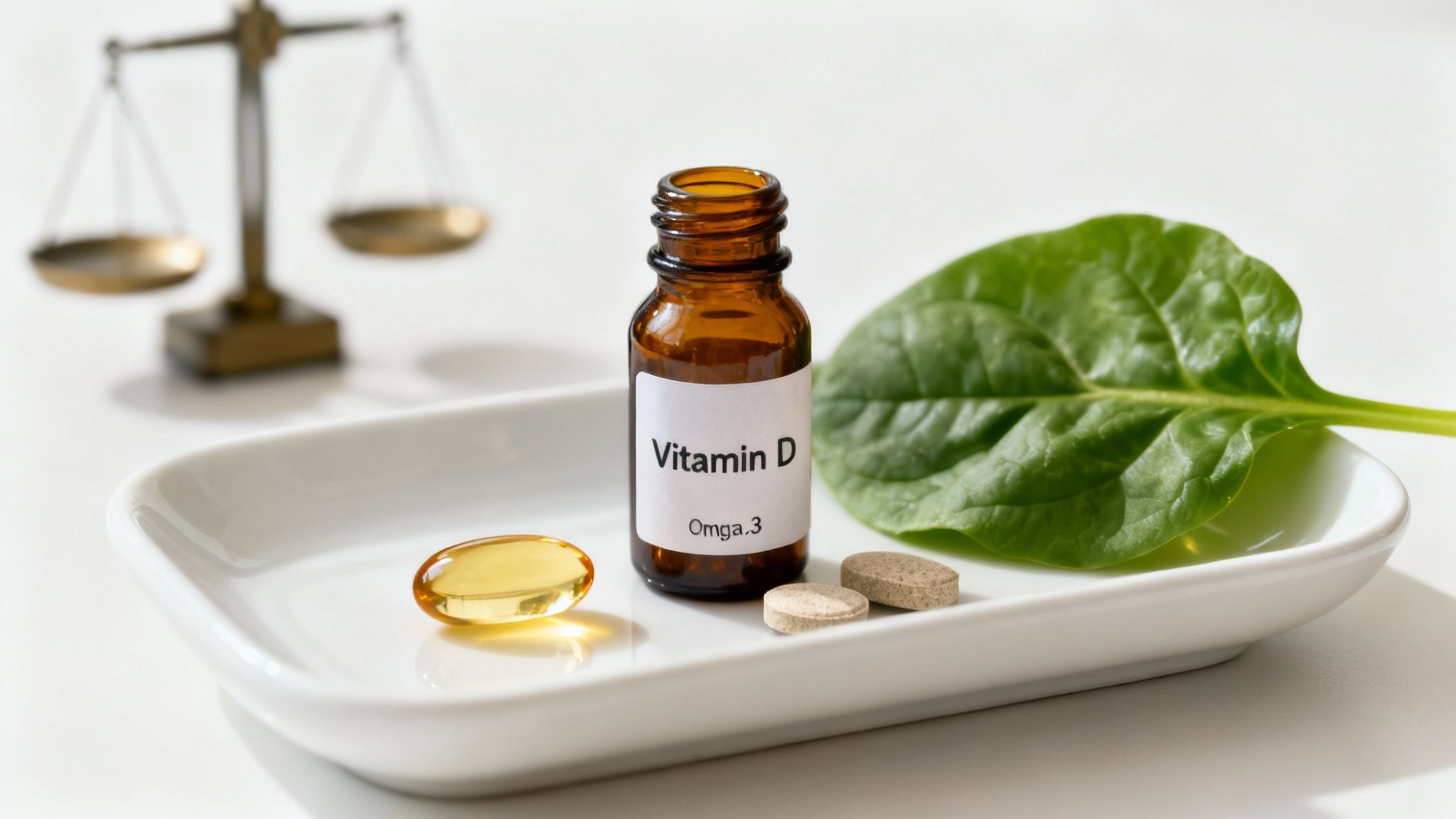
If your body lacks certain key nutrients, the entire system can quickly get out of balance. Imagine that your body’s own repair crew does not have the right tools at hand. The result? Chronic inflammatory processes can smolder unnoticed and gain momentum.
Nutrient deficiencies as accelerants
Some micronutrients are absolutely crucial for regulating inflammation. If they are missing, the balance can be disrupted faster than you might think.
The main focus here is on:
- Vitamin D: The “sunshine vitamin” is about much more than bone health; it is a key modulator of your immune system. A deficiency is repeatedly linked to an increased tendency toward inflammation.
- Magnesium: This powerhouse mineral is involved in more than 300 enzymatic processes in the body—many of which directly affect inflammation. A deficiency can drive up inflammatory markers such as C-reactive protein (CRP).
- Omega-3 fatty acids: They are the natural counterbalance to pro-inflammatory omega-6 fatty acids. If you are out of balance here, it is one of the most common diet-related causes of low-grade inflammation.
You could easily extend the list to include zinc, selenium, or various B vitamins. But the real problem is this: Such deficiencies often remain under the radar for a long time and are difficult to identify with certainty by simply observing symptoms.
Taking a precise look at your nutrient status isn’t a luxury; it’s the basis for targeted action. Instead of supplementing indiscriminately, you can find out what your body really needs.
The Power of Hormones
Alongside nutrients, your hormonal balance also plays a huge role. Hormones are your body’s powerful messengers. When something gets out of balance, the consequences are far-reaching—including for inflammation. One of the main players in this process is the stress hormone cortisol.
Chronic stress means constant strain on your adrenal glands and consistently high cortisol levels. At first, cortisol does have an anti-inflammatory effect, but under prolonged stress, your cells essentially become desensitized and resistant to its effects. The result: the anti-inflammatory brake fails, and the immune system can spiral out of control.
If you feel that stress is an issue for you, read our guide to learn how to lower cortisol naturally.
From Suspicion to Certainty with mybody-x
You’re probably asking yourself now: “Okay, but how do I know whether I’m lacking vitamins or my hormones are going haywire?” Guessing and trying things at random is definitely the wrong approach here. A mybody-x nutrient test or mybody-x hormone test provides you with precise, scientifically sound answers.
Instead of fumbling around in the dark, you get clear data about your current state. With these results in hand, you can finally take targeted action—whether through an adjusted diet, the right supplements, or specific stress-management measures. This turns a vague suspicion into solid knowledge and puts you back in the driver’s seat of your health.
Your Lifestyle for Regulating Inflammation
It’s not just your diet or micronutrients that play a role. Your everyday life has a huge impact on whether you reduce inflammation in your body or unconsciously continue to fuel it. Ultimately, it’s about finding a balance that truly suits you and sustainably takes the strain off your immune system.

Three major areas emerge as absolute key players: exercise, sleep, and stress management. They are so closely interconnected that they can either set a positive upward spiral or a rather unpleasant downward spiral in motion.
The Right Amount of Exercise
Exercise is a fantastic tool in the fight against inflammation—provided you do it properly. Moderate, and above all regular, exercise boosts your metabolism, helps break down abdominal fat (which, incidentally, actively produces pro-inflammatory hormones), and strengthens your immune system.
Activities that challenge you without completely exhausting you are ideal:
- Yoga or Pilates: The perfect combination of strength, stretching, and relaxation.
- Swimming or cycling: These low-impact endurance activities really get your cardiovascular system moving.
- Brisk walks: A walk in nature has an even greater positive effect because it also clears your mind and reduces stress.
But be careful—there’s an important caveat here: Excessive training without sufficient recovery can have exactly the opposite effect. Overtraining places pure stress on your body, leading to increased cortisol release and potentially fueling inflammation even further. So find a level that feels right for you.
Exercise shouldn’t be another source of stress in your life, but rather a source of recovery and strength. Find the joy in it, and you’ll stay motivated in the long term.
Sleep—the underestimated superpower
While you sleep, essential repair and regeneration processes in your body are running at full speed. Your immune system recalibrates, cell damage is repaired, and inflammatory messengers are regulated. Good sleep is therefore not lost time, but an active phase in which you fight inflammation.
Chronic sleep deprivation, on the other hand, completely throws this sensitive system out of balance. It leads to increased production of pro-inflammatory cytokines and makes you more susceptible to infections and chronic complaints. Aim for seven to nine hours per night.
Stress management as a brake on inflammation
Persistent stress puts your body in a permanent state of alarm. The stress hormone cortisol goes into overdrive, which—as you now know—disrupts inflammation regulation in the long term.
The good news is that you don’t have to overhaul your entire life right away. Even small but intentional breaks during the day can make a huge difference:
- Breathing exercises: Take just two minutes several times a day to breathe deeply into your abdomen and back out again. This immediately signals to your nervous system: Relax!
- Nature breaks: A short walk in the park—or simply consciously looking out the window at the greenery—can demonstrably lower your cortisol levels.
- Digital breaks: Simply switch off your smartphone consciously for an hour. Read a book or listen to music. You’ll notice the difference.
These measures are not minor details but effective strategies for reducing the basis for inflammation in the body. You can find more practical suggestions for easily integrating these habits into your everyday life in our 10 tips for a healthy lifestyle.
Your personal roadmap to reducing inflammation
You have now read a great deal about what fuels silent inflammation and how you can actively counter it. Theory is good and important, but now comes the crucial part: putting it into practice in real life. Consider this section your personal guide, taking you from knowledge to action and helping you take control of your well-being.
The most important step? Moving away from general guesswork and focusing on your individual situation. No two bodies are alike. What works for one person may be ineffective for another. It is about finding your causes instead of merely tinkering with the symptoms.
Where is the best place to start?
Everything begins with an honest assessment of your current state. Take a brief moment and listen closely to what is going on inside you. What signals has your body been giving you for a while now?
- Do you often feel tired and drained, even though you have actually slept enough?
- Are you repeatedly bothered by skin problems or digestive issues?
- Do your joints ache, or do you feel stiff and immobile in the morning?
These vague symptoms in particular are often the first subtle warning signs of simmering inflammation. Your answers are the first pieces of the puzzle and point you toward the right starting point.
Your body is constantly communicating with you. The art lies in understanding its language. Targeted analysis is the key to uncovering the true causes instead of merely treating the surface.
Based on your observations, you can assess much better which of our mybody-x tests would give you the most clarity. Take a moment to think about it:
- In cases of digestive problems or skin irritation: Could an undetected food intolerance be behind them? The mybody-x intolerance test exposes potential troublemakers on your plate.
- In cases of constant fatigue or concentration problems: Could you be lacking essential vitamins or minerals that your body urgently needs? Our mybody-x nutrient test gives you a precise overview.
- For stress, mood swings, or poor sleep: Your hormones may have become unbalanced. A mybody-x hormone test can shed light on the situation.
From results to a concrete plan
As soon as you have your test results in hand, the real transformation begins. Because now it’s about reducing inflammation in the body. Your results aren’t just dry numbers—they’re your very own blueprint for better health.
Your personalized plan could look something like this:
- Adjust your diet strategically: Consistently eliminate the foods your intolerance test has flagged as problematic. At the same time, fill your meal plan with anti-inflammatory powerhouses such as omega-3-rich fish, colorful berries, and dark green leafy vegetables.
- Replenish your nutrient stores: Instead of blindly taking random pills, you can now use your nutrient test results to specifically fill the gaps with high-quality supplements.
- Optimize your lifestyle: Establish regular bedtimes that you stick to even on weekends. Incorporate gentle exercise, such as a daily walk or a yoga session, into your routine. Find simple relaxation techniques that work for you—just five minutes of deep breathing can work wonders.
Infection prevention also plays an important role, as infections can trigger massive inflammatory reactions. Hospital-acquired infections are a frequently overlooked risk. Current data shows that the prevalence of nosocomial infections in German hospitals is 4.9%. This means that up to one million patients are affected every year. You can find more information about this important topic at the German Society for Hospital Hygiene.
This roadmap is your guide to a life with less inflammation and noticeably more energy. With the right data and a clear plan, you’ll be well equipped to finally give your body exactly what it really needs.
Your questions, our answers about inflammation
You probably still have a few questions on your mind. That’s completely normal! We’ve collected and answered the most common ones here so you can start your new, healthier everyday life with confidence.
How quickly will I notice an improvement?
This is a question we hear often—and the answer is: It depends entirely on you and your body. Some people notice a significant improvement after just a few weeks, especially when they consistently cut out sugar and highly processed foods or avoid a trigger identified by their intolerance test.
Long-term, lasting results take time, though. Don’t see it as a sprint, but as a marathon. Your body first needs to get used to the new, healthy habits and regenerate.
The most important thing is patience. Every small step in the right direction counts and brings you closer to your goal. Give your body the time it needs.
Isn’t inflammation actually a good thing?
Absolutely! It’s important to distinguish between them. Acute inflammation is vital and a clever move by your immune system. If you cut yourself or catch a cold, inflammation rushes in like a rapid-response team to fight pathogens and kick-start healing.
Inflammation only becomes a problem when it doesn’t go away and becomes a permanent condition. These silent or chronic inflammations are what we’re talking about here. They smolder unnoticed in the background, burden your body, and can lead to serious problems over time.
Which test is right for me to start with?
There is no one-size-fits-all answer, because the best starting point always depends on your individual symptoms. But as a little guide, we’ve put together a few typical scenarios based on our experience:
- Are you struggling with digestive problems, skin rashes, or constant bloating? Then it’s best to start with the mybody-x intolerance test. It quickly provides insight into whether certain foods are unnecessarily triggering your immune system.
- Do you constantly feel tired and lacking in energy, and have trouble concentrating? In this case, the mybody-x nutrient test is often the best first step. It shows whether you may be lacking important vitamins or minerals that are crucial for energy production.
- Are stress, sleep problems, or mood swings affecting you? A mybody-x hormone test can provide clarity here. Perhaps your cortisol level or another hormone is out of balance.
Simply think about where you’re feeling the most discomfort. This allows you to target the most likely cause and reach greater well-being faster.
Are you ready to finally get answers instead of guesses? Take the first step and find out what is really going on in your body. Discover the self-tests from mybody-x and start your journey toward a healthier you. Find the right test for you now at mybody-x.com



Share now:
Test for food intolerances: Your path to greater clarity and well-being
What does fasting before a blood test mean? Your guide