
Your Top 8 Anti-Inflammatory Diet Recipes for Greater Well-Being
Do you often feel tired and drained, or struggle with skin problems and digestive issues? The cause could be low-grade, chronic inflammation in your body. These invisible processes contribute to many modern health problems and can manifest in different areas. Understanding common conditions and natural approaches, such as tips and home remedies for gum inflammation, can complement your overall anti-inflammatory strategy.
The good news is that you have it in your hands—or, more precisely, on your plate! An anti-inflammatory diet is one of the most effective ways to improve your well-being. But where do you start? Many recipes sound complicated, and the ingredient lists seem endless. We’ll show you that there is another way.
In this article, you will find 8 scientifically supported and practical anti-inflammatory diet recipes that not only combat inflammation but also taste fantastic. We go one step further and explain for each recipe how you can perfectly tailor it to your body using the insights from a mybody-x self-test (e.g., a nutrient or intolerance test). Truly effective nutrition is always personal. Let’s take the first step together and give your body exactly what it needs to calm inflammation and recharge with new energy.
1. Green Smoothie Bowl with Omega-3 Sources
A green smoothie bowl is much more than just a trendy breakfast; it is a nutritional powerhouse and one of the most effective anti-inflammatory diet recipes for an energetic start to the day. This breakfast option deliberately combines anti-inflammatory leafy greens such as spinach or kale with valuable plant-based omega-3 sources.
The base consists of a blend of puréed leafy greens rich in antioxidants and chlorophyll, along with fruits such as berries, which provide important polyphenols. The bowl is topped with chia seeds, flaxseeds, or walnuts. These ingredients are not only excellent sources of the anti-inflammatory alpha-linolenic acid (ALA), but are also rich in fiber, which supports a healthy gut flora. This way, you combat low-grade inflammation on multiple levels.
Practical examples of use
- Optimized morning routine: Fitness athletes use this bowl to specifically strengthen their gut microbiome and maximize nutrient absorption for the day.
- Therapeutic nutrition: For diagnoses such as leaky gut syndrome, this nutrient-dense and easily digestible bowl can help regenerate the intestinal lining.
- Post-workout meal: For athletes with a high carbohydrate requirement according to their DNA metabolism analysis, the bowl provides quick energy for recovery without putting strain on the body. Learn more about the importance of omega-3 fatty acids for your body.
Tips for perfect preparation and personalization
- Nutrient boost: A mybody-x nutrient test can detect deficiencies. If your vitamin D or B12 level is low, you can simply add the corresponding drops or powders.
- Consistency & chilling: Use frozen berries or frozen banana pieces. They make the bowl creamier and cool it pleasantly without requiring ice cubes.
- Optimal order in the blender: Add the liquid (e.g., water or plant-based milk) to the blender first, then the leafy greens, followed by the fruit, and finally the seeds and powders. This ensures that all ingredients are blended optimally.
- Adjustment for intolerances: A mybody-x food intolerance test gives you clarity. Do you react to almonds? Use oat or coconut milk as a base instead.
2. Wild salmon with Mediterranean-seasoned vegetables
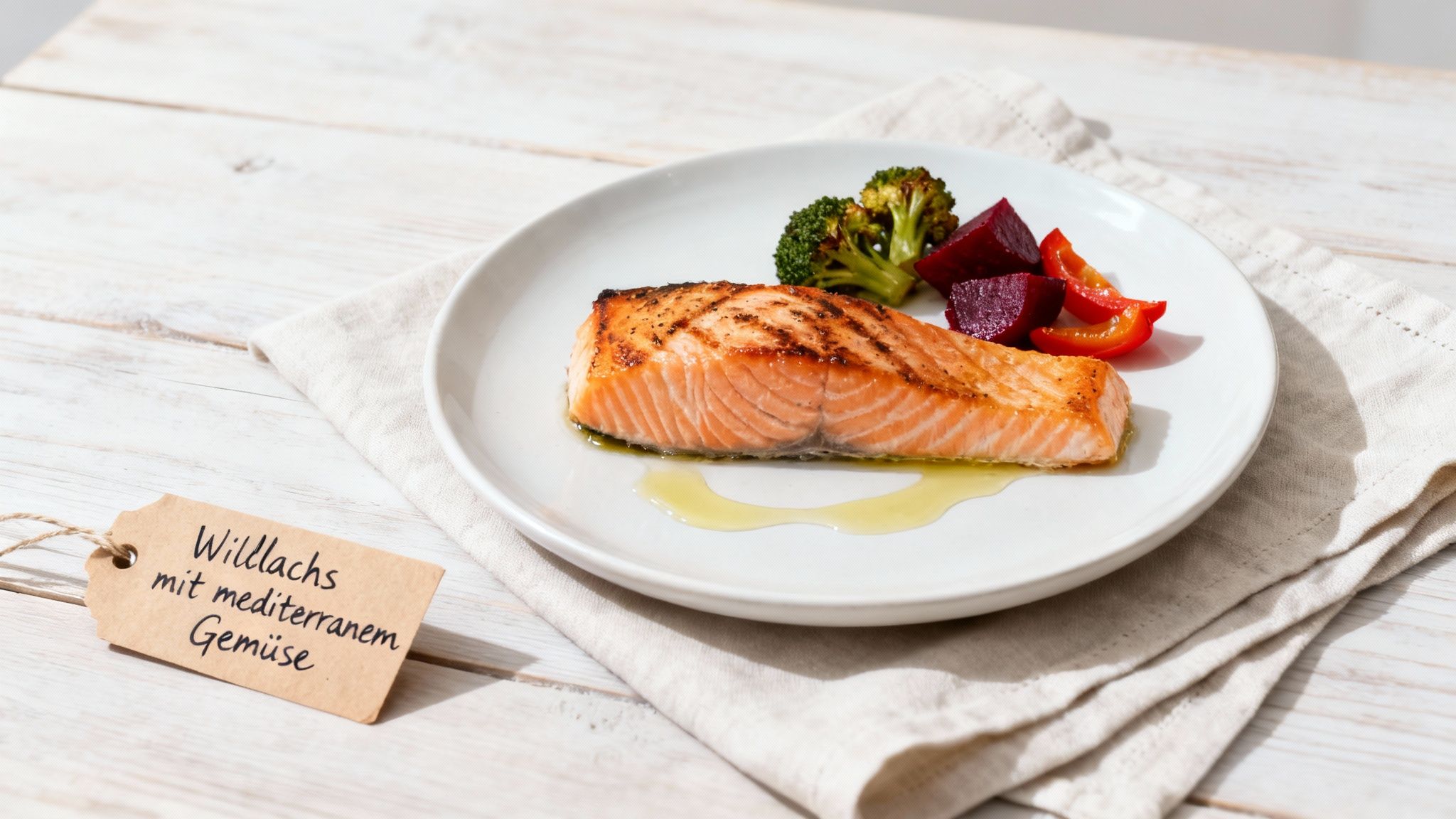
This main course is a prime example of an effective anti-inflammatory meal and is among the best anti-inflammatory diet recipes for everyday life. It combines wild salmon, one of the richest natural sources of the highly effective omega-3 fatty acids EPA and DHA, with Mediterranean-seasoned vegetables. This combination, based on the Mediterranean diet regarded as the gold standard, specifically counteracts inflammation at the cellular level.
The foundation is high-quality wild salmon, whose omega-3 fatty acids may inhibit the production of inflammation-promoting messengers. It is accompanied by a colorful mix of broccoli, beetroot, and bell pepper, which are rich in phytonutrients, antioxidants, and vitamins. The dish is finished with cold-pressed extra virgin olive oil, which provides additional protective benefits thanks to its high polyphenol content. This provides your body with targeted nutrients that it needs to regulate inflammatory processes.
Practical examples of use
- Therapeutic dish: For a diagnosed vitamin D deficiency and elevated inflammation markers, this dish is ideal because fatty fish is rich in vitamin D.
- Fitness & regeneration: If your DNA metabolism analysis identifies you as an “omega-3 responder,” this dish optimally supports protein synthesis and accelerates recovery after training.
- Hormone balance: In cases of hormonal imbalances such as estrogen dominance, which a mybody-x hormone test can detect, this meal supports detoxification in the liver and thereby contributes to regulating hormone balance.
Tips for perfect preparation and personalization
- Low-temperature cooking: Cook the salmon gently in the oven at a maximum of 80 °C. This preserves the delicate omega-3 fatty acids and prevents them from being destroyed by high temperatures.
- High-quality oil: Use only cold-pressed extra-virgin olive oil. Its high polyphenol content enhances the meal’s anti-inflammatory effect.
- Fish selection: Choose wild-caught Pacific salmon, as it tends to have lower heavy metal contamination than other farmed salmon varieties.
- Targeted nutrition: If a mybody-x nutrient test detects a vitamin D deficiency, include this dish in your meal plan two to three times a week to replenish your stores.
3. Turmeric-Ginger Bone Broth
A turmeric-ginger bone broth, meaning a slowly simmered bone broth, is one of the most effective therapeutic meals and a key component of many anti-inflammatory diet recipes. This soothing drink combines the restorative properties of traditional bone broth with the potent anti-inflammatory power of turmeric and ginger. Long simmering releases collagen, valuable amino acids, and minerals from the bones, which help heal the intestinal barrier.
Adding turmeric and ginger provides bioactive polyphenols that specifically reduce systemic inflammation in the body. Black pepper is essential because its active compound, piperine, increases the bioavailability of curcumin from turmeric many times over. This creates a synergistic elixir that not only nourishes the gut but also supports the entire immune system.
Practical examples of use
- Gut health: In cases of a diagnosis such as leaky gut syndrome, which a mybody-x gut test may indicate, the broth serves as a therapeutic intervention to regenerate the intestinal lining.
- Athlete nutrition: Athletes with significant joint wear and tear use the broth as a recovery drink to replenish collagen stores and accelerate regeneration.
- Support for autoimmune diseases: In cases of Hashimoto’s thyroiditis, regular consumption may help lower inflammatory markers, as turmeric has been shown to help reduce TPO antibodies.
- Skin problems & anti-aging: The broth supports clearer skin in cases of acne or rosacea by fighting inflammation from within and stimulating collagen production. Find out here how your genes influence your diet: Learn more about DNA-based nutrition.
Tips for perfect preparation and personalization
- Bone quality: Use only bones from grass-fed cattle, pasture-raised chickens, or wild-caught fish. The quality of the animals’ living conditions determines the broth’s nutrient content.
- Mineral extraction: At the beginning of the cooking process, add 1–2 tablespoons of apple cider vinegar to the water. The acid helps extract valuable minerals such as calcium and magnesium from the bones more effectively.
- Curcumin absorption: Always add whole black peppercorns. Without the piperine they contain, your body can barely absorb the anti-inflammatory curcumin from turmeric.
- Optimal storage: Prepare a large batch and freeze the broth in portions (e.g., in ice cube trays or jars). This gives you a quick supply for up to three months.
- Nutrient boost: Finish the warm broth before drinking with a splash of high-quality coconut milk or a teaspoon of MCT oil to improve the absorption of fat-soluble vitamins.
4. Buddha Bowl with Sprouted Legumes
A Buddha bowl is more than just a colorful meal; it is a flexible concept that is ideal for adapting to anti-inflammatory diet recipes. The version with sprouted legumes instead of cooked ones takes this dish to a whole new level, as the sprouting process maximizes nutrient availability and significantly reduces inflammation-promoting substances such as lectins and phytic acid.
The foundation of this nutrient-rich bowl consists of sprouted lentils or chickpeas, combined with a complex carbohydrate source such as quinoa and a colorful variety of seasonal vegetables. Sprouted legumes are easier to digest, and their nutrients, including plant-based protein, iron, and B vitamins, can be absorbed more effectively by the body. A creamy tahini dressing provides healthy fats and rounds out the anti-inflammatory profile.
Practical examples of use
- Optimizing digestion: People who, according to a mybody-x intolerance test, are sensitive to legumes benefit greatly, as sprouting neutralizes the compounds that often cause bloating.
- Effective weight management: The high density of fiber and protein provides long-lasting satiety at a low glycemic index, supporting weight loss.
- Nutrient support for vegans: This bowl is particularly helpful for preventing common nutrient deficiencies in a plant-based diet by providing a highly bioavailable source of iron and protein.
Tips for perfect preparation and personalization
- How to sprout them properly: Lentil sprouts are quick (2–3 days), while chickpeas take a little longer (3–5 days). It is important to change the rinsing water daily to prevent mold from forming.
- The perfect tahini dressing: Emulsify 3 tbsp of tahini with the juice of half a lemon, one pressed garlic clove, and a little water until the desired creaminess is reached.
- Avoiding Bloating: If you are still sensitive, combine the meal with digestive spices such as caraway or drink fennel tea with it.
- Safety with Raw Sprouts: Make sure to source sprouts only from trusted suppliers or grow them yourself under highly hygienic conditions to minimize the risk of bacteria.
5. Green Tea & Matcha Anti-Inflammatory Latte
A matcha latte is far more than just a caffeinated pick-me-up; it is a therapeutic beverage and one of the most potent anti-inflammatory diet recipes, acting specifically at the cellular level. This recipe combines high-quality green tea with adaptogens and healthy fats to create a powerful elixir that fights inflammation and brings the body back into balance.
The star of this latte is epigallocatechin gallate (EGCG), a powerful antioxidant from green tea. Scientific findings show that EGCG can block the NF-κB signaling pathway, which plays a central role in inflammatory responses. Inhibiting this signaling pathway reduces the production of pro-inflammatory cytokines, directly addressing systemic inflammation at its root. Combined with adaptogens such as ashwagandha, it also helps regulate the stress response.
Practical examples of use
- Morning Ritual for Stress: For people with stress-induced inflammation, this latte replaces coffee. It provides energy without further increasing cortisol levels.
- Performance Boost for Athletes: Endurance athletes use this latte because EGCG has been shown to improve the efficiency of mitochondria, our cellular powerhouses.
- Hormonal Balance: A mybody-x hormone test can reveal elevated cortisol levels. In such cases, a latte with ashwagandha may help stabilize the body's cortisol response.
Tips for perfect preparation and personalization
- Matcha Quality: Use ceremonial-grade matcha. Its nutrient density and EGCG content are up to ten times higher than those of culinary matcha.
- Optimal Water Temperature: Heat the water to 70–75°C. Boiling water destroys the delicate polyphenols and makes the tea bitter.
- Preparation Technique: Use a traditional bamboo whisk (chasen) to whisk the matcha powder until smooth and ensure optimal nutrient distribution.
- Adaptogens for Stress Regulation: Add 300–500 mg of ashwagandha powder to support the adrenal glands and regulate cortisol production.
- Improved Nutrient Absorption: One teaspoon of MCT oil improves the absorption of fat-soluble polyphenols and provides the brain with quick energy.
6. Fermented Vegetables & Sauerkraut as a Side Dish
Fermented vegetables such as sauerkraut or kimchi are among the most powerful additions to an anti-inflammatory diet. Far more than just a side dish, these anti-inflammatory diet recipes provide live probiotic cultures that directly have a positive impact on the composition of the gut flora. The natural fermentation process also makes important nutrients such as vitamin K2 and B vitamins more bioavailable and produces beneficial metabolic compounds (metabolites).
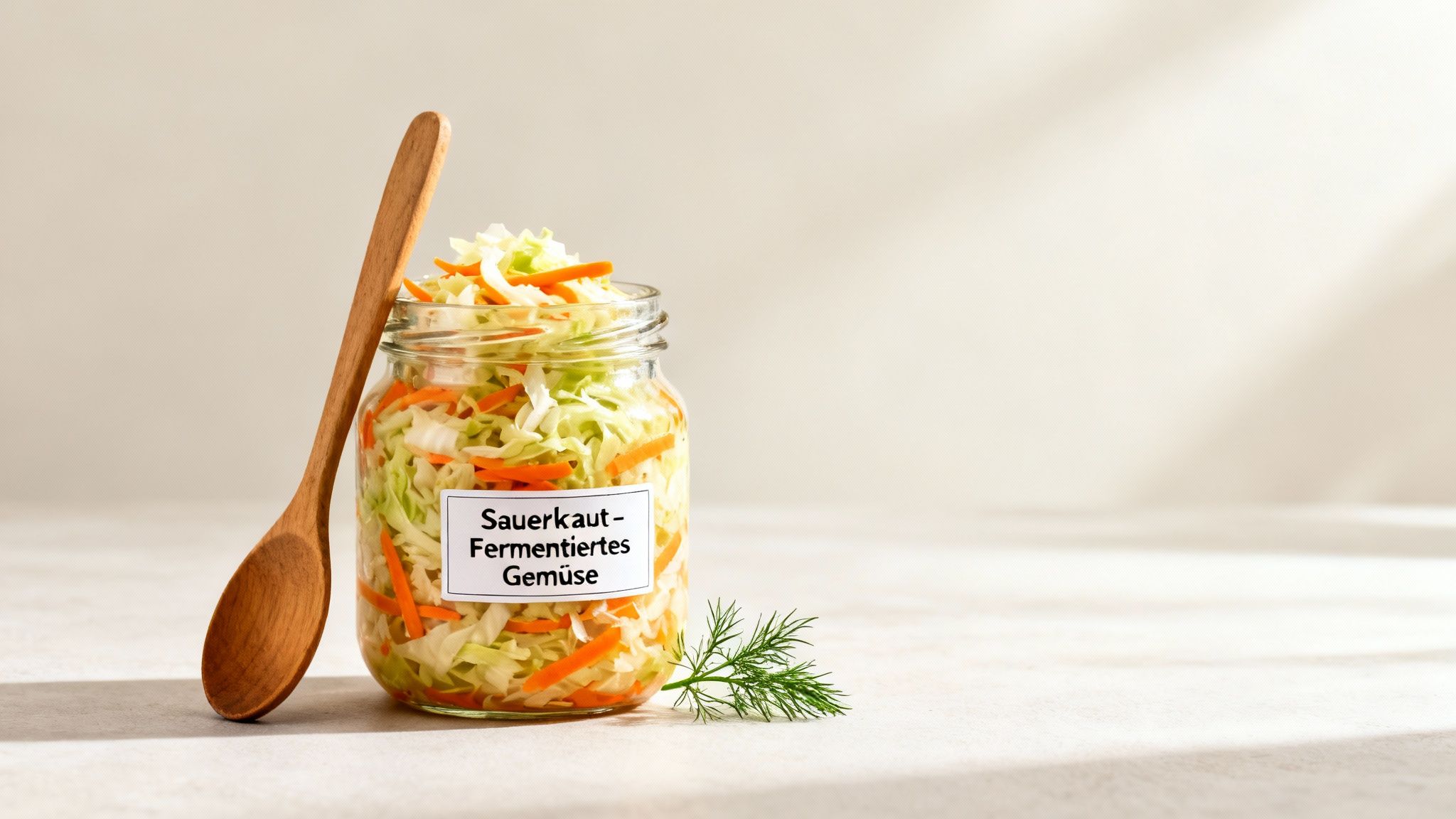
The lactobacilli contained in fermented vegetables strengthen the gut barrier and can inhibit the growth of harmful bacteria. This reduces the production of inflammatory messengers in the gut, which has a positive effect on the entire body. A healthy gut flora is the foundation of a strong immune system and effective nutrient absorption, which is why fermented foods play a central role in combating low-grade inflammation.
Practical examples of use
- Targeted Microbiome Support: After a mybody-x gut test reveals dysbiosis (an imbalance of gut bacteria), daily consumption of fermented vegetables can help specifically increase the diversity of beneficial bacteria.
- Therapeutic Support: For diagnoses such as irritable bowel syndrome (IBS), regular consumption may help alleviate symptoms such as bloating and discomfort by restoring the microbial balance.
- Improved Nutrient Absorption: The probiotic cultures support digestion and improve the absorption of essential nutrients such as coenzyme Q10 and fat-soluble vitamins from other meals.
Tips for perfect preparation and personalization
- Start Slowly: Begin with 1–2 tablespoons daily and gradually increase the amount to 3–4 tablespoons. This allows your body to adjust to the probiotic cultures and histamine.
- Optimal Fermentation Duration: A fermentation period of 2–3 weeks is ideal for achieving a high probiotic content while maintaining a moderate histamine level.
- Ingredient Quality: Use organic vegetables, as pesticides can inhibit the natural lactobacilli needed for fermentation. Unfiltered sea salt provides additional minerals.
- Proper Storage & Consumption: Always store the finished ferment in a cool place (below 15°C) to slow down further fermentation. Consuming it with meals improves the survival rate of probiotic cultures in the stomach. Learn more about how you can naturally build a healthy gut flora.
7. Blueberry & Antioxidant Smoothie with Collagen Peptides
A smoothie with blueberries and collagen is a highly effective weapon in the fight against inflammation and one of the best anti-inflammatory nutrition recipes for recovery from within. This recipe deliberately combines the power of anthocyanins from blueberries with the structural support of collagen peptides and antioxidant-rich superfoods.
The base consists of blueberries, whose anthocyanins have been shown to lower inflammatory markers and may even cross the blood-brain barrier to combat neuroinflammation. Combined with Collagen Peptides, which provide essential amino acids for the skin, joints, and intestinal lining, as well as cocoa powder, this smoothie becomes a nutrient cocktail. It not only supports recovery but also actively protects cells from oxidative stress.
Practical examples of use
- Post-Workout Drink: Fitness athletes use the combination of collagen and antioxidants to accelerate the recovery of muscles and connective tissue after training.
- Cognitive Support: During periods of increased stress, which often coincide with rising CRP levels (an inflammatory marker), anthocyanins may help block inflammatory processes in the brain.
- Skin Health Protocol: For skin problems such as acne or eczema, the combination of collagen and antioxidants provides valuable building blocks to strengthen the skin barrier and reduce inflammation.
Tips for perfect preparation and personalization
- Therapeutic Dose: Use 150–200 g of blueberries (preferably frozen) to achieve an effective amount of anthocyanins.
- High-Quality Collagen: Look for "Grass-Fed" Collagen Peptides, as these often have a better amino acid profile and are purer.
- Minimize Sugar: Use dark cocoa powder with at least 85% cocoa content. This maximizes antioxidants and keeps the sugar content low.
- Microbiome Support: A teaspoon of inulin (a prebiotic) can be added to feed beneficial gut bacteria, which is crucial for a healthy inflammatory response.
- Address Nutrient Deficiencies: A mybody-x nutrient test can identify deficiencies. If needed, add targeted nutrients such as vitamin C to further support collagen synthesis.
8. Omega-3-Rich Sardine Salad with Arugula
This quick, nutrient-dense salad is far more than a simple meal; it is one of the most potent anti-inflammatory nutrition recipes for your lunch. It combines wild sardines, one of the most concentrated sources of the marine omega-3 fatty acids EPA and DHA, with spicy, antioxidant-rich arugula. This dish is ideal for effectively fighting inflammation while supplying the body with essential nutrients.
Sardines provide not only an impressive 3–4 grams of omega-3 per 100 g, but also carry a low mercury risk compared with larger predatory fish. They are also an excellent source of vitamin D and selenium. Combined with arugula and a lemon dressing, they protect the valuable fats from oxidation and support the body's natural detoxification processes. This creates a powerful synergistic effect against silent inflammation.
Practical examples of use
- Optimizing the Omega-3 Index: People diagnosed with a low Omega-3 Index can use this salad to improve their levels in a targeted and rapid manner.
- Supporting cognitive function: In older adults with elevated inflammation markers, regular consumption may promote brain health and slow cognitive decline.
- Cardiovascular prevention: As part of a heart-health protocol, the high dose of EPA has been shown to help reduce blood triglyceride levels by 25–30%.
Tips for perfect preparation and personalization
- Sardine quality: Choose sardines in olive oil rather than water. The additional olive oil provides valuable polyphenols. Prefer wild-caught sardines and look for BPA-free cans or glass packaging.
- Balance your salt intake: Since sardines are often salty, drink a large glass of water with your meal to regulate fluid balance.
- Consume regularly: For optimal anti-inflammatory effects and a stable omega-3 level, it is recommended to incorporate this salad or a similar meal at least four times a week.
- Check your nutrient status: A mybody-x nutrient test can reveal whether your Omega-3 Index is in the optimal range. This allows you to tailor your diet and ensure that you are getting enough of these essential fatty acids.
8-point comparison of anti-inflammatory recipes
| Recipe / option | 🔄 Implementation complexity | ⚡ Resources & effort | 📊 Expected results | 💡 Ideal use cases | ⭐ Main benefits |
|---|---|---|---|---|---|
| Green smoothie bowl with omega-3 sources | Low (5–10 min, simple blending) | Fresh leafy greens, seeds, yogurt/kefir — moderate | Improved gut barrier; CRP reduction in 4–6 weeks | Digestive problems, elevated inflammation markers, quick morning routine | Versatile, quick, customizable |
| Wild salmon with Mediterranean-seasoned vegetables | Medium (20–25 min, gentle preparation recommended) | High: wild salmon, olive oil, fresh vegetables — seasonal | Strong CRP reduction (~35% in 8 weeks); Omega-3 Index↑ | Vitamin D deficiency, performance, hormonal balance | Highest EPA/DHA dose, antioxidant (astaxanthin) |
| Turmeric-Ginger Bone Broth | High (12–24 hours cooking time, plus preparation) | Access to high-quality bones, time-intensive | Gut repair & collagen support; reduced inflammation in 4–6 weeks | Leaky gut, joint/skin regeneration, anti-aging | Rich in collagen, curcumin-bioavailable, cost-effective when homemade |
| Buddha Bowl with Sprouted Legumes | Medium (3–5 days of sprouting planned) | Lentils/chickpeas, quinoa, tahini — low to moderate cost | Improved digestion, reduced antinutrients, increased satiety | Vegans/vegetarians, digestive problems, meal prep | Sustainable, affordable, high in fiber |
| Green Tea & Matcha Anti-Inflammatory Latte | Low (3–5 min) | Premium matcha, adaptogens, MCT — moderate cost | Stress reduction; EGCG→TNF-α/IL-6↓; noticeable in 3–7 days, measurable in 3–4 weeks | Stress-induced inflammation, focus instead of coffee | Strong antioxidant and mental benefits |
| Fermented Vegetables & Sauerkraut | Medium (2–3 weeks for optimal fermentation) | Vegetables + salt, jars/equipment — very inexpensive | Microbiome shift & butyrate production (~4 weeks); improved nutrient availability | Dysbiosis, IBS, daily microbiome support | Live probiotics, long-lasting, cost-effective |
| Blueberry & Antioxidant Smoothie with Collagen Peptides | Low (≈3 min) | Frozen blueberries, collagen peptides, superfoods — moderate to high | Anthocyanins↓ IL-6/TNF-α; skin & cognitive support; measurable in ~4 weeks | Post-training recovery, skin protocol, cognitive support | Tastes like dessert, quick recovery |
| Omega-3-rich sardine salad with arugula | Low (<10 min) | Canned or fresh sardines, arugula — low budget | High EPA/DHA intake; triglycerides↓; heart and brain support | Low omega-3 index, quick lunch | Cost-effective, very high in omega-3 |
From Knowledge to Action: Your Personal Path to Less Inflammation
You now have a treasure trove of delicious and effective anti-inflammatory diet recipes. From vitality-boosting, omega-3-rich salmon and gut-friendly fermented side dishes to powerful turmeric-ginger broth, each of these dishes is a conscious step away from silent inflammation and toward greater well-being and energy. Integrating these meals into your daily routine is a fantastic way to give your body the nutrients it needs to regulate inflammatory processes and strengthen your immune system.
However, the true power of an anti-inflammatory diet is only fully realized when it is precisely tailored to your individual needs. What works optimally for one person may be less effective for another. The recipes presented are an excellent foundation, but the crucial next step is personalization.
Your Body, Your Data: The Key to Targeted Nutrition
A general recommendation to eat more omega-3 fatty acids is good. Knowing that your omega-3 index is actually too low and that you need to adjust your intake accordingly is unbeatable. That is exactly the clarity that mybody-x at-home tests provide. Instead of guessing which foods are good for you or which nutrients you are lacking, you can simply and conveniently measure them from the comfort of your own home.
Imagine being able to optimize your diet based on specific data:
- Uncover nutrient deficiencies: Are you lacking anti-inflammatory vitamin D, zinc, or selenium? A nutrient test provides clarity, allowing you to choose foods or supplements purposefully.
- Identify hidden intolerances: Your body may be reacting unnoticed to certain ingredients, even if they are considered “healthy.” A food intolerance test helps you identify potential triggers of inflammation and adjust the recipes accordingly, for example by replacing nuts or certain vegetables.
- Understand your gut microbiome: A healthy gut environment is the foundation of a strong immune system. An analysis of your microbiome shows you the state of your gut flora and which probiotic or prebiotic foods (such as the fermented vegetables featured in the article) are most valuable for you.
- Check your hormonal balance: Chronic stress or a hormonal imbalance can promote inflammation. A hormone test can show you whether your levels are within the optimal range and whether this could be a cause of your discomfort.
This information is a game changer. It transforms a general nutrition philosophy into your personal, data-driven health strategy. You stop following trends and start listening to—and understanding—the unique signals from your body. Take charge of your health and make the decisive step from assumption to certainty. Your journey toward an inflammation-free life begins now, with well-founded knowledge and delicious recipes optimized for you.
Are you ready to take your nutrition to the next level and understand exactly what your body needs? Discover the at-home tests from mybody x Gesundheit and gain personalized insights into your nutrients, intolerances, or gut microbiome to perfectly tailor your anti-inflammatory diet. Click here to find the right test for you: mybody x Gesundheit.



Share now:
10 Smart Recipes for Weight Loss: Your Plan for 2025
Top 10 Healthy Nutrition Recipes 2026 – Scientifically Personalized