
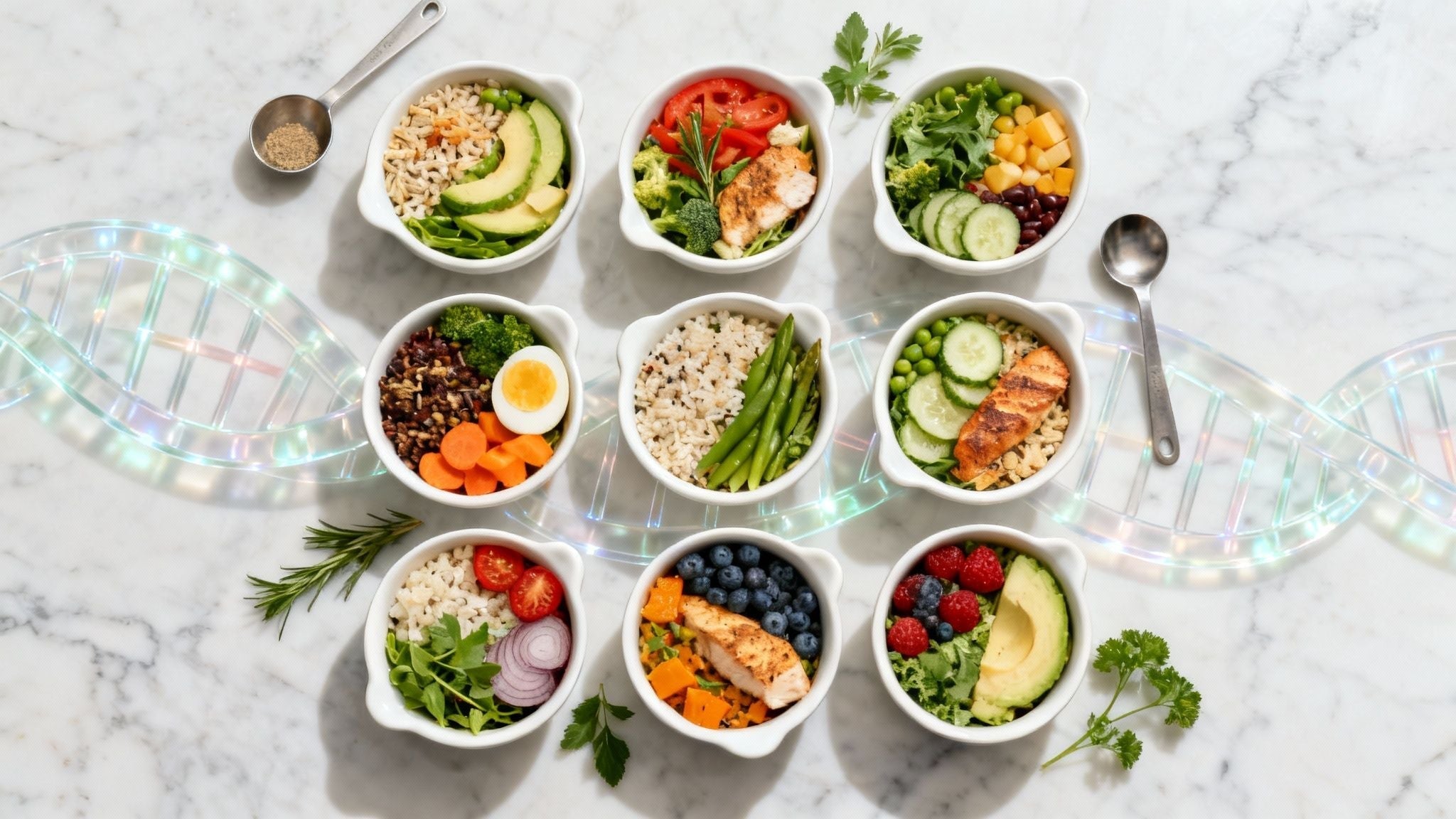
Top 10 Healthy Eating Recipes 2026 – Scientifically Personalized
You search for “healthy eating recipes” and find thousands of suggestions that all promise the same thing. But why do you feel bloated and tired after the supposedly healthy lentil salad, while your friend raves about it and feels full of energy? The answer lies in your unique biology. One-size-fits-all solutions ignore crucial factors: your genetic predisposition, your current hormone status, your nutrient levels, and the composition of your gut microbiome. The result is often frustration, a lack of progress, and the feeling that healthy eating must be complicated.
That is why this article takes a decisive step further. We present not just a simple collection of recipes, but 10 scientifically grounded nutrition strategies. You will learn how, through precise insights into your body—for example, through modern at-home self-tests such as those from mybody-x.com—you can finally find the right healthy eating recipes for you. No more guesswork or blanket advice. Here, you will learn how to personalize your nutrition specifically to truly achieve your individual goals, such as weight management, more energy, or better digestion.
1. DNA-Based Personalized Nutrition (Nutrigenomics)
Imagine knowing exactly which healthy eating recipes your body processes best because your nutrition plan is based directly on your DNA. That is precisely the core of nutrigenomics. This scientifically grounded approach uses a DNA test to analyze your genetic predispositions. This allows you to learn how your body metabolizes fats, carbohydrates, and proteins and which nutrients are particularly important for you.

Instead of following general recommendations designed for the masses, you receive tailored insights. For example, your genetic profile may show whether you are a “fat type” or a “carbohydrate type.” With this knowledge, you can specifically adjust your macronutrient distribution, which can make a decisive difference, especially for goals such as weight management or improved performance. This personalized approach puts an end to guesswork and gives you a clear, data-based foundation.
Implementation in everyday life
- Example 1 (Weight Management): Your test shows a reduced ability to process fats efficiently (e.g., due to a variant in the APOE gene). Instead of following a low-carb diet, you focus on complex carbohydrates, lean protein, and healthy monounsaturated fats such as avocado and olive oil.
- Example 2 (Improving performance): An analysis of the FTO gene suggests that you have a higher protein requirement. You deliberately incorporate protein-rich snacks such as Greek yogurt or a lentil salad into your nutrition plan to support recovery.
Tip: Consider your DNA results a personal roadmap, not rigid rules. Combine the insights with observing how your body responds to certain foods to continuously optimize your diet.
Nutrigenomics is ideal if you feel that standard diets do not work for you and you are looking for a sustainable, scientifically sound strategy. If you would like to learn more about how a DNA test for your nutrition on mybody-x.com can help you, you have come to the right place.
2. Gut microbiome-optimized recipes
Did you know that trillions of microorganisms in your gut significantly influence your digestion, immune system, and even your mood? A gut-friendly diet focuses on healthy eating recipes that specifically nourish this complex ecosystem. The focus is on prebiotic fiber, which serves as food for beneficial gut bacteria, and probiotic foods that provide live cultures directly.
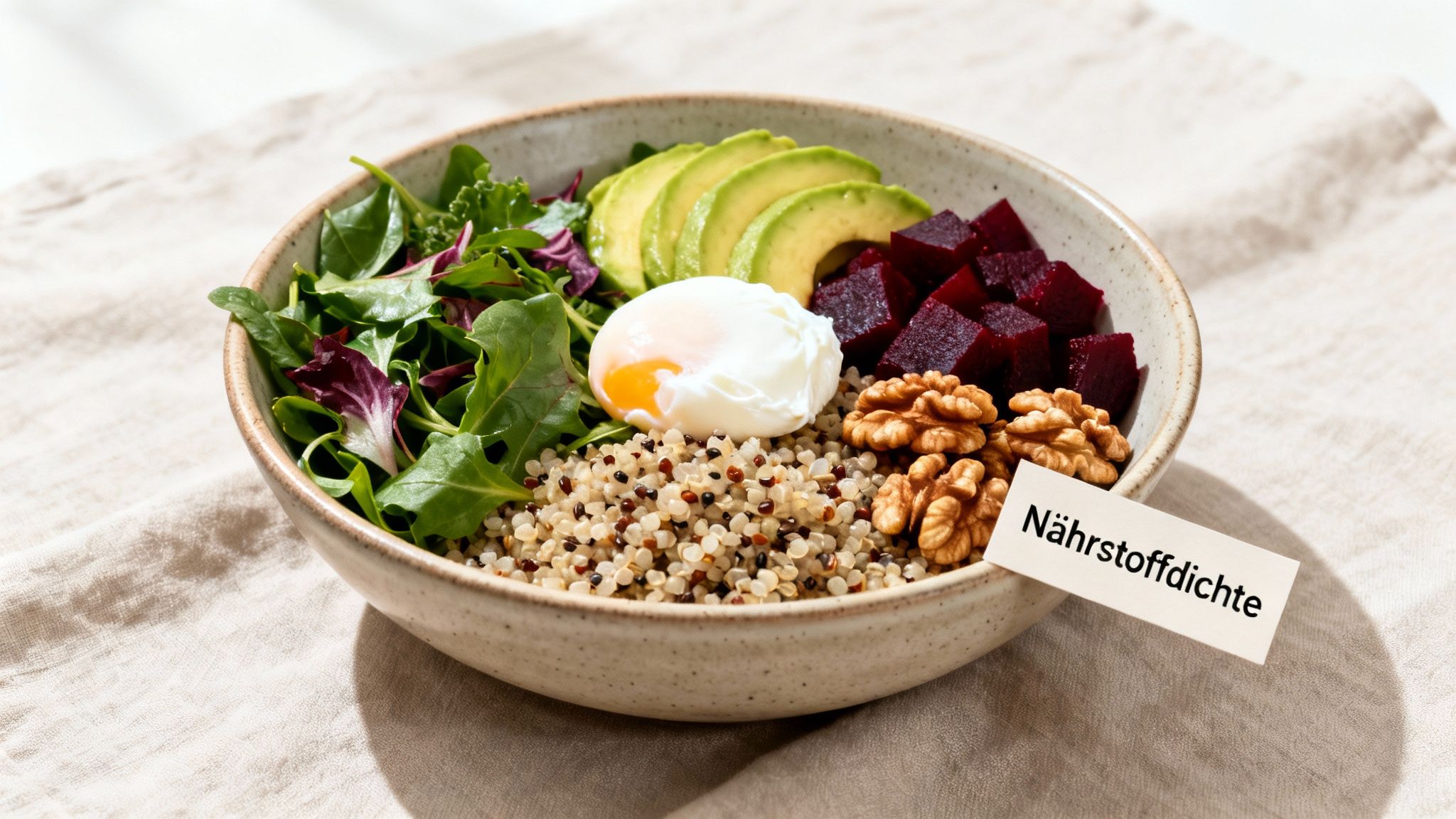
Instead of simply counting calories, the aim is to combine a variety of nutrient-rich ingredients that promote the diversity of your gut flora. A healthy microbiome not only helps with digestive issues such as bloating, but can also reduce inflammation and improve nutrient absorption. This approach creates a solid foundation for your overall well-being from within.
Implementation in everyday life
- Example 1 (Supporting digestion): Start your day with overnight oats containing flaxseeds (prebiotic fiber), berries (polyphenols), and a spoonful of plain yogurt or kefir (probiotics). This provides an ideal combination to support your gut flora.
- Example 2 (Strengthening the immune system): Create a colorful Buddha bowl with a quinoa base, complemented by prebiotic vegetables such as leeks and garlic, and top it with fermented vegetables like kimchi or sauerkraut for a probiotic effect.
Tip: Increase your fiber intake gradually over 1–2 weeks so your digestive system can get used to it. Make sure to drink enough water so your body can process the fiber properly.
This approach is perfect for you if you suffer from recurring digestive problems or simply want to strengthen your immune system and well-being sustainably. Would you like to know exactly which foods are best for your gut? Learn more about experiences with the mybody®x gut microbiome test and receive personalized recommendations.
3. Anti-Inflammatory Diet (Anti-Inflammatory Diet)
Do you often feel tired, suffer from headaches or joint pain, or struggle with skin problems? These may be caused by silent inflammation—chronic immune responses in the body triggered by factors such as stress, environmental toxins, and especially diet. The anti-inflammatory diet addresses this directly: It specifically minimizes pro-inflammatory foods and maximizes nutrients that calm these processes in the body.
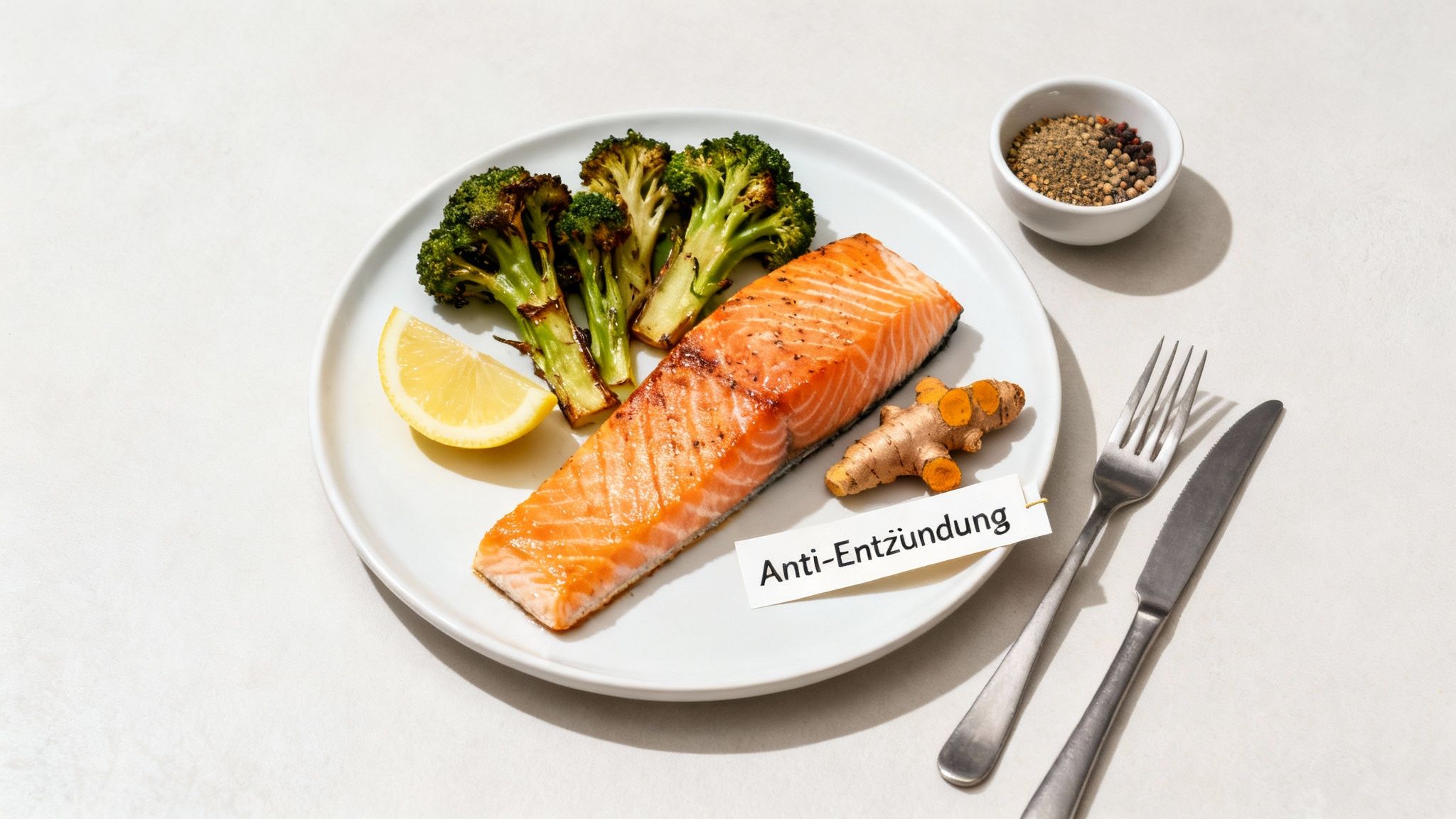
The focus is on healthy eating recipes that are rich in antioxidants, omega-3 fatty acids, and secondary plant compounds. Instead of sugar, processed products, and certain vegetable oils, fresh vegetables, berries, fatty fish, and high-quality fats such as olive oil go on your plate. This targeted selection helps regulate the immune system and reduce inflammatory processes, which can have a positive effect on your overall well-being.
Implementation in everyday life
- Example 1 (Relief from Symptoms): Replace your morning wheat roll with a green smoothie made with spinach, ginger, turmeric, and blueberries. These ingredients provide a high dose of anti-inflammatory compounds and give you an energized start to the day.
- Example 2 (Healthy Main Meal): Instead of pasta with cream sauce, choose salmon fillet (rich in omega-3) with steamed broccoli, drizzled with extra virgin olive oil and a squeeze of lemon. Simple, delicious, and strongly anti-inflammatory.
Tip: Harness the power of spices! Turmeric (ideally with black pepper), ginger, and cinnamon are not only flavorful but also powerful anti-inflammatory agents. Incorporate them into your meals every day, for example in curry, tea, or porridge.
This approach to nutrition is ideal for you if you want to alleviate vague symptoms and strengthen your well-being from the ground up. If you want to find out whether low-grade inflammation plays a role for you, learn more about the test for low-grade inflammation at mybody-x.com and how it can help you gain greater clarity.
4. Hormone-Balancing Recipes (Hormone Balance)
Do you often feel tired, suffer from cycle-related symptoms, PMS, or severe mood swings? Your hormones could be the key. Hormone-balancing nutrition aims to bring key hormones such as estrogen, progesterone, insulin, and cortisol into balance through targeted nutrient selection. Instead of following general diets, you tailor your meals to the needs of your hormonal system.
This approach uses healthy eating recipes that are rich in hormone-supporting nutrients. Fiber from flaxseeds, cruciferous vegetables such as broccoli to regulate estrogen, and healthy fats from walnuts to support progesterone production are just a few examples. The goal is to alleviate symptoms caused by hormonal imbalances and sustainably improve your overall well-being.
Implementation in everyday life
- Example 1 (cycle-related symptoms): In the second half of your cycle (luteal phase), your need for magnesium and B vitamins increases. Include foods such as chickpeas, beetroot, and dark chocolate to reduce PMS symptoms such as cramps and cravings. A chickpea salad with beetroot and walnuts is ideal here.
- Example 2 (blood sugar stability): To avoid insulin fluctuations and the associated energy crashes, always combine complex carbohydrates with protein and fats. A breakfast of oats (porridge) with berries, almonds, and a spoonful of nut butter will keep you fuller for longer and stabilize your blood sugar levels.
Tip: Consider your cycle a guide. During the luteal phase, your body often needs more calories and magnesium-rich foods. Reducing caffeine one to two weeks before menstruation can also significantly alleviate PMS symptoms.
This method is perfect for you if you feel that your body reacts strongly to cyclical or stress-related changes. If you want to gain clarity about your hormone status, an at-home hormone test from mybody-x.com can provide you with precise insights to help you tailor your diet even more effectively.
5. Low-FODMAP Recipes (for IBS and digestive problems)
Do you often struggle with bloating, abdominal pain, or irregular bowel movements? Then low-FODMAP healthy eating recipes could provide real relief. This approach, developed by Monash University, specifically reduces fermentable carbohydrates (FODMAPs), which can produce gas in the gut of sensitive individuals and trigger symptoms such as irritable bowel syndrome (IBS).
Instead of randomly eliminating foods, focus on well-tolerated alternatives and give your digestive system a chance to calm down. The goal is to identify triggers specifically and build an individualized, symptom-free diet. Low-FODMAP is not a lifelong diet, but a structured program for discovering your personal tolerance limits and bringing more variety back to your diet.
Implementation in everyday life
- Example 1 (relieving irritable bowel syndrome): Replace high-FODMAP foods such as wheat, onions, and garlic with well-tolerated alternatives such as gluten-free pasta, the green part of spring onions, and garlic-infused oil. A simple dish would be grilled salmon with sweet potatoes and green beans.
- Example 2 (reducing bloating): Instead of an apple (high in fructose and sorbitol), choose a handful of blueberries or an orange as a snack. For breakfast, replace cow's milk yogurt with a lactose-free version or coconut yogurt.
Tip: Keep a detailed food diary during the first phase (approximately 4–6 weeks). This will help you track exactly which foods agree with you and which can later be tested again gradually during the reintroduction phase.
A low-FODMAP approach is ideal if you suffer from chronic digestive issues and finally want to identify the cause. To take a deeper look and understand what is really going on in your gut, a gut microbiome test from mybody-x.com can provide valuable insights into the composition of your gut flora and deliver personalized recommendations.
6. Nutrient-Dense Whole-Food Recipes (Nutrient Density)
Imagine if every bite you ate supplied your body with the maximum possible amount of vitamins, minerals, and antioxidants. That is precisely the principle behind nutrient-dense healthy eating recipes. Instead of simply counting calories, you focus on foods that offer the greatest health benefits per calorie. These are primarily real, unprocessed foods such as dark leafy greens, berries, nuts, seeds, and high-quality protein.
This approach goes beyond macronutrients (fats, carbohydrates, proteins) and places the quality of micronutrients at the center. By deliberately composing your meals from nutrient-rich ingredients, you effectively combat nutrient deficiencies, strengthen your immune system, and optimize your energy levels. You provide your body with exactly the building blocks it needs to function optimally, which in the long term leads to greater well-being and vitality.
Implementation in everyday life
- Example 1 (strengthening the immune system): Replace a simple iceberg lettuce salad with a nutrient-rich mix of spinach, kale, and lamb's lettuce. Combined with wild salmon (omega-3), avocado (healthy fats), and colorful bell peppers (vitamin C), this creates a nutrient-dense meal that specifically supports your body's defenses.
- Example 2 (boosting energy): Instead of an empty white-flour bread roll for breakfast, prepare muesli with oats, chia seeds, walnuts, and blueberries. This combination provides complex carbohydrates, fiber, healthy fats, and antioxidants for long-lasting energy without blood sugar fluctuations.
Tip: Use blood tests to identify specific nutrient deficiencies such as iron, vitamin D, or B12. This allows you to deliberately incorporate foods into your meal plan that compensate for these deficiencies and measure the success of your dietary change.
Nutrient-dense recipes are ideal if you often feel tired, want to strengthen your immune system, or simply want to ensure that your body is supplied as well as possible. If you want to know which nutrients you are lacking, a nutrient deficiency test from mybody-x.com can provide targeted insights.
7. Intermittent fasting with nutrient-rich recipes
Intermittent fasting is not a diet but an eating pattern that alternates between periods of eating and periods of fasting. Instead of focusing on what you eat, the initial focus is on when you eat. This approach can stimulate autophagy, the body's cellular cleansing process, improve insulin sensitivity, and make the metabolism more flexible. However, the key to success lies in making optimal use of your eating windows by choosing healthy eating recipes with a high nutrient density.
It is not about eating indiscriminately during your eating phases. Rather, these phases should deliberately provide your body with all the essential vitamins, minerals, proteins, and healthy fats. This helps you avoid deficiencies and supports your body in getting through the fasting phases with ease while fully benefiting from the positive effects, such as improved metabolic health.
Implementation in everyday life
- Example 1 (16:8 protocol): You fast for 16 hours and eat within an 8-hour window. Your eating window could be from 12:00 to 20:00. Start at noon with a hearty lentil stew with vegetables and lean beef. In the evening, choose a lighter but protein-rich dinner bowl with quinoa, chicken breast, avocado, and plenty of greens.
- Example 2 (5:2 protocol): On five days of the week, you eat normally; on two nonconsecutive days, you reduce your calorie intake to around 500 kcal. A perfect recipe for these days is a large bowl of clear chicken broth with plenty of vegetables such as carrots, celery, and leek to maximize satiety.
Tip: Start gently with a 14:10 schedule (fasting for 14 hours and eating within a 10-hour window) and gradually increase it. During the fasting period, make sure to drink enough water and unsweetened tea. Your first meal should be rich in protein and healthy fats to keep your blood sugar levels stable.
8. Ketogenic diet with adapted recipes
The ketogenic diet is an approach that radically changes the distribution of macronutrients: extremely few carbohydrates, moderate protein, and very high fat. The goal is to put the body into a state of ketosis. In this state, it no longer uses glucose (sugar) as its primary energy source, but instead uses so-called ketone bodies, which are produced when fat is broken down. These healthy diet recipes are specifically designed to achieve and maintain this metabolic state.
This approach can be particularly effective if you are aiming for rapid fat loss or want to stabilize your blood sugar levels. Many users also report improved mental clarity and consistent energy levels without the typical afternoon slumps. Since this diet is highly restrictive, it requires careful planning to ensure that your body receives all the necessary nutrients and that you feel comfortable.
Implementation in everyday life
- Example 1 (fat loss): You start the day with butter coffee (coffee, MCT oil, grass-fed butter), have a ribeye steak with broccoli sautéed in butter for lunch, and enjoy smoked salmon with avocado and a handful of macadamia nuts in the evening.
- Example 2 (blood sugar management): Instead of carbohydrate-rich side dishes, choose a creamy vegetable soup with coconut oil and bacon bits or a large salad with chicken breast, olive oil, and cheese.
Tip: At the beginning, pay particular attention to your electrolyte intake (sodium, potassium, magnesium) to avoid the “keto flu.” Regularly checking your blood lipid levels may be helpful to understand how your body is responding to the high fat intake.
9. Plant-Based / Vegan Protein-Optimized Recipes
A fully plant-based diet does not mean you have to give up protein. On the contrary: By strategically combining different plant-based sources, you can create healthy eating recipes that cover all nine essential amino acids and thus provide a complete protein profile. This approach is ideal for muscle building, long-lasting satiety, and supporting your metabolism.
The key is to combine food groups such as legumes, whole grains, nuts, and seeds intelligently. This ensures that your body receives all the building blocks it needs for recovery and cell growth. Recipes such as a Buddha bowl with quinoa and chickpeas or a lentil curry with brown rice are not only nutritious but also delicious and versatile. This method dispels the myth that a plant-based diet must be low in protein and offers a sustainable alternative.
Implementation in everyday life
- Example 1 (Muscle Building): A silken tofu scramble for breakfast, combined with whole-grain toast, provides high-quality protein to start the day. After training, a shake made with pea protein, oat milk, and a banana supports rapid recovery.
- Example 2 (Satiety & Weight Management): A large Buddha bowl with a quinoa base, topped with roasted chickpeas, black beans, plenty of vegetables, and a tahini dressing will keep you full for hours and prevent cravings.
Tip: With a fully plant-based diet, pay particular attention to critical nutrients. Regular nutrient deficiency testing can give you clarity about your intake of vitamin B12, iron, and vitamin D and help you address deficiencies in a targeted way.
This approach is perfect for you if you want to change your diet for ethical, health, or environmental reasons without compromising your protein intake.
10. Blood Type Diet
The theory behind the blood type diet states that your ABO blood type determines which foods are beneficial or harmful for you. This concept, popularized by Dr. Peter D'Adamo, assumes that our blood groups originated in different eras of human history and therefore have different levels of tolerance for certain foods. The goal is to find healthy eating recipes that optimally suit your genetic predisposition.
Although the scientific basis of the blood type diet is disputed, many users report improvements in digestion, more energy, and overall well-being. The approach provides a structured framework for finding out which food groups are good for you and which you may need to avoid. It is a way to make your diet more mindful and closely observe your body's responses.
Implementation in everyday life
- Example 1 (Type O): As a “hunter type,” you might benefit from a protein-rich diet with lean meat and fish, while grains and legumes should be reduced. A typical recipe would be grilled salmon fillet with broccoli and sweet potatoes.
- Example 2 (Type A): The “farmer type” is said to do best on a plant-based diet. Tofu, whole grains, fruit, and vegetables are the focus. A suitable dish would be a quinoa salad with chickpeas, bell pepper, and a light lemon dressing.
Tip: Use the recommendations of the blood type diet as a starting point, not as a rigid rule. Pay close attention to how your body responds to the changes. For a more scientifically grounded and personalized analysis, a DNA test such as the one from mybody®x can provide deeper insights into your individual metabolism.
10-point comparison: Healthy nutrition recipes
| Approach | 🔄 Implementation complexity | ⚡ Resource requirements | 📊 Expected results | 💡 Ideal use cases | ⭐ Main benefits |
|---|---|---|---|---|---|
| DNA-based personalized nutrition (nutrigenomics) | Medium–high: DNA test + interpretation | Laboratory DNA testing, data analysis, professional support (cost ↑) | High personalization; improved body composition & less trial and error | People with recurring diet failures, athletes, precision nutrition | Scientific foundation; strong personalization ⭐ |
| Gut microbiome-optimized recipes | Medium: Microbiome analysis helpful, adaptation required | Fermented & fiber-rich foods; potentially a microbiome test | Improves digestion, immunity, and energy; effects in the medium term | Bloating, digestive problems, microbiome optimization | Targeted for gut health; prebiotic/probiotic ⭐ |
| Anti-inflammatory nutrition | Low–medium: Switching to anti-inflammatory choices | High-quality vegetables, fish, and spices; potentially higher costs | Reduces low-grade inflammation; better energy, skin & joints | Chronic inflammation, joint/skin problems, prevention | Broad, evidence-based effects against inflammation ⭐ |
| Hormone-balanced recipes | High: Cycle/hormone knowledge and consistency required | Varied foods + hormone/blood tests for fine-tuning | Relieves PMS/menopausal symptoms; stabilizes energy & sleep | Women with cycle problems, PMS, or menopause | Specific relief of hormonal symptoms ⭐ |
| Low-FODMAP recipes | High: Strict elimination phase + controlled reintroduction | Careful tracking; dietary counseling recommended | Rapid symptom relief for IBS (often within 1–2 weeks) | Irritable bowel syndrome (IBS) and severe food intolerances | Clinically proven reduction of digestive symptoms ⭐ |
| Nutrient-dense whole-food recipes | Low–medium: Planning & preparation of nutrient-rich meals | Time for shopping/preparation; possible organic food costs | Improves micronutrient status, energy, and prevention | People with deficiencies or a focus on prevention | Optimal for correcting deficiencies and long-term health ⭐ |
| Intermittent fasting with nutrient-rich recipes | Medium: Time restriction requires discipline & monitoring | Low monetary cost; tests/monitoring may be recommended | Promotes fat loss and insulin sensitivity; variable hormonal effects | Weight reduction, metabolic health (not for pregnant women/people with eating disorders) | Cost-effective and flexible for metabolic goals ⭐ |
| Ketogenic diet with adapted recipes | High: Strict macro tracking & electrolyte management | Extensive planning, ketone/blood tests, supplements | Rapid fat loss; mental clarity; therapeutic for specific indications | Rapid weight loss, certain neurological applications | Highly effective for rapid fat loss & blood sugar stability ⭐ |
| Plant-based / vegan protein-optimized recipes | Medium: Careful combinations for amino acid balance | A variety of legumes and seeds; supplements (B12, D, Omega-3) | Sustainable, less inflammatory; supports muscle development with good planning | Vegans, environmentally conscious people, athletic plant-based athletes | Ethically and health-wise beneficial with proper planning ⭐ |
| Blood type-based diet | Low: Simple rules based on blood type | Low cost; based on blood type classification | Partly subjective improvements; weaker scientific evidence | Beginners looking for clear & simple guidelines | Practical and easy to implement as a starting point ⭐ |
Your next step: From knowledge to action
You have now gained a comprehensive overview of ten effective approaches that go far beyond simply following recipes. From personalized DNA nutrition and optimizing your gut microbiome to hormonal balance, you have seen that true healthy eating is not a universal rulebook but a deeply personal process. The featured healthy eating recipes are more than just meals; they are tools for responding specifically to your body's signals.
The decisive change begins when you stop guessing and start measuring. General recommendations are a good starting point, but they can never replace the precise information hidden in your own biology. Instead of trying the next diet that worked for someone else, you now have the opportunity to embark on a path tailored precisely to you.
The key insights summarized:
- Personalization is key: Your genetic code, microbiome, and hormone status determine which nutrients and foods are optimal for you. A “healthy” food for one person may be ineffective or even taxing for another.
- Health is data-driven: Symptoms such as bloating, fatigue, or skin problems are valuable clues. Modern analyses such as blood, DNA, or microbiome tests translate these clues into concrete, actionable nutrition strategies.
- Recipes are flexible tools: Consider each recipe in this article not as a rigid set of instructions, but as an adaptable template. Swap ingredients based on your intolerances, adjust macronutrients to your fitness goals, and choose foods that fill your specific nutritional gaps.
The path to sustainable well-being begins with understanding your own body. By applying the concepts presented and combining them with your personal data, you transform your kitchen into a laboratory for your health. You take control and move from passive consumer to active architect of your well-being. It is about finding a diet that not only satisfies you, but also energizes and strengthens you while keeping you healthy in the long term. Start putting this knowledge into practice today and discover how powerful truly personalized, healthy nutrition can be.
Are you ready to stop guessing and put your nutrition on a solid, scientific foundation? The tests from mybody x Gesundheit provide you with the crucial data about nutrients, intolerances, or hormones to help you find the perfect healthy eating recipes for your body. Begin your journey toward genuine, personalized health and discover what your body really needs at mybody x Gesundheit.



Share now:
Your top 8 anti-inflammatory diet recipes for greater well-being
The 10 best recipes for healthy weight loss for your body