

What Is a Metabolic Disorder? Complete Guide
Approximately one in ten adults in Germany is affected by a metabolic disorder, highlighting how widespread these health problems are. Symptoms such as fatigue or weight fluctuations are often not directly associated with metabolic disorders, even though they can be warning signs of serious diseases. Those who want to understand how the body processes energy and why certain symptoms occur can benefit from answers that explain current scientific findings.
Key Insights
| Point | Details |
|---|---|
| Metabolic Disorders | Pathological changes in metabolic processes affect energy production and nutrient processing. |
| Common Conditions | The most common metabolic diseases include diabetes, thyroid dysfunction, and gout. |
| Diagnosis & Treatment | Comprehensive diagnostics and individualized treatment are essential for improved health management. |
| Prevention | A balanced diet and regular exercise are crucial for reducing the risk of metabolic disorders. |
Table of Contents
- Metabolic Disorder: Definition and Essential Facts
- Common types and causes of metabolic disorders
- Typical symptoms and effects on health
- Diagnostic procedures and modern laboratory tests
- Therapy options and personalized prevention
- The role of genetic analyses and personalized tests
Metabolic Disorder: Definition and Essential Facts
A metabolic disorder refers to a pathological change in normal metabolic processes in the human body. According to medical experts, this involves deviations in the biochemical processes responsible for energy production, nutrient processing, and cell functions. Natural metabolism tips can help support these processes.
The causes of metabolic disorders are diverse and may be genetic or acquired. Changes such as enzyme deficiencies, transport defects, or unusual metabolite production often occur. The best-known metabolic diseases include diabetes mellitus, thyroid dysfunction, and gout, which directly affect overall metabolism.
Characteristic features of metabolic disorders include:
- Accumulation of metabolic intermediates
- Altered hormone production
- Impaired energy conversion
- Impaired nutrient absorption and utilization
For people suspected of having a metabolic disorder, experts recommend comprehensive medical diagnostics to identify the specific causes and develop targeted treatment strategies.
Common types and causes of metabolic disorders
There are different types of metabolic disorders, which differ in their causes and manifestations. One of the most common diseases is diabetes mellitus, with different types being distinguished. Foods that boost metabolism can help support metabolic processes.
The main types of diabetes include:
Here is a comparison of the most common metabolic disorders and their characteristics:
| Disease | Main cause | Typical symptoms | Treatment priorities |
|---|---|---|---|
| Diabetes mellitus | Insulin deficiency/resistance | Fatigue Weight loss |
Medications Diet |
| Thyroid disease | Hormonal dysregulation | Poor concentration Fatigue |
Hormone therapy Physical activity |
| Gout | Excess uric acid | Joint pain Inflammation |
Diet Medications |
| Lipid metabolism disorder | Fat metabolism disorders | Oily skin Elevated cholesterol |
Diet Physical activity |
- Type 1: Autoimmune disease with insulin deficiency
- Type 2: Acquired insulin resistance (accounts for about 93% of cases)
- Gestational diabetes: Temporary hormone-related disorder
Interestingly, current research shows that being overweight does not automatically lead to metabolic disorders. Rather, the differences in cell types and gene activity in visceral fat are decisive. In affected people with obesity, visceral fat cells may be less able to burn fat while simultaneously promoting inflammatory signals.
In addition to diabetes, other metabolic diseases include thyroid disorders, gout, and disorders of lipid metabolism.
 The causes are complex and include genetic predisposition, dietary habits, lack of exercise, and hormonal changes.
Typical symptoms and effects on health
Metabolic disorders can manifest through a wide range of symptoms, which often develop gradually and vary from person to person. In the widespread condition diabetes mellitus, characteristic signs include elevated blood sugar levels, which particularly affect older population groups. Vitamin deficiency symptoms may also provide indications of metabolic imbalances.
The most common symptoms include:
- Extreme fatigue and lack of energy
- Unintended weight changes
- Difficulty concentrating
- Hormonal imbalances
- Digestive problems
Research findings on visceral adipose tissue are particularly interesting: Significant functional impairments are observed in overweight people with metabolic disorders. Fat cells burn fat less effectively and produce increased levels of immune messengers, intensifying inflammatory processes in the body.
The long-term effects of untreated metabolic disorders can be severe and may contribute to cardiovascular disease, nerve damage, kidney problems, and visual disturbances. Early detection and targeted treatment are therefore crucial for quality of life and health.
Diagnostic procedures and modern laboratory tests
Modern diagnostics for metabolic disorders include various advanced examination methods that provide precise insights into metabolic processes. In human genetics, targeted gene panel diagnostics are used to analyze several relevant genes simultaneously. Microbiome tests can, for example, provide additional information about metabolic health.
The most important diagnostic procedures include:
- Blood tests to measure metabolic parameters
- Genetic analyses
- Enzyme activity tests
- Hormonal examinations
- Metabolic screenings
Metabolic disorders can be identified diagnostically by detecting various markers: elevated intermediates, transport defects, or unusual metabolites. Modern laboratory methods can precisely confirm enzyme defects through laboratory values and genetic tests.
The examinations aim to identify individual metabolic characteristics and develop targeted treatment strategies.
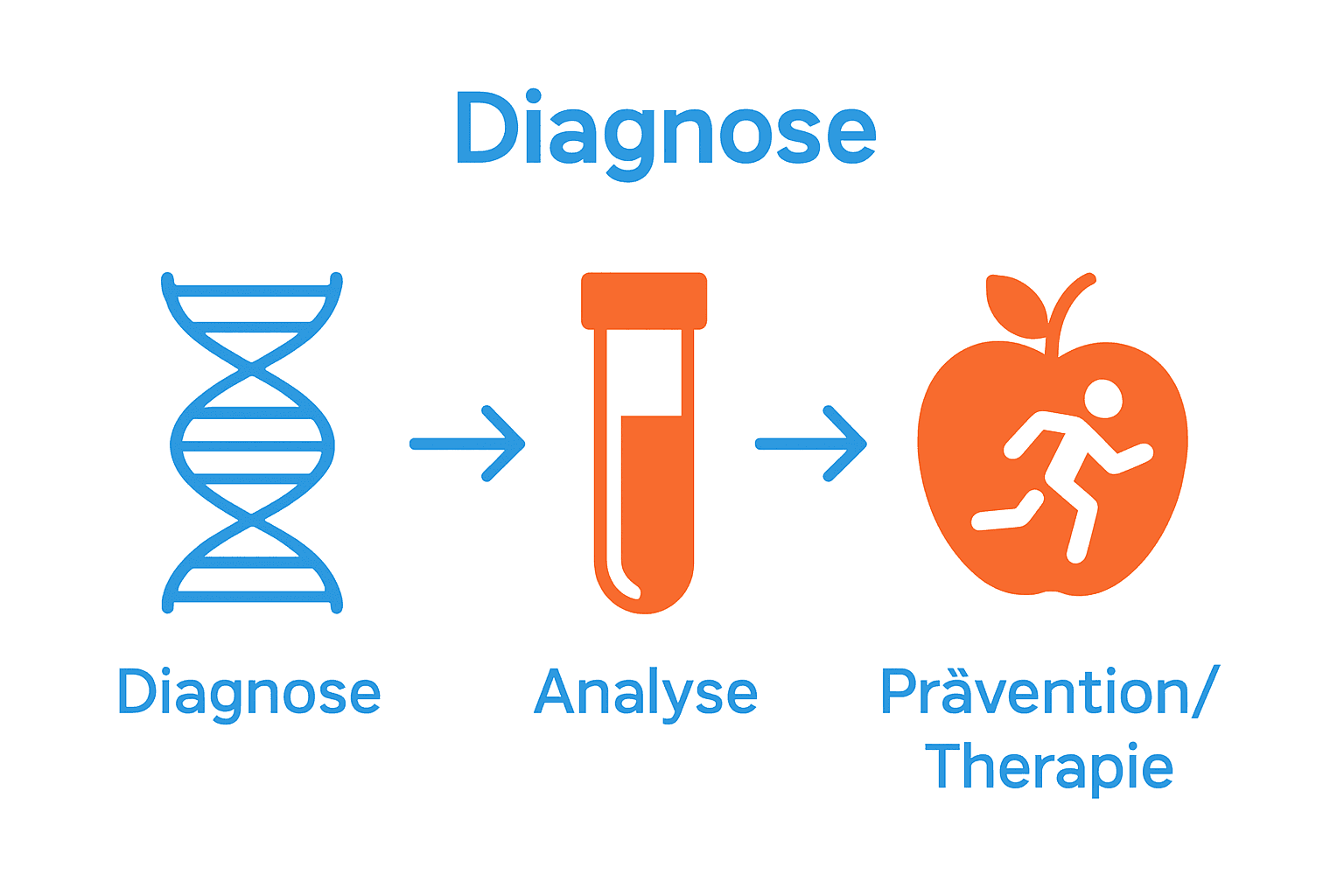 Highly sensitive testing methods are used to detect minimal deviations in biochemical processes.
Therapy options and personalized prevention
For metabolic disorders, various treatment approaches are available and are tailored to the specific condition. Acquired metabolic disorders can be effectively influenced through targeted treatment strategies. Natural tips for stimulating metabolism can be used to support treatment.
The key treatment options include:
- Medication
- Dietary changes
- Regular exercise
- Stress management
- Hormone-balancing therapies
For Metabolic syndrome, targeted dietary interventions are particularly effective. Targeted dietary strategies can effectively prevent secondary conditions such as diabetes and heart attacks. Key measures include reducing abdominal fat, controlling blood pressure, and balancing blood glucose and lipid levels.
Prevention plays a key role: A balanced diet, regular physical activity, and a healthy lifestyle can significantly reduce the risk of metabolic disorders. Individual approaches tailored to a person's specific health situation offer the best opportunities for prevention and treatment.
The role of genetic analyses and personalized tests
Genetic analyses play a crucial role in the detection and prevention of metabolic disorders. Congenital metabolic diseases, which are genetic in origin, are rare (approximately 1 in 500–1,000) but can have serious consequences, making early diagnosis essential. Understanding genetic analysis provides deep insight into individual health risks.
The key aspects of genetic diagnostics include:
- Identification of genetic risk factors
- Creation of individual health profiles
- Early detection of metabolic predispositions
- Development of personalized prevention strategies
- Personalized nutrition recommendations
Personalized medicine uses modern genetic and epigenetic diagnostics to create precise risk profiles. Through molecular genetic testing and comprehensive lifestyle analyses, doctors can develop targeted prevention and treatment options.
The importance of these individualized approaches lies in the ability to detect potential health risks at an early stage and develop personalized preventive healthcare strategies. Modern genetic tests thus offer a pioneering approach to proactive health management.
Discover the causes of your metabolic problems and find your personal solution
Many people struggle with fatigue, unexplained weight gain, or the feeling that their metabolism is “out of balance.” In this guide, you have learned how complex the background of metabolic disorders can be and how individual the symptoms may be. Uncertainty about your own values and risk factors can add to this concern. This is exactly where mybody® comes in.
With a DNA metabolism test, you can get answers to your personal questions about nutrition, weight, and energy metabolism. Additional hormone tests allow you to specifically assess hormonal influences. You can conveniently perform all tests at home and benefit from precise analyses, including personalized recommendations. Get started now at mybody® and turn the insights from your metabolic profile into a better quality of life. Your health deserves the chance to make a difference today.
Frequently Asked Questions
What are the most common symptoms of a metabolic disorder?
The most common symptoms of a metabolic disorder are extreme fatigue, unexplained weight changes, difficulty concentrating, hormonal imbalances, and digestive problems.
What types of metabolic disorders are there?
The most common types of metabolic disorders include diabetes mellitus, thyroid disorders, gout, and lipid metabolism disorders.
How are metabolic disorders diagnosed?
Metabolic disorders are diagnosed through blood tests, genetic analyses, enzyme activity tests, and hormonal examinations to identify specific metabolic abnormalities.
What treatment options are available for metabolic disorders?
Treatment options for metabolic disorders include medication, dietary changes, regular exercise, stress management, and, where appropriate, hormonal adjustments.



Share now:
How to find the right health test
Understand matcha green tea and use it for yourself