
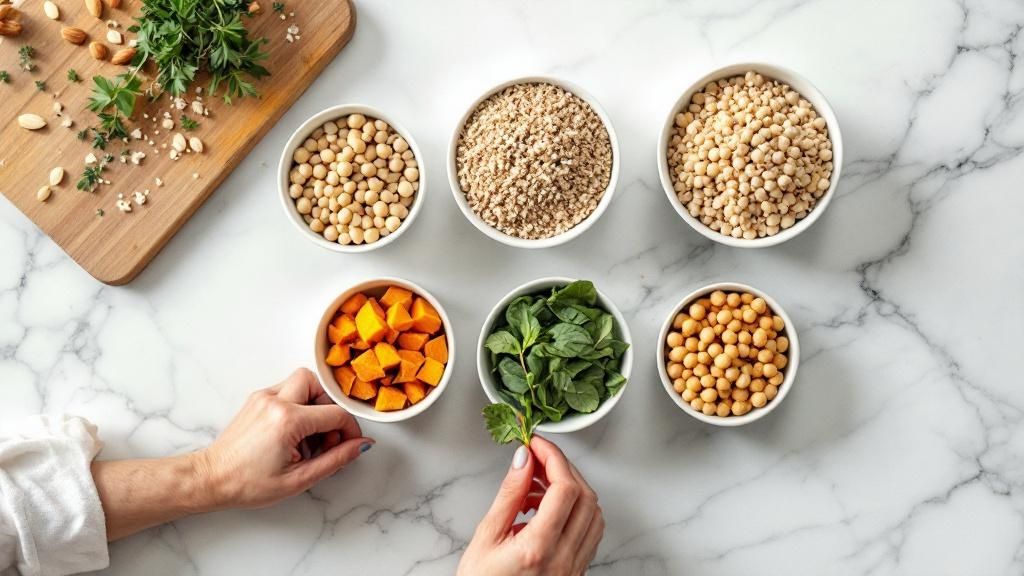
Diet for Celiac Disease: 6 Safe & Delicious Options
A celiac disease diagnosis can feel overwhelming at first. Suddenly, you have to avoid gluten and wonder: What can I even eat anymore? Don’t worry—you’re in exactly the right place! A gluten-free lifestyle doesn’t mean deprivation; it is an opportunity to consciously reshape your diet in a pleasurable way.
This article is your practical guide to a balanced diet for celiac disease. We will show you step by step how to build a meal plan that is not only safe but also nutrient-rich and varied. Instead of overwhelming you with complex theory, we focus on what really matters: concrete, practical examples and strategies you can implement right away.
You will learn about six fundamental building blocks of a gluten-free diet, from versatile pseudocereals such as quinoa to protein-rich legumes. We will examine each option in detail and explain why it is so valuable for your body. You will receive clear, practical tips to ensure optimal nutrient intake and avoid common deficiencies.
Our goal is to give you the knowledge you need to take charge of your health with confidence. We speak to you as an equal and translate the most important facts into clear, empathetic language so that you can better understand your body and manage your diet for celiac disease with confidence and enjoyment. Let’s discover together how varied and delicious gluten-free eating can be.
1. Quinoa-based meals
Quinoa is an outstanding building block for a nutrient-rich and safe diet for celiac disease. Often referred to as the “Inca grain,” it is botanically a pseudocereal and belongs to the amaranth family, just like spinach and beetroot. This makes it naturally 100% gluten-free and a fantastic alternative to wheat, barley, and rye.
For people with celiac disease, quinoa is not only a safe choice but also a nutritionally valuable one. It contains all nine essential amino acids, making it a complete protein source—a rarity in the plant kingdom. It is also rich in fiber, which supports healthy digestion, as well as important minerals such as magnesium, iron, and manganese.
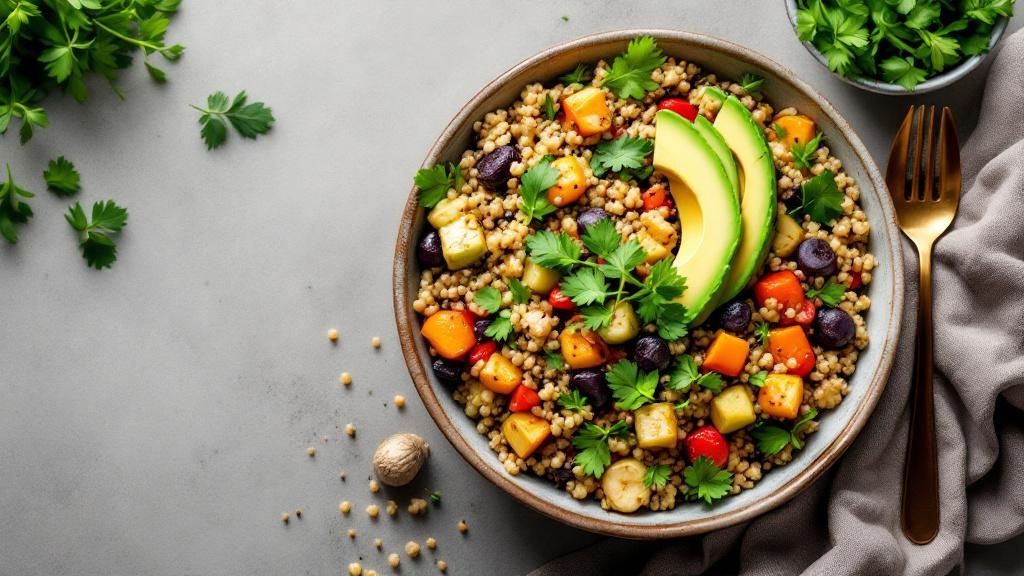
Why Quinoa Is a Smart Choice for Your Diet
Quinoa’s versatility is its greatest advantage. It can serve as the basis for countless dishes and adapts to both savory and sweet flavors. This helps prevent culinary boredom, which can quickly arise during a restrictive diet.
Tip for you: Incorporating quinoa into your diet not only ensures an adequate intake of important nutrients that are often lacking in a gluten-free diet (e.g., fiber and B vitamins), but also stabilizes blood sugar levels through its low glycemic index. This promotes a long-lasting feeling of fullness and helps prevent cravings.
Its easy digestibility makes quinoa a gentle option for the gut, which is often irritated by celiac disease. It provides complex carbohydrates that supply lasting energy without burdening your digestive system.
Practical implementation: How to successfully incorporate quinoa
Getting started with quinoa dishes is easy. With a few simple tips, you can make the most of this superfood and quickly make it a regular part of your kitchen.
Examples of versatile quinoa dishes:
- Quinoa Buddha bowls: Combine cooked quinoa with roasted vegetables (e.g., sweet potatoes, broccoli), legumes (chickpeas, black beans), and a delicious tahini dressing.
- Mediterranean quinoa salad: Mix quinoa with cucumbers, tomatoes, olives, feta (or a vegan alternative), and fresh herbs such as parsley and mint.
- Quinoa breakfast porridge: Cook quinoa with milk or plant-based milk instead of water and serve it warm with fresh berries, nuts, and a touch of cinnamon or maple syrup.
- Stuffed peppers: Use a mixture of quinoa, vegetables, and herbs as a filling for bell peppers and bake them in the oven until tender.
Practical tips for you:
- Always rinse thoroughly: Wash quinoa in a fine-mesh sieve under running water before cooking. This removes the saponins, natural bitter compounds on the outer layer.
- Roast for more flavor: Sauté the rinsed, dry quinoa in a pot for a few minutes before adding liquid. This intensifies its nutty flavor.
- Use meal prep: Cook a larger quantity of quinoa (using a ratio of 1 part quinoa to 2 parts water or broth) and store it in the refrigerator. This gives you a quick and healthy base for salads or side dishes for several days.
- Check the certification: When buying, look for the “gluten-free” seal to rule out contamination from processing in facilities that also handle gluten-containing grains. Brands like Ancient Harvest or Bob's Red Mill are often a safe choice.
2. Rice-Based Dishes
Rice is a globally valued staple food and a true blessing for a safe diet for people with celiac disease. As a naturally gluten-free grain, it forms the basis of countless cuisines around the world and provides a reliable and versatile source of carbohydrates. Whether white, brown, basmati, or wild rice, all varieties are safe for people with celiac disease and are an excellent alternative to gluten-containing grains.
For people with celiac disease, rice is more than just a safe side dish. It is easy to digest and therefore particularly gentle on a sensitive gut that needs to recover from the effects of gluten intolerance. Brown rice also provides valuable fiber, B vitamins, and minerals such as magnesium and selenium, which contribute to a balanced nutrient intake.
Why rice is a smart choice for your diet
Rice's universal versatility makes it an invaluable part of any gluten-free kitchen. It pairs well with almost all ingredients and flavors, from spicy curries and creamy risottos to refreshing rice bowls. This adaptability prevents monotony and brings culinary enjoyment to everyday meals.
A tip for you: Regularly incorporating rice into your meal plan ensures a stable and well-tolerated source of energy. Unlike many gluten-free substitute products, which are often highly processed, rice is a natural, minimally processed food. It serves as the perfect canvas for combining nutrient-rich ingredients such as vegetables, legumes, and lean protein to create wholesome, satisfying meals.
Rice's easy availability and low price also make it an accessible and budget-friendly staple for daily nutrition, which is a decisive advantage given the often higher costs of specialty gluten-free products.
Practical implementation: How to successfully incorporate rice
Getting started in the diverse world of rice dishes is incredibly easy. With a few basic techniques, you can quickly and effortlessly make rice a central part of your cooking routine.
Examples of versatile rice dishes:
- Asian fried rice: Use rice cooked the day before and fry it with vegetables, egg, soy sauce (gluten-free!), and optionally chicken or tofu.
- Italian risotto: A creamy mushroom risotto with Parmesan is a classic that is gluten-free and promises pure enjoyment.
- Mexican rice bowls: Combine rice with black beans, corn, avocado, salsa, and a dollop of sour cream for a quick and nutritious meal.
- Thai coconut rice: Cooked in coconut milk instead of water, rice becomes a delicious side dish for curries or grilled fish.
Practical tips for you:
- Always wash thoroughly: Rinse the rice under cold water before cooking until the water runs clear. This removes excess starch and results in fluffier rice.
- Flavor while cooking: Add spices, herbs, or a clove of garlic directly to the cooking water to give the rice more flavor from the start.
- Rice cooker for perfection: For consistently perfect results without burning or boiling over, a rice cooker is a worthwhile investment.
- Look for certification: To avoid cross-contamination that can occur during processing in mills, look for products with a clear “gluten-free” seal. Brands such as Lundberg Family Farms offer guaranteed safety here.
3. Gluten-Free Pasta Alternatives
Pasta is a staple of everyday cuisine for many people, but for those with celiac disease, enjoying it long seemed out of reach. Fortunately, that has fundamentally changed. Modern gluten-free pasta alternatives are a blessing for the celiac disease diet, making it possible to enjoy traditional dishes without compromising on taste or texture. These noodles are made from a variety of ingredients such as corn, rice, lentils, chickpeas, or buckwheat and are naturally 100% gluten-free.
The quality of these alternatives has improved enormously in recent years. Gone are the days of brittle, sticky noodles that fell apart after cooking. Today's products offer an excellent “al dente” bite and a neutral flavor profile that pairs perfectly with any sauce. They are not only a safe choice, but often a nutritionally beneficial one as well—especially legume-based pasta, which provides additional protein and fiber.
This minimalist decision tree helps you choose the right gluten-free pasta for your next dish based on your goals.
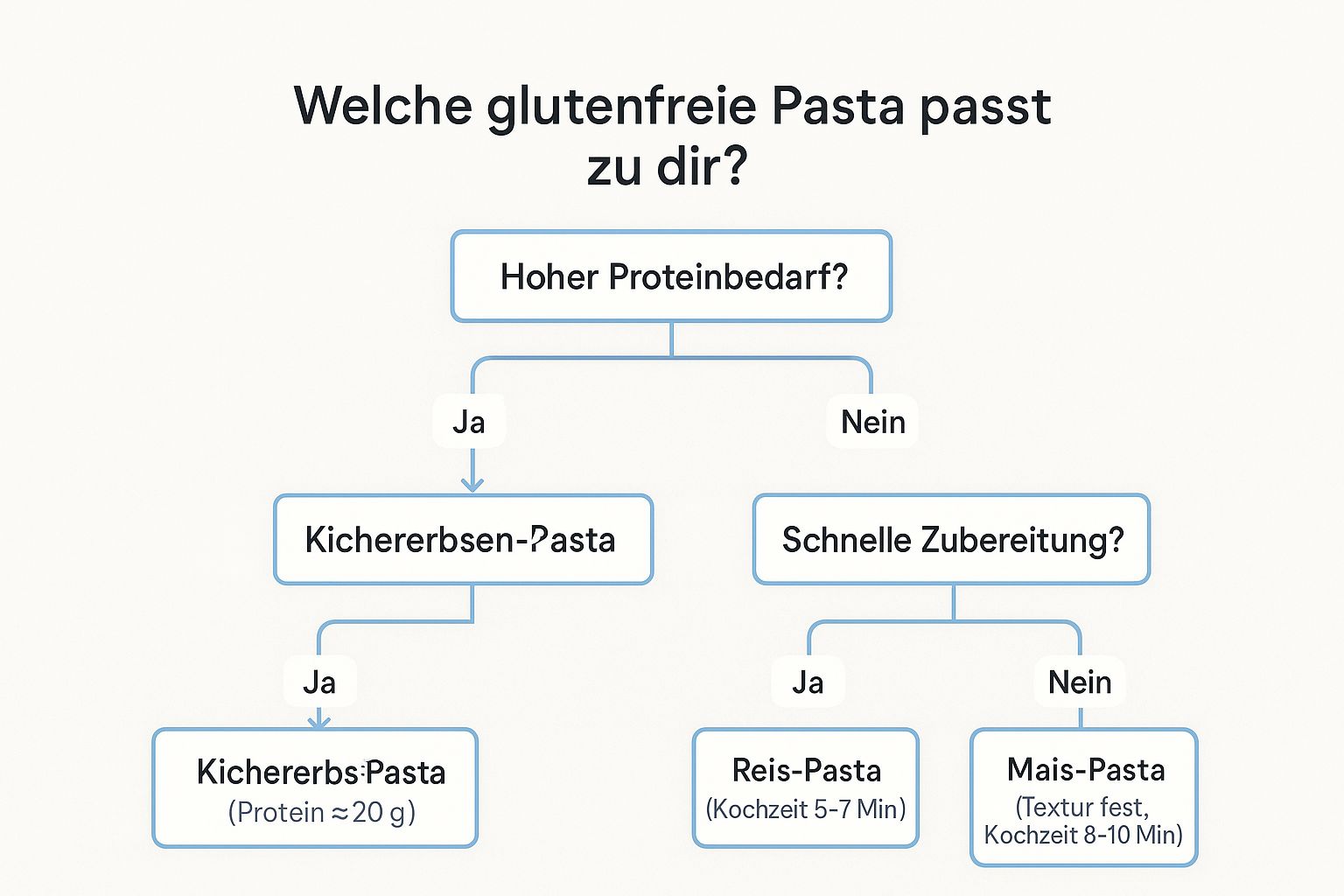
The visualization shows that choosing chickpea pasta is ideal when you want to maximize your protein intake, while rice pasta is a quick everyday option.
Why pasta alternatives are a smart choice for your diet
Gluten-free pasta fills an important gap in the meal plan and greatly improves quality of life. It allows you to take part in shared meals and enjoy beloved classics without feeling excluded. This is psychologically very important for maintaining the diet over the long term.
A tip for you: Purposefully using different types of pasta can optimize your nutrient intake. Pasta made from red lentils or chickpeas increases the protein and fiber content of your meal, which promotes satiety and stabilizes blood sugar levels. Rice or corn noodles, on the other hand, are particularly easy to digest and are a good choice for days when your digestive system is more sensitive.
The variety of available shapes, from spaghetti and penne to fusilli, ensures that you can find the right pasta for every recipe and avoid culinary boredom.
Practical implementation: How to successfully incorporate pasta alternatives
Handling gluten-free pasta is easy, but it requires a little more attention during cooking than conventional wheat pasta. With these tips, you can make every dish perfectly.
Examples of versatile pasta dishes:
- Classic Bolognese: Use lentil or corn spaghetti as the base for a rich meat or vegetable ragù.
- Creamy pesto dish: Chickpea fusilli pair wonderfully with fresh basil pesto, toasted pine nuts, and cherry tomatoes.
- Asian noodle stir-fry: Gluten-free rice noodles are the perfect base for a quick pad Thai with tofu, vegetables, and peanut sauce.
- Pasta salad for on the go: Cook brown rice penne, rinse it with cold water, and mix it with Mediterranean vegetables, feta, and a light vinaigrette dressing.
Practical tips for you:
- Follow the cooking time precisely: Gluten-free pasta tends to overcook quickly. Test it one to two minutes before the time indicated on the package to achieve the perfect “al dente” texture.
- Use a large pot and plenty of water: Give the pasta enough room and use plenty of salted, boiling water. This prevents it from sticking together.
- Don’t rinse (except for salads): Do not rinse the pasta with cold water after cooking if you want to serve it warm with a sauce. The starch on the surface helps the sauce adhere better. The exception is pasta salads.
- Look for certification: To reliably prevent cross-contamination, choose products with an official “gluten-free” seal (e.g., the crossed-out grain symbol). Brands like Barilla or Schär offer a wide and reliable selection.
4. Naturally gluten-free proteins with vegetables
Focusing on unprocessed, naturally gluten-free proteins combined with fresh vegetables is a cornerstone of a safe and nutrient-rich diet for celiac disease. Fresh fish, poultry, meat, and eggs contain no gluten and, together with colorful vegetables, form balanced meals that optimally nourish the body while being gentle on the sensitive gut.
This approach focuses on whole, unprocessed foods and simple preparation methods. This not only minimizes the risk of accidental gluten intake but also maximizes the intake of essential nutrients such as high-quality protein, vitamins, minerals, and antioxidants. For people with celiac disease, this is crucial, as optimal nutrient intake supports the regeneration of the intestinal lining and helps prevent deficiencies.
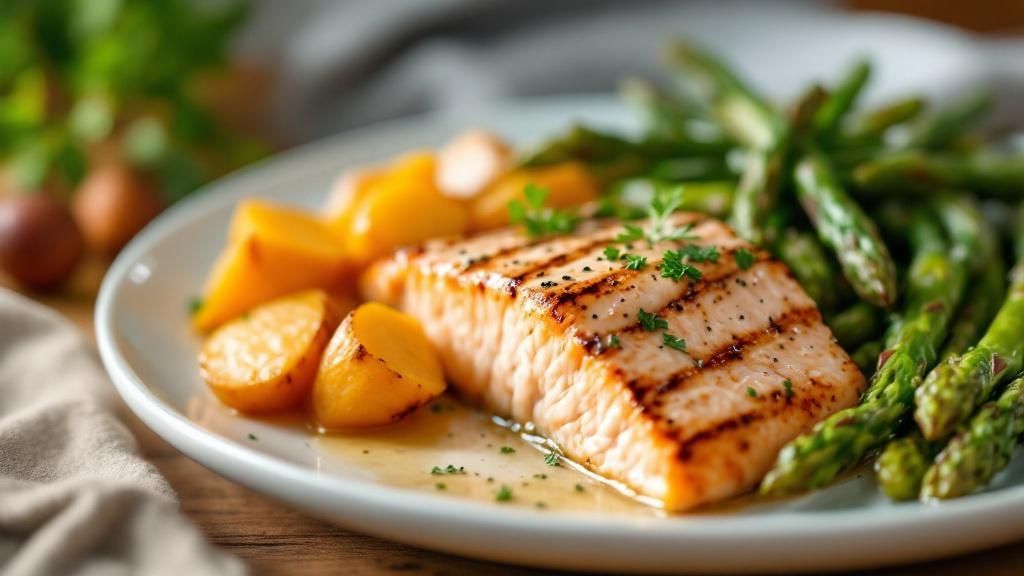
Why this combination is a smart choice for your diet
Focusing on unprocessed proteins and vegetables is the simplest and safest way to avoid hidden gluten. While processed products often contain hidden gluten in sauces, marinades, or coatings, fresh ingredients are naturally safe. This clarity significantly reduces the stress of shopping and cooking.
A tip for you: Combining protein with fiber-rich vegetables promotes long-lasting satiety and stable blood sugar levels. This helps prevent cravings for snacks that often contain gluten and supports healthy weight management. At the same time, this nutrient combination provides building blocks for repairing the intestinal villi damaged by celiac disease and actively contributes to improving gut health.
This way of eating is also extremely flexible and adaptable. It suits various lifestyles and preferences, from the Mediterranean diet to the Paleo approach, and enables enormous culinary variety without complicated substitute products.
Practical implementation: How to successfully incorporate protein and vegetables
Preparing delicious and safe meals from these basic ingredients is straightforward. With a few tried-and-tested methods, you can create varied and nutritious dishes that enrich your meal plan.
Examples of versatile protein-and-vegetable dishes:
- Grilled salmon with roasted asparagus: Combine salmon fillets with green asparagus and diced sweet potatoes, all roasted in the oven with olive oil and herbs.
- Herb chicken with broccoli: Cook a chicken breast in a crust of fresh herbs (gluten-free!) and serve it with steamed broccoli.
- Beef stir-fry: Cut lean beef into strips and stir-fry it with a colorful mixture of bell peppers, onions, snow peas, and broccoli in a gluten-free tamari soy sauce.
- Scrambled eggs with spinach and mushrooms: A quick, protein-rich breakfast or light meal in which eggs are scrambled with fresh spinach and mushrooms in a pan.
Practical tips for you:
- Check sauces and seasonings: Always carefully read the ingredient list on all marinades, sauces, spice blends, and broths. Wheat, barley, or rye may be hidden in them. Instead, opt for fresh herbs, garlic, onions, and high-quality oils.
- Avoid cross-contamination: Use separate cutting boards, knives, and cooking utensils for gluten-free and gluten-containing foods to prevent contamination in your kitchen.
- Meal prep: Prepare a larger quantity of proteins (e.g., cooked chicken breast, meatballs) and chopped vegetables. This allows you to quickly put together healthy meals during the week.
- Focus on quality: Whenever possible, choose proteins from pasture-raised or wild-caught sources and organically grown vegetables. These often contain a better nutrient profile and fewer unwanted additives, which benefits your overall gut health. Read more here about how to improve your gut health.
5. Certified gluten-free oat products
Oats are a potentially valuable food for a balanced diet for celiac disease, but they are often the subject of debate. Oats are naturally gluten-free and contain avenin, a protein tolerated by most people with celiac disease. The main problem is contamination: During cultivation, harvesting, and processing, conventional oats often come into contact with gluten-containing grains such as wheat and are therefore not safe for those affected.
Certified gluten-free oats solve this problem. They are grown and processed under strictly controlled conditions to avoid any contact with gluten. This makes them a safe and nutrient-rich addition to the diet, providing an excellent source of fiber, especially beta-glucans, as well as vitamins and minerals.
Why gluten-free oats are a smart choice for your diet
Reintroducing oats into the diet can significantly improve the quality of life of people with celiac disease. Oats add variety, especially at breakfast, and provide valuable nutrients. Their high fiber content supports digestion and promotes a long-lasting feeling of fullness.
Tip for you: Consuming certified gluten-free oats can help fill nutritional gaps that may arise from following a strict gluten-free diet. The soluble fiber (beta-glucans) in oats has been shown to have positive effects on cholesterol levels and blood sugar regulation, promoting overall metabolic health and enriching the diet of people with celiac disease.
However, it is important to note that a small percentage of people with celiac disease also react sensitively to the oat protein avenin. Therefore, oats should always be introduced in consultation with a doctor or nutritionist and after a stable period on a gluten-free diet. A test for celiac disease and other intolerances can provide important initial insights and serve as a basis for further dietary steps.
Practical implementation: How to successfully incorporate gluten-free oats
Safe enjoyment of oats starts with choosing the right products and introducing them gradually. These tips will help you incorporate them without difficulty.
Examples of versatile dishes with gluten-free oats:
- Classic porridge: Cook gluten-free rolled oats with milk or a plant-based alternative, then refine it with fresh berries, nuts, and a spoonful of honey.
- Overnight oats: Soak the rolled oats overnight in the refrigerator with yogurt, chia seeds, and fruit—a perfect breakfast to take with you.
- Oat flour pancakes: Grind gluten-free rolled oats into flour and use it to make fluffy, nutritious pancakes.
- Homemade granola: Mix rolled oats with nuts, seeds, and a little maple syrup, then bake them in the oven until crisp.
- Savory oat risotto: Use whole oat grains (oat groats) as the base for a creamy risotto with mushrooms and vegetables.
Practical tips for you:
- Look for the seal: Buy only products explicitly certified as “gluten-free.” The crossed-out ear of wheat symbol provides the greatest assurance here.
- Start slowly: Introduce oats in small amounts (e.g., 25–50 grams per day) and observe how your body reacts before increasing the amount.
- Keep them separate in the kitchen: Store gluten-free oats separately from gluten-containing products and use clean utensils to avoid cross-contamination in your own kitchen.
- Use them in a variety of ways: Take advantage of the versatility of oats. You can process them into flour to give baked goods a moister texture or use them as a binder in patties.
6. Legume-based meals
Legumes such as lentils, chickpeas, black beans, and other varieties are natural powerhouses and an essential part of a healthy diet for celiac disease. They are naturally 100% gluten-free and provide an affordable, versatile, and nutrient-rich foundation for countless dishes.
For people with celiac disease, legumes are an excellent source of plant-based protein, complex carbohydrates, and especially fiber. The latter is essential for healthy digestion, which often needs special support after a celiac disease diagnosis. They also provide important micronutrients such as iron, folate, magnesium, and potassium, whose absorption may be impaired by intestinal damage.
Why legumes are a smart choice for your diet
Incorporating legumes into your meal plan is not only safe but also a smart decision. They offer high nutrient density at a low price and help make your diet varied and satisfying. Their versatility ranges from soups and stews to salads and dips, as well as meatless main dishes.
Tip for you: Legumes are rich in soluble and insoluble fiber. This combination promotes a healthy gut flora (microbiome) and supports the regeneration of the intestinal lining damaged by celiac disease. Their high protein content also provides long-lasting satiety, which helps regulate body weight and avoid blood sugar spikes.
As a staple in kitchens around the world, from Mediterranean to Indian cuisine, they offer virtually endless culinary variety. This helps prevent the feeling that you have to give up enjoyment because of a gluten-free diet.
Practical implementation: How to successfully incorporate legumes
Legumes are easy to work with and can be seamlessly incorporated into everyday life. Whether canned for quick meals or dried for better control over the salt content, they are always a good choice.
Examples of versatile dishes with legumes:
- Mediterranean lentil soup: A warming soup made with red lentils, carrots, celery, and herbs is nutritious and easy to digest.
- Chickpea curry: Combine chickpeas with coconut milk, spinach, and aromatic spices, served with gluten-free rice or quinoa.
- Black bean tacos: Use seasoned black beans as a protein-rich filling for gluten-free corn tortillas, topped with fresh cilantro, avocado, and salsa.
- Hummus with vegetable sticks: A classic dip made from puréed chickpeas, tahini, lemon, and garlic, ideal as a snack or appetizer.
Practical tips for you:
- Increase gradually: If your digestive system is not used to a lot of fiber, start with small portions (e.g., 2–3 tablespoons per meal) to avoid bloating.
- Prepare dried beans properly: Soak dried legumes overnight and cook them in fresh water. This reduces the cooking time and improves digestibility.
- Rinse canned goods: Rinse canned legumes thoroughly under running water. This removes excess salt and preservatives.
- Check certification: Even with processed products such as lentil noodles or bean spreads, always look for the official “gluten-free” seal to rule out cross-contamination.
Nutritional overview: 6 gluten-free options compared
| Comparison criterion | Quinoa-based meals | Rice-based dishes | Gluten-free pasta alternatives | Natural gluten-free proteins with vegetables | Certified gluten-free oat products | Legume-based meals |
|---|---|---|---|---|---|---|
| Preparation effort | Moderate - Rinse quinoa thoroughly; short cooking time | Low - Easy to prepare, but watch out for gluten contamination | Moderate - Varying cooking times, al dente is important | High - More preparation time and care with spices | Moderate - Use only certified products | Moderate - Longer cooking times, soaking required |
| Cost & availability | Moderate - Slightly more expensive than grains, but quick to cook | Low - Widely available and affordable | Moderate to high - More expensive than wheat pasta | Low to moderate - Fresh ingredients, possibly longer storage | Moderate - Specially certified products required | Low - Very affordable and has a long shelf life |
| Nutritional value & benefits | High - Complete protein, filling, versatile | Moderate to high - Gluten-free and versatile, but sometimes lower in nutrients | Moderate to high - Good texture and protein, depending on the variety | High — natural nutrients, high protein quality | High — rich in fiber, good for the heart and digestion | High — rich in protein and fiber, filling |
| Ideal for... | Gluten-free staple meals, salads, breakfast | Safe gluten-free staple food, as a side dish or main course | For gluten-free pasta lovers, versatile | High-protein main dishes, fresh, natural diet | Breakfast, baked goods, high-fiber diet | Vegetarian / vegan high-protein dishes, soups, stews |
| Key benefits | Rich in all essential amino acids, versatile, quick | Widely available, affordable, many varieties | Traditional gluten-free pasta alternatives, often high in protein | No hidden gluten, high nutrient density, versatile | Healthy thanks to beta-glucan, soothing for digestion | Sustainable, affordable, filling, versatile |
Your diet, your health: Take control yourself
As you can see, a varied, delicious, and above all safe diet for celiac disease is not an insurmountable challenge, but an exciting journey toward greater well-being. The building blocks presented in this article—from quinoa and rice to gluten-free pasta and legumes—are far more than mere substitute products. They form the foundation of a creative, nutrient-rich cuisine that nourishes your body optimally while also bringing you joy. The crucial shift in perspective is to focus not on giving things up, but on the endless abundance of naturally gluten-free foods available to you. It is about making conscious choices and taking control of your health.
Key takeaways at a glance
Switching to a strictly gluten-free diet is the only way to manage the symptoms of celiac disease and heal the small intestine. But the journey does not end with giving up wheat, rye, and barley. To truly thrive, several points are crucial.
- Variety is your strongest ally: Focus on incorporating a wide range of foods. Pseudocereals such as quinoa, different types of rice, legumes, and a colorful selection of vegetables and fruit ensure that you get essential vitamins, minerals, and fiber.
- Watch out for hidden gluten: Be a detective when reading the ingredients list. Gluten can hide in sauces, spice blends, processed meat products, and even medications. The official crossed-grain symbol is your most reliable guide.
- Proactively address nutrient gaps: If not well planned, a gluten-free diet can lead to deficiencies in B vitamins (especially folate), iron, and fiber. Intentionally include nutrient-dense foods such as lentils, beans, leafy green vegetables, and certified gluten-free oats.
- Your gut needs time and support: Even after changing your diet, it can take time for the intestinal lining to fully regenerate. A healthy gut microbiome is essential for nutrient absorption and the immune system.
A tip for you: Successfully managing your diet with celiac disease is not a one-time project, but an ongoing process of learning and adapting. Your body changes, and so do your needs. The goal is not perfection, but a sustainable, mindful lifestyle that gives you energy and protects your health in the long term.
Your next steps toward greater well-being
Now it is your turn. Instead of feeling overwhelmed, see this as an invitation to rediscover your diet. Start small and set realistic goals. Try a new gluten-free recipe each week or replace a familiar meal with one of the alternatives presented here. Knowing the right diet for celiac disease gives you the power to actively shape your well-being.
But what if, despite carefully changing your diet, you still feel that something is not right? Perhaps you often feel tired, your digestion is acting up, or you wonder whether your body is really receiving all the nutrients it needs. General advice is a good starting point, but it cannot replace personalized analysis. Every metabolism is unique, and the effects of celiac disease can vary greatly from person to person. This is precisely where general knowledge becomes targeted action. Scientifically based tests can show you exactly where your body needs support—whether with specific nutrient deficiencies or the balance of your gut microbiome. By gaining data-driven insights into your own body, you can precisely optimize your diet and lifestyle and put an end to the guesswork.
Are you ready to take your health to the next level and gain clarity about your individual needs? The personalized health analyses from MYBODY Lab GmbH can help you understand and optimize your nutrient intake and gut health in a targeted way. Discover with scientific precision what your body really needs to thrive with celiac disease. MYBODY Lab GmbH

Share now:
Your iron deficiency test: Everything you need to know
Helicobacter Symptoms on the Tongue: What Your Tongue Reveals