

Genetic analysis – How you can influence your health and nutrition
Nearly one in three Germans is now interested in genetic analysis for preventive healthcare. Our DNA contains clues about disease risks, nutrition, and even fitness potential. Those who better understand their genetic fingerprint can consciously adapt their daily lives and take advantage of health opportunities. Here you can learn how genetic analysis works, what possibilities it offers, and why precise insights into your genetic makeup can be so valuable.
Table of contents
- What does genetic analysis mean, and how does it work?
- Types of genetic analyses for health and everyday life
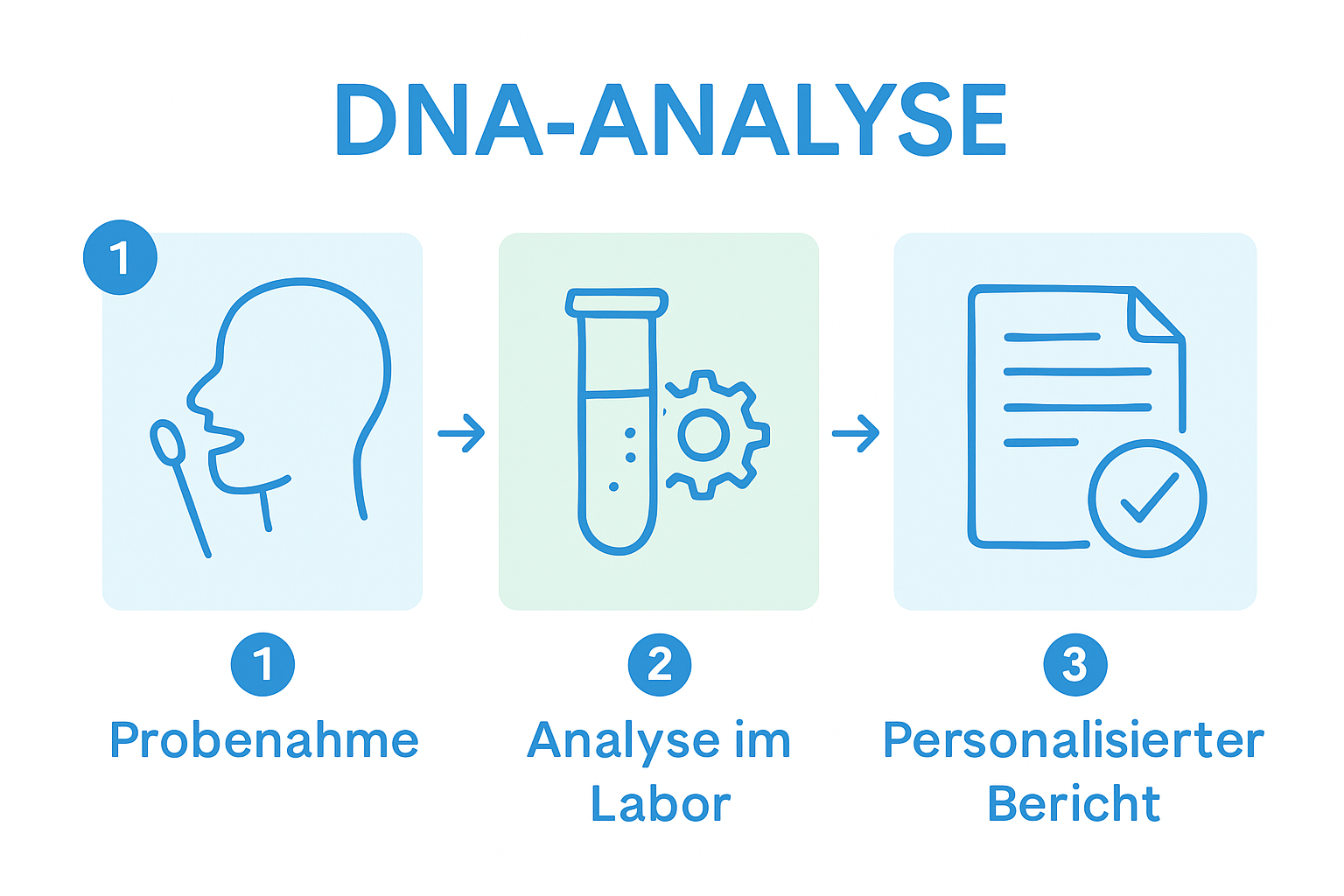
- Process: From sample collection to results
- Benefits for nutrition, weight, and prevention
- Limitations, data protection, and risks of genetic analysis
Key insights
| Point | Details |
|---|---|
| Definition of genetic analysis | A genetic analysis decodes individual genetic characteristics and provides insights into personal health. |
| Genetic analysis process | Includes sample collection, laboratory analysis, evaluation, and creation of a personalized health profile. |
| Health benefits | Genetic analyses provide personalized nutrition recommendations, weight management, and preventive healthcare. |
| Limitations and data privacy | Genetic analyses have scientific limitations and require a high level of confidentiality regarding genetic information. |
What does genetic analysis mean, and how does it work?
A genetic analysis is a scientific examination method that makes it possible to decode your individual genetic characteristics and predispositions. It is based on analyzing your genetic material, DNA, to gain detailed insights into your personal health.
The genetic analysis process involves several important steps:
- Sample collection: A simple saliva test is usually performed
- Laboratory analysis: State-of-the-art sequencing technologies decode your genetic information
- Evaluation: Scientists identify specific genetic variants
- Interpretation: Creation of a personalized health profile
Genetic analysis can provide important information about various health aspects. This includes insights into your nutritional tolerance, metabolic processes, disease risks, and even athletic suitability. Particularly valuable are insights that can help you proactively optimize your health.
From a scientific perspective, genetic analysis enables a personalized approach to nutrition and health. Instead of following standard recommendations, you receive tailored insights based on your individual genetic profile. This means that what works for others may not automatically be the best approach for you.
Types of genetic analyses for health and everyday life
There are various types of genetic analyses that shed light on different aspects of your health and genetics. One important method is gene expression analysis, which examines how active certain genes are in your cells and provides important information about cellular processes.
The main types of genetic analyses include:
- DNA metabolism analysis: Examines genetic variants that influence your metabolism
- Nutrigenomics: Analyzes genetic factors that determine your dietary tolerance
- Fitness genetic test: Identifies genetic predispositions for athletic performance
- Health risk analysis: Determines hereditary risks for certain diseases
A special form of genetic research is genome-wide association studies, which analyze genetic variations across the entire genome. This method helps identify links between specific gene variants and particular health characteristics or disease risks.
Genetic analyses give you the opportunity to proactively manage your health. With personalized DNA analyses, you can gain valuable insights into your individual genetic predisposition and develop targeted prevention strategies. Science now enables you to use your genetic information and optimize your health proactively.
Process: From sample collection to results
The process of genetic analysis begins with sample collection, which nowadays can be carried out very conveniently and easily. Depending on the type of analysis, there are various methods of collecting samples, all of which are quick and virtually painless.
A typical genetic analysis process includes the following steps:
- Sample collection:
- Saliva test
- Blood test
- Hair-root test
- Laboratory analysis:
- Extraction of genetic information
- Sequencing of the genetic material
- Identification of genetic variants
- Evaluation and interpretation:
- Scientific analysis of the results
- Creation of a personalized health profile
The step-by-step DNA analysis enables you to receive complex genetic information presented in an understandable way. Modern laboratories use highly precise technologies such as DNA arrays and genome sequencing to gain detailed insights into your individual genetic characteristics.
After completing the analysis, you receive a comprehensive report that presents not only the results but also personalized recommendations for action regarding nutrition, fitness, and preventive healthcare. These scientifically supported insights help you shape your health strategy individually and preventively.
Benefits for nutrition, weight, and prevention
Genetic analyses offer you a revolutionary way to optimize your health individually and precisely. Personalized health strategies can be developed through genetic testing, tailored precisely to your physical needs.
The key benefits of genetic analysis for nutrition and weight include:
-
Personalized nutrition recommendations
- Identification of nutrient utilization
- Detection of genetic metabolic characteristics
-
Weight management
- Analysis of genetic predispositions
- Customized fitness and nutrition strategies
-
Preventive healthcare
- Early detection of genetic risk factors
- Development of targeted preventive measures
The nutrition strategy for weight loss is completely redefined through genetic analysis. Instead of following standard diets, you receive scientifically supported recommendations tailored precisely to your genetic profile.

By combining genetic insights with personalized nutrition strategies, you can achieve your health goals more efficiently and sustainably. Genetic analysis is not merely a tool for weight loss, but a holistic approach to long-term health and well-being.
Limitations, data protection, and risks of genetic analysis
Genetic analyses are a powerful tool, but they have clear scientific limitations. Not all genetic risks can be predicted fully, and the results provide only probabilities, not absolute certainty.
Key challenges in genetic analyses:
-
Scientific limitations
- No 100% predictability of disease risks
- Complex interactions between genes and the environment
-
Data protection aspects
- Strictest confidentiality of genetic information
- Risks of potential data misuse
-
Ethical considerations
- Informational self-determination
- Potential psychological burdens
Genetic counseling is mandatory in Germany and helps you understand the complexity and potential consequences. It supports you in making informed decisions and handling your genetic data responsibly.
Despite these challenges, modern genetic analyses offer valuable insight into your personal health. An informed, thoughtful approach that carefully weighs the opportunities and risks is important.
Discover Your Individual Health Profile with Modern Genetic Analysis
Your genetic analysis reveals the keys to personalized nutrition and health. If you want to know how your genetic predisposition affects your metabolism, diet, and weight, DNA Metabolism Tests for Your Optimal Nutrition – mybody®x provides exactly the answers you are looking for. The analysis is conveniently performed at home, enabling you to make scientifically based individual decisions for a healthy life.
Take the opportunity now to optimize your diet specifically and take an active role in your preventive healthcare. With Nutrition Tests – Optimize Your Diet - mybody®x, you receive tailored recommendations that take your genetic characteristics into account. Get started today at mybody-x.com and experience the difference that personalized genetic analysis can make for greater well-being and lasting success in your health strategy.
Frequently Asked Questions
What is genetic analysis and how does it work?
A genetic analysis is a scientific method that decodes your genetic characteristics. It includes sample collection, laboratory analysis, evaluation, and the creation of a personalized health profile.
What types of genetic analyses are available?
There are various types of genetic analyses, including DNA metabolism analyses, nutritional genomics, fitness genetic tests, and health risk analyses, which shed light on different aspects of your health.
How can a genetic analysis influence my diet?
A genetic analysis provides personalized nutrition recommendations based on genetic factors that analyze your nutrient metabolism and food intolerances. This helps develop personalized nutrition strategies.
What precautions should be taken with genetic analyses?
When undergoing genetic analyses, scientific limitations, data protection aspects, and ethical considerations should be taken into account. Genetic counseling is recommended to better understand the results and their consequences.
Recommendation
- DNA Analysis for Weight Loss: Find Your Path to Your Feel-Good Weight – mybody®x
- Understanding Genetic Analysis: Your Personal Compass for Health – mybody®x
- NutriCare INFINITY DNA Test | DNA-Based Nutrition – mybody®x
- DNA Nutrition: The Genetic Code for Your Health – mybody®x
- Understanding Hair Analysis: Insights for Healthy Hair | MyHair



Share now:
Metabolic analysis explained: How it works and its benefits
Metabolic type diet: Find the tailor-made path to your feel-good weight