


What Is Microbiome Analysis? Everything You Should Know
ca. 8 Minuten

Over 1,500 different bacterial species live in our gut and influence our health more than many people realize. The microbiome plays a key role in digestion, the immune system, and metabolism. More and more people want to understand how these microorganisms affect their well-being and everyday processes. Here, you’ll learn how microbiome analysis works, what insights it provides, and why looking into your own gut ecosystem can be valuable for long-term health.
Table of Contents
- Definition and Basics of Microbiome Analysis
- How microbiome analyses are performed
- Applications and health benefits
- Understanding potential costs, the process, and results
- Limitations, risks, and what to look out for
Key Findings
| Point | Details |
|---|---|
| Importance of the Microbiome | The microbiome influences fundamental bodily functions such as digestion, immune response, and metabolism. A balanced microbiome can promote health and well-being. |
| Microbiome Analyses | Modern analyses provide detailed insights into the individual composition of gut bacteria and offer personalized recommendations for optimizing gut health. |
| Health Benefits | Microbiome analysis can help develop targeted strategies to improve health goals, including weight management and stress reduction. |
| Limitations and Precautions | Microbiome tests are no substitute for medical advice. If you have health concerns, you should always consult a doctor to receive a complete medical diagnosis. |
Definition and Basics of Microbiome Analysis
The microbiome refers to the complex community of microorganisms that live in and on our bodies - with a particularly high concentration in the gut. These tiny organisms play a crucial role in our health and have far more influence than was long assumed.
From a scientific perspective, the microbiome comprises all microorganisms in a defined habitat, with the human gut representing a particularly diverse microcosm containing over 1,500 different bacterial species. Every person has an individual microbiome that acts like a unique genetic fingerprint - complex and highly personal.
The composition of our gut microbiome influences numerous bodily functions: from digestion and the immune system to metabolic regulation. A balanced bacterial flora can reduce inflammation, make optimal use of nutrients, and even regulate the production of important chemical messengers such as serotonin. Microbiome imbalances, on the other hand, are associated with various health problems - from digestive disorders to chronic illnesses.
To understand the composition and health of your own gut microbiome, modern microbiome analyses offer a scientifically sound option. These tests provide detailed insight into the individual composition of gut bacteria and personalized recommendations for optimizing gut health.
How microbiome analyses are performed
Microbiome analyses are modern diagnostic procedures that provide detailed insight into the composition of gut bacteria. The process usually begins with a gut microbiome test, which can be conveniently completed at home.
The first step is to receive a test kit containing all the materials needed to collect the sample correctly. The sample itself is collected using a small stool sample, which is safely packaged in special collection containers and transport media. Careful handling is important: the sample must be refrigerated and sent to the laboratory promptly to ensure the quality and reliability of the analysis.
The sample is then scientifically analyzed in the laboratory using state-of-the-art DNA sequencing technologies. Highly sensitive methods make it possible to identify and quantify more than 1,500 different bacterial species. The analysis covers not only the composition itself but also functional aspects of the microbiome - such as the balance of different bacterial strains, potential inflammation markers, and metabolic activity.
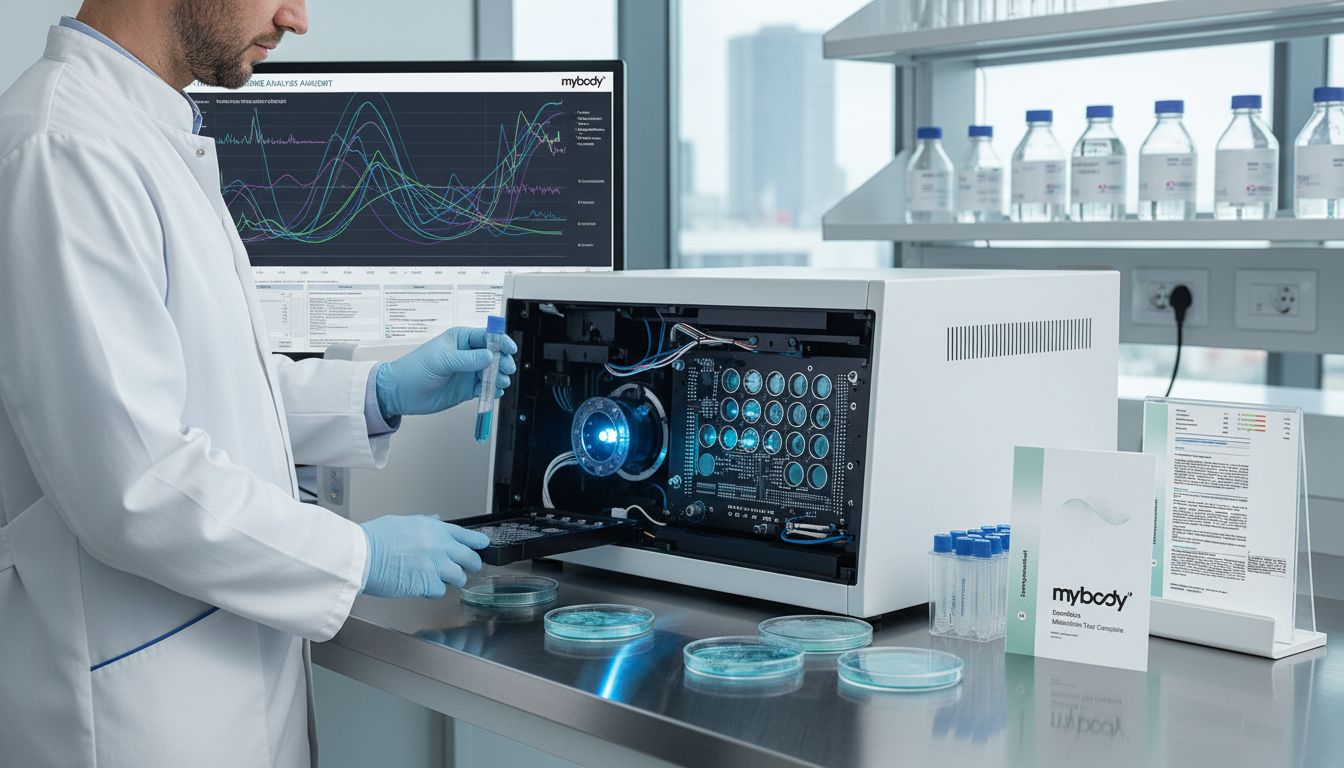
After the analysis is complete, you will receive a detailed results report containing not only scientific findings but also specific, personalized recommendations for action. These may include dietary advice, probiotic recommendations, or lifestyle adjustments tailored specifically to your individual gut microbiome composition.
Applications and health benefits
Microbiome analysis provides a comprehensive insight into your gut health and can offer valuable support in addressing many health challenges. Gut problems such as chronic digestive disorders, bloating, or intolerances can be better understood and addressed through targeted analysis.
A healthy microbiome plays a key role in various bodily functions. It affects not only digestion but also the immune system, metabolism, and even mental health. People with a balanced gut microbiome often show better weight regulation, stronger immune defenses, and improved nutrient absorption. Imbalances, on the other hand, can increase the risk of metabolic diseases, inflammation, and immune deficiencies.

Microbiome analysis enables personalized health strategies. Based on individual test results, targeted recommendations for nutrition, probiotics, and lifestyle can be developed. These can help sustainably improve specific health goals, such as weight management, stress reduction, or improved gut health.
The analysis is particularly valuable for people with chronic illnesses, digestive problems, or a desire to optimize their overall health. It provides not only insights but also concrete recommendations for supporting the gut microbiome in a targeted way and improving quality of life.
Understanding potential costs, the process, and results
The cost of a professional microbiome analysis varies depending on the level of detail and scope of the test. Genetic tests of comparable complexity show that prices between 100 and 250 euros are quite common. For microbiome tests, factors such as the level of detail, the number of bacterial strains tested, and the scope of the analysis play a decisive role.
A typical microbiome analysis begins with ordering a test kit that contains all the necessary materials for collecting a sample. Once you receive the kit, collect a small stool sample according to the instructions provided. Then send the sample back to the laboratory in a specially prepared envelope, where state-of-the-art DNA sequencing technologies enable a detailed analysis.
The results of a microbiome analysis are surprisingly comprehensive. You receive a scientifically grounded report that not only shows the composition of your gut bacteria, but also provides specific recommendations for optimizing your individual health. This report may include information on bacterial diversity, potential imbalances, metabolic activity, and personalized dietary recommendations.
Important to know: The costs of microbiome analysis are generally not covered by statutory health insurance, as it is considered a preventive service rather than a treatment. Nevertheless, more and more people are investing in these preventive health checks to identify risks early and take targeted action.
Limitations, risks, and what to look out for
Microbiome tests offer valuable insights, but they have clear scientific limitations. Genetic analyses can help explain individual health factors, but they cannot replace a complete medical diagnosis.
When taking a microbiome test, there are several important aspects to keep in mind. The results are only a snapshot and can change quickly due to diet, stress, or medication. In addition, digestive problems such as irritable bowel syndrome can have complex causes that cannot be determined by a microbiome test alone.
Important warnings apply especially to people with existing health problems. Even high-quality microbiome tests are no substitute for a medical consultation. If you have persistent symptoms such as diarrhea, abdominal pain, or unexplained digestive problems, it is essential to contact a doctor. The analysis can provide valuable insights, but it does not replace professional medical advice.
To get the most out of the test, it is best to view the results critically and objectively. Rely on reputable, scientifically validated analyses, and consult a healthcare professional if anything is unclear. Using the test results responsibly is key to better understanding your individual health.
Discover the power of microbiome analysis for your gut health
Do you often feel bloated or struggle with digestive problems for no clear reason? Then a microbiome analysis is the key to understanding the unique composition of your gut flora and improving it in a targeted way. Our body, and especially the microbiome, needs attention, because only with reliable insights can you improve your health in the long term.
With Gut Flora Analysis – For a Healthy Gut Flora - mybody®x, we offer you a precise, scientifically validated way to test your gut bacteria from the comfort of home. Benefit from personalized recommendations for nutrition and lifestyle tailored to your needs. Don’t wait until symptoms get worse; take the opportunity to actively improve your gut health now and enjoy greater well-being and quality of life.
Start your personalized analysis now and benefit from fast shipping and personal advice at mybody-x.com. Discover how modern microbiome tests can support you on your journey to a healthier gut.
Frequently asked questions
What is a microbiome analysis?
A microbiome analysis is a diagnostic procedure that examines the composition of microorganisms in the human gut. Using modern DNA sequencing technologies, more than 1,500 different bacterial species are identified and analyzed.
How is a microbiome analysis performed?
The analysis begins with the collection of a small stool sample using a special test kit. The sample is then sent to a lab, where it is analyzed using modern technologies.
What can I learn from the results of a microbiome analysis?
The results offer insights into the composition of your gut bacteria, possible imbalances, and recommendations for improving your gut health, such as dietary adjustments and probiotics.
How much do microbiome analyses cost?
The cost of a microbiome analysis varies, but is generally between 100 and 250 euros. The exact price depends on the depth of the analysis and the number of bacterial strains examined.


